Best SAP HR / HCM Training In Velachery ⭐SAP HR / HCM Course In Velachery | Updated 2026
Join Our 100% Job Guaranteed

Best SAP HR / HCM Training in Velachery

  • Enroll at a Leading SAP HR/HCM Training Institute in Velachery & Build HCM Expertise.
  • Our SAP HR/HCM Course in Velachery Covers Fundamental to Advanced Concepts.
  • Develop Practical Skills Through Real-Time SAP HR/HCM Projects with Industry Guidance.
  • Earn a Globally Recognized SAP HR/HCM Certification with Dedicated Placement Assistance.
  • Select Convenient Weekday, Weekend, or Fast-Track Training Batches to Suit Your Schedule.
  • Get Professional Support for Building a Strong Resume and Preparing for Interviews.

Explore Active Opportunities on by ACTE

Live 1000+ Jobs and Internships
Quality Training With Affordable Fees in Velachery!

⭐ Fees Starts From

INR 36,000
INR 16,500

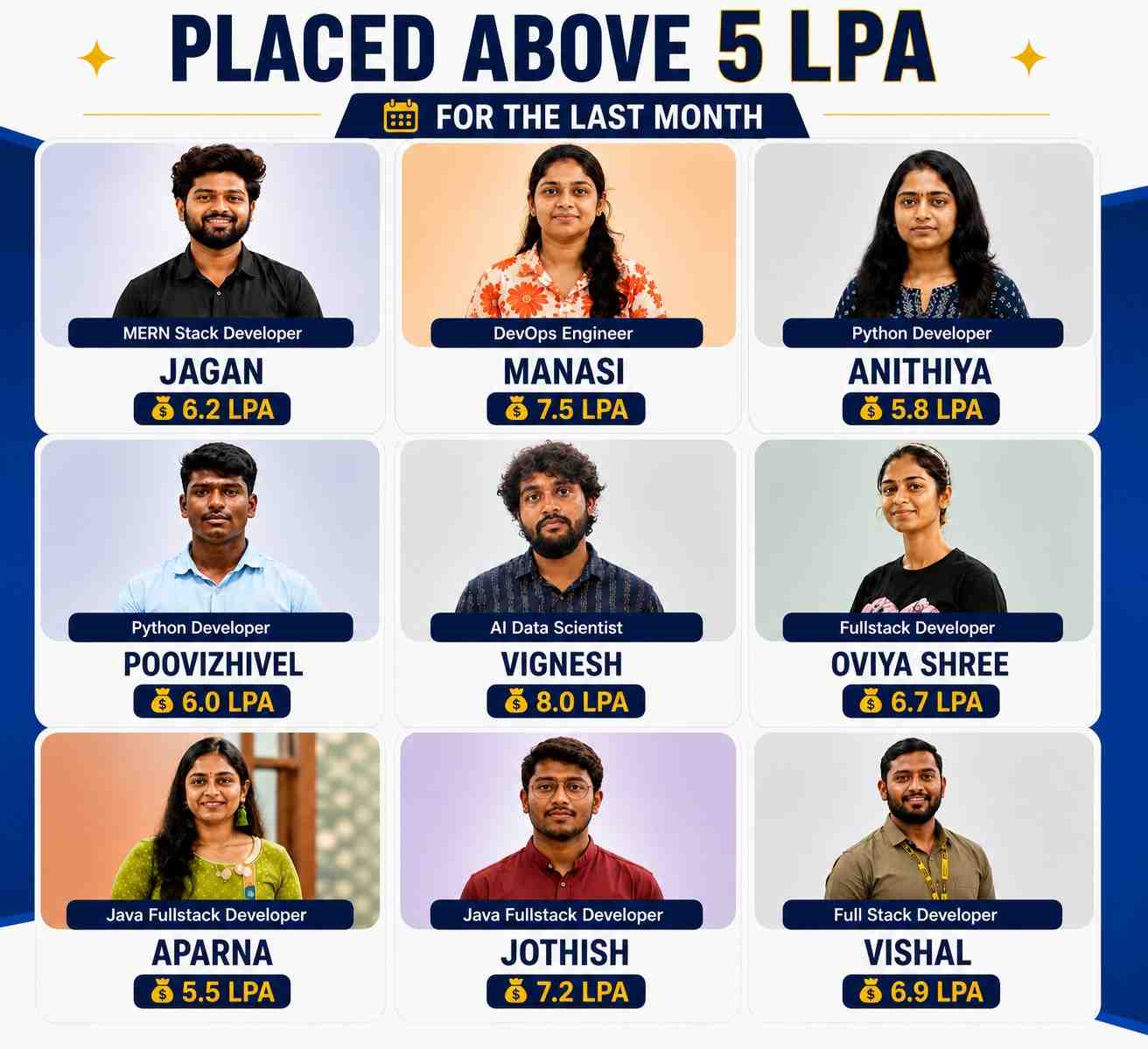
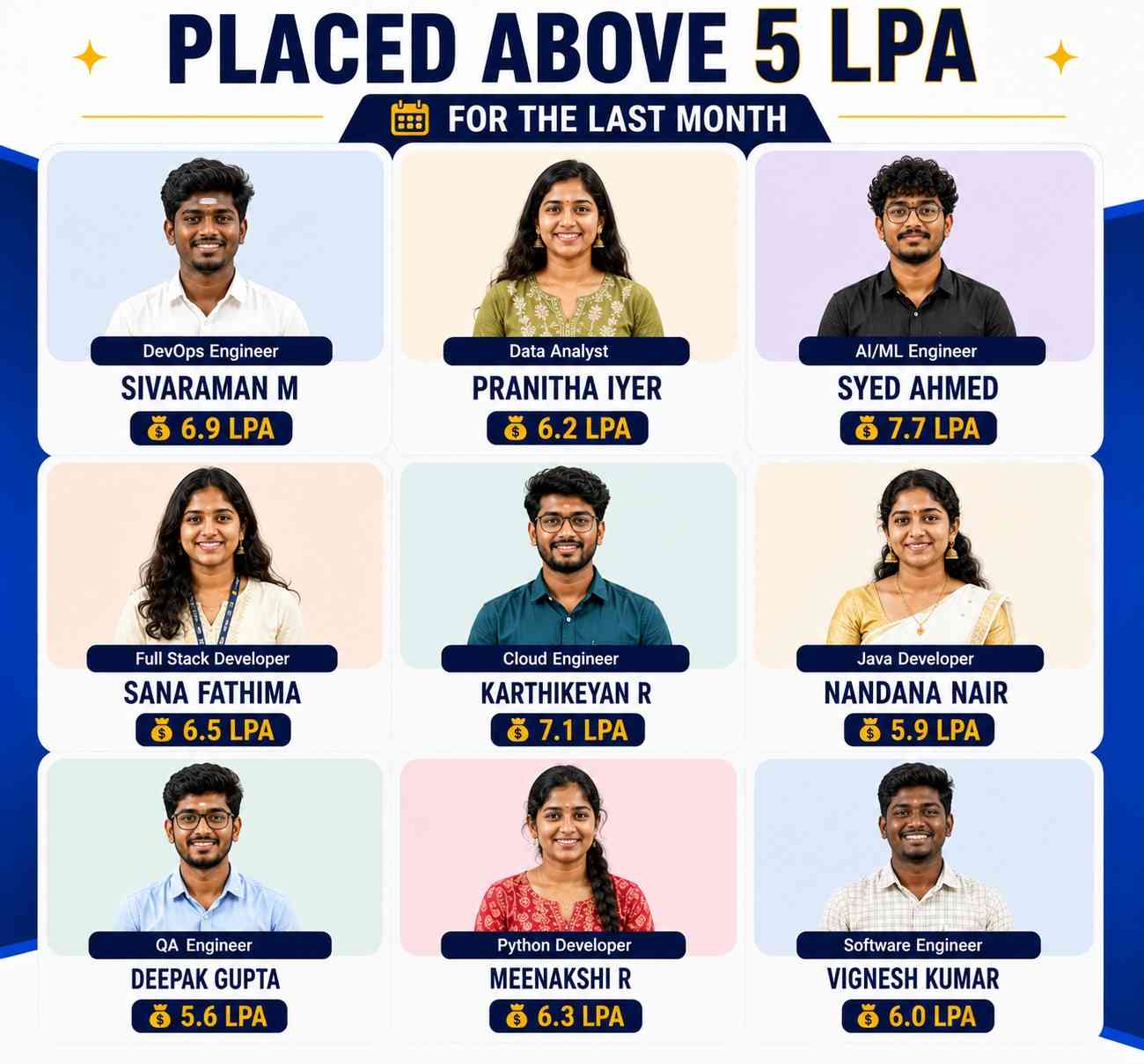
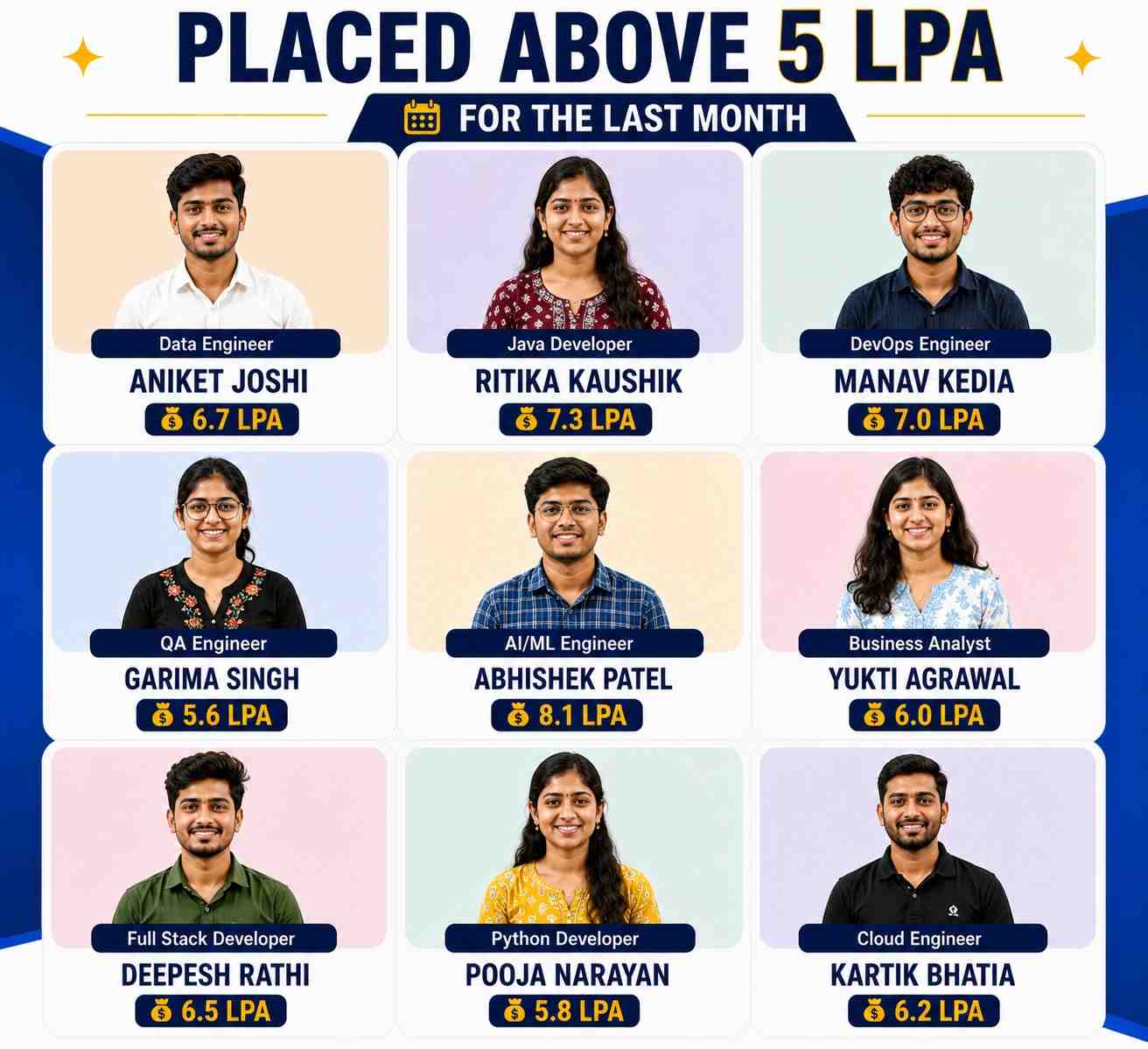
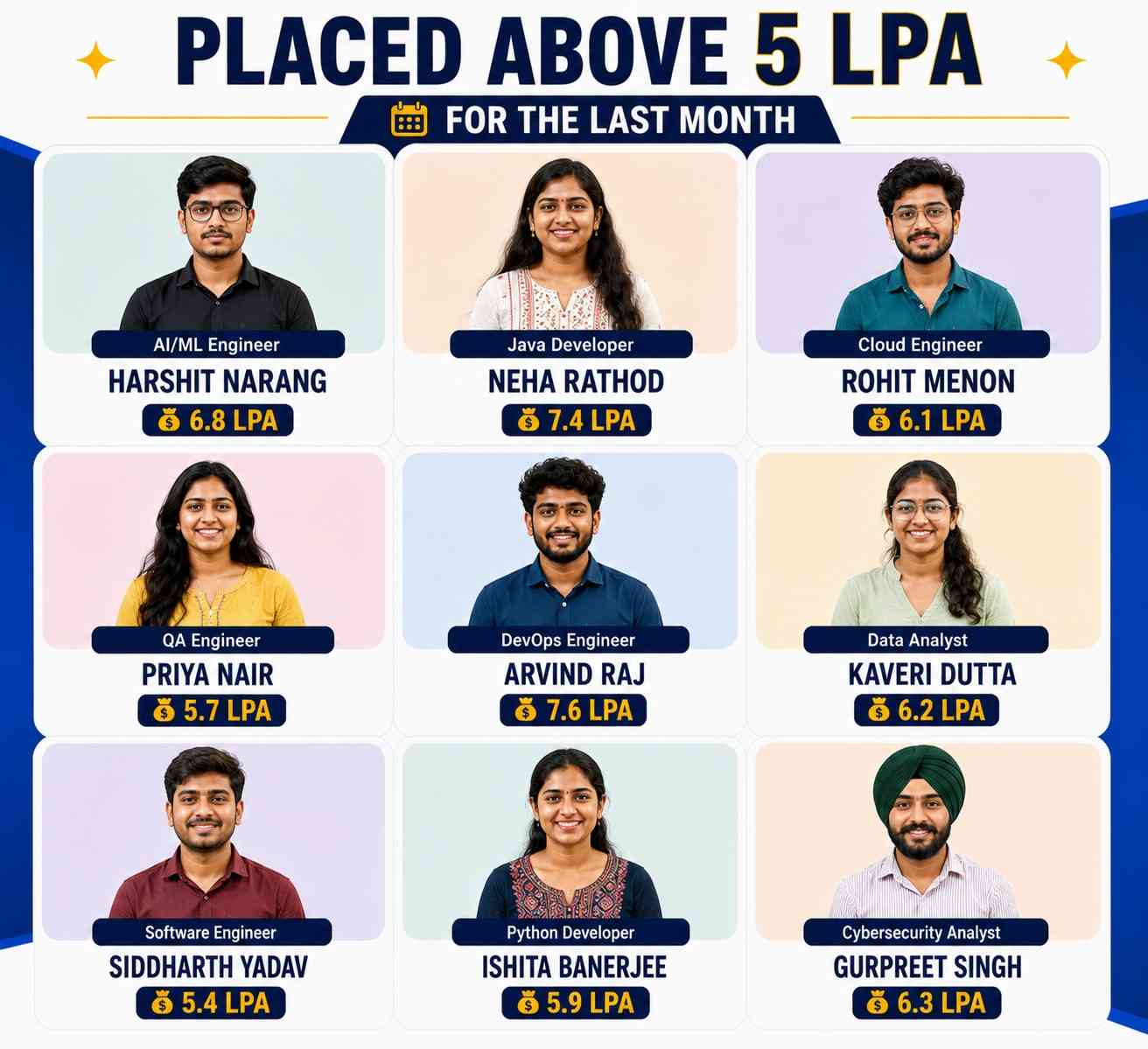
10569+

(Placed)
Freshers To IT

5556+

(Placed)
NON-IT to IT

7894+

(Placed)
Career Gap

4220+

(Placed)
Less Then 60%

Our Hiring Partners

Overview of SAP HR / HCM Course in Velachery

Our SAP HR / HCM Training in Velachery provides a career-oriented learning path that starts with essential HR principles and progresses into advanced SAP HCM configuration and processes. With practical classes and industry-based scenarios, learners develop hands-on knowledge of Organizational Management (OM), Personnel Administration (PA), Time Management, Payroll, Benefits, and Employee Self-Service (ESS), helping them understand complete HR operations within SAP. The course builds your ability to configure, evaluate, and improve SAP HCM processes for effective workforce administration and better HR outcomes. It prepares learners for career opportunities such as SAP HCM Consultant, HR Analyst, HR Executive, or SAP End User. Completing an industry-relevant SAP HCM certification can strengthen your resume and validate your technical knowledge.

What You'll Learn From SAP HR / HCM Training in Velachery

SAP HR / HCM Training in Velachery is designed for fresh graduates and experienced professionals who want to understand enterprise HR management and develop practical knowledge of SAP HCM applications and processes.

Throughout the program, learners work with important SAP HR/HCM areas such as Organizational Management, Time Management, Payroll, Benefits, and Employee Self-Service through practical training.

Build practical knowledge of SAP HR/HCM components including OM, PA, Time Management, Payroll, Benefits, and ESS, with emphasis on configuration, administration, and improving HR workflows.

The curriculum features practical workshops, project-based SAP HR / HCM assignments, and real-world business scenarios supported by experienced trainers familiar with SAP implementation and human resource operations.

After completing the training, learners can confidently handle common SAP HR/HCM activities, work with practical business situations, and receive certification that demonstrates their acquired skills.

This end-to-end course helps candidates prepare for rewarding careers in SAP HCM Consulting, HR Analysis, SAP End-User Operations, HR Administration, and other human capital management functions.

Additional Info

Course Highlights

  • Start your SAP HR/HCM career with practical instruction covering Organizational Management, Personnel Administration, Time Management, Payroll and ESS.
  • Access career guidance and placement assistance designed to help trained candidates identify suitable opportunities with organizations seeking SAP HCM talent.
  • Learn alongside a community of more than 11,000 students who have completed training and gained opportunities through 350+ hiring partners.
  • Train with professionals who offer more than 10 years of practical exposure to SAP HCM implementation, configuration, and HR business processes.
  • Follow a structured curriculum with simple explanations, practical assignments and continuous guidance to support your career development.
  • Take advantage of flexible learning options, reasonable course fees, and placement support designed for freshers, graduates, and working professionals.
  • Develop job-ready SAP HCM capabilities through industry-focused practice and prepare to work in consulting, administration, and SAP end-user positions.

Exploring the Benefits of SAP HR / HCM Training in Offline Mode

  • Simple Learning Approach: SAP HR / HCM is organized into well-defined functional areas, allowing beginners to understand HR processes step by step. Classroom demonstrations, guided activities, and practical examples make complex concepts easier to understand and provide a reliable foundation for advanced HCM learning.
  • Versatile Industry Application: SAP HCM is used by organizations across IT, manufacturing, healthcare, logistics, and many other sectors. Developing expertise in this technology can help professionals explore positions such as SAP HCM Consultant, HR Analyst, SAP End User, or HR operations specialist across different business environments.
  • Extensive Learning Support: SAP has a broad ecosystem of documentation, learning platforms, discussion forums, tutorials, webinars, and practical case studies. Using these resources alongside classroom training allows learners to expand their knowledge and remain familiar with changing HR technology and enterprise practices.
  • Career Demand and Growth: Businesses depend on qualified SAP HCM professionals to manage employee information, payroll, attendance, benefits, and workforce processes. Candidates with relevant functional and practical knowledge can pursue rewarding career paths and improve their potential for long-term professional growth.
  • Better HR Process Efficiency: SAP HCM brings employee administration, organizational structures, payroll, time management, benefits, and self-service activities into an integrated environment. Learning these functions helps professionals identify process gaps, improve accuracy, reduce repetitive work, and contribute to efficient HR management.

Essential Tools for SAP HR / HCM Training in Velachery

  • SAP HCM Components: Gain familiarity with important SAP HR areas including Organizational Management (OM), Benefits, and Employee Self-Service (ESS) to understand how complete employee-related processes are managed. Learn how these components work together to support employee records, workforce administration, and daily HR operations.
  • SAP Configuration Features: Learn to navigate SAP IMG and related configuration functions used for defining organizational structures and adapting SAP HCM processes based on specific enterprise HR requirements. Understand how functional settings can be adjusted to support different organizational policies, workflows, and business scenarios.
  • Reporting and Data Analysis: Explore SAP Fiori, SAP S/4HANA reporting capabilities, and SAP BW/BI concepts for generating HR information, preparing reports, and supporting business decisions with meaningful insights. Develop the ability to interpret employee-related information and present useful reports for HR teams and management.
  • Enterprise Integration: Understand how SAP HCM connects with modules such as FI (Finance) and MM (Materials Management). Learn the importance of coordinated data exchange and integrated workflows across different business functions. Gain practical awareness of how connected SAP modules help maintain consistent information.
  • Hands-On Workflows and Projects: Practice organizational structure creation, attendance management, benefits processing, and ESS operations through simulated business cases and practical projects that develop workplace confidence. These activities help learners apply SAP HCM concepts to realistic HR situations.

Top Modules Every SAP HR / HCM Professional Should Know

  • SAP HCM Basics: Learn the essential concepts behind Organizational Management (OM), Personnel Administration (PA), Time Management, Payroll, Benefits, and Employee Self-Service (ESS). Develop an understanding of how these functions interact to support employee administration and complete HR operations within an organization.
  • Advanced HR Operations: Explore payroll configuration, time evaluation, personnel cost planning, talent management, and employee lifecycle activities. Understand how advanced SAP HCM processes can be structured to improve HR efficiency, support workforce planning, and provide better services to employees.
  • SAP HCM System Setup: Understand configuration activities, HR master data, organizational structures, and integration with business modules such as FI (Finance) and MM (Materials Management). Develop the ability to understand how SAP HCM settings support organizational processes and connected enterprise operations.
  • Compliance and Controls: Understand the importance of HR policies, authorization procedures, approval workflows, record maintenance, and audit controls. Learn how accurate data and controlled processes contribute to reliable HR administration and support organizational governance.
  • HR Reporting and Analytics: Learn how SAP HCM reporting functions can be used to prepare employee reports, evaluate workforce information, monitor HR activities, and provide useful data for operational planning and management-level decision-making.

Must-Have Skills You Will Gain in SAP HR / HCM Training in Velachery

  • SAP HCM Core Knowledge: Develop functional understanding of OM, PA, Time Management, Payroll, Benefits, and ESS. Learn how these components support employee lifecycle activities and contribute to accurate, organized, and efficient HR administration across an enterprise.
  • Advanced HR Administration: Gain practical exposure to payroll processing, time evaluation, talent management, personnel cost planning, and employee lifecycle functions. Learn to organize HR workflows, monitor processes, and identify opportunities for improving workforce administration.
  • Real-World SAP HCM Activities: Work with practical employee administration, payroll, attendance, time management, and benefits-related scenarios. This project-based exposure helps learners understand workplace requirements and become more comfortable handling SAP HR processes.
  • Reporting Capabilities: Learn to create and interpret HR reports, workforce summaries, dashboards, and relevant analytics. Develop the ability to organize SAP data into useful information that can support HR planning, operational monitoring, and business decisions.
  • Integration and Coordination: Understand SAP HCM integration with modules such as FI and MM and learn how cross-functional processes exchange information. Build collaboration skills needed to coordinate with HR, finance, technical, and business teams.

Roles and Responsibilities After SAP HR / HCM Training

  • SAP HCM Consultant: Assist with SAP HCM configuration, implementation activities, requirement analysis, testing, and HR process improvements. Work with business users to understand requirements and help deliver SAP-based solutions that support organizational objectives.
  • HR Analyst / HR Executive: Manage employee information, support payroll and attendance activities, maintain benefits-related data, and prepare HR reports using SAP HCM. Provide relevant information that helps HR teams monitor workforce operations and make informed decisions.
  • SAP End-User: Perform routine SAP HR transactions such as maintaining employee records, entering time information, supporting payroll processes, and handling assigned HR activities while ensuring data is entered correctly and organizational procedures are followed.
  • HR Coordinator: Coordinate employee information, attendance records, payroll inputs, and routine HR activities. Work with different teams to maintain accurate records, follow established processes, and improve the efficiency of day-to-day human resource operations.
  • Compliance and Audit Specialist: Review HR records and processes against internal policies, compliance requirements, and audit standards. Help identify documentation gaps, maintain reliable employee information, support audit activities, and assist in implementing corrective process improvements.

The Benefits of SAP HR / HCM for Recent Graduates as a Career Option

  • Practical and Structured Learning: Graduates can understand SAP HCM through organized modules, demonstrations, assignments, and workplace-based scenarios. This approach helps connect HR theory with practical enterprise processes and gradually develops confidence in using SAP for HR administration.
  • Relevant Across Business Domains: SAP HCM knowledge can be useful in technology, manufacturing, healthcare, financial services, retail, FMCG, logistics, and other industries. Graduates with suitable skills can explore different HR and SAP-related career opportunities based on their interests.
  • Continuous Knowledge Development: SAP provides access to extensive documentation, professional communities, tutorials, webinars, and learning resources. Graduates can use these channels to strengthen their understanding, solve functional challenges, and stay informed about developments in SAP and HR technology.
  • Exposure to Integrated ERP: SAP HCM connects HR activities with other enterprise functions, helping graduates understand how departments work together within an ERP environment. Knowledge of integration with finance and other business areas can improve overall functional understanding and workplace effectiveness.
  • Remote and Independent Opportunities: SAP HCM professionals with practical experience can explore remote support, freelance assignments, and consulting projects. Working on different engagements can provide exposure to varied HR processes, industries, business requirements, and professional environments.

How SAP HR / HCM Skills Help You Get Remote Jobs

  • Works Well With Distributed Teams: SAP HCM supports many digital HR activities, allowing professionals to participate in system support, HR administration, reporting, configuration, and process management while working with teams located in different offices or regions.
  • Freelance Career Potential: Skilled SAP HCM professionals can search for independent assignments through freelance websites and professional networks. Experience in areas such as payroll, employee administration, time management, and benefits can help consultants demonstrate their expertise and attract suitable projects.
  • Supports Online Collaboration: SAP workflows, digital approvals, reporting functions, and centralized HR data allow teams to coordinate employee-related activities remotely. Professionals can communicate with stakeholders, monitor tasks, and support HR processes without always being physically present at the same location.
  • Automation Improves Productivity: SAP HCM enables organizations to standardize recurring HR activities and automate selected workflows. Professionals who understand process automation can help reduce manual effort, minimize data errors, speed up routine activities, and improve overall HR service delivery.
  • Global Networking Opportunities: SAP communities, online forums, webinars, professional groups, and virtual events allow learners to connect with practitioners worldwide. Building an active professional network can increase exposure to international projects, remote positions, and consulting opportunities.

What to Expect in Your First SAP HR / HCM Job

  • Practical HR System Work: Your first position may involve working with organizational structures, employee records, attendance, payroll, benefits, and ESS processes. As your experience grows, you can gradually take responsibility for more complete SAP HCM workflows and business requirements.
  • Experience With SAP Tools: Depending on the organization and role, you may work with SAP Fiori, SAP S/4HANA-related functionality, reporting tools, and other interfaces used for HR operations. This exposure helps you understand how SAP technology supports modern workforce management.
  • Guidance and Feedback: Senior consultants, HR specialists, and team leaders may review your activities and provide recommendations for improving your SAP knowledge and process execution. Regular feedback can help strengthen troubleshooting skills, accuracy, documentation, and professional performance.
  • Working With Multiple Teams: SAP HCM roles often require interaction with HR managers, payroll teams, business analysts, technical consultants, and other stakeholders. Working with these groups develops communication, coordination, requirement understanding, and collaborative problem-solving abilities.
  • Gradual Career Progression: New professionals usually begin with fundamental SAP HR transactions before moving into more advanced responsibilities. With experience, they can work on payroll configuration, time evaluation, benefits, reporting, system support, implementation, and broader HCM consulting activities.

Top Companies Hiring SAP HR / HCM Professionals

  • Google: Major technology enterprises such as Google operate large and complex workforces that require organized employee administration, HR operations, workforce data management, and enterprise people processes supported by technology professionals.
  • Microsoft: Microsoft operates extensive global business functions where professionals with enterprise HR technology knowledge can contribute to workforce processes, employee administration, reporting, system support, and HR operations across different teams.
  • Accenture: Accenture delivers SAP consulting and transformation services for organizations across numerous industries. SAP HCM professionals can gain exposure to implementation projects, business process improvements, system support, and large-scale HR transformation engagements.
  • Infosys: Infosys works with enterprises on SAP implementation, consulting, support, and digital transformation. SAP HCM professionals may contribute to HR technology projects involving configuration, process enhancement, integration, reporting, and ongoing application support.
  • Tata Consultancy Services (TCS): TCS supports organizations worldwide through SAP consulting, implementation, and enterprise transformation services. SAP HCM professionals can work on HR system projects, configuration tasks, application support, reporting, process optimization, and integrated workforce management solutions.
Show More

Upcoming Batches For Classroom and Online

Weekdays
07 - Sep - 2026
08:00 AM & 10:00 AM
Weekdays
09 - Sep- 2026
08:00 AM & 10:00 AM
Weekends
12 - Sep - 2026
(10:00 AM - 01:30 PM)
Weekends
13 - Sep - 2026
(09:00 AM - 02:00 PM)
Can't find a batch you were looking for?
INR ₹16500
INR ₹36000

OFF Expires in

Who Should Take an SAP HR / HCM Certification Course

IT Professionals

Non-IT Career Switchers

Fresh Graduates

Working Professionals

Diploma Holders

Professionals from Other Fields

Salary Hike

Graduates with Less Than 60%

Show More

Job Roles For SAP HR / HCM Certification Training

SAP HCM Consultant

HR Analyst / HR Executive

SAP End-User

HR Coordinator

Compliance & Audit Specialist

Payroll Specialist

Time Management Specialist

Talent Management Consultant

Show More

What’s included ?

Convenient learning format

📊 Free Aptitude and Technical Skills Training

  • Learn basic maths and logical thinking to solve problems easily.
  • Understand simple coding and technical concepts step by step.
  • Get ready for exams and interviews with regular practice.
Dedicated career services

🛠️ Hands-On Projects

  • Work on real-time projects to apply what you learn.
  • Build mini apps and tools daily to enhance your coding skills.
  • Gain practical experience just like in real jobs.
Learn from the best

🧠 Launch Your Career in Top MNC Companies

  • Master technical and HR interview rounds.
  • Gain confidence with expert mock interview practice.
  • Improve your chances of getting hired faster.
Learn from the best

🎯 Interview Preparation For Freshers

  • Practice company-based interview questions.
  • Take online assessment tests to crack interviews
  • Practice confidently with real-world interview and project-based questions.
Learn from the best

🧪 LMS Self Learning Platform

  • Explore expert trainer videos and documents to boost your learning.
  • Study anytime with on-demand videos and detailed documents.
  • Top MNC interview questions & self coding practice.

SAP HR / HCM Course Syllabus

  • 🏫 Classroom Training
  • 💻 Online Training
  • 🚫 No Pre Request (Any Vertical)
  • 🏭 Industrial Expert

Choosing SAP HR / HCM Training in Velachery enables learners to gain practical skills for developing a career in human capital management and HR operations while working toward their professional objectives. The course introduces learners to career opportunities in reputed organizations across various industries and prepares them to work in modern enterprise environments using SAP technologies. Through flexible learning options, participants can develop expertise in Organizational Management (OM), Payroll, Benefits, and Employee Self-Service (ESS), while building a strong understanding of how to configure, administer, and enhance complete HR processes through SAP HCM.

  • SAP HCM Key Concepts: Understand the essential principles of human capital management, modern HR practices, and fundamental SAP HCM business processes.
  • SAP HCM Module Administration & Management: Gain knowledge of SAP HCM configuration, employee master data management, and HR workflow.
  • SAP HCM Process Execution & Implementation: Learn practical HR processes such as employee administration, payroll, time management, and benefits.
  • SAP HCM Tools & Analytics: Learn to use SAP Fiori, S/4HANA, and reporting tools to manage HR data, track workforce activities, and generate meaningful insights.
Introduction to SAP HCM
Core SAP HCM Modules
SAP HCM Administration & Configuration
SAP HCM Process Execution
Integration & Automation in HCM
HCM Reporting & Analytics
SAP HCM Strategy & Real-Time Projects

This module introduces learners to the foundational concepts of SAP HCM:

  • Importance of SAP HCM: Understand the advantages, business relevance, industry usage, and organizational impact of SAP HCM for managing human resources.
  • Core Concepts: Learn about Organizational Management (OM), Personnel Administration (PA), Time Management, Benefits, and Employee Self-Service (ESS).
  • Key Platforms: Explore SAP S/4HANA, SAP Fiori, and SAP ECC and understand their role in supporting HR administration and workforce management.
  • Career Paths: Discover career opportunities including SAP HCM Consultant, HR Analyst, HR Coordinator, Payroll Specialist, and Compliance & Audit Specialist.

This module explains the major SAP HCM modules and their key functionalities:

  • Module Configuration: Learn the basic configuration requirements for OM, PA, Time Management, Payroll, Benefits, and ESS modules.
  • Master Data Management: Understand how to maintain employee information, organizational units and HR infotypes for reliable workforce administration.
  • Process Configuration: Learn how workflows can be established for employee onboarding, leave management, and benefits administration.
  • Reporting & Monitoring: Create and interpret HR reports, dashboards, and workforce analytics to assist with planning, monitoring, and management decisions.

Learn how to effectively administer and configure SAP HCM environments:

  • Admin Interface: Navigate SAP S/4HANA, SAP Fiori, and relevant configuration interfaces used for managing HR functions and workforce-related activities.
  • Automation Tools: Explore workflows, templates, and SAP HCM functions that can simplify payroll, employee administration, and recurring HR activities.
  • Security & Access: Understand role-based authorizations, user access controls, and compliance practices for protecting confidential employee.
  • Performance Tracking: Monitor HR processes, payroll activities and workforce KPIs to identify operational gaps and support better HR decisions.

This module offers practical exposure to implementing and executing SAP HCM processes:

  • HR Transactions: Practice employee administration, payroll processing, time evaluation, leave management, and benefits-related activities within SAP HCM.
  • UI & Application Components: Work with SAP Fiori applications and reporting interfaces used for managing HR operations and workforce information.
  • Process Execution: Understand and execute workflows related to employee onboarding, approvals, payroll, time management, and HR reporting.
  • Testing & Deployment: Test configurations, simulate HR processes, validate employee and organizational information, and verify reporting accuracy.

Learn how SAP HCM workflows can be integrated and automated for efficient HR operations:

  • Integration Modules: Understand how SAP HCM connects with FI, CO, MM, and other modules to support integrated HR, payroll, and business processes.
  • Automation Tools: Learn how recurring activities such as payroll processing, leave approvals, and data updates can be streamlined through automation.
  • Cross-System Integration: Explore connections between SAP HCM, external HR applications, and ERP systems to enable consistent data exchange.
  • Workflow Management: Use SAP templates and standard HCM workflows to simplify HR administration and improve employee lifecycle management.

Learn how to monitor HR performance and use analytics to improve SAP HCM operations:

  • Dashboards & Monitoring: Explore SAP Fiori dashboards, system monitoring features, and HR performance indicators for tracking workforce activities.
  • Performance Analytics: Evaluate payroll accuracy, time evaluation results, attendance information, and HR process performance to identify areas.
  • KPIs & Metrics: Track employee data quality, process compliance, leave utilization, payroll timelines, and overall HR operational performance.
  • Data Management Tools: Learn to maintain employee master data, organizational structures and HR infotypes for accurate workforce administration.

Apply SAP HCM knowledge through practical HR projects and real-world business scenarios:

  • Project Planning: Identify HR business requirements, define implementation activities, and create suitable timelines for SAP HCM projects.
  • Live Projects: Practice SAP HCM scenarios involving employee administration, payroll, organizational management, and HR workflow activities.
  • Performance Review: Evaluate HR reports, payroll information and workforce KPIs to identify opportunities for better efficiency and employee management.
  • Capstone Project: Develop an end-to-end SAP HCM solution covering HR configuration and workflow optimization based on practical workforce management requirements.

🎁 Free Addon Programs

Aptitude, Spoken English

🎯 Our Placement Activities

Daily Task, Soft Skills, Projects, Group Discussions, Resume Preparation, Mock Interview

Gain Practical Experience Through SAP HR / HCM Projects

Placement Support Overview

Today's Top Job Openings for SAP HR / HCM

SAP HCM Test Analyst

Company: DHL Group

Velachery, Chennai, Tamil Nadu

Salary: Not disclosed

Relevant Degree

Exp As per employer requirements

  • Perform testing and quality assurance for SAP HR and Payroll solutions, validate system changes, investigate issues, and support reliable HR technology operations effectively across business processes and applications.
  • Easy Apply

    Senior Payroll Specialist - SAP HCM

    Company: ZALARIS

    Velachery, Chennai, Tamil Nadu

    Salary: Not disclosed

    Relevant Degree

    Exp As per employer requirements

  • Support payroll operations and employee data administration using SAP HCM and SuccessFactors while maintaining accurate HR information and payroll processes.
  • Easy Apply

    SAP SuccessFactors Consultant

    Company: Diverse Lynx

    Velachery, Chennai, Tamil Nadu

    Salary: Not disclosed

    Relevant Degree

    Exp 4+ yrs

  • Configure and support SuccessFactors modules, gather HR requirements, manage system enhancements, and coordinate with HR and technical teams on implementation activities.
  • Easy Apply

    SAP HCM Consultant

    Company: Pravi HR Advisory

    Velachery, Chennai, Tamil Nadu

    Salary: Not disclosed

    Relevant Degree

    Exp 5-8 yrs

  • Analyze HR business requirements, support SAP HCM and Payroll solutions, work with SQL-based data analysis, and assist with system enhancements and production issues.
  • Easy Apply

    SAP HCM Technical Consultant

    Company: Walmart Global Tech India

    Velachery, Chennai, Tamil Nadu

    Salary: Not disclosed

    Relevant Degree

    Exp 5-8 yrs

  • Work with SAP HCM technical solutions across PA, OM, Time, Payroll, and ESS/MSS while supporting troubleshooting, configuration, customization, and HR system improvements.
  • Easy Apply

    SAP Basis L3 Consultant

    Company: NTT DATA

    Velachery, Chennai, Tamil Nadu

    Salary: Not disclosed

    Relevant Degree

    Exp As per employer requirements

  • Provide advanced SAP technical support, troubleshoot system issues, monitor SAP environments, and maintain stable enterprise platforms for business applications.
  • Easy Apply

    SAP ERP Senior Analyst

    Company: NTT DATA

    Velachery, Chennai, Tamil Nadu

    Salary: Not disclosed

    Relevant Degree

    Exp As per employer requirements

  • Support enterprise SAP processes, analyze business requirements, troubleshoot application issues, and collaborate with functional and technical teams on ERP operations.
  • Easy Apply

    SAP Manufacturing Cloud Consultant

    Company: NTT DATA

    Velachery, Chennai, Tamil Nadu

    Salary: Not disclosed

    Relevant Degree

    Exp As per employer requirements

  • Support SAP Digital Manufacturing Cloud solutions, collaborate on enterprise processes, contribute to SAP implementation and technology improvement initiatives.
  • Easy Apply

    Highlights for SAP HR / HCM Internship in Velachery

    Practical Project Experience

    • 1. Gain practical exposure to SAP HCM activities such as payroll, personnel administration, and time management.
    • 2. Apply your learning to workplace scenarios involving employee records, leave processing, and payroll operations.
    Book Session

    Hands-On Skill Workshops

    • 1. Build practical knowledge of SAP HCM modules, tools, workflows, and standard HR practices.
    • 2. Practice payroll setup, time management, and employee data activities through trainer-led exercises.
    Book Session

    Employee Support & Engagement

    • 1. Understand employee-focused practices including workplace engagement, wellness initiatives, and flexible working approaches.
    • 2. Learn how HR policies and support programs contribute to employee satisfaction and organizational well-being.
    Book Session

    Mentoring & Collaborative Learning

    • 1. Receive guidance from experienced mentors to improve your SAP HCM functional and professional capabilities.
    • 2. Work with fellow learners on case studies, HR exercises, and projects to strengthen practical understanding.
    Book Session

    Professional & Career Skills

    • 1. Improve communication, collaboration, analytical thinking, and problem-solving skills for SAP HR careers.
    • 2. Get interview preparation through mock interviews, resume guidance, and practical HR-based scenarios.
    Book Session

    Course Certification

    • 1. Obtain certification that demonstrates your acquired SAP HCM knowledge and practical HR skills.
    • 2. Add internship and course credentials to your resume to showcase your preparation for SAP HR opportunities.
    Book Session

    Sample Resume for SAP HR / HCM (Fresher)

    • 1. Simple and Clean Resume Layout

      – Use a professional format with clearly defined sections such as career summary, SAP HCM skills, certifications, education, and project experience.

    • 2. List of SAP HCM Skills You Possess

      – Highlight skills like Personnel Administration (PA), Organizational Management (OM), Payroll, Time Management, Recruitment, Employee Lifecycle Management, Reporting, and HCM Workflow Automation.

    • 3. Real-Time Projects and Achievements

      – Include 1–2 SAP HCM projects with concise descriptions, modules used, and measurable outcomes such as improved payroll accuracy, streamlined HR processes, or enhanced employee data management.

    Top SAP HCM / HR Questions and Answers for Interviews – 2026 Edition

    Ans:

    SAP HCM for S/4HANA provides core HR capabilities within the SAP S/4HANA environment, while SAP SuccessFactors is a cloud-based HCM suite covering areas such as Employee Central, Recruiting, Learning, Performance, and Compensation. Organizations can also use hybrid integration between the two platforms depending on their business and migration requirements.

    Ans:

    • Employee Central can provide employee and organizational information required for payroll processing.
    • Integration transfers relevant HR data between SuccessFactors and SAP Payroll systems.
    • Proper data mapping, monitoring, and synchronization are important for maintaining accurate payroll results.

    Ans:

    Employee Central Payroll combines the employee data capabilities of SAP SuccessFactors Employee Central with SAP's payroll processing technology. It supports centralized payroll operations, integration, automation, and compliance while helping organizations manage payroll processes more efficiently across supported countries.

    Ans:

    • First, verify the employee master data, organizational assignment, payroll-relevant infotypes, and time information.
    • Review the payroll log to identify errors or unexpected calculation results.
    • Check wage types, payroll rules, schemas, and related configuration before correcting the issue.
    • Run the required payroll validation again and confirm the final result.

    Ans:

    Role-Based Permissions control which users can access specific employee data, functions, and administrative features in SAP SuccessFactors. They help organizations provide appropriate access based on roles and responsibilities while protecting sensitive HR information and supporting security and compliance requirements.

    Ans:

    • AI capabilities can assist HR teams with employee and workforce-related tasks.
    • SAP is expanding conversational experiences and AI agents across areas such as recruiting, learning, payroll, performance, and HR services.
    • Joule-based experiences can help users retrieve information, complete tasks, and identify issues more efficiently.
    • AI is increasingly being used to reduce manual work while keeping human judgment involved in important HR decisions.

    Ans:

    The Payroll Control Center helps payroll administrators monitor and control payroll processes through validations, alerts, analytics, and exception handling. It can help identify payroll inconsistencies before final processing and supports a more proactive approach to payroll monitoring and issue resolution.

    Ans:

    I would first identify which system is the system of record for the affected data and check the employee and organizational information in both systems. I would then review integration logs, mappings, middleware processing, and failed messages to locate the issue. After correcting the root cause, I would reprocess the relevant data and validate synchronization to ensure consistency.

    Ans:

    • SAP HCM can provide structured employee, organizational, payroll, attendance, and workforce information for analysis.
    • HR teams can use reports, dashboards, and analytics to monitor workforce trends and operational performance.
    • Analytics can support decisions related to staffing, payroll accuracy, employee movement, and workforce planning.

    Ans:

    I would consider the existing HR processes, master data quality, payroll requirements, integrations, customizations, security roles, reporting needs, and business continuity. The migration approach should also define data mapping, testing, reconciliation, cutover activities, and post-go-live support to reduce operational risks.

    Company-Specific SAP HR / HCM Interview Questions – Velachery

    1. How would you explain SAP HCM to a business stakeholder?

    Ans:

    SAP HCM is an enterprise HR solution used to manage employee information, organizational structures, payroll, time management, and other workforce processes. It helps HR teams standardize operations, improve data accuracy, and connect HR activities with wider business processes.

    2. How do you analyze an HR process before configuring it in SAP?

    Ans:

    • Understand the existing HR process and business objective
    • Identify stakeholders, approval steps, and process dependencies
    • Document required employee and organizational data
    • Compare business requirements with standard SAP functionality
    • Identify configuration gaps and possible enhancements

    3. How would you approach an SAP HCM payroll integration issue?

    Ans:

    I would first identify the affected employee population and business process. Then I would review master data, integration mappings, payroll logs, interface messages, and configuration. After identifying the root cause, I would correct the issue, retest the integration, and reconcile the resulting payroll data.

    4. How do you manage employee master data quality in SAP HR/HCM certification training?

    Ans:

    • Use appropriate validation rules during data entry
    • Maintain consistent personnel and organizational information
    • Review incomplete or inconsistent employee records
    • Perform regular data reconciliation and quality checks
    • Restrict sensitive data access according to user responsibilities

    5. What would you check before a major SAP HCM production change?

    Ans:

    I would review the business requirement, configuration impact, dependencies, test results, security implications, and rollback approach. I would also confirm user acceptance, transport readiness, documentation, and post-deployment validation activities.

    6. How can SAP HCM support employee lifecycle processes?

    Ans:

    SAP HCM can support activities such as hiring, onboarding, organizational assignment, transfers, promotions, leave administration, payroll, and employee separation. Connecting these processes helps maintain consistent employee records throughout the workforce lifecycle.

    7. How do you troubleshoot a time management discrepancy?

    Ans:

    • Check employee work schedule and planned working time
    • Review attendance, absence, and time entries
    • Verify relevant time evaluation rules
    • Check payroll-relevant time results
    • Reprocess and validate the corrected time data

    8. How do you prepare SAP HCM solutions for UAT?

    Ans:

    I prepare business-focused test scenarios covering employee administration, organizational changes, time management, payroll, and reporting. Test data is validated before execution, results are documented, defects are tracked, and business users confirm that the solution meets their requirements.

    9. How do security and authorization affect SAP HCM projects?

    Ans:

    Security determines which users can view or maintain employee and payroll information. I consider role design, authorization objects, organizational restrictions, sensitive HR data, and segregation of duties to provide appropriate access without exposing confidential information.

    10. How would you support an SAP HCM system after go-live?

    Ans:

    I would monitor production issues, prioritize incidents based on business impact, analyze root causes, coordinate fixes, and validate changes before deployment. I would also maintain documentation and identify recurring issues that could be eliminated through process improvements or automation.


    1. How do SAP HCM organizational structures influence HR transactions?

    Ans:

    Organizational structures define relationships between organizational units, positions, jobs, and employees. They influence reporting, authorization, workflows, personnel administration, and other HR processes by providing the structural context for employee data.

    2. How would you investigate an employee whose payroll result is different from expectations?

    Ans:

    • Review the employee's master data and payroll-relevant records
    • Check attendance, absence, and time information
    • Review wage types and payroll calculation results
    • Analyze the payroll log for errors or warnings
    • Compare the result with the expected business calculation

    3. What is the importance of integration testing in SAP HCM?

    Ans:

    Integration testing verifies that connected HR processes work correctly across systems and modules. It helps identify issues in employee data transfers, payroll posting, time processing, interfaces, workflows, and downstream business processes before production deployment.

    4. How would you handle a requirement that is not available in standard SAP HCM?

    Ans:

    I would first evaluate whether the requirement can be achieved through standard configuration or an existing SAP feature. If not, I would document the gap, assess business impact, and work with technical teams to determine an appropriate enhancement or integration while minimizing unnecessary customization.

    5. How do you maintain consistency between HR and payroll data?

    Ans:

    I use validation checks, controlled data maintenance, reconciliation reports, integration monitoring, and payroll comparison activities. Regular data audits help identify inconsistencies before they affect payroll or employee services.

    6. What role does SAP HCM reporting play in HR operations?

    Ans:

    HR reporting helps organizations monitor workforce information such as headcount, employee movements, attendance, payroll results, and organizational data. Accurate reports support operational monitoring, compliance activities, workforce planning, and management decisions.

    7. How would you handle a critical HR production incident?

    Ans:

    • Assess the business and employee impact immediately
    • Identify affected processes and users
    • Review logs, master data, configuration, and recent changes
    • Coordinate with functional and technical teams
    • Test and deploy the approved resolution
    • Perform root-cause analysis after service restoration

    8. How do you prepare for SAP HCM data migration?

    Ans:

    I begin by identifying required employee and organizational data, mapping source fields to target structures, cleansing legacy records, and defining validation rules. Trial migrations, reconciliation, business validation, and controlled cutover activities are essential before final migration.

    9. How do you ensure HR workflows are efficient?

    Ans:

    I analyze approval steps, eliminate unnecessary manual activities, define appropriate responsibilities, and ensure notifications and validations are configured correctly. Workflow testing with real business scenarios helps confirm that requests move to the correct users efficiently.

    10. What current SAP HCM skills are important for modern HR technology roles?

    Ans:

    • Core SAP HCM and payroll process knowledge
    • SAP SuccessFactors and Employee Central awareness
    • HR system integration and data management
    • Reporting, analytics, and data quality practices
    • Security, testing, and production support
    • Awareness of automation and AI-enabled HR capabilities

    1. What is the role of SAP SuccessFactors in a modern SAP HCM landscape?

    Ans:

    SAP SuccessFactors provides cloud-based HR capabilities covering areas such as employee information, recruiting, onboarding, learning, performance, and compensation. It can operate alongside SAP payroll and other enterprise systems through integrated HR technology landscapes.

    2. How would you explain the difference between Employee Central and SAP HCM Personnel Administration?

    Ans:

    Employee Central is the cloud-based core HR system within SAP SuccessFactors, while Personnel Administration is a core component of traditional SAP HCM. Both manage employee-related information, but they belong to different technology environments and can be connected through integration.

    3. What should you consider when integrating SuccessFactors with SAP HCM?

    Ans:

    • Identify the source system for each data object
    • Define field mappings and transformation rules
    • Validate employee and organizational data
    • Monitor interface messages and integration failures
    • Perform end-to-end testing and reconciliation

    4. How would you approach an SAP HCM enhancement request?

    Ans:

    I would understand the business requirement, assess the standard SAP functionality, identify the gap, evaluate technical and functional dependencies, and document the proposed solution. The enhancement should be tested thoroughly before being moved into production.

    5. How do you handle sensitive employee information in SAP systems?

    Ans:

    Sensitive information should be protected using appropriate roles, authorizations, organizational restrictions, secure processes, and audit controls. Access should follow the principle of least privilege and be reviewed periodically.

    6. What is your approach to SAP HCM regression testing?

    Ans:

    I identify critical HR processes affected by the change and execute previously validated scenarios covering employee administration, time management, payroll, integrations, and reporting. The objective is to ensure that new changes do not negatively affect existing functionality.

    7. How can automation improve SAP HR operations?

    Ans:

    Automation can reduce repetitive manual work in areas such as employee data updates, approvals, notifications, integrations, reporting, and payroll monitoring. Well-designed automation improves consistency while allowing HR teams to focus on higher-value activities.

    8. How would you resolve an integration message failure?

    Ans:

    I would identify the failed message, review its payload and error details, verify source data and mapping rules, and determine whether the problem is functional, technical, or connectivity-related. After correcting the root cause, I would reprocess the message and confirm successful data synchronization.

    9. What metrics would you monitor for an SAP HCM support project?

    Ans:

    • Payroll processing accuracy
    • HR incident volume and resolution time
    • Employee data quality
    • Integration success and failure rates
    • System availability and business process performance
    • User adoption and recurring support issues

    10. How do you communicate technical SAP HCM issues to HR users?

    Ans:

    I explain the issue using business-focused language, describe the impact clearly, provide the current status and expected resolution, and avoid unnecessary technical terminology. After resolving the issue, I document the cause and recommended preventive actions.

    1. How would you design a scalable SAP HCM solution for a growing organization?

    Ans:

    I would begin with standardized HR processes, clean organizational structures, reusable configuration, appropriate security roles, and well-defined integration points. The solution should support future employee growth while minimizing unnecessary customization.

    2. What is the importance of effective-dated employee records?

    Ans:

    Effective-dated records allow HR systems to maintain historical and future changes to employee information. This is important for accurate payroll, organizational assignments, reporting, auditing, and employee lifecycle management.

    3. How would you investigate an incorrect organizational assignment?

    Ans:

    I would review the employee's organizational data, position and job assignments, effective dates, reporting relationships, and related master data. I would then compare the record with the approved HR requirement and correct the data through the appropriate process.

    4. How do you approach payroll testing for a new configuration?

    Ans:

    • Define representative employee test cases
    • Validate relevant master and time data
    • Execute payroll simulations
    • Review wage types and calculation results
    • Compare results with expected business outcomes
    • Document and resolve discrepancies

    5. How would you handle a large-scale SAP HCM data correction?

    Ans:

    I would first identify the affected records and understand the source of the incorrect data. After defining validation rules, I would test the correction in a controlled environment, obtain business approval, execute the update using an appropriate method, and reconcile the results afterward.

    6. What is the value of HR analytics in SAP HCM projects?

    Ans:

    HR analytics converts workforce data into useful insights. Organizations can monitor headcount, employee movement, attendance, payroll trends, and workforce costs to identify patterns and support more informed HR and business planning.

    7. How would you manage a change that affects multiple SAP HCM processes?

    Ans:

    I would perform an impact assessment across master data, workflows, time management, payroll, integrations, reporting, and security. I would then define test scenarios for each affected area and coordinate deployment with all relevant teams.

    8. How do you ensure a successful SAP HCM cutover?

    Ans:

    • Finalize data migration and reconciliation
    • Confirm configuration and transport readiness
    • Complete critical business testing
    • Prepare user and support teams
    • Define cutover responsibilities and timelines
    • Monitor critical HR processes after go-live

    9. How do you prioritize SAP HCM support tickets?

    Ans:

    I prioritize tickets according to business impact, employee impact, payroll deadlines, compliance risks, number of affected users, and availability of workarounds. Payroll-critical and compliance-related incidents receive immediate attention.

    10. How do you contribute to continuous improvement in SAP HCM?

    Ans:

    I analyze recurring incidents, user feedback, manual activities, and process performance. Based on these findings, I recommend configuration improvements, automation, better reporting, process standardization, or training to improve HR operations.

    1. How would you assess an organization's readiness for SAP HCM transformation?

    Ans:

    I would assess current HR processes, data quality, integrations, organizational structures, payroll complexity, security requirements, reporting needs, and user readiness. The assessment helps identify transformation priorities and potential implementation risks.

    2. How would you compare standard SAP functionality with a custom HR requirement?

    Ans:

    I would first determine whether the requirement can be fulfilled through standard SAP configuration. Customization should only be considered when there is a clear business need that cannot reasonably be addressed through standard functionality, while also considering maintenance and upgrade impact.

    3. What are the key considerations for SAP HCM cloud integration?

    Ans:

    • Define system ownership for employee and organizational data
    • Establish secure integration channels
    • Design accurate field and value mappings
    • Monitor interface execution and failures
    • Protect personal and payroll information
    • Perform end-to-end integration testing

    4. How do you handle payroll compliance requirements in SAP HCM?

    Ans:

    I ensure that payroll configuration reflects applicable statutory and organizational requirements. I validate payroll calculations through representative test cases, monitor legislative changes, maintain appropriate documentation, and perform regular reconciliation and testing.

    5. How would you use automation to reduce HR support effort?

    Ans:

    I would identify repetitive, rule-based activities such as notifications, approvals, data validation, reporting, and recurring support tasks. Suitable automation can reduce manual intervention, improve consistency, and allow HR teams to focus on more complex employee and business needs.

    6. What approach would you take to SAP HCM data governance?

    Ans:

    I would establish clear ownership of employee data, validation rules, access controls, quality checks, and reconciliation procedures. Data governance should cover creation, modification, reporting, retention, and monitoring throughout the employee lifecycle.

    7. How would you explain an SAP HCM project risk to senior management?

    Ans:

    I would clearly describe the risk, business impact, probability, affected processes, and mitigation plan. I would provide practical options and explain the consequences of each choice so management can make an informed decision.

    8. How do you ensure quality during an SAP HCM implementation?

    Ans:

    • Maintain clear functional and technical requirements
    • Use controlled configuration and documentation
    • Conduct unit, integration, regression, and UAT testing
    • Validate employee and payroll data
    • Track defects through resolution
    • Obtain business approval before deployment

    9. How would you approach an SAP HCM migration project?

    Ans:

    I would assess the existing landscape, identify required data and processes, cleanse legacy information, define mappings, prepare migration cycles, validate results, and conduct business reconciliation. Cutover planning and post-migration monitoring are also essential.

    10. What emerging areas should SAP HCM professionals learn for current HR technology roles?

    Ans:

    • SAP SuccessFactors and cloud HR architecture
    • HR system integration and APIs
    • Workforce analytics and reporting
    • HR process automation
    • AI-enabled HR experiences and assistants
    • Data privacy, security, and governance

    Disclaimer Note:

    The accommodation information provided below is intended only as a helpful reference for students and visitors. We do not have any direct association, partnership, or tie-up with the PG accommodations listed.

    Ladies PG Accommodation

      Velachery
    • Sanz Live Women's PG : 72007 19990
    • Krishnaveni Castle : 90801 95007
    • Anna Nagar
    • Pentos Women's PG : 93427 57797
    • Women's Nest - Ladies PG : 94451 25894
    • OMR
    • MSR Luxury PG : 89399 91922
    • Porur
    • Sree Shakthi Ladies Hostel : 90031 98767
    • Friends Ladies Hostel : 73389 19836
    • Tambaram
    • CK HIVE Girls Ladies PG : 90948 58303
    • Layaa Women’s Hostel : 63797 00573

    Mens PG Accommodation

      Velachery
    • Stayflix PG for Men's : 96000 45088
    • DJ Men's PG Velachery : 90803 19242
    • Anna Nagar
    • Stay Inn Men's Hostel(PG) : 94454 87884
    • Brights Boys Hostel : 88387 88921
    • OMR
    • Sree Siddhi Vinayaka Mens PG : 95577 95579
    • Rudhra Men’s PG : 93636 45199
    • Porur
    • SIDDHANS Men's PG : 88259 71908
    • Jaswanth Raaj Mens PG : 89255 15888
    • Tambaram
    • Sri Sai Grn Men's PG : 81228 24076
    • Rolexx Men's PG : 80988 84848

    Latest SAP HR / HCM Job Opportunities for Freshers – Velachery

    • 1. Explore Current SAP HCM and HR Technology Openings in Chennai
    • 2. Apply for SAP Payroll, HR Systems, and SuccessFactors Opportunities
    • 3. Look for Entry-Level SAP HR Support and HRIS Positions
    • 4. Build SAP HCM Skills for Consulting, Testing, and Application Support Roles
    • 5. Track New SAP HR / HCM Vacancies Through Leading Job Portals

    Getting Started With SAP HR / HCM Course in Chennai

    No Coding
    8 Lakhs+ CTC
    No Work Pressure
    WFH Jobs (Remote)

    Why SAP HR / HCM is the Ultimate Career Choice

    High Demand

    Companies prefer multi-skilled professionals can handle entire project cycles.

    Global Opportunities

    Open doors to remote and international job markets.

    High Salary

    Enjoy competitive salaries and rapid career advancement.

    Flexible Career Path

    Explore roles such as developer, architect, freelancer, or entrepreneur.

    Future-Proof Career

    Stay relevant with skills that are consistently in demand in the evolving tech landscape.

    Versatility Across Industries

    Work in various domains like e-commerce, healthcare, finance, and more.

    Career Support

    Placement Assistance

    Exclusive access to ACTE Job portal

    Mock Interview Preparation

    1 on 1 Career Mentoring Sessions

    Career Oriented Sessions

    Resume & LinkedIn Profile Building

    Earn Your SAP HR / HCM Certification in Velachery

    Build professional credibility with an SAP HR / HCM certification designed to showcase your practical understanding of modern HR technology. Through guided learning, assessments, and hands-on projects, you can strengthen your knowledge of employee administration, payroll, organizational management, time management, and HR operations for industry-focused career opportunities in Velachery and Chennai.

    SAP HR HCM Certification in Velachery
    • SAP HCM Professional Skills Certification
    • SAP HR Functional Consultant Certification
    • SAP Payroll and Workforce Time Management Certification
    • SAP HRIS Operations and Support Certification
    • Advanced SAP HCM Solution Design Certification

    A certification can provide formal recognition of your SAP HR / HCM knowledge and make your profile more relevant for HR technology positions. When supported by practical projects, domain knowledge, communication ability, and interview preparation, it can help you compete for entry-level and experienced SAP HR, payroll, HRIS, and application support roles.

    The time required varies according to the learner's existing HR knowledge, SAP experience, course coverage, and study schedule. A focused foundation program may be completed within several weeks, whereas comprehensive SAP HCM functional training with practical exercises can require a few months of consistent learning.

    • Demonstrates structured knowledge of SAP HR / HCM processes
    • Supports career paths across SAP HR, payroll, HRIS, and HR operations
    • Helps differentiate your profile during recruiter screening
    • Builds confidence when discussing SAP concepts in interviews
    • Provides an opportunity to demonstrate knowledge through practical assignments
    • Complements hands-on experience and other professional qualifications
    • Follow a structured SAP HCM learning plan covering core HR processes
    • Practice employee administration, organizational management, payroll, and time management scenarios
    • Review configuration concepts and understand how HR processes flow through SAP
    • Complete practical assignments and simulated business cases
    • Use practice questions to identify and improve knowledge gaps
    • Revise regularly and participate in SAP-focused discussions or learning communities

    Complete Your Course

    A downloadable certificate in PDF format will be available immediately after completing your SAP HR / HCM course.

    Get Certified

    Receive a physical copy of your officially branded and secure SAP HR / HCM certificate.

    Get Certified

    Lowest SAP HR / HCM Training Fees in Chennai

    Affordable, Quality Training for Freshers to Launch IT Careers & Land Top Placements.

    Call Course Advisor

    How is ACTE's SAP HR / HCM Training in Chennai Different?

    Feature

    ACTE Technologies

    Other Institutes

    Affordable Fees

    Competitive Pricing With Flexible Payment Options.

    Higher SAP HCM Fees With Limited Payment Options.

    Industry Experts

    Experienced Trainers From SAP HCM Projects With Hands-on Learning.

    Mainly Theoretical Classes With Minimal Practical Exposure.

    Updated Syllabus

    Up-to-date SAP HCM Curriculum Covering Payroll, Personnel Administration, Organizational Management and Time Management.

    Outdated Curriculum With Limited SAP HCM Practical Exercises.

    Hands-on Projects

    Real SAP HCM Projects Including Payroll Processing, Employee Data Management, Time Tracking, and Integration with FI Modules.

    Simple Assignments With Minimal Real-world HR Relevance.

    Certification

    Globally Recognized SAP HCM Certification With Career Advantages.

    Basic Certification With Limited Industry Value.

    Placement Support

    Strong Placement Support With Mock Interviews and Industry Tie-ups.

    Limited Placement Assistance With Fewer Opportunities.

    Industry Partnerships

    Collaborations With Top Corporate Organizations for Internships and SAP HCM Projects.

    No Industry Connections, Minimal Internship Opportunities.

    Batch Size

    Small Batches Ensuring Personalized Learning.

    Large Batches With Limited Individual Attention.

    LMS Features

    Lifetime Access to SAP HCM Videos, Practice Exercises, and Resume Support in Portal.

    No LMS Support or Additional Learning Perks.

    Training Support

    Dedicated Mentors, 24/7 Doubt Resolution, and Personalized Guidance.

    Limited Mentor Support and No After-hours Assistance.

    FAQ

    1. What Will I Learn in SAP HR / HCM Training in Velachery?

    SAP HR / HCM training in Velachery introduces learners to the core functions used to manage employee-related processes in SAP. The course can cover personnel administration, organizational structures, employee master data, payroll, time management, recruitment, and HR reporting through practical business examples.
    Yes. Learners can explore how employee information is handled across different stages of the HR lifecycle, including hiring, organizational assignment, employee updates, transfers, promotions, leave processes, payroll activities, and employee separation.
    Organizational Management training can help learners understand how departments, positions, jobs, reporting relationships, and organizational units are represented within SAP HCM. Practical exercises may demonstrate how organizational changes affect employee administration.
    Payroll concepts can be included as part of SAP HCM learning, covering areas such as payroll data, wage types, employee-related calculations, payroll periods, results, and payroll reporting. Practical scenarios can help learners understand the flow from employee data to payroll processing.
    Depending on the curriculum, learners may work with HR reports and employee-related information used for workforce administration and decision-making. Training may introduce reporting scenarios involving employee records, organizational data, attendance, and payroll information.
    HR graduates and professionals can use SAP HCM training to connect their knowledge of recruitment, employee administration, payroll, attendance, and workforce processes with enterprise HR technology. The training can help bridge the gap between HR concepts and SAP-based business operations.
    Payroll professionals can benefit from understanding how employee master data, organizational assignments, time information, wage types, and payroll processes work within an SAP environment. This knowledge can complement existing payroll and statutory process experience.
    Familiarity with HR operations, employee records, organizational structures, payroll terminology, and basic business processes can be useful. Analytical thinking and attention to detail are also important when working with employee data and HR system processes.
    Learners from business, management, commerce, and related backgrounds can consider SAP HCM training. Understanding fundamental HR workflows during the course can help beginners develop the functional knowledge required to work with SAP-based human resource processes.
    Communication, requirement understanding, documentation, analytical thinking, problem-solving, and attention to detail are valuable for SAP HR / HCM professionals.

    1. Which Career Paths Can I Explore After SAP HR/HCM Certification Training?

    Depending on your background and practical skills, you may explore career paths such as SAP HCM Functional Consultant, SAP HR Support Executive, SAP HCM Associate or HR Technology Support Professional.

    2. How Does SAP HCM Project Experience Strengthen My Job Profile?

    Project exposure allows learners to demonstrate how HR requirements can be translated into SAP processes. Activities involving employee records, testing, and reporting can provide useful examples for resumes and interviews.

    3. What SAP HCM Topics Are Commonly Discussed in Interviews?

    Interviews may cover Personnel Administration, Organizational Management, payroll concepts, time management, employee lifecycle processes, reporting and functional problem-solving based on business requirements.

    4. Can SAP HCM Skills Be Useful for HRIS Careers?

    Yes. SAP HCM knowledge can be relevant to HRIS-oriented careers where professionals work with employee information, HR workflows, reporting, system support, and business process improvements.

    5. How Can I Prepare My Resume for SAP HCM Job Applications?

    Highlight relevant HR experience, SAP HCM modules studied, payroll or personnel administration knowledge, project assignments, system exposure, certifications, and functional skills.
    Training providers may include certification-oriented learning, practice exercises, revision sessions, and guidance based on the selected SAP HCM certification path. Learners should verify the specific certification coverage offered by their training provider.
    A relevant SAP credential can provide evidence of structured knowledge in SAP HR processes. When combined with practical experience, HR domain knowledge, and project exposure, certification can strengthen a professional profile for SAP and HR technology opportunities.
    Preparation can include HR organizational structures, Personnel Administration, Organizational Management, payroll fundamentals, time management, employee lifecycle processes, reporting, and integration concepts. Practice with business scenarios can also help reinforce functional understanding.
    Experienced HR professionals can use SAP HCM certification to add an enterprise technology dimension to their existing HR expertise. It may help demonstrate familiarity with SAP-based HR processes and support a transition toward HRIS, SAP support, or functional consulting roles.
    Include the relevant credential, training details, SAP HCM modules, project experience, HR domain knowledge, and practical skills on your resume and professional profiles. Describing specific HR processes handled during projects can provide additional context to recruiters.

    1. What Factors Influence SAP HR / HCM Course Fees in Velachery?

    SAP HCM training fees can vary based on course duration, trainer experience, learning format, SAP system access, module coverage, practical sessions, project work, study materials, certification guidance, and career-support services.

    2. Does SAP HCM Course Duration Affect the Training Cost?

    Course duration can influence the overall fee because longer programs may include additional modules, practical assignments, project sessions, revision classes, or extended trainer support. Learners should compare the complete curriculum before selecting a program.

    3. Are Weekend or Flexible SAP HCM Classes Available for Working Professionals?

    Training schedules depend on the institute and batch structure. Some providers may offer weekday, weekend, evening, live online, or classroom options. Working professionals should confirm the available schedule and session timings before enrollment.

    4. What Should Be Included in a Practical SAP HCM Training Package?

    A comprehensive program may include SAP HCM functional modules, instructor-led sessions, practical system exercises, HR business scenarios, assignments, project work, study resources, interview preparation, and certification guidance. Confirm the exact inclusions with the training provider.

    5. How Do I Select a Suitable SAP HR / HCM Course in Velachery?

    Compare the syllabus, trainer expertise, SAP system practice, HR project exposure, module coverage, class format, course duration, certification guidance, career assistance, and learner support.
    Acte Technologies WhatsApp