DevOps Certification Training in London | DevOps Course in London | Updated 2026
Home » Devops Courses United Kingdom » DevOps Certification Training in London

DevOps Certification Training in London

Rated #1 Recognized as the No.1 Institute for DevOps Certification Training in London

We empower students and experts to excel in DevOps Certification Training in London and free up high-paying careers with inside the IT and cloud computing domains.

Enrolling in our quality DevOps Certification Course in London with a placement assist application guarantees current education and remarkable profession possibilities. Our DevOps certification direction in London is designed to align with enterprise requirements and the present day marketplace trends.

  • Top-Reviewed DevOps Training program
  • Get educated with specialists in 10+ years of enjoyment in DevOps and cloud technologies.
  • Access several interview possibilities with IT companies and multinational companies.
  • Supported through 350+ hiring companions and a network of over 10,000 hit learners.
  • Participate in interactive, project-primarily based to beautify your realistic abilities.
  • Enjoy a powerful price structure and assured DevOps training with placement assistance.
  • Learn Through DevOps Certification Training Institute In London To Start Your Career Strong.
  • The DevOps Course Covers All The Concepts, Tools, And Syllabus Required For Industry Expertise.
  • Get Assistance With Resume Writing, Technical Interviews, And Career Planning.
  • Gain Industry Experience Through Real-Time Projects And Hands-On Practical Sessions.

Job Assistance

1,200+ Enrolled

In collaboration with

65+ Hrs.

Duration

Online/Offline

Format

LMS

Life Time Access

Quality Training With Affordable Fee

⭐ Fees Starts From

INR 36,000
INR 16,500
100% Placements | Get Hired in Top MNC

Our Hiring Partners

Explore Career-Focused DevOps Training in London

  • DevOps training in London offers practical knowledge of DevOps principles, tools, automation, continuous integration, continuous delivery, and cloud technologies. Learners develop the skills required to streamline software development and deployment processes.
  • The course includes practical learning through demonstrations, guided activities, assignments, and projects. Participants practice version control, build automation, testing, deployment, infrastructure management, and monitoring using relevant tools.
  • Practical projects help learners understand source code management, CI/CD pipelines, containerization, infrastructure automation, application deployment, and monitoring. Participants gain experience working with real-time DevOps workflows.
  • Participants receive career-focused assistance through resume development, mock interviews, technical interview preparation, project discussions, job guidance, and professional mentoring. The program prepares candidates for roles such as DevOps Engineer, Cloud Engineer, and Site Reliability Engineer.
  • The DevOps training in London covers continuous integration, continuous delivery, Docker, Kubernetes, cloud platforms, monitoring, and deployment concepts. This helps participants develop practical capabilities for modern software delivery environments.
  • A structured learning approach combines practical assignments, projects, revision sessions, and expert guidance to strengthen DevOps knowledge. Participants build technical confidence through project experience while preparing for certification and suitable career opportunities.

Essential Skills You Can Build Through DevOps Course in London

Build a strong DevOps foundation by learning version control, CI/CD, automation, cloud computing, and essential DevOps concepts and datas in it.

Learn deployment techniques including containerization, orchestration, infrastructure automation, monitoring, and application delivery with practical tools.

Develop practical abilities to create CI/CD pipelines, automate workflows, manage deployments, and monitor application performance effectively.

Learn to apply DevOps techniques through practical projects covering deployment automation, cloud infrastructure, container management, and continuous delivery.

Your IT Career Starts Here

550+ Students Placed Every Month!

Get inspired by their progress in the Career Growth Report.

Other Categories Placements
  • Non-IT to IT (Career Transition) 2371+
  • Diploma Candidates3001+
  • Non-Engineering Students (Arts & Science)3419+
  • Engineering Students3571+
  • CTC Greater than 5 LPA4542+
  • Academic Percentage Less than 60%5583+
  • Career Break / Gap Students2588+

Tools Covered For DevOps Certification Training

Git Jenkins Docker Kubernetes Ansible Terraform Nagios Prometheus

Upcoming Batches For Classroom and Online

Weekdays
16 - Nov - 2026
08:00 AM & 10:00 AM
Weekdays
18 - Nov - 2026
08:00 AM & 10:00 AM
Weekends
21 - Nov - 2026
(10:00 AM - 01:30 PM)
Weekends
22 - Nov - 2026
(09:00 AM - 02:00 PM)
Can't find a batch you were looking for?
INR 16,500
INR 36,000

OFF Expires in

Who Should Take a DevOps Certification Training

IT Professionals

Non-IT Career Switchers

Fresh Graduates

Working Professionals

Diploma Holders

Professionals from Other Fields

Salary Hike

Graduates with Less Than 60%

Show More

Job Roles For DevOps Certification Training

DevOps Engineer

Site Reliability Engineer (SRE)

Cloud DevOps Specialist

CI/CD Pipeline Engineer

Automation Engineer

Containerization Specialist

Monitoring & Logging Engineer

DevOps Security Engineer

Show More

What’s included ?

Convenient learning format

📊 Free Aptitude and Technical Skills Training

  • Learn basic maths and logical thinking to solve problems easily.
  • Understand simple coding and technical concepts step by step.
  • Get ready for exams and interviews with regular practice.
Dedicated career services

🛠️ Hands-On Projects

  • Work on real-time projects to apply what you learn.
  • Build mini apps and tools daily to enhance your coding skills.
  • Gain practical experience just like in real jobs.
Learn from the best

🧠 Launch Your Career in Top MNC Companies

  • Master technical and HR interview rounds.
  • Gain confidence with expert mock interview practice.
  • Improve your chances of getting hired faster.
Learn from the best

🎯 Interview Preparation For Freshers

  • Practice company-based interview questions.
  • Take online assessment tests to crack interviews
  • Practice confidently with real-world interview and project-based questions.
Learn from the best

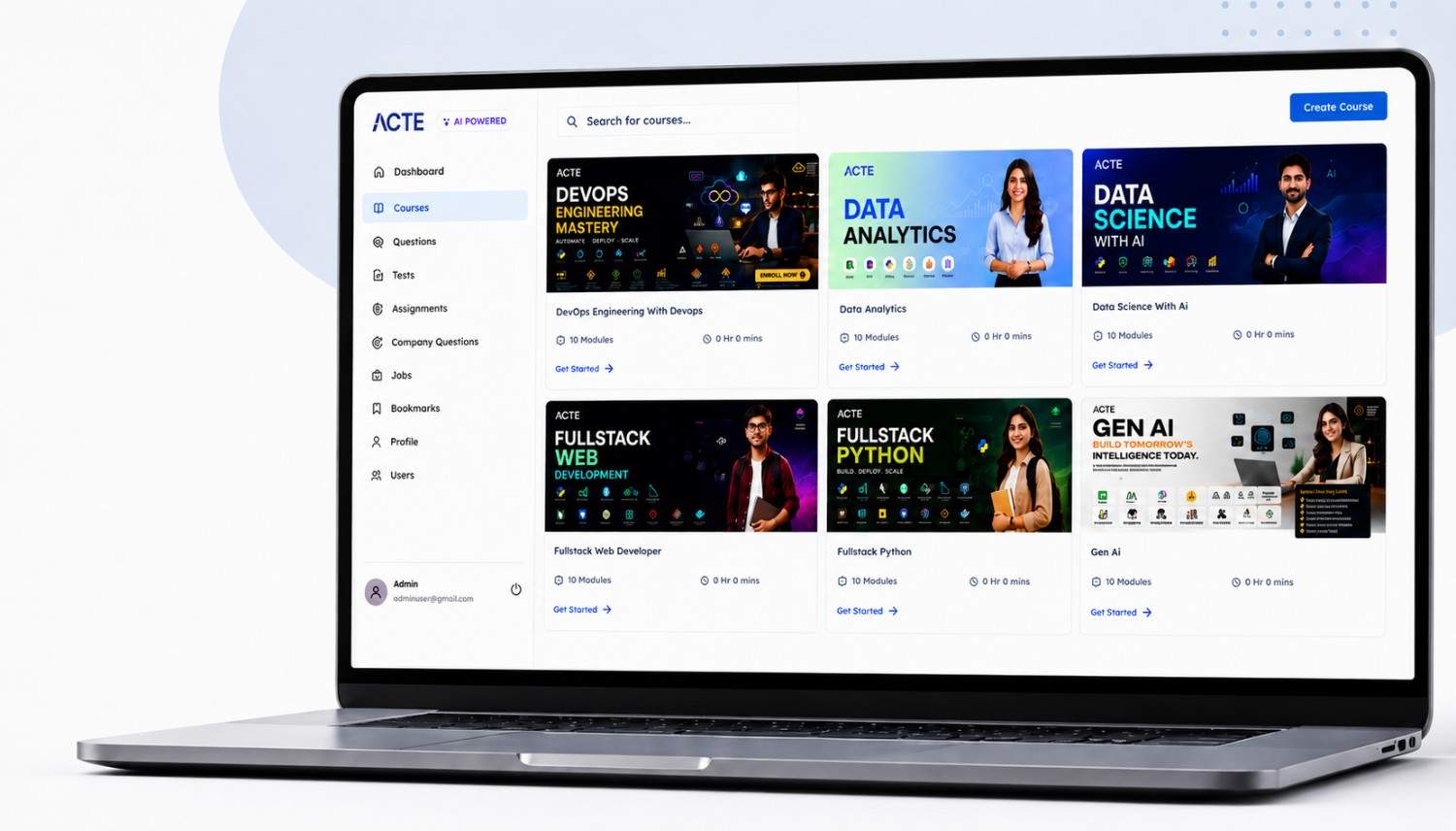
🧪 LMS Self Learning Platform

  • Explore expert trainer videos and documents to boost your learning.
  • Study anytime with on-demand videos and detailed documents.
  • Top MNC interview questions & self coding practice.
 

Curriculum

Syllabus of DevOps Certification Course Course in London
Module 1: Cloud computing
  • What is Cloud Computing
  • How Cloud Computing are helpful
  • Cloud's role in DevOps Certification orchestration
  • What is AWS
  • Use cases in AWS
  • Companies using AWS and Market tends
  • Different Services offered in AWS
  • Use case: - Highly available fault tolerant systems
  • Understanding availability zone
  • region
  • Creating your own account in AWS
  • Creating a VPC
  • subnet
  • network gets way
  • Running your own EC2 instance
  • Connecting in EC2 and installing https in EC2
  • S3
  • Over viewS3
  • SNS. Cloud watch
  • Understanding the Serverless (Lambda)
Module 2: DevOps Certification History and evolution of DevOps Certification
  • What is the market trend of DevOps Certification
  • Which back ground people can switch to DevOps Certification
  • Some typical tool stack for DevOps Certification Jobs
  • How to get maximum from the course
  • Client-Server and Distributed Version control system
  • Git
  • Advantages of Git over SVN
  • Git User trends
  • Different Git tools (Git Desktop. Kraken)
  • Git Installation and Configuration
  • Setting up Git Bash and Git UI
  • Creating first repository: Local
  • Git commands: add
  • commit
  • push
  • status
  • history
  • Branch why what? Understanding Master
  • Creating a Branch
  • Merging a Branch
  • Resolving Merge conflicts
  • checking the difference
  • Understanding the tags: Modifying
  • undoing
  • deleting and discarding
  • What
  • Use Case of Unit Testing
  • Different kind of Unit Testing
  • What is JUnit
  • Writing a Simple JUnit Test
  • Test NG introduction
  • Write a Unit Testing Case in your Favorite language.
  • Linux Administration
  • A Linux Introduction
  • Open Source Philosophy
  • Distributions
  • Embedded Systems
  • Command Line Basics
  • Basic Shell
  • Command Line Syntax – ls
  • Command Line Syntax – $PATH, Case Sensitivity
  • Command Line Syntax – Basic Commands
  • Command Line Syntax – uname
  • Command Line Syntax – Command History, Command Completion
  • Command Line Syntax – cd and pwd
  • Shell Configuration Files
  • Variables – Environment / System Variables
  • Variables – User Defined
  • Globbing
  • Quoting
  • Formatting Commands
  • Working with Options
  • Using the Command Line to Get Help
  • Man
  • Info
  • locate, find, whereis, and using /usr/share/doc/
  • Exercise: Man Page Walkthrough
  • Exercise: Basic Command Line
  • Using Directories and Listing Files
  • The Linux File System
  • Files, Directories
  • Hidden Files and Directories
  • Home
  • Absolute and Relative Paths
  • Exercise: Maneuvering the Linux File System
  • Creating, Moving and Deleting Files
  • Files and Directories
  • Case Sensitivity
  • Simple Globbing and Quoting
  • The Power of the Command Line
  • Archiving Files on the Command Line
  • Files, Directories
  • Archives, Compression
  • Searching and Extracting Data from Files
  • Commands (Revisited)
  • Command Line Pipes
  • I/O Redirection
  • Regular Expressions
  • Exercise: Practicing with Pipes and Grep
  • Turning Commands into a Script
  • Basic Text Editing
  • Basic Shell Scripting
  • Basic Shell Scripting, Continued
  • Exercise: Using the vi Text Editor
  • Available
  • The Linux Operating System
  • Choosing an Operating System
  • Windows, Mac, and Linux Differences
  • Distribution Life Cycle Management
  • Understanding Computer Hardware
  • Hardware
  • Where Data is Stored
  • Kernel
  • Processes
  • syslog, klog, dmesg
  • /lib, /usr/lib, /etc, /var/log
  • Your Computer on the Network
  • Internet, Network, Routers
  • Domain Name Service and the Default Gateway (Network Router)
  • Network Configuration
  • Security and File Permissions
  • Basic Security and Identifying User Types
  • Root and Standard Users
  • System Users
  • Creating Users and Groups
  • User IDs
  • User Commands
  • Group Commands
  • Exercise: Managing User Accounts
  • Exercise: Creating User Groups
  • Managing File Permissions and Ownership
  • File/Directory Permissions and Owners
  • Special Directories and Files
  • Symbolic Links
  • System files, Special Files, and Sticky Bits
  • Use Case in Maven
  • Ant vs Maven
  • Maven installation and Configuration What is Maven Central
  • Dependency Management why and How
  • Introduction to POM
  • Build lifecycle
  • Maven repositories Maven plugins
  • Using a POM file to run unit testing (Jenkins)
  • Multi-module POM
  • dependency hierarchy
  • Artifactory management
  • Maven Release and Snapshot
  • Assignment- Create a Maven Hello world Java Project
  • Run the Unit testing and and create the artifact for that
  • Use Case (How Artifactories are managed)
  • Artifact Lifecycle
  • Basic use of Sonatype Nexus
  • Artifactory Live demo
  • Use Case WebServer Deployment in DevOps Certification
  • Architecture
  • Different types of Webserver
  • Proxy servers
  • Mail Server
  • Installation of Tomcat
  • Manual Deployment
  • Deploying a Web application using Maven
  • Idea about Automated Deployment using Continuous Integration
  • Create a Tomcat Server and Deploy the application manually
  • Create a Tomcat Server and Deploy the Application Using Maven
  • Benefits of Code Profiling tool
  • Use case of Code Profiling tool
  • Different kind of Code quality tools
  • Over view of Sonar
  • Installation of SonarQube
  • Installation fo Code Analyser
  • Sonar profiles
  • Running Sonar for a project
  • Configuring SonarQube for one Sample java project.
Module 3: Jenkins
  • Why Jenkins?
  • What is Continuous Integration and Continuous Deployment (Use Case1)
  • Jenkins installation and Configuration
  • Running Jenkins as windows service
  • Deploying Jenkins in Tomcat Server
  • Jenkins Global Configuration
  • Building your first Hello world job
  • Jenkins User Management
  • Jenkins Plugin management
  • Jenkins SCM configuration (Git SVN)
  • Understanding the Jenkins workspace
  • Build
  • pre build and post build job
  • Jenkins Unit testing
  • Automation testing
  • Mail notification
  • Jenkins Reporting
  • Matrix and trend
  • Jenkins remote executor
  • Master Slave configuration in Jenkins
  • Jenkins Most used plugin
  • Advanced Reference
  • Jenkins pipeline plugin
  • Groovy scripting
  • Scriptler
  • Jenkins Parameterized build
  • Environment inject plugin
  • Use of Jenkins environment variables
  • Deploying a specific revision
  • Customizing the Jenkins UI
  • Project based Matrix plugin
  • Parallel Execution
  • Configuring Jenkins Hub and Node in the cloud (AWS)
  • Configuring a Selenium Desktop node with a Linux Server (AWS)
  • Case Study
  • Real time implementation of Automated role back
  • Multi branch Deployment.
  • What is Virtual Machine
  • Why we need it
  • What is Container
  • Difference between Containers and Virtual Machine
Module 4: Docker
  • Docker Installation and Configuration
  • Major Docker Components
  • Container Management Running Containers
  • Docker file
  • Working with Registries
  • Docker Port Forwarding
  • What is Configuration Management
  • Configuration Management Challenges
  • Configuration Management in DevOps Certification Ecosystem
  • Some tools
  • Trends
  • What is Container and Containerization
  • Different types of Containers
  • DOCKER: What why how ?
  • Use Case 1 (Why Docker)
  • Docker installation
  • Docker VS Vagrant
  • Docker Run commands
  • Advanced Docker
  • run commands
  • Docker volume persistence
  • Overview of Docker Compose
  • Docker Hub
  • Creating your own image
  • Advanced reference
  • Create a Docker container to run Jenkins
  • Create a Docker container to run a CI/CD pipeline
  • Use case 1 (Why puppet)
  • Puppet installation and configuration
  • Resource implementation
  • Managing files and executing programs
  • Testing your code Using Puppet Languages
  • Variables Numbers and Strings
  • Facts
  • control flow
  • Regex
  • Loops
  • Resource Processing
  • Advanced Course
  • Puppet Modules
  • Define QA environment
  • Changing Base Module path
  • Separation of Data from Code
  • Introduction to Hiera
  • Hiera Backend creation in Puppet
  • Variables and Function lookups
  • Using Puppet modules
  • Puppet Forge-Server- GitHub repo.
Module 5: Ansible
  • What is Ansible
  • Advantages of Ansible
  • Environment Provisioning
  • Configuration Deployment
  • Installation of Ansible (AWS)
  • Modules
  • Playbooks and Writing a Playbook
  • What is Monitoring
  • Why we need monitoring
  • Different tools of monitoring
  • What is Nagios
  • Nagios Architecture
  • Different components of Nagios
  • A typical Nagios Dashboard
  • Installation and Configuration
Show More
Show Less

DevOps Course Learning Objectives

DevOps does not require a specific educational qualification. Learners with basic computer knowledge, logical thinking, and an interest in software development can understand DevOps concepts effectively. Basic programming and operating system knowledge can also support the learning process.

Basic programming knowledge can be useful when learning DevOps, particularly scripting with Python, Bash, or shell commands. The course covers version control, automation, CI/CD pipelines, containers, cloud platforms, and deployment concepts through practical sessions.

The primary objective of DevOps training is to help learners understand software development, automation, testing, deployment, and monitoring. Participants learn Git, CI/CD, Docker, Kubernetes, cloud platforms, infrastructure automation, and application deployment using practical workflows and industry-relevant tools.

DevOps training can benefit learners from various academic and professional backgrounds. IT professionals, software developers, system administrators, cloud engineers, testers, engineering graduates, working professionals, and freshers can develop practical DevOps skills.

Learning DevOps can provide several professional benefits:
  • Improves software deployment abilities.
  • Builds automation and scripting proficiency.
  • Introduces important CI/CD practices.
  • Enhances cloud and infrastructure management skills.
  • Supports pathways toward DevOps careers.

DevOps skills can support opportunities in technology, finance, healthcare, retail, e-commerce, manufacturing, consulting, and other software-driven industries. Depending on their skills and experience, learners can explore roles related to automation, cloud infrastructure, CI/CD, container orchestration, system administration, and site reliability engineering. Practical project experience can help candidates showcase their capabilities.

  • Learn essential Linux and operating system concepts.
  • Study Git and version control practices.
  • Practice scripting and automation basics.
  • Understand CI/CD pipelines and deployment workflows.
  • Develop practical DevOps portfolio projects.

Who can register for this DevOps Certification training?

The program is suitable for individuals interested in developing automation, cloud computing, software deployment, and infrastructure management skills:
  • IT and Software Professionals.
  • Software Developers and Testers.
  • System and Cloud Administrators.
  • Engineering and Technical Graduates.
  • Freshers and Working Professionals.

Which career roles can I pursue after completing DevOps training?

After developing relevant technical and automation skills, learners can explore various DevOps career paths:
  • DevOps Engineer.
  • Cloud Engineer.
  • Site Reliability Engineer.
  • Build and Release Engineer.
  • Infrastructure Automation Engineer.

Which skills are covered in a DevOps course?

  • Linux and Operating System Concepts.
  • Git and Version Control.
  • CI/CD Pipelines and Automation.
  • Docker and Kubernetes.
  • Cloud Computing and Monitoring.

Why should I choose a DevOps course in London?

DevOps helps organizations improve software delivery through automation, collaboration, continuous integration, continuous delivery, and monitoring. Professionals can streamline development workflows, manage infrastructure, automate deployments, and improve application reliability. Developing these skills can support adaptation to increasingly automated software development and cloud technology environments.

What should I learn in a DevOps Certification internship course?

Learners should focus on Linux, Git, scripting, CI/CD pipelines, Docker, Kubernetes, cloud platforms, infrastructure as code, and monitoring. Practicing tools such as Jenkins, Ansible, Terraform, and relevant cloud services is also useful. Real-world projects help participants apply these concepts and understand complete DevOps workflows.

Show More

Overview Of DevOps Course in London

DevOps Course in London is designed for students, IT professionals, developers, engineers, and aspiring software specialists seeking practical skills in software development and deployment. The program covers Linux, Git, Python, Bash, Jenkins, Docker, Kubernetes, cloud platforms, CI/CD pipelines, infrastructure automation, monitoring, and deployment. Through expert-led sessions, practical exercises, assignments, and industry-oriented projects, participants learn to automate workflows and manage software delivery processes. The DevOps Course in London also covers continuous integration, continuous delivery, version control, configuration management, application testing, infrastructure management, and deployment workflows. Learners work with practical projects and business scenarios to understand complete DevOps workflows from source code management through automated deployment and application monitoring. Along with technical knowledge, participants receive project guidance, interview preparation, resume support, career counseling, and placement-focused assistance. Completing the program helps learners develop relevant skills for opportunities in DevOps Engineering, Cloud Engineering, Site Reliability Engineering, Build and Release Engineering, and other software-focused technology roles.

Additional Course Information

Professional Roles After DevOps Placement Training in London

  • DevOps Engineer : Automates software development workflows, manages CI/CD pipelines, integrates development and operations processes, and improves application deployment and delivery.
  • Cloud Engineer : Manages cloud infrastructure, configures cloud services, supports application deployment, implements automation, and maintains reliable cloud environments.
  • Site Reliability Engineer : Monitors application performance, improves system reliability, automates operational tasks, identifies production issues, and supports service availability.
  • Build and Release Engineer : Manages software builds, automates release processes, maintains deployment pipelines, coordinates version control, and supports reliable software delivery.
  • Infrastructure Automation Engineer : Automates infrastructure provisioning, manages configuration, implements infrastructure as code, and supports consistent application environments.
  • System Administrator : Maintains operating systems, manages servers, monitors system performance, troubleshoots technical issues, and supports infrastructure operations.

Essential Tools and Technologies Covered in DevOps Certification Course in London

  • Linux and Bash : Provide essential operating system and scripting knowledge for managing servers, automating repetitive tasks, executing commands, and supporting application deployments.
  • Git and GitHub : Provide version control, source code management, collaboration, repository maintenance, branching, and tracking of software development changes.
  • Jenkins : Supports continuous integration and continuous delivery, automated builds, test execution, pipeline creation, and streamlined software deployment workflows.
  • Docker : Enables application containerization, consistent development environments, dependency management, portable deployments, and simplified application delivery.
  • Kubernetes : Supports container orchestration, application scaling, deployment management, service discovery, and containerized application operations.
  • Terraform and Ansible : Support infrastructure provisioning, configuration management, automation, repeatable environments, and efficient infrastructure maintenance.

Essential Skills Developed Through DevOps Training Institute in London

  • CI/CD Pipeline Development : Learn to automate builds, testing, integration, and deployment processes while improving software delivery consistency and efficiency.
  • Infrastructure Automation : Develop knowledge of infrastructure provisioning, configuration management, scripting, and automated environment setup using relevant tools.
  • Containerization and Orchestration : Use container technologies to package applications, manage dependencies, coordinate deployments, and support scalable application environments.
  • Cloud and Infrastructure Management : Learn to configure cloud resources, manage infrastructure, deploy applications, monitor services, and troubleshoot environment-related issues.
  • Monitoring and Troubleshooting : Monitor application performance, analyze logs, identify system errors, troubleshoot deployment problems, and improve operational reliability.
  • Deployment and Maintenance : Deploy applications, manage release workflows, configure environments, resolve deployment issues, and maintain applications after release.

Career Opportunities After DevOps Internship Training in London

  • Software Delivery Automation : Organizations increasingly automate software development and deployment processes, creating opportunities for professionals with practical DevOps skills.
  • Cloud Infrastructure Management : Businesses use cloud platforms to host applications and manage infrastructure, increasing the relevance of cloud and automation knowledge.
  • Software Development Across Industries : DevOps skills can be applied in finance, healthcare, e-commerce, manufacturing, technology, and other sectors, creating diverse professional opportunities.
  • CI/CD and Infrastructure Integration : Modern development teams rely on automated pipelines, infrastructure as code, containers, and monitoring, making these skills valuable for software delivery.
  • Remote and Digital Opportunities : DevOps roles can support distributed technology teams and provide opportunities with organizations operating across different locations.
  • Career Advancement : Combining DevOps knowledge with cloud platforms, Kubernetes, infrastructure automation, security, or site reliability engineering can help professionals pursue advanced technical roles.
Show More

Need customized curriculum?

Hands-on Real Time DevOps Certification Projects

DevOps Placement Support in London

  • DevOps Placement Support combines practical assignments, industry-oriented projects, and career-focused learning to develop skills needed for automation, cloud, and software deployment roles.
  • Career guidance includes resume preparation, interview practice, technical assessments, and expert mentoring to support candidates pursuing DevOps career opportunities.
  • Learners develop practical knowledge of Linux, Git, CI/CD pipelines, Docker, Kubernetes, cloud platforms, infrastructure automation, monitoring, and deployment through project-based activities.
  • The training prepares participants for roles including DevOps Engineer, Site Reliability Engineer, Build and Release Engineer, and Infrastructure Automation Engineer across different technology sectors.
  • Mock interviews, technical practice sessions, communication activities, and personalized mentoring help learners improve professional skills and prepare confidently for recruitment processes.
  • DevOps Placement Support helps eligible learners explore career opportunities with companies such as HCLTech, Wipro, Dell, Accenture, Cognizant, TCS, IBM, and Capgemini.
  • Career guidance covers job updates, interview coordination, recruiter support, profile improvement, and employment assistance for candidates pursuing DevOps career opportunities.

Develop Job-Ready Skills with DevOps Certification in London

DevOps certification demonstrates practical knowledge in automating software delivery, managing infrastructure, and applying continuous integration and deployment techniques to real-world business needs. Through guided exercises, practical environments, and projects, learners build technical skills to automate, deploy, and monitor applications while preparing for roles such as DevOps Engineer and Cloud Engineer. The DevOps certification training includes Linux, Git, CI/CD pipelines, Docker, Kubernetes, and infrastructure automation.

Complete Your Course

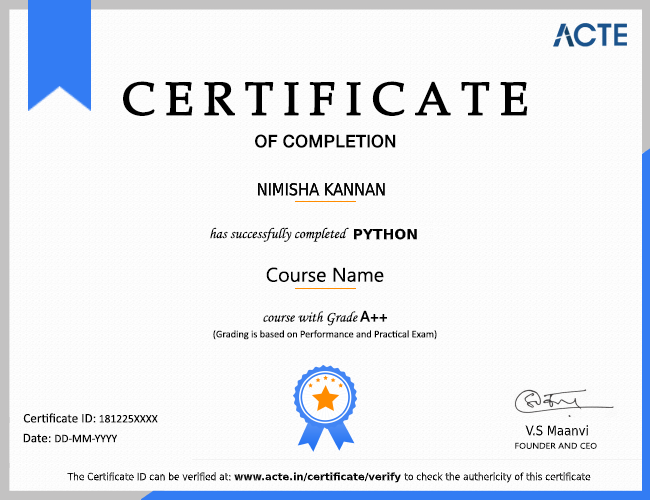
a downloadable Certificate in PDF format, immediately available to you when you complete your Course

Get Certified

a physical version of your officially branded and security-marked Certificate.

Get Certified

Learn from Skilled DevOps Trainers in London

  • Our DevOps trainers in London have expertise in Linux, Git, CI/CD pipelines, Docker, Kubernetes, cloud platforms, and practical solutions for diverse business needs.
  • Trainers provide practical guidance in Linux commands, Git, Jenkins, Docker, Kubernetes, infrastructure automation, monitoring, and deployment techniques applied in industry projects.
  • The training offers hands-on practice with continuous integration, continuous delivery, containerization, infrastructure as code, configuration management, and application deployment techniques.
  • Learners explore CI/CD pipelines, cloud infrastructure, automated deployments, container orchestration, monitoring workflows, and effective approaches to solving real-world business challenges.
  • Practical exercises, industry-oriented projects, case studies, and interactive sessions help learners strengthen technical thinking and apply DevOps concepts confidently.
  • Our DevOps trainers in London provide personalized mentoring, project support, technical guidance, resume assistance, and career guidance to help learners explore DevOps opportunities.
  • Experienced trainers provide industry insights, project knowledge, career guidance, and DevOps instruction focused on developing relevant skills for current technology roles.

Authorized Partners

ACTE TRAINING INSTITUTE PVT LTD is the unique Authorised Oracle Partner, Authorised Microsoft Partner, Authorised Pearson Vue Exam Center, Authorised PSI Exam Center, Authorised Partner Of AWS .
100% Placements | Get Hired in Top MNC

    Career Support

    Placement Assistance

    Exclusive access to ACTE Job portal

    Mock Interview Preparation

    1 on 1 Career Mentoring Sessions

    Career Oriented Sessions

    Resume & LinkedIn Profile Building

    We Offer High-Quality Training at The Lowest Prices.

    Affordable, Quality Training for Freshers to Launch IT Careers & Land Top Placements.

    What Makes ACTE Training Different?

    Feature

    ACTE Technologies

    Other Institutes

    Affordable Fees

    Competitive Pricing With Flexible Payment Options.

    Higher Fees With Limited Payment Options.

    Industry Experts

    Well Experienced Trainer From a Relevant Field With Practical Training

    Theoretical Class With Limited Practical

    Updated Syllabus

    Updated and Industry-relevant Course Curriculum With Hands-on Learning.

    Outdated Curriculum With Limited Practical Training.

    Hands-on projects

    Real-world Projects With Live Case Studies and Collaboration With Companies.

    Basic Projects With Limited Real-world Application.

    Certification

    Industry-recognized Certifications With Global Validity.

    Basic Certifications With Limited Recognition.

    Placement Support

    Strong Placement Support With Tie-ups With Top Companies and Mock Interviews.

    Basic Placement Support

    Industry Partnerships

    Strong Ties With Top Tech Companies for Internships and Placements

    No Partnerships, Limited Opportunities

    Batch Size

    Small Batch Sizes for Personalized Attention.

    Large Batch Sizes With Limited Individual Focus.

    LMS Features

    Lifetime Access Course video Materials in LMS, Online Interview Practice, upload resumes in Placement Portal.

    No LMS Features or Perks.
    Training Support

    Dedicated Mentors, 24/7 Doubt Resolution, and Personalized Guidance.

    Limited Mentor Support and No After-hours Assistance.

    Frequently Asked Questions

    Looking for better Discount Price?

    Call now: +91-7669 100 251 and know the exciting offers available for you!
    • ACTE is the Legend in offering placement to the students. Please visit our Placed Students List on our website
    • We have strong relationship with over 700+ Top MNCs like SAP, Oracle, Amazon, HCL, Wipro, Dell, Accenture, Google, CTS, TCS, IBM etc.
    • More than 3500+ students placed in last year in India & Globally
    • ACTE conducts development sessions including mock interviews, presentation skills to prepare students to face a challenging interview situation with ease.
    • 85% percent placement record
    • Our Placement Cell support you till you get placed in better MNC
    • Please Visit Your Student Portal | Here FREE Lifetime Online Student Portal help you to access the Job Openings, Study Materials, Videos, Recorded Section & Top MNC interview Questions

    ACTE certification verifies the completion of DevOps training and associated learning activities. Its relevance can vary based on employer requirements, practical knowledge, project experience, technical skills, and the position being pursued.

    Yes, learners work on practical projects that involve Linux, Git, CI/CD pipelines, Docker, Kubernetes, cloud infrastructure, automation, and application deployment using relevant tools.

    DevOps sessions are conducted by experienced trainers with knowledge of Linux, Git, CI/CD, Docker, Kubernetes, cloud platforms, infrastructure automation, monitoring, and deployment concepts.

    Participants who miss a scheduled class can use available recorded sessions and learning materials to revise missed topics and continue following the DevOps course curriculum.

    Learners can choose classroom training, online classes, individual mentoring, fast-track batches, and flexible learning options based on their availability, schedule, and preferred learning method.

    Why choose ACTE for DevOps Certification in London?

    ACTE offers practical DevOps learning with experienced trainers, project-based activities, technical guidance, interview preparation, certification assistance, and career-oriented support.

    Yes We Provide Lifetime Access for Student’s Portal Study Materials, Videos & Top MNC Interview Question.

    Upon completing the DevOps training program, participants may receive an ACTE course completion certificate documenting their training, participation, and acquired DevOps skills.

    Yes, the training emphasizes hands-on learning through Linux, Git, CI/CD pipelines, Docker, Kubernetes, infrastructure automation, deployment exercises, practical projects, and business-oriented DevOps case studies.

    Basic computer knowledge and an interest in software development can be helpful. Beginners can also join the course, as the curriculum starts with fundamental concepts and gradually progresses to advanced DevOps techniques.

    After registration, eligible learners can access available recorded classes and study materials through the training platform, allowing them to review DevOps lessons at their convenience.

    You can register for the DevOps Certification in London by completing the registration process and selecting a suitable batch based on your schedule and preferred training format.

    Show More

    Job Opportunities in DevOps

    More Than 35% Prefer DevOps for Software Development. DevOps is One of the Most Popular and In-Demand Technologies in the Software Development World.