Best Workday Course in Coimbatore ⭐ Workday Training in Coimbatore With Placement | Updated 2026
Join Our 100% Job Guaranteed

Best Workday Course in Coimbatore

  • Join Our Workday Training Institute in Coimbatore to Gain in HR and HCM Concepts.
  • Our Workday Training in Coimbatore Covers Workday Modules, Reporting.
  • Develop Practical Skills Through Real-Time Cases and Hands-On Projects Guided by Trainers.
  • Become Job-Ready With Our Placement Support and Career Assistance.
  • Get Expert Help With Resume Building, Mock Interviews, and Career Guidance.
  • Choose Flexible Learning Schedules With Weekday, Weekend, and Fast-Track Batch Options.

WANT IT JOB

Become a Workday HCM Consultant in 3 Months

Freshers Salary

3 LPA

To

8 LPA

Quality Training With Affordable Fees in Coimbatore!

⭐ Fees Starts From

INR 36,000
INR 16,500

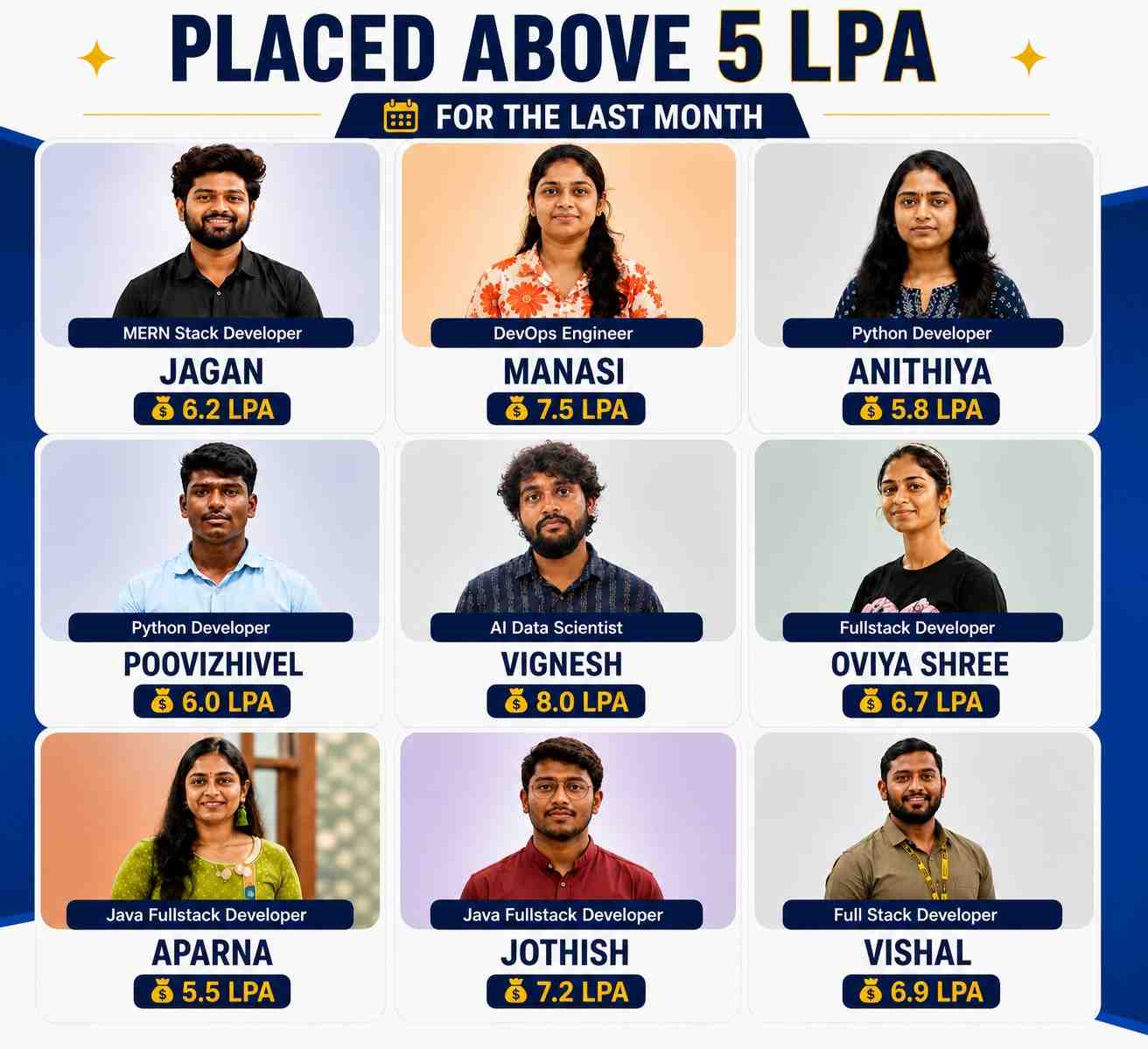
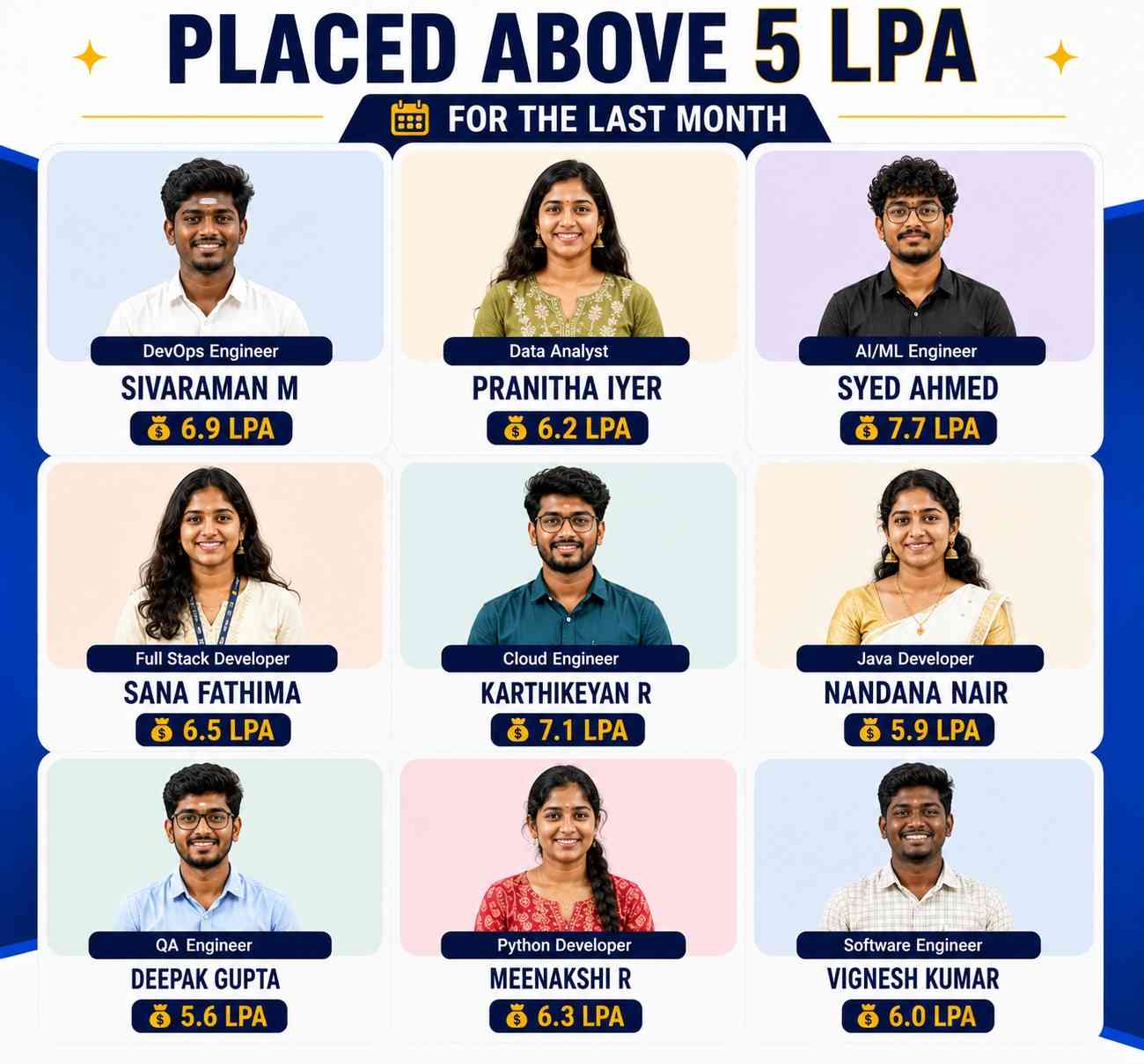
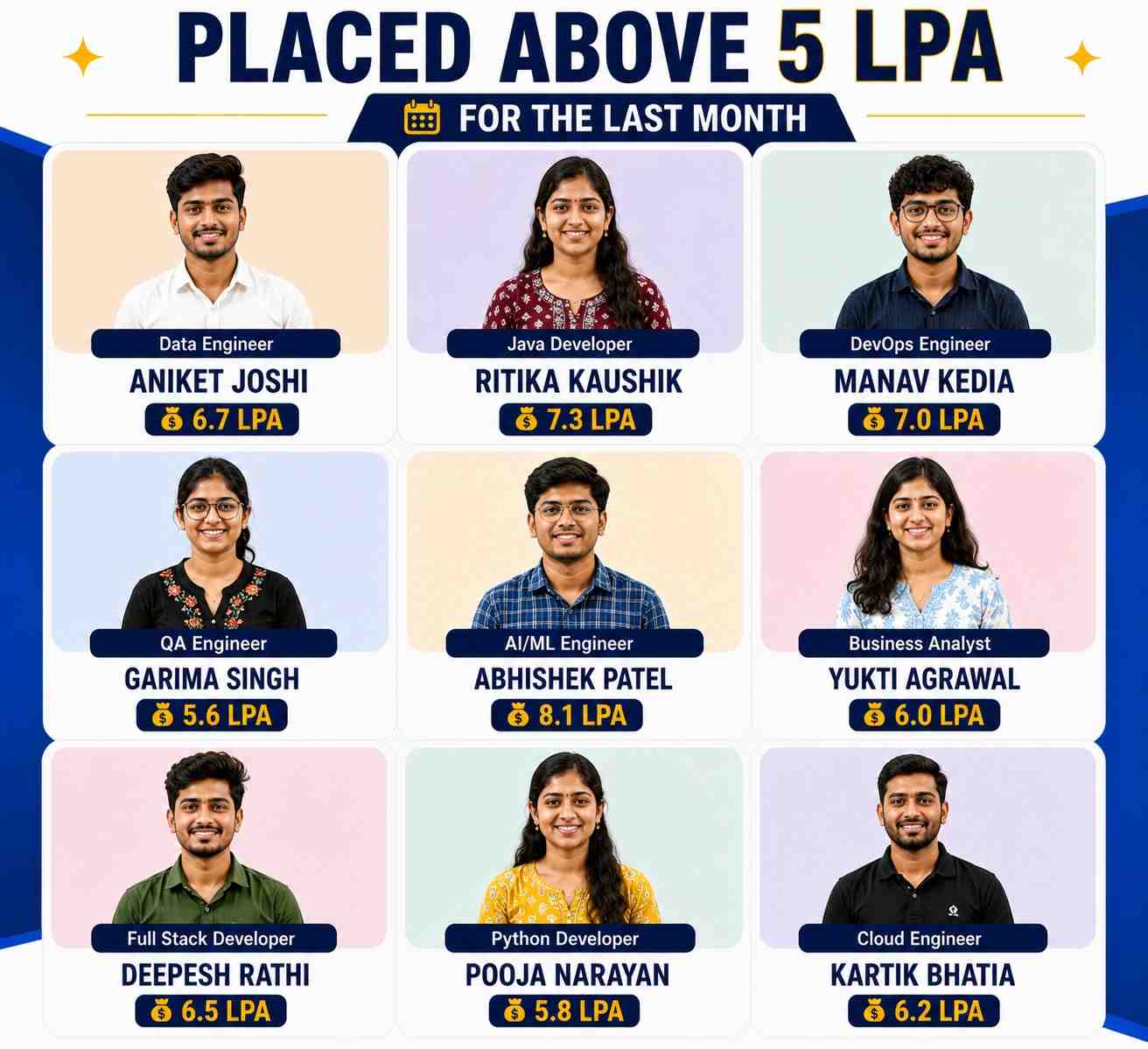
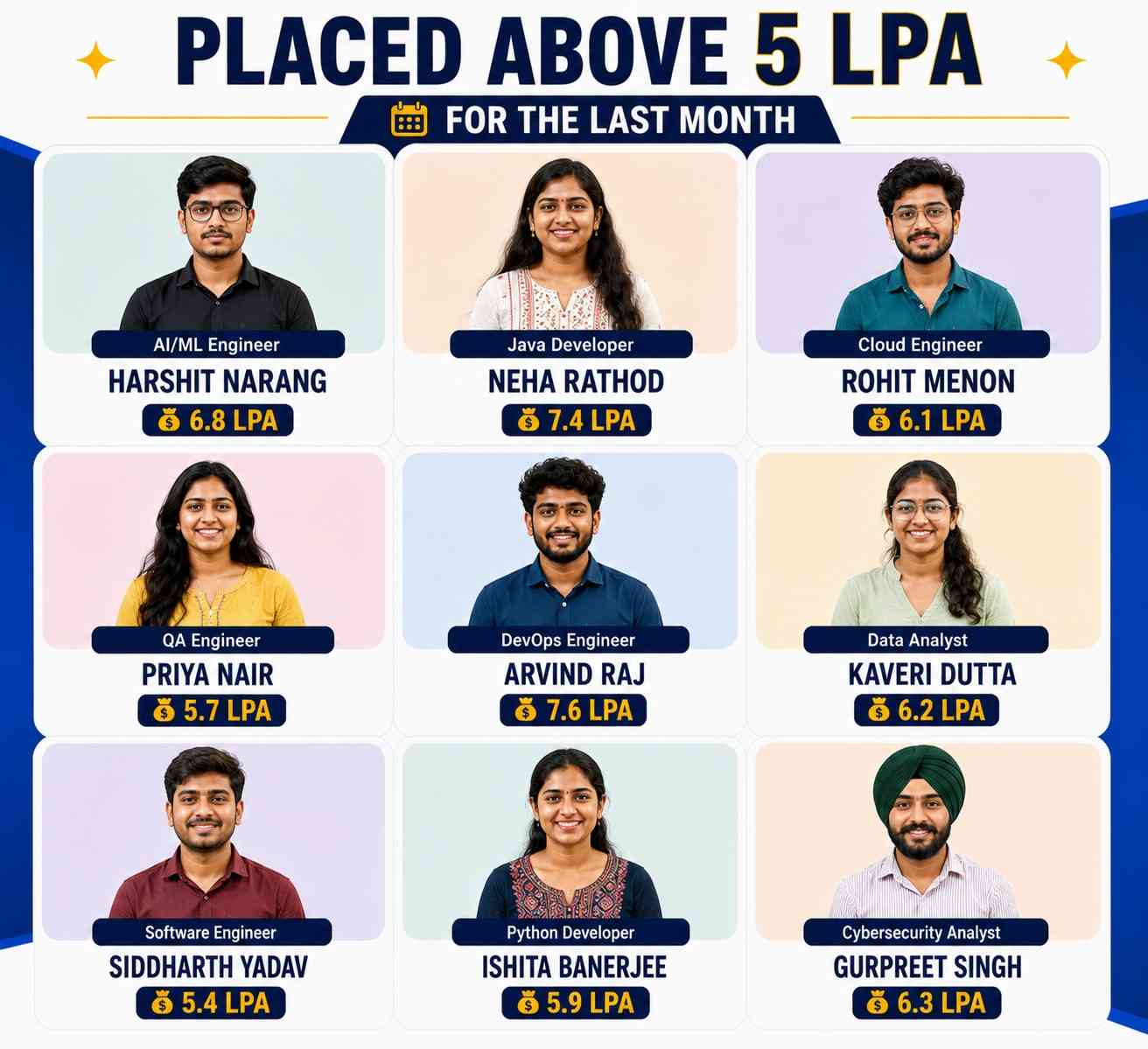
11879+

(Placed)
Freshers To IT

7689+

(Placed)
NON-IT To IT

8451+

(Placed)
Career Gap

4791+

(Placed)
Less Then 60%

Our Hiring Partners

Overview of the Workday Course

The Workday Course in Coimbatore is designed for freshers who want to start a career in Workday and cloud-based HR systems. This Workday Training in Coimbatore helps learners understand the basics of Workday HCM, business processes, reporting, and integrations in simple steps. Students will get practical knowledge through real-time examples and hands-on practice. The program also offers Workday Internships to help learners gain industry experience. With dedicated Workday Placement support, freshers can prepare for job opportunities in top companies. After completing the training, learners can also pursue a Workday Certification course to validate their skills and grow their career.

What You'll Learn From Workday Certification Training

Understand the fundamentals of Workday such as HCM modules, navigation, business processes, and system configuration through practical learning.

Improve your skills in integrations, security roles, and workflow management through step-by-step training in our Workday Course in Coimbatore.

Learn how to manage employee data, create reports, and handle organizational structures using real-time Workday scenarios.

Work on practical assignments, mini projects, and case studies that reflect real business workflows used in companies.

Build confidence to handle Workday tasks independently and prepare for interviews, certifications, and entry-level roles in the Workday domain.

Gain strong functional knowledge of HR operations, reporting tools, and data management with guidance from industry experts in Workday Training in Coimbatore.

Additional Info

Course Highlights

  • Learn core Workday concepts including HCM modules, business process configuration, reporting tools, integrations, and system navigation through our Workday Training in Coimbatore.
  • Get complete career guidance with dedicated Workday Placement assistance and interview preparation to help you secure jobs in leading companies.
  • Join a large learning community where thousands of students have successfully started their careers with support from our strong hiring partner network.
  • Train with experienced professionals who bring real-time industry knowledge and practical insights from years of working with Workday systems.
  • Benefit from simple, beginner-friendly training that includes live projects, practical assignments, and step-by-step guidance for freshers.
  • Access flexible class schedules, affordable course fees, and valuable Workday Internships that provide hands-on industry exposure.
  • Strengthen your professional profile by completing an industry-recognized Workday Certification Course that helps you stand out in the job market.

Benefits You Gain from a Workday Training in Coimbatore

  • Cloud-Based Platform : Workday is a cloud-based system, which means you can access it anytime and from anywhere using the internet. Companies do not need to install heavy software on their computers. All updates and maintenance are managed in the cloud, making it easy for organizations to use. This also reduces IT workload and infrastructure costs. Because of this flexibility, many global companies prefer Workday for managing their HR and finance operations.
  • Easy HR Management : Workday helps companies manage employee information in one single system. HR teams can easily handle hiring, employee records, payroll, attendance, and performance tracking. This reduces paperwork and saves a lot of time for organizations. Employees can also update their personal details and check their information directly in the system. As a result, HR processes become faster, more organized, and more efficient.
  • Real-Time Reporting : Workday provides real-time data and reports that help companies make better decisions. Managers can quickly view employee data, financial information, and performance reports in one dashboard. This helps businesses understand their workforce and operations clearly. Reports can also be customized based on company needs. Real-time insights help organizations plan better strategies and improve overall performance.
  • Strong Security : Workday provides high-level security to protect company and employee data. The system allows administrators to control who can view or edit certain information. This helps protect sensitive HR and financial details. Workday also follows strong data protection standards used by global organizations. Because of these security features, companies can safely manage large amounts of important information.
  • Career Opportunities : Learning Workday can open many job opportunities in the IT and HR technology field. Many companies around the world use Workday to manage their workforce. This creates demand for professionals who know how to work with the system. Freshers and professionals can build careers as Workday consultants, analysts, or administrators. With the right training and certification, it becomes easier to start a career in the Workday domain.

Popular Tools Taught in Workday Course in Coimbatore

  • Workday HCM : Workday HCM (Human Capital Management) is one of the main tools used in the Workday system. It helps companies manage employee information, recruitment, payroll, and performance in one place. HR teams can track employee details, job roles, and attendance easily. The tool also helps managers monitor employee growth and performance. This makes HR management simpler and more organized for companies.
  • Workday Studio : Workday Studio is a tool used to create integrations between Workday and other business systems. It helps companies connect Workday with applications like payroll systems, banking systems, or third-party software. Developers use this tool to build custom integrations based on company needs. It provides a graphical interface that makes integration development easier. This tool helps businesses share data smoothly between different systems.
  • Workday Report Writer : Workday Report Writer is used to create custom reports within the Workday platform. It helps users collect and analyze employee or financial data easily. HR teams and managers can generate reports based on their requirements. The reports help organizations understand workforce performance and other important information. This tool supports better decision-making using clear and structured data.
  • Workday Integration Cloud : Workday Integration Cloud is a tool that helps companies connect Workday with external applications and services. It allows data to move automatically between Workday and other systems. This reduces manual work and improves data accuracy. The tool supports different integration methods like web services and APIs. Because of this, organizations can manage their systems more efficiently.
  • Workday Prism Analytics : Workday Prism Analytics is used for advanced data analysis and reporting. It allows companies to combine Workday data with external data sources. This helps businesses get deeper insights into their workforce and operations. Managers can create powerful dashboards and visual reports using this tool. It helps organizations make smarter business decisions based on detailed data analysis.

Must-Know Frameworks for Aspiring Workday

  • Workday Business Process Framework (BPF) : The Workday Business Process Framework is used to design and manage business workflows inside Workday. It helps companies automate tasks like hiring, employee promotions, and approvals. Each process follows a clear step-by-step flow so work can be completed smoothly. Managers can easily track and control each stage of the process. This framework improves efficiency and ensures that company policies are followed correctly.
  • Workday Integration Framework : The Workday Integration Framework helps connect Workday with other business systems and applications. It allows data to move between systems such as payroll software, finance tools, or third-party platforms. This reduces manual data entry and improves accuracy. Developers can create custom integrations based on business needs. The framework helps organizations maintain smooth communication between different systems.
  • Workday Reporting Framework : The Workday Reporting Framework is used to create and manage reports inside the Workday system. It allows users to collect and analyze HR and financial data easily. Managers can generate reports to track employee performance, workforce trends, and company data. Reports can be customized based on business requirements. This framework helps companies make better decisions using clear and organized information.
  • Workday Security Framework : The Workday Security Framework controls who can access and modify data in the system. It allows administrators to assign roles and permissions to employees based on their job responsibilities. This protects sensitive company and employee information. Organizations can define different levels of access for HR teams, managers, and employees. The framework ensures that the system remains secure and data is protected.
  • Workday Object Management Framework (OMF) : The Workday Object Management Framework is used to manage data objects within the Workday platform. It helps define how different data elements like employee records, job roles, and organizational structures are stored and managed. This framework ensures that data is organized and connected properly within the system. It also helps maintain consistency when changes are made. As a result, companies can manage their data more efficiently and accurately.

Essential Skills You’ll Learn in a Workday Course in Coimbatore

  • Workday System Knowledge : You will learn how to use the Workday platform confidently, including navigation and basic functions. This skill helps you understand different modules like HCM, finance, and reporting. You will know how data is organized inside the system. It also helps you perform daily tasks without confusion. This knowledge is very important for starting a career in Workday.
  • Business Process Understanding : You will gain the ability to understand and manage business workflows in Workday. This includes approvals, task routing, and automated processes. You will learn how companies design step-by-step processes for HR and finance activities. This skill helps improve efficiency in organizations. It also ensures that company rules and policies are followed correctly.
  • Reporting and Data Analysis : You will learn how to create reports and analyze data in Workday. This skill helps you understand employee details, performance data, and financial information. You will be able to generate customized reports based on business needs. It improves decision-making by providing clear insights. This ability is useful for both technical and functional roles.
  • Integration Basics : You will understand how Workday connects with other systems and applications. This skill helps in sharing data between different business tools. You will learn the basics of APIs and system integration concepts. It reduces manual work and improves data accuracy. This knowledge is valuable for technical Workday roles.
  • Security and Role Management : You will learn how to manage user roles and system security in Workday. This includes controlling access to sensitive information. You will understand how permissions are assigned based on job responsibilities. This skill helps protect company and employee data. It is essential for maintaining a safe and secure Workday environment.

Key Roles and Responsibilities of Workday Profession

  • Workday Consultant : A Workday Consultant is responsible for implementing and configuring Workday solutions for clients. The role includes understanding business requirements and designing system setups accordingly. It involves working with HR and finance teams to ensure smooth system integration. The consultant also provides training and support to end users. Problem-solving and system optimization are key responsibilities in this role.
  • Workday Administrator : A Workday Administrator manages the daily operations of the Workday system. This role includes maintaining user accounts, roles, and security settings. The administrator monitors system performance and ensures data accuracy. Regular updates and minor configuration changes are also handled in this position. This role helps keep the system secure, updated, and running efficiently.
  • Workday Functional Analyst : A Workday Functional Analyst focuses on understanding business needs and translating them into system requirements. The role involves configuring modules like HCM, payroll, or recruitment. It includes testing system changes and ensuring they meet company standards. Collaboration with stakeholders is an important responsibility. This position ensures that Workday solutions align with business processes.
  • Workday Integration Developer : A Workday Integration Developer is responsible for connecting Workday with other external systems. The role includes building and maintaining integrations using tools like APIs and Workday Studio. It ensures smooth data transfer between applications. Troubleshooting integration issues is also part of the job. This role supports accurate and automated data flow across systems.
  • Workday Reporting Analyst : A Workday Reporting Analyst creates and manages reports within the Workday system. The role involves collecting data and generating customized reports for business teams. It helps management analyze workforce and financial information. Attention to detail is important to ensure accurate reporting. This position supports decision-making through clear and structured data insights.

Why Workday is the Smart Choice for Freshers

  • High Job Demand : Workday is used by many global companies for HR and finance management. The demand for skilled Workday professionals is increasing every year. Organizations need trained candidates to manage and support their systems. This creates strong career opportunities for freshers. Choosing Workday helps in entering a growing and stable job market.
  • Good Salary Packages : Workday professionals receive attractive salary packages in the IT industry. Companies value certified and trained candidates with practical knowledge. As experience grows, salary levels also increase. Freshers can start with entry-level roles and grow quickly. This makes Workday a rewarding career choice.
  • Easy to Start for Freshers : Workday training is designed in a simple and structured way. Basic concepts can be understood without advanced technical background. Both technical and non-technical graduates can learn Workday. Step-by-step learning helps build confidence. This makes it suitable for beginners starting their careers.
  • Global Career Opportunities : Workday is used by companies across different countries. Skills in Workday can open opportunities in international organizations. Certified professionals can work in various industries like IT, HR, and finance. The platform supports remote and on-site job roles. This provides wider career growth options worldwide.
  • Certification Advantage : Workday certification increases professional credibility and skill recognition. Employers prefer candidates with certified knowledge and practical training. Certification helps in clearing interviews with confidence. It also improves career growth and promotion chances. Completing a Workday course adds strong value to a fresher’s resume.

Landing Remote Jobs with Workday Skills

  • Cloud-Based Knowledge : Workday is a cloud-based platform, which allows professionals to work from anywhere with an internet connection. Understanding cloud systems makes remote work easier and more flexible. Companies can access data securely without being in the office. This skill supports collaboration across different locations. Cloud knowledge increases chances of getting remote job opportunities.
  • System Configuration Skills : Workday skills include configuring modules, workflows, and user roles based on business needs. These tasks can be completed online without physical presence. Remote teams often handle system updates and adjustments through digital tools. Strong configuration knowledge makes candidates valuable for distributed teams. This ability supports independent work in remote environments.
  • Reporting and Data Handling : Workday professionals learn how to create reports and analyze data effectively. These tasks can be performed using the Workday system from any location. Companies depend on accurate reports for decision-making. Remote roles often require managing dashboards and business insights. Data handling skills improve eligibility for online job positions.
  • Integration and Technical Support : Workday includes integration with other systems using tools like APIs and connectors. These tasks can be managed remotely by technical teams. Organizations often need support for troubleshooting and system monitoring. Remote integration work reduces the need for on-site presence. Technical knowledge increases flexibility in job locations.
  • Global Work Environment Experience : Workday is used by companies worldwide, creating exposure to international processes. Understanding global HR and finance systems helps in working with different teams. Remote roles often involve communication with clients from various countries. Workday skills make collaboration easier in virtual settings. This global experience improves remote career opportunities.

What to Expert in Your First Workday Job

  • Learning New System Processes : The first Workday job usually involves understanding how the company uses the system. Training sessions and guidance from senior team members are common in the beginning. Basic tasks like navigation, reporting, or data updates may be assigned. Time is given to learn company-specific configurations. Continuous learning becomes an important part of daily work.
  • Team Collaboration : Workday roles often require working closely with HR, finance, or IT teams. Communication with colleagues helps in completing tasks correctly. Meetings and discussions are common to understand project requirements. Team support plays a big role in early stages of the job. Collaboration improves knowledge and confidence.
  • Hands-On Tasks : Practical work is a major part of the first job experience. Tasks may include system updates, report creation, or data validation. Real-time projects help in understanding business processes better. Guidance is usually provided for complex activities. Hands-on experience builds strong technical and functional skills.
  • Problem-Solving Responsibilities : Issues related to system errors or user queries may need attention. Basic troubleshooting skills are useful in handling small problems. Support tickets and service requests are common in Workday roles. Learning how to analyze and resolve issues becomes important. Problem-solving ability improves with experience.
  • Career Growth Opportunities : The first Workday job provides exposure to real business environments. Experience gained during this period helps in building a strong professional profile. Skills improve through practical learning and certifications. Performance can lead to higher responsibilities over time. This role becomes a strong foundation for long-term career growth.

Leading Companies are Hiring for Workday Professionals

  • Accenture : Accenture is a global consulting and technology company that hires many Workday professionals. The company works on Workday implementation, support, and integration projects for clients worldwide. It offers opportunities in HR technology and cloud solutions. Freshers and experienced candidates can find roles in consulting and technical teams. Work culture focuses on innovation and digital transformation.
  • Deloitte : Deloitte is one of the leading professional services firms hiring Workday experts. The company provides Workday consulting, configuration, and support services to global clients. Roles include functional consultant, technical consultant, and analyst positions. It offers strong learning and career growth opportunities. Employees gain experience working on large enterprise projects.
  • KPMG : KPMG is a well-known consulting firm that recruits Workday professionals for HR and finance solutions. The company focuses on Workday implementation and system improvement projects. It provides opportunities to work with international clients. Team members handle reporting, integrations, and system configuration tasks. The organization supports skill development and professional growth.
  • PwC : PwC offers Workday-related services as part of its digital transformation solutions. The company hires consultants and analysts with Workday knowledge. Projects include system setup, testing, and business process support. It provides exposure to global business environments. Employees receive training and opportunities to work on advanced technologies.
  • IBM : IBM is a multinational technology company that works on cloud and enterprise solutions, including Workday projects. The company hires professionals for integration, support, and consulting roles. Workday experts help in system management and technical development. It provides opportunities to work on innovative digital solutions. The organization offers strong career growth and global exposure.
Show More

Upcoming Batches For Classroom and Online

Weekdays
16 - Mar - 2026
08:00 AM & 10:00 AM
Weekdays
18 - Mar - 2026
08:00 AM & 10:00 AM
Weekends
21 - Mar - 2026
(10:00 AM - 01:30 PM)
Weekends
22 - Mar - 2026
(09:00 AM - 02:00 PM)
Can't find a batch you were looking for?
INR ₹16500
INR ₹36000

OFF Expires in

Who Should Take a Workday Certification Course

IT Professionals

Non-IT Career Switchers

Fresh Graduates

Working Professionals

Diploma Holders

Professionals from Other Fields

Salary Hike

Graduates with Less Than 60%

Show More

Job Roles For Workday Certification Training

HCM Consultant

Financials Consultant

Payroll Specialist

Integration Specialist

Security Analyst

Reporting Analyst

Project Manager

Support Analyst

Show More

Tools Covered For Workday Course in Offline

Workday HCM Workday Financial Management Workday Payroll Workday Recruiting Workday Time Tracking Workday Learning Workday Adaptive Planning Workday Prism Analytics

What’s included ?

Convenient learning format

📊 Free Aptitude and Technical Skills Training

  • Learn basic maths and logical thinking to solve problems easily.
  • Understand simple coding and technical concepts step by step.
  • Get ready for exams and interviews with regular practice.
Dedicated career services

🛠️ Hands-On Projects

  • Work on real-time projects to apply what you learn.
  • Build mini apps and tools daily to enhance your coding skills.
  • Gain practical experience just like in real jobs.
Learn from the best

🧠 AI Powered Self Interview Practice Portal

  • Practice interview questions with instant AI feedback.
  • Improve your answers by speaking and reviewing them.
  • Build confidence with real-time mock interview sessions.
Learn from the best

🎯 Interview Preparation For Freshers

  • Practice company-based interview questions.
  • Take online assessment tests to crack interviews
  • Practice confidently with real-world interview and project-based questions.
Learn from the best

🧪 LMS Online Learning Platform

  • Explore expert trainer videos and documents to boost your learning.
  • Study anytime with on-demand videos and detailed documents.
  • Quickly find topics with organized learning materials.

Workday Course Curriculum

  • 🏫 Classroom Training
  • 💻 Online Training
  • 🚫 No Pre Request (Any Vertical)
  • 🏭 Industrial Expert

Our Workday Training in Coimbatore offers a complete curriculum designed for beginners and aspiring professionals. This Workday Training covers core Workday concepts, system navigation, business processes, reporting, and configuration basics in a simple way. Learn practical skills through real-time examples, assignments, and guided practice sessions. The program also includes Workday Internships in Coimbatore to provide hands-on industry exposure and real project experience. With our Workday Course in Coimbatore, students receive placement assistance, resume support, and interview preparation to build a successful career in the Workday domain.

  • Introduction to Workday - Begin with Workday basics, including navigation, core modules, business processes, and security concepts to build a strong foundation.
  • Advanced Concepts and Frameworks - Learn advanced topics like integrations, reporting, workflows, and system configuration to handle real-time business.
  • Hands-On Project Experience - Work on real-time projects, case studies, and practical exercises to gain industry-level experience and confidence.
  • Tools and Deployment - Understand Workday tools, system management, and cloud-based environments to support implementation and daily operations.
Introduction to Workday HCM
Workday HCM Configuration & Setup
Core HCM and Talent Management
Workday Security & Compliance
Workday Integrations & Tools
Advanced Workday HCM Topics
Workday HCM Projects & Hands-on Practice

Forms the foundational knowledge to understand Workday HCM technologies:

  • Overview of Workday HCM – History, versions, cloud architecture and key features
  • Human Capital Management Concepts – Importance, HR lifecycle and core modules
  • Tools & Technologies – Workday Core HCM, Payroll, Talent Management, Reporting
  • Career Paths – Roles such as Workday HCM Consultant, Payroll Specialist, Integration Analyst

Covers initial setup and core configuration:

  • Tenant Setup – Configuring Workday environment and security groups
  • Organization & Job Structures – Defining company structure, job profiles and positions
  • User & Role Management – Creating accounts, roles and permissions
  • Business Process Configuration – Setting up onboarding, approvals and workflow rules

Deep dive into HR processes and talent management:

  • Employee Onboarding – Adding employees, contracts and job assignments
  • Compensation & Payroll – Managing salaries, benefits and payroll cycles
  • Performance & Goals – Tracking employee performance, goal setting and appraisals
  • Learning & Development – Configuring learning programs and skill tracking

Learn to secure and maintain Workday HCM systems:

  • Security Groups & Roles – Configuring access policies and permissions
  • Data Privacy & Compliance – Ensuring GDPR, ISO and internal compliance standards
  • Audit & Reporting – Generating HR, payroll and compliance reports
  • Tenant Maintenance – Health checks, updates and process optimization

Understand enterprise integration and automation:

  • EIB & Workday Studio – Data import/export, complex integrations
  • APIs & Automation – Automating workflows using Workday REST APIs
  • Third-party Integrations – Connecting Workday with AD, SAP and payroll systems
  • Reporting Tools – Custom reports, dashboards and analytics

Focus on emerging and specialized skills:

  • Advanced Payroll & Benefits – Complex calculations, global payroll setups
  • Talent Analytics – Using Workday dashboards for workforce insights
  • Cloud HR Solutions – Managing hybrid, multi-tenant and cloud environments
  • Advanced Business Processes – Configuring conditional workflows and approvals

Apply all skills learned in real-world scenarios:

  • Real-time Projects – Configuring core HCM, payroll and talent modules
  • Process Audits – Validating business processes and compliance
  • Reporting & Dashboards – Creating HR analytics, KPI dashboards and documentation
  • Scenario-based Exercises – Simulating HR challenges and resolving using Workday tools

🎁 Free Addon Programs

Aptitude, Spoken English.

🎯 Our Placement Activities

Daily Task, Soft Skills, Projects, Group Discussions, Resume Preparation, Mock Interview.

Gain Practical Experience With Workday Projects

Placement Support Overview

Today's Top Job Openings for Workday Professionals

Workday Functional Consultant

Company Code: ITF987

Coimbatore, Tamil Nadu

₹35,000 - ₹55,000 per month

B.E / B.Tech (CSE, IT), BCA, MCA

Exp 0–2 years

  • We are looking for fresh graduates to support Workday HCM modules and assist in business requirement gathering. You will learn Workday configurations, testing, and client coordination. Training will be provided on Workday tools and workflows. Strong analytical skills required.
  • Easy Apply

    Workday Technical Associate

    Company Code: SCF174

    Coimbatore, Tamil Nadu

    ₹30,000 - ₹50,000 per month

    B.E / B.Tech (CSE, IT), MCA

    Exp 0-1 year

  • We are seeking candidates interested in Workday integrations and system support. You will work on data migration, reports, and basic configuration tasks. Opportunity to learn Workday Studio and integration tools. Good programming knowledge is preferred.
  • Easy Apply

    Workday HCM Analyst

    Company Code: TIC987

    Coimbatore, Tamil Nadu

    ₹28,000 - ₹48,000 per month

    BBA, MBA (HR), B.E / B.Tech, MCA

    Exp 0–2 year

  • Now accepting applications for Workday HCM support roles. You will assist in HR module operations, employee data management, and system updates. This role involves supporting HR business processes and documentation. Strong communication skills required.
  • Easy Apply

    Workday Support Executive

    Company Code: TSC564

    Coimbatore, Tamil Nadu

    ₹25,000 - ₹40,000 per month

    Any Degree

    Exp 0–2 years

  • We are hiring candidates to provide Workday system support and troubleshoot user issues. You will handle tickets, assist users, and maintain system records. Basic knowledge of ERP systems is an advantage. Training will be provided.
  • Easy Apply

    Workday Integration Analyst

    Company Code: SCS258

    Coimbatore, Tamil Nadu

    ₹32,000 - ₹52,000 per month

    B.E / B.Tech (CSE, IT), MCA

    Exp 0–2 years (Freshers)

  • We are looking for candidates interested in system integrations and API workflows. You will assist in Workday data integration, testing, and validation processes. Knowledge of XML or basic scripting is helpful. Hands-on learning opportunities available.
  • Easy Apply

    Workday Reporting Analyst

    Company Code: SCF658

    Coimbatore, Tamil Nadu

    ₹27,000 - ₹45,000 per month

    B.Sc (CS), BCA, B.E / B.Tech, MCA

    Exp 0–2 years

  • We are seeking freshers to create and maintain Workday reports. You will work with dashboards, data analysis, and reporting tools. Strong Excel and analytical skills required. Training on Workday reporting will be provided.
  • Easy Apply

    Workday Implementation Associate

    Company Code: ITC875

    Coimbatore, Tamil Nadu

    ₹35,000 - ₹58,000 per month

    B.E / B.Tech, MBA, MCA

    Exp 0-2 years

  • We are actively hiring candidates to assist in Workday implementation projects. You will support system setup, configuration, and client documentation. Exposure to business processes is required. This role offers structured project training.
  • Easy Apply

    Workday Data Analyst

    Company Code: TCF365

    Coimbatore, Tamil Nadu

    ₹25,000 - ₹35,000 per month

    B.Sc (Statistics / CS), BCA, B.E / B.Tech, MCA

    Exp 0–1 year

  • We are looking for detail-oriented candidates to manage Workday data operations. You will analyze HR and finance data, ensure accuracy, and support system reporting. Knowledge of data handling and Excel is preferred. Growth-oriented role with training support.
  • Easy Apply

    Highlights for Workday Internship

    Real-Time Projects

    • 1. Gain hands-on experience by working on live industry-based applications.
    • 2. Understand real-world problem-solving through Workday HCM scenarios.
    Book Session

    Skill Development Workshops

    • 1. Participate in focused sessions on trending technologies and tools.
    • 2. Learn directly from industry experts through guided practical exercises.
    Book Session

    Employee Welfare

    • 1. Enjoy benefits like health coverage, flexible hours, and wellness programs.
    • 2. Companies prioritize mental well-being and work-life balance for all employees.
    Book Session

    Mentorship & Peer Learning

    • 1. Learn under experienced mentor guide your technical and career growth.
    • 2. Collaborate with peers to enhance learning through code reviews and group projects.
    Book Session

    Soft Skills & Career Readiness

    • 1. Improve communication, teamwork, and time management skills.
    • 2. Prepare for interviews and workplace dynamics with mock sessions and guidance.
    Book Session

    Certification

    • 1. Earn recognized credentials to validate your Workday HCM skills.
    • 2. Boost your resume with course or project completion certificates from reputed platforms.
    Book Session

    Sample Resume for Workday HCM (Fresher)

    • 1. Simple and Neat Resume Format

      Use a clean layout with clear sections like summary, skills, education, and projects.

    • 2. List of Technologies You Know

      Mention skills like Core HCM, Payroll, Talent Management, Recruiting, Time Tracking, Workday Reporting, Workday Integrations.

    • 3. Real-Time Projects and Achievements

      Add 1–2 real-time projects with a short description and the tools used.

    Top Workday Tricky Interview Questions and Answers (2026 Guide)

    Ans:

    Workday Integration is the process of connecting Workday with other internal or external systems to share information automatically. It helps exchange data between HR, payroll, finance, and third-party applications without manual effort. This connection reduces errors and improves data accuracy across platforms. It ensures that information stays updated in all linked systems. Integration plays a major role in maintaining smooth enterprise operations.

    Ans:

    Workday Integration works by using tools such as web services, APIs, and integration connectors to move data between systems. It supports both scheduled data transfers and immediate real-time communication. The setup is configured based on specific business requirements and workflows. Data is validated during transfer to maintain consistency and reliability. This mechanism keeps all connected applications aligned and synchronized.

    Ans:

    Implementing integrations can involve challenges like complex data structure alignment and system compatibility issues. Organizations may also face difficulties when connecting older legacy systems. Ensuring secure transmission of sensitive information is another important concern. Regular monitoring and maintenance are required to avoid performance problems. Proper planning and technical expertise help overcome these obstacles effectively.

    Ans:

    Workday Studio is a development platform used to create advanced and highly customized integrations with complex logic. It is suitable for scenarios requiring detailed programming and flexible design. Workday Cloud Connect, on the other hand, provides ready-made connectors for standard integration needs. It is ideal for quicker and simpler system connections. Both solutions support data exchange but differ in customization level and complexity.

    Ans:

    Efficient integrations require optimized data processing and minimal unnecessary system calls. Using asynchronous workflows helps manage large data volumes without affecting system speed. Proper API usage and balanced load distribution enhance performance. Designing streamlined data flow structures reduces processing delays. These practices help maintain stable and scalable integration environments.

    Ans:

    When connecting Workday to on-site applications, secure network configuration is essential. Protection mechanisms like firewalls and encrypted communication channels should be properly implemented. Accurate data mapping ensures smooth synchronization between systems. Compliance with company policies and regulatory standards must be maintained. Careful architectural planning ensures reliable and secure connectivity.

    Ans:

    Maintaining compatibility involves monitoring integration versions during system enhancements. Using stable APIs and structured data formats helps prevent disruptions. Testing integrations before and after updates ensures continued functionality. Version tracking supports smooth transitions during upgrades. These steps allow integrations to operate reliably across different system releases.

    Ans:

    Any changes to integrations are first reviewed and tested in a controlled environment. Detailed documentation records all updates for transparency. Communication among stakeholders ensures clarity before deployment. Backup and rollback strategies are prepared in case issues arise. This organized approach helps maintain system stability during changes.

    Ans:

    Real-time integration transfers data instantly when an event occurs, using web services and triggers. It is useful when immediate updates are required across systems. Scheduled integration processes data at predefined intervals, often handling large volumes efficiently. Tools like batch processing solutions support this method. Both approaches serve different business needs depending on urgency and data size.

    Ans:

    Security in integrations is maintained through authentication protocols such as OAuth and other identity verification methods. Access permissions are assigned based on job responsibilities to limit exposure. Secure communication channels protect sensitive organizational information. Regular audits help monitor system access and activity. These measures ensure safe and controlled data exchange between connected systems.

    Company-Specific Interview Questions from Top MNCs

    1. How does Core HCM vary from the complete HCM package in Workday?

    Ans:

    Core HCM mainly covers essential human resource activities such as employee records, job details, payroll processing, and organizational setup. The extended HCM package includes additional features like recruitment, talent development, learning management, and advanced workforce insights. Core HCM focuses on basic HR operations required for daily administration.

    2. What is the distinction between EIB and Studio in Workday integrations?

    Ans:

    Enterprise Interface Builder (EIB) is a simplified tool used for importing and exporting data between Workday and other systems with minimal technical effort. Workday Studio is a more advanced development environment designed for complex integration scenarios and custom logic. EIB is commonly used for standard data transfers and bulk uploads.

    3. How are reports and analytics applied within Workday HCM?

    Ans:

    Workday HCM provides reporting features that help monitor workforce data, compensation details, and organizational trends. Users can design customized reports with filters, calculations, and visual elements. These insights assist management in tracking performance and maintaining compliance standards. Real-time information supports faster and more accurate decision-making. Reporting capabilities strengthen overall HR planning and operational transparency.

    4. What categories of employee information are stored in Workday HCM?

    Ans:

    Workday HCM manages a wide range of employee data, including personal details, compensation records, performance history, benefits, and leave information. This centralized data management ensures smooth HR processes and accurate payroll handling. It also supports succession planning and workforce analysis. Proper data organization reduces manual errors and improves efficiency. The system plays a key role in managing the entire employee lifecycle.

    5. In what way do Business Processes differ from Security Groups in Workday?

    Ans:

    Business Processes define structured workflows for activities such as hiring, promotions, and employee exits. Security Groups control access rights and determine who can view or modify specific information. Business Processes focus on task flow and approvals within the system. Security Groups focus on data protection and permission management. Both features work together to ensure organized operations and secure system usage.

    6. What is the objective of the Talent and Performance module in Workday?

    Ans:

    The Talent and Performance module supports goal setting, performance evaluations, skill tracking, and career development planning. It aligns employee objectives with company strategies. This feature helps identify training needs and future leadership potential. Managers can assess achievements and provide structured feedback. It enhances workforce engagement and supports organizational growth.

    7. What role do Supervisory Organizations play in Workday?

    Ans:

    Supervisory Organizations define reporting structures by grouping employees under designated managers. They help manage approvals, assign responsibilities, and organize team hierarchies. Proper configuration ensures workflows follow the correct chain of command. This structure supports accurate reporting and resource planning. It forms the foundation of organizational management within Workday.

    8. How are employee joining and exit processes handled in Workday?

    Ans:

    The joining process includes assigning roles, setting up system access, and completing necessary documentation for new hires. The exit process involves removing system permissions, finalizing formalities, and securing employee records. Both processes follow defined workflows to maintain consistency. Proper management ensures data security and operational accuracy. These procedures support smooth transitions throughout the employee journey.

    9. How are system alerts and updates managed in Workday HCM?

    Ans:

    Workday generates automatic reminders for pending approvals, compliance requirements, and task deadlines. These alerts help users complete activities on time. Notifications can be configured based on roles and responsibilities. They ensure important actions are not overlooked. This feature improves workflow efficiency and operational responsiveness.

    10. What are Workday Functional Areas (Domains) and Security Controls?

    Ans:

    Workday Domains represent specific functional sections such as Payroll, Recruiting, or Time Management. Security Controls define who can access or modify information within these areas. Domains organize system functions into structured categories. Security settings protect sensitive data and maintain compliance standards. Together, they ensure controlled access and secure HR operations.

    1. What is the difference between Core HR, Salary Processing, and Talent Features in Workday?

    Ans:

    Core HR is the foundation module that manages employee records, company structure, job details, and basic HR activities. Salary Processing handles compensation calculations, deductions, taxation, and benefit-related payments. Talent Features focus on employee development, performance evaluation, training programs, and career planning. Each module supports a specific HR function within the system. Together, they create a complete employee management solution.

    2. What methods are used to protect sensitive HR information in Workday?

    Ans:

    Workday protects data using permission-based access controls, secure login mechanisms, encryption techniques, and system monitoring. Access is granted only based on assigned roles and responsibilities. Regular reviews and compliance checks help maintain data security. Authentication methods add an extra layer of protection. These security measures ensure confidentiality and prevent unauthorized access.

    3. What types of user roles exist in Workday, and when should access be limited?

    Ans:

    Workday includes standard employee accounts, managerial accounts, and administrative roles with higher privileges. Each account type has specific access rights depending on responsibilities. Access should be restricted for inactive users or unnecessary permissions. Limiting access helps prevent data misuse or accidental changes. Proper role management improves system safety and control.

    4. What is auditing and tracking in Workday, and how does it work?

    Ans:

    Auditing in Workday records all system activities, including updates, approvals, and data modifications. It provides a history of user actions for transparency and review. Administrators can generate reports to identify irregular activities. This process supports accountability and compliance requirements. Continuous tracking ensures secure and reliable system operations.

    5. What is a workflow process in Workday, and why is it important?

    Ans:

    A workflow process defines the structured steps followed for HR activities like hiring, transfers, or employee exits. It ensures tasks move through proper approval levels. Automation reduces manual errors and saves time. The workflow system maintains consistency across the organization. It helps enforce company policies effectively.

    6. What are functional areas and permission controls in Workday?

    Ans:

    Functional areas, also known as domains, represent sections like Payroll, Recruitment, and Time Tracking. Permission controls determine who can access or modify data within those areas. These controls are configured based on job roles. This structure protects sensitive information. Proper setup ensures secure and organized system usage.

    7. What is exception management in Workday systems?

    Ans:

    Exception management handles unusual cases that fall outside normal workflows, such as special approvals or payroll corrections. These situations require additional validation steps. Controlled access ensures accurate handling of sensitive adjustments. The system allows flexibility while maintaining security standards. This ensures smooth processing of special scenarios.

    8. What is performance monitoring in Workday environments?

    Ans:

    Performance monitoring checks system activities to identify delays, errors, or inefficiencies. It helps administrators maintain smooth operations. Monitoring tools track integrations, workflows, and data processing. Regular observation improves system reliability. This process ensures consistent performance and operational stability.

    9. What is the difference between employee accounts and administrative accounts in Workday?

    Ans:

    Employee accounts allow access to personal information, leave requests, and self-service features. Administrative accounts have extended permissions to manage configurations, workflows, and sensitive data. Admin accounts require strict control for security reasons. Role separation helps maintain data protection. This distinction ensures balanced access within the system.

    10. What are the main modules in Workday HCM, and why are they essential?

    Ans:

    Workday HCM includes Core HR, Payroll, Talent Management, Recruitment, and Integration components. Each module supports different HR and business functions. Together, they manage the entire employee lifecycle from hiring to development. The modules work in coordination to improve efficiency and automation. This integrated structure enhances overall workforce management.

    1. What is the difference between Core HR, Salary Management, and Talent Functions in Workday?

    Ans:

    Core HR is the central module used to manage employee details, company structure, job information, and basic HR activities. Salary Management handles compensation processing, tax calculations, deductions, and benefits administration. Talent Functions focus on employee development, performance tracking, training programs, and succession planning. Each area serves a specific HR purpose within the system. Together, they support complete workforce management throughout the employee journey.

    2. What is the difference between reporting and process automation in Workday?

    Ans:

    Reporting in Workday is used to analyze HR data through dashboards, metrics, and structured reports for decision-making. Process automation manages tasks such as hiring approvals, transfers, and leave requests by following predefined workflows. Reporting focuses on data analysis and visibility. Automation focuses on completing tasks efficiently with minimal manual effort. Both features improve productivity but operate in different ways.

    3. What is the main function of Core HR in Workday?

    Ans:

    Core HR acts as the foundation of the Workday system by storing employee records, organizational structures, and HR policies. It ensures accurate data management and regulatory compliance. This module supports other areas like payroll and performance management. It centralizes all essential HR operations in one platform. Core HR provides the base structure for all workforce-related activities.

    4. What is a supervisory structure in Workday, and why is it important?

    Ans:

    A supervisory structure groups employees under specific managers to define reporting relationships. It helps manage approvals, task assignments, and responsibility tracking. This structure ensures clarity in organizational hierarchy. Proper setup supports smooth workflow execution. It is essential for maintaining organized team management within the system.

    5. What is the difference between workflow processes and access controls in Workday?

    Ans:

    Workflow processes define the step-by-step actions for HR activities like recruitment, promotions, and terminations. Access controls determine which users can view or modify information in the system. Workflows focus on task execution. Access controls focus on data security and permission management. Both work together to ensure secure and structured operations.

    6. What is the difference between a Workday tenant and a functional module?

    Ans:

    A tenant is a dedicated environment where an organization configures its Workday system and stores data. A module is a specific functional component such as Payroll, Recruiting, or Core HR. The tenant contains all modules required by the organization. Modules provide specialized features within the tenant. Understanding this difference helps in system configuration and management.

    7. What is auditing in Workday, and how does it work?

    Ans:

    Auditing records all changes made to system data, workflows, and user actions. It creates a detailed activity log for transparency and compliance. Administrators can review these logs to identify irregular activities. This feature supports governance and accountability. Auditing ensures secure and traceable HR operations.

    8. What types of system connections are supported in Workday?

    Ans:

    Workday supports connections with external payroll systems, ERP platforms, cloud applications, and identity management tools. These connections allow automatic data sharing between systems. Integrations reduce manual entry and improve accuracy. They help maintain consistent information across platforms. This improves operational efficiency across the organization.

    9. What is the difference between automated workflows and data reporting in Workday?

    Ans:

    Automated workflows handle task execution such as approvals, notifications, and HR process completion. Data reporting focuses on analyzing information and generating structured insights. Automation improves process efficiency. Reporting supports strategic decision-making. Both functions enhance overall HR system performance but serve different objectives.

    10. What is a user role in Workday, and why is it important?

    Ans:

    A user role defines the level of access and permissions assigned to an individual in the system. It determines which modules, data, and actions a user can access. Proper role configuration protects sensitive information. It ensures users only perform tasks relevant to their responsibilities. Role management is essential for maintaining security and compliance within Workday.

    1. How would you explain the concept of Workday HCM?

    Ans:

    Workday HCM is a cloud-based human resource system that helps organizations manage employee data, payroll activities, talent processes, and workforce operations in one platform. It simplifies HR tasks through automation and improves data accuracy. Companies use it to manage employee information, monitor performance, and support compliance. It reduces manual work and increases overall efficiency in HR operations.

    2. What is the difference between Core HCM and Talent Management?

    Ans:

    Core HCM is responsible for handling fundamental HR activities such as maintaining employee records, organizational structures, payroll support, and benefits management. Talent Management focuses on employee growth areas like recruitment, performance evaluation, training programs, and career planning. Core HCM manages basic workforce data, while Talent Management enhances employee development. Both modules work together to manage the complete employee lifecycle.

    3. What do you understand by a Workday Tenant?

    Ans:

    A Workday Tenant is a separate and secure environment where an organization configures and operates its Workday system. It contains company data, settings, and modules. Tenants are used for development, testing, and live production purposes. They ensure data privacy, system security, and proper system customization for business needs.

    4. What is the difference between Employee Accounts and Administrator Accounts?

    Ans:

    Employee accounts allow users to view and manage their own information such as personal details, leave requests, and payroll records. Administrator accounts have higher access rights and can configure system settings, manage workflows, assign roles, and create reports. Admin accounts require careful control to maintain system security and protect sensitive information.

    5. How are Security Groups and User Roles different in Workday?

    Ans:

    Security Groups control which users can access specific data or system features. User Roles define the responsibilities and permissions assigned to individuals within the system. Security groups focus on access control, while roles define functional responsibilities. Together, they help protect confidential information and maintain organized system operations.

    6. What is meant by a Business Process in Workday?

    Ans:

    A Business Process is a predefined workflow that manages HR activities such as hiring, promotions, approvals, and employee exits. It automates steps, sends notifications, and ensures proper authorization at each stage. Business processes help maintain consistency, reduce mistakes, and improve efficiency in organizational operations.

    7. What is the difference between a Tenant and a Domain in Workday?

    Ans:

    A Tenant represents the entire Workday environment of an organization, including all modules, configurations, and data. A Domain is a specific functional section within the tenant, such as payroll, compensation, or recruiting. Domains organize related data and permissions, making system management easier and more structured.

    8. What are Workday Policies used for?

    Ans:

    Workday Policies define rules that control approvals, access permissions, and HR-related processes. They ensure that system activities follow company guidelines and regulatory standards. Policies help maintain consistency, improve governance, and reduce errors in daily HR operations.

    9. How does the reporting feature function in Workday?

    Ans:

    Workday Reporting allows users to create real-time reports and dashboards using organizational data. It provides insights into workforce performance, payroll details, and HR trends. Reports help managers make informed decisions and support compliance requirements by delivering accurate and updated information.

    10. How does automated HR processing differ from traditional manual HR work in Workday?

    Ans:

    Manual HR processing involves completing tasks individually, which can take more time and increase the chances of errors. Automated HR processing uses Workday’s workflows and system features to handle tasks efficiently. Automation improves accuracy, saves time, enhances productivity, and ensures smooth execution of HR activities across the organization.

    1. How would you define Workday HCM, and what makes it important for organizations?

    Ans:

    Workday HCM is a cloud-based platform designed to manage human resource functions such as employee records, payroll processing, talent management, and workforce planning. It brings all HR activities into a single system, improving accuracy and operational efficiency. The platform provides real-time insights, supports compliance with regulations, and helps organizations automate routine HR tasks for better decision-making.

    2. What ways can Workday HCM enhance HR performance?

    Ans:

    Workday HCM improves HR performance by streamlining workflows, reducing manual activities, and implementing automation for repetitive tasks. It offers reporting tools to analyze workforce data and integrates with other enterprise applications to maintain consistent information. Regular monitoring and system controls help maintain data quality, increase productivity, and reduce errors in HR processes.

    3. What is meant by a Business Process in Workday, and why is it necessary?

    Ans:

    A Business Process in Workday is a structured sequence of steps used to complete HR activities such as hiring, role changes, approvals, or employee exits. It ensures that each task follows predefined rules and approval paths. This structured approach improves transparency, maintains compliance, and allows organizations to manage workflows efficiently.

    4. What role do Security Groups play in Workday HCM?

    Ans:

    Security Groups control user access within the system by defining permissions for viewing, editing, and approving data. They protect confidential employee information and ensure that only authorized users can perform specific actions. By managing access rights effectively, security groups help organizations maintain data protection and regulatory compliance.

    5. How do Core HCM and Payroll functions differ in Workday?

    Ans:

    Core HCM handles essential HR data such as employee details, organizational structure, job information, and workforce management. Payroll focuses on calculating salaries, managing deductions, handling taxes, and processing employee payments. While Core HCM maintains workforce records, Payroll ensures accurate and timely compensation, together forming a complete HR solution.

    6. What information is stored in a Worker Profile in Workday?

    Ans:

    A Worker Profile contains detailed employee information, including personal data, job assignments, compensation details, and employment history. It serves as a centralized record that supports HR operations and reporting. This profile ensures data consistency, simplifies access to employee information, and assists in performance tracking and management decisions.

    7. How does the reporting system operate in Workday?

    Ans:

    Workday’s reporting system enables users to create customized reports and dashboards using live organizational data. It helps analyze workforce trends, monitor key metrics, and evaluate performance. These reports support strategic planning, improve transparency, and assist management in making data-driven decisions efficiently.

    8. What is the difference between Supervisory Organizations and Job Profiles?

    Ans:

    Supervisory Organizations define the reporting structure within a company by grouping employees under specific managers. They manage approvals and workflow responsibilities. Job Profiles, however, describe the characteristics of a role, including duties, qualifications, and skills required. Supervisory Organizations focus on hierarchy, while Job Profiles define job standards.

    9. What purpose do Alerts and Notifications serve in Workday?

    Ans:

    Alerts and Notifications inform users about important updates, pending approvals, and system activities that require attention. They ensure timely responses and help maintain smooth workflow operations. These notifications improve communication, reduce delays, and support effective process management within the organization.

    10. What is the importance of an Audit Trail in Workday HCM?

    Ans:

    An Audit Trail tracks all modifications made to employee data, workflows, and system configurations. It creates a detailed record of activities for accountability and compliance purposes. This feature helps organizations monitor changes, identify discrepancies, and maintain accurate records for internal reviews and regulatory audits.


    Disclaimer Note:

    The details mentioned here are for supportive purposes only. There are no tie-ups or links with the corresponding PGs.

    Ladies PG Accommodation

      Peelamedu
    • Vedha Ladies Hostel : 73050 10332
    • Prestige Living : 90034 56856
    • Gandhipuram
    • Sri Thangam Ladies Hostel : 94434 79426
    • Apple Ladies Hostel : 88838 40100
    • Saravanampatti
    • Radha Ladies Hostel : 97503 36136
    • Lovely Nest : 97888 66603
    • Lakshmipuram
    • Titanstay Elite Ladies Hostel : 63806 42930
    • Bharath Jothi Ladies Hostel : 98430 12789
    • Kalapatti
    • LARA Ladies Hostel : 88074 97949
    • Yazhini Ladies Hostel : 99425 82888

    Mens PG Accommodation

      Peelamedu
    • Zolo Mayflower : 88845 18010
    • Zolo Captive : 88845 18010
    • Gandhipuram
    • Shanthi Mansion : 98422 99861
    • Zolo Einstein : 88845 18010
    • Saravanampatti
    • Whats Up Mens Home : 99422 21035
    • The Executive Grande PG for Men : 95979 10995
    • Lakshmipuram
    • In men’s pg & hostel : 96268 33233
    • SKY PG : 74116 50311
    • Kalapatti
    • Zolo Troy : 88845 18010
    • Stanza Living Adana House : 80460 07419

    Top Workday Job Opportunities for Freshers

    • 1. Workday HCM Jobs at Startups and IT Companies
    • 2. Campus Placements and IT Service Jobs
    • 3. Internship-to-Job Programs
    • 4. Apply Through Job Portals
    • 5. Skills That Help You Get Hired

    Getting Started With Workday Training in Coimbatore

    No Coding
    8 Lakhs+ CTC
    No Work Pressure
    WFH Jobs (Remote)

    Why Workday HCM is the Ultimate Career Choice

    High Demand

    Companies prefer multi-skilled professionals who can handle entire project cycles.

    Global Opportunities

    Open doors to remote and international job markets.

    High Salary

    Enjoy competitive salaries and rapid career advancement.

    Flexible Career Path

    Explore roles such as developer, architect, freelancer, or entrepreneur.

    Future-Proof Career

    Stay relevant with skills that are consistently in demand in the evolving tech landscape.

    Versatility Across Industries

    Work in various domains like e-commerce, healthcare, finance, and more.

    Career Support

    Placement Assistance

    Exclusive access to ACTE Job portal

    Mock Interview Preparation

    1 on 1 Career Mentoring Sessions

    Career Oriented Sessions

    Resume & LinkedIn Profile Building

    Get Advanced Workday Certification

    You'll receive a certificate proving your industry readiness.Just complete your projects and pass the pre-placement assessment.This certification validates your skills and prepares you for real-world roles.

    • Workday Core Human Capital Management Certification
    • Workday Payroll and Compensation Certification
    • Workday Talent Management and Performance Certification
    • Workday Time Tracking and Attendance Certification
    • Workday Recruiting and Employee Onboarding Certification
    • Workday Reporting and Data Analytics Certification
    • Workday Integration and System Configuration Certification

    We provide placement support, and it guarantees a job opportunity for trained candidates. The certification proves your knowledge of Workday modules and HR systems, and with practical training, real-time projects, and interview preparation, it strongly increases hiring chances in HR technology roles.

    The time needed to complete Workday HCM certification depends on the learner’s background, practice level, and training schedule. Generally, most structured courses take about two to four months, including theory sessions, hands-on practice, and exam preparation. Regular practice in demo environments and project work can help complete the certification faster.

    • Shows strong knowledge of Workday tools and HR processes
    • Improves career opportunities in HR and enterprise systems
    • Increases professional trust and industry recognition
    • Helps in successful system implementation and support
    • Builds confidence in handling real-time HR technology tasks
    • Join structured online or classroom-based Workday training programs
    • Practice regularly in Workday sandbox environments
    • Study official documentation and training materials carefully
    • Take practice tests and sample exams for better understanding
    • Participate in discussion groups and learning communities for additional guidance

    Complete Your Course

    A Downloadable Certificate in PDF Format, Immediately Available to You When You Complete Your Course.

    Get Certified

    A Physical Version of Your Officially Branded and Security-Marked Certificate.

    Get Certified

    Lowest Workday Course Fees in Coimbatore

    Affordable, Quality Training for Freshers to Launch IT Careers & Land Top Placements.

    Call Course Advisor

    How Is ACTE's Workday Course in Coimbatore Different?

    Feature

    ACTE Technologies

    Other Institutes

    Affordable Fees

    Competitive Pricing With Flexible Payment Options.

    Higher Workday Course Fees With Limited Payment Options.

    Industry Experts

    Well Experienced Trainer From a Relevant Field With Practical Workday Training

    Theoretical Class With Limited Practical

    Updated Syllabus

    Updated and Industry-relevant Workday Course Curriculum With Hands-on Learning.

    Outdated Curriculum With Limited Practical Training.

    Hands-on projects

    Real-world Workday Projects With Live Case Studies and Collaboration With Companies.

    Basic Projects With Limited Real-world Application.

    Certification

    Industry-recognized Workday Certifications With Global Validity.

    Basic Workday Certifications With Limited Recognition.

    Placement Support

    Strong Placement Support With Tie-ups With Top Companies and Mock Interviews.

    Basic Workday Placement Support

    Industry Partnerships

    Strong Ties With Top Tech Companies for Internships and Placements

    No Partnerships, Limited Opportunities

    Batch Size

    Small Batch Sizes for Personalized Attention.

    Large Batch Sizes With Limited Individual Focus.

    LMS Features

    Lifetime Access Course video Materials in LMS, Online Interview Practice, upload resumes in Placement Portal.

    No LMS Features or Perks.

    Training Support

    Dedicated Mentors, 24/7 Doubt Resolution, and Personalized Guidance.

    Limited Mentor Support and No After-hours Assistance.

    Workday Course FAQs

    1. What academic background is suitable for starting a career in Workday?

    To build a career in Workday, a degree in Human Resources, Information Technology, Computer Applications, or a related discipline is helpful. Although formal education is beneficial, having basic knowledge of HR operations, payroll concepts, and organizational processes makes it easier to understand Workday modules.
    The career outlook in Workday is very strong because many organizations are moving toward cloud-based HR systems. Skilled professionals are in high demand across industries such as IT, banking, healthcare, and retail. As companies continue automating HR functions, opportunities.

    Workday training includes important modules like Core HCM, Payroll, Talent Management, Time Tracking, Recruiting, Reporting, and System Integrations. Learners also gain practical exposure to tools such as Workday Studio and Enterprise Interface Builder (EIB).

    Yes, most Workday courses include practical projects that simulate real business environments. These projects allow students to configure modules, manage workflows, handle payroll scenarios, and generate reports, helping them gain real-time experience before entering the job market.
    Many Workday training programs offer resume preparation assistance. Trainers help candidates highlight their technical skills, certifications, and project experience effectively, making their profiles more attractive to recruiters and improving job opportunities.
    Anyone interested in HR technology or enterprise systems can enroll in Workday training. This includes recent graduates, HR employees, IT professionals, and individuals who want to specialize in cloud-based human capital management solutions.
    While a degree in HR, IT, or related fields is helpful, it is not compulsory. Individuals with practical understanding of business processes, HR systems, or enterprise software can successfully complete Workday training and build a professional career.
    Having basic knowledge of HR functions, payroll processing, and workforce management is useful. Analytical thinking, problem-solving ability, attention to detail, and familiarity with cloud applications can enhance understanding and improve learning efficiency.
    No coding experience is required for Workday training. The course mainly focuses on HR workflows, system configuration, reporting, integrations, and security management. Basic computer skills are enough to begin learning the platform.

    1. What kind of employment assistance is offered after training?

    Placement support usually includes resume building, interview preparation, career guidance, mock interview sessions, and job referrals. Some institutes also conduct hiring drives and provide access to opportunities in companies using Workday systems.

    2. Can practical projects improve job opportunities?

    Yes, completing real-time projects strengthens a candidate’s resume and practical knowledge. Experience in configuring modules, automating workflows, managing payroll processes, and creating reports makes candidates more competitive during interviews.

    3. Are graduates eligible to apply for roles in major IT companies?

    After completing Workday training and certification, graduates can apply for positions in leading IT firms and organizations that use Workday for HR management. Certification combined with practical skills increases chances of selection.

    4. Is job assistance available for beginners without experience?

    Yes, freshers receive dedicated guidance, including resume improvement, interview practice, and entry-level job support. With certification and project exposure, beginners can start careers in HR technology roles.
    Yes, participants are awarded a certificate after successfully finishing the Workday training program. This certificate demonstrates their knowledge of Workday modules and adds value to their professional profile.
    Workday HCM is considered a strong career option because many organizations rely on cloud-based HR platforms. It offers opportunities in system administration, payroll management, talent operations, and reporting roles with promising growth potential.
    Before joining the course, it is helpful to understand basic HR operations, payroll concepts, and business workflows. Familiarity with cloud-based systems and attention to detail will make the learning process smoother and more effective.
    The training develops skills in configuring modules, managing business processes, generating reports, and handling integrations. These capabilities improve employability, support certification preparation, and open doors to global career opportunities.
    Students acquire knowledge in Core HCM, Payroll, Talent Management, Time Tracking, Recruiting, Reporting, Integration tools, and Security configurations. These skills prepare learners for practical roles in HR technology environments.

    1. Is placement assistance included in the course?

    Yes, most training programs provide job support services such as resume preparation, interview training, and guidance for applying to Workday-related positions in reputed organizations.
    Course fees differ depending on factors such as curriculum depth, practical exposure, trainer expertise, project inclusion, and additional support services offered by the institute.
    Workday training is generally structured to be accessible for beginners. Institutes often provide flexible payment options while ensuring quality instruction, hands-on practice, and certification preparation.
    Yes, training fees are typically standardized across centers, and students receive the same curriculum, project exposure, and placement support regardless of the location they choose.
    Learn (Core HCM Configuration + Payroll Management + Business Process Framework + Analytics) Starting at ₹16,500/- Only.
    Acte Technologies WhatsApp