No.1 Workday Training in Bangalore | Workday Course in Bangalore With Placement | Updated 2025

Workday HCM Course for All Graduates, NON-IT, Diploma & Career Gaps — ₹59,000/- only.

Download Brouchure
Join Our 100% Job Guaranteed

Workday Training in Bangalore

  • Join the Best Workday Training Institute in Bangalore to Master HR and Payroll Management Skills.
  • Our Workday Course in Bangalore Covers Core HCM, Payroll, Talent Management, Time Tracking.
  • Get hands-on experience by working on real-world scenarios guided by experts.
  • Earn a globally recognized Workday certification with job placement assistance.
  • Receive expert guidance in building a standout resume and excelling in interviews.
  • Learn on Your Terms with flexible weekday, weekend and fast-track batches.

WANT IT JOB

Become a Workday HCM Consultant in 3 Months

Freshers Salary

3 LPA

To

8 LPA

Quality Training With Affordable Fees in Bangalore!
INR ₹60000
INR ₹59000

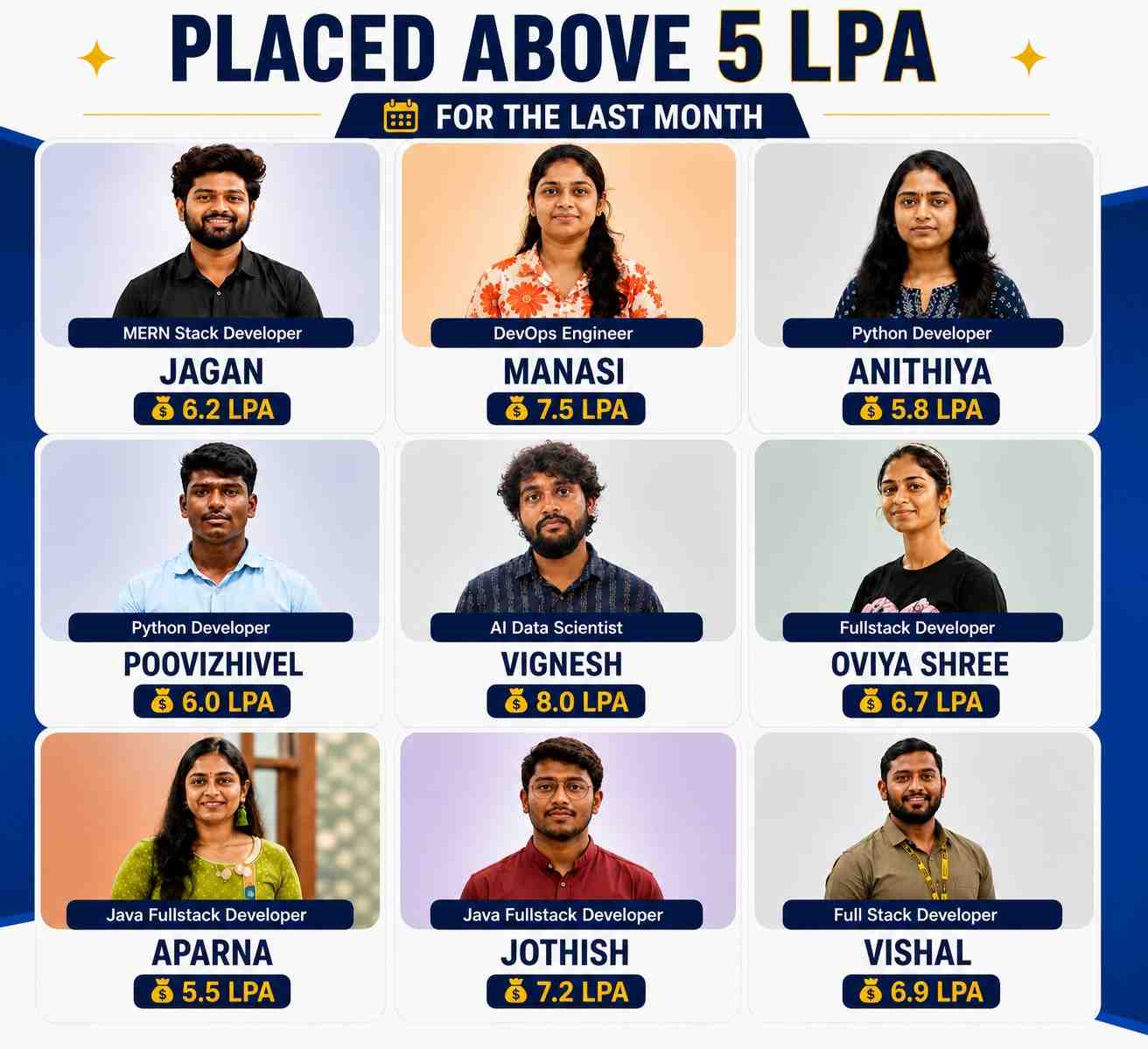
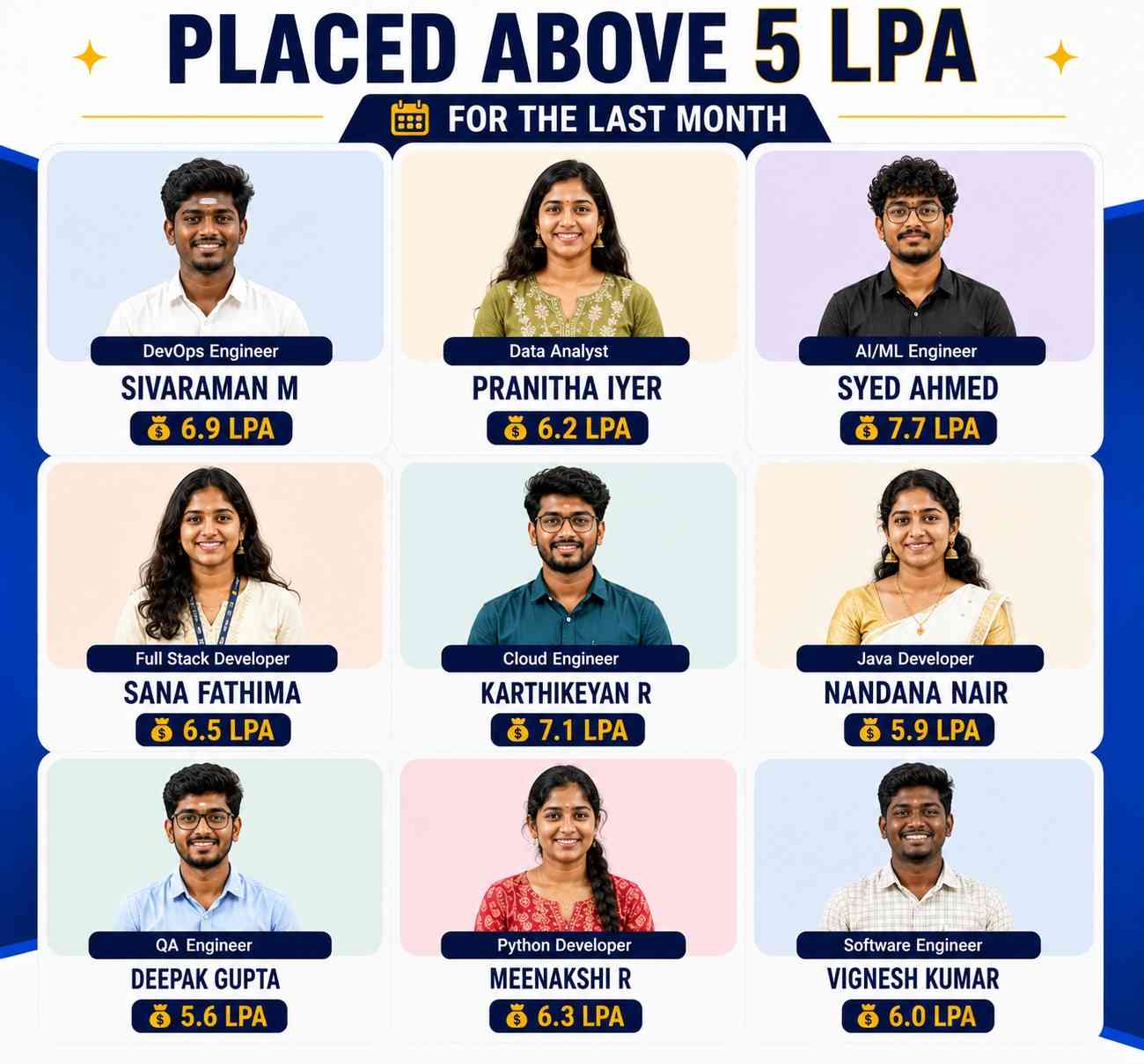
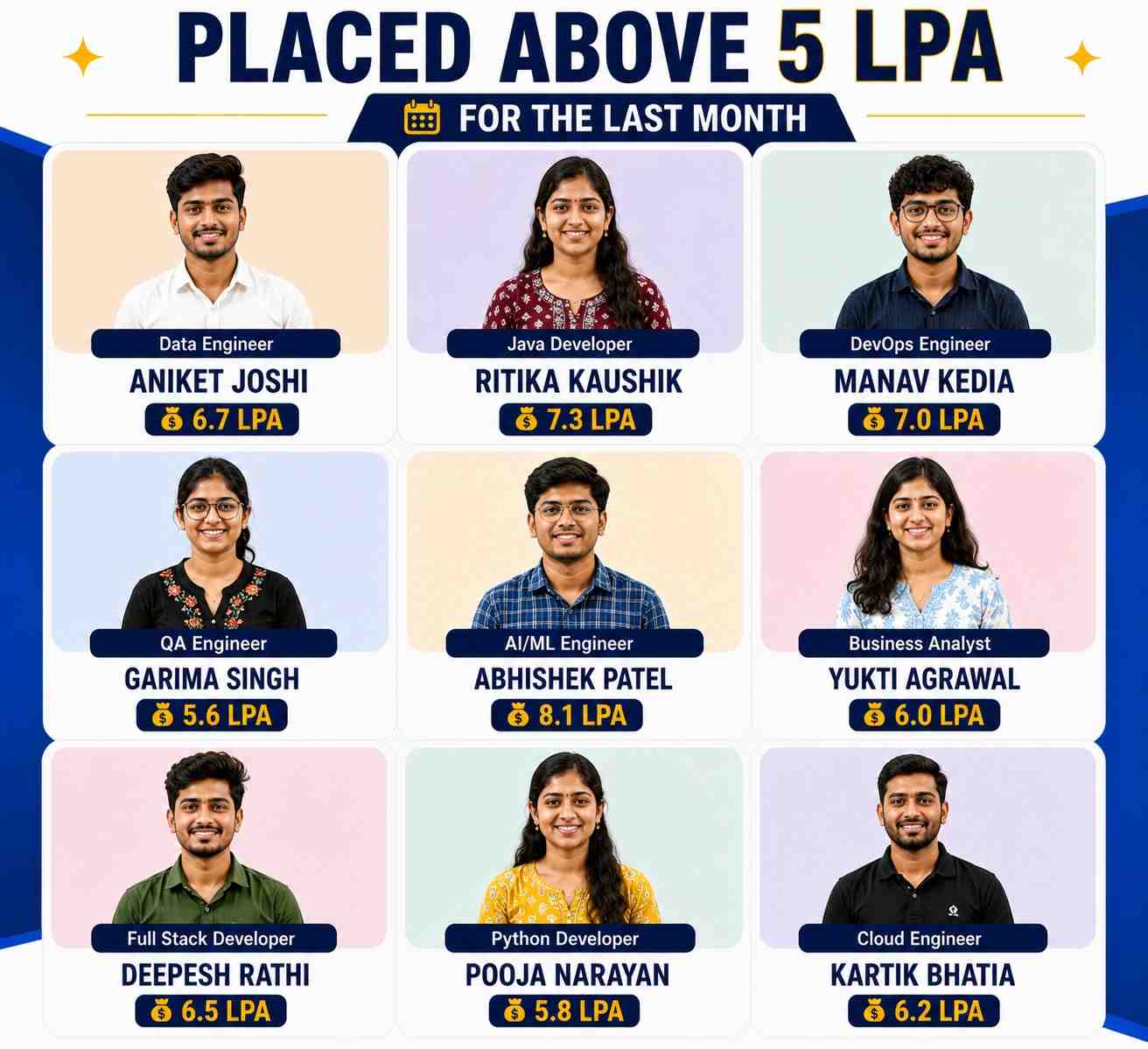
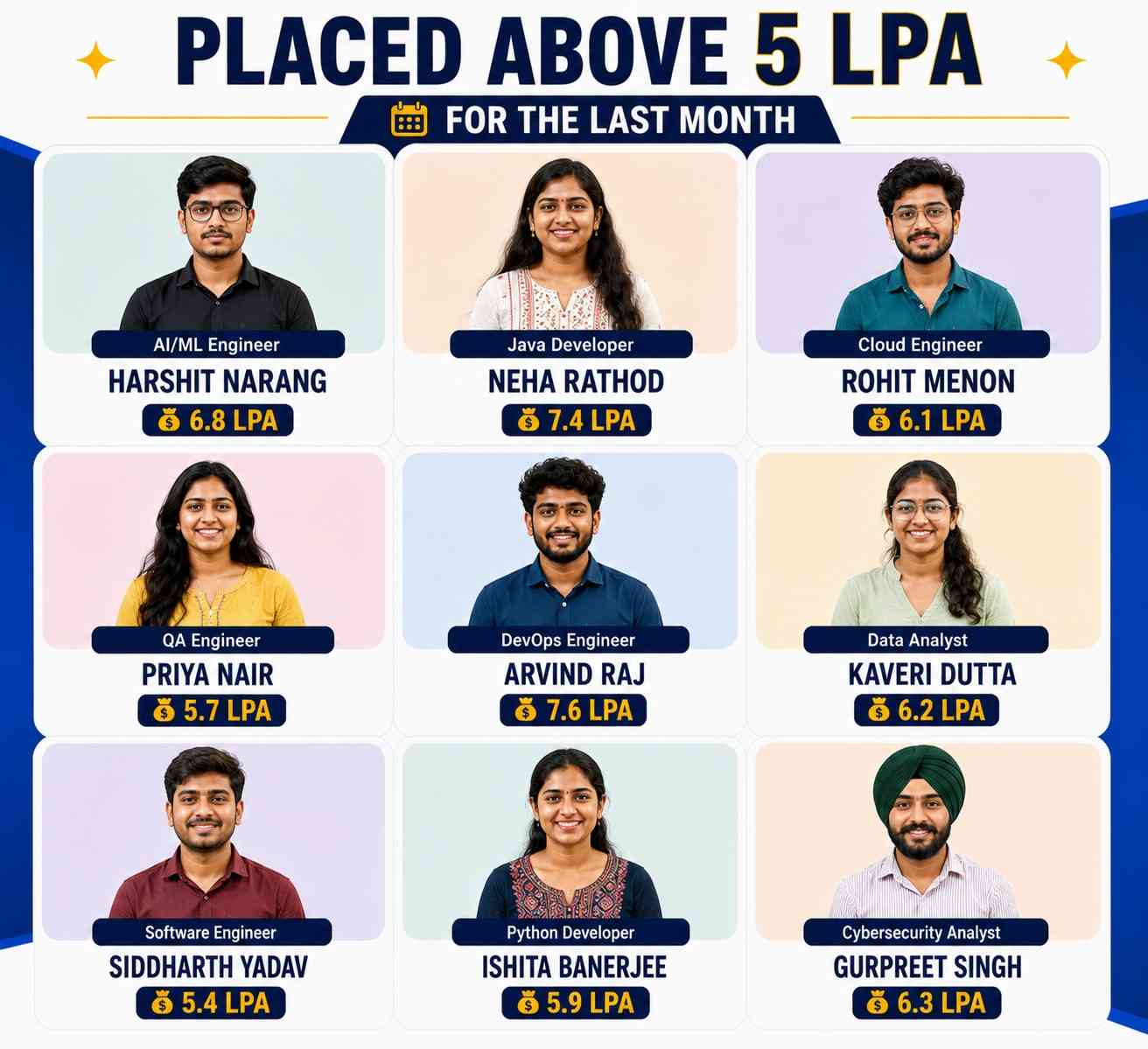
11879+

(Placed)
Freshers To IT

7689+

(Placed)
NON-IT To IT

8451+

(Placed)
Career Gap

4791+

(Placed)
Less Then 60%

Our Hiring Partners

Overview of the Workday Course

The Workday Course in Bangalore is designed for freshers to learn all key HR and payroll processes using Workday HCM. Students will get practical experience through Workday Internships in Bangalore to understand real-world scenarios. The course covers modules like Core HCM, Payroll, Time Tracking, Talent Management and Reporting in an easy-to-follow way. With expert guidance, learners will be ready for Workday Placement opportunities in top companies. The training focuses on hands-on exercises and projects to build strong skills in Workday HCM. By the end of the course, freshers will gain confidence and a solid foundation to start their career in HR technology.

What You'll Learn From Workday Certification Course

Gain a strong understanding of HR processes and modules through Workday Training in Bangalore, including Core HCM, Payroll, Time Tracking and Talent Management.

Learn to manage employee data, benefits and workforce processes efficiently using practical Workday HCM tools.

Get hands-on experience through Workday HCM Internships and work on live projects to build confidence.

Understand reporting, analytics and dashboards in Workday to make informed HR decisions.

Progress from basic HR process knowledge to advanced Workday HCM skills like security setup, workflows and integrations.

Earn a recognized Workday HCM certification and enhance your career with guidance from industry experts.

Additional Info

Course Highlights

  • Master Workday HCM Modules: Learn Core HCM, Payroll, Time Tracking, Talent Management, Benefits and reporting tools.
  • Get dedicated job support with Workday HCM Placement opportunities from top companies hiring HR technology professionals.
  • Join over 5,000 students trained and placed through our strong network of 200+ hiring partners in the HR and IT sector.
  • Learn from expert instructors with more than 10 years of industry experience in Workday HCM and HR process management.
  • Enjoy beginner-friendly lessons, real-time projects and full career guidance to support your learning every step of the way.
  • Take advantage of flexible batch options, budget-friendly fees and Workday HCM Internships in Bangalore, designed especially for freshers and career changers.

Benefits You Gain from an Workday Course in Bangalore

  • Easy Employee Management – Workday HCM lets you manage employee information in one place. You can track personal details, job roles and work history easily. Updates are instant, so HR processes are faster. This makes managing a large workforce simple and efficient.
  • Streamlined Payroll – Payroll processing becomes easier with Workday HCM. It calculates salaries, taxes and benefits automatically. Errors are reduced and employees get accurate payments on time. This saves HR teams a lot of manual work.
  • Better Time Tracking – Workday HCM helps track employee attendance, leaves and work hours accurately. Managers can approve requests quickly and reports are generated automatically. This ensures smooth operations and improves productivity.
  • Efficient Talent Management – The system allows HR teams to manage recruitment, performance and career growth. Employees’ skills and achievements are tracked for promotions or training needs. This helps retain top talent and develop a skilled workforce.
  • Real-time Reporting – Workday HCM provides instant reports on HR data, payroll and workforce analytics. Decisions can be made faster with accurate information. This helps organizations plan better and improve overall HR strategy.

Important Tools Covered in Workday HCM Training

  • Core HCM – Core HCM is the central tool for managing all employee information. It stores personal details, job roles, employment history and organizational data in one place. HR teams can easily update records and track changes. This tool makes employee management organized and efficient.
  • Payroll Management – Payroll Management in Workday HCM automates salary calculation, deductions and tax processing. It make sure employees are paid accurately and on time. HR teams can generate reports and resolve payroll issues quickly. This reduces errors and saves time.
  • Time Tracking – The Time Tracking tool helps monitor employee attendance, work hours and leave requests. Employees can submit time logs easily and managers can approve them online. It generates automatic reports to track productivity. This ensures smooth daily operations.
  • Talent Management – Talent Management in Workday HCM focuses on recruiting, performance and employee growth. It tracks skills, achievements and career progression. HR can plan promotions, training or development programs effectively. This helps retain skilled employees and boost productivity.
  • Reporting & Analytics – Workday HCM’s Reporting & Analytics tool provides real-time insights into HR data. It helps analyze workforce trends, payroll and performance metrics. Managers can make informed decisions quickly. This strengthens HR strategy and improves overall business planning.

Must-Know Frameworks for Aspiring Workday HCM

  • Core HCM Framework – The Core HCM framework is the backbone of Workday HCM. It manages all employee data, including personal details, job roles and organizational information. HR teams can track changes and maintain records easily. Understanding this framework is essential for smooth HR operations.
  • Payroll Framework – The Payroll framework handles salary calculations, deductions and tax processing. It make sure that workers are paid accurately and promptly. HR teams can also generate payroll reports and manage compliance. Knowing this framework helps reduce errors and save time.
  • Talent Management Framework – This framework focuses on recruitment, performance tracking and career development. It helps identify employee skills, plan promotions and create training programs. HR teams can retain top talent and improve productivity. It’s key for building a skilled workforce.
  • Time Tracking & Absence Framework – The Time Tracking and Absence framework manages attendance, work hours and leave requests. Employees can submit timesheets easily and managers can approve them quickly. It helps track productivity and ensures smooth day-to-day operations.
  • Reporting & Analytics Framework – This framework provides real-time insights into HR data, payroll and workforce metrics. Managers can analyze trends, generate reports and make informed decisions. It helps improve overall HR strategy and workforce planning.

Essential Skills You’ll Learn in a Workday Training in Bangalore

  • Employee Data Management – You will learn how to manage employee information efficiently, including personal details, job roles and work history. This skill helps HR teams keep accurate records and easily track changes. It is essential for smooth HR operations in any organization.
  • Payroll Processing – You will gain the ability to handle payroll tasks like salary calculations, deductions and tax compliance. This skill ensures employees are paid accurately and on time. It reduces errors and makes payroll management faster and more reliable.
  • Time and Attendance Tracking – Workday HCM teaches you how to monitor employee work hours, leaves and attendance. You will learn to approve requests and generate reports efficiently. This skill helps maintain productivity and smooth daily HR operations.
  • Talent and Performance Management – You will learn to manage recruitment, track employee performance and plan career growth. This skill helps identify top talent and provides insights for promotions or training. It is important for building a skilled and motivated workforce.
  • Reporting and Analytics – You will gain the ability to generate reports and analyze workforce data in real time. This skill helps HR managers make informed decisions and track trends. It improves overall HR planning and strategic decision-making.

Key Roles and Responsibilities of Workday HCM Professional

  • Workday HCM Consultant – A Workday HCM Consultant implements and configures Workday modules for organizations. They gather requirements from clients, set up employee data and ensure smooth system integration. Consultants also troubleshoot issues and optimize processes. Their work ensures HR operations run efficiently.
  • Payroll Specialist – Payroll Specialists manage salary processing, tax deductions and compliance within Workday HCM. They generate accurate payroll reports and resolve any discrepancies. This role ensures employees are paid correctly and on time. It also helps maintain legal and financial accuracy for the organization.
  • HR Analyst – HR Analysts use Workday HCM to track employee performance, attendance and HR metrics. They generate reports and provide insights for decision-making. Analysts also help identify trends in workforce management. Their work supports strategic HR planning and operational efficiency.
  • Talent Management Specialist – Talent Management Specialists focus on recruitment, performance evaluation and employee development. They track skills, achievements and career progression. This role helps plan promotions, training and succession strategies. It ensures that the organization retains and grows top talent.
  • Workday HCM Administrator – Administrators manage system configuration, security and user access in Workday HCM. They maintain data integrity, perform updates and troubleshoot system issues. This role ensures smooth daily operations and supports HR teams in using the platform effectively.

Why Workday HCM is the Smart Choice for Freshers

  • High Demand in Job Market – Workday HCM professionals are in high demand across IT and HR sectors. Companies are adopting Workday for HR and payroll management. Skilled professionals get more job opportunities and competitive salaries. Learning Workday HCM opens doors to a stable career.
  • Hands-on Learning and Practical Skills – Training provides practical exposure to HR processes and Workday tools. Working on real-time projects builds confidence and problem-solving abilities. These practical skills make freshers job-ready. It bridges the gap between learning and industry requirements.
  • Career Growth Opportunities – Workday HCM offers roles in consulting, payroll, administration and analytics. Professionals can advance to senior HR or technical positions over time. Learning this tool helps build a long-term career path. Growth opportunities are vast for skilled candidates.
  • Globally Recognized Certification – Completing Workday HCM Training provides a certification recognized worldwide. It adds credibility to the resume and improves employability. Companies prefer certified professionals for critical HR roles. Certification gives an edge over others in the job market.
  • Strong Placement Support – Many training institutes provide placement assistance with top companies. Freshers get opportunities for internships and job placements after training. This support helps start a career quickly. It ensures practical exposure and helps achieve career goals efficiently.

Landing Remote Jobs with Workday HCM Skills

  • Manage HR Tasks Remotely – Workday HCM allows handling employee data, payroll and attendance online. Professionals can perform HR tasks from anywhere using the system. This flexibility makes it easier to work remotely. Companies value employees who can manage processes without being onsite.
  • Cloud-Based Platform Knowledge – Workday HCM is a cloud-based software, which means all work is accessible online. Familiarity with cloud systems helps professionals adapt to remote work environments. Tasks like reporting, analytics and employee management can be done from home. This skill is highly sought after in remote job roles.
  • Streamlined Collaboration – Workday HCM provides tools for communication and task tracking among HR teams. It enables smooth coordination between managers, employees and colleagues online. This makes it easier to work on projects remotely. Employers prefer professionals who can collaborate effectively from any location.
  • Reporting and Analytics Skills – The system allows generating real-time reports and analyzing workforce data online. Professionals can provide insights to managers without being onsite. This ability to deliver accurate data remotely makes them valuable to companies. It supports decision-making even in distributed teams.
  • Versatility Across Roles – Workday HCM skills are useful in payroll, recruitment, talent management and HR analytics. Professionals can handle multiple responsibilities remotely using the platform. This versatility increases chances of getting remote positions. Companies prefer candidates who can manage various HR functions online.

What to Expect in Your First Workday HCM Job

  • Learning the System – The first few weeks focus on understanding Workday HCM modules and workflows. New employees learn to navigate Core HCM, Payroll, Time Tracking and Reporting. This hands-on learning builds confidence in daily tasks. It sets a strong foundation for handling HR processes effectively.
  • Handling Employee Data – Managing employee records is a major responsibility in the first job. This includes updating personal information, job roles and work history. Accuracy and attention to detail are very important. It ensures smooth HR operations and builds trust with managers.
  • Assisting in Payroll and Benefits – New hires often help with payroll calculations, tax deductions and benefits administration. This work requires precision and understanding of Workday HCM payroll tools. Learning this process helps in developing key HR skills. It’s a crucial part of HR management.
  • Supporting Recruitment and Talent Management – Entry-level roles may involve assisting with recruitment, performance tracking and training programs. This provides exposure to the Talent Management module. Observing and participating in these tasks builds valuable HR experience. It helps in understanding employee growth and engagement.
  • Generating Reports and Insights – Freshers often start by preparing HR and payroll reports using Workday HCM. Reports help managers make decisions and monitor workforce trends. This improves analytical and problem-solving skills. It also demonstrates the practical value of the Workday HCM system in business operations.

Leading Companies are Hiring for Workday HCM Professionals

  • Deloitte – Deloitte hires Workday HCM professionals for consulting and HR transformation projects. Employees work on implementing Workday modules for global clients. The company provides exposure to real-world business scenarios. It is ideal for learning and growing in HR technology.
  • Accenture – Accenture recruits Workday HCM experts to manage HR systems and cloud-based solutions for clients worldwide. Professionals gain experience in payroll, talent management and reporting. The company offers training and career growth opportunities. It is a great platform for building Workday HCM expertise.
  • IBM – IBM hires Workday HCM specialists to support HR operations and system integrations. Employees work on implementing and maintaining Workday modules for various industries. The role develops both technical and HR process skills. IBM provides a global work environment with learning opportunities.
  • PwC (PricewaterhouseCoopers) – PwC recruits Workday HCM professionals for consulting, system implementation and HR transformation projects. Employees gain exposure to client requirements and industry best practices. It assists professionals in honing their analytical and problem-solving abilities. PwC is known for strong training and career growth.
  • KPMG – KPMG hires Workday HCM experts to implement, maintain and optimize HR systems for clients. Professionals work on payroll, reporting and talent management solutions. The company provides mentorship and real-world project experience. KPMG is ideal for building a successful career in Workday HCM.
Show More

Upcoming Batches For Classroom and Online

Weekdays
15 - Dec - 2025
08:00 AM & 10:00 AM
Weekdays
17 - Dec - 2025
08:00 AM & 10:00 AM
Weekends
20 - Dec - 2025
(10:00 AM - 01:30 PM)
Weekends
21 - Dec - 2025
(09:00 AM - 02:00 PM)
Can't find a batch you were looking for?
INR ₹59000
INR ₹60000

OFF Expires in

Who Should Take a Workday Course

IT Professionals

Non-IT Career Switchers

Fresh Graduates

Working Professionals

Diploma Holders

Professionals from Other Fields

Salary Hike

Graduates with Less Than 60%

Show More

Job Roles For Workday Training

Workday HCM Consultant

Workday Payroll Specialist

Workday HCM Analyst

Workday Integration Specialist

Workday Reporting & Analytics Specialist

Workday Talent Management Specialist

Workday HCM Implementation Engineer

Workday HCM Operations Engineer

Show More

Tools Covered For Workday Course in Offline

Workday HCM Workday Financial Management Workday Payroll Workday Recruiting Workday Time Tracking Workday Learning Workday Adaptive Planning Workday Prism Analytics

What’s included ?

Convenient learning format

📊 Free Aptitude and Technical Skills Training

  • Learn basic maths and logical thinking to solve problems easily.
  • Understand simple coding and technical concepts step by step.
  • Get ready for exams and interviews with regular practice.
Dedicated career services

🛠️ Hands-On Projects

  • Work on real-time projects to apply what you learn.
  • Build mini apps and tools daily to enhance your coding skills.
  • Gain practical experience just like in real jobs.
Learn from the best

🧠 AI Powered Self Interview Practice Portal

  • Practice interview questions with instant AI feedback.
  • Improve your answers by speaking and reviewing them.
  • Build confidence with real-time mock interview sessions.
Learn from the best

🎯 Interview Preparation For Freshers

  • Practice company-based interview questions.
  • Take online assessment tests to crack interviews
  • Practice confidently with real-world interview and project-based questions.
Learn from the best

🧪 LMS Online Learning Platform

  • Explore expert trainer videos and documents to boost your learning.
  • Study anytime with on-demand videos and detailed documents.
  • Quickly find topics with organized learning materials.

Workday Course Syllabus

  • 🏫 Classroom Training
  • 💻 Online Training
  • 🚫 No Pre Request (Any Vertical)
  • 🏭 Industrial Expert

Our Workday Training in Bangalore offers a complete syllabus for freshers and aspiring HR technology professionals. Learn Core HCM, Payroll, Time Tracking, Talent Management, Benefits and Reporting modules. Gain practical experience through Workday HCM Internships and real-time projects. The course also covers analytics, dashboards and HR process automation. Plus, dedicated placement support helps with resume building and interview preparation for Workday HCM roles.

  • Introduction to Workday HCM – Learn the basics of Workday HCM, including Core HCM, Payroll, Time Tracking and Talent Management to build a strong foundation.
  • Advanced Modules – Explore advanced topics like reporting, analytics and workflow automation to handle complex HR processes.
  • Hands-On Project Experience – Work on real-time projects such as employee dashboards, payroll automation and HR reports to gain practical experience.
  • Tools and Deployment – Learn to use Workday HCM tools effectively and manage HR processes on cloud platforms for real-world applications.
Introduction to Workday HCM
Workday HCM Configuration & Setup
Core HCM and Talent Management
Workday Security & Compliance
Workday Integrations & Tools
Advanced Workday HCM Topics
Workday HCM Projects & Hands-on Practice

Forms the foundational knowledge to understand Workday HCM technologies:

  • Overview of Workday HCM – History, versions, cloud architecture and key features
  • Human Capital Management Concepts – Importance, HR lifecycle and core modules
  • Tools & Technologies – Workday Core HCM, Payroll, Talent Management, Reporting
  • Career Paths – Roles such as Workday HCM Consultant, Payroll Specialist, Integration Analyst

Covers initial setup and core configuration:

  • Tenant Setup – Configuring Workday environment and security groups
  • Organization & Job Structures – Defining company structure, job profiles and positions
  • User & Role Management – Creating accounts, roles and permissions
  • Business Process Configuration – Setting up onboarding, approvals and workflow rules

Deep dive into HR processes and talent management:

  • Employee Onboarding – Adding employees, contracts and job assignments
  • Compensation & Payroll – Managing salaries, benefits and payroll cycles
  • Performance & Goals – Tracking employee performance, goal setting and appraisals
  • Learning & Development – Configuring learning programs and skill tracking

Learn to secure and maintain Workday HCM systems:

  • Security Groups & Roles – Configuring access policies and permissions
  • Data Privacy & Compliance – Ensuring GDPR, ISO and internal compliance standards
  • Audit & Reporting – Generating HR, payroll and compliance reports
  • Tenant Maintenance – Health checks, updates and process optimization

Understand enterprise integration and automation:

  • EIB & Workday Studio – Data import/export, complex integrations
  • APIs & Automation – Automating workflows using Workday REST APIs
  • Third-party Integrations – Connecting Workday with AD, SAP and payroll systems
  • Reporting Tools – Custom reports, dashboards and analytics

Focus on emerging and specialized skills:

  • Advanced Payroll & Benefits – Complex calculations, global payroll setups
  • Talent Analytics – Using Workday dashboards for workforce insights
  • Cloud HR Solutions – Managing hybrid, multi-tenant and cloud environments
  • Advanced Business Processes – Configuring conditional workflows and approvals

Apply all skills learned in real-world scenarios:

  • Real-time Projects – Configuring core HCM, payroll and talent modules
  • Process Audits – Validating business processes and compliance
  • Reporting & Dashboards – Creating HR analytics, KPI dashboards and documentation
  • Scenario-based Exercises – Simulating HR challenges and resolving using Workday tools

🎁 Free Addon Programs

Aptitude, Spoken English.

🎯 Our Placement Activities

Daily Task, Soft Skills, Projects, Group Discussions, Resume Preparation, Mock Interview.

Gain Practical Experience in Workday Projects

Placement Support Overview

Today's Top Job Openings for Workday Professionals

Workday HCM Consultant

Company Code: TSC104

Bangalore, Karnataka

₹35,000 – ₹55,000 per month

Bachelor’s in Computer Science, IT, HR, or related field

Exp 0–2 years

  • Now accepting applications for Workday HCM Consultants to support configuration, implementation, and user support in Workday modules. The role involves understanding HR requirements, helping customize HCM processes, and assisting teams with daily tasks. Strong communication and willingness to learn Workday workflows are important for success.
  • Easy Apply

    HRIS Analyst

    Company Code: SBS187

    Bangalore, Karnataka

    ₹33,000 – ₹50,000 LPA

    Bachelor’s in HR, Business, IT, or similar

    Exp 0–2 years

  • We’re seeking entry‑level HRIS Analysts to monitor and manage HR data in Workday. The job includes updating configurations, testing changes, and creating basic reports. Collaboration with HR teams and understanding of Workday processes is key. This role is ideal for freshers wanting hands‑on HR tech exposure.
  • Easy Apply

    Workday Reporting Analyst

    Company Code: SVL895

    Bangalore, Karnataka

    ₹30,000 – ₹55,000 per month

    Bachelor’s in Analytics, IT, Business, or related

    Exp 0–2 yearS

  • Actively hiring Reporting Analysts to work with HR teams and deliver Workday reports. Responsibilities include gathering reporting needs, building standard reports, and ensuring data accuracy. Attention to detail and basic Workday report skills are helpful for this role.
  • Easy Apply

    Workday Integration/Technical Consultant

    Company Code: ONH569

    Bangalore, Karnataka

    ₹35,000 – ₹60,000 per month

    Bachelor’s in Computer Science, Software Engineering, or IT

    Exp 0–2 years

  • We are hiring Technical Consultants to support Workday integrations, data loading, and troubleshooting. This job includes solving basic integration issues and ensuring Workday connects smoothly with other systems. Good logical thinking and eagerness to learn technical aspects of Workday are needed.
  • Easy Apply

    Workday Application Specialist

    Company Code: AML249

    Bangalore, Karnataka

    ₹32,000 – ₹55,000 per month

    Bachelor’s in HR, IT, or Business Administration

    Exp 0–2 yearS

  • Now accepting applications for Application Specialists to maintain and enhance HCM functionality. The role includes routine configuration, helping end users, and supporting upgrades. A basic understanding of HR processes and strong communication skills help in this position.
  • Easy Apply

    Workday Support Analyst

    Company Code: NVT839

    Bangalore, Karnataka

    ₹35,000 – ₹48,000 per month

    Bachelor’s in IT, HRIS, or related

    Exp 0–2 years

  • Looking for Support Analysts to assist with daily Workday HCM ticketing, issue resolution, and user guidance. The job focuses on helping colleagues with system questions and quick fixes. This role builds strong foundation in Workday support operations.
  • Easy Apply

    Workday Data & Systems Analyst

    Company Code: STE276

    Bangalore, Karnataka

    ₹35,000 – ₹60,000 per month

    Bachelor’s in Data Science, Computer Science, or IT

    Exp 0–2 years

  • We’re seeking Analysts to manage Workday data quality, perform audits, and support system configuration. The role includes regular data checks to ensure consistency and accurate HR information. This is a great start for data‑oriented careers in HR tech.
  • Easy Apply

    Workday Functional Analyst

    Company Code: TME416

    Bangalore, Karnataka

    ₹40,000 – ₹65,000 per month

    Bachelor’s in Business, HR, IT, or related

    Exp 0–2 year

  • Hiring Functional Analysts to support Workday HCM processes and collaborate with HR teams. The job includes requirement gathering from stakeholders and helping implement functional changes. Strong problem‑solving and eagerness to work with HR systems are required.
  • Easy Apply

    Internship Highlights for Workday HCM

    Real-Time Projects

    • 1. Gain hands-on experience by working on live industry-based applications.
    • 2. Understand real-world problem-solving through Workday HCM scenarios.
    Book Session

    Skill Development Workshops

    • 1. Participate in focused sessions on trending technologies and tools.
    • 2. Learn directly from industry experts through guided practical exercises.
    Book Session

    Employee Welfare

    • 1. Enjoy benefits like health coverage, flexible hours, and wellness programs.
    • 2. Companies prioritize mental well-being and work-life balance for all employees.
    Book Session

    Mentorship & Peer Learning

    • 1. Learn under experienced mentor guide your technical and career growth.
    • 2. Collaborate with peers to enhance learning through code reviews and group projects.
    Book Session

    Soft Skills & Career Readiness

    • 1. Improve communication, teamwork, and time management skills.
    • 2. Prepare for interviews and workplace dynamics with mock sessions and guidance.
    Book Session

    Certification

    • 1. Earn recognized credentials to validate your Workday HCM skills.
    • 2. Boost your resume with course or project completion certificates from reputed platforms.
    Book Session

    Sample Resume for Workday HCM (Fresher)

    • 1. Simple and Neat Resume Format

      Use a clean layout with clear sections like summary, skills, education, and projects.

    • 2. List of Technologies You Know

      Mention skills like Core HCM, Payroll, Talent Management, Recruiting, Time Tracking, Workday Reporting, Workday Integrations.

    • 3. Real-Time Projects and Achievements

      Add 1–2 real-time projects with a short description and the tools used.

    Top Workday Tricky Interview Questions and Answers (2025 Guide)

    Ans:

    Workday Integration refers to the automated connection that allows data to flow smoothly between Workday and other systems. It links Workday with external applications to streamline processes, keep information synchronized and reduce manual effort. This boost in automation helps organizations operate quicker and more efficiently. It’s essential for combining HR data and business processes across platforms.

    Ans:

    Workday Integration works by using connectors, APIs and middleware to enable data exchange between Workday and other software. These tools help configure integrations based on business needs, supporting both batch updates and real‑time communication. The system transmits data between applications while ensuring workflows are aligned. This setup allows crucial HR and business information to stay updated and consistent.

    Ans:

    Implementing Workday Integration can be challenging due to complex data mapping and compatibility with older legacy systems. Ensuring security, compliance and accurate data transfer is also critical. Monitoring and ongoing support are often needed to keep integrations running as business needs evolve. Skilled specialists are typically required to troubleshoot issues and maintain system alignment.

    Ans:

    Workday Studio and Workday Cloud Connect are both integration tools, but they serve different purposes. Workday Studio is a full development environment used for creating complex custom integrations with advanced logic. In contrast, Workday Cloud Connect uses prebuilt templates and connectors to establish simpler point‑to‑point connections. The former is for in‑depth customization, while the latter is faster for basic integrations.

    Ans:

    Ensuring scalability and performance in Workday Integrations requires optimized data sync strategies and efficient API usage. Load balancing helps evenly distribute workload across systems and asynchronous processing supports large data sets without slowing performance. Minimizing unnecessary requests and designing efficient transfer logic keeps integrations responsive. These measures help maintain stability as data volume grows.

    Ans:

    Integrating Workday with on‑premise systems involves careful planning for security, connectivity and synchronization. Network architecture and firewall rules must support safe data transmission. Integration patterns like VPN connections or secure middleware should be chosen to protect sensitive HR data. Ensuring compliance and maintaining real‑time data accuracy are key parts of this setup.

    Ans:

    Versioning and backward compatibility ensure Workday Integrations continue working as software evolves. Tracking changes and managing different integration versions prevents disruptions when new system updates are released. Techniques like versioned APIs, flexible data formatting and graceful degradation help maintain compatibility with older processes. These practices keep integrations reliable across releases.

    Ans:

    Change management in Workday Integrations involves planning updates and configuration changes carefully to prevent system disruptions. Each update is tested in a sandbox environment before it goes live to identify issues early. Clear communication with stakeholders and detailed documentation of changes help track what was modified. A rollback plan is kept ready to quickly restore the previous setup if needed.

    Ans:

    Real‑time integrations depend on event‑driven triggers and web services APIs to transfer data instantly between systems. These are ideal when up‑to‑the‑minute data is necessary. Batch integrations are scheduled exports that run at set times using tools like Enterprise Interface Builder (EIB). They help manage bulk data updates efficiently without constant real‑time traffic.

    Ans:

    Security for authentication and authorization in Workday Integrations includes using trusted protocols like SAML or OAuth 2.0 to verify identity and manage access. Integration user accounts are granted only the permissions needed to perform specific tasks, ensuring least‑privilege access. This setup protects sensitive HR data and integration endpoints. Strong access control and secure credentials help maintain compliance and data safety.

    Company-Specific Interview Questions from Top MNCs

    1. How does Workday Core HCM differ from the full HCM Suite?

    Ans:

    Workday Core HCM focuses on basic HR functions such as employee records, payroll management and organizational structures. The complete HCM Suite extends these capabilities with modules for talent management, recruitment, learning and analytics. While Core HCM handles essential operations, the Suite provides a comprehensive, end-to-end HR management solution.

    2. What are Workday EIB and Workday Studio and how are they different?

    Ans:

    Enterprise Interface Builder (EIB) is a tool for importing and exporting data between Workday and external systems with minimal coding effort. Workday Studio is designed for complex, custom integrations and workflows. EIB is ideal for bulk data operations, whereas Studio handles advanced logic and intricate integration scenarios.

    3. How are reporting and analytics used in Workday HCM?

    Ans:

    Reporting and analytics in Workday HCM allow HR teams to monitor employee performance, payroll and organizational metrics. Reports can be scheduled, filtered and visualized to provide actionable insights. Managers may make well-informed decisions and guarantee HR policy compliance with the help of real-time data.

    4. What types of employee data can be managed in Workday HCM?

    Ans:

    Workday HCM manages employee master data, payroll details, performance records, talent profiles, benefits and leave information. Proper management of this data ensures accurate HR operations, smooth payroll processing and effective talent and workforce planning across the organization.

    5. How do Workday Business Processes differ from Security Groups?

    Ans:

    A Workday Business Process defines automated workflows for HR activities, such as onboarding, promotions or terminations. Security Groups, on the other hand, control which users can access specific data or perform certain tasks. While Business Processes drive HR operations, Security Groups manage access and permissions.

    6. What is the role of Workday Talent and Performance Management?

    Ans:

    Talent and performance management in Workday helps track employee goals, appraisals, skill development and succession planning. This ensures that employees’ growth aligns with business objectives. It also improves engagement and productivity by monitoring performance and fostering career development.

    7. What are supervisory organizations and why are they important?

    Ans:

    Supervisory organizations define the reporting structure in Workday by grouping employees under managers. They are essential for routing approvals, managing headcount and assigning tasks efficiently. Correct configuration ensures smooth HR operations and clear accountability within the organization.

    8. How does Workday differentiate between onboarding and offboarding?

    Ans:

    Onboarding covers adding new employees, assigning roles, configuring payroll and granting access to necessary tools. Offboarding involves revoking access, completing exit procedures and archiving employee records. Both processes are crucial for secure, organized and efficient management of the employee lifecycle.

    9. How are alerts and notifications handled in Workday HCM?

    Ans:

    Workday generates alerts for pending approvals, payroll inconsistencies, compliance issues or policy violations. These notifications enable HR teams and managers to take timely action. By addressing alerts promptly, organizations can maintain smooth HR operations and meet regulatory requirements.

    10. What are Workday Domains and Security Policies?

    Ans:

    Domains in Workday represent different functional areas, such as Payroll, Recruiting or Time Tracking. Security Policies define who can view, edit or approve information within each domain. Domains organize HR processes, while security policies ensure controlled and secure access to sensitive data.


    1. How do Core HCM, Payroll and Talent Management differ in Workday HCM?

    Ans:

    Core HCM manages employee records, organizational structure and general HR workflows. Payroll focuses on salary processing, tax compliance and compensation management. Talent Management handles performance evaluations, learning programs and succession planning. Each module serves a distinct function, collectively covering the full employee lifecycle.

    2. What methods are used to protect HR data in Workday HCM?

    Ans:

    HR data security relies on role-based access control, multi-factor authentication, encryption and regular auditing of sensitive information. Compliance checks and workflow approvals are implemented to ensure that employee data remains confidential. These precautions help in protecting privacy and preventing illegal access.

    3. What types of employee accounts exist in Workday HCM and when should access be limited?

    Ans:

    Employee accounts include standard users, HR administrators and managerial roles. Access should be restricted for inactive employees, temporary accounts or users with privileges no longer required. Properly classifying accounts ensures sensitive HR and payroll information stays protected.

    4. How does auditing and activity tracking work in Workday HCM?

    Ans:

    Auditing and activity tracking record user actions such as edits to employee records, payroll adjustments and workflow approvals. Administrators can review and generate reports to detect anomalies or policy violations. This process improves accountability and ensures compliance with HR regulations.

    5. What is a business process in Workday HCM and why is it essential?

    Ans:

    A business process defines structured steps for HR operations like onboarding, promotions or terminations. It ensures standardization, reduces errors and enforces compliance. Automated business processes save time, maintain audit readiness and improve overall efficiency in HR management.

    6. What are domains and security groups in Workday HCM?

    Ans:

    Domains categorize access to specific functional areas, while security groups define which users can view or edit data. Proper configuration guarantees that employees only see information they are authorized to access, ensuring security and controlled operations.

    7. How does Workday manage exceptions in HR workflows?

    Ans:

    Exception workflows handle special scenarios such as retroactive payroll changes or unique role assignments. Controlled access and specific approval steps are implemented to maintain data accuracy while allowing flexibility in operations. This ensures unusual cases are managed without compromising system integrity.

    8. What is the role of performance monitoring in Workday HCM?

    Ans:

    Performance monitoring tracks the efficiency of workflows, integrations and payroll processes to prevent delays. Administrators identify bottlenecks, optimize system resources and ensure uninterrupted HR operations. Continuous monitoring helps maintain smooth and reliable system performance.

    9. How do regular employee accounts differ from HR administrator accounts in Workday HCM?

    Ans:

    Regular employee accounts allow self-service tasks like updating profiles or submitting leave requests. HR administrator accounts have higher permissions to manage workflows, payroll and sensitive HR data. Secure handling of admin accounts is crucial to prevent unauthorized access or data breaches.

    10. What are the main components of Workday HCM and why are they important?

    Ans:

    Workday HCM includes Core HCM, Payroll, Talent Management, Recruiting and Integrations. Each module addresses a specific HR function, from managing employee data to payroll and talent development. Together, they enable seamless, automated end-to-end HR processes across the organization.

    1. How do Core HCM, Payroll and Talent Management differ in Workday?

    Ans:

    Core HCM focuses on managing employee information, organizational structures and general HR transactions. Payroll handles salary processing, tax compliance and paycheck calculations. Talent Management covers performance evaluations, learning programs and succession planning. Each module serves a specific function, together managing the full employee lifecycle effectively.

    2. What is the difference between reporting and workflow automation in Workday?

    Ans:

    Reporting provides insights from HR data through dashboards, analytics and audit-ready reports. Workflow automation streamlines HR tasks such as onboarding, promotions and approvals. While both improve efficiency, reporting focuses on data visibility and decision-making, whereas automation focuses on executing processes efficiently.

    3. What is the purpose of Workday Core HCM?

    Ans:

    Workday Core HCM centralizes employee data, organizational charts and HR processes. It ensures data accuracy, easy access and compliance with HR policies. This module forms the backbone of all HR operations, providing a reliable foundation for payroll, performance management and other HR functions.

    4. What is a supervisory organization in Workday and why is it important?

    Ans:

    A supervisory organization groups employees under a specific manager for reporting and workflow management. It helps assign roles, manage approvals and track accountability. Proper setup ensures smooth HR operations and clear reporting structures within the organization.

    5. How do business processes and security roles differ in Workday?

    Ans:

    Business processes define automated HR workflows like hiring, termination and leave approvals. Security roles determine the access and actions a user can perform within the system. Business processes drive operations, while security roles manage permissions and protect sensitive HR data.

    6. What is the difference between a Workday tenant and a module?

    Ans:

    A tenant is a dedicated instance of Workday for an organization, containing its configuration, data and custom settings. A module is a functional area such as Payroll, Core HCM, or Recruiting. Tenants host modules, while modules provide specific HR capabilities and services.

    7. What does auditing mean in Workday HCM?

    Ans:

    Auditing tracks changes to employee data, approvals and business processes. It provides a detailed log of actions to ensure compliance and accountability. Auditing helps detect errors, policy violations and supports governance within HR operations.

    8. What types of integrations does Workday support?

    Ans:

    Workday supports integrations with payroll systems, ERP platforms, cloud applications and identity management tools. These integrations automate data transfer, reduce manual effort and ensure consistency across HR and business systems. Proper integration improves efficiency and accuracy.

    9. How do workflow automation and reporting differ in Workday HCM?

    Ans:

    Workflow automation manages HR tasks, notifications and approvals to ensure processes are completed on time. Reporting focuses on analyzing, visualizing and interpreting HR data for insights and compliance. Both enhance HR effectiveness but serve distinct operational purposes.

    10. What is a Workday user role and why is it important?

    Ans:

    A Workday user role is a set of permissions assigned to an employee that determines which tasks they can perform. Roles control access to data, modules and business processes. Proper role management ensures secure, compliant and efficient HR operations across the system.

    1. How is Workday HCM defined?

    Ans:

    Workday HCM is cloud-based platform designed to manage HR operations, payroll, talent and employee information. It streamlines workflows, ensures accurate data management and enhances overall workforce efficiency. The platform allows organizations to automate HR tasks, monitor performance and maintain compliance with HR policies.

    2. What are the differences between Core HCM and Talent Management?

    Ans:

    Core HCM handles employee records, organizational structure, payroll and benefits management. Talent Management focuses on recruitment, employee performance, learning and succession planning. While Core HCM ensures accurate HR data, Talent Management develops workforce potential. Together, they provide a comprehensive HR management solution.

    3. What is meant by a Workday Tenant?

    Ans:

    A Workday Tenant is a secure, cloud-hosted environment that allows an organization to manage HR, payroll and financial operations. It provides a dedicated space for configuration, testing and live operations. Tenants support role-based access, secure data management and integration with other enterprise systems.

    4. How do Employee Accounts differ from Admin Accounts?

    Ans:

    Employee accounts grant standard access to personal HR information, payroll and benefits. Admin accounts have higher permissions to configure modules, manage workflows and generate reports. Admin accounts require strict monitoring and approval to ensure system security and regulatory compliance.

    5. What are Security Groups and Roles in Workday?

    Ans:

    Security Groups define which users can access specific features or data, while Roles assign responsibilities and permissions. Together, they control visibility, workflows and actions across the platform. Proper setup ensures secure operations and efficient management of HR tasks.

    6. How is a Business Process defined in Workday HCM?

    Ans:

    A Business Process is a structured workflow for HR activities such as hiring, promotions, terminations and approvals. These processes automate tasks, enforce policies and notify users about required actions. They help standardize HR operations and minimize manual errors.

    7. What is the difference between a Tenant and a Domain in Workday?

    Ans:

    A Tenant represents the entire Workday environment for an organization. A Domain is a specific functional area within the tenant, such as Payroll, Compensation or Recruiting. Domains organize related business processes and data, making configuration and management simpler and more efficient.

    8. What purpose do Workday Policies serve?

    Ans:

    Policies in Workday define rules for access, approvals and HR actions like leave, payroll and performance management. They ensure compliance, consistency and proper governance of HR processes. Policies help reduce errors and improve the efficiency of HR operations.

    9. How does Workday Reporting function?

    Ans:

    Workday Reporting enables managers and administrators to create real-time reports and dashboards using HR data. Reports provide insights into employee performance, payroll and workforce analytics. These insights help decision-makers track trends, maintain compliance and optimize workforce management.

    10. How does automated HR management differ from manual HR management in Workday?

    Ans:

    Manual HR management requires updating records, processing payroll and approving tasks individually. Automated HR management uses Workday’s business processes, integrations and reporting tools to perform these functions automatically. Automation increases accuracy, reduces errors and saves time in HR operations.

    1. What is Workday HCM and why is it important for organizations?

    Ans:

    Workday HCM is a cloud-based platform for managing HR functions including employee data, payroll, talent and workforce planning. It centralizes HR information, improves operational efficiency and ensures compliance with labor regulations. The platform enables organizations to streamline HR workflows and make informed decisions using real-time insights.

    2. How can HR processes be optimized in Workday HCM?

    Ans:

    HR processes can be optimized by configuring business processes efficiently, automating routine tasks and utilizing reporting tools to monitor key metrics. Integrations with other systems help maintain synchronized data, while regular audits ensure accuracy and compliance. These practices reduce errors, save time and improve overall HR productivity.

    3. What is a business process in Workday HCM and when is it applied?

    Ans:

    A business process is a structured workflow that defines how HR activities such as onboarding, promotions or terminations are executed. It ensures consistent operations, enforces necessary approvals and maintains compliance. Organizations use business processes to automate HR tasks and track progress effectively.

    4. What are Workday Security Groups and their function?

    Ans:

    Security Groups define access permissions for users and roles in Workday HCM. They protect sensitive information by deciding who can access, modify or approve particular HR data. These groups help maintain compliance, safeguard employee data and regulate workflow permissions across the system.

    5. How do Core HCM and Payroll differ in Workday?

    Ans:

    Core HCM manages employee information, organizational structures and HR workflows. Payroll handles compensation, tax compliance and paycheck processing. Core HCM ensures accurate workforce data, while Payroll guarantees precise and timely employee payments. Together, these modules provide end-to-end HR management.

    6. What is a Worker Profile in Workday HCM?

    Ans:

    A Worker Profile stores comprehensive information about an employee, including personal details, job history and compensation. It centralizes HR data and ensures accuracy, accessibility and ease of management. Worker Profiles simplify reporting and help HR teams maintain up-to-date employee records efficiently.

    7. How does reporting work in Workday HCM?

    Ans:

    Reporting in Workday HCM involves creating dashboards, analytics and customized reports to track HR metrics. It helps identify trends, evaluate performance and support data-driven decision-making. Effective reporting enhances transparency, improves operational efficiency and strengthens workforce planning.

    8. How do Supervisory Organizations differ from Job Profiles in Workday HCM?

    Ans:

    Supervisory Organizations define employee-manager hierarchies and manage workflow approvals. Job Profiles specify roles, responsibilities and qualifications for positions. While Supervisory Organizations organize reporting lines, Job Profiles standardize position-related tasks and expectations across the company.

    9. What are Alerts and Notifications in Workday HCM?

    Ans:

    Alerts and Notifications inform users about key events such as pending approvals, policy updates or workflow exceptions. They enable HR teams to respond quickly, ensure compliance and maintain smooth operations. These notifications support proactive management of tasks and decision-making.

    10. What is the role of an Audit Trail in Workday HCM?

    Ans:

    Audit Trail records all changes made to employee data, payroll and workflows. It supports accountability, ensures compliance and provides documentation for internal and external audits. Audit logs help administrators identify errors, detect unauthorized actions and maintain accurate HR records.

    Disclaimer Note:

    The details mentioned here are for supportive purposes only. There are no tie-ups or links with the corresponding PGs.

    Ladies PG Accommodation

      Velachery
    • Sanz Live Women's PG : 72007 19990
    • Krishnaveni Castle : 90801 95007
    • Anna Nagar
    • Pentos Women's PG : 93427 57797
    • Women's Nest - Ladies PG : 94451 25894
    • OMR
    • MSR Luxury PG : 89399 91922
    • Porur
    • Sree Shakthi Ladies Hostel : 90031 98767
    • Friends Ladies Hostel : 73389 19836
    • Tambaram
    • CK HIVE Girls Ladies PG90948 58303
    • Layaa Women’s Hostel63797 00573

    Mens PG Accommodation

      Velachery
    • Stayflix PG for Men's : 96000 45088
    • DJ Men's PG Velachery : 90803 19242
    • Anna Nagar
    • Stay Inn Men's Hostel(PG) : 94454 87884
    • Brights Boys Hostel : 88387 88921
    • OMR
    • Sree Siddhi Vinayaka Mens PG : 95577 95579
    • Rudhra Men’s PG : 93636 45199
    • Porur
    • SIDDHANS Men's PG : 88259 71908
    • Jaswanth Raaj Mens PG : 89255 15888
    • Tambaram
    • Sri Sai Grn Men's PG : 81228 24076
    • Rolexx Men's PG : 80988 84848

    Top Workday HCM Job Opportunities for Freshers

    • 1. Workday HCM Jobs at Startups and IT Companies
    • 2. Campus Placements and IT Service Jobs
    • 3. Internship-to-Job Programs
    • 4. Apply Through Job Portals
    • 5. Skills That Help You Get Hired

    Getting Started With Workday Training in Bangalore

    No Coding
    8 Lakhs+ CTC
    No Work Pressure
    WFH Jobs (Remote)

    Why Workday HCM is the Ultimate Career Choice

    High Demand

    Companies prefer multi-skilled professionals who can handle entire project cycles.

    Global Opportunities

    Open doors to remote and international job markets.

    High Salary

    Enjoy competitive salaries and rapid career advancement.

    Flexible Career Path

    Explore roles such as developer, architect, freelancer, or entrepreneur.

    Future-Proof Career

    Stay relevant with skills that are consistently in demand in the evolving tech landscape.

    Versatility Across Industries

    Work in various domains like e-commerce, healthcare, finance, and more.

    Career Support

    Placement Assistance

    Exclusive access to ACTE Job portal

    Mock Interview Preparation

    1 on 1 Career Mentoring Sessions

    Career Oriented Sessions

    Resume & LinkedIn Profile Building

    Get Advanced Workday Certification

    You'll receive a certificate proving your industry readiness.Just complete your projects and pass the pre-placement assessment.This certification validates your skills and prepares you for real-world roles.

    • Workday Core HCM Certification
    • Workday Payroll Management Certification
    • Workday Talent & Performance Certification
    • Workday Time & Attendance Certification
    • Workday Recruiting Certification
    • Workday Reporting and Analytics Certification
    • Workday Integration Certification

    Earning a Workday HCM certification guarantees job opportunities by validating expertise in Workday modules and HR system skills. Employers prefer certified professionals and when combined with hands-on project experience, it ensures placement in HR technology or enterprise HR management roles.

    The time required for Workday HCM certification varies depending on prior experience and learning pace. Most structured training programs take around 2 to 4 months to complete coursework and successfully pass the certification exams. Additional practice through hands-on projects and sandbox exercises can influence the overall timeline.

    • Confirms proficiency in HR workflows and Workday system modules
    • Boosts career growth opportunities in HR and IT fields
    • Strengthens credibility with employers and clients
    • Supports more effective deployment and management of Workday solutions
    • Join instructor-led or online Workday HCM courses for structured learning
    • Perform practical exercises using Workday sandbox or demo environments
    • Review official Workday documentation and course guides thoroughly
    • Attempt mock tests to become familiar with exam patterns
    • Participate in Workday forums or study groups to share knowledge and tips

    Complete Your Course

    A Downloadable Certificate in PDF Format, Immediately Available to You When You Complete Your Course.

    Get Certified

    A Physical Version of Your Officially Branded and Security-Marked Certificate.

    Get Certified

    Lowest Workday Course Fees in Bangalore

    Affordable, Quality Training for Freshers to Launch IT Careers & Land Top Placements.

    Call Course Advisor

    How Is ACTE's Workday Course in Bangalore Different?

    Feature

    ACTE Technologies

    Other Institutes

    Affordable Fees

    Competitive Pricing With Flexible Payment Options.

    Higher Workday HCM Fees With Limited Payment Options.

    Industry Experts

    Well Experienced Trainer From a Relevant Field With Practical Workday HCM Training

    Theoretical Class With Limited Practical

    Updated Syllabus

    Updated and Industry-relevant Workday HCM Course Curriculum With Hands-on Learning.

    Outdated Curriculum With Limited Practical Training.

    Hands-on projects

    Real-world Workday HCM Projects With Live Case Studies and Collaboration With Companies.

    Basic Projects With Limited Real-world Application.

    Certification

    Industry-recognized Workday HCM Certifications With Global Validity.

    Basic Workday HCM Certifications With Limited Recognition.

    Placement Support

    Strong Placement Support With Tie-ups With Top Companies and Mock Interviews.

    Basic Placement Support

    Industry Partnerships

    Strong Ties With Top Tech Companies for Internships and Placements

    No Partnerships, Limited Opportunities

    Batch Size

    Small Batch Sizes for Personalized Attention.

    Large Batch Sizes With Limited Individual Focus.

    LMS Features

    Lifetime Access Course video Materials in LMS, Online Interview Practice, upload resumes in Placement Portal.

    No LMS Features or Perks.

    Training Support

    Dedicated Mentors, 24/7 Doubt Resolution, and Personalized Guidance.

    Limited Mentor Support and No After-hours Assistance.

    Workday Course FAQs

    1. What qualifications are needed to become a Workday professional?

    To become a Workday professional, a bachelor’s degree in HR, IT, Computer Science or related fields is preferred. Basic knowledge of HR processes, payroll and talent management is helpful. Familiarity with cloud-based systems and enterprise software can make learning Workday HCM easier and faster.
    The career outlook for Workday HCM is highly favorable due to increasing adoption of cloud-based HR solutions by organizations worldwide. Skilled professionals are in demand across industries such as IT, finance, healthcare and retail. Automation of HR processes ensures strong growth prospects, attractive salaries and opportunities in consulting, implementation and system administration roles.
    Workday HCM training covers Core HCM, Payroll, Talent Management, Time Tracking, Recruiting, Workday Reporting and Analytics and Integrations. Participants also learn tools such as Workday Studio and Enterprise Interface Builder (EIB), along with configuring business processes. Security setup, access management and audit tracking are included to provide end-to-end HR system knowledge.
    Yes, the training includes real-time projects that replicate enterprise HR scenarios. These projects allow learners to practice module configuration, payroll processing, workflow automation, talent management and report generation, giving hands-on exposure to practical HR solutions.
    Most Workday training programs offer resume-building support. Experts help customize resumes to highlight Workday skills, certifications and project experience. This improves employability and increases visibility to recruiters in HR technology and IT sectors.
    Anyone aiming for a career in HR technology or human capital management can join the course. This includes fresh graduates, IT professionals and HR personnel looking to specialize in modules like Payroll, Core HCM or Talent Management.
    A degree in HR, IT, Computer Science or related fields is advantageous but not strictly required. Practical knowledge of HR processes, business workflows or enterprise software can also prepare candidates for a Workday HCM career.
    Basic understanding of HR processes, payroll and talent management is helpful. Analytical thinking, problem-solving, familiarity with cloud applications and attention to detail enhance the learning experience and help grasp Workday HCM concepts effectively.
    No prior knowledge of frontend or backend development is needed. Workday HCM training emphasizes HR workflows, module configuration, integrations, reporting and analytics. Basic computer literacy and familiarity with enterprise software are sufficient.

    1. What type of placement support is provided after Workday HCM training?

    Placement support usually includes resume preparation, interview coaching, job referrals and guidance for approaching Workday HCM roles. Institutes often organize mock interviews, aptitude tests and access to recruitment drives with leading companies.

    2. Will real-time projects help in building the resume?

    Yes, hands-on projects are included to strengthen resumes. These projects cover module configuration, payroll management, workflow automation, talent management and reporting. Showcasing these projects demonstrates practical expertise to potential employers.

    3. Can graduates apply for top IT company roles after completing the training?

    Completing Workday HCM training and certification prepares candidates for roles in top IT companies and enterprises using Workday for HR management. Employers value candidates who have both certification and practical project experience.

    4. Is placement support available for freshers with no prior experience?

    Yes, dedicated placement assistance is provided for freshers. Support includes resume guidance, interview coaching and access to entry-level Workday HCM opportunities. Certified freshers with project experience can start careers in HR technology or payroll management roles.
    Yes certificate of completion is provided after finishing the training. This validates skills in Workday modules and enhances the resume, increasing visibility to potential employers and improving job prospects.
    Learning Workday HCM is highly valuable as organizations increasingly adopt cloud-based HR systems. It opens opportunities in HR technology, payroll management, talent management and system administration, ensuring strong career growth and competitive salaries.
    Basic understanding of HR processes, payroll and employee management is helpful. Familiarity with cloud applications and business workflows aids in faster learning, while analytical thinking and attention to detail improve comprehension of Workday HCM concepts.
    The training equips professionals with skills to manage HR operations, configure Workday modules, generate reports and handle integrations. These abilities enhance employability, prepare candidates for certification and increase opportunities to work with top companies globally.
    Training develops expertise in Core HCM configuration, Payroll, Talent and Performance Management, Recruiting, Time Tracking, Reporting and Analytics, business process setup, integrations using EIB and Studio and security and access management. These skills prepare candidates for real-world HR technology roles.

    1. Is job placement support available after the course?

    Yes, most Workday HCM courses offer placement assistance, including resume building, interview preparation, mock interviews and guidance to help secure HR technology or Workday HCM roles in leading companies.
    Course fees may differ between institutes depending on aspects such as the comprehensiveness of the curriculum, teaching approach, availability of learning resources and extra support services. Programs that provide extensive hands-on training, updated tools and well-structured learning paths often have higher fees than basic courses.
    Workday HCM courses are designed to be affordable for beginners. Flexible payment options and practical training sessions make it cost-effective, while providing valuable learning, project experience and certification preparation.
    Yes the course fee remains consistent across all locations. Students receive the same curriculum, project exposure and placement support regardless of the city where they enroll.
    Learn (Core HCM Configuration + Payroll Management + Business Process Framework + Reporting & Analytics) at 59,000/- Only.
    Acte Technologies WhatsApp

    Workday HCM Course for All Graduates, NON-IT, Diploma & Career Gaps — ₹59,000/- only.

    Download Brouchure