Best ServiceNow Training in Electronic City | ServiceNow Course With Placement | Updated 2025
Join Our 100% Job Guaranteed

ServiceNow Training in Electronic City

  • Join ServiceNow Training Institute In Electronic City To Master Workflows & Automation.
  • Our ServiceNow Course In Electronic City Covers Admin, Dev, And Scripting.
  • Gain Hands-On Experience Through Real-Time Projects Guided By Certified Experts.
  • Earn A ServiceNow Certification Along With Career Guidance And Placement Assistance.
  • Receive Professional Mentorship To Enhance Your Resume And Ace Interviews.
  • Pick From Flexible Learning Options, Including Weekday, Weekend, And Fast-Track Batches.

WANT IT JOB

Become a ServiceNow Developer in 3 Months

Freshers Salary

3 LPA

To

8 LPA

Quality Training With Affordable Fees in Electronic City!

⭐ Fees Starts From

INR 36,000
INR 16,500

10476+

(Placed)
Freshers To IT

5520+

(Placed)
NON-IT to IT

7536+

(Placed)
Career Gap

4452+

(Placed)
Less Then 60%

Our Hiring Partners

Overview of the ServiceNow Course

Our ServiceNow Training in Electronic City is ideal for beginners looking to start from scratch. The program offers a clear understanding of ITSM, workflows, and automation through step-by-step lessons. Gain practical experience with hands-on exercises and ServiceNow internships based on real-world business scenarios to build job-ready skills. Learn from experienced instructors and complete ServiceNow Certification courses to earn industry-recognized credentials. Work on live projects to understand actual organizational processes and enhance your practical knowledge. The training also provides end-to-end placement support, including resume building, mock interviews, and soft skills coaching, ensuring you step into the workforce confident and prepared for a successful ServiceNow career.

What You’ll Learn from the ServiceNow Certification Course

Build a solid foundation in ServiceNow fundamentals, covering ITSM modules, incident, change, and problem management, as well as service catalog configuration.

Learn ServiceNow workflows, approvals, and best practices through hands-on training in Electronic City, preparing you to manage real processes effectively.

Enhance your ServiceNow skills in scripting, automation, integrations, reporting, and analytics to streamline business operations efficiently.

Gain industry-aligned skills in ServiceNow administration, development, and enterprise service management, preparing you for in-demand professional roles.

Get hands-on experience by working on live projects and simulated scenarios in our ServiceNow Course in Electronic City.

Enhance critical thinking, troubleshooting, and process optimization skills while preparing for ServiceNow Certification and career growth.

Additional Info

Course Highlights

  • Master core ServiceNow modules like ITSM, ITOM, and ITBM with hands-on experience in workflow configuration and automation.
  • Get dedicated ServiceNow placement support, connecting you with top companies seeking certified professionals.
  • Join a vibrant learning community and work on live ServiceNow projects to develop practical, industry-ready skills.
  • Learn from certified ServiceNow trainers with extensive real-world implementation and training experience.
  • Enjoy beginner-friendly lessons, practical exercises, and end-to-end career guidance throughout your ServiceNow Training in Electronic City journey.
  • Choose flexible batch options, affordable fees, and internship opportunities, ideal for both freshers and working professionals.
  • Enhance your career with an industry-recognized ServiceNow Certification that boosts your skills, credibility, and employability.

Benefits You Gain from ServiceNow Training in Electronic City

  • Automation: ServiceNow automates repetitive tasks and workflows across IT and business operations, saving time and reducing errors. By streamlining routine processes, teams can focus on strategic priorities, accelerate service delivery, and achieve more efficient, consistent, and productive workflows.
  • Centralized Management: Manage IT, HR, and other business services from a single platform. Centralized tracking of requests, incidents, and workflows provides clear visibility, reduces errors and delays, and enables faster, informed decision-making across departments.
  • Improved Collaboration: Enhance team coordination with shared dashboards and communication tools. IT, HR, and operations teams can track requests, approvals, and progress in real time, minimizing miscommunication and delays, and ensuring a transparent, organized workflow.
  • Better Reporting: Leverage advanced reporting and analytics to monitor incidents, team performance, and productivity. Data-driven insights help identify bottlenecks, optimize processes, and improve service quality and overall operational efficiency.
  • Career Growth: Mastering ServiceNow opens doors to IT, HR, and enterprise service management roles. Hands-on projects and certification boost practical skills, strengthen your resume, increase employability, and support long-term growth in a high-demand, rapidly expanding technology field.

Important Tools Covered in ServiceNow Course in Electronic City

  • Incident Management: Track and manage IT issues or service disruptions efficiently. Log incidents, prioritize tasks, assign responsibilities, and monitor progress to minimize downtime. Built-in reporting helps identify recurring issues and improve IT operations for faster problem resolution.
  • Problem Management: Identify root causes of recurring IT issues to prevent future disruptions. Analyze trends, document problems, implement permanent solutions, and create knowledge articles for faster problem-solving, enhancing system reliability.
  • Change Management: Plan, approve, and track IT system changes safely. Automate approvals, notifications, and schedules to reduce errors, maintain service stability, and monitor change success with reporting tools.
  • Service Catalog: Request IT and business services from a centralized portal. Submit software, hardware, or support requests that are routed automatically for approval, with real-time tracking. Analyze usage patterns to optimize service delivery and streamline processes.
  • Knowledge Management: Create, store, and share organizational knowledge in a central repository. Access solutions quickly without repeatedly logging incidents. Supports articles, guides, FAQs, and best practices, improving productivity and ensuring consistent information across teams.

Top Frameworks Every ServiceNow Professional Should Know

  • ITIL: The Information Technology Infrastructure Library (ITIL) is the most widely adopted framework in ServiceNow, offering best practices for IT service management. ITIL helps organizations deliver services efficiently while maintaining high quality. Professionals use ITIL principles across modules like Incident, Problem, Change, and Service Catalog to manage IT workflows, align services with business needs, and enhance customer satisfaction.
  • Agile Framework: Agile is a flexible approach for managing projects in short, iterative cycles. In ServiceNow, it enables IT and business teams to deliver features quickly while adapting to changing requirements. Agile fosters collaboration among developers, managers, and end users, ensuring transparency, continuous improvement, and faster project delivery through backlog management, sprints, and progress tracking.
  • DevOps Framework: DevOps integrates development and operations to deliver applications and updates rapidly and reliably. ServiceNow uses DevOps practices to automate deployments, monitor releases, and track system performance, reducing errors and accelerating software delivery. Skilled professionals improve productivity and operational efficiency by bridging IT operations and development.
  • COBIT: COBIT (Control Objectives for Information and Related Technology) provides governance and management guidelines for enterprise IT. It ensures IT processes align with business objectives, manage risks, and optimize resources. In ServiceNow, COBIT supports workflow design, compliance checks, and audit-ready reports, making it essential for IT governance, risk management, and compliance.
  • Lean IT Framework: Lean IT focuses on eliminating waste and optimizing IT processes for efficiency and value. In ServiceNow, Lean principles streamline workflows, reduce bottlenecks, and enhance service delivery. Professionals applying Lean IT improve process efficiency, save resources, and help organizations deliver faster, higher-quality services.

Essential Skills You’ll Learn in a ServiceNow Course in Electronic City

  • Workflow Automation: Automate business and IT processes in ServiceNow to save time and reduce errors. Design workflows for repetitive tasks, including automated approvals, notifications, and task assignments. Automation boosts efficiency and service delivery, making you a valuable asset in real-world projects.
  • Incident & Problem Management: Track, manage, and resolve IT incidents and problems efficiently to minimize downtime and ensure smooth operations. Learn to prioritize tasks, assign responsibilities, and analyze recurring issues. Mastery of incident and problem management is essential for IT service management roles.
  • Scripting & Customization: Use JavaScript-based scripting to customize forms, workflows, and automation rules in ServiceNow. Tailor the platform to business requirements, extend default functionalities, and implement complex solutions. Scripting is crucial for developers and administrators working on ServiceNow projects.
  • Reporting & Analytics: Create detailed reports and dashboards to monitor workflows, incidents, and performance metrics. Enable data-driven decision-making, trend analysis, KPI tracking, and process optimization. Reporting and analytics enhance service efficiency and increase your value as a ServiceNow professional.
  • IT Service Management (ITSM): Gain hands-on experience with ITSM modules, including Change, Incident, Problem, and Service Catalog. Manage IT services effectively, standardize processes, reduce errors, and improve user satisfaction. ITSM expertise forms the foundation for a successful career in ServiceNow.

Key Roles and Responsibilities of a ServiceNow Professional

  • ServiceNow Developer: Designs, configures, and customizes ServiceNow applications based on business needs. Responsibilities include scripting, building workflows, creating forms and automation rules, integrating with external tools, troubleshooting, and implementing enhancements. Strong technical expertise and problem-solving skills are essential.
  • ServiceNow Administrator: Manages the day-to-day operations of the ServiceNow platform. Key tasks include user and role management, configuring workflows, monitoring system performance, resolving technical issues, and implementing updates. Administrators ensure smooth, stable, and efficient platform operations.
  • ServiceNow Business Analyst: Acts as a bridge between business stakeholders and technical teams. Responsibilities include gathering requirements, analyzing processes, documenting workflows, coordinating with developers, and testing solutions. Analysts ensure ServiceNow implementations align with business goals and deliver measurable value. Strong communication and analytical skills are vital.
  • ServiceNow Project Manager: Plans, coordinates, and manages ServiceNow implementation and upgrade projects. Tasks include scheduling, resource management, progress tracking, risk mitigation, and stakeholder communication. Project Managers ensure solutions are delivered on time, within budget, and meet organizational objectives. Leadership and organizational skills are critical.
  • ServiceNow Consultant: Provides expert guidance on implementing, optimizing, and scaling ServiceNow solutions. Responsibilities include analyzing business processes, recommending best practices, configuring modules, and supporting user adoption through training. Consultants ensure solutions improve efficiency, meet compliance standards, and deliver long-term value.

Why ServiceNow Training is the Smart Choice for Freshers

  • High Demand for ServiceNow Professionals: ServiceNow skills are highly sought after in IT and enterprise service management roles. Organizations across industries rely on certified professionals to manage workflows, IT services, and automation, creating consistent job opportunities for freshers. Expertise in ServiceNow makes you a valuable asset, ensuring a future-ready career.
  • Attractive Salary Potential: Even at entry-level, ServiceNow professionals earn competitive salaries. Employers value certified candidates with practical skills, and salary potential grows significantly with experience. Combining technical expertise with business process knowledge enhances earning prospects, making it a financially rewarding career path.
  • Hands-On Experience with Real Projects: Training programs provide practical exposure through live projects, simulations, and real-world case studies. Freshers develop confidence in IT workflows, automation, and integrations, building problem-solving skills and ensuring job readiness from day one.
  • Global Career Opportunities: ServiceNow is widely used worldwide, offering international career prospects. Professionals can work in IT, HR, and enterprise service management roles across regions or remotely. Certification opens doors to multinational companies and globally recognized career paths.
  • Skill Development and Certification Advantage: Build expertise in automation, ITSM, scripting, and reporting through structured training. Certification boosts credibility, improves employability, and ensures you stay updated with platform advancements, supporting long-term career growth and success.

Landing Remote Jobs with ServiceNow Skills

  • Global Demand: ServiceNow is widely used across industries worldwide, creating strong opportunities for remote work. Skilled professionals can manage IT services, workflows, and automation from anywhere, making certified ServiceNow experts highly sought after for distributed roles.
  • Expertise in Cloud-Based Workflows: As a cloud-based platform, ServiceNow allows professionals to configure, monitor, and manage IT services online. Tasks can be performed remotely, supporting seamless collaboration across teams and locations. Mastering cloud workflows prepares professionals for modern remote roles.
  • Advanced Automation Skills: Automation capabilities in ServiceNow enable professionals to handle repetitive tasks, approvals, and notifications efficiently from a distance. Strong automation skills improve productivity and reduce dependence on physical office presence, making you highly valuable in remote setups.
  • Reporting and Analytics Expertise: Create dashboards, reports, and analytics to monitor workflows, incidents, and performance remotely. Reporting ensures transparency, accountability, and data-driven decision-making, enhancing employability for remote ServiceNow roles.
  • Effective Remote Collaboration: ServiceNow’s centralized communication tools allow IT, HR, and business teams to collaborate seamlessly. Assign tasks, track progress, and share updates from anywhere. Mastering these features ensures efficient and organized remote teamwork.

What to Expect in Your First ServiceNow Job

  • Understanding the ServiceNow Platform: In your first role, you’ll focus on mastering modules, workflows, and automation features. Hands-on experience helps you apply theoretical knowledge to real tasks, while guidance from experienced team members supports continuous skill development. Familiarity with the platform builds confidence in handling daily responsibilities.
  • Managing Incidents and Service Requests: Entry-level roles involve handling incidents, service requests, and basic problem records. You’ll learn to log, prioritize, track, and resolve issues to ensure smooth operations. Working on real-time scenarios strengthens practical problem-solving skills and builds a solid foundation in IT service management.
  • Working Closely with Teams: Collaboration with IT, HR, and business teams is key. Using dashboards and platform tools, you’ll communicate updates and track progress. Early exposure to team coordination improves communication, teamwork, and understanding of organizational workflows.
  • Customizing Workflows and Automation: You may configure forms, workflows, and basic automation tasks to improve efficiency and reduce manual effort. Gradually, you’ll work with scripting and automation features under guidance, enhancing technical expertise, platform knowledge, and problem-solving abilities.
  • Reporting and Process Documentation: Creating reports, dashboards, and analytics is a regular responsibility. You’ll track incidents, tasks, and performance metrics to support decision-making. Proper documentation ensures clear, consistent, and repeatable processes, while reporting tasks build analytical skills and attention to detail.

Top Companies Actively Hiring ServiceNow Professionals

  • Accenture: A leading global consulting and professional services company, Accenture designs, implements, and optimizes ServiceNow solutions across industries. Teams work on ITSM, HRSD, CSM, and workflow automation projects, playing a key role in digital transformation. Its global presence provides exposure to diverse technologies and cross-functional teams, making it a preferred employer for ServiceNow professionals.
  • Tata Consultancy Services (TCS): One of India’s largest IT services and consulting firms, TCS consistently hires ServiceNow professionals for enterprise-level projects. Employees gain hands-on experience with full-cycle implementations, large-scale integrations, and international clients. TCS provides long-term career growth and practical exposure in ServiceNow roles.
  • Infosys: A global IT services leader, Infosys leverages ServiceNow for enterprise service management and automation across industries like finance, healthcare, and retail. Professionals work with advanced modules and real-world business challenges, while the company’s emphasis on training and certifications ensures continuous skill development.
  • Cognizant: A multinational IT consulting firm, Cognizant recruits ServiceNow developers, administrators, and consultants for digital workflow solutions. Teams handle global client projects across industries, gaining experience in complex technical environments and strengthening ServiceNow expertise for career advancement.
  • DXC Technology: A US-based IT services and consulting company, DXC specializes in digital and cloud transformation with ServiceNow solutions. Focus areas include ITOM, SecOps, and analytics. Professionals work on advanced implementations and complex use cases, gaining exposure to enterprise environments and diverse clients globally.
Show More

Upcoming Batches For Classroom and Online

Weekdays
16 - Feb - 2026
08:00 AM & 10:00 AM
Weekdays
18 - Feb - 2026
08:00 AM & 10:00 AM
Weekends
21 - Feb - 2026
(10:00 AM - 01:30 PM)
Weekends
22 - Feb - 2026
(09:00 AM - 02:00 PM)
Can't find a batch you were looking for?
INR ₹16500
INR ₹36000

OFF Expires in

Who Should Take a ServiceNow Training in Electronic City

IT Professionals

Non-IT Career Switchers

Fresh Graduates

Working Professionals

Diploma Holders

Professionals from Other Fields

Salary Hike

Graduates with Less Than 60%

Show More

Job Roles For ServiceNow Course In Electronic City

ServiceNow Administrator

ServiceNow Developer

ServiceNow Consultant

ServiceNow Business Analyst

Integration Specialist

Solution Architect

IT Service Manager

ServiceNow ITOM Specialist

Show More

Tools Covered For ServiceNow Course in Offline

ServiceNow Platform ServiceNow Studio Flow Designer Business Rules Client Scripts Update Sets Reports & Dashboards IntegrationHub

What’s included ?

Convenient learning format

📊 Free Aptitude and Technical Skills Training

  • Learn basic maths and logical thinking to solve problems easily.
  • Understand simple coding and technical concepts step by step.
  • Get ready for exams and interviews with regular practice.
Dedicated career services

🛠️ Hands-On Projects

  • Work on real-time projects to apply what you learn.
  • Build mini apps and tools daily to enhance your coding skills.
  • Gain practical experience just like in real jobs.
Learn from the best

🧠 AI Powered Self Interview Practice Portal

  • Practice interview questions with instant AI feedback.
  • Improve your answers by speaking and reviewing them.
  • Build confidence with real-time mock interview sessions.
Learn from the best

🎯 Interview Preparation For Freshers

  • Practice company-based interview questions.
  • Take online assessment tests to crack interviews
  • Practice confidently with real-world interview and project-based questions.
Learn from the best

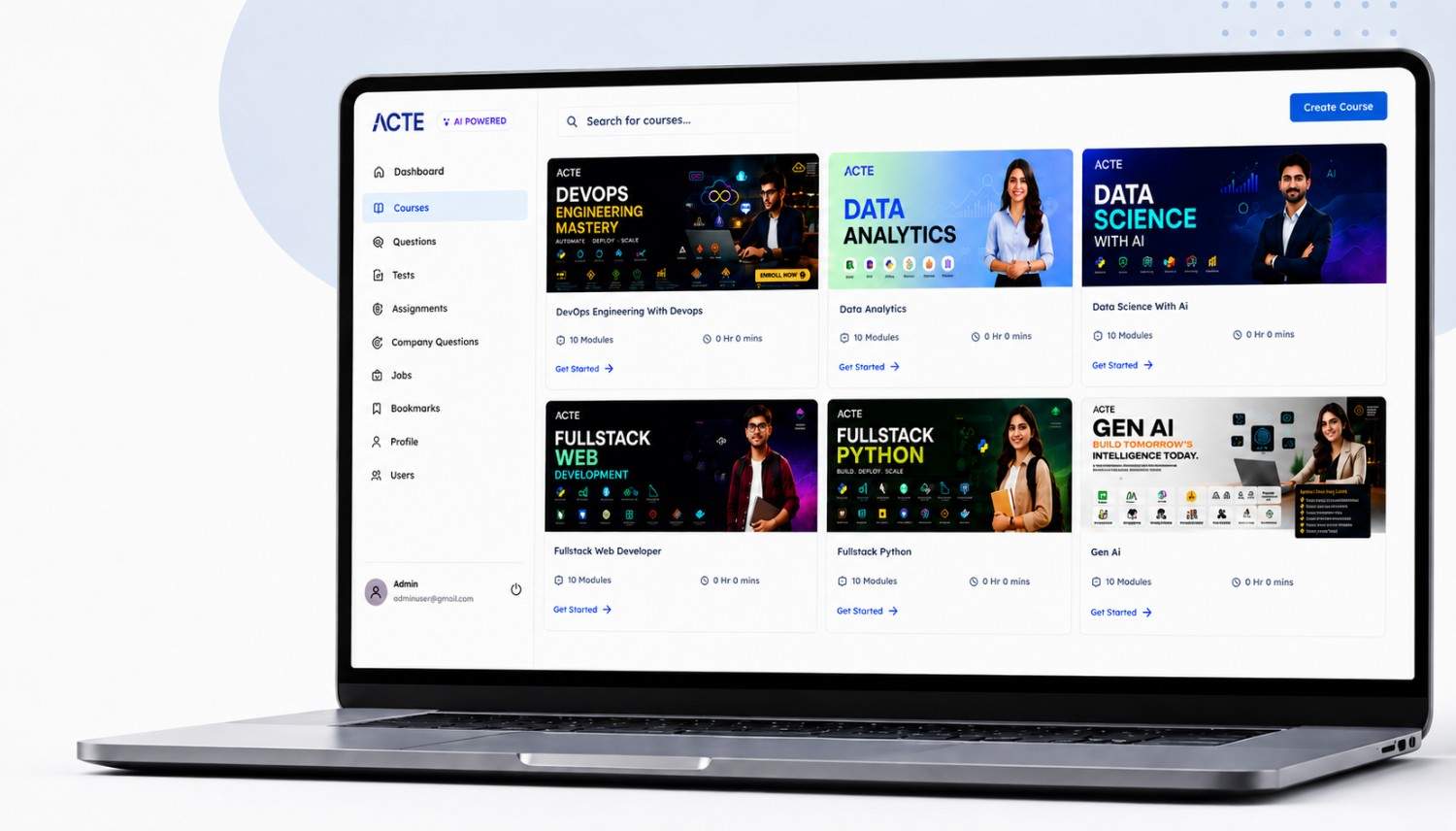
🧪 LMS Online Learning Platform

  • Explore expert trainer videos and documents to boost your learning.
  • Study anytime with on-demand videos and detailed documents.
  • Quickly find topics with organized learning materials.

ServiceNow Course Curriculum

  • 🏫 Classroom Training
  • 💻 Online Training
  • 🚫 No Pre Request (Any Vertical)
  • 🏭 Industrial Expert

Our ServiceNow Training in Electronic City provides a comprehensive curriculum for freshers and aspiring ServiceNow professionals. Master essential modules such as ITSM, ITOM, HRSD, workflow automation, reporting, and dashboards through structured, hands-on training. Gain real-world experience by working on live projects and internships, building the confidence to manage ServiceNow applications independently. The training also covers key ServiceNow tools, integrations, and industry best practices to streamline business processes effectively. With dedicated placement support including resume building, mock interviews, and personalized career guidance this ServiceNow Course in Electronic City prepares you for a successful and rewarding career in the ServiceNow ecosystem.

  • Introduction to ServiceNow Concepts - Understand core ServiceNow modules such as ITSM, ITOM, and HRSD, along with workflows and business processes.
  • Advanced Techniques - Learn to configure modules, handle integrations, automate workflows, and enhance overall platform performance.
  • Practical Experience - Build hands-on expertise through live projects, simulations, and real-world business scenarios.
  • ServiceNow Tools & Reporting - Gain mastery over dashboards, reports, workflow management, and performance analytics to deliver efficient and reliable services.
Introduction to ServiceNow
Core ServiceNow Services
ServiceNow Administration Training
ServiceNow Development Training
Workflow Automation & IT Service Management
ServiceNow Analytics
ServiceNow Strategy & Real-Time Projects

This module provides foundational knowledge of ServiceNow:

  • Importance of ServiceNow: Benefits, industry trends, and business impact.
  • Core Features: ITSM, ITOM, HR Service Delivery, and Customer Service Management.
  • Key Platforms: Overview of ServiceNow Platform, Studio, Flow Designer, and IntegrationHub.
  • Career Paths: Roles such as ServiceNow Administrator, Developer, Consultant, and Solution Architect.

This module covers essential services and functionalities in ServiceNow:

  • ServiceNow Administration: User management, roles, groups, and access control.
  • Data Management: Importing, exporting, and maintaining data accuracy across tables.
  • Customization: Creating tables, fields, forms, workflows, and business rules.
  • Reports & Dashboards: Building actionable insights and visual summaries for IT operations.

Learn to configure and manage ServiceNow effectively:

  • Admin Interface: Navigation, tables, forms, lists, and module configuration.
  • Automation Tools: Flow Designer, Business Rules, Client Scripts, and Workflows.
  • Security & Access: Roles, groups, ACLs, and field-level permissions.
  • Performance Tracking: Monitoring dashboards, reports, and audit logs for system health.

This module provides hands-on learning for ServiceNow development:

  • Scripting: Writing Business Rules, Client Scripts, Script Includes, and asynchronous processes.
  • UI & Components: Designing custom forms, UI actions, and portals.
  • App Building: Building and deploying applications, tables, and custom workflows.
  • Testing & Deployment: Using Sandbox environments, update sets, and version control.

Learn to integrate and automate IT workflows using ServiceNow :

  • ITSM Modules: Incident, Problem, Change, Request, and Knowledge Management.
  • Service Catalog & Approvals: Designing catalog items, workflows, and approvals.
  • Integration: Connecting ServiceNow with third-party apps and APIs.
  • Automation Tools Overview: Flow Designer, Business Rules, and Scripted Workflows.

Understand how to track performance and measure IT service success:

  • Reports & Dashboards: Custom reporting, KPIs, and visual summaries.
  • Performance Analytics: Trend analysis, predictive insights, and SLA tracking.
  • KPIs & Metrics: Incident resolution, request fulfillment, and change success rates.
  • Data Management Tools: Import sets, transforms, and data validation rules.

Apply ServiceNow skills to real-world scenarios:

  • Project Planning: Define goals, scope, and timelines for ITSM projects.
  • Live Projects: Work on real ServiceNow implementation and customization tasks.
  • Performance Review: Analyze dashboards, reports, and process efficiency.
  • Capstone Project: Build end-to-end ServiceNow solutions including automation, dashboards, and workflows.

🎁 Free Addon Programs

Aptitude, Spoken English

🎯 Our Placement Activities

Daily Task, Soft Skills, Projects, Group Discussions, Resume Preparation, Mock Interview

Gain Hands-on Experience in ServiceNow Projects

Placement Support Overview

Today's Top Job Openings for ServiceNow

ServiceNow Developer

Company Code : BDL466

Bangalore, Karnataka

₹42,000–75,000 per month

B.E./B.Tech/BCA/BSc in Computer Science, IT or related stream

Exp 0-2 yrs

  • We are seeking a ServiceNow Developer to customize and build applications on the platform writing scripts, designing workflows, building integrations and automating processes to meet business needs. Good chance for freshers to start their career with hands‑on coding and development work.
  • Easy Apply

    ServiceNow Administrator

    Company Code : WOE192

    Bangalore, Karnataka

    ₹33,000–50,000 per month

    BCA / BSc / B.E. / Diploma in IT or related field

    Exp 0-2 yr

  • We are looking for a ServiceNow Administrator to manage platform settings, user roles and permissions, configure core modules (like incident, request, change) and ensure smooth daily operations great fit for freshers interested in maintenance and operations.
  • Easy Apply

    ServiceNow Business Analyst (Junior)

    Company Code : MKD738

    Bangalore, Karnataka

    ₹42,000–67,000 per month

    Any Degree

    Exp 0-2 yrs

  • Now accepting applications for a Junior ServiceNow Business Analyst to gather business requirements, map workflows, coordinate between stakeholders and development team and help design ServiceNow solutions that match company needs.
  • Easy Apply

    ServiceNow Consultant (Entry-level)

    Company Code : SMS790

    Bangalore, Karnataka

    ₹50,000–75,000 per month

    B.E./B.Tech / BCA / BSc / IT or related degree

    Exp 0-2 yrs

  • We are hiring a Junior ServiceNow Consultant this role involves studying client needs, helping implement ServiceNow modules, customizing workflows and providing advice on best practices. Good for freshers with basic ServiceNow knowledge and strong communication skills.
  • Easy Apply

    ServiceNow Support Engineer

    Company Code : ITD578

    Bangalore, Karnataka

    ₹33,000–46,000 per month

    BCA / B.Sc / B.E. / Diploma in IT, Computer Science or related fields

    Exp 0-2 yrs

  • Now hiring ServiceNow Support Engineers to handle user issues, manage tickets, troubleshoot platform problems, coordinate with developers and admins to resolve bugs and maintain smooth service operations.
  • Easy Apply

    ServiceNow Integration Specialist

    Company Code : BHN579

    Bangalore, Karnataka

    ₹25,000-40,000 per month

    B.E./B.Tech / BCA / BSc / IT or related

    Exp 0–2 yrs

  • We are looking for an Integration Specialist to connect ServiceNow with external tools or platforms via APIs and IntegrationHub, manage data flows and ensure seamless interoperability ideal for freshers keen on backend work and integrations.
  • Easy Apply

    ServiceNow QA (Junior)

    Company Code : VSY385

    Bangalore, Karnataka

    ₹33,000–50,000 per month

    B.E./B.Tech / BCA / BSc / or any IT‑related degree

    Exp 0-1 yrs

  • Now hiring a ServiceNow QA / Tester responsible for testing workflows, scripts, integrations and customizations on ServiceNow, ensuring quality and stability before deployments. Good for freshers interested in testing and quality assurance.
  • Easy Apply

    Junior Project Coordinator

    Company Code : CSD176

    Bangalore, Karnataka

    ₹42,000–58,000 per month

    B.E./B.Tech / BCA / BSc / or a business degree

    Exp 0-2 yrs

  • We are seeking a Junior Project Coordinator for ServiceNow implementations role involves coordinating tasks, tracking deliverables, communicating with stakeholders, assisting in deployment schedules and ensuring project milestones are met. Great for freshers with good communication and organizational skills.
  • Easy Apply

    Internship Highlights for ServiceNow

    Real-Time Projects

    • 1. Gain hands-on experience by working on live ServiceNow implementations and ITSM applications.
    • 2. Learn real-world problem-solving through incident, change, and workflow automation scenarios.
    Book Session

    Skill Development Workshops

    • 1. Participate in focused sessions on trending ServiceNow tools and features.
    • 2. Learn directly from industry experts through guided practical exercises on workflows, scripting, and analytics.
    Book Session

    Employee Welfare

    • 1. Enjoy benefits like health coverage, flexible hours, and wellness programs during internships or training.
    • 2. Companies prioritize mental well-being and work-life balance for all employees in ServiceNow teams.
    Book Session

    Mentorship & Peer Learning

    • 1. Learn under experienced ServiceNow mentors to guide your technical and career growth.
    • 2. Collaborate with peers to enhance learning through scenario-based exercises and group projects.
    Book Session

    Soft Skills & Career Readiness

    • 1. Improve communication, teamwork, and time management skills for professional ServiceNow roles.
    • 2. Prepare for interviews and workplace dynamics with mock sessions, case studies, and expert guidance.
    Book Session

    Certification

    • 1. Earn recognized credentials to validate your ServiceNow skills.
    • 2. Boost your resume with course or project completion certificates from reputed ServiceNow training platforms.
    Book Session

    Sample Resume for ServiceNow (Fresher)

    • 1. Simple and Neat Resume Format

      – Use a clean layout with clear sections such as summary, ServiceNow skills, certifications, education, and projects.

    • 2. List of ServiceNow Skills You Know

      – Highlight skills like ServiceNow Administration, Flow Designer, Scripting (Business Rules & Client Scripts), UI & Portal Customization, Workflow Automation, Reports & Dashboards, and ITSM Management.

    • 3. Real-Time Projects and Achievements

      – Include 1–2 ServiceNow projects with a brief description, tools used, and key outcomes or achievements.

    Top ServiceNow Interview Questions & Answers (2026 Guide)

    Ans:

    ServiceNow is a cloud-based digital workflow platform that helps organizations manage IT services and enterprise operations efficiently. It supports incident management, service requests, change control, asset tracking, and more. By automating workflows and centralizing data, ServiceNow improves operational efficiency, service quality, and decision-making with real-time insights.

    Ans:

    Start by understanding organizational requirements and reviewing existing processes. Configure relevant modules, create data tables, and design workflows using Flow Designer or scripts. Thorough testing, stakeholder validation, and iterative improvements ensure smooth deployment and successful adoption.

    Ans:

    ServiceNow includes core modules like Incident, Problem, Change, and Service Catalog. Workflow automation is handled via Flow Designer, while reports and dashboards provide performance insights. Custom behavior can be implemented with Business Rules, Client Scripts, and UI Policies. IntegrationHub connects external applications seamlessly.

    Ans:

    Customization involves gathering user requirements and validating solutions through acceptance testing. Create user-friendly forms, automated workflows, and accurate data models. Continuous feedback and optimization ensure the platform aligns with business goals while maintaining operational stability.

    Ans:

    A table is a structured database element that stores records such as incidents, users, or configuration items. ServiceNow includes predefined tables, and custom tables can be created to meet specific business needs. Tables enable organized data management, reporting, and tracking.

    Ans:

    Technical issues are resolved by identifying root causes, analyzing logs and configurations, and collaborating with stakeholders to ensure fixes meet operational needs. Documenting resolutions and following best practices prevents future issues and maintains project continuity.

    Ans:

    Flow Designer is a no-code tool for building visual workflows. It automates tasks such as record updates, approvals, and notifications, reducing manual effort and ensuring consistent, efficient processes across IT and business services.

    Ans:

    Stay current by reviewing release notes, attending official training, webinars, and engaging with the ServiceNow community, forums, and case studies. Continuous learning ensures effective use of platform upgrades and new features.

    Ans:

    Reports provide structured views of data, while dashboards display visual summaries of KPIs. Together, they monitor service levels, track trends, and evaluate performance, enabling stakeholders to make informed decisions and improve service management.

    Ans:

    Align solutions by planning carefully, collaborating with stakeholders, and adhering to platform standards. Designing scalable, maintainable workflows and following governance and optimization guidelines ensures reliable, high-value implementations that meet business objectives.

    Company-Specific Interview Questions from Top MNCs

    1. What is ServiceNow and why is it used?

    Ans:

    ServiceNow is a cloud-based platform designed to manage IT services and business workflows effectively. It allows organizations to track incidents, service requests, changes, and assets while automating repetitive tasks. The platform helps improve operational efficiency, maintain accurate records, and support data-driven decision-making to enhance service delivery.

    2. What are key practices for a smooth ServiceNow rollout?

    Ans:

    A successful ServiceNow deployment relies on keeping data tables organized, automating frequent IT processes, and creating intuitive forms and navigation. Configurations should align with company policies, compliance requirements, and business goals. Providing actionable reports and dashboards further enhances decision-making, ensuring the system delivers value sustainably over time.

    3. How is requirement gathering done in ServiceNow projects?

    Ans:

    Requirement collection involves engaging with stakeholders through interviews, workshops, surveys, and observation of existing workflows. Insights gathered during this process guide module configuration, workflow design, and any customizations needed. This ensures that the ServiceNow solution effectively meets organizational needs and supports overall business objectives.

    4. What should be considered when designing ServiceNow for usability?

    Ans:

    Designing for usability includes creating clean form layouts, labeling fields for accessibility tools like screen readers, and enabling keyboard navigation. Standardized UI components and clear instructions improve user experience. These practices make the platform intuitive, ensuring that all users can interact effectively with workflows and services.

    5. What is a ServiceNow table and how is it applied?

    Ans:

    A ServiceNow table is a structured database element used to store records such as Incidents, Users, or Assets. Tables can be predefined by ServiceNow or custom-built to meet unique organizational requirements. They provide organized data storage, reporting capabilities, and efficient management of information across the platform.

    6. How are effective reports and dashboards created in ServiceNow?

    Ans:

    Effective reporting starts with identifying critical KPIs and metrics needed by stakeholders. Selecting the appropriate report type, filtering and grouping data, and visualizing it through charts and dashboards provides actionable insights. Iterative testing and feedback collection ensure accuracy, usability, and improved decision-making over time.

    7. What is ServiceNow Automation and why is it important?

    Ans:

    ServiceNow Automation uses tools like Flow Designer, Workflow Editor, and Business Rules to streamline repetitive IT tasks. Automation reduces manual intervention, ensures timely execution, and enhances process efficiency. It supports smooth handling of incidents, service requests, approvals, and other IT operations, improving overall productivity.

    8. What are the main phases of a ServiceNow project?

    Ans:

    A ServiceNow project progresses through requirement analysis, system design, configuration and development, testing, and final deployment. User training is included to ensure smooth adoption. Each stage ensures that workflows, automation, and system architecture meet organizational goals and that the platform functions correctly in production.

    9. How is a ServiceNow implementation verified?

    Ans:

    Validation involves performing user acceptance testing (UAT), reviewing dashboards and reports, testing workflows and scripts, and verifying data consistency. Collecting stakeholder feedback ensures that the system meets business and IT requirements. Proper validation ensures the platform is accurate, efficient, and ready for day-to-day operations.

    10. How is uniformity maintained across ServiceNow modules?

    Ans:

    Consistency is maintained by using standardized naming conventions for tables, fields, and workflows, along with reusable templates for forms, flows, and automation. Proper documentation of configurations and periodic audits help align with IT best practices. This ensures uniformity and smooth functioning across all ServiceNow modules.

    1. What is ServiceNow and how is it different from other IT service platforms?

    Ans:

    ServiceNow is a cloud-based platform designed to manage IT services, operations, and workflows efficiently. Unlike conventional ITSM tools, it offers advanced automation, customizable workflows, real-time analytics, and broad integrations. This flexibility allows organizations to adapt IT operations to their unique business processes while improving service quality and operational efficiency.

    2. What core abilities are essential for a ServiceNow professional?

    Ans:

    A skilled ServiceNow professional should be proficient in modules like Incident, Problem, Change, and Service Catalog. Expertise in workflow configuration, automation using Flow Designer, scripting with Business Rules, and report/dashboard creation is crucial. Additionally, strong analytical thinking, communication, and teamwork skills are important to manage IT service delivery successfully.

    3. How should a new ServiceNow project be executed?

    Ans:

    Starting a ServiceNow project involves understanding IT objectives and collecting user requirements through meetings and process analysis. Next, the system’s data model is created, tables and workflows are configured, and automation is implemented. Reports, dashboards, and testing follow, with continuous stakeholder feedback to ensure smooth adoption and system optimization.

    4. What is a ServiceNow table and why is it significant?

    Ans:

    A ServiceNow table is a structured repository for storing records such as incidents, users, or assets. Standard tables come prebuilt, while custom tables can be created to meet unique business requirements. Tables provide organized data storage, enable reporting, and support workflow automation, forming the foundation for managing information efficiently across the platform.

    5. How can a ServiceNow solution be made easy to use and accessible?

    Ans:

    Creating an accessible and user-friendly ServiceNow system requires clear, logical forms, consistent navigation, and proper naming conventions. Form layouts should be readable, fields clearly labeled, and keyboard accessibility ensured. Including tooltips, instructions, and adhering to accessibility guidelines ensures that all users can interact with the platform effectively.

    6. What tools are widely used in ServiceNow development and why?

    Ans:

    Development in ServiceNow often involves using ServiceNow Studio to manage applications and scripting tasks, Flow Designer for no-code automation, and Business Rules or Client Scripts for custom logic. Reports and dashboards are utilized to analyze data, track KPIs, and monitor performance, enabling efficient and optimized IT service management.

    7. Why are dashboards and reports important in ServiceNow?

    Ans:

    Reports and dashboards turn ServiceNow data into actionable insights. Reports allow detailed tracking of incidents, requests, and changes, while dashboards visualize metrics and trends for easy understanding. These tools help managers monitor performance, identify bottlenecks, and make informed, data-driven decisions to improve overall IT service effectiveness.

    8. How should feedback or issues be handled during a ServiceNow project?

    Ans:

    Feedback and challenges are managed by documenting user inputs, analyzing their impact on workflows and configurations, and making necessary adjustments. Transparent communication with stakeholders ensures the solution remains scalable, maintainable, and aligned with business needs. This approach guarantees that user concerns are addressed efficiently while maintaining system reliability.

    9. What testing approaches are applied during ServiceNow implementations?

    Ans:

    ServiceNow testing includes User Acceptance Testing (UAT) with end-users, sandbox testing for workflows and scripts, regression testing to prevent disruptions, and data validation to ensure accuracy. Continuous feedback and iterative adjustments help refine the system, ensuring smooth performance and readiness for production deployment.

    10. How can professionals stay informed about ServiceNow updates and trends?

    Ans:

    Keeping up-to-date with ServiceNow involves reviewing platform release notes, attending webinars, official training, and participating in community forums or user groups. Exploring new features, integrations, and best practices helps professionals use the platform effectively, ensuring IT services remain modern, efficient, and aligned with business needs.

    1. How does a ServiceNow Administrator differ from a Developer?

    Ans:

    A ServiceNow Administrator manages platform configurations such as tables, forms, workflows, user roles, and reports without heavy coding. In contrast, a ServiceNow Developer focuses on creating custom applications, scripting with Business Rules or Client Scripts, and extending platform functionalities. While administrators maintain usability and system settings, developers handle automation, custom logic, and advanced technical enhancements.

    2. How are business requirements gathered for a ServiceNow project and why is it essential?

    Ans:

    Business requirements are collected through workshops, interviews with stakeholders, surveys, and observation of current IT processes. This ensures that the ServiceNow solution aligns with organizational goals, avoids unnecessary customizations, and delivers workflows that meet both IT and business needs effectively, resulting in a system that supports smooth operations.

    3. What are the best practices to follow during ServiceNow implementation?

    Ans:

    Effective implementation involves maintaining organized and validated data, using declarative tools like Flow Designer or Workflow Editor rather than heavy scripting, and following consistent naming standards for tables, fields, and workflows. Building scalable dashboards and reports, coupled with thorough testing in sandbox environments before production, ensures reliable, maintainable, and efficient system performance.

    4. What tools are frequently used in ServiceNow development and administration?

    Ans:

    ServiceNow development often uses ServiceNow Studio for application management and scripting, Flow Designer for automation without code, and Business Rules or Client Scripts for advanced functionality. Reports and dashboards help track performance and KPIs, IntegrationHub connects with external systems, and Update Sets manage deployments across different instances for smooth environment management.

    5. Why is data security critical in ServiceNow?

    Ans:

    Data security ensures that sensitive business and IT information remains protected and that access is controlled appropriately. ServiceNow implements security through roles, ACLs, access controls, and field-level permissions. Proper security practices prevent unauthorized access, ensure compliance with corporate policies, and maintain trust among users, administrators, and stakeholders.

    6. How are tables and records created and utilized in ServiceNow?

    Ans:

    Tables and records begin with identifying key business entities like incidents, changes, or assets. Standard tables support common ITSM processes, while custom tables address unique requirements. Fields, relationships, and validation rules are defined, and these tables integrate into workflows, automation, and reporting, streamlining operations and ensuring accurate data management.

    7. What is the typical process for implementing a ServiceNow project?

    Ans:

    A ServiceNow project typically starts with analyzing business and IT needs, followed by designing tables, forms, workflows, and security structures. Configuration and development involve building automation and customizations, while testing validates functionality. Deployment includes user training and support to ensure smooth adoption and ongoing effective use of the platform.

    8. How is stakeholder feedback managed during a ServiceNow project?

    Ans:

    Feedback from multiple stakeholders is collected, documented, and categorized based on business impact. Adjustments are prioritized for feasibility and alignment with IT objectives, and design decisions are communicated transparently. Continuous stakeholder involvement during UAT ensures the system meets expectations and provides value to both business and IT teams.

    9. What best practices are followed in ServiceNow projects?

    Ans:

    Key best practices include leveraging declarative tools like Flow Designer before scripting, following clear naming conventions, avoiding hardcoded values, and maintaining clean and validated records. Regular audits of roles, permissions, and access controls ensure security, efficiency, and governance, creating a maintainable and scalable ServiceNow environment.

    10. How can professionals stay updated on ServiceNow trends and technologies?

    Ans:

    Staying current involves reviewing platform release notes, completing official training and certifications, and attending webinars, community events, and Knowledge Conferences. Engaging with user groups, forums, and exploring new apps and integrations from the ServiceNow Store ensures familiarity with new features, best practices, and evolving industry standards.

    1. How does a ServiceNow Administrator differ from a Developer?

    Ans:

    A ServiceNow Administrator manages platform settings, user roles, access permissions, workflows, reports, and dashboards, typically without writing code. Conversely, a ServiceNow Developer focuses on creating custom applications, scripting with Business Rules, Client Scripts, and Flow Designer, and implementing automation. While administrators ensure smooth operation and configuration, developers enhance the platform’s capabilities and build advanced, automated functionalities.

    2. How are requirements collected for a ServiceNow project?

    Ans:

    Gathering requirements starts with discussions with stakeholders, surveys, and analyzing existing IT workflows to understand business objectives and user expectations. These insights are used to define tables, fields, workflows, and automation strategies. Proper requirement gathering ensures the implementation aligns with organizational needs and delivers practical, measurable outcomes for IT operations.

    3. What tools are primarily used in ServiceNow development and management?

    Ans:

    ServiceNow development and administration commonly use ServiceNow Studio for application and script handling, Flow Designer for no-code workflow automation, Business Rules and Client Scripts for custom logic, and Update Sets for deployment. Reports and Dashboards provide analytics, while IntegrationHub allows connection to external systems. Together, these tools support efficient configuration, development, and monitoring of the platform.

    4. What is a ServiceNow Table and how is it set up?

    Ans:

    A ServiceNow Table is a database object used to store records like incidents, assets, or changes. Standard tables are prebuilt, while custom tables can be defined to address unique business requirements. Setting up a table involves creating fields, establishing relationships, and applying access controls. Once configured, tables are integrated into workflows, automation, and reporting processes to support operational efficiency.

    5. How is security and usability maintained in ServiceNow implementations?

    Ans:

    Security is enforced through roles, access controls (ACLs), and field-level permissions to protect sensitive data. Usability is ensured by designing clear forms, readable layouts, proper field labeling, and simple navigation paths. These combined practices provide a secure, compliant, and user-friendly environment accessible across devices, enhancing adoption and operational efficiency.

    6. How are reports and dashboards created in ServiceNow?

    Ans:

    Reports are developed by selecting key performance indicators, identifying relevant data sources, and applying filters, groupings, and visualizations for clarity. Dashboards consolidate these reports into charts and graphical representations to track metrics. Incorporating end-user feedback helps refine dashboards, ensuring that they deliver actionable insights for IT management and process improvement.

    7. How is the quality of ServiceNow solutions validated?

    Ans:

    Validation is performed through testing in development or sandbox environments, followed by user acceptance testing (UAT) and regression tests to ensure workflows, scripts, and data structures function correctly. Feedback from stakeholders is collected and analyzed, and real-world scenarios are simulated to confirm the solution performs as intended before going live.

    8. What principles guide an effective ServiceNow implementation?

    Ans:

    Effective implementations focus on maintaining clean and validated data, creating scalable and maintainable configurations, minimizing custom scripting by using declarative tools first, following consistent naming conventions, documenting processes, and automating tasks to increase efficiency without adding unnecessary complexity. These principles ensure the platform remains reliable and adaptable over time.

    9. How is conflicting feedback from multiple stakeholders handled?

    Ans:

    Conflicting input is reviewed in the context of business objectives, IT policies, and system limitations. Proposed changes are prioritized based on impact and feasibility, and trade-offs are communicated clearly to stakeholders. The goal is to provide a balanced solution that meets business requirements, maintains system functionality, and satisfies end-user needs.

    10. How can ServiceNow professionals keep up with the latest trends?

    Ans:

    Keeping up-to-date involves attending official ServiceNow training and certification programs, reviewing release notes, participating in webinars and community events, and joining user groups. Exploring new apps, integrations, and features from the ServiceNow Store ensures professionals remain informed of best practices and evolving platform capabilities.

    1. How does the role of a ServiceNow Administrator differ from a Developer?

    Ans:

    A ServiceNow Administrator manages system settings, user permissions, roles, workflows, dashboards, and reports, typically without writing code. On the other hand, a ServiceNow Developer builds custom applications, uses scripting like Business Rules and Client Scripts, and creates automated workflows using Flow Designer. Administrators focus on maintaining operational efficiency and usability, while developers expand platform functionality with coding, integrations, and automation features.

    2. How are ServiceNow features prioritized for different IT teams?

    Ans:

    Prioritization depends on organizational goals, business impact, and user needs. Feedback from stakeholders, usage analytics, and workflow assessments help determine which features and processes should be implemented first. The approach ensures critical functionalities are addressed quickly, maximizing adoption, productivity, and overall system efficiency.

    3. What steps are followed to implement a new ServiceNow feature or module?

    Ans:

    Implementation begins by gathering business requirements and understanding IT workflows. Tables, forms, security settings, and workflows are then configured, followed by automation setup using Flow Designer or Workflow Editor. If necessary, custom scripts are developed, and the solution undergoes testing in development or sandbox environments. Finally, deployment is paired with user training to ensure smooth adoption.

    4. How is data protection and usability ensured in ServiceNow?

    Ans:

    Data protection is achieved through access controls, roles, ACLs, and field-level permissions to safeguard sensitive information. Usability is maintained by designing intuitive forms, logical page layouts, clear field labels, and simple navigation. Together, these measures ensure that users can efficiently interact with the platform while maintaining security and regulatory compliance.

    5. How is the effectiveness of a ServiceNow implementation evaluated?

    Ans:

    Effectiveness is measured using KPIs like incident resolution speed, workflow efficiency, automation success, data accuracy, and user adoption levels. Reports and dashboards provide actionable insights, and continuous monitoring allows adjustments to processes. Collecting user feedback further helps optimize platform performance and ensures that the system meets business objectives.

    6. Can you describe a difficult ServiceNow issue and how it was solved?

    Ans:

    One challenge involved inconsistent asset records causing inaccurate reporting. The team investigated the issue, applied rules to prevent duplicates, implemented automated record merging, and trained users on best practices. This approach corrected data inconsistencies, improved reporting reliability, and enhanced workflow efficiency across the platform.

    7. Which tools are commonly used for ServiceNow development and administration?

    Ans:

    Key tools include ServiceNow Studio for managing scripts and applications, Flow Designer for no-code workflow automation, Business Rules and Client Scripts for custom logic, Update Sets for moving configurations across environments, Reports and Dashboards for data visualization, and IntegrationHub for connecting external applications. These tools streamline development, monitoring, and collaboration across teams.

    8. How is conflicting input from stakeholders handled in ServiceNow projects?

    Ans:

    Conflicting feedback is documented, analyzed, and assessed against business priorities and technical feasibility. Trade-offs are communicated transparently, and decisions are based on impact, value, and ROI. Data-driven insights and user testing are leveraged to resolve disagreements and ensure that solutions satisfy business needs while maintaining system functionality.

    9. Why is data important in ServiceNow projects?

    Ans:

    Data drives process efficiency, decision-making, and system performance in ServiceNow. Clean and accurate records ensure workflows, automation, and IT services function correctly. Reports, dashboards, and analytics help monitor adoption, identify bottlenecks, and measure operational outcomes, making data management a key factor in successful implementation.

    10. How can ServiceNow professionals stay current with platform updates?

    Ans:

    Staying updated involves attending official training programs, obtaining certifications, reviewing release notes, and participating in webinars and community events. Engaging in forums, exploring new integrations in the ServiceNow Store, and practicing in sandbox environments helps professionals adopt the latest features and best practices effectively.


    Disclaimer Note:

    The details mentioned here are for supportive purposes only. There are no tie-ups or links with the corresponding PGs.

    Ladies PG Accommodation

      Electronic City
    • 7 Hills PG for Ladies : 79752 78904
    • Sanjeeva PG for Ladies : 94937 94737
    • BTM Layout
    • GRACE Ladies Paying Guest : 99029 46624
    • The princess Luxury pg for ladies : 85534 06098
    • Marathahalli
    • Amaravate ladies pg : 81234 23355
    • Royal Luxury PG for Ladies : 97402 91555
    • Rajaji Nagar
    • Shree Kalika P.G For Ladies : 74061 02629
    • N M Ladies PG : 91084 46056
    • Jaya Nagar
    • Shreeniketana Luxurious Ladies P.G : 96202 49962
    • Aashirwad ladies pg : 77600 55115

    Mens PG Accommodation

      Electronic City
    • SRI SAI BALAJI PG : 77608 88889
    • VSL PG FOR GENTS : 93536 53275
    • BTM Layout
    • Atithi executive Pg for Gents : 97393 07626
    • Fine Stay PG for Gents : 74111 13997
    • Marathahalli
    • Sri Vasavi Kanyaka Pg : 90667 40874
    • GVS PG FOR GENTS : 88805 82244
    • Rajaji Nagar
    • Sri Guru P.G For Men : 70197 67606
    • Sri Siddaganga mens Pg : 99456 41316
    • Jaya Nagar
    • Sri Manjunatheshwara Men's Luxury PG : 93804 14376
    • Sri Lakshmi pg for men's : 91582 44933

    Top ServiceNow Job Opportunities for Freshers

    • 1. ServiceNow Jobs at Startups and IT Companies
    • 2. Campus Placements and IT Service Jobs
    • 3. Internship-to-Job Programs
    • 4. Apply Through Job Portals
    • 5. Skills That Help You Get Hired

    Getting Started With ServiceNow Course in Electronic City

    No Coding
    8 Lakhs+ CTC
    No Work Pressure
    WFH Jobs (Remote)

    Why ServiceNow is the Ultimate Career Choice

    High Demand

    Companies prefer multi-skilled professionals can handle entire project cycles.

    Global Opportunities

    Open doors to remote and international job markets.

    High Salary

    Enjoy competitive salaries and rapid career advancement.

    Flexible Career Path

    Explore roles such as developer, architect, freelancer, or entrepreneur.

    Future-Proof Career

    Stay relevant with skills that are consistently in demand in the evolving tech landscape.

    Versatility Across Industries

    Work in various domains like e-commerce, healthcare, finance, and more.

    Career Support

    Placement Assistance

    Exclusive access to ACTE Job portal

    Mock Interview Preparation

    1 on 1 Career Mentoring Sessions

    Career Oriented Sessions

    Resume & LinkedIn Profile Building

    Get Advanced ServiceNow Certification

    You'll receive a certificate proving your industry readiness.Just complete your projects and pass the pre-placement assessment.This certification validates your skills and prepares you for real-world roles.

    • ServiceNow Certified System Administrator (CSA)
    • ServiceNow Advanced System Administrator
    • ServiceNow Application Developer
    • ServiceNow Implementation Specialist
    • ServiceNow ITSM Professional

    Yes, While a certification enhances your profile, pairing it with hands-on experience and expert guidance greatly boosts employability. Our training program offers complete placement support, including resume optimization, mock interviews, and real-world project experience. This comprehensive approach equips learners with the practical skills and confidence required to successfully secure a ServiceNow role in the IT industry.

    The duration varies depending on the certification level and the learner’s pace. Basic certifications like the Certified System Administrator usually require about 6–8 weeks of focused study. Intermediate and advanced certifications such as Application Developer or Implementation Specialist may take 3–6 months to complete. Instructor-led courses often run 8–12 weeks, while self-paced learning schedules depend on the learner’s consistency, commitment, and practical practice time.

    • Validates and officially recognizes your ServiceNow skills and expertise.
    • Opens doors to global IT career opportunities with competitive salaries.
    • Boosts professional confidence and credibility within organizations.
    • Enhances visibility on resumes, LinkedIn profiles, and professional networks.
    • Provides hands-on experience through real-world projects and practical exercises.
    • Join a structured ServiceNow training program for guided learning.
    • Practice regularly on ServiceNow Developer instances and lab exercises.
    • Study official exam guides and take mock tests to assess readiness.
    • Work on real or simulated ServiceNow projects for practical exposure.
    • Engage in ServiceNow community forums, user groups, and events to share knowledge and stay motivated.

    Complete Your Course

    A Downloadable Certificate in PDF Format, Immediately Available to You When You Complete Your Course.

    Get Certified

    A Physical Version of Your Officially Branded and Security-Marked Certificate.

    Get Certified

    Lowest ServiceNow Course Fees

    Affordable, Quality Training for Freshers to Launch IT Careers & Land Top Placements.

    Call Course Advisor

    How is ACTE's ServiceNow Training Different?

    Feature

    ACTE Technologies

    Other Institutes

    Affordable Fees

    Competitive Pricing With Flexible Payment Options.

    Higher ServiceNow Course Fees With Limited Payment Options.

    Industry Experts

    Well Experienced Trainer From a Relevant Field With Practical ServiceNow Training

    Theoretical Class With Limited Practical

    Updated Syllabus

    Updated and Industry-relevant ServiceNow Course Curriculum With Hands-on Learning.

    Outdated Curriculum With Limited Practical Training.

    Hands-on projects

    Real-world Projects With Live Case Studies and Collaboration With Companies.

    Basic Projects With Limited Real-world Application.

    Certification

    Industry-recognized ServiceNow Certifications With Global Validity.

    Basic ServiceNow Certifications With Limited Recognition.

    Placement Support

    Strong Placement Support With Tie-ups With Top Companies and Mock Interviews.

    Basic ServiceNow Placement Support

    Industry Partnerships

    Strong Ties With Top Tech Companies for Internships and Placements

    No Partnerships, Limited Opportunities

    Batch Size

    Small Batch Sizes for Personalized Attention.

    Large Batch Sizes With Limited Individual Focus.

    LMS Features

    Lifetime Access Course video Materials in LMS, Online Interview Practice, upload resumes in Placement Portal.

    No LMS Features or Perks.

    Training Support

    Dedicated Mentors, 24/7 Doubt Resolution, and Personalized Guidance.

    Limited Mentor Support and No After-hours Assistance.

    ServiceNow Course FAQs

    1. What educational qualifications are suitable for a career in ServiceNow?

    A career in ServiceNow is well-suited for individuals with a bachelor’s degree in Information Technology, Computer Science, Software Engineering, or related fields. Familiarity with IT service management processes, cloud computing concepts, and enterprise software operations helps learners quickly grasp ServiceNow functionalities.
    ServiceNow offers excellent career growth prospects due to the widespread adoption of digital workflow automation and IT service management solutions across industries. Professionals skilled in ServiceNow modules such as ITSM, ITOM, HR Service Delivery, and CSM are highly valued across IT, healthcare, finance, and government sectors.
    ServiceNow training covers a wide array of modules, including Incident, Problem, Change, Asset, and Configuration Management, as well as IT Service Automation, Reporting, and Integration tools. Learners gain hands-on experience with ServiceNow Studio, Flow Designer, IntegrationHub, and Business Rules, along with exercises in workflow creation, access control, and reporting dashboards.
    Yes, ServiceNow training programs incorporate live projects that simulate real IT service and enterprise workflows. Participants practice configuring modules, automating processes, managing incidents and changes, setting up reports and dashboards, and handling user access.
    ServiceNow programs include professional guidance for resume preparation. Trainers help participants highlight their certifications, project experience, and module expertise effectively. This support enables learners to present their skills convincingly to recruiters, enhancing their employability in IT service management, ServiceNow administration, and enterprise automation roles.
    ServiceNow training is open to IT professionals, fresh graduates in computer science or related disciplines, and system administrators seeking to specialize in IT service management. The program is suitable for anyone aiming to work with ServiceNow modules.
    While degrees in IT, Computer Science, or Software Engineering provide an advantage, they are not mandatory. Candidates with practical knowledge of IT operations, helpdesk processes, or enterprise software can successfully complete the training and pursue a career in ServiceNow.
    Having a basic understanding of IT service management, workflow automation, ticketing systems, and reporting is advantageous. Analytical thinking, problem-solving skills, and familiarity with cloud-based platforms help learners grasp ServiceNow concepts more efficiently and apply them effectively in hands-on exercises.
    No, coding skills are not required for most ServiceNow training programs. The focus is on configuring workflows, automating processes, setting up dashboards and reports, and managing integrations. Basic computer literacy and an understanding of IT service operations are sufficient.

    1. What placement assistance is provided after ServiceNow training?

    ServiceNow training programs offer full placement support, including resume enhancement, interview preparation, career guidance, and referrals for ServiceNow-related roles. Institutes also provide mock interviews, aptitude evaluations, and connections with top IT firms to ensure that learners can secure employment.

    2. Do hands-on projects improve employment opportunities?

    Yes, practical projects significantly boost employability. They allow learners to gain real-world experience in workflow automation, incident and change management, reporting, and module configuration. These exercises strengthen resumes, demonstrate applied skills to employers, and provide an advantage.

    3. Can learners target top IT companies after training?

    Yes, completing ServiceNow training with project experience enables candidates to apply for roles in leading IT and multinational organizations that use ServiceNow. Employers highly value certified professionals who have demonstrated hands-on expertise in platform administration, workflow automation.

    4. Is placement support available for freshers without prior experience?

    Absolutely. Complete placement support is offered for freshers, including resume coaching, mock interviews, and assistance in securing entry-level ServiceNow roles. Even candidates with no prior experience can confidently start a career in ServiceNow administration, ITSM.
    Yes, learners receive an official ServiceNow certification upon course completion. The certificate validates skills across modules such as Incident, Change, ITSM, and Service Portal. It enhances credibility with employers, strengthens resumes, and recognizes practical project experience.
    ServiceNow training is a highly valuable career investment because organizations are increasingly adopting cloud-based IT service management solutions. The program equips learners with skills in workflow automation, module configuration, reporting, and system administration.
    Having basic knowledge of IT service processes, helpdesk workflows, and enterprise software is beneficial. Analytical thinking, problem-solving abilities, and familiarity with cloud platforms help learners understand ServiceNow concepts quickly and apply them effectively in hands-on projects and professional scenarios.
    ServiceNow training prepares professionals to configure modules, automate workflows, manage incidents and changes, generate reports, and handle integrations. These skills enhance employability, support certification readiness, and open opportunities in global organizations utilizing ServiceNow.
    Learners develop expertise in ITSM modules, workflow automation, incident and change management, Service Portal customization, reporting, analytics, integrations, and access control. These competencies equip candidates to efficiently manage enterprise IT services and handle real-world ServiceNow challenges.

    1. Is job placement included with ServiceNow training?

    Yes, ServiceNow training programs provide placement assistance with guaranteed employment. Services include resume preparation, interview coaching, mock assessments, and guidance to secure positions in top organizations that use ServiceNow or IT service management solutions.
    Fees vary depending on curriculum depth, teaching methods, hands-on project access, and additional support services. Institutes offering practical labs, live projects, updated tools, and structured learning paths typically charge more than basic programs focused only on theoretical concepts.
    Yes, ServiceNow courses are designed to be beginner-friendly. Flexible payment plans, structured modules, and practical exercises make the programs cost-effective while providing strong skill development, project experience, and certification preparation.
    Yes, we maintain the same fees for all locations to ensure fairness and transparency. Regardless of the city, learners receive an identical curriculum, hands-on practical training, project exposure, and full placement support. This approach guarantees uniform learning quality and equal career opportunities for every participant.
    Learn (ServiceNow Development, Administration, Integration, ITSM, ITOM, and Workflow Automation)Starting at ₹16,500/- Only.
    Acte Technologies WhatsApp