Best Workday Training in the United Kingdom ⭐ Workday Course in the United Kingdom | Updated 2026
Home » Others Courses Online » Workday Training in United Kingdom

Workday Training in United Kingdom

Rated #1 Recognized as the No.1 Institute for Dayforce Training

Our Dayforce Training offers a comprehensive, hands-on learning experience designed to help you master the administration and management of Dayforce, a leading human capital management solution.

The Dayforce program focuses on key topics such as employee data management, payroll processing, time and attendance, performance management, and integrating Dayforce with other business.you will gain the practical skills needed to deploy, configure, and workforce management efficiently.

  • Sign up now for our Dayforce Training.
  • Gain hands-on experience with real-world Dayforce projects.
  • Affordable, industry-recognized curriculum with 100% placement support.
  • Explore new career opportunities in human resources and HCM solutions.
  • Connect with over 350 hiring companies and join 13,898+ successful graduates.
  • Become certified in Dayforce to advance your career in HR and workforce management.

  • Advance Your Career With a Workday Training Institute in the United Kingdom Focused on HR
  • Gain Practical Knowledge of Workday, Core HR, Payroll, Reporting, and Essential Business Processes.
  • Benefit From Career Support and Placement Guidance to Prepare for Workday Career Opportunities.
  • Develop Industry-Relevant Expertise Through Real-Time Projects and Flexible Learning

Job Assistance

1,200+ Enrolled

In collaboration with

65+ Hrs.

Duration

Online/Offline

Format

LMS

Life Time Access

Quality Training With Affordable Fee

⭐ Fees Starts From

INR 36,000
INR 16,500
100% Placements | Get Hired in Top MNC

Our Hiring Partners

Discover Career-Oriented Data Science Training in Tirupati

  • Data Science training in Tirupati provides hands-on knowledge of Python, statistics, data analysis, machine learning, data visualization, and predictive analytics. Learners acquire the skills needed to examine datasets and derive valuable insights for business decision-making.
  • The course emphasizes practical learning through demonstrations, supervised exercises, assignments, and projects. Participants gain experience in data preparation, exploratory data analysis, feature engineering, model building, evaluation, visualization, and reporting with relevant tools.
  • Hands-on projects help learners understand data collection, cleaning, transformation, exploratory analysis, statistical techniques, machine learning workflows, and predictive analytics. Participants develop practical experience handling both structured and unstructured datasets.
  • Learners receive career-oriented support through resume preparation, mock interviews, technical interview practice, project discussions, job guidance, and professional mentoring. The program helps candidates prepare for positions such as Data Scientist, Data Analyst, and Machine Learning Engineer.
  • The Data Science training in Tirupati introduces supervised and unsupervised learning, model optimization, deep learning fundamentals, and deployment principles. These topics help participants build practical skills for today's data-driven technology environments.
  • A systematic learning methodology combines practical assignments, projects, revision classes, and expert mentoring to improve Data Science proficiency. Participants strengthen their technical confidence through project-based experience while preparing for certification and relevant career opportunities.

Key Skills You Can Develop Through a Data Science Course in Tirupati

Establish a solid Data Science foundation by studying Python, statistics, data preparation and fundamental machine learning techniques that need .

Understand data analysis methods such as visualization, feature engineering, model creation and predictive analytics using practical datasets.

Strengthen practical skills in developing machine learning models, assessing outcomes and presenting meaningful data-driven insights dats need.

Apply Data Science methods through practical projects involving business analytics, predictive modeling and informed data-driven decision-making.

Workday HCM Training Program

Workday

Workday Integration Training Program

36k Learners Weekend / Weekday Live Class
  • Workday Integration
  • Real-Time Workday Projects
  • Certification & Interview Guidance
Module 1: Core Concepts and Basic Navigation of Workday
  • Overview of Workday Concepts
  • Workday Framework
  • Working in Workday
  • Workday Tools
  • Business Objects
  • Basic Navigation
  • Additional Navigation Topics
  • Inbox Bulk Approvals
  • Notifications
  • Worklets
  • Landing Page Configuration
  • Related Action Menus
  • Search Functionality
  • Actionable Reports
  • Dashboards
  • Module 2: Organizations
  • Organization Types
  • Supervisory Organizations
  • Setup of Supervisory Organizations
  • Managing Supervisory Organizations
  • Organization Hierarchies
  • Location Hierarchies
  • Reorganization
  • Organization Reports
  • Module 3: Staffing Models
  • Defining Staffing Models
  • Hiring Restrictions
  • Differentiating Staffing Models
  • Maintaining Staffing Models
  • Module 4: Jobs and Positions
  • Job Profiles
  • Distinguishing Job Profiles, Job Families, and Job Family Groups
  • Creating Jobs and Positions
  • Job Requisitions
  • Managing Filled and Unfilled Positions and Jobs
  • Module 5: Compensation
  • Compensation Overview
  • Compensation Eligibility Rules
  • Compensation Grades
  • Compensation Plans and Packages
  • Compensation Events
  • Compensation Reports
  • Module 6: Hiring Workers
  • Hiring Overview
  • Hiring and Supervisory Organizations
  • Hiring Process Overview
  • Hire Process
  • Module 7: Security Configuration
  • Security Platform
  • Security Groups
  • Advanced Security Groups
  • Module 8: Reporting
  • Overview of Report Writer
  • Types of Reports
  • Standard Reports
  • Developing Simple Reports
  • Developing Advanced Reports
  • Advanced Field Calculations
  • Custom Reports
  • Creating Custom Reports
  • Custom Report Types
  • Calculated Fields
  • Sharing Reports
  • Data Sources
  • Business Objects
  • Scheduling Reports
  • Working with Report Writer
  • Module 9: Business Process
  • Business Process Overview
  • Business Processes and Subprocesses
  • Editing Business Processes
  • Business Process Step Configuration
  • Business Process Notifications
  • Module 10: Calculated Fields
  • Concepts of Calculated Fields
  • System-wide vs. Report-Specific Calculated Fields
  • Global Calculated Fields (e.g., Constants)
  • Calculated Field Dependencies
  • Available Functions
  • Date Calculation and Formatting Functions
  • String and Text Functions
  • True/False Conditions
  • Evaluate Expression
  • Lookup Functions for Hierarchies
  • Functions for Related Business Objects
  • Lookup Value as of Date
  • Arithmetic Calculations
  • Key Reports and Resources
  • Module 11: Core Connectors
  • Core Connectors Overview
  • Integration Architecture Overview
  • Integration Cloud Connect
  • Integration System Templates
  • Core Connector: Worker
  • Integration Services in Core Connectors
  • Change Deduction Procedures in Core Connectors
  • Integration Business Process
  • Module 12: iLoads
  • Introduction to iLoads
  • Data Push
  • Data Extraction
  • Types of Data Loads
  • Foundation Data
  • Master Data
  • Implementation Suites
  • Implementation Areas
  • Implementation Tasks
  • Module 13: Transactions in Workday
  • Creating Applicants
  • Hiring in Supervisory Organizations
  • Assigning User-Based Security Groups
  • Hiring into Position, Job, and Headcount Management
  • Staffing Movements
  • Termination
  • Request Delegation and Rescind
  • Move Workers and Inactivate Supervisory Organizations
  • Workday Accounts
  • Viewing Personal Data
  • Module 14: Additional Staffing Transactions (EIB & Integrations)
  • Overview of Enterprise Interface Builder (EIB)
  • EIB Design Patterns
  • Limitations of EIB
  • Overview of Workday Public Web Services
  • Workday Reports-as-a-Service (RaaS)
  • Developing an Inbound EIB
  • Developing an Outbound EIB
  • Custom XSLT
  • Core Connector: Worker
  • Custom Report Transformation
  • Features of EIB
  • Loading Customer Transactional Data into Workday Using EIB
  • Module 15: Workday Studio
  • Introduction to Workday Studio
  • Installing Workday Studio
  • Workday Studio Navigation Tips
  • Studio Runtime Architecture
  • Features and Navigation of Workday Studio
  • Workday Studio Assemblies (Integration Systems)
  • Components of Workday Studio
  • Basic Flow of Control Between Assembly Components
  • Basics of Web Services
  • XSLT in Workday Studio
  • MVEL in Workday Studio
  • Workday

    Workday Payroll Training Program

    39k Learners Weekend / Weekday Live Class
    • Workday Payroll Configuration & Processing
    • Payroll Integrations, Reporting & Security
    • Hands-on Projects with Certification Support
    Module 1: Introduction to Workday Payroll
  • Overview of Workday Payroll and HCM Integration
  • Payroll Framework and Business Process Flow
  • Key Payroll Concepts and Terminology
  • Payroll Security and Access Roles
  • Module 2: Payroll Setup and Configuration
  • Setting Up Company and Pay Group Structures
  • Payroll Period Schedules and Calendars
  • Earnings, Deductions, and Pay Component Setup
  • Payment Election Rules and Validation
  • Module 3: Earnings and Deductions
  • Creating Earnings and Deduction Elements
  • Calculation Rules and Eligibility Criteria
  • Managing Bonuses, Allowances, and Retro Pay
  • Pay Component Groups and Compensation Elements
  • Module 4: Payroll Processing
  • Payroll Input and Validation
  • On-Cycle and Off-Cycle Payroll Processing
  • Manual Payroll Adjustments and Reversals
  • Loan Configuration and Repayment Process
  • Module 5: Payroll Accounting and Reporting
  • Payroll Accounting Setup
  • Reviewing Payroll Results and Pay Slips
  • Custom Payroll Reports and Dashboards
  • Payroll Audit and Compliance Checks
  • Module 6: Banking and Payments
  • Bank Account Configuration for Payroll
  • Payment Elections and Direct Deposit Setup
  • Check Layouts, Settlement Rules, and Pre-Notes
  • Payment File Generation and Reconciliation
  • Module 7: Tax and Withholding Management
  • Federal, State, and Local Tax Configuration
  • Worker Tax Elections and Multi-Jurisdiction Processing
  • Withholding Orders and Garnishment Management
  • Tax Reporting and Year-End Processing
  • Module 8: Roles, Security, and Business Processes
  • Payroll Security Groups and Roles
  • Pay Component-Based Security
  • Payroll Business Process Configuration
  • Security Testing and Change Management
  • Module 9: Integrations and Troubleshooting
  • Overview of Payroll Integrations (PECI, PICOF)
  • Integration with External Payroll Vendors
  • Testing Payroll Integrations
  • Troubleshooting Common Payroll Issues
  • Payroll Interface Monitoring
  • Module 10: Real-Time Project
  • End-to-End Workday Payroll Implementation
  • Real-World Payroll Scenarios
  • Case Studies and Practical Exercises
  • Payroll Configuration and Testing
  • Final Project and Best Practices
  • Workday

    Workday Techno Functional Training Program

    34k Learners Weekend / Weekday Live Class
    • Workday HCM Functional & Technical Concepts
    • Real-Time Workday Integration Projects
    • Certification & Interview Preparation
    Module 1: Introduction to Human Capital Management (HCM)
  • What is HCM, HR, HRMS, and HRIM?
  • Google Trends Analysis of HCM and HRMS
  • Importance of HCM and HRMS
  • Global HRMS Market and Customer Base
  • Future Scope of HCM and Human Capital Management
  • Module 2: Introduction to Workday
  • What is Workday?
  • How Workday Differs from Other HCM Solutions
  • Workday Cloud Architecture
  • Downtime and Version Upgrades
  • Workday Product Suite (HCM, Payroll, Finance, Absence, Studio, etc.)
  • Most Commonly Used Workday Modules
  • HCM Market Comparison and Industry Trends
  • Google Trends Analysis for Workday
  • Workday vs. SAP SuccessFactors vs. Oracle HCM
  • Module 3: Core Concepts and Navigation
  • Workday Overview
  • Core Concepts
  • Business Objects
  • Worklets
  • Basic Navigation
  • Advanced Navigation Features
  • Module 4: Organizations in Workday
  • Organization Types
  • Supervisory Organizations
  • Reorganization
  • Setting Up Supervisory Organization Structure
  • Managing Supervisory Organizations
  • Creating Subordinate Organizations
  • Dividing Supervisory Organizations
  • Additional Organization Types
  • Organization Hierarchies
  • Organizational Assignments
  • Organization Reports
  • Module 5: Staffing Models
  • Types of Staffing Models
  • Configuring Staffing Models
  • Hiring Restrictions
  • Position Management
  • Job Management
  • Differences Between Staffing Models
  • Maintaining Staffing Models
  • Module 6: Jobs and Positions
  • Job Profiles
  • Job Profile Localization
  • Job Profiles and Compensation Grades
  • Management Level Hierarchy
  • Job Families and Job Family Groups
  • Creating Job Profiles
  • Positions
  • Managing Filled and Unfilled Positions
  • Creating Positions
  • Editing Position Restrictions
  • Position Management
  • Module 7: Compensation
  • Compensation Overview
  • Compensation Components
  • Compensation Elements
  • Compensation Plans
  • Compensation Grades, Grade Profiles, and Steps
  • Compensation Packages
  • Compensation Eligibility Rules
  • Module 8: Security Groups
  • Introduction to Security
  • Security Group Types
  • Configurable Security
  • Functional Areas
  • Securable Items
  • Security Policies
  • Module 9: Business Process Configuration
  • Business Process Overview
  • Business Process Definitions
  • Supervisory Organizations and Business Processes
  • Creating Business Processes
  • Editing Business Processes
  • Condition Rules
  • Custom Notifications
  • Copying Business Processes
  • Module 10: Workday Transactions
  • Creating Applicants
  • Hiring Workers
  • Assigning User-Based Security Groups
  • Hiring into Position and Job Management
  • Staffing Movements
  • Worker Termination
  • Moving Workers
  • Inactivating Supervisory Organizations
  • Workday Accounts
  • Viewing Personal Data
  • Rescinding Business Processes
  • Compensation Changes
  • Module 11: Recruitment
  • Recruitment Process
  • Job Requisitions
  • Job Applications
  • Module 12: Time and Absence Management
  • Time Calculations
  • Time Calculation Groups
  • Time Calculation Eligibility Rules
  • Time Tags
  • Time Tracking Templates
  • Time Off Requests
  • Time Off Types and Plans
  • Time Off Calendar
  • Holiday Calendar
  • Module 13: Workday Reporting
  • Data Sources
  • Business Objects
  • Report Fields
  • Report Writer Overview
  • Types of Reports
  • Standard Reports
  • Simple Reports
  • Advanced Reports
  • Sharing Reports
  • Scheduling Reports
  • Module 14: Calculated Fields
  • Calculated Field Concepts
  • System-Wide vs. Report-Specific Calculated Fields
  • Global Calculated Fields
  • Calculated Field Dependencies
  • Date Calculation Functions
  • Arithmetic Functions
  • String and Text Functions
  • True/False Conditions
  • Evaluate Expression
  • Lookup Functions
  • Module 15: Enterprise Interface Builder (EIB)
  • EIB Overview
  • EIB Design Patterns
  • EIB Limitations
  • Workday Public Web Services
  • Reports-as-a-Service (RaaS)
  • Inbound EIB Development
  • Outbound EIB Development
  • Custom Report Transformation
  • EIB Features
  • Loading Transactional Data Using EIB
  • Module 16: Core Connectors
  • Core Connector Overview
  • Integration Architecture
  • Core Connector: Worker
  • Integration System Services
  • Field Attributes and Overrides
  • Integration Maps
  • Transaction Logs
  • Integration Attributes and Sequence Generators
  • Integration Business Processes
  • Launching Integrations
  • Document Transformation
  • Introduction to Workday Studio
  • Module 17: Workday Studio
  • Introduction to Workday Studio
  • Installing Workday Studio
  • Studio Navigation
  • Runtime Architecture
  • Studio Features
  • Studio Assemblies (Integration Systems)
  • Assembly Components
  • Control Flow Between Components
  • Web Services
  • XSLT
  • MVEL in Workday Studio
  • Module 18: Resume and Interview Guidance
  • Resume Preparation
  • Building an ATS-Friendly Resume
  • Common Resume Mistakes
  • LinkedIn Profile Optimization
  • Workday Interview Questions
  • Functional and Technical Interview Scenarios
  • HR Interview Preparation
  • Mock Interviews
  • Career Guidance and Job Search Strategies
  • Workday

    Workday Finance Training Program

    41k Learners Weekend / Weekday Live Class
    • Workday Financial Management
    • Real-Time Finance Implementation Projects
    • Certification & Interview Preparation
    Module 1: Core Concepts and Navigation
  • Workday Core Concepts
  • Workday Tenant
  • Basic Navigation
  • Functional Areas
  • Module 2: Organizations and Worktags
  • Organizations Overview
  • Security Policies
  • Organization Setup
  • Reorganization
  • Creating a Company
  • Bank Setup
  • Creating Bank Routing Rules
  • Organization Hierarchy
  • Cost Center Organization
  • Worktags
  • Module 3: Financial Accounting Setup
  • Currency Setup
  • Fiscal Schedule Configuration
  • Account Sets
  • Account Control Rule Sets
  • Accounting Posting Rule Sets
  • Account Translation Rule Sets
  • Default Reporting Book
  • Journal Reversal Options
  • Company Accounting Details
  • Creating Ledgers
  • Ledger Period Configuration
  • Maintaining Ledger Periods
  • Custom Validations
  • Module 4: Accounting Journals
  • Accounting Overview
  • Financial Accounting Flow
  • Financial Transaction Flow
  • Accounting Journals
  • Creating Journals
  • Copying, Reposting, and Canceling Journals
  • Journal Approval Process
  • Creating Recurring Journal Entry Templates
  • Journal Configuration
  • Module 5: Journal EIB Processing
  • Journal EIB Overview
  • Creating Journal EIB
  • Populating Journal Information
  • Loading Journal EIB
  • Processing Journal EIB
  • Module 6: Period Close Activities
  • Allocation
  • Revaluation
  • Consolidation
  • Translation
  • Balance Carry Forward
  • Period-End Review
  • Module 7: Security Configuration
  • Functional Areas
  • Domain Security Policies
  • Business Process Security Policies
  • Creating Security Groups
  • Viewing Security Groups
  • Security Analysis for Workday Accounts
  • Module 8: Supplier Management
  • Supplier Overview
  • Supplier Setup
  • Creating Suppliers
  • Spend Categories
  • Purchase Items
  • Module 9: Supplier Invoice Management
  • Supplier Invoice Overview
  • Security Policies
  • Creating Supplier Invoices
  • Supplier Invoice Adjustments
  • Module 10: Customer Management
  • Customer Overview
  • Customer Setup
  • Creating Customers
  • Revenue Categories
  • Sales Items
  • Customer Validation
  • Module 11: Customer Invoices and Receipts
  • Customer Invoice Overview
  • Creating Customer Invoices
  • Customer Invoice Adjustments
  • Recording Customer Payments
  • On-Account Payments
  • Short Payments
  • Creating Customer Refunds
  • Module 12: Settlement Management
  • Settlement Overview
  • Creating Settlement Runs
  • Cash Flow Management
  • Module 13: Financial Close and Reporting
  • Financial Close Overview
  • Period Close Process
  • Bank Reconciliation
  • Financial Reporting
  • Module 14: Workday Reporting
  • Reporting Overview
  • Workday Reporting Terminology
  • Standard Reports
  • Custom Reports
  • Financial Dashboards
  • Module 15: Expense Management
  • Creating Expense Reports
  • Expense Report Settlement
  • Creating Travel Expense Reports
  • Creating Spend Authorizations
  • Workday

    Workday Studio Training Program

    29k Learners Weekend / Weekday Live Class
    • Workday Studio & Integration Development
    • REST APIs, Web Services & RaaS
    • Certification Preparation with Real-Time Projects
    Module 1: Introduction to Workday Studio
  • Introduction to Workday Studio
  • Features and Benefits of Workday Studio
  • Workday Integration Architecture Overview
  • Studio Components and Use Cases
  • Module 2: Workday Studio IDE Fundamentals
  • Workspace Overview
  • Project Explorer
  • Cloud Explorer
  • Connecting to the Cloud
  • Working Area
  • Viewing Area
  • Help and Documentation
  • Deploying Studio Code
  • Importing Source Code from Cloud Explorer
  • Workday Studio Terminology
  • Module 3: Studio Components and Development
  • Workday-In Transport
  • Connecting Components
  • Synchronous and Asynchronous Mediation Components
  • Write Step
  • Log Component
  • Building a Simple Studio Integration
  • CSV to XML Transformation
  • Local-In and Local-Out Components
  • Splitter Component
  • Aggregator Component
  • Copy Step
  • Store Component
  • Integration Event Storage
  • Put Integration Message
  • Eval Component
  • MVEL Functions
  • Category Lookup by Type
  • String Buffer
  • Validate Expression
  • Route Component
  • Hands-on Activity: Generate separate output files for successful and failed records based on marks.
  • Module 4: Workday REST API and RaaS
  • Introduction to REST API
  • Reports-as-a-Service (RaaS)
  • Creating Custom Reports
  • Integrating RaaS with Workday Studio
  • Workday-Out REST Transport
  • Identifying Report Extra Paths
  • Splitting REST Report Output
  • Accessing Values Using Properties (Props)
  • Module 5: Aggregator Component
  • Aggregator Component Overview
  • Merging Multiple Files
  • Aggregation Best Practices
  • Hands-on Implementation
  • Module 6: Workday Public Web Services
  • Overview of Workday Public Web Services
  • Response Filters
  • Page and Count Parameters
  • Get Workers Web Service
  • Response Groups
  • Testing Web Services Using Workday Web Service Tester
  • Module 7: Web Service Operations
  • GET vs. PUT Web Service Operations
  • Payroll Deduction and Earning Codes
  • Submit Payroll Input Web Service
  • Testing Payroll Web Services
  • Hands-on Activity: Execute the Submit_Payroll_Input Web Service and Validate Updates in Workday
  • Module 8: Inbound Integrations
  • Introduction to Inbound Integrations
  • Understanding Integration Requirements
  • Selecting the Right Integration Approach
  • Integration Best Practices
  • Integration IDs and Reference IDs
  • Retrieval Service
  • Retrieving Files Using Retrieval Service
  • Get Event Documents
  • Document Iterator
  • Processing Multiple Files
  • Integration Attribute Services
  • Creating Integration Attributes
  • Integration Maps
  • Your IT Career Starts Here

    550+ Students Placed Every Month!

    Get inspired by their progress in the Career Growth Report.

    Other Categories Placements
    • Non-IT to IT (Career Transition) 2371+
    • Diploma Candidates3001+
    • Non-Engineering Students (Arts & Science)3419+
    • Engineering Students3571+
    • CTC Greater than 5 LPA4542+
    • Academic Percentage Less than 60%5583+
    • Career Break / Gap Students2588+

    Upcoming Batches For Classroom and Online

    Weekdays
    02 - Nov - 2026
    08:00 AM & 10:00 AM
    Weekdays
    04 - Nov - 2026
    08:00 AM & 10:00 AM
    Weekends
    07 - Nov - 2026
    (10:00 AM - 01:30 PM)
    Weekends
    08 - Nov - 2026
    (09:00 AM - 02:00 PM)
    Can't find a batch you were looking for?
    INR 16,500
    INR 36,000

    OFF Expires in

    Who Should Take a Workday Certification Training

    IT Professionals

    Non-IT Career Switchers

    Fresh Graduates

    Working Professionals

    Diploma Holders

    Professionals from Other Fields

    Salary Hike

    Graduates with Less Than 60%

    Show More

    Job Roles For Workday Certification Course

    Workday Consultant

    Workday Payroll Specialist

    Workday HRIS Analyst

    Workday Benefits Analyst

    Workday Workforce Analyst

    Workday Talent Analyst

    Workday Security Analyst

    Workday Solution Architect

    Show More

    What’s included ?

    Convenient learning format

    📊 Free Aptitude and Technical Skills Training

    • Learn basic maths and logical thinking to solve problems easily.
    • Understand simple coding and technical concepts step by step.
    • Get ready for exams and interviews with regular practice.
    Dedicated career services

    🛠️ Hands-On Projects

    • Work on real-time projects to apply what you learn.
    • Build mini apps and tools daily to enhance your coding skills.
    • Gain practical experience just like in real jobs.
    Learn from the best

    🧠 Launch Your Career in Top MNC Companies

    • Master technical and HR interview rounds.
    • Gain confidence with expert mock interview practice.
    • Improve your chances of getting hired faster.
    Learn from the best

    🎯 Interview Preparation For Freshers

    • Practice company-based interview questions.
    • Take online assessment tests to crack interviews
    • Practice confidently with real-world interview and project-based questions.
    Learn from the best

    🧪 LMS Self Learning Platform

    • Explore expert trainer videos and documents to boost your learning.
    • Study anytime with on-demand videos and detailed documents.
    • Top MNC interview questions & self coding practice.

    Curriculum

    Syllabus of Workday Training in the United Kingdom
    Module 1: Introduction to Workday
    • Overview of Workday Cloud Platform
    • Workday Architecture and Applications
    • Workday Navigation and User Interface
    • Workday Tenant Fundamentals
    • Workday Modules and Functional Areas
    • Introduction to Enterprise Cloud Solutions
    Module 2: Workday Human Capital Management (HCM)
    • Introduction to Workday HCM
    • Core HR Fundamentals
    • Worker and Employee Management
    • Organization and Staffing Models
    • Business Process Configuration
    • Employee Lifecycle Management
    Module 3: Workday Business Processes and Configuration
    • Business Process Framework
    • Workflow Configuration
    • Approval Processes and Routing
    • Notifications and Alerts
    • Condition Rules and Validation
    • Business Process Security Policies
    Module 4: Workday Payroll and Compensation
    • Introduction to Workday Payroll
    • Payroll Processing Fundamentals
    • Earnings and Deduction Concepts
    • Compensation Plans and Structures
    • Benefits Administration Fundamentals
    • Payroll Reporting and Reconciliation
    Module 5: Workday Recruiting and Talent Management
    • Recruitment Process Management
    • Job Requisitions and Candidate Tracking
    • Applicant and Candidate Management
    • Onboarding and Offboarding Processes
    • Performance Management
    • Talent and Career Development
    Module 6: Workday Reporting and Analytics
    • Workday Reporting Fundamentals
    • Standard and Custom Reports
    • Advanced Report Writer Concepts
    • Calculated Fields and Report Filters
    • Dashboards and Data Visualization
    • Report Scheduling and Distribution
    Module 7: Workday Security and Administration
    • Workday Security Fundamentals
    • Role-Based Security Groups
    • User Access and Permissions
    • Domain and Business Process Security
    • Tenant Configuration and Administration
    • Security Auditing and Troubleshooting
    Module 8: Workday Integrations and Data Management
    • Introduction to Workday Integrations
    • Workday Integration Cloud Concepts
    • Enterprise Interface Builder (EIB)
    • Workday Studio Fundamentals
    • Core Connector Concepts
    • Data Import, Export, and Validation
    Module 9: Workday Financial Management and Advanced Concepts
    • Introduction to Workday Financial Management
    • Financial Accounting Fundamentals
    • Procurement and Supplier Management
    • Expenses and Financial Transactions
    • Business Intelligence and Analytics
    • Workday Optimization and Best Practices
    Module 10: Workday Projects and Career Preparation
    • Real-Time Workday Implementation Projects
    • Workday HCM Configuration Exercises
    • Business Process and Workflow Scenarios
    • Reporting and Integration Project Practice
    • Workday Troubleshooting and Case Studies
    • Resume Preparation and Mock Interviews
    Show More
    Show Less

    Workday Course Learning Objectives

    Workday training does not require a specific educational qualification. Learners with basic computer knowledge, logical thinking, and an interest in HR technology or enterprise applications can understand Workday concepts effectively. Familiarity with HR processes, business operations, or software applications can also support the learning process.

    Previous technical knowledge is helpful but not always necessary for learning Workday. The course introduces Workday navigation, Core HCM, business processes, reporting, security, integrations, and configuration concepts through practical exercises and guided learning sessions.

    The main objective of Workday training is to help learners understand cloud-based enterprise applications, human capital management, business process configuration, reporting, and organizational workflows. Participants explore Workday HCM, employee management, payroll fundamentals, data handling, security, and integration concepts through practical exercises and business scenarios.

    Workday training can benefit learners from different educational and professional backgrounds. HR professionals, IT professionals, software developers, business analysts, finance professionals, engineering graduates, freshers, and working professionals can develop relevant Workday skills for enterprise technology environments.

    Learning Workday can provide several professional benefits:
    • Improves understanding of cloud-based HR applications.
    • Develops knowledge of Core HCM and business processes.
    • Introduces Workday reporting and configuration concepts.
    • Strengthens enterprise application and workflow management skills.
    • Supports career development in Workday-related roles.

    Workday skills can support opportunities in HR technology, enterprise software, consulting, finance, business operations, and IT services. Depending on their specialization, technical knowledge, and experience, learners can explore roles related to Workday HCM, functional consulting, reporting, integrations, and application administration. Practical project experience can help candidates demonstrate their capabilities to potential employers.

    • Understand Workday fundamentals and cloud applications.
    • Learn Core HCM and essential HR processes.
    • Practice business process configuration and workflows.
    • Develop knowledge of Workday reporting and security.
    • Complete practical exercises and build relevant project experience.

    Who can register for this Workday certification training?

    The program is suitable for individuals interested in developing enterprise application, HR technology, and business process management skills:
    • HR and Recruitment Professionals.
    • IT and Software Professionals.
    • Business and Functional Analysts.
    • Finance Professionals and Engineering Graduates.
    • Freshers and Working Professionals.

    Which career roles can I pursue after completing Workday training?

    After developing relevant technical and functional skills, learners can explore different Workday career paths:
    • Workday HCM Consultant.
    • Workday Functional Consultant.
    • Workday Reporting Analyst.
    • Workday Integration Developer.
    • Workday Application Administrator.

    Which skills are covered in a Workday course?

    • Workday Navigation and Cloud Fundamentals.
    • Core HCM and Employee Lifecycle Management.
    • Business Process Configuration and Workflows.
    • Workday Reporting and Analytics.
    • Security, Integrations, and Data Management.

    Why should I choose a Workday course in the United Kingdom?

    Workday helps organizations manage HR operations, workforce information, business processes, and enterprise data through cloud-based applications. Professionals can configure workflows, generate reports, manage employee information, and support organizational processes. Developing these skills can help learners prepare for evolving enterprise technology requirements and Workday-related career opportunities.

    What should I learn in a Workday certification internship course?

    Learners should focus on Workday fundamentals, Core HCM, business processes, employee management, reporting, security, and integration concepts. Understanding calculated fields, report creation, Enterprise Interface Builder (EIB), and workflow configuration can also be useful. Practical projects and exercises help participants apply these concepts and understand common Workday implementation and administration workflows.

    Show More

    Overview Of Workday Course in the United Kingdom

    Workday Course in the United Kingdom is designed for students, HR professionals, IT specialists, business analysts, finance professionals, and aspiring enterprise technology specialists seeking practical knowledge of cloud-based business applications. The program covers Workday fundamentals, Human Capital Management (HCM), Core HR, business process configuration, payroll concepts, reporting, security, integrations, and data management. Through instructor-led sessions, practical exercises, assignments, and industry-oriented projects, participants learn to understand organizational workflows and manage enterprise application processes. The Workday Course in the United Kingdom also introduces employee lifecycle management, recruitment, compensation, calculated fields, report development, workflow configuration, and integration fundamentals. Learners explore practical business scenarios to understand Workday processes, system configuration, reporting requirements, and application administration. Along with technical and functional knowledge, participants receive project guidance, interview preparation, resume support, career counseling, and placement-focused assistance. Completing the program helps learners develop relevant skills for opportunities in Workday HCM, Workday Consulting, Workday Reporting, Integration Development, and other enterprise technology roles.

    Additional Course Information

    Professional Roles After Workday Placement Training in the United Kingdom

    • Workday HCM Consultant : Helps organizations configure and manage Workday Human Capital Management solutions processes, and aligns HR system functionality with business requirements.
    • Workday Functional Consultant : Analyzes business requirements, configures Workday functional modules, supports workflow implementation, and helps organizations improve enterprise business.
    • Workday Integration Developer : Develops and maintains integrations between Workday and external applications, works with data exchange processes, and supports reliable information transfer.
    • Workday Reporting Analyst : Creates reports, develops calculated fields, analyzes workforce information, and delivers meaningful insights that support HR operations and business decision-making.
    • Workday Application Administrator : Supports Workday application administration, user access management, configuration activities, system monitoring, and troubleshooting to maintain effective.
    • Workday Payroll Consultant : Supports payroll-related configurations, earnings and deductions, payroll reporting, and compensation processes while helping organizations maintain accurate payroll operations.

    Essential Tools and Technologies Covered in Workday Certification Course in the United Kingdom

    • Workday HCM : Provides cloud-based human capital management capabilities for employee records, organizational structures, staffing, workforce administration, and employee lifecycle processes.
    • Workday Business Process Framework : Supports the configuration of workflows, approval routing, notifications, condition rules, and business process steps used to manage organizational activities.
    • Workday Report Writer : Enables users to create custom reports, apply filters, configure calculated fields, analyze enterprise information, and distribute reports for business requirements.
    • Enterprise Interface Builder (EIB) : Supports inbound and outbound data integration tasks, helping users import, export, validate, and exchange information between Workday and external systems.
    • Workday Security Framework : Helps administrators understand security groups, user permissions, domain security policies, and business process security for controlled access to enterprise information.
    • Workday Studio : Provides an integration development environment for designing and maintaining complex integrations between Workday and other enterprise applications.

    Essential Skills Developed Through Workday Training Institute in the United Kingdom

    • HCM Configuration : Learn to understand organizational structures, employee records, staffing models, worker management, and essential Human Capital Management configuration concepts.
    • Business Process Management : Develop knowledge of workflow configuration, approval routing, notifications, condition rules, and process management for different organizational requirements.
    • Reporting and Analytics : Build skills in custom report creation, calculated fields, data filtering, report scheduling, and workforce analytics to support informed business decisions.
    • Integration Management : Understand data exchange methods, EIB fundamentals, integration workflows, data validation, and connectivity concepts used to transfer information between applications.
    • Security Administration : Learn the fundamentals of role-based access, security groups, permissions, domain policies, and business process security to support controlled information access.
    • System Troubleshooting : Develop the ability to examine configuration issues, review business process errors, validate reports, investigate data inconsistencies, and support application operations.

    Career Opportunities After Workday Internship Training in the United Kingdom

    • Growing Enterprise Cloud Adoption : Organizations increasingly use cloud-based enterprise platforms to manage workforce information and business operations, creating opportunities for professionals
    • Human Resource Technology : Businesses use digital HR platforms to streamline recruitment, employee management, onboarding, and workforce administration, increasing the importance of HR technology
    • Enterprise Integration Requirements : Organizations need systems that exchange information accurately across applications, creating opportunities for professionals skilled in integration development.
    • Business Process Automation : Workday workflows help organizations manage approvals, notifications, and routine processes, making business process configuration knowledge valuable across enterprise.
    • Reporting and Workforce Analytics : Companies use workforce reports and analytics to understand employee information, monitor organizational performance, and support data-driven HR decisions.
    • Career Advancement : Combining Workday expertise with HR knowledge, technical skills, reporting capabilities, or integration experience can help professionals pursue specialized enterprise technology.
    Show More

    Need customized curriculum?

    Hands-on Real Time Workday Projects

    Workday Placement Support in the United Kingdom

    • Workday Placement Support combines practical assignments, industry-oriented projects, and career-focused training to develop the skills required for enterprise applications and Workday consulting roles.
    • Career guidance includes resume preparation, interview practice, technical assessments, and expert mentoring to assist candidates pursuing Workday career opportunities.
    • Learners develop practical knowledge of Workday HCM, Core HR, business process configuration,integrations, and employee lifecycle management through project-based activities.
    • The training prepares participants for roles including Workday HCM Consultant, Workday Functional Consultant and Workday Application Administrator across different technology sectors.
    • Mock interviews, technical practice sessions, communication activities, and personalized mentoring help learners improve their professional skills and prepare confidently for recruitment processes.
    • Workday Placement Support helps eligible learners explore career opportunities with companies such as HCLTech, Wipro, Dell, Accenture, Cognizant, TCS, IBM, and Capgemini.
    • Career guidance covers job updates, interview coordination, recruiter support, profile improvement, and employment assistance for candidates pursuing Workday career opportunities.

    Earn Workday Certification to Build Your Career

    Workday certification training helps professionals gain expertise in cloud-based Human Capital Management (HCM), HR operations, and enterprise business processes. Earning a Workday certification can validate knowledge of essential Workday concepts and enhance a professional profile when pursuing career opportunities. The program equips learners with relevant skills for roles such as Workday Consultant, Functional Analyst, and Workday Administrator by developing an understanding of modern HCM platforms, workforce management, and practical HR operations.

    Complete Your Training

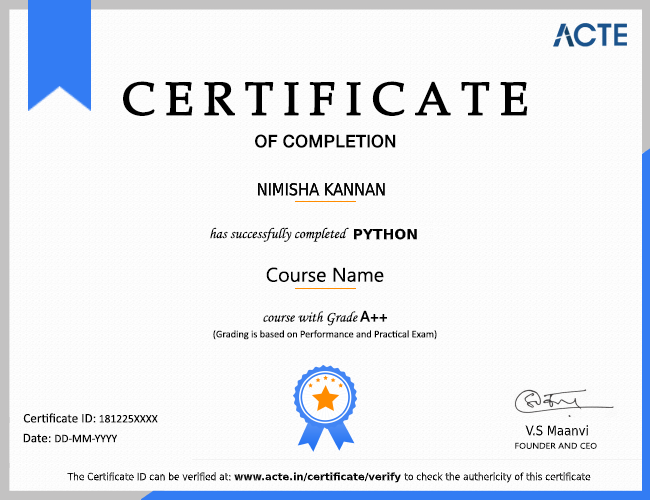
    a downloadable Certificate in PDF format, instantly available to you after completing your Training

    Receive Your Certificate

    a physical version of your officially branded and security-marked Certificate.

    Get Certified

    Learn from Experienced Workday Trainers in the United Kingdom

    • Our Workday trainers in the United Kingdom have expertise in Workday HCM, Core HR, business process configuration, reporting, security, integrations, and practical solutions for diverse business requirements.
    • Trainers provide practical guidance in Workday navigation, employee management, organizational structures, workflow configuration, reporting, and HR processes applied in enterprise environments.
    • The training offers hands-on practice with Workday HCM, business process management, payroll fundamentals, recruitment, compensation, report development, and integration concepts.
    • Learners explore workforce management, business workflows, calculated fields, data management, system configuration, and effective approaches to addressing real-world enterprise challenges.
    • Practical exercises, industry-oriented projects, case studies, and interactive sessions help learners strengthen their functional knowledge and apply Workday concepts confidently.
    • Our Workday trainers in the United Kingdom provide personalized mentoring, project support, technical guidance, resume assistance, and career guidance to help learners explore Workday opportunities.
    • Experienced trainers provide industry insights, implementation knowledge, career guidance, and Workday instruction focused on developing relevant skills for current enterprise technology roles.

    Authorized Partners

    ACTE TRAINING INSTITUTE PVT LTD is the unique Authorised Oracle Partner, Authorised Microsoft Partner, Authorised Pearson Vue Exam Center, Authorised PSI Exam Center, Authorised Partner Of AWS .
    100% Placements | Get Hired in Top MNC

      Career Support

      Placement Assistance

      Exclusive access to ACTE Job portal

      Mock Interview Preparation

      1 on 1 Career Mentoring Sessions

      Career Oriented Sessions

      Resume & LinkedIn Profile Building

      We Offer High-Quality Training at The Lowest Prices.

      Affordable, Quality Training for Freshers to Launch IT Careers & Land Top Placements.

      What Makes ACTE Training Different?

      Feature

      ACTE Technologies

      Other Institutes

      Affordable Fees

      Competitive Pricing With Flexible Payment Options.

      Higher Fees With Limited Payment Options.

      Industry Experts

      Well Experienced Trainer From a Relevant Field With Practical Training

      Theoretical Class With Limited Practical

      Updated Syllabus

      Updated and Industry-relevant Course Curriculum With Hands-on Learning.

      Outdated Curriculum With Limited Practical Training.

      Hands-on projects

      Real-world Projects With Live Case Studies and Collaboration With Companies.

      Basic Projects With Limited Real-world Application.

      Certification

      Industry-recognized Certifications With Global Validity.

      Basic Certifications With Limited Recognition.

      Placement Support

      Strong Placement Support With Tie-ups With Top Companies and Mock Interviews.

      Basic Placement Support

      Industry Partnerships

      Strong Ties With Top Tech Companies for Internships and Placements

      No Partnerships, Limited Opportunities

      Batch Size

      Small Batch Sizes for Personalized Attention.

      Large Batch Sizes With Limited Individual Focus.

      LMS Features

      Lifetime Access Course video Materials in LMS, Online Interview Practice, upload resumes in Placement Portal.

      No LMS Features or Perks.

      Training Support

      Dedicated Mentors, 24/7 Doubt Resolution, and Personalized Guidance.

      Limited Mentor Support and No After-hours Assistance.

      Frequently Asked Questions

      Looking for better Discount Price?

      Call now: +91-7669 100 251 and know the exciting offers available for you!
      • ACTE provides placement assistance to students. Please visit our Placed Students List on our website.
      • We have relationships with 700+ top MNCs, including SAP, Oracle, Amazon, HCL, Wipro, Dell, Accenture, Google, CTS, TCS, and IBM.
      • Placement opportunities are supported through career guidance and professional development activities.
      • ACTE conducts development sessions, including mock interviews and presentation skills, to help students prepare for recruitment processes.
      • The placement support team assists eligible candidates throughout their job search.
      • Please visit your Student Portal to access available job openings, study materials, videos, recorded sessions, and interview questions.

      ACTE certification documents the completion of Workday training and associated learning activities. Its relevance can vary depending on employer requirements, practical knowledge, project experience, technical skills, and the position being pursued.

      Yes, learners can practice through projects involving Workday HCM, business process configuration, employee data management, reporting, workflow configuration, and integration fundamentals using relevant business scenarios.

      Workday sessions cover concepts related to cloud applications, Human Capital Management, business processes, reporting, security, integrations, and enterprise application administration, with trainer guidance and practical learning activities.

      Participants who miss a scheduled class can check the availability of recorded sessions and learning materials to revise missed topics and continue following the Workday course curriculum.

      Learners can explore classroom training, online classes, individual mentoring, fast-track batches, and flexible learning options based on the available training formats, schedule, and preferred learning method.

      Why choose ACTE for Workday Certification in the United Kingdom?

      ACTE offers career-oriented Workday learning covering HCM, business processes, reporting, integrations, security, and practical exercises, along with trainer guidance, interview preparation, certification assistance, and career support.

      Learners can check available online study materials, videos, recorded sessions, and interview preparation resources through the Student Portal, subject to the applicable course access terms.

      Upon completing the Workday training program, participants may receive an ACTE course completion certificate documenting their training, participation, and acquired Workday knowledge, subject to the program's completion requirements.

      Yes, the training focuses on hands-on learning through Workday HCM exercises, business process scenarios, report creation, workflow configuration, security concepts, integration fundamentals, and enterprise application case studies.

      Basic computer knowledge and an interest in enterprise applications or HR technology can be helpful. Beginners can explore Workday training, starting with fundamental concepts and progressing to business processes, reporting, configuration, and integration topics.

      Registered learners can check whether recorded classes and study materials are available through the training platform, allowing them to review Workday lessons and revise important concepts at their convenience.

      You can register for Workday Certification training by completing the registration process and selecting a suitable batch based on your schedule, preferred learning format, and training requirements.

      Show More

      Job Opportunities in Workday

      More Than 35% Prefer Workday. Workday Is One of the Most Popular and In-Demand Technologies in the Tech World.