LMS
Last updated on 02nd Oct 2026| 3401

Candidates May Also Be Asked About Entity Optimization, Topical Authority, Content Relevance, Search Visibility, Citations, And The Role Of Artificial Intelligence In Search. Practical Questions Can Focus On Optimizing Content For Answer Engines, Improving Brand Visibility In AI-Generated Responses, Analyzing Search Performance, And Developing Content Strategies. Freshers Can Prepare By Understanding AEO And GEO Concepts, Practicing Keyword And Search Intent Analysis, Learning Content Optimization Techniques, And Following Changes In AI-Powered Search. This Guide Covers Important AEO And GEO Specialist Interview Questions And Answers To Help Freshers Prepare For HubSpot Interview Rounds With Greater Confidence.
1. What Is AEO?
Ans:
AEO Stands For Answer Engine Optimization, Which Focuses On Optimizing Content To Appear In Direct Answers Provided By Search Engines And AI-Powered Answer Systems. It Involves Understanding User Questions, Search Intent, Conversational Queries, And Structured Content. AEO Helps Content Become Easier For Search And Answer Engines To Understand And Extract. Common AEO Activities Include FAQ Optimization, Question-Based Content, Structured Data, And Clear Answers.
2. What Is GEO?
Ans:
GEO Stands For Generative Engine Optimization, Which Focuses On Improving The Visibility Of Content In AI-Generated Search And Answer Experiences. It Helps Content Become More Likely To Be Discovered, Understood, And Referenced By Generative AI Systems. GEO Uses Techniques Such As Clear Content Structure, Strong Evidence, Entity Relevance, And Comprehensive Coverage. The Goal Is To Improve A Brand’s Presence Across AI-Powered Search Experiences.
3. What Is The Difference Between AEO And GEO?
Ans:
| Aspect | AEO | GEO |
|---|---|---|
| Full Form | Answer Engine Optimization | Generative Engine Optimization |
| Main Focus | Optimizes Content For Direct Answers In Search And Answer Engines. | Optimizes Content For Visibility In AI-Generated Search Responses. |
| Content Approach | Focuses On Questions, FAQs, Concise Answers, And Structured Content. | Focuses On Context, Entities, Evidence, Authority, And Comprehensive Content |
| Example | Optimizing A FAQ Page To Answer Common User Questions Directly. | Optimizing Brand Content To Increase Its Chances Of Being Referenced By AI Systems. |
4. Why Is AEO Important For Digital Marketing?
Ans:
AEO Is Important Because Users Increasingly Search Using Complete Questions And Expect Direct Answers. Optimized Content Can Improve Visibility In Featured Answers, Voice Search, And Other Answer-Oriented Experiences. It Can Also Help Search Systems Understand The Main Topic And Purpose Of A Web Page. AEO Therefore Supports Organic Visibility, Brand Awareness, And Potential Website Traffic.
5. Why Is GEO Important For Modern SEO?
Ans:
GEO Is Important Because Generative AI Is Becoming Part Of How Users Discover Information, Products, And Brands. Content That Is Clear, Authoritative, And Easy For AI Systems To Interpret Can Have Greater Opportunities For Representation. GEO Extends Traditional SEO Thinking Into AI-Powered Search Experiences. It Also Encourages Brands To Build Strong Topical Authority And Trustworthy Digital Content..
6. What Is Search Intent?
Ans:
Search Intent Refers To The Main Reason A User Performs A Search Query. Common Intent Types Include Informational, Navigational, Commercial, And Transactional Intent. Understanding Intent Helps Specialists Create Content That Directly Addresses What Users Are Trying To Accomplish. Matching Content With Search Intent Is Important For Both Traditional SEO And AEO.
7. What Is Informational Search Intent?
Ans:
Informational Search Intent Occurs When Users Want To Learn About A Topic Or Find An Answer To A Question. Queries Such As “What Is Inbound Marketing?” Usually Represent Informational Intent. Content For This Intent Should Provide Clear Explanations, Examples, Definitions, And Supporting Information. Informational Queries Are Particularly Relevant To AEO Because They Frequently Require Direct Answers.
8. What Is Conversational Search?
Ans:
Conversational Search Allows Users To Ask Search Systems Questions Using Natural, Human-Like Language. Queries May Be Longer And More Specific Than Traditional Keyword Searches. AEO Specialists Optimize Content By Addressing Natural Questions And Providing Direct, Contextual Answers. Conversational Search Is Especially Relevant To Voice Assistants And Generative AI Search Experiences.
9. What Is A Long-Tail Keyword?
Ans:
A Long-Tail Keyword Is A More Specific Search Query Usually Containing Several Words. These Queries Often Represent A Clearer User Intent Than Broad Keywords. Long-Tail Keywords Can Help Content Address Detailed Questions And Niche Topics. They Are Valuable For AEO Because Users Frequently Ask Search Engines Specific, Question-Based Queries
10. What Is Keyword Research?
Ans:
Keyword Research Is The Process Of Identifying Search Terms That Users Enter Into Search Engines. It Helps Specialists Understand Search Demand, Competition, Intent, And Topic Relevance. Modern Keyword Research Can Include Questions, Related Concepts, Entities, And Conversational Queries. The Findings Help Guide Content Planning And Optimization.
11. What Is Entity Optimization?
Ans:
- Entity Optimization Focuses On Helping Search And AI Systems Clearly Understand Important People, Organizations, Products, Places, And Concepts.
- Content Can Establish Entity Relationships Through Consistent Names, Descriptions, Context, And Structured Data.
- Strong Entity Signals Can Improve Topical Understanding Across Search Systems. Entity Optimization Is Increasingly Relevant To GEO And Semantic Search.
12. What Is Semantic Search?
Ans:
Semantic Search Attempts To Understand The Meaning And Context Behind A Search Query Rather Than Matching Only Exact Keywords. Search Systems Can Consider User Intent, Entities, Relationships, And Context When Interpreting Queries. This Allows Relevant Results To Appear Even When Exact Words Differ. Semantic Understanding Is Important For Creating Content That Serves Topics Rather Than Individual Keywords.
13. What Is Structured Data?
Ans:
Structured Data Is A Standardized Format That Helps Search Engines Understand Information On A Web Page. Schema.org Vocabulary Is Commonly Used To Mark Up Content Such As Articles, Products, Events, Organizations, And FAQs. Proper Structured Data Can Improve Machine Understanding Of Page Elements. It Can Also Support Eligible Search Features Depending On Search Engine Guidelines.
14. What Is FAQ Schema?
Ans:
- FAQ Schema Is Structured Data Used To Describe Frequently Asked Questions And Their Answers.
- It Helps Search Engines Understand The Relationship Between A Question And Its Answer On A Page.
- The Markup Should Accurately Represent Visible Content And Follow Applicable Search Guidelines. FAQ Content Is Also Useful For AEO Because It Directly Matches Common User Questions.
15. What Is Schema.org?
Ans:
Schema.org Is A Collaborative Vocabulary Used To Provide Structured Data Markup For Web Content. It Defines Types And Properties For Entities Such As Organizations, Products, Articles, Events, And More. Search Engines Can Use This Information To Better Understand Page Content. Specialists Can Use Relevant Schema Types As Part Of Technical And Semantic Optimization.
16. What Is Featured Snippet Optimization?
Ans:
Featured Snippet Optimization Involves Structuring Content To Provide Concise And Direct Answers To Common Search Questions. Clear Definitions, Short Explanations, Lists, And Tables Can Help Search Systems Identify Answer Candidates. Content Should First Satisfy The User’s Intent Rather Than Simply Target A Search Feature. Featured Snippet Optimization Is Closely Related To Traditional SEO And AEO.
17. What Is Zero-Click Search?
Ans:
A Zero-Click Search Occurs When A User Gets The Information Needed Directly On The Search Results Page Without Visiting A Website. Featured Snippets, Knowledge Panels, And Other Search Features Can Contribute To This Behavior. AEO Often Focuses On Visibility Within These Direct Answer Experiences. Specialists Should Balance Search Visibility With Strategies That Encourage Valuable Website Engagement.
18. What Is Voice Search Optimization?
Ans:
Voice Search Optimization Focuses On Creating Content That Can Respond Effectively To Spoken Search Queries. Voice Queries Often Use Natural Language And Complete Questions. Content Should Provide Clear, Concise, And Easily Understandable Answers To Relevant Questions. Local Information, FAQs, Definitions, And Conversational Content Can Be Particularly Useful.
19. What Is Natural Language Processing?
Ans:
Natural Language Processing Is A Branch Of AI That Helps Computers Understand And Process Human Language. Search Engines And AI Systems Use NLP To Interpret Queries, Content, Entities, And Relationships. Understanding NLP Helps AEO And GEO Specialists Create Content That Is Clear And Contextually Relevant. It Also Helps Explain Why Search Optimization Is Moving Beyond Exact Keyword Matching.
20. What Is Natural Language Understanding?
Ans:
- Natural Language Understanding Focuses On Helping Machines Interpret The Meaning And Intent Of Human Language.
- It Can Identify Concepts, Relationships, Context, And User Intent Within Text. Search And Generative AI Systems Use Language Understanding To Produce More Relevant Results And Responses.
- Content Specialists Can Support This Process Through Clear And Well-Organized Writing.
21. What Is Topical Authority?
Ans:
Topical Authority Refers To The Depth And Breadth Of A Website’s Coverage Of A Particular Subject. A Strong Topic Cluster Can Include Core Pages, Supporting Articles, Definitions, Comparisons, Examples, And Related Questions. Comprehensive Coverage Helps Search Systems Understand A Site’s Expertise In A Subject. It Can Also Provide More Relevant Sources For AI-Powered Search Experiences.
22. What Is A Topic Cluster?
Ans:
A Topic Cluster Is A Content Structure Built Around A Central Topic And Several Related Supporting Topics. A Pillar Page Covers The Broad Subject While Supporting Pages Address Specific Subtopics. Internal Links Connect These Pages To Create A Clear Information Structure. Topic Clusters Can Help Users And Search Systems Understand The Relationship Between Related Content.
23. What Is A Pillar Page?
Ans:
A Pillar Page Is A Comprehensive Page That Provides Broad Coverage Of A Major Topic. It Usually Links To More Detailed Supporting Content That Explores Specific Subtopics. Pillar Pages Can Help Organize Website Content Into Logical Topic Structures. They Are Commonly Used In Content Marketing And Topic-Based SEO Strategies.
24. What Is Internal Linking?
Ans:
- Internal Linking Means Connecting One Page Of A Website To Another Page On The Same Website.
- Relevant Internal Links Help Users Discover Related Information And Navigate Between Topics.
- They Also Help Search Engines Understand Website Structure And Relationships Between Pages. Strategic Internal Linking Can Support Topic Clusters And Content Discoverability.
25. What Is Content Relevance?
Ans:
Content Relevance Refers To How Closely A Page’s Information Matches The User’s Query And Intent. Relevant Content Directly Addresses The Question Instead Of Adding Unnecessary Information. Strong Relevance Requires Understanding The Topic, Audience, Search Intent, And Context. It Is A Fundamental Requirement For Effective AEO And GEO.
26. What Is Content Freshness?
Ans:
Content Freshness Refers To How Current And Up-To-Date Information Is On A Web Page. Some Topics Require Frequent Updates Because Facts, Products, Statistics, Or Industry Practices Can Change. Updating Outdated Information Can Improve Accuracy And Maintain User Trust. Freshness Should Be Applied Meaningfully Rather Than Through Unnecessary Changes.
27. What Is E-E-A-T?
Ans:
- E-E-A-T Stands For Experience, Expertise, Authoritativeness, And Trustworthiness. It Represents Important Qualities Used In Google’s Search Quality Evaluation Framework.
- Content Can Demonstrate These Qualities Through Accurate Information, Relevant Experience, Credible Sources, And Transparent Authors.
- E-E-A-T Is Especially Important For Content Where Accuracy And Trust Have Significant Impact.
28. Why Are Citations Important In GEO?
Ans:
Citations And References Help Establish The Evidence Supporting Claims Made In Content. Generative AI Systems May Prefer Information That Is Clear, Credible, And Supported By Recognizable Sources. Adding Appropriate References Can Strengthen Content Reliability And Research Quality. Sources Should Be Relevant, Accurate, Current, And Consistent With The Claims Being Made.
29. What Is Content Authority?
Ans:
Content Authority Represents The Extent To Which Content Demonstrates Reliable Knowledge And Expertise About A Topic. Authority Can Be Supported By Original Research, Expert Contributions, Reliable References, And Comprehensive Coverage. Consistent High-Quality Content Can Strengthen A Website’s Subject-Matter Reputation. Authority Should Be Built Through Evidence Rather Than Keyword Repetition.
30. How Does Optimize Content For Direct Answers?
Ans:
Direct Answer Optimization Starts By Identifying Specific Questions That Users Commonly Ask. The Page Should Provide A Clear Answer Near The Relevant Question Before Expanding With Supporting Details. Headings, Lists, Tables, Definitions, And Logical Sections Can Make Information Easier To Extract. The Content Should Remain Accurate, Useful, Natural, And Consistent With Search Intent.
31. What Is Generative Engine Optimization?
Ans:
Generative Engine Optimization Focuses On Improving How Content Is Discovered, Interpreted, And Potentially Referenced By Generative AI Search Systems. It Extends Traditional Search Optimization By Considering AI-Generated Answers And Multi-Source Responses. GEO Requires Strong Topical Relevance, Clear Information, Reliable Evidence, And Consistent Entity Signals. The Approach Helps Brands Adapt Their Content Strategy To Emerging AI Search Experiences.
32. How Does GEO Differ From Traditional SEO?
Ans:
| Aspect | Traditional SEO | GEO |
|---|---|---|
| Primary Focus | Improves Visibility And Rankings In Traditional Search Results. | Improves Content Visibility And Representation In Generative AI Responses. |
| Content Approach | Focuses On Keywords, Search Intent, Links, And Technical Optimization. | Focuses On Context, Entities, Evidence, Citations, And Comprehensive Information. |
| Measurement | Commonly Measures Rankings, Organic Traffic, Clicks, And Conversions. | Can Measure AI Mentions, Citations, Source Visibility, And Generative Search Presence. |
| Main Goal | Help Search Engines Discover, Understand, And Rank Web Pages. | Help Generative AI Systems Discover, Understand, And Potentially Reference Information. |
33. What Is AI Search?
Ans:
- AI Search Uses Artificial Intelligence To Understand Queries And Provide Search Results, Summaries, Recommendations, Or Direct Answers.
- It Can Combine Information From Multiple Sources And Generate Natural-Language Responses
- . AI Search Often Uses Technologies Such As NLP, Retrieval Systems, Knowledge Graphs, And Large Language Models.
34. What Is A Generative Search Experience?
Ans:
A Generative Search Experience Uses AI To Produce A Response That Summarizes Information Relevant To A User’s Query. The System May Retrieve Information From Multiple Sources Before Generating The Response. Users Can Often Continue The Conversation With Follow-Up Questions. Content Specialists Need To Consider How Their Information Can Be Clearly Understood And Supported Within Such Experiences.
35. What Is Retrieval-Augmented Generation? .
Ans:
- Retrieval-Augmented Generation Combines A Retrieval System With A Generative Language Model.
- Relevant Information Is Retrieved From A Collection Of Sources And Provided To The Model As Context.
- The Model Then Generates A Response Based On The Retrieved Information And User Query. RAG Is Commonly Used In AI Assistants, Enterprise Search, And Knowledge Systems.
36. What Is A Knowledge Graph?
Ans:
A Knowledge Graph Represents Entities And The Relationships Between Them In A Structured Form. It Can Connect People, Organizations, Products, Topics, Locations, And Other Concepts. Search Systems Can Use Knowledge Graphs To Better Understand Context And relationships Between Information. Clear Entity Relationships In Content Can Support Better Semantic Understanding.

Get Practical Oriented Digital Marketing Training to Meet the Industry Needs
- Instructor-led Sessions
- Real-life Case Studies
- Assignments
37. What Is Entity Salienc
Ans:
Entity Salience Refers To The Importance Or Prominence Of An Entity Within A Piece Of Content. Strong Context Around An Entity Helps Systems Understand Why It Is Relevant To The Topic. Consistent Naming, Descriptions, Relationships, And Supporting Evidence Can Strengthen Entity Understanding. Entity Salience Can Be Considered When Creating Content For Semantic And Generative Search.
38. What Is Content Chunking?
Ans:
Content Chunking Means Dividing Information Into Small, Meaningful Sections That Can Be Easily Understood And Retrieved. Each Section Should Ideally Focus On A Clear Concept Or Question. Logical Headings, Short Paragraphs, Lists, And Descriptive Subheadings Can Improve Content Chunking. This Structure Can Make Long Content Easier For Both Users And AI Systems To Process.
39. Why Is Content Structure Important For AEO?
Ans:
- Content Structure Helps Search And Answer Systems Identify Questions, Answers, Topics, And Supporting Information.
- Clear Headings And Logical Sections Make Pages Easier To Understand And Navigate. Short Direct Answers Can Be Followed By More Detailed Explanations For Users Who Need Additional Context.
- A Well-Structured Page Can Therefore Support Both Search Visibility And User Experience.
40. What Is Question-Based Content?
Ans:
Question-Based Content Is Written Around Specific Questions That Users Commonly Search For. Each Question Can Be Used As A Heading Followed By A Direct And Accurate Answer. Supporting Examples And Detailed Explanations Can Then Expand The Topic. This Format Is Particularly Useful For AEO, FAQs, Help Centers, And Educational Content.
41. How Does Find Questions For AEO Content?
Ans:
Questions Can Be Identified Through Keyword Research Tools, Search Suggestions, Customer Queries, Community Discussions, And Existing Website Data. Search Result Features Can Also Reveal Related Questions And Common Information Needs. Customer Support And Sales Teams Can Provide Real-World Questions From Users. These Sources Can Be Combined To Build A Prioritized Question-Based Content Plan.
42. What Is People Also Ask?
Ans:
People Also Ask Is A Search Engine Feature That Displays Related Questions And Expandable Answers. It Provides Useful Insights Into Questions Associated With A Main Search Topic. Specialists Can Analyze These Questions To Understand Related Search Intent And Content Opportunities. The Questions Can Help Inform FAQ Sections, Topic Clusters, And AEO Content.
43. What Is Search Intent Mapping?
Ans:
Search Intent Mapping Connects Specific Search Queries With The User Need Behind Each Query. Queries Can Be Classified Into Informational, Navigational, Commercial, Or Transactional Categories. Content Can Then Be Created Or Updated To Match The Appropriate Intent. Intent Mapping Helps Prevent Content From Answering A Different Question Than The User Intended.
44. What Is Content Gap Analysis?
Ans:
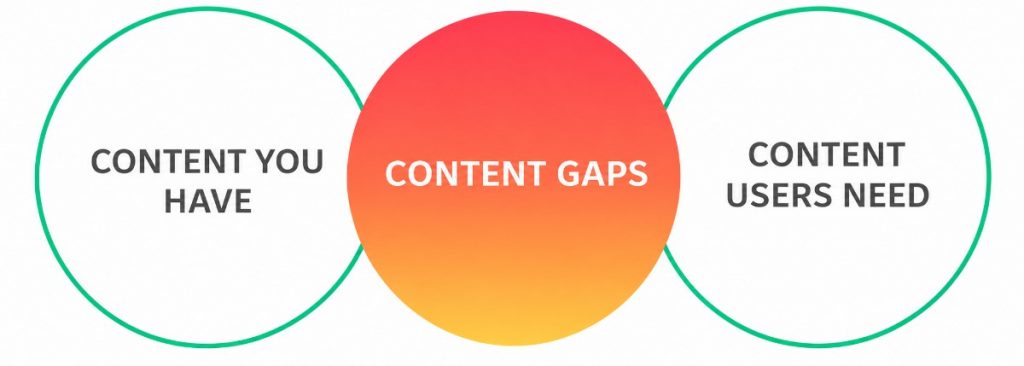
Content Gap Analysis Identifies Important Topics Or Questions That Existing Content Does Not Adequately Cover. Specialists Can Compare Their Content With Competitor Pages, Search Queries, Customer Questions, And Topic Requirements. The Analysis Can Reveal Missing Subtopics, Weak Answers, Or Outdated Information. Addressing Meaningful Gaps Can Improve Topic Coverage And Content Usefulness.
45. What Is Competitor Analysis In GEO?
Ans:
Competitor Analysis In GEO Involves Studying How Other Brands Represent Their Expertise Across Search And AI-Powered Experiences. It Can Include Comparing Content Depth, Entity Coverage, Citations, Question Coverage, And Brand Mentions. The Findings Can Reveal Content Opportunities And Areas Requiring Improvement. Competitor Research Should Inform Strategy Without Simply Copying Another Brand’s Content.
46. How Can Measure AEO Performance?
Ans:
AEO Performance Can Be Evaluated Through Visibility In Answer Features, Organic Traffic, Featured Snippets, Query Coverage, And Engagement Metrics. Rankings Alone May Not Fully Represent Performance In Answer-Oriented Search Experiences. Question-Level Tracking Can Help Identify Which Queries Generate Visibility And Which Need Improvement. Results Should Be Compared Over Time Using Consistent Measurement Methods.
47. How Can Measure GEO Performance?
Ans:
GEO Performance Can Be Studied Through Brand Mentions, Source Citations, AI Search Visibility, Query Coverage, And Referral Traffic Where Measurement Is Available. Specialists Can Build A Set Of Relevant Queries And Monitor How Brands Or Pages Are Represented Across AI Search Experiences. Results Can Vary By Model, Query, Time, And Context. Therefore, GEO Measurement Should Use Repeatable Tests And Multiple Relevant Queries.
48. What Is Brand Mention Tracking?
Ans:
- Brand Mention Tracking Involves Monitoring Where And How A Brand Is Mentioned Across Digital Platforms And Search Experiences.
- It Can Include Websites, Publications, Communities, AI Responses, And Other Relevant Sources.
- Tracking Helps Identify Positive Visibility, Missing Mentions, And Potential Reputation Issues. The Findings Can Inform Content, PR, SEO, And GEO Strategies.
49. What Is Citation Tracking In AI Search?
Ans:
Citation Tracking Monitors Whether AI-Powered Search Experiences Reference Specific Websites Or Sources In Their Responses. It Can Help Specialists Understand Which Content Is Being Used As Supporting Information. Repeated Testing Across Relevant Queries Can Reveal Patterns In Source Selection. Because AI Responses Can Change, Citation Tracking Should Be Treated As An Ongoing Measurement Process.
50. What Is Prompt Testing In GEO?
Ans:
Prompt Testing In GEO Involves Creating A Consistent Set Of Queries To Examine How AI Systems Respond About A Topic Or Brand. Prompts Can Represent Informational, Commercial, Comparative, And Brand-Specific Search Intent. Responses Can Be Recorded And Analyzed For Mentions, Sources, Accuracy, And Competitor Representation. Repeating Tests Over Time Can Help Identify Changes In AI Search Visibility.
51. What Is AEO Content Optimization?
Ans:
- AEO Content Optimization Involves Improving Content So That It Clearly Answers Relevant User Questions.
- The Process Can Include Better Headings, Direct Answers, Structured Sections, Supporting Evidence, And Appropriate Schema.
- Content Should Match Search Intent While Remaining Helpful And Natural For Human Readers.
52. How Can FAQs Support AEO?
Ans:
FAQs Provide Direct Answers To Specific Questions That Users May Search For. They Can Address Common Concerns, Definitions, Comparisons, Features, And Troubleshooting Topics. Clear FAQ Structure Helps Users Find Information Quickly And Can Improve Machine Understanding Of Questions And Answers. FAQs Should Contain Genuine, Useful Questions Rather Than Artificially Repeated Keywords.
53. How Do Lists Help AEO?
Ans:
Lists Organize Multiple Related Items In A Simple And Structured Format. They Can Be Useful For Steps, Features, Examples, Recommendations, And Comparisons. Search Systems Can More Easily Interpret Clearly Structured Information When Each Item Has A Defined Purpose. Lists Should Remain Relevant And Complete Rather Than Being Created Only For Search Visibility.
54. Why Are Tables Useful In Search Content?
Ans:
Tables Present Related Information In A Structured Format That Makes Comparisons Easier For Readers. They Can Be Useful For Product Features, Definitions, Differences, Specifications, And Process Comparisons. Clear Table Headers Help Both Users And Automated Systems Understand The Relationship Between Values. Tables Should Be Accessible And Used Only When The Information Naturally Fits A Comparison Structure.
55. What Is Content Readability?
Ans:
Content Readability Describes How Easily A User Can Understand Written Information. Clear Sentences, Descriptive Headings, Appropriate Paragraph Length, And Familiar Language Can Improve Readability. Readable Content Can Also Make Important Answers Easier To Identify And Process. The Appropriate Reading Level Should Depend On The Target Audience And Subject Complexity.
56. Why Is Original Content Important For GEO?
Ans:
- Original Content Provides Information, Analysis, Examples, Research, Or Experience That Adds Value Beyond Repeating Existing Sources.
- Unique Insights Can Give A Page A Stronger Reason To Be Referenced And Shared. Original Research And First-Hand Expertise Can Also Support Trust And Authority.
- High-Quality Originality Should Focus On Genuine Value Rather Than Simple Rewording.

Best Digital Marketing Certification Course from Real-Time Experts
Weekday / Weekend BatchesSee Batch Details57. What Is First-Hand Experience In Content?
Ans:
First-Hand Experience Refers To Information Based On Direct Knowledge Or Actual Use Of A Product, Process, Service, Or Situation. Content Can Demonstrate Experience Through Practical Examples, Observations, Screenshots, Tests, Or Detailed Case Studies. This Can Make Information More Useful And Credible To Readers. Experience Should Be Presented Accurately Without Exaggerating Claims.
58. Why Are Statistics Useful In GEO Content?
Ans:
Statistics Can Provide Specific Evidence That Supports Claims And Adds Depth To Content. Reliable Statistics Can Make Explanations More Concrete And Useful To Readers And AI Systems. Sources And Dates Should Be Clearly Identified Because Data Can Become Outdated. Specialists Should Verify Numbers Before Publishing And Update Them When Appropriate.
59. How Does Optimize A Blog For AEO?
Ans:
A Blog Can Be Optimized By Identifying Relevant Questions And Organizing The Article Around Clear Search Intent. Important Questions Can Be Addressed With Direct Answers Before Providing Detailed Explanations. Descriptive Headings, Internal Links, Structured Data, Examples, And Reliable Sources Can Improve Content Quality. The Article Should Primarily Serve Readers Rather Than Being Written Solely For Search Engines.
60. How Does Optimize A Landing Page For AEO And GEO?
Ans:
A Landing Page Should Clearly Explain The Product, Audience, Benefits, Features, Differentiators, And Relevant Questions. Important Questions Can Be Addressed In Concise Sections With Supporting Evidence And Clear Calls To Action. Entity Information, Internal Links, Structured Data, And Trust Signals Can Improve Machine Understanding. The Page Should Maintain A Strong User Experience While Providing Complete And Accurate Information.
61. What Is HubSpot?
Ans:
HubSpot Is A Customer Platform That Provides Software For Marketing, Sales, Customer Service, Content, Operations, And CRM Activities. Its Platform Helps Businesses Manage Customer Relationships And Digital Growth Processes. HubSpot Also Provides Tools For Content Creation, Marketing Automation, Analytics, And Website Management. An AEO Or GEO Specialist Can Use These Capabilities To Support Content Strategy And Organic Visibility.
62. What Is Inbound Marketing?
Ans:
- Inbound Marketing Focuses On Attracting Customers Through Useful And Relevant Content Rather Than Relying Only On Outbound Promotion.
- It Commonly Includes Content Marketing, SEO, Social Media, Email Marketing, And Educational Resources.
- The Strategy Aims To Support Users Throughout Different Stages Of Their Buying Journey
63. What Is HubSpot CRM?
Ans:
HubSpot CRM Is A Customer Relationship Management System Used To Organize Customer And Prospect Information. It Can Help Businesses Manage Contacts, Deals, Interactions, Marketing Activities, And Customer Processes. CRM Data Can Provide Useful Insights Into Customer Questions And Content Needs. These Insights Can Help Content Specialists Create More Relevant AEO And GEO Strategies.
64. How Can CRM Data Support Content Strategy?
Ans:
CRM Data Can Reveal Common Customer Questions, Sales Objections, Product Interests, And Frequently Discussed Topics. These Insights Can Be Converted Into FAQs, Guides, Comparison Pages, And Educational Content. Content Based On Real Customer Needs Can Better Match Search Intent. CRM Insights Should Be Used Responsibly While Protecting Customer Privacy And Confidential Information.
65. What Is HubSpot Content Marketing?
Ans:
HubSpot Content Marketing Uses Valuable Content To Attract, Educate, Engage, And Support Potential Customers. Content Can Include Blog Articles, Guides, Landing Pages, Videos, Case Studies, And Knowledge Resources. AEO And GEO Techniques Can Help Make This Content More Discoverable In Modern Search Experiences. Strong Content Should Combine User Value, Business Relevance, Search Intent, And Reliable Information.
66. How Does Use HubSpot Analytics For SEO?
Ans:
HubSpot Analytics Can Help Specialists Understand Website Traffic, Content Performance, Conversions, And User Engagement. These Metrics Can Help Identify Pages That Perform Well And Pages That Need Improvement. Combining Analytics With Search Data Can Provide A Broader View Of Content Effectiveness. Specialists Can Use The Findings To Prioritize Content Updates And Optimization Activities.
67. What Is A Content Audit?
Ans:
A Content Audit Is A Systematic Review Of Existing Website Content. It Can Evaluate Topics, Traffic, Engagement, Search Visibility, Accuracy, Quality, Internal Links, And Conversion Performance. The Audit Can Identify Pages To Update, Consolidate, Redirect, Improve, Or Remove. Regular Audits Help Maintain A Useful And Consistent Content Library.
68. How Does Identify Outdated Content?
Ans:
- Outdated Content Can Be Identified By Reviewing Publication Dates, Broken Information, Old Statistics, Expired Products, Changed Processes, And Declining Performance.
- Search Console, Analytics, Content Management Systems, And Manual Reviews Can Provide Useful Signals.
- Content Should Be Updated When New Information Adds Genuine Value. Important Claims And Sources Should Be Rechecked During The Update Process.
69. What Is Content Pruning?
Ans:
Content Pruning Is The Process Of Reviewing Low-Value, Duplicate, Outdated, Or Irrelevant Content And Deciding What Action Is Appropriate. Possible Actions Include Updating, Consolidating, Redirecting, Or Removing Content. Decisions Should Be Based On Content Quality, User Value, Search Performance, And Business Relevance. Pruning Should Be Performed Carefully To Avoid Removing Useful Information.
70. What Is A Content Brief?
Ans:
A Content Brief Is A Document That Defines The Requirements And Direction For Creating A Piece Of Content. It Can Include Target Audience, Search Intent, Primary Topic, Related Questions, Keywords, Structure, Sources, And Content Goals. A Good Brief Helps Writers Produce Focused And Consistent Content. AEO And GEO Requirements Can Also Be Included When Relevant.
71. How Does Create An AEO Content Brief?
Ans:
An AEO Content Brief Can Begin With The Main Topic, Target Audience, Search Intent, And Primary User Questions. It Can Then Define Supporting Questions, Suggested Headings, Answer Formats, Sources, Internal Links, And Structured Data Opportunities. The Brief Should Specify The Information Users Need Rather Than Only Listing Keywords. Clear Requirements Help Writers Produce Content That Is Direct, Comprehensive, And Easy To Understand.
72. How Does Create A GEO Content Brief?
Ans:
A GEO Content Brief Can Include The Core Topic, Important Entities, User Questions, Supporting Evidence, Authoritative Sources, And Relevant Related Concepts. It Can Also Define Original Insights, Statistics, Examples, And Brand Information That Should Be Included. Content Structure Should Make Important Facts Easy To Identify And Understand. The Brief Should Focus On Producing Valuable Information That Can Stand On Its Own.
73. How Does Improve A Page With Low Organic Traffic?
Ans:
- A Low-Traffic Page Should First Be Analyzed For Search Intent, Topic Relevance, Content Quality, Technical Accessibility, And Existing Search Visibility.
- Keyword And Query Data Can Reveal Whether The Page Is Targeting The Right Questions.
- Content Can Then Be Improved Through Better Answers, Updated Information, Stronger Internal Links, And Better Structure.
74. How Does Handle Duplicate Content?
Ans:
Duplicate Content Occurs When Similar Or Identical Content Appears Across Multiple URLs Or Pages. Specialists Can Review Whether Duplication Is Necessary And Determine Appropriate Canonicalization, Redirects, Consolidation, Or Content Differentiation. The Preferred Solution Depends On The Website Structure And User Intent. Duplicate Content Issues Should Be Resolved Carefully Without Removing Valuable User-Facing Information
75. What Is A Canonical URL?
Ans:
A Canonical URL Indicates The Preferred Version Of A Page When Similar Or Duplicate URLs Exist. It Helps Search Engines Understand Which URL Should Generally Be Treated As The Primary Version. Canonical Tags Can Support Better URL Consolidation And Reduce Ambiguity. They Should Be Implemented Consistently And Should Point To An Appropriate Canonical Page.
76. What Is Robots.txt?
Ans:
Robots.txt Is A File That Provides Crawling Instructions To Search Engine Robots. It Can Specify Which Paths Crawlers Should Or Should Not Request. Robots.txt Does Not Function As A Reliable Method For Removing Already Indexed Content From Search Results. Specialists Should Use It Carefully Because Incorrect Rules Can Prevent Important Pages From Being Crawled.
77. What Is An XML Sitemap?
Ans:
An XML Sitemap Is A File That Lists Important URLs Of A Website To Help Search Engines Discover Content. It Can Include Information Such As URLs, Modification Dates, And Other Optional Metadata. Sitemaps Are Particularly Useful For Large Or Complex Websites. A Sitemap Should Contain Appropriate Canonical URLs And Be Kept Updated.
78. What Is Technical SEO?
Ans:
Technical SEO Focuses On Website Infrastructure And Technical Factors That Affect Crawling, Indexing, Accessibility, And Search Performance. It Can Include Site Speed, Mobile Usability, URL Structure, Sitemaps, Robots.txt, Canonical Tags, And Structured Data. Technical SEO Provides A Foundation For Search Engines To Discover And Understand Content. AEO And GEO Strategies Also Benefit From Technically Accessible And Well-Structured Websites.
79. What Are Core Web Vitals?
Ans:
Core Web Vitals Are A Set Of User Experience Metrics Focused On Loading Performance, Responsiveness, And Visual Stability. Important Metrics Include Largest Contentful Paint, Interaction To Next Paint, And Cumulative Layout Shift. They Help Website Owners Understand Real-World User Experience. Improving Technical Performance Can Support Better Usability And Overall Website Quality.
80. What Is Mobile-First Optimization?
Ans:
Mobile-First Optimization Means Designing And Optimizing Website Experiences With Mobile Users As An Important Priority. Pages Should Be Responsive, Easy To Navigate, Fast To Load, And Readable On Smaller Screens. Search Engines Also Consider Mobile Versions Of Websites In Their indexing Systems. A Strong Mobile Experience Supports Both Users And Search Visibility.
81. What Is A Good AEO Specialist Skill Set?
Ans:
A Good AEO Specialist Should Understand SEO, Search Intent, Content Strategy, Keyword Research, Structured Data, Analytics, And User Behavior. Knowledge Of NLP, AI Search, Generative AI, And Entity Optimization Can Also Be Valuable. Strong Writing, Research, Data Analysis, And Communication Skills Help Support The Role. Continuous Learning Is Important Because Search And AI Technologies Change Rapidly..
82. What Is A Good GEO Specialist Skill Set?
Ans:
- A GEO Specialist Should Understand Traditional SEO Along With Generative AI, Search Behavior, Content Quality, Entities, Citations, And AI Search Systems.
- Analytical Skills Are Needed To Test Queries, Track Visibility, Analyze Sources, And Interpret Results.
- Strong Research And Content Evaluation Skills Help Identify Reliable Information And Content Gaps.
83. How Would Analyze An AI Search Result?
Ans:
An AI Search Result Can Be Analyzed By Reviewing The Accuracy, Relevance, Sources, Brand Mentions, Competitor Mentions, And User Intent Alignment. The Specialist Can Record Which Sources Are Cited And Which Important Facts Are Included Or Missing. Repeating The Analysis Across Similar Queries Can Reveal Consistent Patterns. Findings Can Then Inform Content Updates, Source Development, And GEO Strategy.
84. How Would Improve A Brand’s AI Search Visibility?
Ans:
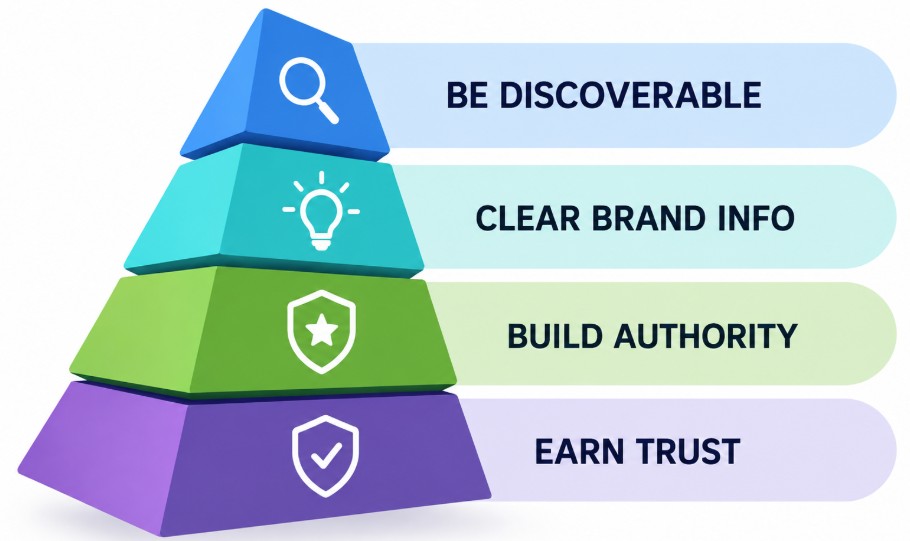
Improving AI Search Visibility Starts With Building Strong, Accurate, Authoritative, And Comprehensive Content Around Important Topics. The Brand Should Maintain Consistent Entity Information Across Relevant Digital Sources And Publish Evidence-Based Content. Original Research, Expert Insights, Useful Resources, And Strong Internal Content Relationships Can Add Value.
85. How Would Handle Incorrect AI Answers About A Brand?
Ans:
Incorrect AI Answers Should First Be Documented With The Exact Query, Response, Date, And Available Sources. The Specialist Can Investigate Whether Reliable Information Exists Online That Clearly Corrects The Incorrect Claim. Relevant Website Content And Authoritative External Sources Can Be Improved Or Updated With Accurate Information. Monitoring Future Responses Can Help Determine Whether The Information Environment Has Become More Consistent.
86. How Would Build A GEO Strategy For HubSpot?
Ans:
- A GEO Strategy For HubSpot Could Begin With Identifying Important Brand Entities, Products, Audiences, Topics, And Customer Questions.
- Content Can Then Be Developed Around High-Value Questions Using Accurate Explanations, Original Insights, Reliable Sources, And Strong Internal Linking.
- Brand And Product Information Should Remain Consistent Across Relevant Digital Properties.
87. How Does Stay Updated With AEO And GEO Trends?
Ans:
AEO And GEO Specialists Can Follow Official Search Documentation, AI Platform Updates, Industry Research, Search Experiments, And Trusted SEO Publications. Regular Testing Of Search And Generative AI Experiences Can Provide Practical Insights Beyond Published Information. Changes Should Be Evaluated Carefully Before Being Adopted As Long-Term Strategy. Continuous Learning Helps Specialists Adapt To New Search Behaviors And Technologies.
88. What happens If An AEO Strategy Does Not Improve Results?
Ans:
If An AEO Strategy Does Not Improve Results, The First Step Is To Review The Original Goals, Queries, Search Intent, Content Quality, And Measurement Method. The Specialist Can Analyze Whether The Content Provides Direct Answers And Covers The Relevant Topic Completely. Technical Issues, Competition, Insufficient Authority, Or Incorrect Measurement Can Also Be Investigated. The Strategy Can Then Be Adjusted Based On Evidence And Tested Again.
89. How Does Prioritize AEO And GEO Tasks?
Ans:
AEO And GEO Tasks Can Be Prioritized According To Business Impact, User Demand, Content Quality, Search Opportunity, And Implementation Effort. High-Value Questions And Important Commercial Or Educational Topics Can Receive Earlier Attention. Technical Problems And Outdated Information That Affect Many Users Should Also Be Addressed Promptly. A Clear Prioritization Framework Helps Teams Focus Resources On Meaningful Improvements.
90. Why Should HubSpot Hire As An AEO And GEO Specialist?
Ans:
A Fresher AEO And GEO Specialist Can Bring Strong Foundations In SEO, Content Strategy, Search Intent, Research, Analytics, And Emerging AI Search Concepts. Practical Understanding Of Structured Content, Entity Optimization, Generative AI, And Data Analysis Can Support Modern Search Initiatives. Strong Communication And Continuous Learning Can Help Translate Search Insights Into Useful Content Recommendations.