LMS
LMS
Last updated on 08th Apr 2026| 7321

The growing demand for enterprise applications like Microsoft Dynamics 365 and digital transformation has opened up numerous career opportunities in the IT sector. Companies like Wipro are actively hiring skilled professionals in Chennai, offering roles in software development, testing, cloud, and support domains. The Wipro hiring process is structured to evaluate both technical and interpersonal skills, ensuring candidates are industry-ready. To help you achieve your dream IT job, here is a detailed overview of the Wipro Hiring Process and commonly asked interview questions in the Chennai IT sector.
1.What is the Wipro hiring process?
Ans:
Wipro’s hiring process is a structured recruitment procedure designed to assess candidates for various IT roles. It typically begins with an online assessment that evaluates aptitude, logical reasoning, verbal skills, and basic programming knowledge. Candidates who clear this stage proceed to the technical interview.
2. Describe the stages of the Wipro recruitment process.
Ans:
The Wipro recruitment process consists of multiple stages that evaluate different skill sets of a candidate. The first stage is the online assessment, which includes aptitude, reasoning, and coding sections. Candidates who perform well are shortlisted for the technical interview, where they are tested on programming concepts and problem-solving skills.
3.What is included in the Wipro online assessment?
Ans:
The Wipro online assessment is designed to test a candidate’s analytical and technical skills. It typically includes sections such as quantitative aptitude, logical reasoning, and verbal ability. For IT roles, a coding section is also included to evaluate programming skills. The questions are generally of moderate difficulty and require strong problem-solving abilities.
4. What type of aptitude questions are asked in Wipro?
Ans:
Aptitude questions in Wipro are designed to test mathematical and logical abilities. The quantitative section includes topics such as percentages, ratios, time and work, and profit and loss. Logical reasoning questions involve puzzles, coding-decoding, and pattern recognition.
5. What programming questions are commonly asked in Wipro?
Ans:
Wipro commonly asks basic programming questions to test a candidate’s logical thinking and coding skills. Questions may include writing programs to reverse a string, check for prime numbers, or generate Fibonacci series. The focus is mainly on understanding logic rather than complex algorithms..
6. What happens in the Wipro technical interview?
Ans:
The technical interview in Wipro evaluates a candidate’s core IT knowledge and problem-solving ability. Interviewers ask questions related to programming languages, data structures, databases, and operating systems. Candidates may also be asked to write code or explain concepts in detail
7. What are common HR interview questions in Wipro?.
Ans:
The HR interview in Wipro focuses on evaluating a candidate’s personality and communication skills. Questions such as “Tell me about yourself” and “Why do you want to join Wipro?” are commonly asked. Candidates may also be asked about their strengths, weaknesses, and career goals.
8. How should one prepare for the Wipro hiring process?
Ans:
Preparation for the Wipro hiring process requires a combination of technical and aptitude skills. Candidates should practice quantitative aptitude and logical reasoning regularly. Strengthening programming fundamentals is essential for the coding round. Mock interviews can help improve confidence and communication skills.
9. What is the role of communication skills in Wipro interviews?
Ans:
Communication skills play a crucial role in Wipro interviews, especially during technical and HR rounds. Candidates must be able to clearly explain their thoughts and solutions. Good communication helps in presenting answers confidently. It also reflects professionalism and teamwork ability. .
10. What is group discussion in Wipro hiring?
Ans:
Group discussion is a round where multiple candidates discuss a given topic. It is conducted to evaluate communication, leadership, and teamwork skills. Candidates are expected to present their opinions clearly and listen to others. Topics may be technical or general. The ability to think quickly and respond effectively is important.
11. What is OOP and why is it important for Wipro interviews?
Ans:
Object-Oriented Programming (OOP) is a programming paradigm based on objects and classes. It is important for Wipro interviews as many programming questions are based on OOP concepts. Key principles include encapsulation, inheritance, polymorphism, and abstraction. These concepts help in building modular and reusable code.
12. What database concepts are important for Wipro interviews?
Ans:
Database concepts are frequently asked in Wipro technical interviews. Candidates should understand DBMS basics, normalization, and SQL queries. Concepts like primary key, foreign key, and indexing are important. Knowledge of joins and database relationships is also required.
13. What is the importance of projects in Wipro interviews?
Ans:
Projects play a significant role in Wipro interviews as they demonstrate practical knowledge. Interviewers often ask questions based on projects mentioned in the resume. Candidates should be able to explain their project clearly, including technologies used and challenges faced. Projects showcase problem-solving and implementation skills.
14. What are some common mistakes to avoid in Wipro interviews?
Candidates often make mistakes that can affect their performance in Wipro interviews. Lack of preparation in aptitude or technical concepts is a common issue. Poor communication skills can also create a negative impression. Overconfidence or lack of confidence should be avoided.
Ans:
15. What happens after clearing all rounds in Wipro?
Ans:
After clearing all rounds in Wipro, candidates receive an offer letter from the company. The offer includes details about salary, role, and joining date. Candidates must complete document verification and onboarding formalities. Training programs are often conducted for freshers.
16. What is a data structure and why is it important?
Ans:
A data structure is a method of organizing and storing data in a way that allows efficient access and modification. It plays a crucial role in programming and software development. Common data structures include arrays, linked lists, stacks, and queues. Choosing the right data structure improves performance and reduces complexity.
17. What is an algorithm?
Ans:
An algorithm is a step-by-step procedure used to solve a problem or perform a task. It is essential in programming for developing efficient solutions. Algorithms can be simple or complex depending on the problem. They are evaluated based on time and space complexity.
18. What is time complexity?
Ans:
Time complexity is a measure of how long an algorithm takes to execute as the input size increases. It helps in evaluating the efficiency of an algorithm. Common notations include Big O, such as O(n), O(log n), and O(n²). In Wipro interviews, candidates are expected to analyze the performance of their code.
19. What is space complexity?
Ans:
Space complexity refers to the amount of memory used by an algorithm during execution. It includes both input storage and auxiliary memory. Efficient programs aim to minimize space usage. In Wipro interviews, candidates may be asked to optimize both time and space complexity.
20. What is an array?
Ans:
An array is a collection of elements stored in contiguous memory locations. It allows easy access to elements using an index. Arrays are one of the simplest data structures. They are widely used in programming for storing multiple values. In Wipro interviews, questions on arrays are very common.
21. What is a linked list?
Ans:
A linked list is a linear data structure where elements are stored in nodes. Each node contains data and a reference to the next node. Unlike arrays, linked lists do not require contiguous memory. They allow dynamic memory allocation. In Wipro interviews, candidates are often asked about linked list operations.
22. What is a stack?
Ans:
A stack is a linear data structure that follows the Last In First Out (LIFO) principle. Elements are added and removed from the top. Common operations include push and pop. Stacks are used in applications like expression evaluation and recursion. In Wipro interviews, stack-related questions are common.
23. What is a queue?
Ans:
A queue is a data structure that follows the First In First Out (FIFO) principle. Elements are added at the rear and removed from the front. Queues are used in scheduling and buffering tasks. In Wipro interviews, questions may involve queue operations. Variants include circular queue and priority queue.
24. What is a database management system (DBMS)?
Ans:
A DBMS is software used to store, manage, and retrieve data efficiently. It ensures data consistency and security. Examples include MySQL and Oracle. In Wipro interviews, DBMS concepts are frequently asked. It supports multiple users accessing data simultaneously. It reduces data redundancy.
25. What is normalization?
Ans:
Normalization is the process of organizing data in a database to reduce redundancy. It divides data into multiple tables. It improves data integrity and consistency. Different normal forms include 1NF, 2NF, and 3NF. In Wipro interviews, candidates may be asked about normalization rules.
26. What is a primary key?
Ans:
A primary key is a unique identifier for a record in a database table. It ensures that each record is unique. Primary keys cannot have null values. They are used to establish relationships between tables. In Wipro interviews, this is a common question. It helps in efficient data retrieval.
27. What is a foreign key?
Ans:
A foreign key is a field that links two tables together. It refers to the primary key of another table. It helps maintain referential integrity. Foreign keys ensure valid data relationships. In Wipro interviews, candidates are often asked about this concept. It is used in relational databases. It prevents invalid data entries. Overall, it supports database structure.
28. What is an operating system?
Ans:
An operating system is software that manages computer hardware and software resources. It acts as an interface between the user and the system. Examples include Windows and Linux. In Wipro interviews, OS basics are important. It handles processes, memory, and file systems.
30. What is a process?
Ans:
A process is a program in execution. It includes code, data, and system resources. Processes are managed by the operating system. In Wipro interviews, process-related questions are common. Each process has its own memory space. Multiple processes can run simultaneously. It is important for multitasking. Overall, it is a fundamental OS concept.
31.What is a thread.
Ans:
A thread is the smallest unit of execution within a process. It allows parallel execution of tasks. Threads share the same memory space. In Wipro interviews, candidates should understand threading concepts. It improves application performance. Multithreading is widely used in modern applications. It helps in efficient resource usage. Overall, threads enhance performance.
32. What is cloud computing?
Ans:
Cloud computing is the delivery of computing services over the internet. It includes storage, servers, and networking. It eliminates the need for physical hardware. Popular platforms include AWS and Azure. In Wipro interviews, cloud basics are often asked. It provides scalability and flexibility. It reduces infrastructure costs. Overall, it is a key modern technology.
33. What is virtualization?
Ans:
Virtualization is the creation of virtual versions of physical resources. It allows multiple systems to run on a single machine. It improves resource utilization. In Wipro interviews, this concept is important. It is widely used in cloud computing. Virtual machines are examples of virtualization. It enhances efficiency. Overall, it is a core concept.
34. What is networking?
Ans:
Networking refers to connecting multiple computers to share resources. It enables communication between systems. Types include LAN, WAN, and MAN. In Wipro interviews, basic networking questions are common. It supports data transfer and communication. Networking is essential for the internet. It improves collaboration. Overall, it is a fundamental IT concept.
35. What is an IP address?
Ans:
An IP address is a unique identifier assigned to a device on a network. It helps in identifying and locating devices. There are two types: IPv4 and IPv6. In Wipro interviews, this is a basic networking question. It enables communication between devices. It is essential for internet connectivity. Overall, it is a key concept.
36. What is HTTP?
Ans:
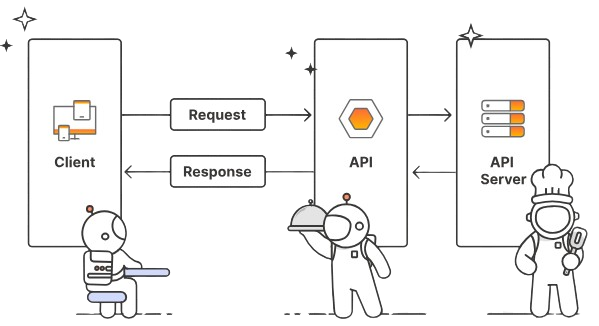
HTTP stands for HyperText Transfer Protocol. It is used for communication between web browsers and servers. It follows a request-response model. In Wipro interviews, HTTP basics are important. It is the foundation of web communication. Secure version is HTTPS. It enables data exchange. Overall, it is essential for web development.
37. What is HTTPS?
Ans:
HTTPS is the secure version of HTTP. It uses encryption to protect data. It ensures secure communication over the internet. In Wipro interviews, candidates should know its importance. It prevents data theft and attacks. SSL/TLS protocols are used. It is widely used in secure websites. Overall, it ensures safety.
38. What is API?
Ans:
An API (Application Programming Interface) allows communication between different software systems. It defines rules for interaction. APIs are widely used in web development. In Wipro interviews, API questions are common. They enable integration between systems. REST APIs are popular. Overall, APIs are essential..
39. What is debugging?
Ans:
Debugging is the process of finding and fixing errors in code. It ensures correct program execution. Developers use tools for debugging. In Wipro interviews, candidates should understand debugging. It improves code quality. It reduces system errors. Overall, it is an essential skill.
40. What is testing?
Ans:
Testing is the process of verifying that software works correctly. It ensures quality and reliability. Types include unit testing and integration testing. In Wipro interviews, testing concepts may be asked. It helps identify bugs early. It improves user experience. Overall, testing is important.
41.What is software development lifecycle (SDLC)?
Ans:
The Software Development Lifecycle (SDLC) is a structured process used to develop software applications. It includes phases such as planning, analysis, design, development, testing, deployment, and maintenance. Each phase has a specific purpose and helps ensure quality output. SDLC improves efficiency and reduces risks in development. In Wipro interviews, candidates are often asked about SDLC models. Common models include Waterfall, Agile, and Spiral. Proper implementation ensures timely delivery. Overall, SDLC is essential for systematic software development.
42. What is version control?
Ans:
Version control is a system that tracks changes in code. It allows collaboration among developers. Git is a popular version control system. In Wipro interviews, this is a common topic. It helps manage project history. It supports teamwork. Overall, it is essential in development
43. What is Agile methodology?
Ans:
Agile methodology is a flexible and iterative approach to software development. It focuses on delivering small increments of working software. Teams collaborate closely and adapt to changes quickly. Agile promotes continuous feedback and improvement. In Wipro interviews, Agile concepts are commonly discussed.
44.What is Scrum in Agile?
Ans:
Scrum is a framework used in Agile for managing projects. It divides work into small cycles called sprints. Each sprint typically lasts 2–4 weeks. Scrum involves roles like Scrum Master, Product Owner, and team members. Daily meetings called stand-ups are conducted. In Wipro interviews, Scrum basics are important.
45.What is a bug in software development?
Ans:
A bug is an error or flaw in a software program. It causes incorrect or unexpected results. Bugs can occur due to coding mistakes or design issues. Identifying and fixing bugs is crucial. In Wipro interviews, candidates may be asked about debugging. Bugs are reported and tracked using tools.
46. What is unit testing??
Ans:
X++ Unit testing is a method of testing individual components of software. Each unit is tested separately to ensure correctness. It helps identify issues early in development. Tools like JUnit are used for unit testing. In Wipro interviews, testing concepts are important. It improves code reliability. Developers write test cases for functions. Overall, unit testing ensures quality. .
47. What is integration testing?
Ans:
Integration testing checks how different modules work together. It ensures that combined components function correctly. It is performed after unit testing. In Wipro interviews, candidates should know testing types. It identifies issues in module interaction. Proper integration ensures smooth functionality. It improves system reliability. Overall, it is an important testing phase.
47. What is system testing?
Ans:
System testing evaluates the complete software system. It ensures that all requirements are met. It is performed after integration testing. In Wipro interviews, testing knowledge is important. It checks overall functionality and performance. It simulates real-world scenarios. System testing ensures product readiness. Overall, it validates the entire system.
48. What is acceptance testing?
Ans:
Create a connection
Acceptance testing verifies if the software meets user requirements. It is usually performed by clients or end users. It ensures the system is ready for deployment. In Wipro interviews, candidates may be asked about testing levels. It confirms business needs are satisfied. It is the final testing phase. Acceptance testing ensures user satisfaction. Overall, it validates usability.
49. What is a compiler?
Ans:
A compiler is a program that converts source code into machine code. It checks syntax and errors before execution. It translates the entire program at once. In Wipro interviews, compiler basics are asked. It improves execution speed. Languages like C use compilers. It helps in code optimization. Overall, it is essential in programming.
50. What is an interpreter?
Ans:
An interpreter executes code line by line. It converts high-level code into machine code during execution. It is slower than a compiler. In Wipro interviews, differences between compiler and interpreter are common. Languages like Python use interpreters. It is useful for debugging. It provides immediate results. Overall, it is important in programming.
51. What is exception handling?
Ans:
Exception handling is a mechanism to handle runtime errors in programs. It prevents program crashes. It uses try, catch, and finally blocks. In Wipro interviews, exception handling is important. It ensures smooth execution. It improves reliability. Proper handling avoids system failures. Overall, it enhances program stability.
52. What is multithreading?
Ans:
Multithreading is the execution of multiple threads simultaneously. It improves application performance. Threads share resources within a process. In Wipro interviews, threading concepts are important. It enables parallel processing. It reduces execution time. It is widely used in modern applications. Overall, it enhances efficiency.
53. What is synchronization?
Ans:
Synchronization controls access to shared resources in multithreading. It prevents conflicts and data inconsistency. It ensures that only one thread accesses a resource at a time. In Wipro interviews, this concept is important. It avoids race conditions. Proper synchronization improves reliability. It ensures correct execution. Overall, it is essential in concurrent programming.
54. What is deadlock?
Ans:
Deadlock occurs when two or more processes wait indefinitely for resources. Each process holds a resource and waits for another. It causes system freeze. In Wipro interviews, OS concepts like deadlock are common. It can be prevented using proper resource allocation. Deadlock detection and avoidance are important. It affects performance. Overall, it is a critical issue.
55. What is paging in OS?
Ans:
Paging is a memory management technique. It divides memory into fixed-size pages. It eliminates fragmentation issues. In Wipro interviews, OS topics are important. It improves memory utilization. Pages are mapped to frames. It simplifies memory allocation. Overall, it enhances system performance.
56. What is scheduling in OS?
Ans:
Scheduling is the process of selecting which process executes next. It ensures efficient CPU usage. Types include FCFS, Round Robin, and Priority scheduling. In Wipro interviews, scheduling concepts are common. It improves system performance. It manages process execution. Proper scheduling reduces waiting time. Overall, it is essential in OS.
57. What is a firewall?
Ans:
A firewall is a security system that monitors network traffic. It prevents unauthorized access. It acts as a barrier between networks. In Wipro interviews, security basics are asked. Firewalls protect systems from attacks. They filter incoming and outgoing traffic. It enhances network security. Overall, it is essential.
58. What is encryption?
Ans:
Encryption is the process of converting data into a secure format. It protects sensitive information. Only authorized users can access data. In Wipro interviews, security concepts are important. Encryption prevents data breaches. It is used in HTTPS and secure systems. It ensures confidentiality. Overall, it is crucial.
59.What is authentication?
Ans:
Authentication verifies the identity of a user. It ensures only authorized access. Methods include passwords and biometrics. In Wipro interviews, authentication is important. It protects systems from unauthorized access. It is used in login systems. It enhances security. Overall, it is essential.
60. What is authorization?
Ans:
Authorization determines user permissions. It defines what a user can access. It works after authentication. In Wipro interviews, this concept is common. It ensures proper access control. It prevents misuse of resources. It enhances system security. Overall, it is important.
61.What is machine learning?
Ans:
Machine learning is a subset of artificial intelligence. It allows systems to learn from data. It improves performance without explicit programming. In Wipro interviews, basic ML knowledge may be asked. It is used in predictions and automation. It handles large datasets. It is widely used today. Overall, it is an emerging technology.
62. What is artificial intelligence?
Ans:
Artificial Intelligence (AI) is the simulation of human intelligence in machines. It enables systems to think and learn. AI is used in automation and decision-making. In Wipro interviews, AI basics may be asked. It includes machine learning and deep learning. AI improves efficiency. It is widely used in industries. Overall, it is important.
63. What is Big Data?
Ans:
Big Data refers to large volumes of data. It cannot be processed using traditional methods. It requires advanced tools and technologies. In Wipro interviews, Big Data basics are asked. It is used in analytics and decision-making. It handles structured and unstructured data. It improves business insights. Overall, it is important.
64. What is data analytics?
Ans:
Data analytics involves analyzing data to extract insights. It helps in decision-making. It uses statistical and computational methods. In Wipro interviews, analytics basics may be asked. It improves business performance. It identifies trends and patterns. It is widely used in industries. Overall, it is essential.
65. What is DevOps?
Ans:
DevOps is a practice that combines development and operations. It improves collaboration between teams. It focuses on automation and continuous delivery. In Wipro interviews, DevOps concepts are important. It speeds up development cycles. It ensures faster deployment. It improves efficiency. Overall, it is widely used.
66. What is CI/CD?
Ans:
CI/CD stands for Continuous Integration and Continuous Deployment. It automates the software delivery process. CI ensures code integration frequently. CD ensures automatic deployment. In Wipro interviews, this is important. It improves development speed. It reduces errors. Overall, it enhances efficiency.
67. What is Docker?
Ans:
Docker is a containerization platform. It allows applications to run in isolated environments. It ensures consistency across systems. In Wipro interviews, Docker basics are asked. It simplifies deployment. It improves scalability. It is widely used in DevOps. Overall, it is important.
68. What is Kubernetes?
Ans:
Kubernetes is a container orchestration tool. It manages containerized applications. It automates deployment and scaling. In Wipro interviews, basics may be asked. It improves resource management. It ensures high availability. It is widely used. Overall, it is essential.
69. What is microservices architecture?
Ans:
Microservices architecture divides applications into small services. Each service performs a specific function. It improves scalability and flexibility. In Wipro interviews, this concept is important. It allows independent deployment. It enhances maintainability. It is widely used. Overall, it is modern architecture.
70.What is monolithic architecture?
Ans:
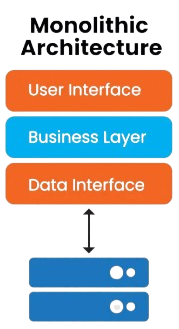
Monolithic architecture is a traditional approach where all components are combined into a single system. It is simple to develop initially. However, it is difficult to scale. In Wipro interviews, differences are asked. It has tight coupling. Maintenance becomes complex. Overall, it is less flexible.
71.What is software security?
Ans:
- Software security refers to protecting applications from threats and vulnerabilities.It ensures that data and systems remain safe from unauthorized access
- Security practices are applied during development and deployment stages. Common threats include malware, hacking, and data breaches.
- In Wipro interviews, basic security knowledge is important.Developers must follow secure coding practices.
72. What is Cross-Site Request Forgery (CSRF)?
Ans:
- CSRF is a type of web attack where unauthorized actions are performed. It tricks users into executing unwanted actions on a web application.
- Attackers exploit authenticated sessions of users.Sensitive operations like transactions can be affected.
- In Wipro interviews, security threats are often discussed.CSRF tokens are used to prevent such attacks.
73. What is session management?
Ans:
- Session management handles user interactions with applications. It maintains user state across multiple requests.
- Sessions are created after successful authentication.Session IDs are used to track users. In Wipro interviews, this concept is important.
- Secure session handling prevents unauthorized access.Sessions can expire after inactivity.Cookies are often used to store session data.
74. What is load balancing?
Ans:
- Load balancing distributes traffic across multiple servers.It ensures no single server is overloaded.It improves system performance and availability.
- Load balancers can be hardware or software-based.In Wipro interviews, scalability concepts are asked.It supports high-traffic applications.
- Failure of one server does not affect the system.It enhances reliability and fault tolerance.It is widely used in cloud environments.
75. What is scalability?
Ans:
- >
- Scalability refers to the ability of a system to handle growth.It allows applications to manage increased workload efficiently.
- There are two types: vertical and horizontal scaling.Vertical scaling increases system capacity.Horizontal scaling adds more machines.
- In Wipro interviews, scalability is a key topic.It ensures long-term system performance.Cloud platforms support easy scalability.
76. What is fault tolerance?
Ans:
- Fault tolerance is the ability of a system to continue working. It ensures operation even when failures occur.Redundancy is used to achieve fault tolerance.
- Backup systems take over during failures.In Wipro interviews, reliability topics are important. It minimizes downtime and data loss.
- Critical systems rely on fault tolerance.It improves system stability.Testing helps ensure fault tolerance mechanisms.
77. What is caching?
Ans:
- Caching stores frequently accessed data temporarily. It reduces the time required to fetch data.Caches improve application performance.
- Examples include browser cache and server cache.In Wipro interviews, performance optimization is discussed.
- It reduces load on servers.Caching improves user experience.It is widely used in web applications.Proper cache management is important.
78. What is content delivery network (CDN)?
Ans:
- A CDN is a network of distributed servers.It delivers content based on user location.It reduces latency and improves performance.
- CDNs store cached versions of content. In Wipro interviews, web performance topics are asked. It improves website loading speed.
- It handles high traffic efficiently.CDNs enhance user experience globally. They also provide security features.
- API testing verifies the functionality of APIs. It ensures correct data exchange between systems.It checks response time and accuracy.
- Tools like Postman are used for testing.In Wipro interviews, testing concepts are important.It identifies issues in backend services.
- API testing improves system reliability.It supports automation testing. It ensures smooth integration.Overall, it is crucial for application quality.
- Regression testing ensures new changes do not break existing features.It is performed after updates or bug fixes.
- It maintains system stability.Automated tools are often used.In Wipro interviews, testing types are important. It helps detect unexpected issues.
- It ensures continuous quality.It saves time in long-term development. Regression testing is essential in Agile.
- Smoke testing checks basic functionality of software. It ensures that the main features work properly.It is performed before detailed testing.
- It helps identify major issues early.In Wipro interviews, testing basics are asked.It saves time by avoiding unnecessary tests.
- Smoke tests are quick and simple.They ensure system stability.It acts as a preliminary check.Overall, it is important in testing.
- Sanity testing verifies specific functionality after changes.It ensures that bugs are fixed properly. It is focused and limited in scope.
- It is performed after regression testing. In Wipro interviews, testing knowledge is important.It saves time by testing only relevant areas.
- It ensures correct implementation.Sanity testing improves efficiency.It is faster than full testing.Overall, it ensures stability after changes.
- Black-box testing tests functionality without internal knowledge.Testers focus on inputs and outputs. It does not require coding knowledge.
- It ensures system meets requirements.In Wipro interviews, testing types are common.It identifies functional errors.
- User perspective is considered.It is widely used in testing.It improves software quality.Overall, it ensures correct functionality.
- White-box testing examines internal code structure.It requires knowledge of programming.It tests logic and code paths.
- Developers usually perform this testing.In Wipro interviews, technical testing is important.It helps identify hidden errors.
- It improves code quality.It ensures proper implementation. It complements black-box testing.Overall, it enhances reliability.
- Grey-box testing combines black-box and white-box testing. Testers have partial knowledge of internal structure.
- It focuses on both functionality and logic. It improves test coverage. In Wipro interviews, advanced testing concepts may be asked.
- It helps identify complex issues.It ensures better validation.It is used in integration testing.It balances both approaches.
- Usability testing evaluates user experience.It checks how easy the application is to use.Users interact with the system during testing.
- Feedback is collected for improvements.In Wipro interviews, UX concepts may be asked.It improves user satisfaction.
- It identifies usability issues. It enhances design quality.It ensures better interaction.
- Performance testing evaluates system speed and responsiveness.It checks how the system behaves under load. It includes stress and load testing.
- It identifies performance bottlenecks. In Wipro interviews, this concept is important. It ensures system reliability.
- It improves scalability.Tools like JMeter are used.It enhances user experience.Overall, it ensures optimal performance.
- Load testing checks system behavior under expected load. It simulates multiple users accessing the system. It identifies performance issues.
- It ensures system stability. In Wipro interviews, testing concepts are asked. It helps in capacity planning.
- It improves system performance. It prevents crashes. It ensures reliability. Overall, it is essential.
- Stress testing evaluates system under extreme conditions.It pushes the system beyond limits.It identifies breaking points.
- It ensures system recovery.In Wipro interviews, advanced testing is important.It improves system robustness.
- It prevents failures. It tests system stability. It ensures reliability under pressure.Overall, it is critical.
- Penetration testing checks system security. It simulates cyber attacks. It identifies vulnerabilities.
- It helps improve security. In Wipro interviews, security testing is important. It prevents data breaches.
- Experts perform penetration testing.It ensures system safety.It strengthens defenses. Overall, it is essential.
- Software maintenance involves updating and improving software.It includes bug fixes and enhancements.It ensures long-term usability.
- Maintenance improves performance.In Wipro interviews, SDLC concepts are important.It keeps systems up to date.
- It adapts to new requirement.It ensures system reliability.It extends software life.Overall, it is essential.
- Technical debt refers to shortcuts taken in development.It leads to future problems.It reduces code quality.
- It requires rework later.In Wipro interviews, this concept is important. Managing technical debt is necessary.
- It affects maintainability. It increases development cost. Proper planning reduces it.Overall, it impacts projects.
- Code review is the process of checking code quality.Developers review each other’s code. It identifies errors and improvements.
- It ensures coding standards.In Wipro interviews, collaboration practices are asked.It improves code quality.
- It enhances team knowledge. It reduces bugs.It ensures maintainability.Overall, it is important.
- Pair programming involves two developers working together. One writes code while the other reviews.It improves code quality.
- It enhances collaboration.In Wipro interviews, Agile practices are asked.It reduces errors.It improves learning.
- It ensures better design.It increases productivity.Overall, it is effective.
- Continuous testing involves testing throughout development. It ensures quality at every stage.It supports CI/CD pipelines.
- It detects issues early.In Wipro interviews, DevOps practices are important.It improves efficiency.
- It reduces risks.It ensures faster delivery.It enhances quality.Overall, it is essential.
- Release management handles software deployment. It ensures smooth release of applications. It involves planning and scheduling.
- It reduces risks during deployment.In Wipro interviews, process knowledge is important.It ensures quality delivery.
- It coordinates teams.It manages versions.It improves reliability.Overall, it is important.
- Incident management handles system issues.It ensures quick resolution.It minimizes downtime.It improves service quality.
- In Wipro interviews, IT service concepts are asked.It involves tracking incidents.
- It ensures system reliability.It improves user satisfaction.It is part of ITIL practices.Overall, it is important.
- ITIL is a framework for IT service management.It provides best practices for IT services. It improves service delivery.
- It ensures efficient processes.In Wipro interviews, ITIL basics may be asked.It enhances customer satisfaction.
- It standardizes workflows. It improves performance. It is widely used in IT industry.Overall, it is important.
- Digital transformation is the use of technology to improve business processes.It involves adopting modern tools and systems.
- It enhances efficiency and productivity.It improves customer experience.In Wipro interviews, business concepts may be asked.
- It includes cloud, AI, and automation.It drives innovation.It helps organizations stay competitive.It transforms traditional operations.
79. What is API testing?
Ans:
80. What is regression testing?
Ans:
81.What is smoke testing?
Ans:
82. What is sanity testing?
Ans:
83. What is black-box testing?
Ans:
84. What is white-box testing?
Ans:
85. What is grey-box testing?
Ans:
86. What is usability testing?
Ans:
87. What is performance testing?
Ans:
88. What is load testing?
Ans:
89. What is stress testing?
Ans:
90. What is penetration testing?
Ans:
91.What is software maintenance?
Ans:
92.What is technical debt?
Ans:
93.What is code review?
Ans:
94.What is pair programming?
Ans:
95. What is continuous testing?
Ans:
96.What is release management?
Ans:
97.What is configuration management?
Configuration management tracks system settings. It ensures consistency across environments. It manages changes effectively.It uses tools like Ansible.In Wipro interviews, DevOps concepts are asked.It improves system stability. It reduces errors. It ensures proper configuration. It supports automation. Overall, it is essential.
98.What is incident management?
Ans:
99.What is ITIL?
Ans:
100.What is digital transformation?
Ans: