LMS
Last updated on 07th Sep 2026| 6871

Microsoft Generative AI Interview Questions And Answers Are Designed To Help Candidates Prepare For Technical Interviews Related To Artificial Intelligence, Machine Learning, Large Language Models, And Cloud-Based AI Solutions. Microsoft Uses Generative AI Technologies Across Products And Services Such As Azure AI, Microsoft Copilot, Azure OpenAI Service, And Intelligent Enterprise Applications. Interview Questions May Cover Generative AI Fundamentals, Prompt Engineering, Large Language Models, Retrieval-Augmented Generation, Embeddings, Vector Databases, AI Agents, Model Fine-Tuning, And Responsible AI. Candidates May Also Be Asked About Azure AI Services, Model Deployment, Security, Scalability, And Monitoring Of Generative AI Applications. This Collection Provides Practical Questions And Clear Answers To Help Freshers And Experienced Professionals Understand Important Concepts And Prepare Confidently For Microsoft Generative AI Interviews.
1. What Is Generative AI?
Ans:
Generative AI Is A Branch Of Artificial Intelligence That Creates New Content Based On Patterns Learned From Existing Data. It Can Generate Text, Images, Audio, Video, Code, And Other Types Of Digital Content. Generative AI Models Learn Relationships And Representations From Large Training Datasets. Large Language Models Are Commonly Used For Generating And Understanding Human Language. These Models Can Support Tasks Such As Question Answering, Summarization, Translation, And Code Generation. Generative AI Helps Organizations Automate Content Creation And Build Intelligent Applications.
2. What Is Microsoft Azure OpenAI Service?
Ans:
- Microsoft Azure OpenAI Service Provides Access To Advanced Generative AI Models Through The Azure Cloud Platform.
- It Allows Organizations To Integrate Language And Generative AI Capabilities Into Applications. The Service Supports Use Cases Such As Content Generation, Summarization, Conversational AI, And Code Assistance.
- It Provides Azure-Based Security, Identity, Networking, Monitoring, And Enterprise Management Capabilities.
3. What Is A Large Language Model?
Ans:
A Large Language Model Is An AI Model Trained On Large Amounts Of Text Data To Understand And Generate Natural Language. It Learns Patterns Between Words, Sentences, Concepts, And Other Language Structures During Training. The Model Uses These Learned Patterns To Predict Appropriate Tokens For A Given Input. LLMs Can Perform Tasks Such As Question Answering, Summarization, Translation, And Text Generation. Modern LLMs Commonly Use Transformer-Based Neural Network Architectures. They Form The Foundation Of Many Modern Generative AI Applications And Intelligent Assistants.
4. What Is A Transformer Model?
Ans:
A Transformer Is A Neural Network Architecture Designed To Process Sequential Data Efficiently. It Uses Attention Mechanisms To Identify Relationships Between Different Parts Of An Input Sequence. Transformers Can Process Multiple Tokens In Parallel During Training, Improving Computational Efficiency. The Architecture Commonly Contains Encoder, Decoder, Or Decoder-Only Components Depending On The Model Design. Large Language Models Such As GPT-Based Models Use Transformer-Based Architectures. Transformers Have Become A Fundamental Technology For Modern Natural Language Processing And Generative AI.
5. What Is Attention In Generative AI?
Ans:
Attention Is A Mechanism That Allows An AI Model To Determine Which Parts Of The Input Are Important For Producing An Output. It Calculates Relationships Between Tokens And Assigns Different Importance To Them. This Helps Models Understand Context Across Long Sequences Of Text. Self-Attention Allows Tokens Within The Same Sequence To Interact With Each Other. Attention Improves The Model’s Ability To Understand Context, Relationships, And Language Dependencies. It Is One Of The Most Important Components Behind Transformer-Based Generative AI Models.
6. What Is Self-Attention?
Ans:
- Self-Attention Is An Attention Mechanism Where Each Token In An Input Sequence Can Relate To Other Tokens In The Same Sequence. It Helps The Model Understand Which Words Or Tokens Are Relevant To The Current Context.
- Self-Attention Uses Query, Key, And Value Representations To Calculate Attention Scores. The Scores Determine How Much Information From Other Tokens Should Influence Each Token.
- This Mechanism Helps Handle Long-Range Relationships Within Text. Self-Attention Is A Core Component Of Transformer-Based Generative AI Models.
7. What Are Tokens In Large Language Models?
Ans:
Tokens Are The Basic Units Of Text Processed By A Language Model. A Token Can Represent A Complete Word, Part Of A Word, A Number, Or A Punctuation Character. The Input Text Is Converted Into Tokens Before Being Processed By The Model. Each Token Is Generally Mapped To A Numerical Identifier Used By The Neural Network. Tokenization Helps Models Process Different Words And Text Patterns In A Structured Form. Token Limits Also Influence How Much Context A Model Can Process In A Single Request.
8. What Is Tokenization?
Ans:
Tokenization Is The Process Of Dividing Text Into Smaller Units Called Tokens Before Feeding The Text Into An AI Model. Depending On The Tokenizer, A Token May Represent A Word, Subword, Character, Number, Or Symbol. The Tokenizer Converts Text Into Numerical Token IDs That The Model Can Process. Subword Tokenization Helps Handle Rare Words And Previously Unseen Word Variations. Tokenization Also Determines How Much Text Can Fit Within A Model’s Context Window. Efficient Tokenization Is Important For Performance, Cost, And Context Management..
9. What Is Prompt Engineering?
Ans:
Prompt Engineering Is The Practice Of Designing Effective Instructions For Generative AI Models. A Good Prompt Clearly Defines The Task, Context, Expected Output, And Relevant Constraints. Prompt Engineering Can Improve The Accuracy, Relevance, And Consistency Of Model Responses. Techniques Include Role Instructions, Few-Shot Examples, Structured Inputs, And Output Formatting. Prompts Can Also Include Additional Context Retrieved From External Knowledge Sources. Effective Prompt Engineering Is Important For Building Reliable Generative AI Applications.
10. What Is Zero-Shot Prompting?
Ans:
Zero-Shot Prompting Means Asking A Generative AI Model To Perform A Task Without Providing Examples Of The Expected Output. The Model Uses Its Existing Training And The Instructions In The Prompt To Generate A Response. For Example, A Prompt Can Ask The Model To Classify A Customer Review Without Showing Previous Examples. Clear Instructions Are Important Because No Demonstration Examples Are Provided. Zero-Shot Prompting Is Simple And Useful For Many General-Purpose Tasks. Its Performance Depends On The Model’s Existing Capabilities And The Quality Of The Prompt.
11. What Is Few-Shot Prompting?
Ans:
Few-Shot Prompting Provides A Small Number Of Examples Along With The Task Instructions. The Examples Show The Model How Inputs Should Be Interpreted And How Outputs Should Be Structured. This Can Help The Model Adapt To Specific Tasks Without Changing Its Model Parameters. Few-Shot Prompting Is Useful For Classification, Formatting, Extraction, And Domain-Specific Responses. The Examples Should Be Relevant, Consistent, And Representative Of The Desired Behavior. It Can Improve Performance When Zero-Shot Instructions Alone Are Not Sufficient.
12. What Is Fine-Tuning In Generative AI?
Ans:
Fine-Tuning Is The Process Of Further Training A Pretrained AI Model On A Specialized Dataset. It Adjusts Some Or All Model Parameters To Improve Performance For A Specific Task Or Domain. Fine-Tuning Can Help A Model Learn Specialized Terminology, Response Patterns, Or Classification Behavior. It Requires Suitable Training Data, Computational Resources, Evaluation Methods, And Careful Configuration. Fine-Tuning Is Different From Prompt Engineering Because The Model Parameters Are Updated During Training. It Can Be Useful When Prompting And Retrieval Alone Do Not Provide The Required Performance.
13. What Is Retrieval-Augmented Generation?
Ans:
Retrieval-Augmented Generation, Commonly Called RAG, Combines Information Retrieval With Generative AI. The System First Retrieves Relevant Information From External Data Sources Based On The User’s Query. The Retrieved Information Is Then Provided As Context To The Generative AI Model. The Model Uses This Context To Generate A More Relevant And Grounded Response. RAG Can Help Applications Work With Private, Current, Or Domain-Specific Information. It Is Widely Used For Enterprise Search, Knowledge Assistants, Document Question Answering, And Support Systems..
14. What Is The Difference Between RAG And Fine-Tuning?
Ans:
| Aspect | RAG | Fine-Tuning |
|---|---|---|
| Purpose | Retrieves Relevant Information From External Data Sources To Generate Answers. | Trains The Model Further To Learn Specific Patterns, Tasks, Or Domain-Specific Behavior. |
| Data Handling | Uses External Documents, Databases, Or Knowledge Bases At Query Time. | Uses A Prepared Training Dataset To Modify The Model’s Learned Parameters. |
| Knowledge Update | Knowledge Can Be Updated Easily By Updating The Connected Data Source. | New Knowledge Usually Requires Additional Training Or Fine-Tuning. |
| Best Use | Suitable For Up-To-Date, Factual, And Organization-Specific Information Retrieval. | Suitable For Specialized Behavior, Consistent Formatting, And Domain-Specific Task Performance. |
15. What Is Embedding In Generative AI?
Ans:
- An Embedding Is A Numerical Representation Of Data Such As Text That Captures Semantic Relationships. Similar Texts Generally Produce Vectors That Are Closer Together In The Embedding Space.
- Embeddings Are Commonly Used For Semantic Search, Document Retrieval, Recommendations, And RAG Systems. Text Documents Can Be Converted Into Embeddings And Stored In A Vector Database.
- A User Query Can Also Be Converted Into An Embedding To Find Similar Documents. Embeddings Help Generative AI Applications Retrieve Relevant Information Based On Meaning Rather Than Exact Keywords.
16. What Is A Vector Database?
Ans:
- A Vector Database Is A Database Designed To Store And Search High-Dimensional Vector Representations. These Vectors Can Represent Text, Images, Audio, Or Other Data Generated By Embedding Models.
- Vector Databases Support Similarity Search To Identify Items That Are Semantically Related. They Are Commonly Used In RAG Applications For Finding Relevant Documents And Context.
- Similarity Can Be Calculated Using Methods Such As Cosine Similarity Or Euclidean Distance. Vector Databases Help Generative AI Applications Retrieve Relevant Information Efficiently At Scale.
17. What Is Semantic Search?
Ans:
Semantic Search Finds Information Based On The Meaning And Context Of A Query Rather Than Only Matching Keywords. It Commonly Uses Embedding Models To Represent Queries And Documents As Vectors. The System Compares Their Vector Representations To Identify Semantically Similar Content. This Allows Different Words With Similar Meanings To Produce Relevant Search Results. Semantic Search Is Useful For Knowledge Bases, Enterprise Search, And RAG Applications. It Can Improve Retrieval Quality When Users Express Questions Using Different Terminology.
18. Write A Python Program To Convert Text Into Lowercase.
Ans:
This Program Converts All Characters In A String To Lowercase. The lower() Method Helps Standardize Text Data Before Processing. Text Normalization Is An Important Step In Natural Language Processing
- text = “MICROSOFT GENERATIVE AI”
- result = text.lower()
- print(result)
19. What Is Grounding In Generative AI?
Ans:
Grounding Means Connecting A Generative AI Response To Reliable And Relevant External Information. The External Information Can Come From Documents, Databases, Search Systems, APIs, Or Enterprise Knowledge Bases. Grounding Helps Reduce Unsupported Responses And Improves The Factual Relevance Of Generated Content. RAG Is One Common Technique Used To Ground Generative AI Applications. Source Attribution Can Also Help Users Understand Where Supporting Information Came From. Grounded Generation Is Important When Accuracy And Traceability Are Critical.
20. What Is Context Window?
Ans:
A Context Window Defines The Amount Of Input And Output Information A Generative AI Model Can Process Within A Request. It Is Usually Measured In Tokens Rather Than Simple Characters Or Words. The Context Can Include User Prompts, Conversation History, Retrieved Documents, And Generated Content. A Larger Context Window Allows Applications To Provide More Information To The Model. However, Larger Contexts Can Increase Processing Requirements And Potential Costs. Effective Context Management Is Important For Building Efficient And Reliable AI Applications.
21. What Is Temperature In Generative AI?
Ans:
Temperature Is A Generation Parameter That Controls The Randomness Of Model Output. A Lower Temperature Generally Produces More Predictable And Focused Responses. A Higher Temperature Allows More Variation And Can Produce More Creative Responses. The Appropriate Setting Depends On The Application And Desired Output Characteristics. Structured Tasks Such As Data Extraction Often Benefit From Lower Randomness. Creative Tasks Such As Brainstorming Can Sometimes Benefit From Higher Randomness.
22. What Is Top-P Sampling?
Ans:
Top-P Sampling Is A Generation Technique That Limits Token Selection To A Probability-Based Set Of Candidate Tokens. The Model Selects Tokens From The Smallest Set Whose Combined Probability Reaches A Specified Threshold. A Lower Top-P Value Generally Restricts The Selection To More Probable Tokens. A Higher Top-P Value Allows A Wider Range Of Candidate Tokens During Generation. This Parameter Can Influence The Diversity And Randomness Of Generated Responses. Top-P Is Commonly Used Along With Other Generation Parameters To Control Model Output.
23. What Is Top-K Sampling?
Ans:
Top-K Sampling Is A Text Generation Technique That Restricts The Model To The K Most Probable Next Tokens. The Model Selects The Next Token From This Limited Set Instead Of Considering Every Possible Token. A Smaller K Value Generally Produces More Focused And Predictable Responses. A Larger K Value Allows More Candidate Tokens And Can Increase Output Diversity. Top-K Sampling Can Be Used To Control The Creativity And Randomness Of Generated Content. It Is Commonly Used Along With Other Generation Techniques In Generative AI Systems.
24. What Is A Foundation Model?
Ans:
- A Foundation Model Is A Large AI Model Trained On Broad And Diverse Datasets For General-Purpose Tasks. It Can Be Adapted To Perform Different Applications Through Prompting, Fine-Tuning, Or Retrieval Techniques.
- Foundation Models Can Support Tasks Such As Text Generation, Classification, Summarization, Translation, And Content Creation. Large Language Models Are An Important Category Of Foundation Models.
- Organizations Can Build Multiple AI Applications On Top Of A Single Foundation Model. Foundation Models Provide A Flexible Base For Developing Generative AI Solutions.
25. What Is Microsoft Copilot?
Ans:
- Microsoft Copilot Is A Family Of AI-Powered Assistants Designed To Help Users Perform Tasks Using Natural Language. It Can Support Activities Such As Content Creation, Summarization, Information Retrieval, Coding, And Productivity Workflows.
- Different Copilot Experiences Are Integrated Across Microsoft Products And Services. Generative AI Models Help Copilot Understand User Requests And Generate Relevant Responses.
- Copilot Can Improve Productivity By Automating Repetitive And Knowledge-Based Activities. Enterprise Copilot Solutions Can Also Incorporate Organizational Data With Appropriate Security Controls.
26. What Is GitHub Copilot?
Ans:
GitHub Copilot Is An AI-Powered Coding Assistant Designed To Help Developers Write And Understand Software Code. It Can Generate Code Suggestions Based On Comments, Existing Code, And Developer Instructions. It Can Assist With Code Completion, Documentation, Refactoring, And Other Development Activities. Developers Can Review And Modify Generated Suggestions Before Including Them In Applications. GitHub Copilot Can Improve Developer Productivity While Still Requiring Appropriate Code Review. It Is Particularly Useful For Accelerating Common Programming And Software Development Tasks.
27. What Is Microsoft Copilot Studio?
Ans:
Microsoft Copilot Studio Is A Platform For Building And Customizing AI Agents And Copilots. It Allows Organizations To Create Conversational Experiences Using Natural Language And Configurable Workflows. Copilots Can Connect With Business Data, APIs, Knowledge Sources, And Other services. The Platform Supports Custom Topics, Actions, Authentication, And Integration Capabilities. Organizations Can Use It To Automate Customer Service, Employee Support, And Business Processes. Copilot Studio Helps Extend Generative AI Beyond General-Purpose Conversations.
28. What Is Azure AI Foundry?
Ans:
Azure AI Foundry Is A Microsoft Platform For Developing, Evaluating, Deploying, And Managing AI Applications And Agents. It Provides Capabilities For Working With Models, AI Tools, Data, Evaluation, And application development workflows. Developers Can Use It To Build Generative AI Applications Across Different Business Scenarios. The Platform Supports Model Selection, Prompt Development, Evaluation, Monitoring, And Deployment. It Helps Teams Manage AI Development Through A More Structured Enterprise Environment. Azure AI Foundry Supports The Development Of Scalable And Production-Ready AI Solutions..
29. What Is Prompt Injection?
Ans:
Prompt Injection Is An Attack Or Manipulation Technique Where Untrusted Instructions Attempt To Influence A Generative AI System’s Behavior. The Malicious Or Unexpected Instructions Can Be Included In User Input, Retrieved Documents, Web Pages, Or Other External Content. Prompt Injection Can Cause A System To Ignore Intended Instructions Or Reveal Information It Should Not Provide. Strong Input Handling, Access Controls, Content Isolation, And Output Validation Can Reduce Related Risks. Sensitive Operations Should Require Explicit Authorization Rather Than Relying Only On Model Instructions. Prompt Injection Defense Is An Important Part Of Secure Generative AI Application Design.
30. What Is Responsible AI?
Ans:
Responsible AI Refers To Designing And Using Artificial Intelligence In A Safe, Fair, Transparent, Reliable, And Accountable Manner. It Considers Potential Risks Such As Bias, Privacy Problems, Security Threats, And Incorrect Outputs. Organizations Can Establish Policies And Controls For Responsible AI Development And Deployment. Testing And Monitoring Help Identify Harmful Or Unexpected Model Behavior. Human Oversight Is Important For Applications Where AI Decisions Can Have Significant Consequences. Responsible AI Helps Organizations Build Trustworthy And Sustainable AI Systems.
31. What Is AI Bias?
Ans:
AI Bias Occurs When An AI System Produces Systematically Unfair Or Unbalanced Results For Certain Groups Or Situations. Bias Can Enter Through Training Data, Data Collection, Model Design, Evaluation Methods, Or Application Workflows. Generative AI Models Can Reflect Patterns Or biases Present In Their Training Data. Organizations Can Evaluate Models Using Representative Datasets And Appropriate Fairness Tests. Human Review And Continuous Monitoring Can Help Detect And Address Problematic Outputs. Reducing Bias Is Important For Building Fair And Responsible AI Applications.
32. What Is AI Safety?
Ans:
- AI Safety Involves Designing AI Systems To Reduce The Risk Of Harmful, Unintended, Or Unsafe Behavior. It Includes Measures For Content Safety, Security, Reliability, Privacy, Access Control, And Human Oversight.
- Generative AI Systems Require Safety Mechanisms Because Models Can Produce Incorrect Or Inappropriate Content. Input Filtering, Output Moderation, Monitoring, And Evaluation Can Help Reduce Potential Risks.
- Applications Should Also Define Clear Policies For Sensitive Or High-Impact Use Cases. AI Safety Helps Organizations Deploy Generative AI In A Controlled And Responsible Manner.
33. What Is Content Moderation In Generative AI?
Ans:
Content Moderation Is The Process Of Detecting And Managing Harmful, Unsafe, Or Policy-Violating Content. It Can Be Applied To User Inputs, Retrieved Information, And AI-Generated Outputs. Moderation Systems May Identify Categories Such As Harassment, Violence, Sexual Content, Or Other harmful material. Organizations Can Combine Automated Detection With Application-Level Policies And Human Review. Moderation Requirements Depend On The Use Case, User Population, And Regulatory Environment. Effective Content Moderation Helps Make Generative AI Applications Safer And More Trustworth
34. What Is Azure AI Content Safety?
Ans:
Azure AI Content Safety Provides Capabilities For Detecting Potentially Harmful Content In AI Applications. It Can Help Analyze Text And Other supported inputs For Different Categories Of Unsafe Content. Developers Can Integrate Safety Checks Into Applications Before Or After Generative AI Processing. Configurable Thresholds And Application Policies Can Be Used Based On Specific Requirements. Content Safety Can Help Reduce Risks Associated With User-Generated And AI-Generated Content. It Is One Component Of A Broader Responsible AI And Application Security Strategy.
35. What Is Groundedness Evaluation?
Ans:
Groundedness Evaluation Measures Whether A Generated Response Is Supported By The Information Provided To The Model. It Is Particularly Important In RAG Systems Where Responses Should Be Based On Retrieved Sources. A Response Can Be Considered Poorly Grounded When It Contains Claims That Are Not Supported By The supplied context. Evaluation Helps Identify Hallucinations And Retrieval Or Generation Problems. Groundedness Can Be Measured Using Automated Evaluation Techniques And Human Review. It Helps Improve The Reliability Of Enterprise Generative AI Applications.
36. Write A Python Program To Count The Frequency Of A Character In A String.
Ans:
This Program Counts How Many Times A Specific Character Appears In A String. The count() Function Searches The Entire Text And Returns The Total Occurrences.
- text = “artificial intelligence”
- print(text.count(“i”))
37. What Is Chunking In RAG?
Ans:
Chunking Is The Process Of Dividing Large Documents Into Smaller Sections Before Creating Embeddings And Storing Them For Retrieval. Smaller Chunks Can Help The Retrieval System Identify More Relevant Pieces Of information. Chunk Size Should Be Selected Based On The Document Structure And Application Requirements. Overly Small Chunks May Lose Important Context, While Very Large Chunks May Reduce Retrieval Precision. Overlap Between Chunks Can Help Preserve Information Across Section Boundaries. Effective Chunking Can Improve The Quality And Efficiency Of RAG Applications.
38. What Is Hybrid Search?
Ans:
- Hybrid Search Combines Multiple Search Techniques To Improve Information Retrieval. A Common Approach Combines Traditional Keyword Search With Vector-Based Semantic Search.
- Keyword Search Can Identify Exact Terms While Semantic Search Can Capture Meaning And Related Concepts. The Results Can Be Combined And Ranked To Produce More Relevant Documents.
- Hybrid Search Is Useful When Queries Contain Both Specific Keywords And Natural-Language Meaning. It Can Improve Retrieval Quality In Enterprise Search And RAG Applications.
39. What Is Reranking In RAG?
Ans:
Reranking Is The Process Of Reordering Retrieved Documents According To Their Relevance To The User’s Query. An Initial Retrieval System May return multiple candidate documents using keyword Or vector search. A Reranker Then Evaluates These Candidates More Carefully And Assigns Relevance Scores. The Highest-Ranking Documents Can Be Provided To The Generative Model As Context. Reranking Can Improve Precision Without Requiring The Initial Search To Be Extremely Restrictive. It Is Especially Useful For Large Knowledge Bases With Many Similar Documents.
40. What Is Query Rewriting?
Ans:
Query Rewriting Is The Process Of Transforming A User’s Original Query Into A More Search-Friendly Or Contextually Complete Query. It Can Help Resolve Ambiguous Terms, Missing Context, Or Conversational References. A Generative AI Model Can Rewrite A Query Before Sending It To A Retrieval System. The Improved Query Can Produce More Relevant Documents From A Knowledge Base. Query Rewriting Is Useful In Multi-Turn Conversations Where Previous Messages Provide Important Context. It Can Improve Retrieval Quality Without Changing The Original User Experience.

41. What Is Multi-Modal Generative AI?
Ans:
Multi-Modal Generative AI Refers To AI Systems That Can Process Or Generate Multiple Types Of Data. These Modalities Can Include Text, Images, Audio, Video, And Other Structured Information. A Multi-Modal Model Can Understand Relationships Between Different Types Of Inputs. For Example, It Can Analyze An Image Along With A Natural-Language Question. Multi-Modal AI Enables Applications Such As Visual Question Answering, Document Analysis, And Content Creation. It Expands Generative AI Beyond Text-Only Applications.
42. What Is Multimodal AI In Microsoft Azure?
Ans:
Multimodal AI In Microsoft Azure Enables Applications To Work With Different Types Of Information Through AI Services And Models. Depending On The Model And Service, Inputs Can Include Text, Images, Audio, Or Other Data Types. Multimodal Capabilities Can Support Document Understanding, Image Analysis, Conversational Applications, And Intelligent Assistants. Developers Can Integrate These Capabilities Into Cloud-Based Applications Through APIs And AI Development Tools. Appropriate Model Selection Depends On The Required Input And Output Modalities. Multimodal AI Helps Organizations Build More Natural And Versatile AI Experiences.
43. What Is An AI Agent?
Ans:
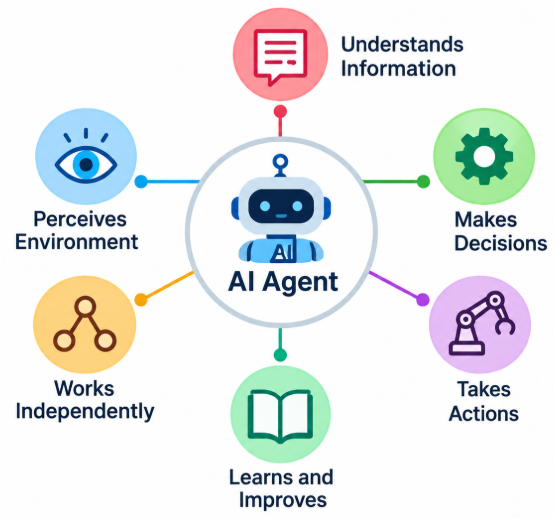
- An AI Agent Is A Software System That Uses AI To Understand Goals, Make Decisions, And Perform Actions. It Can Combine Language Models With Tools, APIs, Databases, Workflows, And External Services.
- Unlike A Simple Chatbot, An Agent Can Often Perform Multiple Steps To Complete A Task. Agents May Retrieve Information, Call APIs, Execute Approved Operations, And Return Results.
- Proper Authentication And Authorization Are Important When Agents Can Access Business Systems. AI Agents Can Automate Complex Workflows And Support Intelligent Business Processes.
44. What Is Agentic AI?
Ans:
Agentic AI Refers To AI Systems Designed To Perform Tasks Through Planning, Decision-Making, Tool Use, And Multi-Step Execution. Such Systems Can Interpret A Goal And Determine Actions Required To Achieve It. Agentic Applications May Use Language Models Together With Tools, Memory, Retrieval, And Workflows. Human Approval Can Be Included Before Sensitive Or Irreversible Actions Are Performed. Monitoring And Access Controls Are Important Because Agents Can Interact With External Systems. Agentic AI Is Increasingly Used For Workflow Automation And Intelligent Enterprise Applications.
45. What Is Function Calling?
Ans:
Function Calling Allows A Generative AI Model To Request The Execution Of A Predefined Function Or Tool. The Model Determines Which Available Function Is Relevant And Provides Structured Arguments. The Application Executes The Function And Returns The Result To The Model. This Allows Language Models To interact With Databases, APIs, Calculators, Search Systems, And Business Applications. The Model Does Not Automatically Gain unrestricted access to systems when proper tool boundaries are implemented. Function Calling Helps Convert Natural-Language Requests Into Controlled Application Actions.
46. What Is Tool Use In Generative AI?
Ans:
- Tool Use Allows A Generative AI Application To Use External Capabilities Beyond The Model’s Built-In Knowledge. Tools Can Include Search Engines, Databases, APIs, Calculators, Code Execution Systems, And Enterprise Services.
- The Model Determines When A Tool Is Needed And The Application Executes The Approved Operation. Tool Results Can Then Be Returned To The Model For Further Reasoning Or Response Generation.
- Authentication And Authorization Should Restrict Which Tools And Data The Model Can Access. Tool Use Makes AI Applications More Capable And Useful For Real-World Tasks.
47. What Is AI Orchestration?
Ans:
AI Orchestration Is The Coordination Of Models, Tools, Data Sources, Retrieval Systems, And Workflows In An AI Application. An Orchestration Layer Determines The Sequence Of Operations Required To Process A Request. It Can Manage Prompt Construction, Retrieval, Model Calls, Tool Execution, Error Handling, And Response Generation. Orchestration Helps Developers Build Complex AI applications Without placing all logic inside the language model. It Can Also Provide Monitoring, Logging, And Policy Enforcement Across Components. Effective Orchestration Is Important For Reliable And Maintainable Enterprise AI Systems.
48. What Is The Difference Between Generative AI And Traditional AI?
Ans:
| Aspect | Generative AI | Traditional AI |
|---|---|---|
| Definition | Creates New Content Such As Text, Images, Code, Or Audio. | Analyzes Data And Performs Specific Tasks Based On Defined Rules Or Models. |
| Output | Generates New And Human-Like Content From Learned Patterns. | Produces Predictions, Classifications, Recommendations, Or Decisions. |
| Examples | Chatbots, Image Generators, Copilots, And Large Language Models. | Spam Detection, Fraud Detection, Recommendation Systems, And Predictive Analytics. |
| Learning | Uses Large Foundation Models To Generate Flexible And Context-Aware Responses. | Usually Uses Task-Specific Models Trained For A Particular Problem Or Objective. |
49. What Is Semantic Kernel?
Ans:
Semantic Kernel Is A Microsoft Open-Source SDK For Building AI Applications And Agents. It Provides Capabilities For Connecting AI Models With functions, plugins, memory, and application logic. Developers Can Use It To Orchestrate Model Calls And External Functions Within AI Workflows. It Supports Integration With Microsoft And Other AI Services Depending On The Application Architecture. Semantic Kernel Can Help Build Enterprise Applications That Combine AI With Existing Business Systems. It Is Particularly Relevant To Developers Working Within The Microsoft AI Ecosystem.
50. What Is Azure AI Search?
Ans:
Azure AI Search Is A Cloud Search Service Used To Index And Retrieve Information From Various Data Sources. It Supports Capabilities Such As Full-Text Search, Vector Search, And Hybrid Search. These Features Make It Useful For Building Enterprise Search And RAG Applications. Documents Can Be Indexed And Enriched To Improve Search And Retrieval Quality. Applications Can Retrieve Relevant Information And Pass It To Generative AI Models As Context. Azure AI Search Helps Organizations Build Search Experiences Over Business And Knowledge Data.
51. What Is Azure Machine Learning?
Ans:
- Azure Machine Learning Is A Cloud Platform For Building, Training, Deploying, And Managing Machine Learning Models. It Supports Data Science Workflows From Experimentation Through Production Deployment.
- Teams Can Use It For Model Training, Evaluation, Model Management, And Machine Learning Operations. It Provides Infrastructure And Tools For Developing Machine Learning Solutions At Scale.
- Generative AI Workflows Can Also Use Related Azure Machine Learning Capabilities Depending On The Architecture. Azure Machine Learning Helps Organizations Manage Machine Learning Lifecycle Activities In A Cloud Environment.
52. What Is MLOps?
Ans:
MLOps Refers To Practices And Processes Used To Develop, Deploy, Monitor, And Maintain Machine Learning Systems. It Combines Machine Learning Development With Software Engineering And Operational Practices. MLOps Can Include Version Control, Automated Training, Testing, Deployment, Monitoring, And Model Management. It Helps Organizations Maintain Consistency Between Development And Production Environments. Monitoring Can Detect Data Drift, Model Performance Changes, And Operational Problems. MLOps Supports Reliable And Repeatable Machine Learning And AI Deployment
53. What Is LLMOps?
Ans:
LLMOps Refers To Operational Practices For Developing, Deploying, Monitoring, And Managing Large Language Model Applications. It Covers Prompt Management, Model Evaluation, Retrieval Pipelines, Cost Monitoring, Safety, And Application Observability. LLMOps Also Includes Managing Model Versions, Data Sources, And AI application configurations. Evaluation Is Important Because Generative AI Outputs Can Vary Between Requests. Monitoring Can Track Quality, latency, token usage, failures, And Safety Signals. LLMOps Helps Organizations Operate Generative AI Applications Reliably At Scale.
54. How Does Evaluate A Generative AI Model?
Ans:
Generative AI Models Can Be Evaluated Using A Combination Of Automated Metrics, Model-Based Evaluation, And Human Review. Evaluation Criteria Can Include Accuracy, Relevance, Groundedness, Coherence, Safety, And Instruction Following. Test Datasets Should Represent Realistic User Queries And Important Edge Cases. For RAG Applications, Retrieval Quality And Citation Or Source Support Should Also Be Evaluated. Production Monitoring Can Identify Performance Changes That May Not Appear In Offline Testing. A Comprehensive Evaluation Strategy Helps Determine Whether An AI System Meets Its Business And Quality Requirements..
55. What Is BLEU Score?
Ans:
- BLEU Is An Evaluation Metric Commonly Used To Compare Machine-Generated Text With Reference Text. It Measures Overlap Of N-Grams Between The Generated Output And One Or More Reference Outputs.
- BLEU Has Traditionally Been Used For Machine Translation Evaluation. A Higher Score Generally Indicates Greater Similarity To The Reference Text Under The Metric.
- However, Semantic Quality Is Not Always Fully Captured By Exact N-Gram Overlap. Modern Generative AI Evaluation Often Uses BLEU Along With Other Metrics And Human Assessment.
56. What Is ROUGE Score?
Ans:
ROUGE Is A Family Of Metrics Commonly Used To Evaluate Automatically Generated Text Against Reference Text. It Measures Different Types Of Overlap Such As N-Grams Or Longest Common Subsequences. ROUGE Is Frequently Used For Tasks Such As Text Summarization. Higher Scores Generally Indicate Greater Overlap With The Reference Content. However, A High ROUGE Score Does Not Necessarily Mean That A Response Is Factually Correct Or Well Written. Generative AI Evaluation Should Therefore Combine ROUGE With Other Quality And Safety Measures.
57. What Is Perplexity In Language Models?
Ans:
Perplexity Is A Metric Used To Measure How Well A Language Model Predicts A Sequence Of Tokens. It Is Related To The Probability The Model Assigns To The Actual Tokens In The Evaluation Data. Lower Perplexity Generally Indicates Better Predictive Performance On The Same Evaluation Dataset. Perplexity Is More Directly Useful For Comparing Language Models On Similar Language Modeling Tasks. It Does Not Fully Measure Helpfulness, Safety, Or Factual Accuracy Of Generated Responses. Therefore, Modern AI Applications Usually Require Multiple Evaluation Methods..
58. What Is Inference In Generative AI?
Ans:
Inference Is The Process Of Using A Trained AI Model To Produce An Output From New Input Data. In A Generative AI Application, Inference Occurs When A User Prompt Is Sent To A Model For Response Generation. The Model Processes The Input Tokens And Predicts Output Tokens According To Its Learned Parameters. Inference Performance Can Be Influenced By Model Size, Hardware, Context Length, And Generation Settings. Latency And Cost Are Important Considerations For Production Inference. Efficient Inference Helps Deliver Responsive And Scalable AI Applications.
59. What Is Model Latency?
Ans:
Model Latency Refers To The Time Required For An AI System To Process A Request And Produce A Response. It Can Include Network Time, Retrieval Time, Model Processing Time, Tool Execution, And Response Generation. Higher Latency Can Reduce User Experience In Interactive AI Applications. Developers Can Reduce Latency Through Smaller Models, Efficient Retrieval, Caching, Parallel Processing, And optimized infrastructure. Streaming Responses Can Also Improve Perceived Responsiveness. Monitoring Latency Helps Teams Identify Performance Bottlenecks In Production AI Systems.
60. What Is Model Throughput?
Ans:
Model Throughput Represents The Amount Of AI Work That A System Can Process During A Given Period. It Can Be Measured Using Requests Per Second, Tokens Per Second, Or Other workload-specific metrics. Higher Throughput Helps Applications Support More Concurrent Users And Large-Scale Workloads. Throughput Depends On Model Size, Hardware, batching, concurrency, And infrastructure configuration. Scaling Strategies Can Increase Capacity When Demand Grows. Monitoring Throughput Helps Organizations Plan AI Infrastructure And Maintain Application Performance.
61. What Is Prompt Chaining?
Ans:
- Prompt Chaining Is A Technique Where Multiple Model Prompts Are Connected To Complete A Larger Task. The Output From One Prompt Becomes Input Or Context For A Subsequent Prompt.
- This Approach Can Break Complex Tasks Into Smaller And More manageable steps. Each Step Can Be Designed For A Specific Purpose Such As Extraction, Reasoning, Transformation, Or Validation.
- Prompt Chaining Can Improve Control Over Complex Workflows Compared With One Large Prompt. It Can Also Increase Latency And Cost Because Multiple Model calls May Be Required.

Learn Gen AI Course with Advanced Concepts By Industry Experts
- Instructor-led Sessions
- Real-life Case Studies
- Assignments
62. What Is Chain-Of-Thought Prompting?
Ans:
Chain-Of-Thought Prompting Is A Technique That Encourages A Model To Work Through A Problem In Multiple Reasoning Steps. It Has Been Studied For Improving Performance On Certain Complex Reasoning Tasks. In Production Applications, Developers Should Focus On Obtaining The Correct Result Rather Than Requiring Exposure Of Private Internal Reasoning. Structured Intermediate Outputs Can Sometimes Provide Better Control For Complex Workflows. Validation And Tool-Based Computation Can Also Improve Reliability. The Appropriate Approach Depends On The Task, Model, Safety Requirements, And Application Design.
63. What Is Structured Output?
Ans:
Structured Output Means Requiring A Generative AI Model To Return Information In A Defined Format. Common Formats Include JSON, Tables, Lists, Schemas, Or Other Machine-Readable Structures. Structured Output Makes It Easier For Applications To Process Model Responses Programmatically. Schemas Can Define Required Fields, Data Types, And Expected Response structures. Validation Should Be Applied Before Using Generated Data In Downstream Systems. Structured Output Is Useful For Data Extraction, API Integration, Classification, And Workflow Automation.
64. What Is JSON Mode In Generative AI?
Ans:
JSON Mode Is A Model Capability Or Application Technique That Encourages Or Constrains Generated Responses To JSON Format. JSON Can Represent Structured Data In A Way That Software Applications Can Easily Parse. Developers Can Define Expected Fields And Validate The Generated Response Before Processing It. JSON-Based Outputs Are Useful For APIs, Data Extraction, Workflow Automation, And application integration. Proper Schema Validation Is Important Because Syntactically Valid JSON Can Still Contain Incorrect Values. Structured Responses Help Connect Generative AI Models With Traditional Software Systems.
65. What Is Model Context Protocol?
Ans:
- Model Context Protocol, Commonly Called MCP, Is An Open Protocol Designed To Connect AI Applications With External Tools And Data Sources In A Standardized Way. It Defines Mechanisms For AI systems to discover and interact with available capabilities.
- MCP Can Help Connect Models With Resources Such As Databases, files, APIs, And business tools. Standardized Interfaces Can Reduce Custom Integration Work Across Different AI applications.
- Security And Authorization Still Need To Be Managed By The Application And Connected Systems. MCP Is Useful For Building AI Systems That Can Interact With External Context And Tools.
66. Write A Python Program To Reverse A String.
Ans:
This Program Reverses A String Using Python Slicing. The Syntax [::-1] Reads The String From End To Beginning. String Manipulation Is A Fundamental Programming Skill.
- text = “Microsoft”
- print(text[::-1])
67. How Can PII Be Protected In Generative AI?
Ans:
Personally Identifiable Information Can Be Protected Through Data Minimization, Access Controls, Encryption, And Appropriate Data Handling Policies. Applications Can Detect And Mask Sensitive Information Before Sending Data To AI Models. Role-Based Access Control Can Restrict Who Can Access Sensitive AI inputs And outputs. Logging Should Also Be Designed Carefully So That Sensitive Information Is Not unnecessarily stored. Data Retention And Deletion Policies Should Be Applied According To Business And Regulatory Requirements. Protecting PII Is Essential For Building Secure And Responsible Generative AI Applications
68. What Is Prompt Versioning?
Ans:
Prompt Versioning Is The Practice Of Maintaining Different Versions Of Prompts Used By A Generative AI Application. Each Version Can Be Tracked Along With Its Changes, Evaluation Results, And Deployment Status. Versioning Makes It Easier To Identify Which Prompt Produced A Particular Model behavior. Developers Can Compare Prompt Versions Using Standard Evaluation Datasets Before Production Deployment. Rollback Can Be Performed If A New Prompt Causes Quality Or Safety Problems. Prompt Versioning Is An Important Part Of Reliable LLM Application Development.
69. What Is AI Observability?
Ans:
- AI Observability Is The Practice Of Monitoring The Behavior, Performance, Cost, And Reliability Of AI Applications. It Can Track Metrics Such As Latency, Token Usage, errors, retrieval quality, Model Responses, And Safety Signals.
- Observability Helps Teams Understand What Happens Inside An AI Pipeline During Production Requests. Logs And Traces Can Help Identify Problems In Retrieval, Prompt Construction, Model Calls, Or Tool Execution.
- Sensitive Data Should Be Properly Protected When Implementing AI Logging. Strong Observability Helps Teams Troubleshoot And Improve Production AI Systems.
70. What Is AI Cost Optimization?
Ans:
AI Cost Optimization Involves Reducing The Expense Of Running Generative AI Applications While Maintaining Required Quality And Performance. Costs Can Come From Model Inference, Tokens, embeddings, vector storage, retrieval, infrastructure, And supporting services. Developers Can Optimize Costs Through Appropriate Model Selection, Prompt Reduction, caching, batching, And efficient retrieval. Smaller Models Can Be Used For Simpler Tasks When They Meet Quality Requirements. Monitoring Token Usage And Request Patterns Helps Identify Major Cost Drivers. Cost Optimization Is Important For Making Enterprise AI Applications Economically Sustainable.
71. How Does Caching Help Generative AI Applications?
Ans:
Caching Stores Frequently Used Results Or Intermediate Data So That The Application Does Not Need To Recompute Them Every Time. AI Applications Can Cache Embeddings, Retrieval Results, Responses, Or Other Stable Information. This Can Reduce Model Calls, Latency, Infrastructure Usage, And Overall Costs. Cache Policies Should Consider Data Freshness And Whether Responses Depend On User-Specific Information. Sensitive Or Personalized Data Must Be Handled Carefully When Implementing Caching. Effective Caching Can Improve Both Performance And Scalability Of Generative AI Systems.
72. What Is Fine-Grained Access Control In AI Applications?
Ans:
Fine-Grained Access Control Limits Which Users, Agents, Or Applications Can Access Specific AI Resources And Data. It Can Be Implemented Through Identity, roles, permissions, authentication, And authorization policies. For Enterprise RAG Systems, Access Control Should Ensure That Retrieved Documents Are Available To The Requesting User. AI Agents Should Also Receive Only The Tool Permissions Required For Their Tasks. This Helps Prevent Unauthorized Data Access And Excessive Agent Actions. Fine-Grained Authorization Is Essential For Secure Enterprise Generative AI Applications
73. What Is A Guardrail In Generative AI?
Ans:
A Guardrail Is A Rule, Filter, Model, Or Application Control Designed To Limit Unsafe Or Undesired AI Behavior. Guardrails Can Be Applied To User Inputs, Retrieved Context, Model Outputs, And Tool Actions. They Can Help Enforce Content Policies, Data Protection Rules, Business Constraints, And safety requirements. Examples Include Prompt Filtering, Output Validation, Sensitive Data Detection, And Tool Authorization. Guardrails Should Be Combined With Strong Application Security Rather Than Relying Only On Model Behavior. They Help Improve Reliability And Safety In Production AI Systems.
74. What Is Human-In-The-Loop AI?
Ans:
Human-In-The-Loop AI Includes Human Review Or Approval At Important Stages Of An AI Workflow. Humans Can Validate Generated Content, approve sensitive actions, Correct Errors, Or Handle Exceptional Cases. This Approach Is Especially Valuable For High-Impact Or Irreversible Decisions. AI Systems Can Automate Routine Work While Escalating uncertain or risky cases to humans. Human feedback Can Also Be Used To Improve Prompts, workflows, And evaluation datasets. Human-In-The-Loop Design Helps Balance Automation With Accountability And Oversight.
75. What Is AI Red Teaming?
Ans:
AI Red Teaming Is The Practice Of Deliberately Testing An AI System To Identify Safety, Security, Reliability, And Abuse Risks. Testers May Create Adversarial Inputs, Prompt Injection Attempts, Harmful Requests, Or unusual edge cases. The Goal Is To Discover Weaknesses Before The System Is Widely Deployed. Findings Can Be Used To Improve Guardrails, prompts, access controls, monitoring, And application architecture. Red Teaming Should Cover Both The Model And The surrounding application. It Is An Important Practice For Building More Robust Generative AI Systems.
76. What Is Data Drift?
Ans:
Data Drift Occurs When The Distribution Or Characteristics Of Input Data Change Over Time. A Model Trained Or Evaluated On One Data Distribution May Perform Differently When Production Inputs Change. In Generative AI Applications, Changes In User queries, documents, domains, Or data sources Can Affect System Performance. Monitoring Input Patterns And Retrieval Quality Can Help Detect Such Changes. Regular Evaluation Can Determine Whether Prompts, models, embeddings, Or retrieval strategies Need Updating. Managing Drift Helps Maintain AI Application Quality Over Time.
77. What Is Model Drift?
Ans:
Model Drift Refers To A Change In Model Performance Or Behavior Over Time Due To Changes In Data, usage patterns, environment, Or other factors. In Generative AI Systems, Model Updates Can Also Change Output Characteristics And Application Performance. Continuous Evaluation Helps Detect Changes In Accuracy, groundedness, safety, Or response quality. Versioning Makes It Easier To Compare New And Previous Model Versions. Applications May Need Prompt, retrieval, or model configuration Updates After Significant Changes. Model Drift Management Helps Maintain Consistent Production AI Behavior.
78. What Is A Generative AI Pipeline?
Ans:
- A Generative AI Pipeline Is A Sequence Of Components That Process User Input And Produce An AI-Generated Output. A Typical Pipeline Can Include Input Processing, authentication, prompt construction, retrieval, model inference, validation, And response delivery.
- RAG Pipelines May Also Include chunking, embeddings, vector search, And reranking. Tool-Using Agents Can Add Planning And external API execution stages.
- Monitoring Can Be Added Across Each Stage To Track Performance And Errors. A Well-Designed Pipeline Helps Make Generative AI Applications Reliable And Maintainable.
79. How Does A RAG Application Work End To End?
Ans:
A RAG Application Usually Starts By Receiving A User Query And Preparing It For Retrieval. The Query Is Converted Into A Search Representation And Used To Find Relevant Information From A Knowledge Store. Retrieved Documents Can Be Filtered, Ranked, And Added To The Prompt As Context. The Generative AI Model Uses The Query And Retrieved Context To Produce A Response. The Application Can Validate The Response And Provide Supporting Sources When Appropriate. This Architecture Helps Connect Generative AI With Private, Current, Or Domain-Specific Knowledge.
80. Write A Python Program To Remove Spaces From A String
Ans:
- text = “Generative AI”
- result = text.replace(” “, “”)
- print(result)
81. How Can Generative AI Be Used In Software Development?
Ans:
Generative AI Can Assist Software Development By Generating Code, explaining code, creating documentation, And suggesting tests. Coding Assistants Can Help Developers Complete Common Programming Tasks More Quickly. AI Can Also Support Refactoring, debugging assistance, SQL generation, And technical documentation. Generated Code Should Be Reviewed, Tested, And Scanned For Security Issues Before Production Use. Developers Remain Responsible For Ensuring That Software Meets Functional And Security Requirements. Generative AI Can Increase Productivity When Integrated Into A Strong Software Engineering Process.
82. How Can Generative AI Be Used In Healthcare?
Ans:
Generative AI Can Assist Healthcare Workflows With Tasks Such As Document Summarization, Information Retrieval, And administrative support. It Can Help Organize Large Amounts Of Medical Information For Authorized Users. Healthcare Applications Require Strong Privacy, Security, Accuracy, And Human Oversight Controls. AI-Generated Information Should Not Automatically Replace Qualified Professional Judgment In High-Impact Decisions. Data Access Must Be Restricted According To Applicable Policies And Regulations. Responsible Deployment Is Essential Because Incorrect AI Outputs Can Have Serious Consequences In Healthcare.
83. How Can Generative AI Be Used In Banking?
Ans:
- Generative AI Can Support Banking Applications Through Customer Service, document processing, knowledge search, summarization, And employee assistance. RAG Systems Can Retrieve Approved Banking Policies And Product Information For Grounded Responses.
- AI Agents Can Perform Certain Authorized Workflows When Appropriate Authentication And controls Are Applied.
- Financial Applications Require Strong Security, privacy, compliance, And auditability. Generated Content Should Be Evaluated Carefully Before Being Used For High-Impact Financial Decisions.
84. What Is Enterprise Generative AI?
Ans:
Enterprise Generative AI Refers To The Use Of Generative AI Technologies Within Organizational Business Processes And Applications. Enterprise Systems Typically Require Strong Security, identity management, data protection, monitoring, governance, And compliance. They May Connect AI Models With Internal Documents, databases, applications, And business workflows. RAG And AI Agents Can Help Employees Retrieve Knowledge And Automate Approved Tasks. Organizations Need Evaluation And Human Oversight To Manage Model Errors And Business Risks. Enterprise Generative AI Focuses On Applying AI Capabilities In A Controlled And Scalable Business Environment..
85. What Is Generative AI Governance?
Ans:
Generative AI Governance Is The Set Of Policies, Processes, Controls, And Responsibilities Used To Manage AI Systems. Governance Can Address Model selection, data usage, privacy, security, safety, evaluation, access, monitoring, And compliance. Organizations Can Define Approval Processes For New AI applications And high-impact use cases. Continuous Monitoring Helps Ensure That Deployed Systems Continue To Meet Organizational Requirements. Documentation And Audit Trails Can Improve Accountability And Transparency. Strong Governance Helps Organizations Scale Generative AI While Managing Technical And Business Risks.
86. What Is Azure AI Agent Service?
Ans:
Azure AI Agent Service Provides Capabilities For Building AI Agents That Can Use Models, instructions, tools, And enterprise data. Agents Can Be Designed To Perform Multi-Step Tasks Rather Than Only Generate Simple Text Responses. They Can Connect With Approved tools And data sources To complete business workflows. Authentication And authorization Are Important When Agents Access Enterprise Resources. Monitoring And evaluation Help Ensure That Agent Behavior Meets Application Requirements. Azure AI Agent capabilities Can Help Organizations Build More Autonomous And Useful Enterprise AI Applications.
87. How Would Design A Secure Generative AI Application On Azure?
Ans:
A Secure Generative AI Application On Azure Should Begin With Strong Identity And Access Management For Users, services, And AI components. Data Should Be Protected Using Appropriate Encryption, network controls, access policies, And secure storage configurations. RAG Systems Should Enforce Document-Level Permissions So Users Receive Only Authorized Information. Input And Output Guardrails Can Help Reduce Prompt Injection, unsafe content, And data leakage risks. Monitoring, logging, evaluation, And alerting Should Be Implemented Across The AI Pipeline. Security Should Be Treated As An End-To-End Application Responsibility Rather Than Only A Model Configuration.
88. How Would Reduce Hallucinations In A Microsoft Generative AI Application?
Ans:
Hallucinations Can Be Reduced By Providing The Model With Reliable And Relevant Context Through Techniques Such As RAG. Prompts Can Clearly Instruct The Model To Use Available Sources And Avoid Unsupported Claims. Retrieval Quality Should Be Improved Through Effective Chunking, embeddings, hybrid search, And reranking. Generated Responses Can Be Evaluated For Groundedness And Validated Before Being Presented To Users. High-Impact Applications Can Include Human Review Or Additional verification steps. Continuous Evaluation And Monitoring Help Identify New Hallucination Patterns After Deploymen
89. How Would Build A Generative AI Chatbot Using Microsoft Azure?
Ans:
A Generative AI Chatbot On Azure Can Use A Suitable Azure AI Model Service Together With An Application Backend And User Interface. The Backend Can Manage authentication, prompts, conversation context, safety controls, and model requests. Azure AI Search Or Another Retrieval System Can Provide Enterprise Knowledge Through A RAG Architecture. APIs And Tools Can Be Integrated When The Chatbot Needs To Perform Authorized Business Actions. Monitoring Can Track latency, token usage, errors, safety signals, And response quality. The Final Architecture Should Include Security, evaluation, governance, And scalability Requirements.
90. Write A Python Program To Find The Length Of A String.
Ans:
This Program Finds The Total Number Of Characters In A String. The len() Function Returns The Length Including Spaces. Measuring Text Length Is Useful In NLP And Data Analysis.
- text = “Artificial Intelligence”
- print(len(text))
91. What Is AUC?
Ans:
AUC Stands For Area Under The ROC Curve. It Measures A Model’s Ability To Distinguish Between Classes. Higher AUC Values Indicate Better Classification Performance. AUC Is Useful For Binary Classification Problems. It Evaluates Performance Across Different Thresholds. The Metric Is Widely Used In AI Research. AUC Helps Compare Competing Models. It Provides Insights Into Predictive Capability.
92. What Is Data Drift?
Ans:
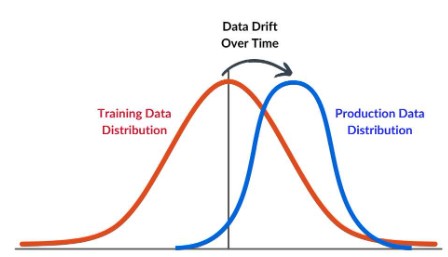
- Data Drift Occurs When Input Data Changes Over Time. These Changes Can Reduce Model Performance. Data Drift Happens Due To Evolving User Behavior Or Conditions.
- Monitoring Helps Detect Drift Early. Organizations Must Retrain Models When Necessary. Managing Drift Maintains Accuracy.
- It Is A Common Challenge In Production AI Systems. Data Drift Requires Continuous Attention And Maintenance.
93. What Is Concept Drift?
Ans:
Concept Drift Occurs When The Relationship Between Inputs And Outputs Changes. A Model’s Learned Patterns Become Less Accurate Over Time. Concept Drift Affects Long-Term Performance. Regular Updates Help Address This Issue. It Commonly Occurs In Dynamic Environments. Monitoring Detects Changes In Data Behavior. Concept Drift Requires Adaptive AI Strategies. Managing It Ensures Continued Model Effectiveness.
94. What Is AI Automation?
Ans:
AI Automation Uses Artificial Intelligence To Perform Tasks With Minimal Human Intervention. It Improves Efficiency And Productivity. Automation Reduces Repetitive Manual Work. AI Systems Can Analyze Data And Make Decisions. Businesses Use Automation Across Various Processes. It Supports Faster Operations And Cost Savings. AI Automation Enhances Organizational Performance. It Is Transforming Modern Workplaces Rapidly.
95. What Is AI Security?
Ans:
AI Security Protects AI Systems From Threats And Attacks. It Includes Data Protection And Model Safeguards. Security Measures Prevent Unauthorized Access. AI Security Helps Maintain Reliability And Trust. Organizations Implement Policies To Reduce Risks. Continuous Testing Improves Security Posture. Secure AI Systems Protect Valuable Assets. AI Security Is Critical For Safe Deployment.
96. What Is AI Compliance?
Ans:
- AI Compliance Ensures AI Systems Follow Legal And Regulatory Requirements. Organizations Must Adhere To Industry Standards.
- Compliance Supports Transparency And Accountability. It Helps Reduce Legal And Operational Risks. Proper Documentation Is Often Required.
- Compliance Builds User And Stakeholder Trust. It Promotes Responsible AI Practices. AI Compliance Is Increasingly Important Worldwide.
97. What Are AI Regulations?
Ans:
AI Regulations Are Rules And Guidelines Governing AI Development And Use. They Aim To Protect Users And Society. Regulations Address Privacy, Fairness, And Safety Concerns. Governments Are Developing New AI Policies. Compliance With Regulations Is Essential. Organizations Must Stay Updated On Legal Changes. Regulations Encourage Responsible Innovation. They Help Ensure Ethical Use Of AI Technologies.
98. What Is The Future Of Generative AI?
Ans:
The Future Of Generative AI Includes More Powerful And Efficient Models. AI Systems Will Become More Multimodal And Interactive. Businesses Will Adopt AI Across More Functions. Research Will Improve Accuracy And Safety. Generative AI Will Support Creativity And Innovation. Ethical Development Will Remain Important. New Applications Will Continue Emerging. The Technology Is Expected To Transform Many Industries.
99. What Career Opportunities Exist In Generative AI?
Ans:
- Generative AI Offers Careers In Research, Development, Data Science, And Engineering. Professionals Build And Deploy AI Solutions.
- Organizations Need Experts In Prompt Engineering And MLOps. Demand For AI Skills Continues Growing Rapidly.
- Opportunities Exist Across Multiple Industries. Continuous Learning Is Important For Success. AI Careers Provide Strong Growth Potential. The Field Offers Exciting And Innovative Work Opportunities.
100. Why Should Freshers Learn Generative AI?
Ans:
Freshers Should Learn Generative AI Because It Is A High-Demand Technology. AI Skills Improve Employability And Career Growth. Understanding AI Helps Solve Real-World Problems. Generative AI Is Being Adopted Across Industries. Learning It Builds Technical And Analytical Skills. Knowledge Of AI Creates New Opportunities. It Prepares Freshers For Future Careers. Generative AI Expertise Can Provide A Strong Competitive Advantage.