LMS
LMS
Last updated on 21st Apr 2026| 7505

Cracking a Google Technical Interview as a fresher requires strong fundamentals and consistent practice.You should have a clear understanding of Data Structures and Algorithms like arrays, strings, trees, and graphs.Problem-solving skills are very important, so practice coding daily on platforms like Leet Code and HackerRank. You must also focus on time complexity and space complexity for optimized solutions. Core Java or preferred programming language concepts should be very strong. Mock interviews and revision of past questions help improve confidence. With discipline, logical thinking, and practice, clearing Google interview becomes achievable.
1. What Is Programming?
Ans:
Programming Is The Process Of Writing Instructions For A Computer To Perform Specific Tasks. It Helps Developers Create Software Applications, Websites, And Mobile Apps. Programming Languages Such As Python, Java, And C++ Are Commonly Used In Technical Interviews. Understanding Logic And Problem Solving Is Important For Writing Efficient Programs. Google Interviews Often Focus On Coding Accuracy And Optimization Skills. Freshers Should Practice Coding Daily To Improve Confidence And Technical Knowledge.
2. What Is Merge Sort?
Ans:
Merge Sort Is A Divide And Conquer Sorting Algorithm. It Divides The Array Into Smaller Parts And Merges Them In Sorted Order. Merge Sort Provides Stable Sorting With O(N Log N) Complexity. It Requires Additional Memory During The Merge Process. The Algorithm Performs Well On Large Datasets Efficiently. Google Interviews Frequently Include Merge Sort Related Questions.
3. What Is An Algorithm?
Ans:
An Algorithm Is A Step By Step Procedure Used To Solve A Problem Efficiently. It Helps Developers Organize Logic Before Writing Actual Code. Good Algorithms Improve Performance And Reduce Execution Time. Common Types Include Searching, Sorting, And Recursion Algorithms. Google Interviews Frequently Test Algorithmic Thinking And Optimization Skills. Freshers Should Practice Different Problem Solving Techniques Regularly.
4. What Is Data Structure?
Ans:
A Data Structure Is A Method Used To Organize And Store Data Efficiently. It Helps Improve Access, Processing, And Modification Of Information. Common Data Structures Include Arrays, Linked Lists, Stacks, Queues, And Trees. Choosing The Correct Data Structure Improves Program Performance. Google Technical Interviews Often Include Questions Related To Data Structures. Strong Knowledge In This Area Helps Freshers Solve Complex Coding Problems.
5. What Is Unit Testing?
Ans:
Unit Testing Verifies Individual Components Or Functions Of Software Applications. Developers Write Test Cases To Ensure Correct Program Behavior. Automated Testing Frameworks Improve Software Reliability And Quality. Unit Testing Helps Detect Bugs Early During Development. It Reduces Maintenance Costs And Improves Code Confidence. Google Technical Interviews May Include Testing Related Questions
6. What Is Object Oriented Programming?
Ans:
- Object Oriented Programming Is A Programming Approach Based On Objects And Classes. It Helps Developers Create Reusable And Modular Programs Efficiently.
- Main Concepts Include Encapsulation, Inheritance, Polymorphism, And Abstraction. Languages Like Java, Python, And C++ Support Object Oriented Programming.
- Google Interviews Often Test Real World Applications Of OOP Concepts. Freshers Should Practice Writing Programs Using Classes And Objects.
7. What Is Encapsulation?
Ans:
Encapsulation Is The Process Of Wrapping Data And Methods Into A Single Unit. It Protects Data From Unauthorized Access Using Access Modifiers. Private Variables Can Only Be Accessed Through Public Methods. Encapsulation Improves Security, Maintainability, And Code Organization. It Is One Of The Core Concepts Of Object Oriented Programming. Google Interviews Frequently Include Questions Based On Encapsulation Principles.
8. What Is Inheritance?
Ans:
Inheritance Allows One Class To Acquire Properties And Methods From Another Class. The Existing Class Is Called The Parent Class And The New Class Is Called The Child Class. It Promotes Code Reusability And Reduces Duplication. Inheritance Helps Create Hierarchical Relationships In Programs. Java And C++ Support Different Types Of Inheritance. Understanding Inheritance Is Important For Object Oriented Programming Interviews.
9. What Is Polymorphism?
Ans:
Polymorphism Allows Methods Or Functions To Perform Different Behaviors Using The Same Name. It Improves Flexibility And Code Reusability In Applications. Method Overloading And Method Overriding Are Common Examples Of Polymorphism. Compile Time And Runtime Polymorphism Are Important Concepts In OOP. Google Interviews May Ask Practical Coding Questions Related To Polymorphism. Freshers Should Understand How Different Classes Interact Through Polymorphism.
10. What Is Abstraction?
Ans:
Abstraction Hides Internal Implementation Details And Shows Only Essential Features To Users. It Simplifies Complex Systems By Focusing On Relevant Information. Abstract Classes And Interfaces Help Achieve Abstraction In Programming. It Improves Code Security And Maintainability In Large Applications. Google Technical Interviews Often Include Conceptual Questions On Abstraction. Freshers Should Practice Designing Programs Using Abstract Concepts.
11. What Is A Stack?
Ans:
- A Stack Is A Linear Data Structure That Follows The Last In First Out Principle. Elements Are Added Using Push Operation And Removed Using Pop Operation.
- Stacks Are Commonly Used In Function Calls And Expression Evaluation. Overflow And Underflow Are Common Conditions In Stack Operations.
- Stacks Can Be Implemented Using Arrays Or Linked Lists. Google Coding Interviews Often Include Stack Based Problem Solving Questions.
12. What Is A Queue?
Ans:
- A Queue Is A Linear Data Structure That Follows The First In First Out Principle. Elements Are Inserted From The Rear And Removed From The Front.
- Queues Are Widely Used In Scheduling And Resource Management Systems. Circular Queue And Priority Queue Are Important Queue Variations
- Queues Help Manage Processes Efficiently In Operating Systems. Google Interviews Frequently Include Questions Related To Queue Operations
13. What Is Recursion?
Ans:
- Recursion Is A Programming Technique Where A Function Calls Itself Repeatedly. It Helps Solve Problems That Can Be Divided Into Smaller Subproblems.
- Every Recursive Function Must Have A Base Condition To Stop Execution. Factorial And Fibonacci Series Are Common Examples Of Recursion.
- Recursive Solutions Are Often Elegant But Can Consume More Memory. Google Interviews May Test Recursive Thinking And Optimization Skills.
14. What Is Time Complexity?
Ans:
Time Complexity Measures The Execution Time Of An Algorithm Based On Input Size. It Helps Developers Compare Efficiency Of Different Solutions. Big O Notation Is Commonly Used To Represent Time Complexity. Algorithms With Lower Complexity Perform Better On Large Inputs. Google Technical Interviews Focus Heavily On Optimization Techniques. Freshers Should Learn Common Complexities Such As O(N) And O(Log N).
15. What Is Space Complexity?
Ans:
Space Complexity Represents The Amount Of Memory Used By An Algorithm During Execution. It Includes Variables, Data Structures, And Recursive Call Memory Usage. Efficient Programs Should Balance Both Time And Space Complexity. Some Algorithms Trade Extra Memory For Faster Performance. Google Interviews Often Ask Candidates To Optimize Memory Usage. Understanding Space Complexity Helps In Writing Scalable Applications.
16.Write A Program To Find Largest Number
Ans:
This Program Compares Two Numbers And Prints The Largest Value. The if Condition Checks Whether a Is Greater Than b. If The Condition Is True, It Prints a. Otherwise, It Prints b. Comparison Based Questions Help Freshers Understand Decision Making Statements In Python.
- a, b = 10, 20
- if a > b:
- print(a)
- else:
- print(b)
17. What Is Linear Search?
Ans:
Linear Search Checks Each Element Sequentially Until The Target Value Is Found. It Works On Both Sorted And Unsorted Data Collections. The Time Complexity Of Linear Search Is O(N). It Is Easy To Implement Compared To Advanced Searching Algorithms. Linear Search Is Suitable For Small Data Collections. Google Interviews May Ask Basic Search Related Questions For Freshers.
18. What Is Sorting?
Ans:
Sorting Is The Process Of Arranging Data In Ascending Or Descending Order. Common Sorting Algorithms Include Bubble Sort, Merge Sort, And Quick Sort. Efficient Sorting Improves Searching And Data Processing Performance. Different Algorithms Have Different Time Complexities And Use Cases. Google Interviews Often Include Coding Problems Based On Sorting Techniques. Freshers Should Practice Implementing Various Sorting Algorithms
19. What Is Bubble Sort?
Ans:
Bubble Sort Is A Simple Sorting Algorithm That Repeatedly Swaps Adjacent Elements. Larger Elements Move Towards The End In Every Iteration. The Algorithm Is Easy To Understand But Inefficient For Large Data. Bubble Sort Has A Worst Case Time Complexity Of O(N²). It Is Mostly Used For Educational Purposes In Programming Basics. Google Interviews Rarely Use Bubble Sort In Advanced Problem Solving.
20. What Is The Difference Between Compiler And Interpreter?
Ans:
| Feature | Compiler | Interpreter |
|---|---|---|
| Definition | A Compiler Translates The Entire Program Into Machine Code At Once | An Interpreter Translates And Executes Code Line By Line |
| Execution Speed | Compiled Programs Execute Faster | Interpreted Programs Execute Slower |
| Error Detection | Shows All Errors After Compilation | Shows Errors One By One During Execution |
| Output | Generates An Executable File | Does Not Generate Executable File |
21. What Is Quick Sort?
Ans:
Quick Sort Is A Fast Sorting Algorithm Based On Partitioning Technique. It Selects A Pivot Element And Arranges Smaller And Larger Elements Around It. Average Time Complexity Is O(N Log N) While Worst Case Is O(N²). Quick Sort Performs Efficiently In Practical Applications. Correct Pivot Selection Improves Overall Performance Significantly. Google Technical Interviews Commonly Include Quick Sort Concepts.
22. What Is A Linked List?
Ans:
A Linked List Is A Dynamic Data Structure Consisting Of Connected Nodes. Each Node Contains Data And A Pointer To The Next Node. Linked Lists Allow Efficient Insertion And Deletion Operations. They Do Not Require Continuous Memory Allocation Like Arrays. Singly, Doubly, And Circular Linked Lists Are Common Types. Google Interviews Frequently Include Linked List Coding Problems.
23. What Is A Tree Data Structure?
Ans:
A Tree Is A Hierarchical Data Structure Consisting Of Nodes And Edges. The Top Node Is Called The Root Node. Trees Are Used In Databases, File Systems, And Search Algorithms. Binary Trees And Binary Search Trees Are Common Variations. Tree Traversal Methods Include Inorder, Preorder, And Postorder. Google Interviews Often Test Tree Based Problem Solving Skills.
24. What Is A Binary Search Tree?
Ans:
A Binary Search Tree Stores Nodes In Sorted Hierarchical Order. Left Child Values Are Smaller Than The Parent Node. Right Child Values Are Greater Than The Parent Node. Searching, Insertion, And Deletion Can Be Performed Efficiently. Balanced Trees Improve Performance And Reduce Complexity. Google Coding Interviews Frequently Include Binary Search Tree Questions.
25. What Is Hashing?
Ans:
- Hashing Converts Data Into A Fixed Size Value Called A Hash Code. It Helps Store And Retrieve Data Quickly Using Hash Tables.
- Hash Functions Should Minimize Collisions For Better Performance. Hashing Is Widely Used In Databases And Password Security Systems.
- Average Search Complexity In Hash Tables Is O(1). Google Interviews Often Include Hash Map Related Coding Problems.
26. What Is Database?
Ans:
A Database Is An Organized Collection Of Data Stored Electronically. It Helps Manage, Retrieve, And Update Information Efficiently. Relational Databases Use Tables To Store Structured Data. SQL Is Commonly Used To Interact With Databases. Databases Are Essential For Modern Applications And Websites. Google Interviews Frequently Include Basic Database Questions.
27. What Is SQL?
Ans:
SQL Stands For Structured Query Language Used For Managing Databases. It Helps Insert, Update, Delete, And Retrieve Data Efficiently. SQL Queries Work With Tables, Rows, And Columns. Commands Such As SELECT, INSERT, UPDATE, And DELETE Are Commonly Used. SQL Knowledge Is Important For Backend Development Roles. Google Interviews May Include Database Query Questions.
28. What Is Primary Key?
Ans:
A Primary Key Is A Unique Identifier For Each Record In A Database Table. It Prevents Duplicate Values And Ensures Data Integrity. Primary Keys Cannot Contain NULL Values In Relational Databases. They Help Establish Relationships Between Different Tables. Choosing Proper Primary Keys Improves Database Efficiency. Google Technical Interviews Often Include Database Design Questions.
29. What Is Foreign Key?
Ans:
A Foreign Key Is A Column Used To Create Relationships Between Tables. It References The Primary Key Of Another Table. Foreign Keys Maintain Consistency And Prevent Invalid Data Entries. They Are Important In Relational Database Management Systems. Database Normalization Often Uses Foreign Key Relationships. Google Interviews May Ask Questions About Database Relationships.
30. What Is Normalization?
Ans:
Normalization Is The Process Of Organizing Database Tables Efficiently. It Reduces Data Redundancy And Improves Consistency. Different Normal Forms Such As 1NF, 2NF, And 3NF Are Used. Proper Normalization Enhances Database Performance And Maintainability. It Helps Prevent Data Anomalies During Operations. Google Interviews Frequently Include Normalization Related Questions.
31. What Is Operating System?
Ans:
An Operating System Is System Software That Manages Hardware And Software Resources. It Provides An Interface Between Users And The Computer System. Popular Operating Systems Include Windows, Linux, And MacOS. Process Management And Memory Management Are Important Functions. Operating Systems Help Run Applications Efficiently And Securely. Google Interviews Often Include Basic OS Concepts.
32. What Is Process?
Ans:
- A Process Is A Program That Is Currently Being Executed By The CPU. Each Process Has Its Own Memory Space And Resources.
- Operating Systems Manage Multiple Processes Simultaneously Using Scheduling Techniques. Processes Can Communicate Through Inter Process Communication Methods
- Context Switching Helps The CPU Handle Multiple Processes Efficiently. Google Interviews Frequently Ask Process Related Questions.
33. What Is Thread?
Ans:
A Thread Is The Smallest Unit Of Execution Within A Process. Multiple Threads Can Run Concurrently Inside The Same Process. Threads Share Memory Resources Which Improves Performance. Multithreading Helps Execute Multiple Tasks Efficiently. Synchronization Is Important To Avoid Data Inconsistency Between Threads. Google Technical Interviews Often Include Threading Concepts.
34. Write A Program To Reverse A String?
Ans:
This Program Reverses A String Using Python Slicing Technique. The [::-1] Syntax Reads The String From End To Start. It Is A Simple And Fast Method To Reverse Text. String Manipulation Questions Are Frequently Asked In Coding Interviews. Understanding Slicing Improves Python Programming Skills.
- text = “Google”
- rev = text[::-1]
- print(rev)
35. What Is CPU Scheduling?
Ans:
CPU Scheduling Determines Which Process Gets CPU Execution Time. Scheduling Algorithms Improve Resource Utilization And System Performance. Common Algorithms Include FCFS, Round Robin, And Priority Scheduling. Efficient Scheduling Reduces Waiting And Turnaround Time. Operating Systems Use Schedulers To Manage Multiple Processes. Google Interviews May Include Questions On Scheduling Concepts.
36. What Is Memory Management?
Ans:
Memory Management Controls Allocation And Deallocation Of Computer Memory. It Helps Optimize Performance And Prevent Memory Leaks. Operating Systems Use Paging And Segmentation Techniques Efficiently. Virtual Memory Allows Systems To Use Secondary Storage As Memory. Proper Memory Management Improves Multitasking Capabilities. Google Technical Interviews Often Include Memory Related Concepts.
37. What Is Virtual Memory?
Ans:
Virtual Memory Is A Memory Management Technique Used By Operating Systems. It Allows Systems To Execute Large Programs Using Secondary Storage. Pages Are Swapped Between RAM And Disk During Execution. Virtual Memory Improves Multitasking And Resource Utilization. Excessive Swapping Can Reduce System Performance Significantly. Google Interviews Frequently Include Virtual Memory Questions.
38. What Is Computer Network?
Ans:
A Computer Network Connects Multiple Devices For Communication And Data Sharing. Networks Help Transfer Information Efficiently Across Different Systems. LAN, WAN, And MAN Are Common Types Of Networks. Networking Uses Protocols Such As TCP And IP For Communication. Internet Connectivity Depends On Computer Networking Technologies. Google Interviews Often Include Basic Networking Questions.
39. What Is IP Address?
Ans:
An IP Address Is A Unique Numerical Identifier Assigned To Devices On Networks. It Helps Devices Communicate Using Internet Protocol Standards. IPv4 And IPv6 Are Common Versions Of IP Addressing. Public And Private IP Addresses Serve Different Networking Purposes. Routers Use IP Addresses To Transfer Data Packets Correctly. Google Interviews Frequently Include Networking Basics.
40. What Is DNS?
Ans:
- DNS Stands For Domain Name System Used In Internet Communication. It Converts Human Readable Domain Names Into IP Addresses.
- DNS Makes Website Access Easier For Users Worldwide. DNS Servers Store And Manage Domain Related Information Efficiently.
- Without DNS, Users Would Need To Remember Numerical IP Addresses. Google Technical Interviews Often Include DNS Concepts.

Enroll in Java Certification Course and UPGRADE Your Skills
Weekday / Weekend BatchesSee Batch Details41. What Is HTTP?
Ans:
HTTP Stands For HyperText Transfer Protocol Used For Web Communication. It Enables Data Exchange Between Clients And Web Servers. HTTP Requests Include Methods Such As GET, POST, PUT, And DELETE. HTTPS Adds Security Through Encryption Using SSL Certificates. Modern Websites Depend On HTTP For Internet Communication. Google Interviews Frequently Include Web Technology Questions.
42. What Is API?
Ans:
API Stands For Application Programming Interface Used For Software Communication. APIs Allow Applications To Exchange Data And Functionalities Efficiently. REST And SOAP Are Common Types Of Web APIs. APIs Simplify Integration Between Different Systems And Platforms. Developers Use APIs To Build Scalable And Modular Applications. Google Technical Interviews Often Include API Related Questions.
43. What Is REST API?
Ans:
REST API Is A Web Service Architecture Based On HTTP Protocols. It Uses Stateless Communication Between Client And Server Applications. REST APIs Commonly Return Data In JSON Format. They Are Lightweight And Easy To Integrate Across Platforms. CRUD Operations Are Performed Using HTTP Methods Efficiently. Google Interviews Frequently Include REST API Concepts.
44. What Is JSON?
Ans:
JSON Stands For JavaScript Object Notation Used For Data Exchange. It Stores Data In Key Value Pair Format Efficiently. JSON Is Lightweight And Easy For Humans To Read. APIs Commonly Use JSON For Communication Between Applications. Many Programming Languages Provide Built In JSON Support. Google Interviews May Include Questions About JSON Parsing.
45. What Is Cloud Computing?
Ans:
Cloud Computing Provides Computing Services Through The Internet. It Includes Storage, Servers, Databases, And Networking Resources. Cloud Platforms Offer Scalability And Cost Effective Infrastructure Solutions. Popular Providers Include Google Cloud, AWS, And Microsoft Azure. Cloud Computing Supports Remote Access And High Availability Systems. Google Interviews Often Include Questions Related To Cloud Concepts.
46. What Is Machine Learning?
Ans:
Machine Learning Is A Branch Of Artificial Intelligence Focused On Data Based Learning. Algorithms Learn Patterns From Data Without Explicit Programming. Supervised And Unsupervised Learning Are Common Machine Learning Types. Machine Learning Is Used In Recommendation And Prediction Systems. Data Quality Plays A Major Role In Model Accuracy. Google Technical Interviews May Include Basic Machine Learning Concepts.
47. What Is Artificial Intelligence?
Ans:
Artificial Intelligence Enables Machines To Simulate Human Intelligence Efficiently. AI Systems Perform Tasks Such As Decision Making And Speech Recognition. Machine Learning Is A Subset Of Artificial Intelligence Technologies. AI Is Widely Used In Robotics, Healthcare, And Automation. Intelligent Algorithms Improve User Experience In Modern Applications. Google Interviews Often Include AI Related Discussions.
48. What Is Git?
Ans:
Git Is A Distributed Version Control System Used By Developers. It Helps Track Code Changes And Manage Collaborative Projects Efficiently. Developers Can Create Branches And Merge Changes Easily Using Git. GitHub And GitLab Provide Online Platforms For Git Repositories. Version Control Helps Prevent Data Loss During Development. Google Interviews Frequently Include Questions About Git Commands.
49. What Is GitHub?
Ans:
GitHub Is A Cloud Based Platform Used To Host Git Repositories. It Supports Collaboration Between Developers Across Different Locations. GitHub Provides Features Such As Pull Requests And Issue Tracking. Open Source Projects Are Commonly Managed Through GitHub Repositories. Developers Use GitHub To Showcase Technical Skills And Projects. Google Interviews May Ask Questions Related To GitHub Workflows.
50. What Is Debugging?
Ans:
Debugging Is The Process Of Identifying And Fixing Errors In Programs. Errors May Be Syntax Errors, Runtime Errors, Or Logical Errors. Developers Use Debugging Tools To Trace Program Execution Efficiently. Proper Debugging Improves Software Quality And Reliability. Testing And Debugging Are Essential Parts Of Software Development. Google Technical Interviews Often Include Problem Solving And Debugging Questions.
51. What Is Syntax Error?
Ans:
A Syntax Error Occurs When Code Violates Programming Language Rules. Missing Semicolons And Incorrect Keywords Cause Syntax Errors Frequently. Compilers And Interpreters Usually Detect Syntax Errors Immediately. Programs Cannot Execute Successfully Until Syntax Errors Are Corrected. Understanding Language Syntax Helps Developers Write Accurate Code. Google Interviews May Include Error Identification Questions.
52. What Is Runtime Error?
Ans:
Runtime Errors Occur During Program Execution After Successful Compilation. Division By Zero And Invalid Memory Access Cause Runtime Errors. These Errors May Crash Programs Or Produce Unexpected Behavior. Exception Handling Helps Prevent Application Failures Efficiently. Runtime Errors Are Harder To Detect Than Syntax Errors. Google Interviews Frequently Include Questions Related To Error Handling.
53. What Is Logical Error?
Ans:
- Logical Errors Occur When Program Logic Produces Incorrect Output Results. Programs Execute Successfully But Deliver Wrong Answers Or Behaviors.
- Incorrect Conditions And Formula Mistakes Cause Logical Errors Frequently. Careful Testing Helps Detect Logical Errors In Applications.
- Logical Errors Are Difficult To Identify Compared To Syntax Errors. Google Interviews Often Test Analytical Thinking Through Logic Based Problems.
54. Write A Program To Find Factorial
Ans:
This Program Calculates The Factorial Of A Number Using A Loop. Factorial Means Multiplying All Positive Integers From 1 To The Given Number. The Variable fact Stores The Result Continuously. Loops Help Repeat Operations Efficiently In Programming.
- num = 5
- fact = 1
- for i in range(1, num + 1):
- fact *= i
- print(fact)
55. What Is Multithreading?
Ans:
Multithreading Allows Multiple Threads To Execute Concurrently Within A Process. It Improves Performance By Utilizing CPU Resources Efficiently. Applications Use Multithreading For Parallel Task Execution And Responsiveness. Synchronization Mechanisms Prevent Data Corruption Between Threads. Improper Thread Management May Cause Race Conditions. Google Interviews Often Include Multithreading Concepts And Scenarios.
56. What Is Synchronization?
Ans:
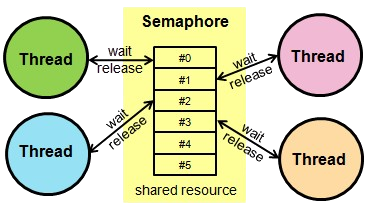
Synchronization Controls Access To Shared Resources In Multithreaded Applications. It Prevents Multiple Threads From Modifying Data Simultaneously. Mutexes, Semaphores, And Locks Are Common Synchronization Tools. Proper Synchronization Prevents Race Conditions And Data Inconsistency. Excessive Synchronization May Reduce Program Performance Significantly. Google Technical Interviews Frequently Include Concurrency Related Questions.
57. What Is A Semaphore?
Ans:
A Semaphore Is A Synchronization Mechanism Used In Operating Systems. It Controls Access To Shared Resources Between Multiple Processes Or Threads. Binary And Counting Semaphores Are Common Types Used In Programming. Semaphores Help Prevent Deadlocks And Resource Conflicts Efficiently. Proper Usage Improves System Stability In Concurrent Applications. Google Interviews May Include Semaphore Based Problem Solving Questions.
58. What Is Agile Methodology?
Ans:
Agile Methodology Is A Software Development Approach Focused On Flexibility. Teams Deliver Software In Small Iterative Development Cycles Efficiently. Agile Encourages Collaboration, Continuous Feedback, And Faster Delivery. Scrum And Kanban Are Popular Agile Frameworks Used By Companies. Agile Helps Teams Adapt Quickly To Changing Requirements. Google Interviews Sometimes Include Questions About Agile Practices.
59. What Is SDLC?
Ans:
SDLC Stands For Software Development Life Cycle Used In Project Management. It Defines Phases Such As Planning, Design, Development, Testing, And Maintenance. SDLC Helps Deliver High Quality Software Efficiently And Systematically. Different Models Include Waterfall, Agile, And Spiral Models. Proper SDLC Implementation Improves Team Productivity And Software Reliability. Google Interviews Often Include Questions About Development Processes.
60. What Is The Difference Between Array And Linked List?
Ans:
| Feature | Array | Linked List |
|---|---|---|
| Memory Allocation | Elements Are Stored In Continuous Memory Locations | Elements Are Stored In Separate Memory Locations |
| Size | Fixed Size In Most Cases | Dynamic Size That Can Grow Or Shrink |
| Access Speed | Faster Access Using Index | Slower Access Due To Sequential Traversal |
| Insertion | Insertion Is Difficult And Time Consuming | Insertion Is Easier And Faster |

Learn Java Training with Advanced Concepts By Industry Experts
- Instructor-led Sessions
- Real-life Case Studies
- Assignments
61. What Is Integration Testing?
Ans:
Integration Testing Verifies Interaction Between Different Software Modules Efficiently. It Ensures Components Work Together Without Functional Issues. APIs And Database Connections Are Commonly Tested During Integration Testing. Integration Testing Helps Detect Communication Related Errors Early. Proper Testing Improves Overall Application Stability And Performance. Google Interviews Frequently Include Software Testing Concepts.
62. What Is Black Box Testing?
Ans:
Black Box Testing Evaluates Software Functionality Without Checking Internal Code. Testers Focus On Inputs, Outputs, And Expected Behaviors Only. It Helps Identify Missing Features And Functional Defects Efficiently. Black Box Testing Is Common In User Acceptance Testing Processes. Test Cases Are Created Based On Requirements And Specifications. Google Interviews May Include Basic Software Testing Questions.
63. What Is White Box Testing?
Ans:
White Box Testing Examines Internal Code Structure And Program Logic. Testers Analyze Conditions, Loops, And Execution Paths Carefully. It Helps Improve Code Coverage And Detect Hidden Errors Efficiently. White Box Testing Requires Knowledge Of Programming Concepts And Implementation. Developers Commonly Perform White Box Testing During Development Stages. Google Technical Interviews Sometimes Include Testing Methodology Questions.
64. Write A Program To Check Prime Number
Ans:
This Program Checks Whether A Number Is Prime Or Not. A Prime Number Is Divisible Only By 1 And Itself. The Loop Checks Divisibility From 2 To num-1. If Any Number Divides Perfectly, It Prints Not Prime. Otherwise, The Program Prints Prime Successfully
- num = 7
- for i in range(2, num):
- if num % i == 0:
- print(“Not Prime”)
- break
- else:
- print(“Prime”)
65. What Is Continuous Integration?
Ans:
- Continuous Integration Is A Development Practice Of Frequently Merging Code Changes. Automated Testing Runs Whenever Developers Commit New Code Updates.
- It Helps Detect Integration Issues Early During Development Cycles. Continuous Integration Improves Software Quality And Team Collaboration
- Tools Like Jenkins And GitHub Actions Support Continuous Integration. Google Interviews May Include Questions About CI/CD Pipelines.
66. What Is Continuous Deployment?
Ans:
- Continuous Deployment Automatically Releases Tested Code Into Production Systems. It Reduces Manual Work And Accelerates Software Delivery Processes.
- Automated Pipelines Ensure Reliable And Faster Application Updates. Monitoring Is Essential To Detect Issues After Deployment.
- Continuous Deployment Supports Agile And DevOps Development Approaches. Google Technical Interviews Sometimes Include Deployment Related Concepts.
67. What Is Linux?
Ans:
Linux Is An Open Source Operating System Widely Used In Servers. It Provides Stability, Security, And Flexibility For Developers And Organizations. Linux Supports Multitasking And Multiuser Functionalities Efficiently. Commands Such As LS, CD, And MKDIR Are Commonly Used. Many Cloud Platforms And Applications Run On Linux Systems. Google Interviews Frequently Include Basic Linux Command Questions.
68. What Is Command Line Interface?
Ans:
A Command Line Interface Allows Users To Interact Through Text Commands. It Provides Faster Access To System Operations And File Management. Developers Use Command Line Tools For Automation And Debugging Tasks. Linux And Windows Support Command Line Interfaces Efficiently. Understanding Commands Improves Productivity In Technical Roles
69. What Is Encryption?
Ans:
Encryption Converts Plain Text Into Secure Encoded Information Efficiently. It Protects Sensitive Data From Unauthorized Access During Communication. Encryption Uses Algorithms And Keys For Secure Data Transformation. HTTPS And Online Banking Systems Depend On Encryption Technologies. Decryption Converts Encrypted Data Back Into Readable Format. Google Interviews Frequently Include Cybersecurity Basics.
70. What Is Cybersecurity?
Ans:
Cybersecurity Protects Systems, Networks, And Data From Digital Attacks. It Includes Practices Such As Encryption And Authentication Mechanisms. Cybersecurity Prevents Unauthorized Access And Data Breaches Efficiently. Firewalls And Antivirus Software Improve System Security Significantly. Organizations Invest Heavily In Cybersecurity To Protect Information. Google Interviews May Include Security Related Technical Questions.
71. What Is Firewall?
Ans:
A Firewall Is A Security System That Monitors Network Traffic. It Blocks Unauthorized Access While Allowing Trusted Communication. Firewalls Can Be Hardware Based Or Software Based Solutions. Organizations Use Firewalls To Protect Internal Networks From Threats. Proper Firewall Configuration Improves Overall System Security. Google Technical Interviews Often Include Networking Security Questions.
72. What Is Authentication?
Ans:
Authentication Verifies The Identity Of Users Before Granting System Access. Passwords, Biometrics, And OTPs Are Common Authentication Methods. Strong Authentication Improves Application Security And Data Protection. Multi Factor Authentication Provides Additional Security Layers Efficiently. Authentication Is Essential In Banking And Online Service Applications. Google Interviews Frequently Include Security And Access Control Question
73. What Is Authorization?
Ans:
Authorization Determines What Resources A User Can Access After Authentication. It Defines Permissions And Access Levels Within Applications Efficiently. Role Based Access Control Is Commonly Used In Organizations. Authorization Helps Protect Sensitive Information From Unauthorized Usage. Authentication And Authorization Work Together In Security Systems. Google Interviews May Include Questions About Access Management Concepts.
74. Write A Program To Find Sum Of Array
Ans:
This Program Finds The Sum Of Elements In A List. The Built In sum() Function Adds All Numbers Automatically. Lists Are Used To Store Multiple Values Together In Python. Array Based Questions Are Important In Technical Interviews. This Program Demonstrates Basic Data Handling Skills Clearly.
- arr = [1, 2, 3, 4]
- total = sum(arr)
- print(total)
75. What Is Garbage Collection?
Ans:
Garbage Collection Automatically Removes Unused Objects From Memory. It Helps Prevent Memory Leaks And Improves Resource Management. Languages Like Java And Python Use Automatic Garbage Collection Techniques. Efficient Garbage Collection Improves Application Performance And Stability. Developers Should Still Avoid Creating Unnecessary Objects Frequently. Google Interviews Frequently Include Memory Management Questions.
76. What Is Dynamic Programming?
Ans:
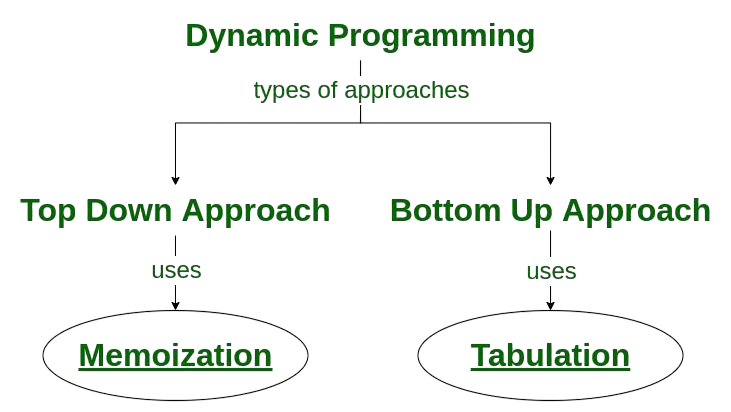
Dynamic Programming Solves Complex Problems By Breaking Them Into Subproblems. It Stores Intermediate Results To Avoid Repeated Calculations Efficiently. Memoization And Tabulation Are Common Dynamic Programming Techniques. Dynamic Programming Improves Performance In Optimization Problems Significantly. Fibonacci And Knapsack Problems Commonly Use Dynamic Programming. Google Coding Interviews Frequently Include DP Related Questions.
77. What Is Greedy Algorithm?
Ans:
A Greedy Algorithm Makes The Best Choice At Every Step Immediately. It Aims To Find Optimal Solutions Using Local Decisions. Greedy Methods Work Well For Problems Like Activity Selection And Huffman Coding. Some Problems Require Dynamic Programming Instead Of Greedy Approaches. Greedy Algorithms Are Usually Faster And Simpler To Implement. Google Interviews Often Include Optimization Problems Using Greedy Techniques
78. What Is Graph?
Ans:
A Graph Is A Data Structure Consisting Of Vertices And Edges. Graphs Represent Relationships Between Different Objects Efficiently. Directed And Undirected Graphs Are Common Types In Programming. Graph Algorithms Include BFS, DFS, And Shortest Path Techniques. Social Networks And Maps Commonly Use Graph Structures. Google Interviews Frequently Include Graph Based Coding Problems.
79. What Is BFS?
Ans:
BFS Stands For Breadth First Search Used In Graph Traversal. It Explores Neighboring Nodes Level By Level Using A Queue. BFS Helps Find The Shortest Path In Unweighted Graphs Efficiently. The Algorithm Visits Each Node Only Once During Traversal. BFS Is Widely Used In Networking And Pathfinding Applications. Google Technical Interviews Often Include BFS Problems.
80. What Is DFS?
Ans:
DFS Stands For Depth First Search Used For Graph Traversal. It Explores Nodes Deeply Before Backtracking To Previous Levels. DFS Can Be Implemented Using Recursion Or Stacks Efficiently. Cycle Detection And Topological Sorting Use DFS Techniques Commonly. DFS Is Useful In Solving Maze And Connectivity Problems. Google Interviews Frequently Include DFS Related Coding Questions.
81. What Is Heap?
Ans:
A Heap Is A Specialized Tree Based Data Structure Used For Priority Management. Max Heap Stores Larger Values At The Root Node. Min Heap Stores Smaller Values At The Root Efficiently. Heaps Are Commonly Used In Priority Queues And Scheduling Systems. Heap Sort Uses Heap Data Structures For Sorting Operations. Google Coding Interviews Frequently Include Heap Related Questions.
82. What Is Priority Queue?
Ans:
- A Priority Queue Is A Data Structure Where Elements Have Priorities. Higher Priority Elements Are Processed Before Lower Priority Elements.
- Heaps Are Commonly Used To Implement Priority Queues Efficiently. Priority Queues Help Manage Scheduling And Resource Allocation Systems.
- Operations Include Insertion, Deletion, And Accessing Highest Priority Data. Google Interviews Often Include Priority Queue Coding Problems.
83. What Is Big O Notation?
Ans:
Big O Notation Represents Algorithm Performance Based On Input Size. It Helps Compare Efficiency Of Different Coding Solutions Clearly. Common Complexities Include O(1), O(Log N), O(N), And O(N²). Lower Complexity Usually Indicates Better Performance On Large Inputs. Google Technical Interviews Strongly Focus On Big O Analysis Skills. Freshers Should Practice Evaluating Time And Space Complexity Regularly.
84. What Is Singleton Design Pattern?
Ans:
Singleton Design Pattern Ensures Only One Object Of A Class Exists. It Provides A Global Access Point To That Object Efficiently. Singleton Is Commonly Used In Logging And Database Connection Management. Private Constructors Prevent Multiple Object Creation In Programs. Thread Safety Is Important While Implementing Singleton Patterns. Google Interviews May Include Object Oriented Design Questions.
85. Write A Program To Swap Two Numbers?
Ans:
This Program Swaps Two Numbers Without Using A Temporary Variable. Python Allows Multiple Variable Assignment In A Single Line. After Swapping, The Value Of a Becomes 10 And b Becomes 5. Swapping Logic Is Frequently Asked In Coding Interviews. It Helps Freshers Understand Variable Assignment Concepts Easily.
- a, b = 5, 10
- a, b = b, a
- print(a, b)
86. What Is Responsive Web Design?
Ans:
Responsive Web Design Ensures Websites Work Properly Across Different Devices. Layouts Automatically Adjust Based On Screen Size And Resolution. CSS Media Queries Help Create Flexible And Adaptive Interfaces Efficiently. Responsive Design Improves User Experience On Mobile Devices Significantly. Modern Websites Depend On Responsive Design Techniques Widely. Google Interviews May Include Frontend Development Concepts.87. What Is HTML?
Ans:
HTML Stands For HyperText Markup Language Used For Web Page Structure. It Defines Elements Such As Headings, Paragraphs, And Images Efficiently. HTML Works Together With CSS And JavaScript In Web Development. Semantic Tags Improve Accessibility And Search Engine Optimization. Browsers Interpret HTML To Display Web Content Correctly. Google Interviews Frequently Include Basic Web Technology Questions.
88. What Is CSS?
Ans:
CSS Stands For Cascading Style Sheets Used For Web Page Styling. It Controls Colors, Fonts, Layouts, And Responsive Design Efficiently. CSS Improves Visual Appearance And User Experience On Websites. Flexbox And Grid Help Create Modern Responsive Layouts Easily. External Style Sheets Simplify Design Management Across Pages. Google Technical Interviews May Include Frontend Styling Questions.
89. What Is JavaScript?
Ans:
- JavaScript Is A Popular Programming Language Used In Web Development. It Adds Interactivity And Dynamic Features To Websites Efficiently.
- JavaScript Supports Event Handling, Validation, And API Integration. Modern Frameworks Like React And Angular Use JavaScript Extensively.
- Both Frontend And Backend Development Use JavaScript Technologies. Google Interviews Frequently Include JavaScript Basics For Web Roles.
90. What Is React?
Ans:
React Is A JavaScript Library Used For Building User Interfaces Efficiently. It Uses Components To Create Reusable UI Elements In Applications. Virtual DOM Improves Rendering Performance In React Applications. React Supports One Way Data Binding For Better State Management. Many Modern Websites Use React For Frontend Development. Google Interviews May Include Questions Related To React Fundamentals.
91. What Is Node.js?
Ans:
Node.js Is A JavaScript Runtime Environment Used For Server Side Development. It Uses An Event Driven Non Blocking Architecture Efficiently. Node.js Helps Build Scalable And High Performance Web Applications. NPM Provides Thousands Of Packages For Development Support. Developers Use Node.js For APIs And Real Time Applications Frequently. Google Interviews Sometimes Include Backend Development Concepts.
92. What Is Microservices Architecture?
Ans:
Microservices Architecture Divides Applications Into Small Independent Services. Each Service Handles Specific Business Functionalities Efficiently. Services Communicate Through APIs And Messaging Systems. Microservices Improve Scalability And Ease Of Deployment Significantly. Fault Isolation Helps Prevent Complete System Failures. Google Technical Interviews Often Include Modern Architecture Discussions.
93. What Is Docker?
Ans:
Docker Is A Containerization Platform Used For Application Deployment Efficiently. Containers Package Applications Along With Dependencies And Configurations. Docker Ensures Consistent Behavior Across Different Environments. It Simplifies Deployment And Resource Management Processes Significantly. Developers Use Docker For Scalable Cloud Native Applications Frequently. Google Interviews May Include Containerization Related Questions
94. What Is Kubernetes?
Ans:
Kubernetes Is An Open Source Platform Used For Container Orchestration. It Automates Deployment, Scaling, And Management Of Containers Efficiently. Kubernetes Helps Maintain High Availability In Distributed Applications. Pods, Nodes, And Clusters Are Important Kubernetes Components. Cloud Platforms Commonly Use Kubernetes For Container Management. Google Technical Interviews Sometimes Include Kubernetes Basics.
95. What Is Blockchain?
Ans:
Blockchain Is A Distributed Digital Ledger Technology Used For Secure Transactions. Data Is Stored In Blocks Connected Through Cryptographic Techniques. Blockchain Provides Transparency And Reduces Dependency On Central Authorities. Cryptocurrencies Such As Bitcoin Use Blockchain Technology Extensively. Security And Immutability Are Major Advantages Of Blockchain Systems. Google Interviews May Include Emerging Technology Discussions.
96. What Is Internet Of Things?
Ans:
- Internet Of Things Connects Physical Devices Through The Internet Efficiently. Smart Devices Collect And Exchange Data Automatically In Real Time
- IoT Applications Include Smart Homes, Healthcare, And Industrial Automation. Sensors And Cloud Computing Support IoT Functionality Significantly.
- Security Is An Important Concern In IoT Implementations. Google Technical Interviews May Include Technology Trend Questions.
97. What Is Data Science?
Ans:
Data Science Combines Statistics, Programming, And Analysis To Extract Insights. It Helps Organizations Make Data Driven Decisions Efficiently. Python And R Are Commonly Used In Data Science Projects. Visualization And Machine Learning Improve Analytical Capabilities Significantly. Large Datasets Require Proper Cleaning And Processing Techniques. Google Interviews Frequently Include Data Related Technical Concepts.
98. What Is Big Data?
Ans:
Big Data Refers To Extremely Large And Complex Data Collections. Traditional Tools Cannot Process Big Data Efficiently At Scale. Hadoop And Spark Are Common Technologies Used For Big Data Processing. Big Data Helps Businesses Analyze Patterns And Customer Behavior. Volume, Velocity, And Variety Are Important Big Data Characteristics. Google Interviews May Include Questions About Large Scale Systems.
99. What Is Software Engineering?
Ans:
Software Engineering Is The Process Of Designing And Developing Software Systems. It Combines Programming, Testing, Documentation, And Maintenance Practices Efficiently. Engineers Follow Structured Methodologies To Build Reliable Applications. Team Collaboration And Version Control Are Important In Software Projects. Software Engineering Focuses On Scalability, Performance, And Maintainability. Google Technical Interviews Frequently Include Engineering Principle Questions.
100. Write A Program To Check Even Or Odd?
Ans:
This Program Checks Whether A Number Is Even Or Odd. The Modulus Operator % Finds The Remainder After Division. If The Remainder Is Zero, The Number Is Even. Otherwise, The Number Is Odd. This Is One Of The Most Common Beginner Level Coding Questions Asked In Technical Interviews.
- num = 8
- if num % 2 == 0:
- print(“Even”)
- else:
- print(“Odd”)
![Top Informatica Interview Questions & Answers – [UPDATED] Interview Question](https://www.acte.in/wp-content/uploads/2020/05/4-img-acte-1-400x218.jpeg)