LMS
LMS
Last updated on 18th Apr 2026| 7434

How Freshers Can Prepare for Apple Interviews Step by Step is a practical guide designed to help candidates successfully navigate the hiring process at Apple. It outlines a clear step-by-step approach, including building strong fundamentals in programming, mastering data structures and algorithms, practicing coding problems, and preparing for behavioral interviews. This guide helps freshers understand the interview flow, improve their technical and problem-solving skills, and gain the confidence needed to perform well in both technical and HR interview rounds.
1. What is the first step to prepare for Apple interviews?
Ans:
The first step to prepare for Apple interviews is understanding the company culture, innovation mindset, and expectations for technical as well as behavioral excellence. Researching products, leadership values, and major business areas helps in aligning preparation with the type of talent generally preferred by the organization. A strong beginning also includes analyzing the job role, required skills, and interview stages commonly used for fresher hiring processes. This early preparation stage helps in building direction, reducing confusion, and creating a realistic study roadmap for future progress. Starting with clear awareness of company expectations significantly improves preparation quality and interview readiness.
2. How to understand Apple company culture effectively?
Ans:
- Studying product launches, innovation history, and design philosophy helps in understanding the company’s strong focus on simplicity, performance, and premium user experience standards.
- Reading leadership messages, career pages, and employee insights provides clarity about teamwork expectations, ownership mindset, and commitment to excellence in workplace culture.
- Observing how products integrate hardware, software, and services reveals the importance of collaboration across multiple teams and disciplines.
- Understanding customer obsession, privacy focus, and quality-driven execution helps in preparing behavioral answers aligned with company values.
3. Why is role analysis important before preparation?
Ans:
Role analysis is important because it identifies the exact technical skills, tools, and responsibilities expected for a fresher position in the interview process. It helps in separating relevant topics from unnecessary subjects, allowing more efficient preparation within available time limits. Understanding responsibilities also improves the ability to answer motivation questions related to career interest and job suitability. Role-based preparation increases confidence because effort is directed toward practical and realistic expectations of the position. Careful analysis of the role creates a sharper strategy and improves chances of success in interviews.
4. How to analyze a job description properly?
Ans:
- Reviewing required programming languages, frameworks, and academic qualifications helps in identifying the most important technical preparation areas quickly and accurately.
- Studying keywords such as teamwork, communication, debugging, or problem-solving reveals behavioral competencies expected during interview rounds.
- Checking preferred qualifications gives additional direction for advanced preparation topics that may help stand out among candidates.
- Comparing current skills with listed requirements helps create a gap-analysis plan for targeted improvement before interviews begin.
5. Why are fundamentals important for Apple interviews?
Ans:
Strong fundamentals are important because technical interviews often test deep understanding rather than memorized answers or superficial coding patterns. Concepts such as data structures, algorithms, operating systems, databases, and networking form the base of many interview discussions. A candidate with strong fundamentals can solve unseen problems more effectively and explain reasoning with clarity. Fundamental knowledge also supports system design, debugging, and follow-up questions during advanced rounds. Mastering fundamentals significantly improves technical confidence and long-term career growth.
6. Which technical fundamentals should freshers prioritize first?
Ans:
- Data structures such as arrays, linked lists, stacks, queues, trees, and hash maps should be prioritized because they appear frequently in coding interviews.
- Algorithms including sorting, searching, recursion, dynamic programming, and graph traversal are essential for efficient problem-solving rounds.
- Computer science subjects like operating systems, networking, and database management help in technical discussions and conceptual interviews.
- Object-oriented programming principles and clean coding practices strengthen development readiness for real engineering environments.
7. How important is coding practice for Apple interviews?
Ans:
Coding practice is extremely important because interview rounds often require writing efficient, correct, and optimized solutions under time pressure. Regular problem-solving improves logic building, syntax fluency, and familiarity with common algorithmic patterns. Practice also reduces nervousness because repeated exposure builds comfort with technical challenges. Coding sessions help identify weak topics that need revision before final interview stages. Consistent coding practice is one of the strongest predictors of technical interview success.
8. How should coding practice be structured daily?
Ans:
- Starting with one easy problem helps warm up logical thinking and builds confidence before moving into harder questions.
- Solving medium-level problems focused on arrays, strings, trees, or dynamic programming improves pattern recognition and speed gradually.
- Reviewing previous mistakes and rewriting optimized solutions strengthens learning more than random problem solving alone.
- Ending with timed practice sessions simulates interview pressure and improves real-round performance significantly.
9. Why is communication skill important in Apple interviews?
Ans:
Communication skill is important because interviewers evaluate not only solutions but also clarity of thinking and explanation quality. Candidates must describe approaches, trade-offs, debugging logic, and assumptions in a structured professional manner. Strong communication creates confidence and helps interviewers follow reasoning during complex problem solving. It also plays a major role in behavioral rounds where teamwork and collaboration are assessed. Clear communication often differentiates equally skilled candidates during final decisions.
10. How to improve technical communication?
Ans:
- Explaining solved problems aloud helps in developing structured speaking habits and clearer technical storytelling during interviews.
- Practicing mock interviews with peers improves listening ability, confidence, and response clarity under pressure.
- Using simple language for complex concepts demonstrates strong understanding and better collaboration skills.
- Learning to summarize solutions, complexity, and edge cases improves professional communication quality significantly.
11. Why are Apple product knowledge and ecosystem awareness useful?
Ans:
Knowledge of products and ecosystem is useful because it shows genuine interest in the company beyond only job seeking intentions. Understanding how devices, operating systems, and services integrate reflects awareness of business strategy and user experience priorities. This knowledge can strengthen motivation answers and create better conversations during behavioral rounds. It also helps in discussing innovation, design, and market trends with greater relevance. Strong ecosystem awareness leaves a positive and informed impression during interviews.
12. How to learn Apple ecosystem effectively?
Ans:
- Studying major products such as iPhone, Mac, iPad, Watch, and services helps build broad understanding of business segments.
- Observing integration features across devices highlights the company’s emphasis on seamless user experience and ecosystem strength.
- Following keynote launches and product updates provides insight into innovation direction and future priorities.
- Reading technical articles about chips, privacy features, and operating systems improves interview relevance substantially.
13. Why are behavioral rounds important in Apple interviews?
Ans:
Behavioral rounds are important because companies seek candidates who can collaborate, learn quickly, and perform responsibly in teams. These rounds evaluate ownership mindset, conflict handling, adaptability, and communication maturity in professional settings. Freshers are often judged more on attitude and potential than years of experience. Well-structured behavioral responses help convert average technical performance into stronger overall impressions. Strong preparation for behavioral interviews is essential for balanced success.
14. How to prepare behavioral answers properly?
Ans:
- Using the STAR method helps present situations, tasks, actions, and results in a clear professional structure.
- Preparing examples on teamwork, deadlines, leadership, mistakes, and conflict resolution covers common behavioral themes effectively.
- Keeping answers honest, concise, and impact-focused improves credibility during interviewer evaluation.
- Practicing delivery aloud ensures confidence and smoother communication in actual interview settings.
15. Why is resume quality important before Apple interviews?
Ans:
Resume quality is important because it often determines shortlisting chances and shapes interview questions during later rounds. A strong resume highlights projects, internships, skills, and measurable achievements with clarity and professionalism. Weak resumes with vague statements can reduce trust and lead to missed opportunities. Well-written resumes help candidates control conversations by presenting stronger discussion topics. High resume quality increases both selection chances and interview confidence.
16. How to build a strong fresher resume?
Ans:
- Including relevant projects with technologies used, outcomes achieved, and technical challenges solved improves resume strength greatly.
- Listing core skills honestly with real proficiency levels builds credibility during technical questioning.
- Keeping formatting clean, concise, and readable ensures strong first impressions for recruiters.
- Highlighting achievements, certifications, hackathons, or leadership roles adds valuable differentiation among applicants.
17. Why are projects important for freshers?
Ans:
Projects are important because they demonstrate practical application of theoretical knowledge gained during academics or self-learning. Interviewers often use projects to evaluate ownership, debugging experience, architecture thinking, and communication skills. Strong projects create memorable discussions and show initiative beyond classroom requirements. They also help freshers compensate for lack of formal industry experience. Meaningful project work significantly improves interview competitiveness.
18. How to choose strong projects for interviews?
Ans:
- Selecting projects that solve real problems makes discussions more impressive and meaningful during interviews.
- Choosing technologies aligned with target roles improves relevance and increases technical questioning confidence.
- Building projects with measurable features such as authentication, analytics, or optimization shows practical engineering ability.
- Maintaining clear documentation and code structure helps explain implementation effectively when questioned.
19. Why are mock interviews valuable?
Ans:
Mock interviews simulate real pressure and help candidates practice technical as well as behavioral performance in realistic conditions. They reveal weaknesses in communication, coding speed, clarity, and stress handling before actual rounds begin. Repeated simulations improve confidence and reduce fear of unexpected situations. Mock practice also helps refine introductions, solution explanation, and closing responses. Consistent mock interviews greatly enhance final readiness.
20. How to conduct mock interviews effectively?
Ans:
- Using timers and realistic coding platforms creates strong simulation of actual technical interview environments.
- Requesting honest feedback on clarity, confidence, and mistakes helps accelerate improvement.
- Rotating topics such as algorithms, projects, and HR questions ensures complete preparation coverage.
- Recording sessions and reviewing performance reveals habits that need correction quickly.
21. Why is time management important during preparation?
Ans:
Time management is important because interview preparation usually includes many subjects requiring structured attention and steady progress. Without planning, candidates may overfocus on one area while ignoring equally critical sections. Good scheduling improves consistency, reduces stress, and increases measurable output each week. It also creates enough room for revision and mock interview practice before final rounds. Effective time management transforms effort into visible results.
22. How to manage preparation time properly?
Ans:
- Dividing weekly schedules into coding, theory, revision, and mock sessions ensures balanced preparation across all key areas.
- Setting daily measurable goals increases accountability and prevents wasted study time.
- Prioritizing weak topics early allows stronger improvement before interview dates approach.
- Reviewing progress weekly helps refine schedules and maintain consistent momentum.
23. Why should freshers learn debugging skills?
Ans:
Debugging skills are valuable because interviewers often test reasoning ability through broken code or edge-case failures. Candidates who debug well usually demonstrate deeper understanding than those who only memorize solutions. Strong debugging saves time, improves coding confidence, and reduces implementation errors. It also reflects practical readiness for real engineering responsibilities after hiring. Learning debugging significantly strengthens technical interview performance.
24. How to improve debugging ability?
Ans:
- Practicing step-by-step tracing of code logic helps identify incorrect conditions and hidden execution flaws quickly. Following each line carefully reveals where the actual issue begins. This method strengthens logical thinking and debugging confidence.
- Testing multiple edge cases improves understanding of where solutions usually fail unexpectedly. Uncommon inputs often expose mistakes missed during normal testing stages. Consistent practice with cases builds stronger coding accuracy.
- Reading error messages carefully develops efficient problem isolation habits and correction speed. Many errors directly indicate missing syntax, wrong types, or invalid operations. Proper interpretation saves valuable time during coding rounds.
- Reviewing past bugs and documenting causes helps prevent repetition in future coding rounds. Learning from earlier mistakes creates better habits and stronger awareness. This practice improves long-term programming quality significantly.
25. Why is confidence important in Apple interviews?
Ans:
Confidence is important because it influences communication quality, decision-making clarity, and ability to stay calm under pressure. Confident candidates explain solutions more effectively and recover better from mistakes during interviews. It creates stronger presence even when answers are not perfect in every round. Confidence also helps in behavioral discussions and professional interaction with panel members. Preparation combined with calm confidence significantly improves selection chances.
26. Why is problem-solving ability important for Apple interviews?
Ans:
Problem-solving ability is important because technical interviews often focus on unfamiliar challenges that require logical thinking instead of memorized answers alone. Strong problem solvers can break large questions into smaller manageable parts and build efficient step-by-step solutions under pressure. This skill also helps in debugging errors, optimizing code, and responding confidently to follow-up technical discussions. Companies value candidates who can analyze constraints carefully and make practical engineering decisions quickly. Excellent problem-solving ability greatly increases success chances in competitive interview rounds.
27. How to improve problem-solving ability effectively?
Ans:
- Solving coding questions across arrays, strings, trees, graphs, and dynamic programming helps build broad logical exposure and stronger analytical thinking over time.
- Reviewing multiple approaches for the same problem develops understanding of brute-force, optimized, and scalable solution strategies effectively.
- Practicing under timed conditions improves speed, pressure handling, and confidence during real interview coding rounds significantly.
- Maintaining a mistake journal with repeated patterns and correction notes accelerates long-term improvement in reasoning quality.
28. Why are data structures essential for Apple interviews?
Ans:
Data structures are essential because they form the foundation of efficient software development and appear frequently in coding interviews. Choosing the correct structure often determines whether a solution becomes fast, scalable, and memory efficient. Interviewers assess understanding of arrays, linked lists, stacks, queues, trees, heaps, and hash maps regularly. Strong data structure knowledge also improves algorithm design and code readability in practical scenarios. Mastering these concepts is necessary for technical interview excellence.
29. Which data structures should freshers master first?
Ans:
- Arrays and strings should be mastered first because they appear in a very large number of beginner and intermediate interview questions.
- Hash maps and sets are highly important for fast lookup operations, frequency counting, and duplicate detection patterns.
- Stacks and queues are commonly used in traversal logic, scheduling systems, and expression evaluation problems.
- Trees and heaps become essential for recursion, priority operations, and advanced problem-solving rounds later in preparation.
30. Why are algorithms important in Apple interviews?
Ans:
Algorithms are important because they determine the step-by-step process used to solve technical problems efficiently and correctly. Interviewers often evaluate whether solutions can scale well when input size increases dramatically in real applications. Knowledge of sorting, searching, recursion, graph traversal, and dynamic programming is commonly expected. Strong algorithmic thinking helps convert raw logic into optimized code under time pressure. Excellent algorithm preparation is a major requirement for coding interview success.
31. How to study algorithms properly?
Ans:
- Learning one algorithm category at a time with theory, pseudocode, and implementation improves clarity and long-term retention significantly.
- Solving multiple related problems after each concept helps convert theoretical understanding into practical coding confidence.
- Comparing time complexity and space complexity between methods builds stronger optimization judgment during interviews.
- Revisiting previously learned algorithms regularly prevents forgetting and improves recall speed in technical rounds.
32. Why is time complexity knowledge necessary?
Ans:
Time complexity knowledge is necessary because interviewers expect solutions that perform efficiently with large data sizes. A correct solution with poor efficiency may still be considered weak in competitive technical interviews. Understanding Big O notation helps compare multiple approaches using measurable performance logic. This skill also supports optimization discussions and demonstrates engineering maturity during interviews. Strong time complexity awareness improves both coding quality and final evaluations.
33. What is the difference between time complexity and space complexity?
Ans:
| Criteria | Time Complexity | Space Complexity |
|---|---|---|
| Meaning | Measures execution time growth with input size. | Measures memory usage with input size. |
| Focus | Focuses on speed and runtime efficiency. | Focuses on memory efficiency. |
| Examples | O(n), O(log n), O(n²). | Arrays, recursion stack, extra variables. |
| Importance | Helps optimize faster solutions. | Helps reduce memory consumption. |
34. Why is system design useful for freshers?
Ans:
System design is useful because even fresher interviews may include basic architecture discussions to test engineering awareness. Topics such as scalability, APIs, databases, caching, and modular design show readiness for practical development work. Candidates who think beyond coding often leave stronger impressions during final rounds. Basic system thinking also improves project discussions and real-world problem-solving maturity. Early system design preparation provides a valuable competitive advantage.
35. How to begin system design preparation?
Ans:
- Learning core components such as clients, servers, databases, caches, queues, and load balancers builds strong foundational understanding.
- Studying simple designs like URL shorteners, chat systems, or note applications helps convert theory into practical architecture thinking.
- Understanding trade-offs between speed, storage, consistency, and scalability improves decision quality significantly.
- Practicing structured explanations with diagrams strengthens confidence during design discussions.
36. Why are projects asked frequently in Apple interviews?
Ans:
Projects are asked frequently because they reveal practical skill level, ownership mindset, and ability to convert ideas into execution. Interviewers use project discussions to test architecture choices, debugging experience, and contribution depth honestly. Strong projects create natural conversations and often become highlights of the interview process. Freshers can compensate for limited experience through well-built and clearly explained projects. Excellent project presentation strongly improves overall candidate perception.
37. How to explain projects strongly in interviews?
Ans:
- Beginning with the problem statement and real-world purpose helps interviewers understand relevance quickly and clearly.
- Explaining architecture, tools used, and technical challenges solved demonstrates practical engineering capability effectively.
- Mentioning measurable outcomes such as speed improvement, users served, or automation benefits increases impact greatly.
- Preparing answers about failures, improvements, and future scaling ideas adds maturity to project discussions.
38. Why are behavioral questions important for Apple hiring?
Ans:
Behavioral questions are important because organizations evaluate teamwork, accountability, learning attitude, and professionalism beyond coding ability. Strong technical candidates may still be rejected if communication or collaboration signals appear weak. These rounds reveal how challenges, deadlines, and disagreements are handled in professional environments. Freshers with strong attitude and clarity can outperform technically similar competitors. Behavioral preparation is therefore essential for complete interview readiness.
39. Which behavioral topics should be prepared first?
Ans:
- Teamwork examples involving collaboration, coordination, and shared goals are frequently used to assess interpersonal effectiveness.
- Situations involving mistakes, learning, and improvement reveal maturity and growth mindset strongly.
- Deadline pressure and conflict resolution examples demonstrate resilience and professionalism under stress.
- Motivation, career goals, and company interest questions test seriousness and long-term alignment with the role.
40. Why is resume customization important?
Ans:
Resume customization is important because different roles prioritize different technical skills and experiences during screening stages. A generic resume may hide relevant strengths and reduce shortlisting chances unnecessarily. Tailored resumes align keywords, projects, and achievements with job expectations effectively. This also helps guide interview questions toward stronger discussion areas. Customized resumes significantly improve application success probability.
41. How to customize a resume properly?
Ans:
- Matching project descriptions with required technologies helps demonstrate relevance to the target role immediately.
- Reordering sections so strongest qualifications appear first improves recruiter attention and scanning speed.
- Including measurable impact statements makes achievements more credible and professional.
- Removing unrelated clutter creates a cleaner, sharper, and more focused presentation overall.
42. Why is networking knowledge useful in Apple interviews?
Ans:
Networking knowledge is useful because many products and systems depend on secure and efficient communication across devices. Basic concepts such as HTTP, DNS, TCP/IP, latency, and bandwidth may appear in technical discussions. Understanding networking also helps in backend, mobile, and distributed system conversations. Candidates with broad computer science fundamentals appear more industry ready. Strong networking basics can strengthen technical credibility greatly.
43. Which networking topics should freshers learn first?
Ans:
- HTTP methods, status codes, and HTTPS security basics are important for web and API understanding. These concepts explain how browsers and servers communicate during requests. Knowledge of them is highly useful in modern software development roles.
- TCP/IP fundamentals help explain reliable communication, routing, and packet delivery mechanisms clearly. Understanding these basics improves confidence during technical discussions and interviews. It also supports troubleshooting network-related issues effectively.
- DNS and domain resolution concepts are useful for internet infrastructure discussions. They describe how website names convert into machine-readable IP addresses. This topic is essential for understanding website access processes.
- Latency, bandwidth, and caching topics support system performance reasoning effectively. These factors influence speed, responsiveness, and user experience significantly. Strong knowledge helps analyze performance optimization scenarios properly.
44. Why is operating system knowledge valuable?
Ans:
Operating system knowledge is valuable because it explains how software interacts with memory, processes, files, and hardware resources. Interviewers may ask about scheduling, threads, synchronization, or deadlocks in technical rounds. This knowledge also supports debugging and performance optimization understanding. Candidates with OS fundamentals often demonstrate stronger engineering depth overall. Strong operating system preparation adds major value to interviews.
45. How to study operating systems effectively?
Ans:
- Focusing first on processes, threads, memory management, and scheduling creates a solid conceptual foundation quickly.
- Understanding synchronization issues such as race conditions and deadlocks improves concurrency awareness significantly.
- Relating concepts to real applications helps retention and practical understanding during interviews.
- Revising diagrams and simplified notes improves recall speed before interview rounds.
46. Why is database knowledge important?
Ans:
Database knowledge is important because almost every modern application stores, retrieves, and manages information efficiently. Interviewers may ask about SQL queries, indexing, normalization, joins, or transaction properties. Understanding databases also supports backend development and system design conversations. Candidates with practical data handling knowledge appear more job ready and versatile. Strong database preparation enhances technical interview performance significantly.
47. Which database topics should be prioritized?
Ans:
- SQL basics such as SELECT, JOIN, GROUP BY, and filtering operations are essential for interview readiness.
- Indexing and normalization concepts help explain performance and schema quality improvements effectively.
- ACID properties and transactions are important for reliability and consistency discussions.
- Differences between relational and NoSQL systems support modern architecture conversations strongly.
48. Why are mock coding rounds necessary?
Ans:
Mock coding rounds are necessary because knowledge alone may fail without speed, clarity, and execution discipline under pressure. They simulate realistic constraints such as timers, communication expectations, and live problem solving stress. Candidates discover weak areas in syntax, planning, and explanation before real interviews begin. Repeated practice improves rhythm, confidence, and coding stability significantly. Mock coding rounds are among the best preparation tools available.
49. How to run mock coding rounds effectively?
Ans:
- Selecting unseen medium-level problems creates realistic challenge and tests genuine problem-solving ability properly. New questions measure actual thinking skills without relying on memory. This method prepares candidates for unpredictable interview situations.
- Using strict timers builds speed discipline and reduces hesitation during actual interviews. Time limits encourage faster decision-making and structured coding habits. Regular timed practice improves confidence under pressure significantly.
- Speaking through logic while coding improves communication and interviewer-style explanation habits. Clear verbal reasoning helps demonstrate understanding beyond just writing code. Strong communication often creates a positive impression during technical rounds.
- Reviewing mistakes immediately after each round ensures rapid learning and measurable progress. Error analysis reveals weak areas in logic, syntax, or time management. Correcting them quickly leads to steady performance improvement.
50. Why is consistency more important than intensity?
Ans:
Consistency is more important than intensity because steady daily progress compounds into strong long-term skill growth. Short bursts of extreme effort often lead to burnout and uneven preparation quality. Regular schedules improve memory retention, confidence, and habit formation across multiple topics. Consistent learners also adapt better to setbacks and changing timelines. Long-term discipline usually outperforms temporary motivation in interview preparation.
51. Why is revision important during Apple interview preparation?
Ans:
Revision is important because many technical concepts fade quickly when learned once without repeated reinforcement over time. Regular revision strengthens memory retention and improves the ability to recall formulas, patterns, and coding logic under pressure. It also reveals weak areas that still require deeper understanding or additional problem-solving practice. Candidates who revise consistently usually perform with greater confidence and fewer conceptual mistakes in interviews. Strong revision habits transform preparation effort into reliable final performance.
52. What is the difference between revision and practice in interview preparation?
Ans:
| Criteria | Revision | Practice |
|---|---|---|
| Meaning | Reviewing previously learned topics again. | Applying knowledge by solving tasks. |
| Focus | Focuses on memory retention and recall. | Focuses on skill improvement and speed. |
| Examples | Reading notes, revisiting formulas. | Coding problems, mock interviews. |
| Result | Strengthens understanding. | Builds confidence and performance. |
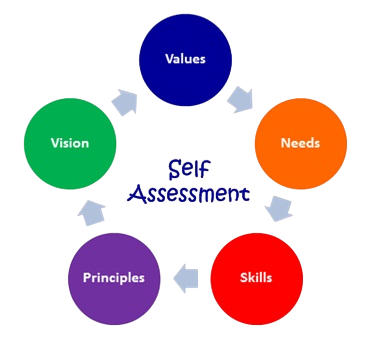
53. Why is self-assessment necessary for freshers?
Ans:
Self-assessment is necessary because preparation quality improves only when strengths and weaknesses are measured honestly and regularly. Without evaluation, candidates may continue repeating comfortable topics while ignoring major performance gaps. Assessment helps in refining schedules, prioritizing weak areas, and adjusting learning strategies intelligently. It also builds awareness of interview readiness levels before real opportunities arrive. Consistent self-assessment leads to smarter and faster improvement.
54. How to perform self-assessment properly?
Ans:
- Taking timed coding tests weekly helps measure speed, accuracy, and pressure-handling ability objectively across changing topics.
- Reviewing mock interview recordings reveals communication gaps, hesitation habits, and explanation weaknesses clearly.
- Tracking solved problems by category identifies neglected areas needing urgent additional practice.
- Comparing current performance with previous results creates motivation and evidence of progress over time.
55. Why is adaptability important in Apple interviews?
Ans:
Adaptability is important because interview questions may shift unexpectedly between coding, projects, fundamentals, and behavioral discussions. Candidates who adapt quickly remain calm and continue performing effectively despite unfamiliar situations. This quality also reflects readiness for dynamic work environments where priorities often change rapidly. Interviewers value flexible thinkers who can learn new tools and solve changing challenges efficiently. Strong adaptability significantly increases overall interview success chances.
56. How to improve adaptability during preparation?
Ans:
- Practicing mixed-topic sessions involving coding, theory, and communication builds comfort with sudden context changes effectively.
- Solving unseen problems regularly trains the mind to handle unfamiliar patterns without panic.
- Learning multiple technologies or approaches creates flexibility when technical conversations expand unexpectedly.
- Reflecting calmly after difficult practice sessions develops resilience and adaptive confidence over time.
57. Why is attention to detail valuable for Apple interviews?
Ans:
Attention to detail is valuable because small mistakes in logic, syntax, assumptions, or communication can weaken strong answers. Companies known for quality often value precision, consistency, and thoughtful execution highly. Detailed candidates usually catch bugs faster and produce cleaner, more reliable solutions during coding rounds. This skill also improves resume quality, project explanations, and professional communication standards. Strong attention to detail creates a premium candidate impression.
58. How to build attention to detail?
Ans:
- Rechecking problem constraints before coding helps avoid common mistakes caused by rushed assumptions and incomplete understanding.
- Testing multiple edge cases carefully improves accuracy and reliability of final solutions significantly.
- Reviewing resumes, notes, and project descriptions for clarity builds precision habits beyond coding tasks.
- Slowing down slightly during planning often saves more time than correcting careless errors later.
59. Why is curiosity important for freshers preparing for Apple?
Ans:
Curiosity is important because strong learners progress faster when driven by genuine interest rather than forced memorization alone. Curious candidates explore why systems work, how products evolve, and what improvements are possible technically. This mindset leads to deeper understanding, better projects, and stronger interview conversations naturally. Interviewers often appreciate candidates who show enthusiasm for learning and innovation. Curiosity becomes a long-term advantage in both interviews and career growth.
60. How to develop technical curiosity?
Ans:
- Exploring how everyday applications function internally builds interest in architecture, APIs, and system behavior naturally.
- Reading engineering blogs and product announcements reveals real-world technical decisions worth studying deeply.
- Asking follow-up questions while learning concepts improves depth of understanding significantly.
- Building side projects from personal ideas converts curiosity into practical skill development effectively.
61. Why is professionalism important during interviews?
Ans:
Professionalism is important because interview performance includes behavior, punctuality, communication tone, and respectful interaction throughout all rounds. Even strong technical candidates may lose opportunities through careless conduct or poor communication discipline. Professional presence signals maturity, reliability, and readiness for corporate responsibilities. It also improves interviewer comfort and creates smoother conversations during stressful situations. Strong professionalism supports final hiring confidence greatly.
62. How to demonstrate professionalism in interviews?
Ans:
- Joining interviews on time with proper preparation materials ready reflects seriousness and reliability immediately.
- Speaking respectfully, listening carefully, and avoiding interruptions improves interaction quality significantly.
- Keeping responses structured and concise demonstrates maturity and communication discipline.
- Closing rounds politely with gratitude and confidence leaves a strong final impression.
63. Why is patience important in technical rounds?
Ans:
Patience is important because complex problems often require thoughtful analysis before coding begins successfully. Rushing into implementation can create wrong approaches, avoidable bugs, and confusion during explanations. Patient candidates usually ask better clarifying questions and choose stronger solution strategies. This quality also helps during debugging when unexpected issues appear under time pressure. Patience improves technical quality and decision-making consistency.
64. How to develop patience during preparation?
Ans:
- Practicing longer medium and hard problems trains sustained concentration without frustration or panic. Challenging tasks improve the ability to stay focused for extended periods. This habit gradually strengthens patience during complex preparation stages.
- Delaying coding for a few minutes to plan solutions builds disciplined thinking habits. Careful planning reduces rushed mistakes and unnecessary confusion later. It also develops calm decision-making under pressure.
- Accepting mistakes as part of growth reduces emotional reactions during difficult sessions. Errors often provide lessons that improve future performance significantly. This mindset encourages patience and steady learning progress.
- Maintaining steady daily routines develops calm endurance over time. Consistent schedules reduce stress caused by irregular preparation patterns. Regular habits make long-term success easier to sustain.
65. Why is networking with peers useful during preparation?
Ans:
Networking with peers is useful because shared preparation often reveals resources, interview trends, and problem-solving techniques quickly. Discussion groups create accountability and encourage consistency during long preparation periods. Peers may provide mock interviews, resume reviews, and motivation during difficult phases. Learning from others also exposes different approaches to the same technical problem. Healthy peer networks can significantly accelerate progress.
66. How to use peer groups effectively for preparation?
Ans:
- Joining focused study groups with serious candidates improves accountability and preparation discipline greatly.
- Rotating mock interviews among members creates realistic practice at minimal cost.
- Sharing curated resources prevents wasted time on low-quality material online.
- Discussing multiple solution approaches deepens understanding and broadens technical thinking.
67. Why is resilience important after interview setbacks?
Ans:
Resilience is important because rejection or weak performances are common during competitive hiring journeys. Candidates who recover quickly continue improving while others lose momentum unnecessarily. Setbacks often reveal valuable weaknesses that can be corrected before future opportunities. Mental resilience also supports consistency across long preparation timelines. Strong resilience transforms failures into progress.
68. How to build resilience during interview preparation?
Ans:
- Viewing each setback as feedback helps maintain motivation and constructive learning momentum. Every challenge can reveal areas that need stronger preparation and improvement. This mindset turns disappointment into future success opportunities.
- Tracking long-term progress reminds candidates that growth matters more than one bad result. Skills, confidence, and knowledge develop gradually through consistent effort. Remembering progress reduces stress after temporary setbacks.
- Continuing routines immediately after disappointment prevents confidence decline significantly. Returning to study schedules quickly restores discipline and positive momentum. Consistent action helps avoid negative overthinking and delay.
- Discussing experiences with mentors or peers provides perspective and renewed focus. Helpful advice often brings clarity about mistakes and next steps. Supportive conversations also rebuild confidence and motivation effectively.
69. Why is product thinking useful for Apple interviews?
Ans:
Product thinking is useful because engineering roles often require understanding user needs rather than only writing code. Candidates who think about usability, reliability, and simplicity align better with product-driven environments. This mindset improves project discussions and feature design conversations during interviews. It also demonstrates awareness of how technical work supports customer experience. Strong product thinking creates a more complete candidate profile.
70. How to develop product thinking?
Ans:
- Analyzing popular applications from a user perspective helps understand feature priorities and pain points clearly.
- Asking how a solution improves customer experience strengthens decision-making maturity significantly.
- Studying trade-offs between speed, design, privacy, and usability improves balanced thinking.
- Building projects with real users in mind develops practical product judgment effectively.
71. What is the difference between consistency and motivation?
Ans:
| Criteria | Consistency | Motivation |
|---|---|---|
| Meaning | Regular effort maintained over time. | Temporary enthusiasm to take action. |
| Nature | Stable and discipline-based. | Changes with mood and situation. |
| During Challenges | Continues progress despite difficulty. | May decrease during setbacks. |
| Result | Builds long-term success steadily. | Helps start tasks quickly. |
72. How to stay consistent for many months?
Ans:
- Creating realistic schedules prevents burnout and supports sustainable long-term preparation habits. Balanced planning makes routines easier to follow every day without stress. Practical schedules improve consistency over many months successfully.
- Setting small measurable daily goals keeps momentum active even on difficult days. Achievable targets create regular progress and build confidence steadily. Small wins often lead to stronger long-term motivation.
- Tracking streaks and progress creates motivation through visible evidence of discipline. Seeing completed efforts encourages continuation during low-energy periods. Progress records also highlight growth and consistency clearly.
- Allowing planned breaks helps maintain energy and avoid mental exhaustion. Short recovery periods refresh focus and improve productivity afterwards. Rest is important for sustaining long-term performance effectively.
73. Why is final-week preparation important?
Ans:
Final-week preparation is important because last impressions of knowledge often influence confidence and recall speed strongly. This period should focus on reinforcement rather than learning many brand-new topics. Candidates who revise strategically enter interviews calmer and more organized mentally. It also reduces avoidable mistakes caused by rustiness or forgotten basics. A strong final week can significantly improve performance outcomes.
74. How to use the final week effectively?
Ans:
- Revising core algorithms, common patterns, and subject notes ensures sharp recall during interviews. Focused revision helps strengthen memory of important concepts quickly. It also reduces confusion during technical problem-solving rounds.
- Practicing selected mock rounds maintains rhythm without causing exhaustion. Limited practice keeps confidence active while avoiding unnecessary stress. Balanced preparation improves performance and energy levels effectively.
- Reviewing projects and resume talking points strengthens confidence for discussion rounds. Clear understanding of past work helps answer questions smoothly and professionally. Strong presentation creates a better impression on interviewers.
- Protecting sleep, routine, and mental calmness improves final readiness substantially. Proper rest increases concentration, communication clarity, and decision-making ability. A calm mind performs better under interview pressure.
75. Why is confidence important before Apple interviews?
Ans:
Confidence is important because it improves communication quality, calm decision-making, and ability to recover from mistakes quickly. Confident candidates explain thought processes clearly even when facing difficult questions unexpectedly. This presence creates stronger impressions than silent uncertainty despite similar skill levels. Confidence also supports behavioral rounds and professional interaction with interviewers. Preparation-backed confidence becomes a major advantage in final selection decisions.
76. Why is mock interview practice important before Apple interviews?
Ans:
Mock interview practice is important because real interview success depends on execution quality rather than knowledge alone. Simulated rounds expose weaknesses in coding speed, communication flow, nervous habits, and time management under pressure. Repeated practice helps candidates become comfortable with unfamiliar questions and live problem-solving expectations. It also improves clarity while explaining solutions and handling follow-up questions professionally. Consistent mock interview practice greatly increases final readiness and confidence.
77. How to conduct mock interviews effectively?
Ans:
- Using timed sessions with unseen coding problems creates realistic pressure and accurately tests technical performance levels.
- Including behavioral questions and resume discussions ensures complete preparation beyond coding rounds alone.
- Recording sessions helps identify hesitation, unclear explanations, and communication mistakes quickly.
- Reviewing feedback after every round creates measurable improvement in confidence and interview quality.
78. Why is body language important during interviews?
Ans:
Body language is important because confidence and professionalism are communicated through posture, eye contact, and attentive presence. Strong nonverbal communication creates trust and supports spoken answers during stressful interview moments. Poor posture or distracted behavior may weaken strong technical responses unnecessarily. Professional body language also improves first impressions and conversation comfort for interviewers. Positive presence can strengthen overall interview evaluation significantly.
79. How to improve body language for interviews?
Ans:
- Sitting upright with calm posture signals confidence, attentiveness, and readiness for professional discussion immediately.
- Maintaining natural eye contact during virtual or in-person rounds improves connection and trust effectively.
- Avoiding restless gestures and unnecessary movement helps present a composed professional image.
- Practicing mock sessions on camera reveals habits that need correction before final interviews.

80. Why is listening skill important in Apple interviews?
Ans:
Listening skill is important because many mistakes happen when candidates answer before fully understanding the question. Strong listeners capture constraints, hints, expectations, and follow-up direction more accurately. This ability improves problem-solving efficiency and prevents unnecessary rework during coding rounds. Listening also demonstrates respect, patience, and teamwork potential during behavioral discussions. Excellent listening skill strongly improves interview communication quality.
81. How to improve listening skill during interviews?
Ans:
- Waiting until the interviewer fully completes the question prevents confusion and incomplete responses significantly. It ensures the entire requirement is understood before answering. This habit also shows patience and professionalism during discussions.
- Taking brief notes on constraints and keywords improves retention during technical problem discussions. Important details remain clear while organizing thoughts effectively. Notes also help structure accurate and relevant responses.
- Repeating understanding in concise words confirms accuracy before starting the solution approach. It reduces misunderstandings and saves valuable interview time. This method demonstrates careful attention to details.
- Practicing active listening in mock interviews builds stronger real-round communication habits. Regular practice improves focus, response quality, and confidence steadily. It also prepares candidates for different interviewer styles.
82. Why is asking clarifying questions valuable?
Ans:
Asking clarifying questions is valuable because many interview problems include hidden assumptions or intentionally open-ended details. Candidates who clarify scope often produce more accurate and relevant solutions than those who guess quickly. This behavior also reflects thoughtful engineering mindset and communication maturity. Clarification reduces wasted time spent solving the wrong interpretation of a problem. Smart questions can significantly improve performance in technical rounds.
83. How to ask clarifying questions properly?
Ans:
- Asking about input constraints helps determine correct algorithm choice and expected efficiency requirements clearly.
- Confirming whether duplicate values, null cases, or ordering matters prevents logical mistakes later.
- Requesting examples when wording seems ambiguous improves understanding without appearing confused.
- Keeping questions concise and relevant demonstrates professionalism and structured thinking.
84. Why is clean code important in Apple interviews?
Ans:
Clean code is important because interviewers evaluate readability, structure, and maintainability in addition to correctness. Messy implementations may hide logic quality and create doubts about real workplace coding habits. Readable code with clear naming helps interviewers follow thought process quickly. Clean structure also reduces bugs and makes debugging easier during live rounds. Strong coding hygiene improves technical impression significantly.
85. How to write cleaner code in interviews?
Ans:
- Using meaningful variable names makes logic easier to understand and demonstrates maturity in coding habits. Clear names help interviewers follow the solution quickly without confusion. This practice also improves future debugging and maintenance.
- Breaking large logic into smaller functions improves readability and maintainability effectively. Smaller sections make testing and explanation much easier during interviews. Modular thinking also reflects strong problem-solving ability.
- Keeping indentation consistent and avoiding unnecessary complexity creates professional code presentation. Well-structured formatting makes the program appear organized and polished. Simple solutions are often valued more than overly complicated ones.
- Adding brief comments only when needed helps explain tricky sections without cluttering the solution. Comments should support understanding rather than repeat obvious statements. Balanced commenting shows clarity of thought and communication skills.
86. Why are edge cases important in coding rounds?
Ans:
Edge cases are important because many otherwise correct solutions fail under unusual or boundary inputs. Interviewers often examine whether candidates think beyond standard examples and expected scenarios. Testing empty inputs, duplicates, extremes, or single values shows strong engineering discipline. Handling edge cases also reduces runtime errors and improves reliability of final code. Attention to edge cases can separate average and strong candidates.
87. How to identify edge cases quickly?
Ans:
- Checking minimum and maximum input sizes helps reveal performance and logic weaknesses early.
- Considering empty arrays, null values, or single-element inputs prevents common implementation failures.
- Testing duplicate values and sorted or reverse-sorted data improves robustness significantly.
- Reviewing mathematical boundaries such as overflow or negative values strengthens final correctness.
88. Why is stress management important before interviews?
Ans:
Stress management is important because anxiety can reduce memory recall, communication quality, and logical clarity unexpectedly. Well-prepared candidates sometimes underperform only because pressure overwhelms calm execution. Managing stress improves concentration and supports confident problem-solving during difficult moments. It also helps maintain positive body language and professional interaction with interviewers. Good stress control protects true ability during evaluation.
89. How to manage stress effectively before interviews?
Ans:
- Following regular sleep schedules before interviews improves focus, mood stability, and recall ability greatly. Proper rest keeps the mind fresh and alert during important discussions. Good sleep also supports confident communication and decision-making.
- Practicing breathing techniques and short relaxation routines reduces immediate nervous tension effectively. Calm breathing slows anxious thoughts and improves emotional balance quickly. This method helps maintain composure before entering the interview room.
- Limiting last-minute overstudying prevents burnout and mental overload before important rounds. Reviewing only key concepts keeps preparation sharp without creating confusion. Balanced revision protects energy and confidence levels.
- Entering interviews with rehearsed routines creates familiarity and calmer execution. Practiced introductions, greetings, and responses reduce uncertainty significantly. Familiar habits often improve confidence and performance under pressure.
90. Why is sleep important during preparation?
Ans:
Sleep is important because memory consolidation and cognitive recovery happen strongly during proper rest cycles. Poor sleep reduces attention span, coding accuracy, and emotional stability during interviews. Candidates who sacrifice sleep often lose more performance than they gain from extra study hours. Healthy rest also improves motivation and long-term consistency across preparation months. Quality sleep is a performance advantage, not wasted time.
91. How to maintain healthy preparation energy levels?
Ans:
- Combining study sessions with regular breaks helps sustain concentration and prevents mental fatigue significantly.
- Maintaining hydration and balanced nutrition supports alertness and cognitive performance daily.
- Light physical activity improves mood, stamina, and stress resistance during preparation periods.
- Protecting sleep schedules ensures steady energy for learning and interviews.
92. Why is curiosity about products useful in Apple interviews?
Ans:
Curiosity about products is useful because strong candidates often understand the user experience behind technology decisions. Awareness of design philosophy and ecosystem strengths creates richer behavioral and product discussions. This mindset shows genuine interest rather than only job-focused preparation. Candidates who observe products critically often develop stronger product thinking naturally. Product curiosity can enhance overall candidate differentiation.
93. How to study products intelligently before interviews?
Ans:
- Observing flagship devices and software features helps understand ecosystem priorities and premium user expectations clearly. It reveals how companies position products in competitive markets. This knowledge improves interview discussions about innovation and customer value.
- Comparing products with competitors develops balanced market awareness and analytical thinking. Understanding strengths and weaknesses of multiple brands creates sharper business insight. It also shows the ability to evaluate trends objectively.
- Reading launch announcements reveals innovation direction and strategic focus areas effectively. Product launches often highlight future goals, technology investments, and target audiences. This helps candidates discuss company vision with confidence.
- Thinking about feature improvements builds stronger product reasoning skills. Suggesting useful enhancements demonstrates creativity and practical problem-solving ability. It also reflects genuine interest in user experience and product growth.
94. Why is humility important in interviews?
Ans:
Humility is important because learning mindset and teamwork potential matter strongly in high-performing organizations. Overconfidence can create negative impressions even when technical ability is strong. Humble candidates accept hints, communicate respectfully, and handle corrections professionally. This quality also reflects maturity and readiness for collaborative engineering environments. Balanced confidence with humility creates an excellent professional image.
95. How to show humility professionally?
Ans:
- Acknowledging uncertainty honestly when needed is better than forcing incorrect confident answers unnecessarily. Honest responses create trust and show strong professional integrity. It also reflects willingness to learn the correct solution.
- Accepting hints positively demonstrates coachability and learning orientation strongly. Constructive guidance helps improve performance and understanding quickly. Employers appreciate candidates who adapt with a positive attitude.
- Respecting interviewer perspectives and responding calmly improves interaction quality significantly. Professional behavior creates smoother communication during important discussions. Calm responses also show emotional maturity and confidence.
- Giving credit to teams during project discussions reflects maturity and collaboration values. Recognizing shared effort shows fairness and strong teamwork mindset. This habit builds respect in professional environments.
96. What is the difference between fixed mindset and growth mindset?
Ans:
| Criteria | Fixed Mindset | Growth Mindset |
|---|---|---|
| Belief | Abilities are limited and unchangeable. | Abilities improve through learning and effort. |
| Challenges | Avoids difficult tasks and risks. | Accepts challenges as growth opportunities. |
| Feedback | May ignore criticism. | Uses feedback for improvement. |
| Result | Slow progress over time. | Continuous development and success. |
97. How to build a long-term learning mindset?
Ans:
- Setting regular learning goals beyond interviews encourages sustainable skill growth over time. Clear targets provide direction for continuous improvement and career readiness. This habit ensures progress continues even after immediate goals are achieved.
- Exploring new tools, languages, and systems builds adaptability effectively. Exposure to different technologies increases confidence in changing work environments. It also strengthens problem-solving abilities through broader knowledge.
- Reflecting on mistakes as lessons transforms setbacks into progress opportunities consistently. Every challenge can reveal better methods and stronger strategies. This mindset turns failures into valuable learning experiences.
- Staying curious about technology trends maintains motivation and relevance. Interest in new developments encourages regular learning and experimentation. Continuous curiosity helps professionals remain competitive in evolving industries.
98. Why is final-week confidence important before Apple interviews?
Ans:
Final-week confidence is important because mindset strongly influences execution during the last preparation stage. Candidates who trust preparation usually communicate better and think more clearly under pressure. Doubt and panic often cause unnecessary mistakes despite strong technical readiness. Calm confidence supports memory recall, body language, and structured responses. A strong final mindset can elevate overall interview performance significantly.
99. How to build confidence in the final week?
Ans:
- Revising strengths and frequently solved topics reminds candidates of actual readiness levels clearly. It highlights the knowledge already gained through preparation. This review builds confidence by showing steady improvement and capability.
- Completing selected mock rounds successfully creates positive momentum before interviews. Practice sessions reduce nervousness and improve response quality significantly. Success in mocks increases belief in final performance.
- Avoiding comparison with others protects focus and emotional balance significantly. Every candidate follows a unique learning speed and journey. Concentrating on personal progress leads to stronger confidence.
- Maintaining calm routines and proper rest reinforces stable confidence. Good sleep and balanced habits improve clarity, energy, and concentration. A relaxed mind performs better under interview pressure.
100. What are final success tips for Apple fresher interviews?
Ans:
Final success in Apple fresher interviews depends on strong fundamentals, consistent coding practice, and polished communication ability. Well-prepared candidates combine technical skill with professionalism, curiosity, and calm problem-solving behavior. Projects, mock interviews, and revision should support readiness across all major round types. Confidence backed by preparation usually performs better than talent without discipline. Structured preparation with persistence creates the strongest path to selection success.
101. Why is interview follow-up preparation important?
Ans:
Interview follow-up preparation is important because post-interview communication can reinforce professionalism and genuine interest in the opportunity. Candidates who remain organized after rounds are better prepared for additional assessments, updates, or sudden scheduling requests. This stage also helps maintain momentum instead of emotionally disconnecting immediately after the interview ends. Professional follow-up behavior leaves a mature and responsible final impression on hiring teams. Strong post-interview readiness supports the complete selection journey effectively.
102. How to stay prepared after interview rounds?
Ans:
- Keeping notes about asked questions, discussion topics, and personal performance helps improve future rounds and later follow-up stages significantly.
- Remaining available for emails, calls, or scheduling requests ensures smooth communication with recruiters and coordinators.
- Continuing light revision of core topics helps readiness in case additional technical rounds are announced unexpectedly.
- Maintaining patience and professionalism during waiting periods reflects maturity and emotional stability strongly.
103. Why is learning from rejection valuable?
Ans:
Learning from rejection is valuable because unsuccessful outcomes often reveal hidden preparation gaps more honestly than easy success. Candidates who analyze setbacks objectively improve faster than those who respond emotionally and stop progressing. Rejections may highlight weak communication, insufficient fundamentals, or lack of interview composure under pressure. Every setback can become a stepping stone toward stronger future opportunities with better readiness. Growth-focused reflection transforms disappointment into long-term advantage.
104. How to recover after rejection productively?
Ans:
- Reviewing interview memory immediately helps identify technical, behavioral, or communication mistakes while details remain clear.
- Creating an improvement plan converts disappointment into focused action and measurable progress quickly.
- Continuing regular preparation routines prevents confidence decline and protects momentum effectively.
- Applying again after stronger preparation often leads to much better future outcomes.
105. Why is long-term career thinking important during preparation?
Ans:
Long-term career thinking is important because interviews are milestones rather than the final destination of professional growth. Candidates focused only on one company may lose motivation after setbacks or delays unnecessarily. A broader career mindset encourages stronger fundamentals, better projects, and continuous skill development. This perspective also reduces pressure by treating interviews as opportunities instead of life-defining events. Long-term thinking creates healthier motivation and stronger performance.
106. How to build a strong long-term career mindset?
Ans:
- Focusing on transferable skills such as coding, communication, and system thinking creates value beyond any single company interview.
- Setting yearly growth goals helps maintain direction and motivation through changing market conditions.
- Building projects and portfolios continuously strengthens long-term employability significantly.
- Viewing every interview as learning experience develops resilience and sustained confidence over time.
107. Why is gratitude helpful during interview journeys?
Ans:
Gratitude is helpful because it keeps mindset balanced during stressful preparation and uncertain selection timelines. Candidates who appreciate progress, mentors, and opportunities often maintain stronger emotional stability consistently. This mindset reduces negativity after setbacks and supports healthier long-term discipline. Gratitude also improves professional behavior during interactions with recruiters and interviewers. A positive attitude can indirectly improve performance and consistency.
108. How to practice gratitude during preparation?
Ans:
- Recognizing weekly progress instead of only final outcomes helps maintain motivation steadily through long preparation periods. Small achievements create encouragement and confidence for future efforts. This mindset keeps the journey positive and balanced.
- Appreciating learning resources, mentors, and support systems creates stronger emotional balance effectively. Gratitude increases respect for those contributing to personal growth. It also reduces stress and negative thinking during preparation.
- Viewing challenges as growth opportunities reduces frustration and improves resilience significantly. Difficult experiences often teach valuable lessons and stronger strategies. This approach builds patience and determination over time.
- Ending each week with reflection on achievements builds positive momentum continuously. Reviewing completed goals highlights progress that may otherwise go unnoticed. This habit inspires consistent effort for the coming week.
109. Why is discipline the ultimate preparation factor?
Ans:
Discipline is the ultimate preparation factor because results usually come from repeated effort rather than occasional motivation bursts. Candidates with disciplined habits continue improving even when enthusiasm temporarily drops. Daily routines build stronger memory retention, coding fluency, and confidence over time. Discipline also ensures revision, mock practice, and balanced preparation across all interview areas. Consistent discipline often decides long-term success more than raw talent alone.
110. How to strengthen discipline permanently?
Ans:
- Following fixed study hours daily helps transform preparation from mood-based activity into dependable routine. Regular timing trains the mind to focus automatically each day. This habit increases consistency and reduces procrastination effectively.
- Reducing distractions such as unnecessary screen time protects consistency and productivity significantly. Fewer interruptions allow deeper concentration on important tasks and goals. Controlled habits also improve time management in daily life.
- Tracking completed tasks creates accountability and visible evidence of disciplined effort. Progress records motivate continued action and highlight areas needing improvement. This method builds responsibility and confidence steadily over time.
- Starting with small sustainable habits makes long-term discipline easier to maintain. Simple routines are easier to repeat without feeling overwhelmed or stressed. Gradual improvement often leads to stronger permanent discipline.
111. Why is confidence with humility ideal for Apple interviews?
Ans:
Confidence with humility is ideal because organizations value capable candidates who remain respectful and coachable. Pure confidence without humility may appear arrogant, while humility without confidence may appear uncertain. Balanced candidates explain ideas strongly, accept feedback gracefully, and collaborate effectively. This combination creates trust and signals readiness for high-performing team environments. Professional balance can strongly influence final hiring impressions.
112. How to balance confidence and humility effectively?
Ans:
- Speaking clearly about strengths while avoiding exaggeration creates authentic professional confidence naturally. Honest communication builds trust during interviews and workplace discussions. It also reflects self-awareness and realistic judgment.
- Accepting mistakes calmly and correcting them demonstrates maturity and humility simultaneously. It shows willingness to learn from experiences and improve continuously. Employers value candidates who respond positively to feedback.
- Welcoming hints or alternate viewpoints shows collaboration readiness strongly. Respecting others’ ideas creates better teamwork and problem-solving outcomes. This attitude also highlights adaptability in professional environments.
- Letting preparation support confidence prevents the need for artificial overstatement. Strong knowledge and practice naturally increase self-belief during important situations. Genuine confidence always appears stronger than forced behavior.
113. Why is persistence important for fresher success?
Ans:
Persistence is important because fresher hiring journeys may involve multiple applications, tests, and repeated interview attempts. Candidates who continue improving through setbacks usually outperform equally talented people who quit early. Every round adds experience, pattern recognition, and stronger communication maturity. Persistent effort compounds into better opportunities and greater readiness over time. Long-term success often belongs to those who continue steadily.
114. How to stay persistent through setbacks?
Ans:
- Keeping focus on long-term goals helps reduce emotional impact of temporary disappointments significantly. It creates patience during difficult stages of preparation. It also reminds candidates that success often takes consistent time and effort.
- Maintaining regular study routines preserves momentum even after rejection outcomes. Daily learning habits prevent loss of confidence and discipline. Consistency ensures progress continues despite short-term setbacks.
- Measuring progress through skills gained rather than only offers received improves motivation strongly. New knowledge, communication growth, and technical strength show valuable improvement. This mindset builds confidence during challenging phases.
- Surrounding preparation with supportive peers or mentors helps sustain persistence over time. Positive guidance provides encouragement when motivation becomes low. Helpful feedback also improves future performance effectively.
115. What are the ultimate final tips for Apple fresher interview success?
Ans:
Ultimate success in Apple fresher interviews comes from combining fundamentals, coding skill, communication quality, and disciplined preparation habits. Strong candidates also demonstrate curiosity, professionalism, calm thinking, and readiness to learn continuously after hiring. Projects, revision, mock interviews, and behavioral preparation should work together as one complete strategy. Confidence supported by real preparation performs better than last-minute effort or empty optimism. Consistent execution with patience and persistence creates the strongest path to final selection success.
![Top Informatica Interview Questions & Answers – [UPDATED] Interview Question](https://www.acte.in/wp-content/uploads/2020/05/4-img-acte-1-400x218.jpeg)