LMS
LMS
Last updated on 18th Apr 2026| 7451

Google Interview Blueprint for Fresh Graduates is a structured guide that helps candidates understand and prepare for the complete hiring process at Google. It outlines each stage of the interview, including online assessments, technical coding rounds, system design basics, and behavioral interviews. This blueprint provides clear preparation strategies, recommended topics, and practical tips to help fresh graduates build strong problem-solving skills, improve technical knowledge, and confidently navigate the interview process.
1. What is Google interview process?
Ans:
The interview process at Google consists of multiple stages designed to evaluate technical knowledge, problem-solving ability, and communication skills in a structured and comprehensive manner. It typically begins with resume screening followed by online assessments or recruiter calls that determine initial eligibility for further rounds. Technical interviews focus heavily on data structures, algorithms, and logical thinking through coding problems and system-level discussions. Behavioral interviews assess cultural fit, collaboration skills, and ability to handle real-world challenges effectively. The overall process ensures selection of candidates who demonstrate strong fundamentals, adaptability, and innovative thinking capabilities.
2. What are stages in Google interviews?
Ans:
- Initial screening stage evaluates resumes, academic performance, and relevant projects to shortlist candidates based on foundational knowledge and skill alignment with job requirements. Strong resumes create the first positive impression quickly. Good projects improve shortlisting chances.
- Online assessment stage includes coding problems and aptitude-based questions designed to test problem-solving ability, logical reasoning, and programming proficiency. This stage often filters many applicants efficiently. Speed and accuracy are important here.
- Technical interview stage consists of multiple rounds focusing on algorithms, data structures, and coding efficiency along with explanation of approaches and optimization techniques. Interviewers assess both logic and communication clearly. Structured thinking gives better impact.
- Final hiring or behavioral stage assesses communication skills, teamwork, adaptability, and alignment with company values before making final hiring decisions. Professional behavior matters strongly in this round. Overall fit is evaluated carefully.
3. What is importance of data structures?
Ans:
Data structures form the backbone of efficient programming by organizing and storing data in a way that enables quick access and modification. Understanding data structures such as arrays, linked lists, trees, and graphs helps in solving complex problems efficiently. They improve algorithm performance and are essential for writing optimized and scalable solutions. Strong knowledge of data structures enhances logical thinking and problem-solving capability. Mastery of data structures is crucial for success in technical interviews at leading technology companies.
4. What are commonly asked data structures?
Ans:
- Arrays and strings are frequently used to test understanding of indexing, traversal, and manipulation techniques under various constraints. These are common beginner-friendly interview topics. Strong mastery builds coding confidence.
- Linked lists are important for evaluating knowledge of pointers, dynamic memory allocation, and efficient insertion or deletion operations. They test careful pointer handling greatly. Logic clarity is essential.
- Trees and binary search trees are used to assess hierarchical data handling, recursion, and traversal methods such as inorder, preorder, and postorder. Tree questions are very popular in interviews. They test recursion skills too.
- Graphs are critical for testing advanced problem-solving involving traversal algorithms like BFS and DFS along with shortest path computations. These topics check deeper algorithmic thinking. Practice is highly valuable.
5. What is importance of algorithms?
Ans:
Algorithms provide step-by-step procedures for solving problems efficiently and are fundamental to software development and technical interviews. They help in improving performance by optimizing time and space complexity of solutions. Understanding algorithms enables candidates to analyze problems and select appropriate approaches. Efficient algorithms reduce computation time and improve scalability of applications. Strong algorithmic knowledge is essential for solving coding problems in interviews.
6. What are common algorithm topics?
Ans:
- Sorting algorithms such as quick sort, merge sort, and bubble sort are essential for understanding data arrangement and efficiency comparison. Sorting teaches many core concepts clearly. It is widely asked.
- Searching algorithms like binary search help in solving problems involving sorted datasets with optimal time complexity. This topic is basic but very important. Interviewers often expect strong understanding.
- Dynamic programming is used for solving problems with overlapping subproblems and optimal substructure efficiently. It is considered advanced by many candidates. Practice improves confidence greatly.
- Greedy algorithms are applied to problems where locally optimal choices lead to globally optimal solutions. Correct reasoning is crucial here. Many scheduling problems use this approach.
7. What is importance of coding practice?
Ans:
Coding practice helps in improving problem-solving skills and understanding of programming concepts through continuous application. It enables familiarity with different problem types and patterns commonly asked in interviews. Regular practice improves speed, accuracy, and confidence in solving coding challenges. It also enhances ability to write clean and optimized code. Consistent coding practice is essential for success in technical interviews.
8. What are best platforms for coding practice?
Ans:
- Platforms like :contentReference[oaicite:0]{index=0} provide a wide range of problems categorized by difficulty and topic, helping in structured preparation effectively. It is highly popular for interview coding practice. Topic filters improve learning.
- :contentReference[oaicite:1]{index=1} offers coding challenges along with tutorials that help beginners and intermediate learners improve programming skills systematically. Many companies use it for tests. It is useful for basics.
- :contentReference[oaicite:2]{index=2} is useful for competitive programming and improving speed and problem-solving under time constraints. It develops strong contest thinking. Regular contests improve speed greatly.
- :contentReference[oaicite:3]{index=3} provides explanations and solutions for various coding problems, making it useful for concept learning and revision. It is helpful for theory plus practice. Many freshers use it regularly.
9. What is importance of problem-solving skills?
Ans:
Problem-solving skills involve analyzing complex situations and developing efficient solutions using logical reasoning. They are essential for handling coding challenges and real-world scenarios effectively. Strong problem-solving ability improves confidence and performance during interviews. It also enhances decision-making and analytical thinking capabilities. Developing problem-solving skills is crucial for achieving success in technical interviews.
10. How to improve problem-solving skills?
Ans:
- Practicing a variety of coding problems regularly helps in understanding different patterns and improving logical reasoning. Variety builds adaptability strongly. Repetition improves speed.
- Breaking problems into smaller components makes them easier to analyze and solve systematically. Large problems become manageable this way. Structured thinking matters.
- Reviewing multiple solutions for the same problem helps in understanding different approaches and optimizing efficiency. Exposure to alternatives increases depth. It improves interview maturity.
- Learning from mistakes and revisiting incorrect solutions strengthens problem-solving ability over time. Error analysis is highly valuable. It prevents repeated mistakes.
11. What is importance of system design?
Ans:
System design involves creating scalable and efficient architectures for handling large-scale applications. It is important for understanding how different components interact within a system. System design questions test ability to think at a high level and design practical solutions. It also involves considerations like scalability, reliability, and performance optimization. Knowledge of system design is essential for advanced interview rounds.
12. What are key system design concepts?
Ans:
- Scalability ensures that systems can handle increased load by adding resources without affecting performance significantly. Growing companies need this capability greatly. It supports future demand.
- Load balancing distributes traffic across multiple servers to prevent overload and improve system reliability. Balanced traffic improves uptime clearly. It avoids bottlenecks.
- Caching improves performance by storing frequently accessed data and reducing computation time. Faster response times improve user experience strongly. It saves resources.
- Database design focuses on efficient data storage, retrieval, and consistency across distributed systems. Good schema planning is very important. It affects long-term performance.
13. What is importance of communication skills?
Ans:
Communication skills help in explaining ideas clearly and effectively during interviews. They ensure that problem-solving approaches are understood by interviewers. Good communication improves interaction and confidence during discussions. It also reflects professionalism and clarity of thought. Strong communication skills are essential for interview success.
14. How to improve communication skills?
Ans:
- Practicing explanation of solutions aloud helps in improving clarity and articulation during interviews effectively. Speaking practice reduces hesitation. Confidence grows naturally.
- Participating in discussions and mock interviews enhances confidence and communication ability. Real conversations sharpen responses significantly. Practice builds comfort.
- Using simple and structured language ensures better understanding and avoids confusion. Clarity is stronger than complexity. Simple answers often perform better.
- Regular feedback and practice help refine communication skills over time. Continuous improvement is essential. Small changes create strong results.
15. What is importance of behavioral interviews?
Ans:
Behavioral interviews assess soft skills, teamwork, and ability to handle real-world situations effectively. They help in evaluating cultural fit and alignment with company values. Behavioral questions require structured answers based on past experiences. They also test communication and decision-making skills. Preparation for behavioral interviews is essential for overall success.
16. What are common behavioral topics?
Ans:
- Teamwork scenarios evaluate ability to collaborate and contribute effectively within a group environment. Companies value cooperative behavior highly. Examples should be genuine.
- Leadership examples assess initiative, responsibility, and ability to guide others towards achieving goals. Ownership stories create strong impressions. Results matter greatly.
- Conflict resolution situations test ability to handle disagreements and maintain a positive work environment. Calm responses show maturity. Professional handling is important.
- Problem-solving experiences demonstrate analytical thinking and decision-making capabilities. Strong examples highlight impact clearly. Measurable outcomes help.
17. What is importance of mock interviews?
Ans:
Mock interviews simulate real interview scenarios and help in evaluating performance effectively. They improve confidence and reduce anxiety by providing practical experience. Mock interviews help identify strengths and areas for improvement. They also enhance communication and problem-solving skills. Regular mock interviews are essential for preparation.
18. How to conduct mock interviews?
Ans:
- Practicing with peers or mentors helps simulate real interview conditions and provides valuable feedback. External feedback reveals blind spots clearly. Practice becomes more realistic.
- Using online platforms for mock interviews ensures exposure to different question types and scenarios. Variety improves adaptability significantly. It prepares candidates better.
- Recording performance helps in analyzing mistakes and improving communication and explanation skills. Self-review is highly effective. It shows repeated habits.
- Reviewing feedback and working on weak areas improves overall performance. Corrections create visible progress naturally. Improvement should be continuous.
19. What is importance of time management?
Ans:
Time management ensures efficient use of time during preparation and interviews. It helps in completing tasks within deadlines and maintaining productivity. Proper time management improves focus and reduces stress. It also ensures balanced preparation across different topics. Effective time management is essential for success. It helps in setting priorities and avoiding unnecessary delays in work. Good time management also increases confidence and overall performance.
20. How to manage time effectively?
Ans:
- Creating a structured schedule helps allocate time efficiently for different topics and practice sessions. Planning reduces wasted effort clearly. Daily discipline matters.
- Prioritizing important tasks ensures that critical areas are covered first without delay. High-value topics need early focus. Smart priorities improve progress.
- Avoiding distractions improves focus and productivity during preparation. Concentrated study gives better results significantly. Attention is valuable.
- Tracking progress helps in maintaining consistency and improving efficiency. Measurement shows growth clearly. It motivates regular effort.
21. What is the difference between consistency and revision in interview preparation?
Ans:
| Criteria | Consistency | Revision |
|---|---|---|
| Meaning | Regular daily effort to improve skills continuously. | Reviewing previously learned topics repeatedly. |
| Purpose | Builds long-term progress and discipline. | Improves memory retention and recall. |
| Focus | Focuses on regular practice. | Focuses on strengthening learned concepts. |
| Result | Improves steady growth and confidence. | Improves accuracy during interviews. |
22. How to maintain consistency?
Ans:
- Following a daily routine helps maintain discipline and ensures regular practice without interruption. Fixed schedules reduce procrastination and improve momentum clearly. Consistency grows through habits.
- Setting achievable goals keeps motivation high and ensures steady progress over time. Small milestones create confidence and long-term commitment significantly. Realistic goals are effective.
- Tracking performance helps in identifying improvements and maintaining consistency. Progress records show strengths and weak areas naturally. Measurement increases accountability.
- Avoiding burnout by balancing study and rest ensures long-term consistency. Proper recovery keeps energy levels stable effectively. Balance supports sustainable growth.
23. What is importance of revision?
Ans:
Revision helps in reinforcing learned concepts and improving memory retention effectively. It ensures quick recall of important topics during interviews. Regular revision reduces chances of forgetting key concepts. It also helps in identifying weak areas for improvement. Revision is essential for effective preparation. It increases confidence by keeping concepts fresh in the mind. Good revision also improves accuracy and performance during assessments.
24. How to revise effectively?
Ans:
- Reviewing notes regularly helps reinforce concepts and improve recall during interviews. Repetition strengthens memory pathways clearly. Short daily review sessions are useful.
- Practicing important problems ensures familiarity with key patterns and solutions. Re-solving builds confidence and speed significantly. Familiarity reduces pressure.
- Focusing on weak areas improves overall understanding and performance. Extra attention to difficult topics closes knowledge gaps effectively. Targeted revision saves time.
- Using short revision sessions improves retention and reduces fatigue. Small focused sessions are easier to maintain naturally. Consistency becomes simpler.
25. What is importance of mindset?
Ans:
A positive mindset helps in maintaining confidence and reducing stress during preparation and interviews. It improves focus and enhances problem-solving ability under pressure. A strong mindset ensures resilience and ability to handle challenges effectively. It also improves communication and interaction during interviews. Maintaining a positive mindset is essential for success.
26. What is importance of coding speed?
Ans:
Coding speed refers to the ability to implement solutions quickly while maintaining accuracy and readability during problem-solving. It helps in completing coding tasks within limited interview time without compromising quality. Improved speed allows more time for testing, debugging, and optimization of solutions effectively. It also enhances confidence and performance under time pressure in competitive interview scenarios. Developing coding speed is essential for performing efficiently in technical interviews.
27. Write a program to reverse a string.
Ans:
This program reverses the given string using a loop.
- #include <stdio.h>
- #include <string.h>
- int main() {
- char str[20] = “google”;
- int len = strlen(str);
- for(int i=len-1; i>=0; i–) {
- printf(“%c”, str[i]);
- }
- return 0;
- }
In this example, the output will be elgoog.
28. What is importance of accuracy in coding?
Ans:
Accuracy in coding ensures that solutions are correct and handle all possible input scenarios effectively. It reduces chances of errors and improves reliability of programs during execution. Accurate solutions demonstrate strong understanding of concepts and attention to detail. It also minimizes debugging time and enhances overall performance in interviews. Maintaining accuracy is essential for delivering high-quality coding solutions.
29. How to improve coding accuracy?
Ans:
- Carefully reading problem statements and understanding requirements helps in avoiding logical errors during implementation. Clear understanding prevents wrong assumptions early. Reading carefully saves time.
- Testing solutions with multiple inputs and edge cases ensures correctness and reliability of code. Broader testing catches hidden bugs significantly. Validation improves confidence.
- Practicing structured coding techniques improves clarity and reduces chances of mistakes. Clean structure makes debugging easier effectively. Organized coding is valuable.
- Reviewing code before submission helps identify and correct errors effectively. Final checks often catch syntax or logic mistakes naturally. Reviewing increases quality.
30. What is importance of edge case handling?
Ans:
Edge case handling ensures that solutions work correctly under extreme or unusual input conditions. It improves robustness and reliability of programs in real-world scenarios. Ignoring edge cases can lead to incorrect results and failed test cases. Handling edge cases demonstrates attention to detail and thorough understanding of problems. Proper edge case handling is essential for success in coding interviews.
31. What are common edge cases?
Ans:
- Empty inputs or null values must be handled carefully to avoid runtime errors and incorrect outputs during execution. Many interview questions test whether code handles missing data safely. Proper checks improve reliability.
- Minimum and maximum constraints test boundaries of algorithms and ensure correct handling of extreme values. Boundary testing often reveals hidden logic mistakes quickly. Strong solutions always consider limits.
- Duplicate elements or repeated values require careful consideration to avoid incorrect logic in solutions. Many searching and hashing problems depend on handling duplicates properly. Ignoring them can break answers.
- Large input sizes test efficiency and performance, ensuring solutions work within time and memory limits. Scalable code is highly valued in interviews and real projects. Efficiency matters greatly.
32. What is importance of testing code?
Ans:
Testing code ensures correctness and reliability of solutions before submission or explanation during interviews. It helps in identifying logical errors and improving solution quality. Testing improves confidence and reduces chances of failure during evaluation. It also ensures that solutions handle all scenarios effectively. Proper testing is essential for delivering accurate coding solutions.
33. How to test code effectively?
Ans:
- Running code with sample inputs helps verify correctness and ensures expected outputs are achieved consistently. Basic examples confirm whether core logic works properly. This is the first testing step.
- Testing with edge cases ensures robustness and identifies potential issues in extreme scenarios. Special inputs often expose hidden bugs quickly. Edge testing is very important.
- Using different input sizes helps evaluate performance and scalability of solutions effectively. Small and large cases reveal speed behavior clearly. Performance testing improves confidence.
- Reviewing outputs carefully helps detect errors and improve accuracy of implementation. Even working code may contain subtle mistakes. Careful observation prevents wrong submissions.
34. What is importance of optimization?
Ans:
Optimization involves improving efficiency of solutions in terms of time and space complexity. It ensures that programs perform well even with large inputs. Optimized solutions demonstrate strong understanding of algorithms and data structures. They also improve scalability and reliability of applications. Optimization is essential for achieving high performance in technical interviews.
35. What is the difference between optimization and testing in coding?
Ans:
| Criteria | Optimization | Testing |
|---|---|---|
| Meaning | Improving code efficiency in time and memory. | Checking correctness and reliability of code. |
| Focus | Focuses on better performance. | Focuses on accurate output. |
| Methods | Better algorithms and data structures. | Sample inputs, edge cases, debugging. |
| Result | Faster and scalable programs. | Error-free and dependable programs. |
36. What is importance of recursion?
Ans:
Recursion is a technique where functions call themselves to solve smaller subproblems effectively. It simplifies complex problems by breaking them into manageable parts. Recursion is commonly used in tree traversal and backtracking problems. Understanding recursion improves problem-solving ability and logical thinking. Mastery of recursion is important for technical interview success.
37. What are key recursion concepts?
Ans:
- Base case ensures termination of recursion and prevents infinite loops during execution of recursive functions. Without a base case, programs may crash due to endless calls. It is the most critical rule.
- Recursive case defines how the problem is divided into smaller subproblems for solution development. Each call should move closer to the base condition clearly. Good design improves efficiency.
- Stack memory usage in recursion must be managed carefully to avoid overflow issues. Deep recursion can consume large memory unexpectedly. Limits should be considered.
- Understanding recursion tree helps in analyzing complexity and optimizing solutions effectively. Visualizing calls makes logic easier to understand naturally. It also helps debugging.
38. What is importance of dynamic programming?
Ans:
Dynamic programming is used to solve problems by storing results of subproblems to avoid repeated computations. It improves efficiency significantly compared to recursive solutions. Dynamic programming is widely used in optimization problems. Understanding DP helps in solving complex problems efficiently. Mastery of dynamic programming is essential for advanced coding interviews.
39. What are types of dynamic programming?
Ans:
- Top-down approach uses recursion with memoization to store results of subproblems and avoid recomputation. It is natural for recursive thinkers and easy to design first. Memoization saves time greatly.
- Bottom-up approach uses iteration and tabulation to build solutions from smaller subproblems. This often avoids recursion overhead completely. Iterative solutions can be faster.
- Space optimization techniques reduce memory usage by storing only necessary values. Many DP tables can be compressed into fewer variables. This improves scalability.
- Identifying overlapping subproblems is essential for applying dynamic programming effectively. Without repeated states, DP may not be useful. Proper recognition is important.
40. What is importance of greedy algorithms?
Ans:
Greedy algorithms solve problems by making locally optimal choices at each step. They are efficient and easy to implement for certain problem types. Greedy solutions often lead to optimal results in specific scenarios. Understanding greedy approach helps in solving optimization problems quickly. Knowledge of greedy algorithms is important for interview preparation.
41. What are characteristics of greedy algorithms?
Ans:
- Local optimal choice ensures best immediate decision without considering future consequences explicitly. This strategy works only for certain problem structures. Correct analysis is necessary.
- Simple implementation reduces complexity and improves efficiency in solving problems quickly. Many greedy solutions need fewer lines of code. Simplicity is a major benefit.
- Not all problems can be solved using greedy approach, requiring careful analysis before application. Some problems need DP or backtracking instead. Choosing correctly is important.
- Greedy algorithms often provide efficient solutions with lower time complexity compared to other methods. Fast execution makes them attractive in interviews. Performance is valuable.
42. What is importance of graph algorithms?
Ans:
Graph algorithms are used to solve problems involving networks, connections, and relationships between entities. They are essential for solving traversal and pathfinding problems. Graph algorithms improve understanding of complex data structures. They are widely used in real-world applications like navigation and networking. Mastery of graph algorithms is important for technical interviews.
43. What are common graph algorithms?
Ans:
- Breadth-first search is used for level-wise traversal and shortest path in unweighted graphs effectively. It uses queue processing and explores neighbors step by step. BFS is highly common.
- Depth-first search explores nodes deeply and is useful for cycle detection and connectivity problems. DFS often uses recursion or stack structures. It is valuable in many tasks.
- Dijkstra’s algorithm finds shortest paths in weighted graphs with non-negative edges efficiently. Priority queues are commonly used for optimization. This is a classic interview topic.
- Union-find algorithm is used for detecting cycles and managing connected components in graphs. It supports efficient merging and parent tracking. This is common in MST problems.
44. What is importance of trees?
Ans:
Trees are hierarchical data structures used to represent relationships between elements efficiently. They are widely used in searching and sorting applications. Tree traversal techniques are important for solving many coding problems. Understanding trees improves problem-solving ability significantly. Knowledge of trees is essential for technical interviews.
45. What are tree traversal methods?
Ans:
- Inorder traversal visits nodes in sorted order for binary search trees and is useful for data retrieval. Left subtree is processed before root clearly. This often returns sorted values.
- Preorder traversal is used for copying trees and evaluating expressions effectively. Root node is visited first before children. It helps preserve structure.
- Postorder traversal helps in deleting nodes and processing child nodes before parent nodes. Children are handled first for safe cleanup. This is useful practically.
- Level-order traversal processes nodes level by level and is useful for breadth-first analysis. Queues are commonly used for this traversal. It is good for shortest-level questions.
46. What is importance of hash tables?
Ans:
Hash tables provide efficient data storage and retrieval using key-value pairs. They offer constant time complexity for insertion and lookup operations. Hash tables are widely used in solving problems involving frequency counting and mapping. Understanding hashing improves performance and efficiency in coding solutions. Knowledge of hash tables is essential for technical interviews.
47. What are applications of hash tables?
Ans:
- Frequency counting problems use hash tables to store occurrences of elements efficiently. This is common in strings and arrays. Counting becomes fast and simple.
- Caching systems use hash tables for fast data retrieval and improved performance. Quick access is valuable in real systems. Caches rely heavily on hashing.
- Database indexing uses hashing techniques to improve search efficiency significantly. Faster lookup improves overall system performance. This has practical importance.
- Duplicate detection problems use hash tables to identify repeated elements quickly. Seen values can be checked in constant time. This is common in interviews.
48. What is importance of stacks?
Ans:
Stacks follow last-in-first-out principle and are used in various applications like expression evaluation. They are important for solving problems involving recursion and backtracking. Stacks help in managing function calls and memory efficiently. Understanding stacks improves ability to solve specific coding problems. Knowledge of stacks is essential for technical interviews.
49. Write a program to implement Stack using Array.
Ans:
This program demonstrates push operation in stack using array.
- #include <stdio.h>
- int main() {
- int stack[5], top = -1;
- stack[++top] = 10;
- stack[++top] = 20;
- stack[++top] = 30;
- for(int i=top; i>=0; i–)
- printf(“%d “, stack[i]);
- return 0;
- }
In this example, output will be 30 20 10.
50. What is importance of queues?
Ans:
Queues follow first-in-first-out principle and are used in scheduling and resource management systems. They are essential for solving problems involving order and sequence processing. Queues are widely used in breadth-first search algorithms. Understanding queues improves problem-solving ability in specific scenarios. Knowledge of queues is important for technical interviews.
51. What is importance of priority queues?
Ans:
Priority queues are advanced data structures that process elements based on priority rather than insertion order, making them highly efficient for specific problem types. They are widely used in algorithms such as Dijkstra’s shortest path and scheduling systems where priority-based execution is required. Priority queues improve efficiency in handling large datasets by ensuring optimal selection of elements during computation. Understanding their implementation using heaps enhances problem-solving capability significantly. Knowledge of priority queues is essential for solving advanced algorithmic problems in interviews.
52. What are applications of priority queues?
Ans:
- Scheduling systems use priority queues to manage tasks efficiently by executing higher priority tasks before lower priority ones, ensuring optimal resource utilization. This improves productivity in operating systems and enterprise workflows. Priority handling is highly practical.
- Graph algorithms such as Dijkstra’s algorithm rely on priority queues to determine the next closest node efficiently, improving performance significantly. Faster selection of minimum distance nodes reduces unnecessary work. This makes shortest path computation scalable.
- Event-driven simulations use priority queues to process events in order of occurrence time, ensuring accurate system behavior. Time-based execution is common in simulations and network models. Correct ordering is essential.
- Load balancing and resource management systems use priority queues to allocate resources dynamically based on priority levels. Critical processes receive service earlier than low-priority requests. This improves system responsiveness.
53. What is importance of bit manipulation?
Ans:
Bit manipulation involves performing operations directly on binary representations of data to achieve efficient computation. It helps in solving problems with optimized time complexity and reduced memory usage. Bitwise operations are commonly used in competitive programming and system-level tasks. Understanding bit manipulation enhances logical thinking and low-level programming skills. Mastery of bit manipulation techniques is valuable for advanced coding interviews.
54. What are common bit manipulation techniques?
Ans:
- Bitwise AND, OR, XOR operations are used for masking, toggling, and comparing bits efficiently in various problem scenarios. These operators help solve many optimization tasks quickly. Strong basics are important.
- Shifting operations such as left shift and right shift help in multiplying or dividing numbers by powers of two quickly. Shift logic is faster than repeated arithmetic operations. It is common in coding rounds.
- Checking if a number is a power of two using bitwise operations improves efficiency compared to traditional methods. This is a popular interview question. Bit tricks simplify the solution.
- Using bit masks helps represent subsets and solve combinatorial problems effectively. Masks are useful in recursion and DP state compression. They improve advanced problem solving.
55. What is importance of backtracking?
Ans:
Backtracking is a problem-solving technique that explores all possible solutions by building them incrementally and discarding invalid ones. It is widely used in problems involving permutations, combinations, and constraint satisfaction. Backtracking helps in systematically exploring solution spaces and ensuring correctness. Understanding backtracking improves ability to solve complex recursive problems. Mastery of backtracking is essential for solving advanced coding challenges.
56. What is the difference between backtracking and greedy algorithm?
Ans:
| Criteria | Backtracking | Greedy Algorithm |
|---|---|---|
| Approach | Tries all possibilities and backtracks when needed. | Chooses best local option at each step. |
| Speed | Usually slower due to many combinations. | Usually faster and efficient. |
| Use Cases | Sudoku, N-Queens, permutations. | Activity selection, Huffman coding. |
| Result | Finds exact valid solution. | May give optimal solution for suitable problems. |
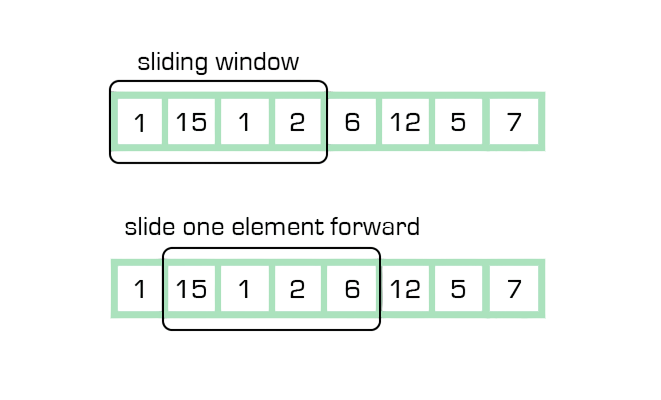
57. What is importance of sliding window technique?
Ans:
Sliding window technique is used to solve problems involving subarrays or substrings efficiently by maintaining a dynamic range. It reduces time complexity by avoiding repeated computations and unnecessary iterations. Sliding window is widely used in string and array problems. Understanding this technique improves efficiency in solving optimization problems. Mastery of sliding window is essential for coding interviews.
58. What are applications of sliding window?
Ans:
- Finding maximum or minimum sum subarrays uses sliding window to efficiently process contiguous elements without recalculating sums repeatedly. This saves time compared to brute force methods. It is a common interview pattern.
- String problems such as finding longest substring without repeating characters rely on sliding window for optimal solutions. Dynamic resizing of the window improves performance greatly. This topic appears frequently.
- Fixed window problems like calculating averages or sums use sliding window to maintain constant window size efficiently. Old values are removed while new values are added smoothly. This keeps logic simple.
- Variable window problems adjust window size dynamically based on conditions, improving flexibility and performance. These problems test pointer movement skills carefully. Practice is highly useful.
59. What is importance of two-pointer technique?
Ans:
Two-pointer technique uses two indices to traverse data structures efficiently, reducing time complexity in many problems. It is commonly used in sorted arrays and string manipulation problems. Two-pointer approach helps in solving problems involving pairs or ranges effectively. Understanding this technique improves coding efficiency significantly. Mastery of two-pointer technique is essential for interviews.
60. What are applications of two-pointer technique?
Ans:
- Pair sum problems use two-pointer approach to find elements that satisfy specific conditions efficiently. This is especially useful in sorted arrays. It reduces nested loop complexity.
- Removing duplicates in sorted arrays uses two pointers to maintain unique elements effectively. One pointer tracks placement while another scans values. This creates in-place solutions.
- Partitioning problems use two pointers to rearrange elements based on conditions. Examples include separating negatives or sorting colors. Pointer swaps improve speed.
- String comparison problems use two pointers for efficient traversal and matching operations. This is common in palindrome and merge problems. It saves extra memory.
61. What is importance of heap data structure?
Ans:
Heap is a specialized tree-based data structure used to efficiently retrieve minimum or maximum elements. It is commonly implemented as a priority queue for efficient operations. Heap improves performance in sorting and selection problems. Understanding heap operations enhances problem-solving ability. Knowledge of heap is essential for advanced interview questions.
62. What are applications of heap?
Ans:
- Heap is used in heap sort algorithm to efficiently sort elements with optimal time complexity. Heap ordering allows repeated extraction of max or min values. Sorting becomes systematic.
- Finding kth largest or smallest elements uses heap to maintain required elements efficiently. This avoids sorting the full dataset unnecessarily. It is a common coding interview task.
- Priority scheduling systems use heap to process tasks based on priority. Important jobs are selected quickly from many requests. This improves execution flow.
- Merging multiple sorted arrays uses heap for efficient data processing. Minimum elements are selected repeatedly from multiple sources. This is useful in large-scale systems.
63. What is importance of string algorithms?
Ans:
String algorithms are used to process and manipulate text efficiently in various applications. They are essential for solving pattern matching and substring problems. String algorithms improve performance in search and parsing tasks. Understanding string manipulation enhances coding skills. Mastery of string algorithms is important for interviews.
64. What are common string algorithms?
Ans:
- Pattern matching algorithms such as KMP help in efficient substring search within large texts. They avoid repeated comparisons intelligently. This improves performance significantly.
- Rabin-Karp algorithm uses hashing for fast pattern matching operations. Rolling hash methods support efficient comparisons. It is useful for multiple pattern checks.
- String reversal and transformation techniques are commonly used in interview problems. These basics improve handling of character arrays and logic building. Fundamentals matter greatly.
- Longest common subsequence and substring problems use dynamic programming for efficient solutions. These are classic interview topics. They strengthen DP understanding.
65. What is importance of arrays?
Ans:
Arrays are fundamental data structures used to store elements in contiguous memory locations. They are widely used in solving various coding problems. Understanding arrays helps in learning advanced data structures. Array operations improve problem-solving efficiency. Mastery of arrays is essential for technical interviews.
66. What are common array problems?
Ans:
- Subarray problems involve finding maximum or minimum sums using optimized techniques like Kadane’s algorithm. These problems teach scanning and optimization patterns. They are frequently asked.
- Sorting arrays helps in simplifying many problems by arranging elements systematically. Ordered data often makes searching easier. Sorting is highly important.
- Searching problems use techniques like binary search for efficient lookup operations. Fast searching is a key interview topic. Efficiency matters greatly.
- Rearrangement problems involve modifying array elements based on specific conditions. In-place swaps and pointer logic are common here. Practice improves speed.
67. What is importance of linked lists?
Ans:
Linked lists are dynamic data structures that allow efficient insertion and deletion operations. They are useful for managing memory efficiently compared to arrays. Linked lists are used in various applications such as stacks and queues. Understanding linked lists improves pointer manipulation skills. Knowledge of linked lists is essential for interviews.
68. What are types of linked lists?
Ans:
- Singly linked list contains nodes connected in one direction, allowing forward traversal only. It is the simplest linked structure to understand. Many beginner questions use it.
- Doubly linked list contains nodes with pointers to both previous and next nodes, enabling bidirectional traversal. Extra pointers improve flexibility significantly. It is useful in navigation systems.
- Circular linked list connects last node to first node, forming a loop for continuous traversal. This is useful in scheduling and round-robin systems. Circular flow is the key feature.
- Linked list variations are used in different applications based on requirements. Choosing the right type improves efficiency naturally. Understanding differences is important.
69. What is importance of trees in interviews?
Ans:
Trees are hierarchical data structures used in many algorithmic problems and system designs. They are essential for representing structured data efficiently. Tree problems test recursion and traversal techniques. Understanding trees improves problem-solving skills significantly. Knowledge of trees is crucial for interviews. It also helps in learning advanced topics like heaps and binary search trees. Strong tree concepts improve coding performance in technical rounds.
70. What are types of trees?
Ans:
- Binary tree allows each node to have at most two children, forming the basis for many algorithms. It is one of the most common tree structures. Traversal questions often use it.
- Binary search tree maintains sorted order, enabling efficient search and insertion operations. Left subtree values remain smaller than root values. This supports faster lookup.
- Balanced trees such as AVL ensure height balance for improved performance. Balanced height prevents worst-case slow operations. Efficiency remains stable.
- Heap tree is used for priority queue operations and efficient element retrieval. Parent-child ordering defines heap behavior clearly. It is useful in scheduling and selection problems.
71. What is importance of graph theory?
Ans:
Graph theory helps in solving problems involving relationships and networks. It is widely used in routing and connectivity problems. Graph algorithms improve problem-solving efficiency. Understanding graphs enhances analytical thinking. Graph theory is essential for technical interviews. It also helps in learning advanced concepts like shortest path and spanning trees. Strong graph knowledge improves coding performance in competitive assessments.
72. What are types of graphs?
Ans:
- Directed graphs have edges with direction, representing one-way relationships between nodes effectively. These graphs are useful in dependency and workflow problems. They are common in interview questions.
- Undirected graphs have edges without direction, allowing bidirectional connections between nodes. Social network friendships are common examples of this model. Traversal becomes simpler in many cases.
- Weighted graphs assign values to edges, enabling cost-based pathfinding solutions. Distances, prices, or times are often stored as weights. They are used in shortest path problems.
- Unweighted graphs treat all edges equally, simplifying traversal algorithms. Breadth-first search works efficiently in many such problems. These graphs are easier for beginners.
73. What is importance of databases?
Ans:
Databases store and manage data efficiently for applications. They are essential for backend systems and data processing. Understanding databases improves system design knowledge. Database concepts are important for interviews. Knowledge of databases enhances overall technical skills. It also helps in learning queries, normalization, and data security concepts. Strong database knowledge improves performance in technical and practical rounds.
74. What are types of databases?
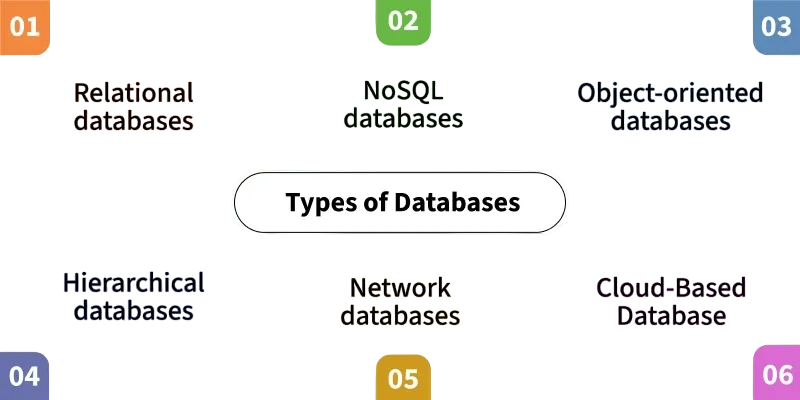
Ans:
- Relational databases store structured data using tables and support SQL queries for efficient data management. They are widely used in business applications. Relationships between tables are important here.
- NoSQL databases handle unstructured data and provide scalability for modern applications. They are useful for flexible schemas and high traffic systems. Popular examples include document stores.
- Distributed databases ensure availability and fault tolerance across systems. Data is spread across multiple machines for reliability. They support large-scale applications.
- In-memory databases provide faster access by storing data in memory. This improves speed for caching and real-time processing significantly. Performance is the key advantage.
75. What is importance of APIs?
Ans:
APIs enable communication between different systems and components effectively. They are essential for building scalable applications. Understanding APIs improves integration and system design skills. API knowledge is important for technical interviews. Strong API understanding enhances overall development ability. It also helps developers connect third-party services quickly and efficiently. Good API knowledge improves problem-solving in modern software projects.
76. What is importance of REST APIs?
Ans:
REST APIs are architectural styles that enable communication between client and server using standard HTTP methods efficiently. They are widely used in modern web applications for seamless data exchange and integration between systems. REST APIs improve scalability and flexibility by separating frontend and backend components effectively. Understanding REST APIs enhances system design and application development knowledge significantly. Knowledge of REST APIs is essential for technical interviews and real-world application development.
77. What are advantages of REST APIs?
Ans:
- REST APIs use standard HTTP methods such as GET, POST, PUT, and DELETE, making them simple, flexible, and easy to integrate across different platforms and systems. Standardization improves developer productivity greatly. It also reduces confusion.
- Stateless nature of REST APIs ensures that each request is independent, improving scalability and simplifying server-side management significantly. Servers do not need to remember session state. This supports load balancing.
- Lightweight data formats such as JSON reduce overhead and improve performance in data transmission between client and server. Smaller payloads often mean faster responses. JSON is widely supported.
- REST APIs support modular architecture, allowing independent development and scaling of different application components efficiently. Teams can work separately on services. Maintenance becomes easier.
78. What is importance of JSON?
Ans:
JSON is a lightweight data interchange format used for transmitting structured data between systems efficiently. It is easy to read and write, making it widely used in APIs and web applications. JSON improves performance due to its compact representation compared to other formats. Understanding JSON helps in handling data exchange effectively in modern applications. Knowledge of JSON is essential for development and interview preparation.
79. What are features of JSON?
Ans:
- JSON uses key-value pairs to represent structured data, making it simple and easy to understand for developers and systems alike. Readability is one of its strongest advantages. It is beginner friendly.
- It supports nested objects and arrays, allowing representation of complex data structures effectively. Real-world data often requires multiple levels of hierarchy. JSON handles this well.
- JSON is language-independent, enabling interoperability between different programming languages and platforms seamlessly. Many systems can exchange JSON data easily. This increases compatibility.
- Lightweight nature of JSON improves performance and reduces data transfer overhead in applications. Smaller messages improve speed significantly. This is valuable in APIs.
80. What is importance of HTTP protocol?
Ans:
HTTP protocol is the foundation of communication between clients and servers on the web. It defines how requests and responses are structured and transmitted over the internet. Understanding HTTP helps in developing web applications and APIs effectively. It also improves knowledge of networking concepts and data exchange mechanisms. Knowledge of HTTP is essential for technical interviews and web development.
81. Write a program to perform Bubble Sort.
Ans:
This program sorts elements in ascending order using Bubble Sort.
- #include <stdio.h>
- int main() {
- int arr[5]={5,1,4,2,8};
- int i,j,temp;
- for(i=0;i<4;i++) {
- for(j=0;j<4-i;j++) {
- if(arr[j]>arr[j+1]) {
- temp=arr[j];
- arr[j]=arr[j+1];
- arr[j+1]=temp;
- }
- }
- }
- for(i=0;i<5;i++) printf(“%d “,arr[i]);
- return 0;
- }
In this example, output will be 1 2 4 5 8.
82. What is importance of cloud computing?
Ans:
Cloud computing provides on-demand access to computing resources such as storage, servers, and databases over the internet. It eliminates the need for physical infrastructure and reduces operational costs significantly. Cloud platforms improve scalability and flexibility for modern applications. Understanding cloud computing enhances system design and deployment knowledge. Knowledge of cloud computing is essential for interviews and real-world development.
83. What are types of cloud services?
Ans:
- Infrastructure as a Service provides virtualized computing resources such as servers and storage over the internet for flexible infrastructure management. Users control systems without buying hardware. It reduces setup cost.
- Platform as a Service offers development platforms and tools for building and deploying applications efficiently. Developers focus on coding rather than infrastructure. Productivity improves greatly.
- Software as a Service delivers applications over the internet, eliminating the need for local installation and maintenance. Users access software through browsers easily. This model is very common.
- Serverless computing allows execution of code without managing infrastructure, improving efficiency and scalability. Developers pay mainly for usage. It speeds deployment.
84. What is importance of virtualization?
Ans:
Virtualization allows creation of virtual versions of physical resources such as servers and storage systems efficiently. It improves resource utilization by enabling multiple systems to run on a single physical machine. Virtualization reduces hardware costs and increases flexibility in IT infrastructure. Understanding virtualization enhances knowledge of cloud computing and system design. Knowledge of virtualization is important for modern technology environments.
85. What are benefits of virtualization?
Ans:
- Virtualization improves resource utilization by allowing multiple virtual machines to share a single physical system efficiently. Hardware usage becomes more effective. Idle resources are reduced.
- It reduces hardware costs and energy consumption, making infrastructure more cost-effective. Fewer machines are needed in many cases. Operational savings increase.
- Virtualization enhances scalability and flexibility by enabling easy addition or removal of resources. Systems can adapt faster to workload changes. This helps growing businesses.
- It provides isolation between systems, improving security and reliability of applications. Problems in one virtual machine may not affect others. Stability improves greatly.
86. What is importance of cybersecurity?
Ans:
Cybersecurity involves protecting systems, networks, and data from unauthorized access and digital attacks effectively. It ensures confidentiality, integrity, and availability of information in modern applications. Understanding cybersecurity improves awareness of threats and prevention techniques. It is essential for building secure and reliable software systems. Knowledge of cybersecurity is important for interviews and real-world applications.
87. What are common cybersecurity practices?
Ans:
- Encryption techniques protect sensitive data by converting it into secure formats that cannot be easily accessed by unauthorized users. Even intercepted data becomes unreadable. Encryption is highly important.
- Firewalls monitor and control network traffic, preventing unauthorized access and potential threats effectively. They act as protective barriers for systems. Network security improves significantly.
- Authentication mechanisms ensure that only authorized users can access systems and resources securely. Passwords and multi-factor methods are common examples. Access control is essential.
- Regular updates and patch management help in fixing vulnerabilities and improving system security continuously. Outdated software often creates risks. Timely updates reduce threats.
88. What is importance of machine learning basics?
Ans:
Machine learning involves training systems to learn from data and improve performance without explicit programming. It is widely used in applications such as recommendation systems and predictive analytics. Understanding machine learning basics enhances knowledge of modern technologies. It also improves ability to work with data-driven applications effectively. Knowledge of machine learning is beneficial for technical interviews.
89. What are types of machine learning?
Ans:
- Supervised learning uses labeled data to train models for tasks such as classification and regression effectively. Correct answers are known during training. It is widely used in practice.
- Unsupervised learning identifies patterns in data without predefined labels, useful for clustering and anomaly detection. It helps discover hidden structures. This is valuable for exploration.
- Reinforcement learning involves training models through rewards and penalties to make optimal decisions. Systems learn by interaction over time. It is used in games and robotics.
- Semi-supervised learning combines labeled and unlabeled data to improve learning accuracy. This is useful when labeled data is limited. It balances cost and performance.
90. What is importance of artificial intelligence?
Ans:
Artificial intelligence enables machines to perform tasks that require human intelligence such as reasoning and decision-making. It is widely used in automation, robotics, and data analysis applications. Understanding AI improves knowledge of modern technological advancements. AI enhances efficiency and innovation in various industries. Knowledge of artificial intelligence is important for future-ready skills.
91. What is importance of big data?
Ans:
Big data refers to large volumes of data that require advanced tools for processing and analysis effectively. It is used for extracting insights and improving decision-making in organizations. Understanding big data enhances knowledge of data processing techniques. Big data technologies improve scalability and efficiency in handling data. Knowledge of big data is essential for modern applications.
92. What are big data technologies?
Ans:
- Hadoop is used for distributed storage and processing of large datasets across multiple systems efficiently. It divides data across clusters for scalable operations. This makes handling huge data practical.
- Spark provides fast data processing using in-memory computation for improved performance. It is widely preferred for analytics and machine learning workloads. Speed is a major advantage.
- NoSQL databases handle unstructured data and provide scalability for big data applications. They are useful when flexible schema support is required. This helps modern applications greatly.
- Data lakes store raw data in its native format for flexible analysis and processing. Different teams can use the same data for multiple purposes. This improves long-term value.
93. What is importance of DevOps?
Ans:
DevOps combines development and operations to improve collaboration and efficiency in software delivery. It focuses on automation, continuous integration, and continuous deployment practices. DevOps reduces development cycles and improves product quality significantly. Understanding DevOps enhances knowledge of modern software development processes. Knowledge of DevOps is important for interviews and industry applications.
94. What is the difference between continuous integration and continuous deployment?
Ans:
| Criteria | Continuous Integration | Continuous Deployment |
|---|---|---|
| Meaning | Frequently merges code into shared repository. | Automatically releases verified code to production. |
| Focus | Build and test automation. | Release and delivery automation. |
| Goal | Detect issues early in development. | Deliver updates faster to users. |
| Stage | Before deployment stage. | After successful testing stage. |
95. What is importance of Docker?
Ans:
Docker is a containerization platform used to package applications and dependencies into containers for consistent deployment. It ensures applications run the same across different environments. Docker improves scalability and efficiency in application deployment. Understanding Docker enhances knowledge of DevOps practices. Knowledge of Docker is important for modern development workflows.
96. What are benefits of Docker?
Ans:
- Containers provide isolated environments for applications, ensuring consistency across development and production systems. This reduces environment-related issues significantly. Stable execution is a major benefit.
- Docker reduces deployment time by packaging applications and dependencies together efficiently. Teams can ship software faster with fewer manual steps. This improves productivity.
- It improves scalability by enabling quick deployment of multiple containers. Extra instances can be launched when demand increases. This supports growth smoothly.
- Docker enhances portability, allowing applications to run on different platforms seamlessly. The same container image can run in many environments. Portability saves effort.
97. What is importance of Kubernetes?
Ans:
Kubernetes is an orchestration tool used to manage containerized applications efficiently. It automates deployment, scaling, and management of containers. Kubernetes improves reliability and performance of applications. Understanding Kubernetes enhances knowledge of cloud and DevOps practices. Knowledge of Kubernetes is important for modern system design.
98. What are features of Kubernetes?
Ans:
- Automatic scaling adjusts resources based on demand, ensuring optimal performance and efficiency. Applications can handle traffic spikes smoothly. This improves user experience.
- Self-healing capabilities restart failed containers and maintain system stability effectively. Fault recovery reduces downtime significantly. Reliability becomes stronger.
- Load balancing distributes traffic across containers to prevent overload and improve reliability. Balanced traffic helps maintain steady performance. This supports scalability.
- Rolling updates enable seamless deployment of updates without downtime. New versions can be released safely with minimal disruption. Continuous delivery becomes easier.
99. What is importance of blockchain?
Ans:
Blockchain is a decentralized technology used to store data securely and transparently. It ensures data integrity and prevents unauthorized modifications. Blockchain is widely used in cryptocurrencies and secure transactions. Understanding blockchain enhances knowledge of emerging technologies. Knowledge of blockchain is beneficial for technical interviews.
100. Write a program to find factorial using recursion.
Ans:
This program calculates factorial of a number using recursion.
- #include <stdio.h>
- int fact(int n){
- if(n==0 || n==1)
- return 1;
- return n * fact(n-1);
- }
- int main(){
- int n=5;
- printf(“%d”, fact(n));
- return 0;
- }
In this example, output will be 120.
101. What is importance of IoT?
Ans:
Internet of Things connects devices to the internet for data exchange and automation. It is widely used in smart homes, healthcare, and industrial applications. Understanding IoT improves knowledge of connected systems. IoT enhances efficiency and innovation in various industries. Knowledge of IoT is important for modern technology roles. It also helps in learning sensors, networking, and real-time monitoring systems. Strong IoT knowledge increases career opportunities in emerging technologies.
102. What are IoT applications?
Ans:
- Smart home systems use IoT devices for automation and control of appliances efficiently. Connected devices improve convenience and energy management. Homes become smarter.
- Healthcare applications use IoT for remote monitoring and patient care improvements. Wearable devices help track health data continuously. This supports better treatment.
- Industrial IoT improves manufacturing efficiency and predictive maintenance. Sensors detect issues before major failures occur. Productivity increases significantly.
- Smart cities use IoT for traffic management and resource optimization. Real-time data helps improve public services effectively. Urban systems become more efficient.
103. What is importance of edge computing?
Ans:
Edge computing processes data closer to the source, reducing latency and improving performance. It is essential for real-time applications such as IoT and autonomous systems. Understanding edge computing enhances knowledge of distributed systems. It improves efficiency and reduces network load significantly. Knowledge of edge computing is important for modern applications.
104. What are benefits of edge computing?
Ans:
- Reduced latency improves performance by processing data closer to the source. Faster responses are important in real-time systems. Speed is a key benefit.
- Lower bandwidth usage reduces network congestion and improves efficiency. Less data needs to travel to central servers. This saves resources.
- Enhanced security ensures sensitive data is processed locally instead of being transmitted. Local handling can reduce exposure risks significantly. Security improves.
- Real-time processing enables faster decision-making in critical applications. Immediate responses are useful in healthcare and automation. Quick actions matter greatly.
105. What is importance of data analytics?
Ans:
Data analytics involves analyzing data to extract meaningful insights and improve decision-making. It is widely used in business intelligence and predictive modeling. Understanding analytics improves ability to work with data effectively. It enhances problem-solving and decision-making capabilities. Knowledge of data analytics is important for modern applications.