LMS
LMS
Last updated on 17th Jun 2026| 6720

Machine Learning Is One Of The Most Important Topics In Microsoft AI Internship Interviews. Candidates Are Frequently Asked Questions Covering Fundamental Concepts, Algorithms, Model Evaluation Techniques, Data Preprocessing, Deep Learning, And Real-World AI Applications. These Interviews Assess Both Theoretical Understanding And Practical Problem-Solving Skills Using Python And Machine Learning Libraries. Freshers Should Be Prepared To Explain Core Concepts Such As Supervised Learning, Unsupervised Learning, Regression, Classification, Neural Networks, And Model Optimization. Microsoft Interviewers May Also Include Coding Questions Related To Data Analysis, Feature Engineering, And Predictive Modeling. A Strong Understanding Of Machine Learning Fundamentals, Combined With Hands-On Project Experience, Can Significantly Improve Interview Performance And Increase The Chances Of Securing A Microsoft AI Internship Opportunity.
1. What Is Machine Learning?
Ans:
Machine Learning Is A Branch Of Artificial Intelligence That Enables Computers To Learn From Data Without Being Explicitly Programmed. It Uses Algorithms To Identify Patterns And Make Predictions. Models Improve Their Performance Through Experience And Training Data. Machine Learning Is Used In Recommendation Systems, Fraud Detection, And Image Recognition. It Can Handle Large Volumes Of Data Efficiently. The Main Goal Is To Build Systems That Learn And Adapt Automatically.
2. What Are The Main Types Of Machine Learning?
Ans:
The Three Main Types Of Machine Learning Are Supervised Learning, Unsupervised Learning, And Reinforcement Learning. Supervised Learning Uses Labeled Data To Train Models. Unsupervised Learning Finds Hidden Patterns In Unlabeled Data. Reinforcement Learning Trains Agents Through Rewards And Penalties. Each Type Solves Different Business Problems. Selecting The Right Approach Depends On The Dataset And Objective. These Techniques Form The Foundation Of Modern AI Applications.
3. What Is Supervised Learning?
Ans:
- Supervised Learning Is A Machine Learning Technique Where Models Learn From Labeled Training Data. The Algorithm Receives Input Data Along With Correct Output Labels.
- It Identifies Relationships Between Inputs And Outputs. Common Tasks Include Classification And Regression. Examples Include Email Spam Detection And House Price Prediction.
- Model Accuracy Is Evaluated Using Test Data. It Is One Of The Most Widely Used Machine Learning Approaches.
4. What Is Unsupervised Learning?
Ans:
Unsupervised Learning Is A Method Where Models Analyze Unlabeled Data To Discover Patterns. It Does Not Require Predefined Output Labels. The Algorithm Groups Similar Data Points Together. Clustering And Association Rule Mining Are Common Techniques. It Is Useful For Customer Segmentation And Market Analysis. Hidden Structures Can Be Revealed Through Data Exploration. Unsupervised Learning Helps Generate Valuable Insights From Raw Data.
5. What Is Reinforcement Learning?
Ans:
- Reinforcement Learning Is A Learning Method Where An Agent Learns Through Interaction With An Environment.
- The Agent Receives Rewards For Correct Actions And Penalties For Mistakes. It Aims To Maximize Long-Term Rewards. This Technique Is Commonly Used In Robotics And Game Playing. The Learning Process Involves Exploration And Exploitation.
- Agents Continuously Improve Their Decision-Making Strategies. Reinforcement Learning Powers Many Advanced AI Systems.
6. What Is A Dataset?
Ans:
A Dataset Is A Collection Of Related Data Used For Training And Testing Machine Learning Models. It Contains Features And Sometimes Labels. Datasets Can Be Structured Or Unstructured. High-Quality Data Improves Model Performance. Data Is Usually Divided Into Training, Validation, And Test Sets. Proper Data Preparation Is Essential For Accurate Predictions. The Dataset Forms The Foundation Of Every Machine Learning Project.
7. What Are Features In Machine Learning?
Ans:
Features Are Individual Variables Or Attributes Used As Inputs To A Machine Learning Model. They Represent Important Characteristics Of The Data. Features Can Be Numerical, Categorical, Or Text-Based. Good Feature Selection Improves Model Accuracy. Irrelevant Features Can Reduce Performance. Feature Engineering Helps Create Better Predictive Variables. Features Play A Critical Role In Model Training And Predictions.
8. What Is A Label?
Ans:
A Label Is The Target Output That A Machine Learning Model Attempts To Predict. Labels Are Present In Supervised Learning Datasets. They Represent The Correct Answers During Training. For Example, Spam Or Not Spam Can Be Labels In Email Classification. Labels Help The Model Learn Relationships Between Inputs And Outputs. Accurate Labels Improve Learning Quality. They Are Essential For Building Reliable Predictive Models.
9. What Is Training Data?
Ans:
Training Data Is The Portion Of A Dataset Used To Teach A Machine Learning Model. The Model Learns Patterns And Relationships From This Data. Training Data Usually Contains Input Features And Output Labels. A Larger And Diverse Dataset Often Produces Better Results. Poor Training Data Can Lead To Inaccurate Predictions. Proper Preprocessing Improves Training Efficiency. Training Data Is The Core Resource For Model Development.
10. What Is Testing Data?
Ans:
- Testing Data Is Used To Evaluate The Performance Of A Trained Machine Learning Model. It Contains Unseen Examples Not Used During Training.
- Testing Helps Measure Accuracy And Generalization Ability. It Provides An Unbiased Assessment Of Model Performance.
- Good Testing Practices Prevent Overestimating Results. Metrics Such As Accuracy And Precision Are Calculated Using Test Data. Testing Ensures The Model Works Effectively On New Data.
11. What Is Overfitting?
Ans:
Overfitting Occurs When A Model Learns Training Data Too Well, Including Noise And Irrelevant Details. It Performs Extremely Well On Training Data But Poorly On New Data. Overfitting Reduces Generalization Ability. Complex Models Are More Prone To This Problem. Techniques Like Cross-Validation And Regularization Help Prevent Overfitting. Proper Feature Selection Can Also Improve Results. Avoiding Overfitting Leads To More Reliable Predictions.
12. What Is Underfitting?
Ans:
Underfitting Happens When A Model Is Too Simple To Capture Patterns In The Data. It Performs Poorly On Both Training And Testing Datasets. The Model Fails To Learn Important Relationships. Insufficient Features Or Inadequate Training May Cause Underfitting. Increasing Model Complexity Can Help Solve The Issue. Better Data Representation Often Improves Performance. A Balanced Model Avoids Both Underfitting And Overfitting.
13. What Is A Classification Problem?e prevented?
Ans:
Classification Is A Machine Learning Task That Predicts Categories Or Labels. The Output Belongs To A Specific Class Such As Yes Or No. Examples Include Spam Detection And Disease Diagnosis. Classification Algorithms Learn From Labeled Data. Common Models Include Logistic Regression And Decision Trees. Performance Is Measured Using Metrics Like Accuracy And Recall. Classification Is Widely Used In Real-World Applications.
14. What Is A Regression Problem?
Ans:
- Regression Is A Machine Learning Task Used To Predict Continuous Numerical Values. Examples Include Predicting House Prices Or Sales Revenue.
- Regression Models Learn Relationships Between Variables. Linear Regression Is A Common Regression Algorithm. The Output Is A Numeric Value Rather Than A Category.
- Metrics Such As Mean Squared Error Evaluate Performance. Regression Is Important For Forecasting And Trend Analysis.
15. What Is Linear Regression?
Ans:
Linear Regression Is A Supervised Learning Algorithm Used For Predicting Continuous Values. It Models The Relationship Between Input Variables And A Target Variable. The Algorithm Fits A Straight Line Through Data Points. It Is Easy To Understand And Implement. Linear Regression Works Well With Linearly Related Data. It Is Commonly Used In Forecasting And Trend Analysis. The Goal Is To Minimize Prediction Errors.
16. What Is Logistic Regression?
Ans:
Logistic Regression Is A Classification Algorithm Used To Predict Binary Outcomes. It Estimates The Probability Of A Particular Class. The Output Is Usually Between Zero And One. It Uses A Sigmoid Function To Produce Predictions. Logistic Regression Is Simple And Efficient. It Is Commonly Applied In Spam Detection And Medical Diagnosis. Despite Its Name, It Is Mainly Used For Classification Tasks.
17.Write A Python Program To Calculate The Mean Of A List.
Ans:
This Program Calculates The Average Value Of Numbers Present In A List. The sum() Function Adds All Elements, While len() Returns The Total Count Of Elements.
- numbers = [10, 20, 30, 40, 50]
- mean = sum(numbers) / len(numbers
- print(“Mean:”, mean)
18. What Is Random Forest?
Ans:
Random Forest Is An Ensemble Learning Algorithm That Combines Multiple Decision Trees. Each Tree Is Trained On Random Samples Of Data. Predictions Are Aggregated To Produce The Final Output. This Improves Accuracy And Reduces Overfitting. Random Forest Works Well With Large Datasets. It Can Handle Missing Values And Complex Relationships. It Is One Of The Most Popular Machine Learning Algorithms.
19. What Is K-Nearest Neighbors?
Ans:
- K-Nearest Neighbors Is A Simple Supervised Learning Algorithm Used For Classification And Regression. It Predicts Outcomes Based On Similar Data Points.
- The Algorithm Finds The Closest Neighbors Using Distance Metrics. The Value Of K Determines The Number Of Neighbors Considered.
- It Requires Minimal Training Effort. Performance Depends On Data Scaling And Feature Selection. KNN Is Easy To Understand And Implement.
20. What Is The Difference Between Supervised Learning And Unsupervised Learning?
Ans:
| Feature | Supervised Learning | Unsupervised Learning |
|---|---|---|
| Definition | Learns From Labeled Data With Known Outputs. | Learns From Unlabeled Data Without Known Outputs. |
| Training Data | Requires Input Data And Corresponding Labels. | Requires Only Input Data Without Labels. |
| Goal | Predict Outcomes Or Classify Data. | Discover Hidden Patterns And Relationships. |
| Output | Produces Predicted Labels Or Values. | Produces Clusters, Groups, Or Associations.. |
21. What Is Support Vector Machine (SVM)?
Ans:
Support Vector Machine Is A Supervised Learning Algorithm Used For Classification And Regression Tasks. It Finds The Optimal Hyperplane That Separates Different Classes. The Goal Is To Maximize The Margin Between Data Points And The Decision Boundary. SVM Works Well With High-Dimensional Data. It Can Handle Linear And Non-Linear Problems Using Kernels. Common Kernels Include Linear, Polynomial, And Radial Basis Function. SVM Is Widely Used In Text Classification And Image Recognition.
22. What Is Naive Bayes?ision.
Ans:
- Naive Bayes Is A Probabilistic Machine Learning Algorithm Based On Bayes’ Theorem. It Assumes That Features Are Independent Of Each Other.
- Despite This Simplification, It Performs Well In Many Real-World Applications. It Is Commonly Used For Spam Filtering And Sentiment Analysis.
- Naive Bayes Is Fast And Efficient For Large Datasets. It Requires Less Training Data Compared To Other Algorithms. The Model Produces Probability-Based Predictions.
23. What Is Clustering?.
Ans:
Clustering Is An Unsupervised Learning Technique That Groups Similar Data Points Together. It Helps Discover Hidden Patterns In Data Without Labels. Objects Within The Same Cluster Share Similar Characteristics. Clustering Is Useful For Customer Segmentation And Market Research. Popular Algorithms Include K-Means And Hierarchical Clustering. The Goal Is To Maximize Similarity Within Clusters. It Provides Valuable Insights From Unstructured Data.
24. What Is K-Means Clustering?
Ans:
K-Means Is A Popular Unsupervised Learning Algorithm Used For Clustering. It Divides Data Into K Distinct Groups Based On Similarity. The Algorithm Iteratively Updates Cluster Centroids. Data Points Are Assigned To The Nearest Centroid. K-Means Is Easy To Implement And Computationally Efficient. Choosing The Right Value Of K Is Important. It Is Widely Used In Customer Segmentation And Data Analysis.
25. What Is Hierarchical Clustering?
Ans:
Hierarchical Clustering Is An Unsupervised Learning Technique That Builds A Tree-Like Structure Of Clusters. It Can Be Agglomerative Or Divisive. Agglomerative Clustering Starts With Individual Points And Merges Them. Divisive Clustering Starts With One Cluster And Splits It. The Results Are Represented Using A Dendrogram. It Does Not Require Predefined Cluster Counts. Hierarchical Clustering Helps Visualize Data Relationships Effectively.
26. What Is Dimensionality Reduction?
Ans:
Dimensionality Reduction Is The Process Of Reducing The Number Of Features In A Dataset. It Simplifies Data While Preserving Important Information. Fewer Dimensions Improve Computational Efficiency. It Helps Reduce Noise And Overfitting. Common Techniques Include PCA And t-SNE. Dimensionality Reduction Makes Visualization Easier. It Enhances Overall Model Performance And Interpretability.
27. What Is Principal Component Analysis (PCA)?
Ans:
- Principal Component Analysis Is A Dimensionality Reduction Technique Used To Simplify Complex Datasets. It Transforms Original Features Into New Uncorrelated Variables Called Principal Components.
- These Components Capture Maximum Variance In The Data. PCA Reduces Storage And Computation Requirements.
- It Helps Improve Visualization Of High-Dimensional Data. The Technique Is Widely Used In Data Preprocessing. PCA Often Improves Model Efficiency.
28. What Is Gradient Descent?.
Ans:
Gradient Descent Is An Optimization Algorithm Used To Minimize A Model’s Error Function. It Updates Model Parameters Iteratively. The Algorithm Moves In The Direction Of The Negative Gradient. Learning Rate Controls The Step Size Of Updates. Proper Learning Rate Selection Is Important For Convergence. Gradient Descent Is Widely Used In Deep Learning. It Helps Models Learn Optimal Parameters Efficiently.
29. What Is Batch Gradient Descent?
Ans:
Batch Gradient Descent Updates Model Parameters Using The Entire Training Dataset. It Computes The Gradient After Processing All Data Points. This Approach Produces Stable Updates. However, It Can Be Slow For Large Datasets. Batch Gradient Descent Requires Significant Memory Resources. It Is Suitable For Smaller Datasets. The Method Ensures Consistent Optimization Results.
30. What Is Stochastic Gradient Descent?
Ans:
Stochastic Gradient Descent Updates Parameters Using One Training Example At A Time. It Is Faster Than Batch Gradient Descent For Large Datasets. Frequent Updates Help Escape Local Minima. However, The Optimization Path Can Be Noisy. SGD Requires Careful Learning Rate Tuning. It Is Widely Used In Deep Learning Applications. The Method Improves Training Efficiency Significantly.
31. What Is Mini-Batch Gradient Descent?
Ans:
Mini-Batch Gradient Descent Combines The Advantages Of Batch And Stochastic Methods. It Processes Small Groups Of Training Examples At Once. This Improves Computational Efficiency And Stability. Mini-Batches Reduce Memory Requirements. The Method Is Commonly Used In Neural Network Training. It Provides Faster Convergence Than Full Batch Processing. Most Modern Deep Learning Frameworks Use This Approach.
32. What Is A Neural Network?
Ans:
- A Neural Network Is A Machine Learning Model Inspired By The Human Brain. It Consists Of Layers Of Interconnected Nodes Called Neurons.
- These Neurons Process Information And Learn Patterns. Neural Networks Can Handle Complex Data Relationships.
- They Are Widely Used In Image And Speech Recognition. Training Involves Adjusting Weights Through Optimization. Neural Networks Form The Foundation Of Deep Learning.
33. What Is Deep Learning?
Ans:
Deep Learning Is A Subset Of Machine Learning Based On Multi-Layer Neural Networks. It Automatically Learns Features From Raw Data. Deep Learning Excels In Handling Large And Complex Datasets. Applications Include Computer Vision And Natural Language Processing. Deep Models Require Significant Computational Resources. They Often Achieve State-Of-The-Art Performance. Deep Learning Powers Many Modern AI Innovations.
34. What Is An Input Layer?
Ans:
The Input Layer Is The First Layer Of A Neural Network. It Receives Raw Data From The Dataset. Each Node Represents A Feature Or Input Variable. The Input Layer Passes Information To Hidden Layers. No Computation Typically Occurs At This Stage. Proper Data Preparation Is Important Before Feeding Inputs. It Serves As The Entry Point Of The Neural Network.
35. What Is A Hidden Layer?
Ans:
A Hidden Layer Is Located Between Input And Output Layers In A Neural Network. It Performs Computations On Input Data. Hidden Layers Learn Intermediate Representations Of Features. More Hidden Layers Enable Learning Of Complex Patterns. Activation Functions Are Applied At Each Neuron. Deep Networks Usually Contain Multiple Hidden Layers. They Significantly Influence Model Performance.
36. What Is An Output Layer?
Ans:
The Output Layer Produces The Final Prediction Of A Neural Network. Its Structure Depends On The Task Being Solved. Classification Problems Often Use Probability Outputs. Regression Problems Generate Continuous Numerical Values. The Output Layer Receives Information From Hidden Layers. Appropriate Activation Functions Improve Prediction Quality. It Represents The Final Decision-Making Stage Of The Model.
37. What Is An Activation Function?
Ans:
An Activation Function Determines Whether A Neuron Should Be Activated. It Introduces Non-Linearity Into Neural Networks. Without Activation Functions, Networks Behave Like Linear Models. Common Functions Include ReLU, Sigmoid, And Tanh. Activation Functions Help Learn Complex Patterns. They Improve The Expressive Power Of Neural Networks. Proper Selection Enhances Model Performance.
38. What Is ReLU?
Ans:
ReLU Stands For Rectified Linear Unit. It Is One Of The Most Common Activation Functions In Deep Learning. ReLU Outputs Zero For Negative Inputs And Returns Positive Values Unchanged. It Helps Reduce Computational Complexity. The Function Accelerates Neural Network Training. ReLU Minimizes The Vanishing Gradient Problem. It Is Widely Used In Modern Deep Learning Models.
39.Write A Python Program To Find The Maximum Value In A List.
Ans:
This Program Finds The Largest Value Present In A List Using The max() Function. Finding Maximum And Minimum Values Is Useful During Exploratory Data Analysis
- numbers = [15, 42, 8, 67, 23]
- maximum = max(numbers)
- print(“Maximum:”, maximum)
40. What Is Tanh Function?
Ans:
The Tanh Function Maps Values Between Negative One And Positive One. It Is Similar To The Sigmoid Function But Centered Around Zero. This Property Often Improves Optimization Efficiency. Tanh Is Used In Neural Networks And Sequence Models. It Provides Stronger Gradients Than Sigmoid. However, It Can Still Suffer From Vanishing Gradients. Tanh Remains Popular In Certain Architectures.

Enroll in Artificial Intelligence Training to Build Skills & Advance Your Career
- Instructor-led Sessions
- Real-life Case Studies
- Assignments
41. What Is Backpropagation?
Ans:
Backpropagation Is A Training Algorithm Used In Neural Networks. It Calculates Errors At The Output Layer And Propagates Them Backward. The Algorithm Updates Weights To Reduce Prediction Errors. It Uses Gradient Descent For Optimization. Backpropagation Enables Efficient Learning In Deep Networks. It Is A Core Component Of Neural Network Training. Without It, Deep Learning Would Not Be Practical.
42. What Is Epoch In Machine Learning?
Ans:
- An Epoch Represents One Complete Pass Through The Entire Training Dataset. During Each Epoch, The Model Processes All Training Examples.
- Multiple Epochs Are Usually Required For Effective Learning. More Epochs Improve Performance Up To A Certain Point.
- Too Many Epochs May Cause Overfitting. Monitoring Validation Performance Helps Determine The Optimal Number. Epochs Play A Key Role In Model Training.
43. What Is Batch Size?
Ans:
Batch Size Refers To The Number Of Training Samples Processed Before Updating Model Parameters. Smaller Batches Require Less Memory. Larger Batches Provide More Stable Gradient Estimates. Batch Size Affects Training Speed And Accuracy. Choosing The Right Value Requires Experimentation. It Influences Optimization Efficiency Significantly. Batch Size Is An Important Hyperparameter.
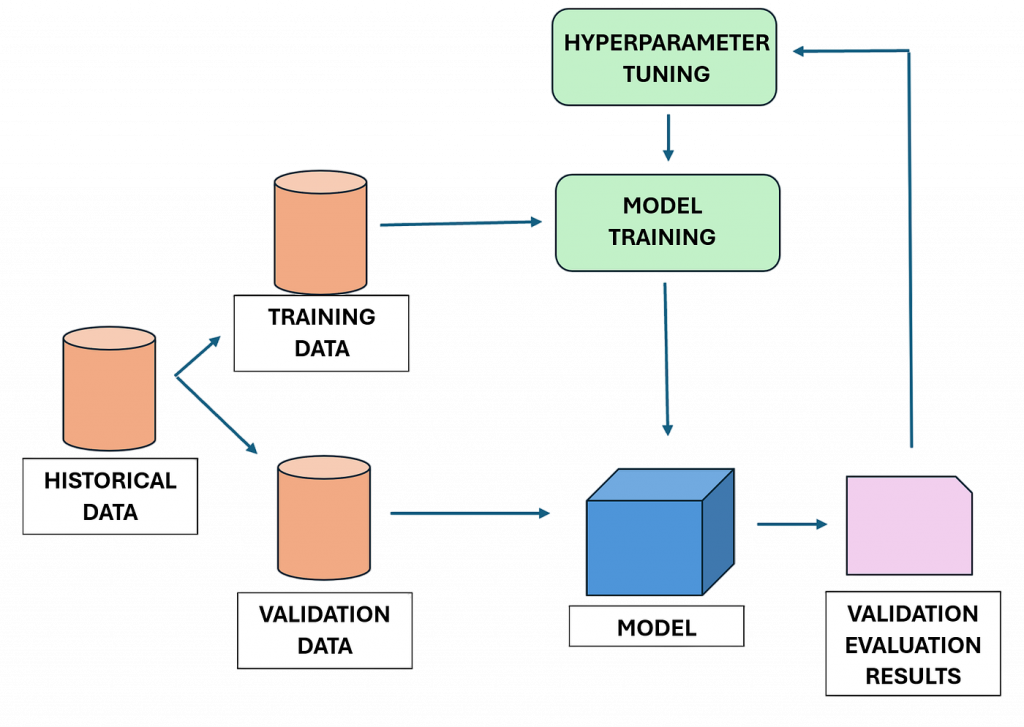
44. What Is A Hyperparameter?
Ans:
Hyperparameter Tuning Is The Process Of Finding The Best Hyperparameter Values. Different Combinations Are Tested And Evaluated. The Goal Is To Maximize Model Performance. Common Methods Include Grid Search And Random Search. Proper Tuning Improves Generalization Ability. It Can Significantly Increase Accuracy. Hyperparameter Optimization Is A Key Step In Machine Learning Projects.
45. What Is Hyperparameter Tuning?
Ans:
Hyperparameter Tuning Is The Process Of Finding The Best Hyperparameter Values. Different Combinations Are Tested And Evaluated. The Goal Is To Maximize Model Performance. Common Methods Include Grid Search And Random Search. Proper Tuning Improves Generalization Ability. It Can Significantly Increase Accuracy. Hyperparameter Optimization Is A Key Step In Machine Learning Projects.
46. What Is A Confusion Matrix?
Ans:
- A Confusion Matrix Is A Table Used To Evaluate Classification Models. It Compares Actual Values With Predicted Values.
- The Matrix Contains True Positives, True Negatives, False Positives, And False Negatives. It Helps Identify Different Types Of Prediction Errors. Many Performance Metrics Are Derived From It.
- The Confusion Matrix Provides A Detailed View Of Model Performance. It Is Widely Used In Classification Evaluation.
47. What Is Accuracy In Machine Learning?
Ans:
Accuracy Measures The Percentage Of Correct Predictions Made By A Model. It Is Calculated By Dividing Correct Predictions By Total Predictions. Accuracy Is Easy To Understand And Interpret. However, It May Be Misleading For Imbalanced Datasets. Other Metrics Are Often Needed For Better Evaluation. High Accuracy Indicates Strong Overall Performance. It Is One Of The Most Common Evaluation Metrics.
48. What Is Precision?
Ans:
Precision Measures The Percentage Of Correct Positive Predictions Among All Positive Predictions. It Focuses On Prediction Quality. High Precision Means Few False Positives. Precision Is Important In Applications Such As Spam Detection. It Helps Evaluate The Reliability Of Positive Predictions. The Metric Is Derived From The Confusion Matrix. Precision Is Commonly Used Alongside Recall.
49. What Is Recall?
Ans:
Recall Measures The Percentage Of Actual Positive Cases Correctly Identified By A Model. It Focuses On Capturing Relevant Instances. High Recall Means Few False Negatives. Recall Is Critical In Medical Diagnosis Systems. Missing Positive Cases Can Be Costly In Many Applications. It Is Calculated Using Confusion Matrix Values. Recall Complements Precision During Evaluation.
50. What Is F1-Score?
Ans:
- F1-Score Is The Harmonic Mean Of Precision And Recall. It Balances Both Metrics Into A Single Value.
- F1-Score Is Useful For Imbalanced Datasets. A Higher Value Indicates Better Performance. It Helps Compare Different Classification Models.
- The Metric Penalizes Extreme Differences Between Precision And Recall. F1-Score Is Widely Used In Machine Learning Evaluation.
51. What Is ROC Curve?
Ans:
ROC Curve Stands For Receiver Operating Characteristic Curve. It Visualizes Classification Performance At Different Thresholds. The Curve Plots True Positive Rate Against False Positive Rate. A Better Model Produces A Curve Closer To The Top Left Corner. ROC Curves Help Compare Multiple Models. They Are Commonly Used In Binary Classification Problems. The Curve Provides Valuable Performance Insights.
52. What Is AUC?
Ans:
AUC Stands For Area Under The ROC Curve. It Measures A Model’s Ability To Distinguish Between Classes. Higher AUC Values Indicate Better Performance. A Perfect Model Achieves An AUC Of One. Random Guessing Produces An AUC Of Approximately Zero Point Five. AUC Is Useful For Imbalanced Datasets. It Provides A Comprehensive Evaluation Metric.
53. What Is Ensemble Learning?
Ans:
Ensemble Learning Combines Multiple Models To Improve Prediction Accuracy. Different Models Work Together To Produce Better Results. The Approach Reduces Variance And Bias. Ensemble Methods Often Outperform Individual Models. Common Techniques Include Bagging And Boosting. Ensemble Learning Improves Generalization Ability. It Is Widely Used In Competitive Machine Learning Solutions.
54. What Is Bagging?
Ans:
Bagging Stands For Bootstrap Aggregating. It Creates Multiple Models Using Random Samples Of Training Data. Predictions From Individual Models Are Combined. Bagging Reduces Variance And Improves Stability. Random Forest Is A Popular Bagging Technique. It Helps Prevent Overfitting In Complex Models. Bagging Produces More Reliable Predictions.
55. What Is Boosting?
Ans:
Boosting Is An Ensemble Technique That Builds Models Sequentially. Each New Model Focuses On Correcting Previous Errors. Weak Learners Are Combined To Form A Strong Learner. Boosting Improves Accuracy Significantly. Popular Algorithms Include AdaBoost And XGBoost. It Is Effective For Complex Prediction Tasks. Boosting Is Widely Used In Industry Applications.
56. What Is XGBoost?
Ans:
XGBoost Stands For Extreme Gradient Boosting. It Is A Powerful Machine Learning Algorithm Based On Boosting. XGBoost Is Known For High Accuracy And Speed. It Includes Regularization To Prevent Overfitting. The Algorithm Handles Missing Data Efficiently. XGBoost Performs Well In Structured Data Problems. It Is Frequently Used In Data Science Competitions.
57. What Is LightGBM?
Ans:
- LightGBM Is A Gradient Boosting Framework Developed For Efficiency And Speed. It Uses Tree-Based Learning Algorithms.
- LightGBM Handles Large Datasets Effectively. It Consumes Less Memory Compared To Traditional Methods.
- The Framework Supports Parallel Training. LightGBM Delivers High Accuracy And Fast Execution. It Is Popular In Industrial Machine Learning Projects.
58. What Is Regularization?
Ans:
Regularization Is A Technique Used To Reduce Overfitting In Machine Learning Models. It Adds A Penalty To The Loss Function. This Encourages Simpler Models. Regularization Improves Generalization On New Data. Common Methods Include L1 And L2 Regularization. It Helps Prevent Excessive Dependence On Training Data. Regularization Enhances Model Reliability.
59.Write A Python Program To Normalize Data Using Min-Max Scaling.
Ans:
This Program Performs Min-Max Normalization On A Dataset. Normalization Scales Values Between Zero And One. It Ensures That Features Have Similar Ranges During Training
- data = [10, 20, 30, 40, 50]
- normalized = [(x – min(data)) / (max(data) – min(data)) for x in data]
- print(normalized)
60. What Is The Difference Between Overfitting And Underfitting?
Ans:
| Feature | Overfitting | Underfitting |
|---|---|---|
| Definition | Occurs When A Model Learns Training Data Too Closely, Including Noise And Irrelevant Details. | Occurs When A Model Is Too Simple To Capture Important Patterns In The Data. |
| Model Complexity | Usually Caused By An Overly Complex Model. | Usually Caused By An Oversimplified Model. |
| Training Performance | Very High Accuracy On Training Data. | Low Accuracy On Training Data. |
| Testing Performance | Poor Accuracy On Unseen Or Test Data. | Poor Accuracy On Test Data. |
61. What Is Feature Engineering?
Ans:
- Feature Engineering Is The Process Of Creating Better Input Variables For Machine Learning Models. It Involves Transforming Raw Data Into Meaningful Features.
- Good Features Improve Prediction Accuracy. Domain Knowledge Often Plays A Significant Role. Feature Engineering Can Enhance Model Performance Greatly.
- It Is One Of The Most Important Steps In Machine Learning. Effective Features Lead To Better Results.

Learn Artificial Intelligence Course and Get Hired By TOP MNCs
Weekday / Weekend BatchesSee Batch Details62. What Is Data Cleaning?
Ans:
Data Cleaning Is The Process Of Identifying And Correcting Errors In Datasets. It Includes Handling Missing Values And Duplicates. Clean Data Improves Model Performance. Poor Data Quality Leads To Inaccurate Predictions. Data Cleaning Is Essential Before Training Models. It Ensures Consistency And Reliability. This Step Forms The Foundation Of Successful Analytics.
63. What Are Missing Values?
Ans:
Missing Values Represent Data That Is Not Available In A Dataset. They Can Occur Due To Errors Or Incomplete Collection. Missing Values Affect Model Performance. Common Solutions Include Deletion And Imputation. Proper Handling Prevents Biased Results. Understanding The Cause Is Important Before Treatment. Missing Value Management Is A Key Preprocessing Task.
64. What Is Imputation?
Ans:
Imputation Is The Process Of Replacing Missing Values In A Dataset. Common Methods Include Mean, Median, And Mode Replacement. Advanced Techniques Use Predictive Models For Estimation. Imputation Preserves Dataset Size. Proper Imputation Improves Model Accuracy. The Chosen Method Depends On Data Characteristics. It Is Widely Used In Data Preparation.
65. What Is Normalization?
Ans:
Normalization Scales Data To A Specific Range, Usually Between Zero And One. It Ensures Features Contribute Equally During Training. Normalization Improves Performance Of Distance-Based Algorithms. It Prevents Large Values From Dominating Predictions. The Technique Is Commonly Used In Neural Networks. Data Scaling Enhances Optimization Efficiency. Normalization Is An Important Preprocessing Method.
66. What Is Standardization?
Ans:
- Standardization Transforms Data To Have A Mean Of Zero And Standard Deviation Of One. It Helps Algorithms Perform Better With Different Feature Scales.
- Standardization Is Common In Machine Learning Workflows. It Improves Optimization And Convergence. Many Statistical Models Benefit From Standardized Inputs.
- The Method Maintains Data Distribution Characteristics. It Is Widely Applied During Preprocessing.
67. What Is Natural Language Processing?
Ans:
Natural Language Processing Is A Field Of AI Focused On Understanding Human Language. It Enables Computers To Process Text And Speech Data. NLP Is Used In Chatbots And Translation Systems. The Technology Combines Linguistics And Machine Learning. Tasks Include Sentiment Analysis And Text Classification. NLP Helps Machines Interpret Human Communication. It Powers Many Modern AI Applications.
68. What Is Tokenization?
Ans:
Tokenization Is The Process Of Splitting Text Into Smaller Units Called Tokens. Tokens Can Be Words, Characters, Or Subwords. Tokenization Is A Fundamental NLP Step. It Converts Raw Text Into A Machine-Readable Format. Proper Tokenization Improves Model Performance. Different NLP Models Use Different Tokenization Strategies. It Forms The Basis Of Text Processing.
69. Write A Python Program To Count The Number Of Occurrences Of A Value.
Ans:
This Program Counts How Many Times A Specific Value Appears In A List. The count() Method Returns The Total Occurrences Of The Given Element.
- numbers = [1, 2, 3, 2, 4, 2, 5]
- count = numbers.count(2)
- print(“Count:”, count)
70. What Is Lemmatization?
Ans:
Lemmatization Converts Words To Their Dictionary Base Form. It Uses Linguistic Knowledge To Produce Meaningful Results. Unlike Stemming, It Returns Valid Words. Lemmatization Improves Text Understanding. The Process Is More Accurate But Computationally Intensive. It Is Commonly Used In NLP Applications. Lemmatization Enhances Language Analysis Quality.
71. What Are Word Embeddings?
Ans:
Word Embeddings Represent Words As Numerical Vectors. Similar Words Have Similar Vector Representations. Embeddings Capture Semantic Relationships Between Words. Popular Techniques Include Word2Vec And GloVe. They Improve NLP Model Performance Significantly. Word Embeddings Reduce Dependence On Manual Feature Engineering. They Are Widely Used In Language Processing Tasks.
72. What Is Word2Vec?
Ans:
Word2Vec Is A Neural Network-Based Technique For Creating Word Embeddings. It Learns Vector Representations From Large Text Corpora. Similar Words Are Positioned Close Together In Vector Space. Word2Vec Captures Semantic Meaning Effectively. It Includes CBOW And Skip-Gram Architectures. The Method Improved Many NLP Applications. It Remains Popular For Language Representation Learning.
73. What Is A Transformer Model?
Ans:
- A Transformer Is A Deep Learning Architecture Designed For Sequence Processing. It Uses Self-Attention Mechanisms Instead Of Recurrent Structures.
- Transformers Handle Long-Range Dependencies Efficiently. They Enable Parallel Processing During Training. Models Such As GPT And BERT Use Transformers.
- The Architecture Revolutionized NLP Research. Transformers Power Modern Generative AI Systems.
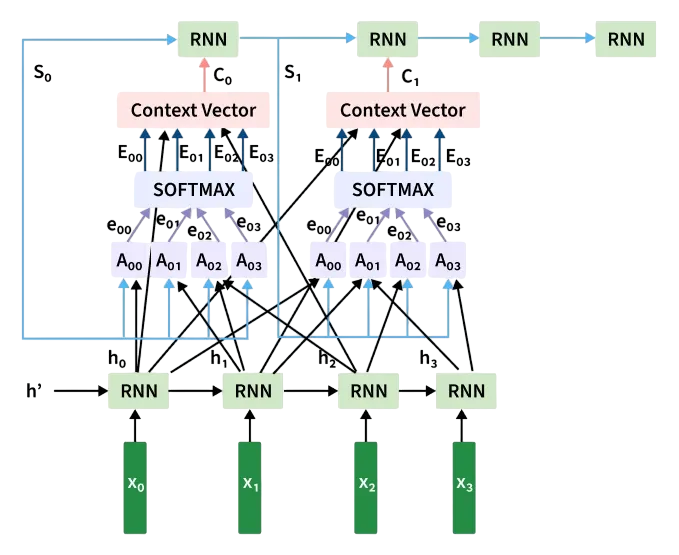
74. What Is an Attention Mechanism?
Ans:
Attention Mechanism Allows Models To Focus On Important Parts Of Input Data. It Assigns Different Weights To Different Elements. Attention Improves Understanding Of Context. It Is A Core Component Of Transformer Models. The Mechanism Enhances Performance In NLP Tasks. Attention Helps Capture Long-Term Relationships. It Significantly Improved Deep Learning Capabilities.
75. What Is BERT?
Ans:
BERT Stands For Bidirectional Encoder Representations From Transformers. It Is A Transformer-Based Language Model Developed By Google. BERT Understands Context From Both Directions In Text. It Achieves Strong Performance In NLP Tasks. Applications Include Question Answering And Text Classification. Fine-Tuning Makes It Adaptable To Specific Tasks. BERT Marked A Major Advancement In Language Understanding.
76. What Is GPT?
Ans:
- GPT Stands For Generative Pre-Trained Transformer. It Is A Transformer-Based Language Model Designed To Generate Human-Like Text.
- GPT Learns Patterns From Large Volumes Of Text Data. It Can Perform Tasks Such As Summarization, Translation, And Content Generation.
- The Model Uses Self-Attention Mechanisms To Understand Context. GPT Can Be Fine-Tuned For Specific Applications. It Powers Many Modern Generative AI Solutions.
77. What Is A Convolutional Neural Network (CNN)?
Ans:
A Convolutional Neural Network Is A Deep Learning Model Primarily Used For Image Processing Tasks. CNNs Automatically Extract Features From Images Using Convolution Layers. They Reduce The Need For Manual Feature Engineering. CNNs Perform Well In Image Classification And Object Detection. Pooling Layers Help Reduce Computational Complexity. They Are Widely Used In Computer Vision Applications. CNNs Achieve High Accuracy On Visual Data.
78. What Is A Recurrent Neural Network (RNN)?
Ans:
A Recurrent Neural Network Is A Neural Network Designed For Sequential Data Processing. It Maintains Information From Previous Inputs Using Internal Memory. RNNs Are Useful For Language Modeling And Time Series Forecasting. They Process Data In A Sequential Manner. Traditional RNNs Can Struggle With Long-Term Dependencies. Despite Limitations, They Introduced Sequence Learning Concepts. RNNs Laid The Foundation For Advanced Sequence Models.
79. What Is Long Short-Term Memory (LSTM)?
Ans:
LSTM Is A Specialized Type Of Recurrent Neural Network. It Is Designed To Handle Long-Term Dependencies More Effectively. LSTMs Use Gates To Control Information Flow. These Gates Help Retain Important Information Over Time. LSTMs Are Commonly Used In NLP And Speech Recognition. They Reduce The Vanishing Gradient Problem. LSTMs Improve Performance On Sequential Learning Tasks.
80. What Is Transfer Learning?
Ans:
- Transfer Learning Is A Technique Where A Pre-Trained Model Is Reused For A New Task. It Reduces Training Time And Data Requirements.
- Knowledge Learned From One Problem Is Applied To Another Related Problem. Transfer Learning Improves Accuracy In Many Applications.
- It Is Popular In Computer Vision And NLP. Fine-Tuning Further Enhances Performance. This Approach Accelerates AI Development.
81. What Is Fine-Tuning?
Ans:
Fine-Tuning Is The Process Of Training A Pre-Trained Model On A Specific Dataset. It Adapts General Knowledge To Specialized Tasks. Fine-Tuning Requires Less Data Than Training From Scratch. The Technique Improves Model Performance For Target Applications. It Is Widely Used With Transformer Models. Fine-Tuning Saves Time And Computational Resources. It Is Essential In Modern AI Development.
82. What Is Generative AI?
Ans:
- Generative AI Refers To Models That Create New Content Such As Text, Images, Audio, And Code. These Models Learn Patterns From Existing Data.
- They Generate Outputs That Resemble Human-Created Content. Applications Include Chatbots And Content Creation Tools.
- Generative AI Uses Advanced Deep Learning Architectures. It Has Transformed Many Industries. The Technology Continues To Evolve Rapidly.
83. What Is Explainable AI (XAI)?
Ans:
Explainable AI Focuses On Making AI Decisions Transparent And Understandable. It Helps Users Understand Why A Model Made A Specific Prediction. Explainability Builds Trust In AI Systems. It Is Important In Healthcare And Finance. Techniques Include Feature Importance Analysis And Visualization. XAI Supports Responsible AI Practices. It Enhances Accountability In Machine Learning Applications.
84. Write A Python Program To Split Data Into Training And Testing Sets.
Ans:
This Program Uses The train_test_split() Function From Scikit-Learn To Divide Data Into Training And Testing Sets
- from sklearn.model_selection import train_test_split
- data = [1, 2, 3, 4, 5, 6, 7, 8]
- train, test = train_test_split(data, test_size=0.25)
- print(“Train:”, train)
- print(“Test:”, test)
85. What Is Azure Machine Learning?
Ans:
Azure Machine Learning Is A Cloud-Based Service For Building, Training, And Deploying Machine Learning Models. It Provides Tools For Data Scientists And Developers. The Platform Supports Automated Machine Learning And MLOps. Azure ML Simplifies Model Lifecycle Management. It Integrates With Various Azure Services. Users Can Scale Experiments Efficiently. It Is Widely Used For Enterprise AI Solutions.
86. What Is MLOps?
Ans:
MLOps Stands For Machine Learning Operations. It Combines Machine Learning, DevOps, And Data Engineering Practices. MLOps Automates Model Development And Deployment Processes. It Improves Collaboration Between Teams. Continuous Integration And Monitoring Are Key Components. MLOps Ensures Reliable AI Systems In Production. It Accelerates Machine Learning Project Delivery.
87. What Is Model Deployment?
Ans:
- Model Deployment Is The Process Of Making A Trained Model Available For Real-World Use. Deployed Models Can Serve Predictions Through Applications Or APIs.
- Deployment Bridges The Gap Between Development And Production. Scalability And Reliability Are Important Considerations.
- Cloud Platforms Simplify Deployment Workflows. Monitoring Is Often Implemented After Deployment. Successful Deployment Delivers Business Value.
88. What Is Model Monitoring?
Ans:
Model Monitoring Involves Tracking The Performance Of Machine Learning Models In Production. It Helps Detect Performance Degradation Over Time. Monitoring Includes Accuracy, Latency, And Resource Usage Metrics. Continuous Observation Ensures Reliable Predictions. Alerts Can Notify Teams Of Issues. Monitoring Supports Model Maintenance. It Is A Critical Part Of MLOps.
89. What Is Data Drift?
Ans:
Data Drift Occurs When The Distribution Of Input Data Changes Over Time. This Change Can Reduce Model Performance. Drift Often Happens Due To Evolving User Behavior Or Business Conditions. Monitoring Helps Detect Drift Early. Retraining Models Can Restore Accuracy. Data Drift Is Common In Production Environments. Managing Drift Ensures Consistent Results.
90. What Is Concept Drift?
Ans:
Concept Drift Occurs When The Relationship Between Inputs And Outputs Changes Over Time. Even If Data Looks Similar, Predictions May Become Less Accurate. Concept Drift Affects Long-Term Model Performance. It Is Common In Dynamic Environments. Periodic Retraining Helps Address This Issue. Monitoring Systems Can Detect Changes Early. Managing Concept Drift Improves Reliability.
91.Write A Python Program For Simple Linear Regression.
Ans:
This Program Creates A Simple Linear Regression Model Using Scikit-Learn. The Model Learns The Relationship Between Input And Output Variables.
- from sklearn.linear_model import LinearRegression
- X = [[1], [2], [3], [4]]
- y = [2, 4, 6, 8]
- model = LinearRegression()
- model.fit(X, y)
- print(model.predict([[5]]))
92. What Is Variance In Machine Learning?
Ans:
Variance Measures How Much A Model’s Predictions Change Across Different Datasets. High Variance Often Leads To Overfitting. Such Models Learn Noise Instead Of General Patterns. Variance Reduces Generalization Ability. Techniques Like Regularization Can Help Control Variance. Balancing Variance Improves Model Stability. It Is A Key Concept In Model Evaluation.
93. What Is The Bias-Variance Tradeoff?
Ans:
The Bias-Variance Tradeoff Refers To Balancing Model Simplicity And Complexity. High Bias Causes Underfitting While High Variance Causes Overfitting. The Goal Is To Achieve Good Generalization. Finding The Right Balance Improves Prediction Accuracy. Model Selection Plays An Important Role. Cross Validation Helps Evaluate Tradeoffs. This Concept Is Fundamental In Machine Learning.
94. What Is A Recommendation System?
Ans:
- A Recommendation System Suggests Relevant Products, Services, Or Content To Users. It Uses Machine Learning To Analyze Preferences And Behavior.
- Recommendation Engines Power E-Commerce And Streaming Platforms. Common Methods Include Collaborative And Content-Based Filtering.
- Personalization Improves User Experience. These Systems Increase Engagement And Revenue. Recommendation Models Are Widely Used In Industry.
95. What Is Computer Vision?
Ans:
Computer Vision Is A Field Of AI That Enables Machines To Understand Visual Information. It Involves Processing Images And Videos. Applications Include Face Recognition And Object Detection. Deep Learning Has Improved Computer Vision Significantly. CNNs Are Commonly Used For Visual Tasks. Computer Vision Supports Automation Across Industries. It Is A Major Area Of AI Research.
96. What Is Optical Character Recognition (OCR)?
Ans:
Optical Character Recognition Converts Printed Or Handwritten Text Into Machine-Readable Format. OCR Extracts Information From Images And Documents. It Automates Data Entry Processes. Modern OCR Systems Use Deep Learning Techniques. The Technology Is Widely Used In Banking And Healthcare. OCR Improves Efficiency And Accuracy. It Plays A Key Role In Document Digitization.
97. What Is Speech Recognition?
Ans:
- Speech Recognition Enables Computers To Convert Spoken Language Into Text. It Uses Machine Learning And Deep Learning Models.
- Applications Include Virtual Assistants And Voice Commands. The Technology Processes Audio Signals To Identify Words. Accuracy Improves With Large Training Datasets.
- Speech Recognition Enhances Human-Computer Interaction. It Is Widely Used In Modern AI Systems.
98. What Is An AI Agent?
Ans:
An AI Agent Is A System That Perceives Its Environment And Takes Actions To Achieve Goals. Agents Can Be Simple Or Highly Intelligent. They Use Data And Algorithms For Decision Making. AI Agents Are Common In Robotics And Virtual Assistants. Reinforcement Learning Often Trains Advanced Agents. Agents Continuously Adapt To Changing Conditions. They Form A Key Area Of AI Research.
99. What Are Azure AI Services?
Ans:
Azure AI Services Are Cloud-Based AI Tools Provided By Microsoft. They Offer Capabilities Such As Vision, Speech, Language, And Decision Intelligence. Developers Can Integrate AI Without Building Models From Scratch. These Services Accelerate Application Development. Azure AI Supports Enterprise-Scale Solutions. Security And Scalability Are Built Into The Platform. They Simplify AI Adoption Across Industries.
100. Why Does Want To Join A Microsoft AI Internship?
Ans:
- A Microsoft AI Internship Provides An Opportunity To Work With Advanced AI Technologies And Industry Experts. It Offers Exposure To Real-World Projects And Innovative Solutions.
- Interns Gain Hands-On Experience In Machine Learning And Cloud Technologies. The Program Encourages Learning, Collaboration, And Professional Growth.
- Working At Microsoft Helps Build Strong Technical Skills. It Provides Valuable Mentorship And Networking Opportunities. The Internship Is An Excellent Step Toward A Successful AI Career.