LMS
LMS
Last updated on 17th Apr 2026| 7447

How to Prepare for Google Interviews as a Fresher is a practical guide designed to help candidates succeed in the competitive hiring process at Google. It covers key preparation areas such as data structures, algorithms, coding practice, problem-solving techniques, and system design basics, along with tips for behavioral interviews. This guide helps freshers understand the interview pattern, improve their technical and analytical skills, and build the confidence needed to perform well in both coding rounds and personal interviews.
1. What is a Google interview process?
Ans:
A Google interview process is a structured evaluation method designed to assess technical skills, problem-solving ability, and cultural fit for various roles within the organization. It typically includes multiple rounds such as coding interviews, system design discussions, and behavioral assessments conducted either online or in-person. The process emphasizes strong fundamentals in data structures, algorithms, and logical reasoning rather than memorization of solutions. Interviewers evaluate clarity of thought, communication skills, and the ability to approach complex problems in a systematic manner. Understanding the structure of the process helps candidates prepare effectively and align their skills with the expectations of the company.
2. What are stages of Google interview process?
Ans:
- The initial screening round usually consists of an online assessment or recruiter discussion that evaluates basic technical knowledge, coding ability, and overall suitability for the role. This round helps filter candidates for deeper evaluation stages. Strong basics are important here.
- Technical interview rounds focus on solving algorithmic problems, requiring strong understanding of data structures, logical thinking, and ability to write optimized code efficiently. Interviewers also observe communication during problem solving. Clear explanation matters greatly.
- System design interviews assess the ability to design scalable, reliable, and efficient systems by discussing architecture, trade-offs, and real-world constraints. These rounds are common for experienced roles and advanced positions. Structured thinking is valuable.
- Behavioral rounds evaluate communication, teamwork, and alignment with company values by analyzing past experiences and decision-making approaches in professional scenarios. Honest examples create stronger impressions. Good preparation improves confidence.
3. What skills are required for Google interviews?
Ans:
Preparation for Google interviews requires strong proficiency in data structures, algorithms, and problem-solving techniques that form the foundation of technical assessments. Candidates are expected to demonstrate the ability to analyze problems, design efficient solutions, and implement them with clarity and correctness. Communication skills play a crucial role in explaining approaches, reasoning, and decision-making during interviews. Knowledge of system design concepts and real-world application architecture is important for advanced rounds. A combination of technical expertise, logical thinking, and structured communication is essential for success in the interview process.
4. What are core technical topics to prepare?
Ans:
- Data structures such as arrays, linked lists, stacks, queues, trees, and graphs must be understood deeply, including their operations, use cases, and performance characteristics. These topics form the base of many coding interviews. Strong fundamentals are essential.
- Algorithms including sorting, searching, recursion, dynamic programming, and greedy techniques should be practiced extensively with focus on optimization and efficiency. Pattern recognition improves solving speed significantly. Regular practice is valuable.
- Time and space complexity analysis is essential for evaluating solutions and ensuring that implementations meet performance requirements. Interviewers often ask for complexity discussion clearly. Efficient thinking matters.
- System design basics including scalability, load balancing, caching, and database management help in understanding real-world application architecture. Even beginners benefit from learning these concepts early. Broad knowledge creates confidence.
5. What is importance of data structures in interviews?
Ans:
Data structures play a fundamental role in organizing and managing data efficiently during problem-solving tasks in technical interviews. They provide a structured way to store and retrieve information, enabling optimized solutions for complex problems. Understanding different data structures helps in selecting the most appropriate approach based on problem requirements. Efficient use of data structures improves performance and reduces computational complexity. Mastery of data structures is essential for solving coding problems effectively in Google interviews.
6. What is the difference between data structures and algorithms?
Ans:
| Criteria | Data Structures | Algorithms |
|---|---|---|
| Meaning | Methods used to organize and store data efficiently. | Step-by-step procedures used to solve problems. |
| Focus | Focuses on data arrangement and access. | Focuses on processing logic and solution steps. |
| Examples | Array, Stack, Queue, Tree, Graph. | Sorting, Searching, BFS, DFS. |
| Purpose | Improves storage and retrieval efficiency. | Improves speed and correctness of solutions. |
7. What is role of algorithms in interviews?
Ans:
Algorithms are essential for solving problems efficiently by defining step-by-step procedures to process data and achieve desired outcomes. They help in optimizing solutions by reducing time and space complexity in coding problems. Understanding algorithms enables better decision-making while selecting appropriate approaches for different scenarios. Algorithms are widely tested in technical interviews to evaluate logical thinking and problem-solving ability. Strong knowledge of algorithms is crucial for performing well in Google interview coding rounds.
8. What are important algorithm topics?
Ans:
- Sorting algorithms such as quick sort, merge sort, and heap sort must be understood along with their time complexities and use cases in different scenarios. Sorting concepts appear frequently in interviews. Efficiency comparisons are useful.
- Searching techniques including binary search and linear search are fundamental for solving problems involving ordered data efficiently. Binary search is especially important for optimization rounds. Strong basics help greatly.
- Dynamic programming helps in solving complex problems by breaking them into smaller subproblems and optimizing overlapping computations. It is considered an advanced but valuable topic. Practice improves confidence.
- Graph algorithms such as BFS, DFS, and shortest path techniques are essential for handling network and connectivity-related problems. These topics test traversal logic strongly. Real applications make them relevant.
9. What is problem-solving approach in interviews?
Ans:
Problem-solving approach involves understanding the problem clearly, analyzing constraints, and identifying possible solutions systematically. It requires breaking down complex problems into smaller manageable parts for easier implementation. Discussing multiple approaches and selecting the most efficient solution is a key part of the process. Handling edge cases and validating solutions ensures correctness and reliability. A structured approach to problem-solving improves clarity and performance in interviews.
10. What are steps to solve coding problems?
Ans:
- Understanding the problem statement thoroughly and identifying input, output, and constraints ensures clarity before starting implementation. Good understanding prevents avoidable mistakes later. Asking questions is useful.
- Discussing different approaches and evaluating their efficiency helps in selecting the most optimal solution for the problem. Comparing methods shows analytical thinking clearly. Optimization creates impact.
- Writing clean, structured, and efficient code ensures readability and correctness during implementation. Interviewers value organized coding style greatly. Clear naming also helps.
- Testing the solution with edge cases and analyzing complexity ensures robustness and completeness of the solution. Final checks improve confidence naturally. Validation is important.
11. What is importance of coding practice?
Ans:
Coding practice is essential for improving problem-solving skills and gaining confidence in writing efficient programs under time constraints. Regular practice helps in understanding patterns and applying appropriate algorithms to different types of problems. It also improves speed, accuracy, and ability to handle complex coding challenges effectively. Practicing consistently ensures better preparation for technical interview rounds. Strong coding practice significantly increases chances of success in Google interviews.
12. What are platforms for coding practice?
Ans:
- Online coding platforms provide a wide range of problems categorized by difficulty, helping in systematic preparation and skill development. Structured practice improves learning speed clearly. Variety is useful.
- Competitive programming websites help improve speed and accuracy by solving time-bound problems regularly. Timed challenges strengthen pressure handling significantly. Consistency builds confidence.
- Practice platforms offer company-specific questions that help in understanding real interview patterns and expectations. Familiarity with patterns reduces anxiety greatly. Targeted preparation matters.
- Regular participation in coding contests helps in improving logical thinking and handling pressure during problem-solving. Contest environments simulate real stress naturally. Experience improves performance.
13. What is system design in interviews?
Ans:
System design involves designing scalable, reliable, and efficient systems to handle real-world applications and large-scale data processing. It requires understanding components such as databases, servers, APIs, and network architecture. System design interviews evaluate the ability to think at a high level and make design decisions based on requirements. Discussing trade-offs and scalability considerations is an important part of system design. Basic knowledge of system design is important for freshers preparing for advanced interview rounds.
14. What are key system design concepts?
Ans:
- Scalability ensures that systems can handle increasing loads efficiently by distributing resources and optimizing performance. Growing applications depend on scalable design clearly. This is a core concept.
- Load balancing distributes traffic across multiple servers to prevent overload and improve system reliability. Balanced traffic improves uptime significantly. It is common in real systems.
- Caching helps reduce response time by storing frequently accessed data for quick retrieval. Good caching improves user experience greatly. Performance gains are significant.
- Database design focuses on efficient storage, retrieval, and management of data in large-scale applications. Strong schema planning supports long-term growth naturally. Data design is important.
15. What is the difference between technical interview and behavioral interview?
Ans:
| Criteria | Technical Interview | Behavioral Interview |
|---|---|---|
| Focus | Evaluates coding, logic, and technical knowledge. | Evaluates teamwork, communication, and attitude. |
| Questions | Includes programming and problem-solving questions. | Includes scenario-based and experience questions. |
| Skills Tested | Analytical and technical skills. | Interpersonal and decision-making skills. |
| Purpose | Checks job-related technical capability. | Checks cultural fit and work behavior. |
16. How to prepare for behavioral questions?
Ans:
- Preparing real-life examples that demonstrate skills such as teamwork, leadership, and problem-solving helps in answering questions effectively. Real stories feel more genuine to interviewers clearly. Examples add impact.
- Structuring answers using clear explanations ensures better communication and understanding during interviews. Organized responses are easier to follow significantly. Structure builds confidence.
- Practicing mock interviews improves confidence and helps refine responses for better delivery. Rehearsal reduces nervousness greatly. Practice improves speaking quality.
- Reflecting on past experiences and identifying key learnings helps in providing meaningful and impactful answers. Learning-focused answers show maturity naturally. Reflection is valuable.
17. What is importance of communication in interviews?
Ans:
Communication plays a crucial role in explaining ideas, solutions, and thought processes clearly during interviews. It helps interviewers understand the approach and reasoning behind solutions effectively. Strong communication improves interaction and builds confidence during discussions. It also ensures clarity and avoids misunderstandings in problem-solving explanations. Effective communication significantly enhances overall interview performance.
18. How to improve communication skills?
Ans:
- Practicing speaking clearly and explaining concepts improves confidence and clarity during technical discussions. Clear speech makes ideas easier to understand. Practice is highly useful.
- Participating in group discussions and presentations enhances interaction and communication abilities. Public speaking builds comfort significantly. Exposure improves confidence.
- Listening actively helps in understanding questions accurately and responding appropriately. Good listening prevents wrong answers greatly. Attention matters.
- Continuous practice and feedback help refine communication skills and improve overall performance. Feedback reveals weak areas naturally. Improvement becomes faster.
19. What is importance of mock interviews?
Ans:
Mock interviews simulate real interview conditions and help candidates practice answering questions effectively. They provide valuable feedback on strengths and areas that need improvement. Mock interviews improve confidence and reduce anxiety before actual interviews. They help in refining communication, problem-solving, and time management skills. Regular practice through mock interviews enhances overall preparation and performance.
20. How to use mock interviews effectively?
Ans:
- Practicing under real interview conditions helps in improving time management and handling pressure effectively. Realistic simulation builds confidence clearly. Pressure becomes manageable.
- Recording performance and analyzing mistakes helps in identifying areas for improvement. Self-review reveals habits significantly. Corrections become easier.
- Seeking feedback from experienced individuals provides valuable insights for better preparation. External guidance improves strategy effectively. Honest feedback matters.
- Repeating mock sessions regularly ensures continuous improvement and confidence building. Consistency creates stronger interview readiness naturally. Practice leads to success.
21. What is time management in interview preparation?
Ans:
Time management involves planning and organizing study schedules to cover all important topics efficiently. It helps in balancing coding practice, theory revision, and mock interviews effectively. Proper time management ensures consistent progress and avoids last-minute stress. It improves productivity and helps achieve preparation goals within deadlines. Effective time management is essential for successful interview preparation.
22. How to manage time effectively?
Ans:
- Creating a structured study plan ensures that all topics are covered systematically within the available time. Planned schedules reduce confusion and improve consistency clearly. Structure increases productivity.
- Allocating specific time slots for practice and revision improves focus and consistency in preparation. Dedicated sessions help avoid imbalance between subjects significantly. Balanced effort gives better results.
- Avoiding distractions helps in maintaining productivity and completing tasks efficiently. Strong concentration allows deeper learning in shorter time naturally. Focus is highly valuable.
- Tracking progress regularly helps in adjusting plans and improving overall preparation strategy. Regular review shows weak areas early effectively. Improvement becomes easier.
23. What is importance of revision?
Ans:
Revision helps reinforce previously learned concepts and ensures better retention of important topics. It improves recall during interviews and reduces chances of forgetting key information. Regular revision strengthens understanding and improves confidence in problem-solving. It also helps in identifying weak areas that require further practice. Consistent revision is essential for effective interview preparation.
24. What are effective revision techniques?
Ans:
- Reviewing notes and solving previously practiced problems helps reinforce concepts and improve retention effectively. Repetition strengthens memory and confidence clearly. Familiar questions become faster to solve.
- Revisiting difficult topics ensures better understanding and reduces chances of errors during interviews. Weak areas need repeated attention significantly. This creates stronger mastery.
- Practicing mixed problems helps in applying concepts across different scenarios efficiently. Mixed practice improves adaptability in interviews naturally. It builds broader problem-solving skills.
- Regular short revision sessions improve memory retention and boost confidence before interviews. Smaller sessions are easier to maintain consistently effectively. Consistency gives long-term benefits.
25. What is importance of consistency in preparation?
Ans:
Consistency in preparation ensures steady progress and continuous improvement in skills and knowledge. It helps build strong fundamentals and improves problem-solving ability over time. Regular practice reduces stress and increases confidence before interviews. Consistency also helps in maintaining discipline and achieving preparation goals effectively. Maintaining a consistent routine is essential for success in Google interviews.
26. What is importance of consistency in coding practice?
Ans:
Consistency in coding practice ensures gradual improvement in problem-solving ability and strengthens understanding of programming concepts over time. Regular practice helps in identifying patterns, improving speed, and developing confidence in solving different types of problems efficiently. It reduces dependency on memorization and promotes logical thinking through continuous exposure to varied challenges. Consistent effort also helps in minimizing errors and improving code quality during implementation. Maintaining consistency is essential for mastering coding skills and performing well in technical interviews.
27. How to maintain consistency in preparation?
Ans:
- Creating a daily study schedule with clearly defined goals helps maintain discipline and ensures regular practice of coding and theoretical concepts without interruption. Daily habits build long-term momentum clearly. Routine improves success chances.
- Breaking down preparation into smaller manageable tasks allows steady progress and prevents burnout during long preparation periods. Small goals feel easier to complete significantly. Motivation stays stronger.
- Tracking progress and reviewing completed topics regularly helps in staying motivated and identifying areas that require additional focus. Visible progress creates confidence naturally. Review supports better planning.
- Avoiding distractions and maintaining a dedicated study environment ensures better concentration and consistency in preparation efforts. Good environments improve learning efficiency effectively. Focused spaces matter greatly.
28. What is importance of problem patterns?
Ans:
Problem patterns refer to recurring problem types that share similar logic and solution approaches across different coding questions. Recognizing these patterns helps in solving problems more efficiently by applying previously learned techniques. It reduces the time required to analyze new problems and improves accuracy in implementation. Understanding patterns enhances problem-solving skills and builds confidence in handling complex challenges. Mastery of problem patterns is essential for performing well in Google coding interviews.
29. What are common problem patterns?
Ans:
- Sliding window technique is used for solving problems involving subarrays or substrings efficiently by maintaining a dynamic range within constraints. It is common in string and array questions clearly. This pattern saves time.
- Two-pointer approach helps in solving problems involving sorted arrays or searching pairs with specific conditions effectively. Pointer movement avoids unnecessary nested loops significantly. Efficiency improves greatly.
- Recursion and backtracking are used for exploring all possible solutions in problems such as permutations, combinations, and subsets. These methods are valuable for exhaustive search naturally. They test logical depth.
- Dynamic programming is applied to optimize problems with overlapping subproblems and optimal substructure, improving efficiency significantly. DP converts slow brute force into faster solutions effectively. It is an advanced must-know topic.
30. What is the difference between time complexity and space complexity?
Ans:
| Criteria | Time Complexity | Space Complexity |
|---|---|---|
| Meaning | Measures execution time growth with input size. | Measures memory usage growth with input size. |
| Focus | Focuses on speed and performance. | Focuses on storage and memory efficiency. |
| Examples | O(n), O(log n), O(n²). | Extra arrays, recursion stack, variables. |
| Goal | Reduce runtime for faster execution. | Reduce memory consumption. |
31. How to analyze time complexity?
Ans:
- Identifying loops and nested iterations helps determine how execution time grows with input size, forming the basis of complexity analysis. Counting repeated operations gives clarity clearly. This is the first step.
- Understanding common complexity classes such as O(n), O(log n), and O(n²) helps in comparing algorithm efficiency effectively. Standard classes simplify communication significantly. They are common in interviews.
- Analyzing recursive functions using recurrence relations helps in determining their overall complexity accurately. Recursive patterns often need deeper thinking naturally. Practice improves this skill.
- Practicing complexity analysis regularly improves the ability to evaluate and optimize solutions during interviews. Frequent revision builds faster judgment effectively. Confidence increases greatly.
32. What is importance of space complexity?
Ans:
Space complexity refers to the amount of memory required by an algorithm to execute a problem. It helps in evaluating the efficiency of solutions in terms of memory usage and optimization. Balancing time and space complexity is important for achieving optimal performance. Efficient memory usage is crucial for handling large-scale data and real-world applications. Understanding space complexity is essential for writing optimized and scalable solutions.
33. How to optimize space complexity?
Ans:
- Using in-place algorithms reduces additional memory usage and improves efficiency in solving problems effectively. Existing input structures are reused clearly. This saves space.
- Avoiding unnecessary data structures and variables helps minimize memory consumption during execution. Simpler designs often use fewer resources significantly. Minimalism is useful.
- Reusing variables and optimizing storage techniques ensures better memory management. Smart reuse prevents waste naturally. Efficient coding matters.
- Analyzing trade-offs between time and space helps in selecting the most efficient approach for a given problem. Sometimes extra memory saves time effectively. Balanced decisions are important.
34. What is importance of debugging skills?
Ans:
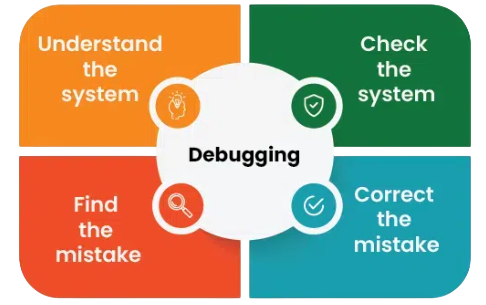
Debugging skills involve identifying and fixing errors in code to ensure correct and efficient execution. It helps in understanding mistakes and improving problem-solving ability over time. Strong debugging skills reduce development time and improve code reliability. It also enhances confidence in handling complex coding problems during interviews. Developing debugging skills is essential for writing accurate and efficient programs.
35. How to improve debugging skills?
Ans:
- Practicing step-by-step execution of code helps in identifying logical errors and understanding program flow effectively. Manual tracing reveals mistakes clearly. This sharpens reasoning.
- Using debugging tools and print statements helps track variable values and detect issues in execution. Observing state changes gives quick insights significantly. Tools save time.
- Reviewing code carefully and testing with different inputs ensures correctness and reliability of solutions. Multiple tests expose hidden problems naturally. Thorough checking is valuable.
- Analyzing mistakes and learning from them helps improve debugging ability and overall coding skills. Reflection prevents repeated errors effectively. Growth becomes faster.
36. What is importance of clean code?
Ans:
Clean code refers to writing code that is readable, maintainable, and easy to understand by others. It improves collaboration and reduces confusion during development and debugging. Clean code ensures better structure and organization of programs. It also helps in identifying errors quickly and improving efficiency. Writing clean code is essential for professional development and interview performance.
37. What are principles of clean code?
Ans:
- Using meaningful variable names improves readability and helps understand the purpose of each component in the code clearly. Clear naming reduces confusion greatly. Maintenance becomes easier.
- Writing modular and structured code ensures better organization and easier maintenance. Smaller functions are easier to test significantly. Structure improves quality.
- Avoiding unnecessary complexity and keeping code simple improves efficiency and clarity. Simpler solutions are easier to debug naturally. Simplicity is powerful.
- Adding comments where necessary helps explain logic and improves understanding for others reviewing the code. Useful comments support teamwork effectively. Balanced comments are best.
38. What is importance of edge cases?
Ans:
Edge cases refer to unusual or extreme inputs that test the boundaries of a solution. Handling edge cases ensures correctness and reliability of programs under all conditions. Ignoring edge cases can lead to incorrect results and runtime errors. Considering edge cases improves robustness of solutions. Proper handling of edge cases is essential for successful coding interview performance.
39. How to identify edge cases?
Ans:
- Analyzing input constraints helps identify boundary conditions such as minimum and maximum values. Limits often reveal hidden cases clearly. Constraint reading is important.
- Considering empty inputs or special cases ensures completeness of solutions. Empty arrays or null values are common tests significantly. Safe handling matters.
- Testing with large inputs helps evaluate performance and identify potential issues. Stress testing exposes slow logic naturally. Performance awareness improves quality.
- Reviewing problem requirements carefully helps detect all possible edge scenarios. Many hints are written in the statement effectively. Careful reading prevents mistakes.
40. What is importance of test cases?
Ans:
Test cases are used to verify correctness and performance of code solutions. They help ensure that programs work as expected for different inputs. Testing improves reliability and reduces chances of errors. It also helps in validating edge cases and complex scenarios. Using proper test cases is essential for successful coding implementation.
41. How to create effective test cases?
Ans:
- Creating test cases based on problem constraints ensures coverage of all possible input scenarios effectively. Constraints often reveal valid ranges and hidden corner cases clearly. This improves overall testing quality.
- Including edge cases helps validate correctness and robustness of solutions. Boundary inputs commonly expose logical mistakes in implementations significantly. Strong edge testing increases confidence.
- Testing with both small and large inputs ensures performance and scalability of programs. Small cases verify logic while large cases test efficiency carefully. Balanced testing is important.
- Verifying expected outputs helps ensure accuracy and correctness of implementation. Comparing actual and expected results quickly identifies defects naturally. Output validation is essential.
42. What is the difference between system thinking and analytical thinking?
Ans:
| Criteria | System Thinking | Analytical Thinking |
|---|---|---|
| Meaning | Understands how components interact as a whole. | Breaks problems into smaller parts for analysis. |
| Focus | Focuses on relationships and overall structure. | Focuses on logic and detailed evaluation. |
| Use | Useful in system design and architecture. | Useful in coding and problem-solving. |
| Goal | Create scalable complete solutions. | Find efficient and correct solutions. |
43. How to develop system thinking?
Ans:
- Studying real-world systems and architectures helps understand how components interact effectively. Observing complete systems builds awareness of dependencies clearly. This improves design mindset.
- Analyzing scalability and performance requirements improves system design understanding. Good systems must support growth and speed significantly. Performance thinking is valuable.
- Practicing design problems enhances ability to create efficient solutions. Repeated design exercises strengthen structured thinking naturally. Practice improves confidence.
- Learning from case studies helps apply theoretical knowledge to practical scenarios. Real examples show how concepts work in production environments effectively. Case studies build maturity.
44. What is importance of scalability?
Ans:
Scalability refers to the ability of a system to handle increasing workload efficiently. It ensures that applications can grow without affecting performance. Scalable systems improve reliability and user experience. It is a key concept in system design interviews. Understanding scalability is essential for building efficient applications.
45. What are types of scalability?
Ans:
- Vertical scalability involves increasing resources of a single machine to handle higher load effectively. This may include adding CPU, memory, or storage clearly. It is simpler but has limits.
- Horizontal scalability involves adding more machines to distribute workload and improve performance. Multiple servers share traffic significantly. This is common in modern systems.
- Elastic scalability allows dynamic allocation of resources based on demand. Resources increase or decrease automatically as workloads change naturally. Cloud systems use this often.
- Distributed systems help manage scalability by distributing tasks across multiple nodes efficiently. Work sharing improves availability and fault tolerance greatly. This supports large-scale applications.
46. What is the difference between SQL databases and NoSQL databases?
Ans:
| Criteria | SQL Databases | NoSQL Databases |
|---|---|---|
| Structure | Uses tables with rows and columns. | Uses flexible document, key-value, or graph models. |
| Schema | Usually fixed predefined schema. | Usually dynamic schema. |
| Best Use | Structured transactional data. | Large-scale flexible modern applications. |
| Examples | MySQL, PostgreSQL. | MongoDB, Cassandra. |
47. What are types of databases?
Ans:
- Relational databases store structured data using tables and support SQL queries for efficient data retrieval and management. They are ideal for consistent transactional systems clearly. Examples include banking systems.
- NoSQL databases handle unstructured data and provide flexibility and scalability for modern applications. They work well for rapidly changing schemas significantly. This suits web-scale products.
- Distributed databases ensure high availability and fault tolerance by spreading data across multiple nodes. Replication and partitioning improve resilience effectively. Large systems depend on them.
- In-memory databases provide faster data access by storing data in memory rather than disk. This greatly reduces latency for critical workloads naturally. Speed is their key benefit.
48. What is importance of API knowledge?
Ans:
APIs enable communication between different software systems and components. Understanding APIs is essential for building and integrating applications. It helps in designing scalable and modular systems. API knowledge is important for system design interviews. Strong understanding of APIs improves overall technical skills. It also helps developers connect third-party services quickly and efficiently. Good API knowledge improves problem-solving in modern software development.
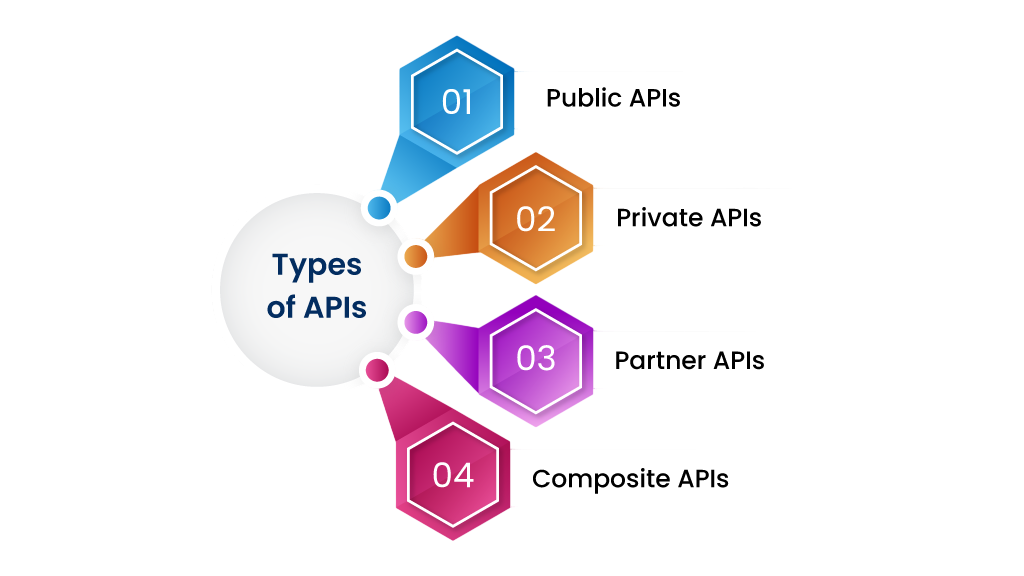
49. What are types of APIs?
Ans:
- REST APIs use HTTP methods and are widely used for web services and application communication. They are simple, scalable, and common in modern development clearly. Many mobile apps depend on them.
- SOAP APIs provide structured communication using XML and are used in enterprise applications. They offer strict standards and security features significantly. Large organizations still use them.
- GraphQL APIs allow flexible querying of data and improve efficiency in data retrieval. Clients request only required fields effectively. This reduces over-fetching problems.
- Internal APIs help communication between components within a system, improving modular design. They simplify service integration and maintenance naturally. Internal reuse becomes easier.
50. What is the importance of confidence in interviews?
Ans:
Confidence helps in presenting ideas clearly and handling questions effectively during interviews. It improves communication and overall interaction with interviewers. Confident candidates perform better under pressure and explain solutions effectively. Confidence is built through preparation and practice. Maintaining confidence is essential for success in interviews.
51. What is importance of preparation strategy?
Ans:
Preparation strategy refers to a structured plan that organizes topics, practice sessions, and revision schedules effectively for interview readiness. It ensures that all important areas such as coding, system design, and behavioral skills are covered systematically without missing critical concepts. A well-defined strategy helps in managing time efficiently and avoiding last-minute stress during preparation. It also improves focus and consistency by setting clear daily and weekly goals for progress. Having a strong preparation strategy is essential for achieving success in competitive interview processes.
52. How to create an effective preparation plan?
Ans:
- Defining clear goals and dividing topics into manageable sections helps ensure systematic coverage of all important concepts without overwhelming the preparation process. Smaller milestones make progress easier to track regularly. This creates better discipline.
- Allocating dedicated time slots for coding practice, theory revision, and mock interviews improves balance and consistency in preparation efforts. Proper scheduling prevents neglecting any major topic significantly. Balanced plans increase readiness.
- Tracking progress regularly and adjusting the plan based on strengths and weaknesses helps in maintaining efficiency and improving performance. Flexible planning saves time and improves outcomes effectively. Self-review is very useful.
- Maintaining discipline and following the plan consistently ensures long-term improvement and better readiness for interviews. Consistency gives stronger results than irregular study naturally. Daily effort matters most.
53. What is importance of revision cycles?
Ans:
Revision cycles involve revisiting previously learned concepts multiple times to reinforce understanding and improve memory retention effectively. They help in strengthening fundamentals and ensuring quick recall of important topics during interviews. Regular revision reduces chances of forgetting key concepts and improves confidence in problem-solving. It also helps in identifying weak areas that require additional practice and attention. Maintaining proper revision cycles is essential for thorough and effective interview preparation.
54. What are benefits of revision?
Ans:
- Revision strengthens memory retention by repeatedly exposing concepts, making it easier to recall information quickly during interviews. Repetition helps move topics into long-term memory effectively. Fast recall improves confidence.
- It improves clarity of understanding by reinforcing concepts and reducing confusion in complex topics. Relearning often reveals gaps missed earlier significantly. Better clarity supports strong answers.
- Regular revision helps identify weak areas and provides an opportunity to improve them effectively. Weak topics can then receive focused practice sessions. This improves balance.
- It boosts confidence and ensures readiness by keeping all important topics fresh and well-practiced. Refreshed knowledge reduces panic before interviews naturally. Preparation feels stronger.
55. What is importance of analytical thinking?
Ans:
Analytical thinking refers to the ability to break down complex problems into smaller components for better understanding and solution development. It helps in evaluating different approaches and selecting the most efficient solution based on logical reasoning. Strong analytical thinking improves decision-making and problem-solving capabilities significantly. It is essential for solving coding problems and handling system design challenges effectively. Developing analytical thinking is crucial for performing well in technical interviews.
56. How to improve analytical thinking?
Ans:
- Practicing logical reasoning and problem-solving exercises helps in developing structured thinking and improving analytical abilities over time. Regular challenge solving trains the brain effectively. Practice sharpens judgment.
- Breaking down complex problems into smaller parts helps in understanding requirements clearly and identifying effective solutions. Smaller components are easier to solve systematically. This reduces confusion.
- Analyzing different approaches and comparing their efficiency improves decision-making skills significantly. Comparing methods teaches optimization naturally. Better choices improve performance.
- Learning from mistakes and reviewing solutions enhances understanding and strengthens analytical thinking capabilities. Reflection converts errors into growth opportunities effectively. Review is valuable.
57. What is importance of logical reasoning?
Ans:
Logical reasoning involves using structured thinking and analysis to solve problems effectively and make accurate decisions. It helps in understanding relationships between different elements and identifying patterns in problems. Strong logical reasoning improves coding efficiency and reduces errors in implementation. It plays a vital role in aptitude tests and technical interview rounds. Developing logical reasoning skills is essential for success in interviews.
58. What are ways to improve logical reasoning?
Ans:
- Practicing puzzles, logical problems, and aptitude questions regularly helps in strengthening reasoning skills effectively. These exercises improve pattern recognition steadily. Regular practice builds speed.
- Understanding patterns and relationships between variables improves problem-solving ability and accuracy. Many interview questions depend on such connections clearly. Pattern skill is important.
- Analyzing solutions and identifying alternative approaches enhances logical thinking. Multiple methods create flexible reasoning significantly. Better options improve results.
- Continuous practice and revision ensure improvement and consistency in reasoning skills. Repetition builds confidence and reduces mistakes naturally. Consistency matters greatly.
59. What is importance of adaptability in interviews?
Ans:
Adaptability refers to the ability to adjust to new situations, challenges, and unexpected questions during interviews. It helps in handling difficult problems and switching approaches when necessary. Adaptable candidates can respond effectively to feedback and follow-up questions. It improves overall performance and interaction during interviews. Developing adaptability is essential for handling dynamic interview scenarios.
60. How to improve adaptability?
Ans:
- Practicing different types of problems helps in becoming comfortable with varied scenarios and unexpected challenges. Exposure reduces fear of unfamiliar questions greatly. Variety builds readiness.
- Learning multiple approaches to solve problems improves flexibility in thinking and solution selection. Alternative methods help when first ideas fail significantly. Flexibility is valuable.
- Staying calm and focused helps in adapting quickly to changing situations during interviews. Calm thinking supports faster adjustment naturally. Mindset matters.
- Continuous learning and exposure to new concepts enhance adaptability and overall performance. Growth mindset keeps preparation current effectively. Learning never stops.
61. What is the difference between confidence and self-confidence?
Ans:
| Criteria | Confidence | Self-Confidence |
|---|---|---|
| Meaning | General belief in handling situations effectively. | Belief in one’s own abilities and skills. |
| Scope | Can apply to tasks, teams, or environments. | Mainly personal internal belief. |
| Example | Confidence during presentations. | Belief in solving coding questions. |
| Result | Improves communication and presence. | Improves courage and performance. |
62. How to build confidence?
Ans:
- Regular practice and preparation help in strengthening knowledge and improving confidence in handling questions effectively. Strong preparation removes uncertainty greatly. Knowledge creates confidence.
- Participating in mock interviews provides real-time experience and helps reduce fear and anxiety. Simulated pressure improves comfort naturally. Practice builds courage.
- Reviewing past performance and learning from mistakes improves confidence gradually over time. Visible progress increases belief significantly. Reflection is powerful.
- Maintaining a positive mindset and focusing on strengths enhances overall self-confidence. Positive thinking supports calm performance effectively. Mindset shapes results.
63. What is importance of clarity in answers?
Ans:
Clarity in answers ensures that ideas are communicated effectively and understood easily by interviewers. It helps in presenting structured and logical explanations for problem-solving approaches. Clear communication reduces misunderstandings and improves interaction during interviews. It also reflects strong understanding and confidence in concepts. Maintaining clarity is essential for effective interview performance.
64. How to improve clarity in answers?
Ans:
- Structuring responses logically with clear explanations helps in conveying ideas effectively and improving communication quality. Organized answers are easier to follow clearly. Structure creates impact.
- Practicing explanation of solutions aloud improves articulation and confidence in presenting answers. Speaking practice reveals weak areas significantly. Verbal clarity improves steadily.
- Using simple and precise language ensures better understanding and avoids confusion. Clear wording is stronger than complex wording naturally. Simplicity wins.
- Reviewing responses and refining explanations helps improve clarity over time. Continuous polishing sharpens communication effectively. Improvement is ongoing.
65. What is importance of patience in interviews?
Ans:
Patience helps in staying calm and focused while solving complex problems during interviews. It allows time for proper understanding and analysis of questions before answering. Patience reduces stress and prevents mistakes caused by rushing into solutions. It also improves decision-making and problem-solving effectiveness. Maintaining patience is essential for handling challenging interview scenarios successfully.
66. What are ways to develop patience?
Ans:
- Practicing complex problems regularly helps in developing the ability to stay focused and patient during problem-solving. Challenging tasks train mental endurance effectively. Patience grows with practice.
- Taking time to analyze problems before coding improves understanding and reduces errors. Slow careful starts often save time later significantly. Planning matters.
- Maintaining a calm mindset helps in handling pressure effectively during interviews. Calmness supports better judgment naturally. Emotional control is valuable.
- Regular practice and experience improve patience and overall performance. Repeated exposure reduces frustration gradually. Experience builds maturity.
67. What is importance of discipline in preparation?
Ans:
Discipline ensures consistency and focus in preparation by following a structured routine effectively. It helps in managing time and completing tasks within deadlines. Discipline improves productivity and reduces distractions during preparation. It also ensures steady progress and better performance over time. Maintaining discipline is essential for successful interview preparation.
68. How to maintain discipline?
Ans:
- Creating a daily schedule and following it strictly helps maintain consistency and discipline in preparation. Fixed routines reduce delay and improve momentum clearly. Regular habits create success.
- Setting clear goals and tracking progress ensures accountability and motivation. Visible progress keeps effort steady significantly. Goals guide daily action.
- Avoiding distractions improves focus and productivity significantly. Fewer interruptions allow deeper learning sessions effectively. Attention matters greatly.
- Maintaining a dedicated study environment supports disciplined learning habits. A proper space builds seriousness and routine naturally. Environment influences behavior.
69. What is importance of focus during preparation?
Ans:
Focus helps in maintaining concentration and improving efficiency while studying and practicing coding problems. It reduces distractions and ensures better understanding of concepts. Focused preparation leads to improved productivity and performance. It also helps in completing tasks within deadlines effectively. Maintaining focus is essential for achieving preparation goals successfully.
70. How to improve focus?
Ans:
- Creating a distraction-free environment helps in maintaining concentration and improving productivity effectively. Clean surroundings support deeper attention clearly. Good setup improves output.
- Setting specific goals for each study session ensures clarity and better focus on tasks. Defined targets prevent wasted time significantly. Purpose drives attention.
- Taking short breaks helps maintain mental clarity and prevent fatigue during long study sessions. Planned breaks refresh energy naturally. Balance improves consistency.
- Practicing mindfulness and time management improves focus and consistency in preparation. Mental control reduces wandering attention effectively. Discipline supports results.
71. What is the difference between mental preparation and technical preparation?
Ans:
| Criteria | Mental Preparation | Technical Preparation |
|---|---|---|
| Meaning | Focuses on confidence, calmness, and stress control. | Focuses on coding, concepts, and technical skills. |
| Purpose | Helps handle pressure during interviews. | Helps solve interview questions correctly. |
| Examples | Mock interviews, relaxation, mindset building. | DSA practice, system design, revision. |
| Result | Improves confidence and composure. | Improves technical performance. |
72. How to improve mental preparation?
Ans:
- Practicing mock interviews and solving problems under timed conditions helps simulate real interview scenarios and builds mental resilience effectively. Exposure reduces fear significantly. Pressure practice is useful.
- Maintaining a balanced routine that includes proper rest, physical activity, and relaxation techniques improves mental clarity and reduces stress levels significantly. Healthy habits support performance strongly.
- Developing a positive mindset and focusing on preparation progress helps in building confidence and reducing fear of failure. Progress thinking improves motivation naturally.
- Regularly reviewing performance and learning from mistakes strengthens mental readiness and improves overall interview performance. Reflection builds maturity effectively.
73. What is importance of structured thinking?
Ans:
Structured thinking refers to the ability to organize thoughts logically and present solutions in a clear and systematic manner during interviews. It helps in breaking down complex problems into smaller components for better understanding and analysis. This approach improves communication and ensures that ideas are conveyed effectively to interviewers. Structured thinking enhances problem-solving efficiency and reduces chances of errors. Developing structured thinking is essential for delivering clear and impactful responses in interviews.
74. How to develop structured thinking?
Ans:
- Practicing step-by-step problem-solving techniques helps in organizing thoughts logically and improving clarity in explanations during interviews. Sequenced thinking makes answers stronger clearly.
- Breaking down problems into smaller components allows better understanding and systematic approach to finding solutions. Smaller steps reduce confusion significantly.
- Using frameworks and structured formats while explaining answers improves communication and presentation skills. Formats create professional responses effectively.
- Reviewing and refining explanations regularly helps in developing consistent structured thinking ability. Repetition builds clarity naturally.
75. What is importance of adaptability in preparation?
Ans:
Adaptability in preparation refers to the ability to adjust study methods and strategies based on performance and changing requirements. It helps in focusing on weak areas and improving them effectively over time. Adaptable preparation ensures continuous learning and improvement without being restricted to a fixed plan. It also allows flexibility in handling different types of problems and interview scenarios. Maintaining adaptability is essential for effective and dynamic interview preparation.
76. What are ways to improve adaptability?
Ans:
- Practicing different problem types regularly helps in becoming comfortable with varied scenarios and improves flexibility in thinking. Variety builds readiness clearly.
- Analyzing performance and adjusting preparation strategies based on weaknesses ensures continuous improvement. Smart adjustments save time significantly.
- Learning multiple approaches to solve problems enhances adaptability and problem-solving efficiency. Alternate methods help during difficult rounds effectively.
- Staying open to feedback and new learning methods helps in adapting quickly to changes in preparation requirements. Openness accelerates growth naturally.
77. What is importance of continuous improvement?
Ans:
Continuous improvement refers to consistently enhancing skills, knowledge, and performance through regular practice and learning. It helps in identifying weaknesses and working on them systematically for better results. Continuous improvement ensures steady progress and prevents stagnation during preparation. It also enhances confidence and readiness for different interview challenges. Maintaining continuous improvement is essential for achieving long-term success in interviews.
78. How to achieve continuous improvement?
Ans:
- Regularly reviewing performance and identifying mistakes helps in understanding areas that require improvement effectively. Honest review guides progress clearly.
- Practicing consistently and learning new concepts ensures gradual enhancement of skills and knowledge over time. Daily growth compounds significantly.
- Seeking feedback from experienced individuals helps in gaining valuable insights and improving preparation strategies. External guidance saves effort effectively.
- Tracking progress and setting improvement goals ensures continuous development and better performance. Goals create measurable success naturally.
79. What is importance of confidence in final rounds?
Ans:
Confidence in final rounds plays a crucial role in presenting solutions clearly and interacting effectively with interviewers. It helps in maintaining composure and handling difficult questions with clarity and logic. Confident candidates demonstrate strong understanding and communication skills. It also creates a positive impression and increases chances of selection. Maintaining confidence is essential for performing well in final interview stages.
80. What are ways to improve confidence for final rounds?
Ans:
- Practicing mock interviews and revising important topics helps in building confidence and reducing anxiety before final rounds. Preparation removes uncertainty clearly.
- Reviewing past performance and learning from mistakes ensures better preparation and improved confidence levels. Growth builds belief significantly.
- Maintaining a positive mindset and focusing on strengths helps in boosting self-belief effectively. Positive focus improves calmness naturally.
- Continuous practice and preparation improve familiarity with interview scenarios and increase confidence. Familiarity reduces fear greatly.
81. What is importance of communication clarity?
Ans:
Communication clarity ensures that ideas and solutions are conveyed effectively and understood easily by interviewers. It helps in presenting structured responses and improving interaction during discussions. Clear communication reduces confusion and enhances understanding of problem-solving approaches. It also reflects confidence and strong conceptual knowledge. Maintaining communication clarity is essential for successful interview performance.
82. How to improve communication clarity?
Ans:
- Practicing explanation of solutions aloud helps in improving articulation and clarity in communication. Speaking practice reveals weak points clearly.
- Using simple and precise language ensures better understanding and avoids unnecessary complexity. Clear words create stronger impact significantly.
- Structuring answers logically improves clarity and effectiveness of communication. Orderly answers are easier to follow effectively.
- Continuous practice and feedback help refine communication skills over time. Improvement grows naturally with repetition.
83. What is importance of problem understanding?
Ans:
Problem understanding refers to the ability to analyze and interpret questions accurately before attempting solutions. It helps in identifying constraints, inputs, and expected outputs clearly. Proper understanding reduces errors and improves efficiency in solving problems. It also ensures selection of the most appropriate approach for implementation. Strong problem understanding is essential for success in coding interviews.
84. How to improve problem understanding?
Ans:
- Reading the problem carefully and identifying key requirements helps in gaining clarity before solving it. Careful reading prevents wrong assumptions and wasted effort clearly. Understanding comes first.
- Breaking down the problem into smaller parts improves understanding and simplifies solution development. Smaller components are easier to analyze significantly. This improves planning.
- Asking clarifying questions when necessary helps ensure correct interpretation of the problem. Good questions show maturity and logical thinking effectively. Clarification saves mistakes.
- Practicing different problems regularly improves ability to understand and analyze questions effectively. Exposure builds faster comprehension naturally. Practice sharpens skill.
85. What is importance of final revision?
Ans:
Final revision ensures that all important concepts and topics are refreshed before the interview. It helps in improving recall and reducing chances of forgetting key information. Revision strengthens understanding and improves confidence in answering questions. It also helps in identifying last-minute gaps in preparation. Final revision is essential for ensuring readiness and performing well in interviews.
86. What are strategies for final revision?
Ans:
- Reviewing important concepts and notes helps in reinforcing knowledge and improving recall during interviews. Short summaries are especially useful before final rounds clearly.
- Practicing key problems ensures familiarity with important patterns and improves confidence. Repetition of common questions boosts speed significantly.
- Focusing on weak areas during revision helps in improving overall performance. Targeted effort gives faster gains effectively.
- Maintaining short and effective revision sessions ensures better retention and reduces stress. Smart revision works better than overload naturally.
87. What is importance of preparation discipline?
Ans:
Preparation discipline ensures consistent effort and adherence to study plans throughout the preparation period. It helps in maintaining focus and avoiding distractions that can affect progress. Discipline improves productivity and ensures timely completion of preparation goals. It also builds habits that contribute to long-term success. Maintaining discipline is essential for effective and structured interview preparation.
88. How to maintain preparation discipline?
Ans:
- Following a structured study schedule ensures consistency and discipline in preparation efforts. Regular routines make progress more reliable clearly.
- Setting clear goals and tracking progress helps maintain accountability and motivation. Measured progress keeps momentum strong significantly.
- Avoiding distractions improves focus and enhances productivity significantly. Deep work sessions create better results effectively.
- Maintaining a dedicated study environment supports disciplined learning habits. Good surroundings reinforce commitment naturally.
89. What is importance of performance tracking?
Ans:
Performance tracking involves monitoring progress and evaluating strengths and weaknesses during preparation. It helps in identifying areas that need improvement and focusing efforts accordingly. Tracking performance ensures consistent progress and better planning. It also improves motivation by highlighting achievements and milestones. Performance tracking is essential for effective preparation and continuous improvement.
90. What are ways to track performance?
Ans:
- Maintaining a record of solved problems helps in tracking progress and identifying improvement areas effectively. Written records make growth visible clearly.
- Analyzing mock interview results provides insights into strengths and weaknesses. Feedback reveals what needs correction significantly.
- Setting measurable goals helps evaluate progress and maintain consistency in preparation. Numbers make improvement easier to judge effectively.
- Regular self-assessment ensures continuous improvement and better performance over time. Honest review supports long-term success naturally.
91. What is the difference between interview readiness and interview confidence?
Ans:
| Criteria | Interview Readiness | Interview Confidence |
|---|---|---|
| Meaning | Being fully prepared with skills and knowledge. | Belief in ability to perform well. |
| Focus | Preparation level and topic coverage. | Self-belief and calm communication. |
| Built Through | Practice, revision, mock interviews. | Experience, mindset, successful practice. |
| Result | Improves chances of solving questions. | Improves presentation and performance. |
92. What are signs of interview readiness?
Ans:
- Strong understanding of core concepts and ability to solve problems efficiently indicates readiness for interviews. Solid fundamentals are clear signs of preparation.
- Confidence in explaining solutions and handling follow-up questions reflects preparation level. Good communication often comes from real practice significantly.
- Consistent performance in mock interviews demonstrates readiness for real scenarios. Stable results show dependable capability effectively.
- Ability to manage time and handle pressure effectively shows overall interview preparedness. Calm execution matters greatly in real rounds.
93. What is importance of final mindset?
Ans:
Final mindset refers to maintaining a positive, calm, and confident attitude before and during the interview. It helps in reducing stress and improving focus on problem-solving tasks. A strong mindset improves communication and decision-making abilities. It also ensures better performance under pressure. Maintaining a positive final mindset is essential for interview success.
94. How to build a strong final mindset?
Ans:
- Practicing relaxation techniques and maintaining a calm approach helps in reducing stress before interviews. Calm minds think more clearly under pressure.
- Focusing on preparation and strengths improves confidence and reduces anxiety. Remembering progress creates positive energy significantly.
- Avoiding overthinking and maintaining a positive attitude enhances performance. Simplicity in mindset helps effective execution naturally.
- Reviewing key concepts and staying prepared ensures a strong mindset during interviews. Readiness supports inner confidence effectively.
95. What is importance of perseverance in preparation?
Ans:
Perseverance refers to the ability to continue efforts despite challenges and difficulties during preparation. It helps in maintaining motivation and consistency over long periods. Perseverance improves resilience and problem-solving ability. It ensures steady progress and better performance over time. Maintaining perseverance is essential for achieving success in interviews.
96. What are ways to build perseverance?
Ans:
- Setting achievable goals and working consistently helps in maintaining motivation and persistence in preparation. Small wins encourage long-term effort clearly.
- Learning from failures and improving performance strengthens determination and resilience. Setbacks can become growth opportunities significantly.
- Maintaining discipline and focus ensures steady progress despite challenges. Consistency beats temporary motivation effectively.
- Celebrating small achievements helps sustain motivation and perseverance over time. Recognition keeps energy high naturally.
97. What is importance of learning from mistakes?
Ans:
Learning from mistakes helps in identifying errors and improving problem-solving ability effectively. It ensures that similar mistakes are not repeated in future attempts. This approach strengthens understanding and enhances performance. It also builds confidence and resilience during preparation. Learning from mistakes is essential for continuous improvement and success.
98. How to learn from mistakes?
Ans:
- Analyzing errors and understanding their root cause helps in avoiding repetition of mistakes effectively. Root cause thinking creates real improvement clearly.
- Revising incorrect solutions and practicing similar problems improves understanding. Corrected repetition strengthens memory significantly.
- Keeping a record of mistakes helps in tracking progress and identifying patterns. Mistake logs are highly useful effectively.
- Continuous review and improvement ensure better performance over time. Learning compounds naturally with consistency.
99. What is importance of final preparation strategy?
Ans:
Final preparation strategy focuses on revising key concepts and practicing important problems before the interview. It helps in consolidating knowledge and improving confidence. A strong final strategy ensures effective use of time and reduces stress. It also enhances readiness and performance during interviews. Maintaining a proper final preparation strategy is essential for success.
100. What are final tips for Google interview success?
Ans:
- Consistent practice of coding problems and strong understanding of core concepts ensure readiness for technical rounds. Fundamentals are the base of success clearly.
- Preparing behavioral answers and improving communication skills enhance overall interview performance significantly. Good communication creates stronger impressions.
- Maintaining confidence, clarity, and structured thinking helps in delivering effective responses during interviews. Balanced performance matters greatly.
- Following a disciplined approach, proper revision, and positive mindset ensures success in Google interviews. Smart preparation gives the best chance naturally.
![Top Informatica Interview Questions & Answers – [UPDATED] Interview Question](https://www.acte.in/wp-content/uploads/2020/05/4-img-acte-1-400x218.jpeg)