LMS
LMS
Last updated on 16th Apr 2026| 7511

Infosys Online Test and Interview Questions with Answers is a helpful guide for freshers preparing for the recruitment process at Infosys. It includes commonly asked aptitude, reasoning, coding, and technical questions along with simple answers to help candidates understand the exam pattern and interview structure. This resource is designed to improve problem-solving skills, boost confidence, and support effective preparation for both online tests and technical interview rounds.
1. What is Infosys online test?
Ans:
Infosys online test is an assessment process used to evaluate fresh candidates for various entry-level roles. The test commonly measures aptitude, logical reasoning, verbal ability, and technical understanding skills. It is designed to identify problem-solving ability, learning potential, and communication readiness effectively. Many hiring drives use online assessments as the first screening round before interviews. Understanding the structure helps candidates prepare strategically and confidently.
2. How to prepare for Infosys online test?
Ans:
- Creating a structured preparation schedule for aptitude, reasoning, verbal, and technical topics improves readiness significantly before the assessment date.
- Practicing mock tests regularly helps improve speed, accuracy, confidence, and time management under exam pressure conditions.
- Revising formulas, grammar rules, and common technical fundamentals strengthens retention and reduces avoidable mistakes effectively.
- Analyzing previous errors carefully helps identify weak areas and improves overall performance consistently.
3. What sections are included in Infosys online test?
Ans:
Infosys online test usually contains multiple sections that evaluate different candidate abilities systematically. Common sections include quantitative aptitude, logical reasoning, verbal ability, and programming knowledge. Some drives may also include puzzle solving or coding-based assessment rounds. Each section measures analytical thinking, communication, and technical potential carefully. Knowing sections in advance supports better preparation planning.
4. How to manage time during online test?
Ans:
- Dividing total available time according to section difficulty helps maintain balance throughout the examination process smoothly.
- Solving easier questions first can secure marks quickly and build confidence for later questions effectively.
- Avoiding long delays on single problems prevents unnecessary time loss and stress during the test.
- Keeping final minutes for review helps correct careless mistakes and improve scores significantly.
5. What is quantitative aptitude?
Ans:
Quantitative aptitude is the section that tests numerical ability and mathematical problem-solving skills. Questions often include percentages, ratios, averages, profit loss, time work, and speed topics. This section checks calculation speed, logical application, and accuracy under timed conditions. Strong fundamentals and regular practice greatly improve scores in aptitude tests. It is a major part of Infosys assessments.
6. How to prepare quantitative aptitude effectively?
Ans:
- Revising arithmetic basics such as percentages, ratios, averages, and equations creates a strong scoring foundation quickly.
- Solving timed practice sets improves calculation speed and confidence under pressure conditions significantly.
- Learning shortcuts and approximation methods can save valuable exam time effectively.
- Reviewing wrong answers regularly helps strengthen weak concepts and reduce repetition of mistakes.
7. What is logical reasoning section?
Ans:
Logical reasoning section evaluates thinking ability through patterns, sequences, puzzles, and analytical questions. It measures how efficiently conclusions are formed using available information and structured logic. Questions may involve coding-decoding, arrangements, syllogisms, and data relationships frequently. This section rewards concentration, patience, and organized thinking strongly. Reasoning preparation is essential for better overall scores.
8. How to improve logical reasoning performance?
Ans:
- Practicing puzzles, seating arrangements, and pattern recognition daily improves logical speed significantly over time.
- Learning standard reasoning methods for syllogisms and coding questions builds confidence effectively.
- Drawing diagrams and tables helps solve complex arrangement questions with clarity.
- Maintaining calm focus during tricky problems prevents confusion and improves accuracy naturally.
9. What is verbal ability in online tests?
Ans:
Verbal ability tests communication skills through grammar, vocabulary, comprehension, and sentence correction questions. It measures reading understanding and ability to interpret written information accurately. Questions may include synonyms, antonyms, para jumbles, and error spotting tasks. Strong reading habits greatly improve performance in verbal sections consistently. This section is important in Infosys hiring rounds.
10. How to prepare verbal ability strongly?
Ans:
- Reading newspapers, articles, and professional content daily improves vocabulary and comprehension significantly.
- Revising grammar topics such as tenses, articles, and prepositions strengthens accuracy effectively.
- Practicing para jumbles and sentence correction increases confidence for exam patterns naturally.
- Learning new words with usage examples improves long-term memory retention consistently.
11. What is coding round in Infosys process?
Ans:
Coding round is a technical stage where programming ability is evaluated through problem-solving tasks. Candidates may need to write logic using languages such as Java, Python, or C++. Questions usually test loops, arrays, strings, conditions, and algorithmic thinking skills. Clean syntax and efficient logic are highly valuable in coding rounds. This round is common for technical roles.
12. How to prepare coding round efficiently?
Ans:
- Practicing beginner problems on arrays, strings, loops, and conditions builds strong coding confidence quickly.
- Writing code regularly in one preferred language improves syntax accuracy and speed significantly.
- Understanding input-output formats helps avoid technical mistakes during assessments effectively.
- Testing solutions with sample cases improves reliability before final submission naturally.
13. What is Infosys interview process?
Ans:
Infosys interview process usually follows the online test after successful qualification. It may include technical interview, HR interview, or combined discussion rounds. Interviewers evaluate communication skills, problem-solving approach, attitude, and role suitability carefully. Candidates may also face questions about academics, projects, and strengths. Preparation improves confidence and overall interview performance significantly.
14. How to prepare for Infosys interview rounds?
Ans:
- Revising resume details, academic projects, and technical basics builds stronger readiness for interview discussions.
- Practicing common HR questions improves confidence, clarity, and communication effectiveness significantly.
- Preparing structured answers using real examples creates better impressions naturally.
- Maintaining professional body language and calm behavior improves overall interaction quality.
15. What is technical interview?
Ans:
Technical interview focuses on subject knowledge related to programming, databases, and computer science basics. Questions may cover OOP concepts, DBMS, operating systems, and coding logic topics. Interviewers also assess clarity of explanation and analytical thinking ability. Project-based questions are commonly asked to test practical exposure. This round is crucial for IT role selection.
16. How to crack technical interview successfully?
Ans:
- Revising core subjects like OOP, DBMS, OS, and networking strengthens technical confidence significantly.
- Preparing project explanations with technologies used improves practical discussion quality effectively.
- Solving simple coding logic questions regularly sharpens analytical responses naturally.
- Answering honestly with clear structure creates stronger interviewer trust consistently.
17. What is HR interview?
Ans:
HR interview evaluates personality, communication, attitude, and cultural fit for the organization. Questions often relate to strengths, weaknesses, goals, teamwork, and relocation flexibility. The round also checks confidence, professionalism, and behavioral maturity carefully. Clear and positive communication plays a major role in success. HR rounds are common in Infosys hiring.
18. How to prepare HR interview answers?
Ans:
- Practicing self-introduction with clear structure improves first impressions significantly during interviews.
- Preparing balanced answers for strengths and weaknesses creates confidence effectively.
- Learning about company values and work culture improves relevance naturally.
- Maintaining honesty, positivity, and professionalism strengthens final selection chances consistently.
19. What is self introduction in interview?
Ans:
Self introduction is the first response where educational background and key strengths are presented. It creates the initial impression during interview conversations and sets the tone. A strong introduction should be clear, concise, confident, and relevant. Mentioning academics, skills, and career interest is generally effective. This answer should be practiced carefully before interviews.
20. How to create strong self introduction?
Ans:
- Beginning with educational background and relevant specialization creates logical answer flow immediately.
- Mentioning technical skills and strengths adds value to the introduction significantly.
- Including short career goals improves professional relevance effectively.
- Practicing delivery with confidence and clarity creates stronger impact naturally.
21. What is importance of communication skills?
Ans:
Communication skills are essential for interviews, teamwork, client interaction, and workplace collaboration. Strong communication helps explain ideas clearly and avoid misunderstandings effectively. Infosys values candidates who can interact professionally in dynamic environments. Good communication also reflects confidence and readiness for corporate culture. This skill strongly influences final selection outcomes.
22. How to improve communication for interviews?
Ans:
- Practicing speaking regularly on common topics improves fluency and confidence significantly over time.
- Reading quality content daily strengthens vocabulary and sentence construction effectively.
- Participating in discussions improves listening and response ability naturally.
- Recording practice answers helps identify mistakes and improve clarity consistently.
23. What is role of mock tests in preparation?
Ans:
Mock tests simulate actual assessment conditions and help candidates measure readiness levels. They improve time management, pressure handling, and section-wise strategy effectively. Performance analysis after mocks reveals weak areas requiring extra focus. Regular mock practice builds familiarity with question patterns strongly. Mocks are highly useful for Infosys online tests.
24. How to use mock tests effectively?
Ans:
- Attempting full-length tests regularly builds stamina and realistic exam readiness significantly.
- Reviewing every wrong answer carefully improves conceptual understanding effectively.
- Tracking section scores helps prioritize weak areas naturally.
- Repeating mocks with improved strategy increases confidence and final performance consistently.
25. What are final tips for first stage Infosys preparation?
Ans:
Strong preparation begins with understanding syllabus, patterns, and expected difficulty levels clearly. Balanced focus on aptitude, verbal, reasoning, and coding gives better results. Regular practice with revision creates confidence and accuracy significantly. Calm mindset and disciplined routine improve consistency throughout preparation. Early preparation creates stronger chances of success.
26. What is percentage topic in aptitude?
Ans:
Percentage is a mathematical concept used to represent values out of one hundred units clearly. It is commonly used in aptitude questions involving discounts, profit, marks, and comparisons. Strong percentage knowledge helps solve many other arithmetic topics quickly and accurately. Shortcut methods can save valuable time during online assessments significantly. This topic is highly important in Infosys tests.
27. How to prepare percentage questions effectively?
Ans:
- Revising percentage conversions between fractions, decimals, and whole numbers creates strong fundamentals quickly.
- Practicing profit loss, discounts, and score-based questions improves application ability significantly.
- Learning common percentage values mentally saves time during timed examinations effectively.
- Solving mixed practice sets increases speed, confidence, and calculation accuracy consistently.
28. What is ratio and proportion?
Ans:
Ratio compares two quantities while proportion shows equality between two ratios logically. These concepts are used in sharing, partnership, ages, and mixture questions frequently. Understanding relationships between values helps solve problems efficiently under time pressure. Ratio methods are useful across many aptitude topics widely. This area is common in Infosys assessments.
29. How to improve ratio problem solving?
Ans:
- Learning simplification of ratios into smallest form builds a strong conceptual base quickly.
- Practicing age, partnership, and distribution problems improves applied understanding significantly.
- Using unit method and cross multiplication increases solving speed effectively.
- Revising standard patterns regularly strengthens confidence during tests naturally.
30. What is average concept in aptitude?
Ans:
Average is the value obtained by dividing total sum by number of items. It is used in marks, salaries, speeds, ages, and production-related questions frequently. Understanding average changes after additions or removals is very useful. Quick arithmetic ability improves performance in this topic significantly. Average questions appear often in online tests.
31. How to prepare average questions strongly?
Ans:
- Revising the basic formula and variations creates a reliable scoring foundation quickly.
- Practicing age groups, salary data, and score calculations improves flexibility significantly.
- Learning shortcut balancing methods can reduce solving time effectively.
- Solving timed sets builds speed and exam confidence naturally.
32. What is profit and loss topic?
Ans:
Profit and loss measures gain or loss based on cost price and selling price. Questions may include discount, marked price, and percentage profit calculations. This topic checks arithmetic application and commercial reasoning ability carefully. Regular formula revision improves accuracy under time limits significantly. It is a frequent Infosys aptitude section topic.
33. How to crack profit and loss questions?
Ans:
- Memorizing formulas for profit percentage and loss percentage improves solving confidence quickly.
- Practicing marked price and discount combinations builds stronger application ability significantly.
- Using approximation methods helps save time during difficult calculations effectively.
- Reviewing mistakes regularly prevents repetition in future tests naturally.
34. What is time and work topic?
Ans:
Time and work questions evaluate efficiency, combined work rates, and completion time calculations. They often involve workers, machines, pipes, and productivity comparisons logically. Understanding unit work method makes many questions easier to solve. This topic tests reasoning along with arithmetic ability strongly. It is common in Infosys aptitude rounds.
35. How to prepare time and work section?
Ans:
- Learning work-rate concepts such as one-day work builds strong clarity immediately.
- Practicing combined worker questions improves efficiency-based problem solving significantly.
- Using LCM methods often simplifies lengthy calculations effectively.
- Regular timed practice increases speed and confidence naturally.
36. What is time speed distance topic?
Ans:
Time speed distance deals with movement-based calculations using core mathematical relationships. Questions may involve trains, boats, races, and relative speed concepts frequently. Formula clarity is essential for solving these problems accurately. Practical understanding helps reduce confusion during exams significantly. This topic appears often in placement tests.
37. How to improve time speed distance skills?
Ans:
- Memorizing relationship between speed, time, and distance builds strong fundamentals quickly.
- Practicing train crossing and relative speed questions improves adaptability significantly.
- Learning unit conversions between kmph and mps saves time effectively.
- Solving mixed question sets increases confidence naturally.
38. What is permutation and combination basics?
Ans:
Permutation and combination topics deal with arrangements and selections mathematically. Permutation focuses on order, while combination focuses only on selection counts. These questions test logical counting ability and formula application carefully. Strong factorial understanding is useful for this section greatly. This topic may appear in advanced aptitude rounds.
39. How to prepare permutation combination questions?
Ans:
- Understanding difference between arrangement and selection creates conceptual clarity quickly.
- Revising factorial values and formulas improves solving speed significantly.
- Practicing seating and grouping examples adds practical confidence effectively.
- Stepwise solving reduces mistakes in complex counting problems naturally.
40. What is probability topic in aptitude?
Ans:
Probability measures the chance of an event happening within given conditions. Questions may involve coins, dice, cards, and selection events frequently. It checks logical counting ability along with fraction understanding. Formula knowledge and careful reading improve performance significantly. Probability appears in many placement tests.
41. How to prepare probability section effectively?
Ans:
- Learning favorable outcomes divided by total outcomes creates strong conceptual base quickly.
- Practicing dice, coin, and card examples improves practical understanding significantly.
- Drawing cases clearly helps avoid confusion in tricky questions effectively.
- Revising formulas regularly strengthens memory during tests naturally.
42. What is data interpretation section?
Ans:
Data interpretation tests analytical ability using charts, tables, graphs, and numerical data. Candidates must read information carefully and answer based on comparisons or calculations. This section checks speed, accuracy, and observation skills together. Strong arithmetic basics improve performance significantly in DI questions. It is common in many Infosys assessments.
43. How to score high in data interpretation?
Ans:
- Practicing bar charts, pie charts, and tables improves data reading speed significantly.
- Strengthening percentage and ratio basics supports faster calculations effectively.
- Avoiding unnecessary recalculations saves valuable time naturally during tests.
- Reviewing answer options smartly helps eliminate wrong choices consistently.
44. What is coding decoding reasoning topic?
Ans:
Coding decoding questions involve identifying hidden logic between letters, numbers, or symbols. They test observation, sequence recognition, and pattern-based reasoning ability strongly. Questions may use alphabets, shifted values, or substitutions frequently. Practice helps recognize patterns faster under exam pressure significantly. This topic appears often in reasoning sections.
45. How to prepare coding decoding questions?
Ans:
- Learning alphabet positions quickly creates strong speed advantage during tests significantly.
- Practicing common shift and substitution patterns improves recognition ability effectively.
- Solving previous pattern questions builds familiarity naturally over time.
- Staying calm prevents confusion in tricky coded statements consistently.
46. What is seating arrangement reasoning?
Ans:
Seating arrangement questions require placing people or objects using given clues logically. They may involve circles, rows, directions, and positions frequently. This topic tests patience, visualization, and systematic elimination methods strongly. Drawing diagrams helps solve complex arrangements more accurately. It is a common reasoning challenge in tests.
47. How to solve seating arrangement faster?
Ans:
- Drawing clean diagrams from the beginning improves clarity and reduces confusion significantly.
- Filling fixed positions first helps narrow remaining possibilities effectively.
- Tracking negative clues carefully avoids common logical mistakes naturally.
- Regular puzzle practice increases speed and confidence consistently.
48. What is syllogism reasoning topic?
Ans:
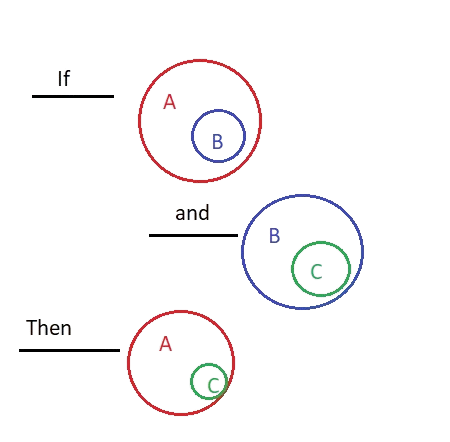
Syllogism questions test logical conclusions based on given statements and relationships. They commonly involve categories such as all, some, and none forms. This topic checks reasoning accuracy rather than outside knowledge. Venn diagram methods help solve many questions efficiently. Syllogism is frequent in placement reasoning rounds.
49. How to prepare syllogism questions clearly?
Ans:
- Learning standard statement forms builds strong conceptual clarity quickly for beginners.
- Using Venn diagrams helps visualize relations and conclusions effectively.
- Practicing true and false conclusion patterns improves confidence significantly.
- Avoiding assumptions outside statements ensures better accuracy naturally.
50. What are final tips for second stage Infosys preparation?
Ans:
Candidates should now focus on arithmetic mastery and reasoning pattern recognition strongly. Regular timed practice is essential for improving speed and maintaining accuracy consistently. Balanced revision of formulas and shortcuts increases confidence significantly. Mock tests help convert preparation into real exam performance effectively. Disciplined effort creates stronger selection chances in Infosys hiring.
51. What is object oriented programming?
Ans:
Object oriented programming is a programming approach based on objects containing data and behavior together. It helps organize code into reusable and manageable structures for large applications effectively. Core concepts include encapsulation, inheritance, polymorphism, and abstraction principles. Many modern languages such as Java and C++ support this model strongly. OOP is commonly asked in Infosys technical interviews.
52. How to prepare OOP concepts strongly?
Ans:
- Learning the meaning of classes, objects, methods, and attributes creates a strong technical foundation quickly.
- Understanding four major principles with examples improves conceptual clarity significantly during interviews.
- Practicing small coding examples helps convert theory into practical understanding effectively.
- Revising differences between concepts increases confidence while answering technical questions naturally.
53. What is class in programming?
Ans:
A class is a blueprint used to create objects in object oriented programming languages. It defines properties and methods that objects of that class can use. Classes help structure programs logically and improve code reusability greatly. Many objects can be created from one class design efficiently. This concept is basic but highly important in interviews.
54. How to explain class and object clearly?
Ans:
- Defining class as blueprint and object as real instance creates immediate conceptual clarity strongly.
- Using examples like car class and car object improves understanding significantly.
- Mentioning reusable design advantages adds practical value effectively.
- Practicing simple definitions helps in technical rounds naturally.
55. What is inheritance in OOP?
Ans:
Inheritance allows one class to acquire properties and methods from another class. It supports code reuse and hierarchical relationships in software systems efficiently. Parent class and child class structures are commonly used in programs. This concept reduces duplication and improves maintainability significantly. Inheritance is frequently asked in technical interviews.
56. How to prepare inheritance topic effectively?
Ans:
- Understanding parent and child class relationships creates strong conceptual clarity quickly.
- Learning real examples like vehicle and car classes improves relevance significantly.
- Studying benefits such as reuse and reduced duplication adds value effectively.
- Revising single and multiple inheritance basics builds confidence naturally.
57. What is polymorphism in OOP?
Ans:
Polymorphism means one interface can represent many different forms of behavior. Methods with same name may behave differently depending on object context. Compile-time and runtime polymorphism are common classifications in programming. This concept increases flexibility and cleaner code design significantly. Polymorphism is an important interview topic.
58. How to prepare polymorphism concepts?
Ans:
- Learning method overloading and overriding creates strong technical understanding quickly.
- Using practical examples of same action with different outputs improves clarity significantly.
- Studying compile-time versus runtime forms adds depth effectively.
- Practicing concise explanations helps in interviews naturally.
59. What is abstraction in programming?
Ans:
Abstraction means showing essential features while hiding internal implementation details. It helps reduce complexity and makes systems easier to use. Interfaces and abstract classes are common ways to implement abstraction. Users focus on functionality instead of internal working processes. Abstraction is widely asked in interviews.
60. How to prepare abstraction clearly?
Ans:
- Understanding hidden complexity with visible functionality creates immediate clarity strongly.
- Using examples like ATM or car controls improves practical understanding significantly.
- Studying abstract classes and interfaces adds technical relevance effectively.
- Comparing abstraction with encapsulation improves memory naturally.
61. What is database management system?
Ans:
Database Management System is software used to store, organize, and retrieve data efficiently. It helps maintain consistency, security, and structured access across applications. Popular examples include MySQL, Oracle, SQL Server, and PostgreSQL systems. DBMS is essential for business applications handling large information volumes. This topic is common in Infosys interviews.
62. How to prepare DBMS basics strongly?
Ans:
- Learning tables, rows, columns, and keys creates a strong database foundation quickly.
- Understanding CRUD operations improves practical technical awareness significantly.
- Revising normalization and relationships adds interview value effectively.
- Practicing common DBMS questions builds confidence naturally.
63. What is primary key in DBMS?
Ans:
Primary key is a column or set of columns uniquely identifying each record. It prevents duplicate entries and supports accurate data retrieval operations. Primary keys cannot contain null values in standard database design. They play a major role in table relationships and indexing. This concept is frequently asked in interviews.
64. How to explain keys in database clearly?
Ans:
- Defining primary key as unique identifier creates immediate clarity strongly.
- Learning foreign key relationships improves conceptual understanding significantly.
- Using student roll number examples adds practical relevance effectively.
- Revising candidate and composite key basics helps confidence naturally.
65. What is SQL join?
Ans:
SQL join combines data from multiple tables based on related columns. It helps retrieve meaningful business information stored across separate tables. Common joins include inner join, left join, right join, and full join. Joins are essential in relational database query operations. This is a highly common technical interview topic.
66. How to prepare SQL joins effectively?
Ans:
- Learning why multiple tables are linked creates strong conceptual clarity quickly.
- Practicing inner join and left join examples improves confidence significantly.
- Understanding unmatched row behavior adds technical depth effectively.
- Writing sample queries regularly strengthens interview readiness naturally.
67. What is operating system?
Ans:
Operating system is system software that manages hardware and software resources efficiently. It handles memory, files, processes, devices, and user interactions smoothly. Examples include Windows, Linux, macOS, and Android operating systems. Without an operating system, application execution becomes difficult. OS basics are commonly asked in technical rounds.
68. How to prepare operating system basics?
Ans:
- Learning process, thread, memory, and scheduling concepts builds strong fundamentals quickly.
- Understanding real examples from Windows or Linux improves clarity significantly.
- Revising file management and deadlock basics adds interview value effectively.
- Practicing common OS questions increases confidence naturally.
69. What is process in operating system?
Ans:
A process is a program that is currently running in execution state. It contains memory, resources, and execution context managed by the system. Multiple processes can run simultaneously through scheduling techniques efficiently. Processes are isolated for stability and resource control purposes. This topic is common in interviews.
70. How to explain process and thread clearly?
Ans:
- Defining process as running program creates immediate understanding strongly.
- Explaining thread as lightweight execution unit improves clarity significantly.
- Comparing memory sharing differences adds technical depth effectively.
- Using browser tab examples helps memory naturally.
71. What is computer network?
Ans:
Computer network is a connection of devices used to share data and resources. Networks support communication through wired or wireless technologies efficiently. Examples include LAN, WAN, and internet-scale communication systems widely. Protocols help devices exchange information accurately and securely. Networking basics are useful in technical interviews.
72. How to prepare networking fundamentals?
Ans:
- Learning LAN, WAN, IP address, and DNS creates strong basics quickly.
- Understanding protocols such as HTTP and TCP improves clarity significantly.
- Studying practical internet communication examples adds relevance effectively.
- Revising common networking questions increases confidence naturally.
73. What is software testing?
Ans:
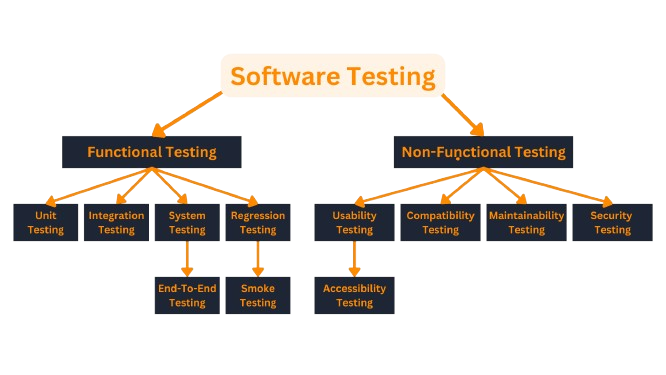
Software testing is the process of verifying whether applications work as expected. It helps detect defects, improve quality, and ensure requirement fulfillment effectively. Testing may be manual or automated depending on project needs. Good testing reduces failures after software release significantly. Testing basics are often asked in interviews.
74. How to prepare software testing basics?
Ans:
- Learning bug, test case, defect, and validation terms builds strong clarity quickly.
- Understanding manual and automation testing improves technical awareness significantly.
- Studying unit, integration, and system testing adds practical value effectively.
- Revising examples strengthens interview readiness naturally.
75. What are final tips for technical preparation stage?
Ans:
Candidates should now focus on core technical fundamentals and structured explanations clearly. Understanding concepts is stronger than memorizing definitions without application knowledge. Project-based examples help create practical discussion quality significantly. Regular revision of OOP, DBMS, OS, and networks builds confidence effectively. Consistent preparation improves Infosys technical selection chances strongly.
76. What is resume in interview process?
Ans:
Resume is a professional document that summarizes education, skills, projects, and achievements clearly. It creates the first impression before direct interaction with interview panels. A well-structured resume highlights strengths relevant to the applied role effectively. Accurate information and clean formatting increase professional credibility significantly. Resume preparation is important for Infosys interviews.
77. How to create strong resume for Infosys?
Ans:
- Using clear headings for education, skills, projects, and achievements improves readability significantly for recruiters.
- Mentioning relevant technologies and measurable accomplishments adds stronger professional value effectively.
- Keeping formatting neat, consistent, and error free creates better impressions naturally.
- Reviewing all information carefully prevents confusion during interview discussions consistently.
78. What is importance of academic projects?
Ans:
Academic projects demonstrate practical learning beyond classroom theory and textbook concepts. They help interviewers evaluate teamwork, problem solving, and implementation ability clearly. Well explained projects can create strong impact even for fresh candidates. Technology choices and personal contributions are often discussed deeply. Projects are valuable in Infosys interview rounds.
79. How to explain projects during interview?
Ans:
- Describing project objective and business problem first creates logical explanation flow immediately.
- Explaining tools, technologies, and personal responsibilities adds practical relevance significantly.
- Mentioning challenges faced and solutions applied improves answer depth effectively.
- Sharing final outcomes confidently creates stronger interviewer impression naturally.
80. What is group discussion round?
Ans:
Group discussion is an assessment round where multiple candidates discuss one topic together. It evaluates communication, teamwork, leadership, listening, and confidence under pressure. Panels observe clarity of ideas and ability to contribute constructively. Respectful participation matters more than aggressive speaking behavior greatly. Some hiring drives may include this round.
81. How to perform well in group discussion?
Ans:
- Starting with clear facts or structured opening points can create positive early impression significantly.
- Listening carefully and responding logically improves collaboration image effectively.
- Supporting others with balanced viewpoints shows maturity and teamwork naturally.
- Avoiding interruptions and maintaining confidence strengthens final evaluation consistently.
82. What is body language in interviews?
Ans:
Body language includes posture, eye contact, gestures, and facial expressions during communication. Positive body language reflects confidence, professionalism, and readiness for workplace interaction. Poor posture or nervous movements may reduce overall impression significantly. Balanced expressions help build comfortable interviewer engagement naturally. This factor matters in HR and technical rounds.
83. How to improve interview body language?
Ans:
- Sitting upright with relaxed posture creates confident professional presence immediately.
- Maintaining natural eye contact improves trust and communication quality significantly.
- Using limited hand gestures helps emphasize points effectively without distraction.
- Smiling politely and staying calm strengthens overall personality impression naturally.
84. What is strength question in HR round?
Ans:
Strength question is asked to understand qualities useful for job success. Common strengths include adaptability, communication, discipline, and learning ability. Answers should connect strengths with workplace contribution clearly and realistically. Specific examples create stronger credibility than generic claims alone. This is a frequent Infosys HR question.
85. How to answer weakness question professionally?
Ans:
- Choosing a genuine but manageable weakness creates honest and balanced responses significantly.
- Mentioning improvement actions shows learning mindset and maturity effectively.
- Avoiding critical weaknesses related directly to job role is advisable naturally.
- Keeping tone positive and growth focused improves interviewer perception consistently.
86. What is relocation question in interview?
Ans:
Relocation question checks flexibility to work in different locations based on business needs. Many IT companies deploy employees across multiple cities and client sites. Positive attitude toward relocation reflects adaptability and professional commitment strongly. Candidates should respond clearly and practically without hesitation. This question is common in Infosys interviews.
87. How to answer career goals question?
Ans:
- Mentioning short term learning and skill growth creates realistic professional direction clearly.
- Including long term responsibility and leadership aspirations adds maturity significantly.
- Aligning goals with company growth opportunities improves relevance effectively.
- Avoiding unrealistic timelines helps maintain credibility naturally.
88. What is teamwork question in interviews?
Ans:
Teamwork question is asked to evaluate collaboration skills in group environments. Organizations value employees who coordinate well and support common objectives. Answers should highlight communication, respect, and shared responsibility clearly. Examples from academics or projects improve response strength significantly. This question appears often in HR rounds.
89. How to answer conflict handling question?
Ans:
- Explaining calm listening approach shows emotional maturity under pressure significantly.
- Mentioning focus on solutions rather than blame improves professionalism effectively.
- Highlighting communication and compromise builds teamwork image naturally.
- Using real examples can create stronger interviewer confidence consistently.
90. What is time management question in interviews?
Ans:
Time management question checks ability to organize tasks and meet deadlines consistently. Employers prefer candidates who prioritize work efficiently under pressure. Answers should include planning methods and disciplined execution habits clearly. Examples involving academics or projects add practical credibility significantly. This topic is common in Infosys interviews.
91. How to answer pressure handling question?
Ans:
- Mentioning calm thinking and prioritization creates strong professional response immediately.
- Explaining task breakdown methods shows practical working style significantly.
- Highlighting deadline focus with quality control adds maturity effectively.
- Using examples strengthens trust and realism naturally.
92. What is why Infosys question?
Ans:
This question evaluates company awareness and genuine motivation for joining. Infosys is known for training, global presence, ethics, and growth opportunities. Responses should connect personal career goals with company strengths clearly. Positive but realistic appreciation creates stronger interview impact significantly. This is one of the most common HR questions.
93. How to prepare company research before interview?
Ans:
- Learning company history, services, and market reputation improves answer quality significantly.
- Understanding values and training culture adds relevance effectively in HR discussions.
- Reading recent achievements helps create updated professional responses naturally.
- Connecting research with career interest strengthens final impression consistently.
94. What is salary expectation question?
Ans:
Salary expectation question checks maturity, flexibility, and market awareness of candidates. Fresh candidates are usually expected to focus more on learning opportunities. Balanced responses aligned with company standards are generally preferred. Overemphasis on salary may weaken fresher interview impression significantly. This question may appear in HR rounds.
95. How to answer salary expectation wisely?
Ans:
- Emphasizing learning, growth, and fair company policy creates balanced response significantly.
- Showing flexibility according to role standards improves professionalism effectively.
- Avoiding unrealistic numbers helps maintain credibility naturally.
- Keeping answer concise and confident creates better interviewer perception consistently.
96. What is shift work question in interviews?
Ans:
Shift work question checks flexibility to work in rotational or business-hour variations. Global organizations often support clients across different time zones. Positive and practical responses reflect adaptability strongly in service environments. Readiness for schedules may influence final role suitability significantly. This question is common in support roles.
97. How to answer future plans question?
Ans:
- Mentioning continuous learning and stable career growth creates positive direction clearly.
- Including responsibility expansion shows ambition with maturity significantly.
- Aligning plans with company opportunities improves relevance effectively.
- Avoiding job-hopping language protects professional image naturally.
98. What is follow up after interview?
Ans:
Follow up after interview means maintaining professional communication after selection rounds. It may include status checks or gratitude messages where appropriate. Polite follow up reflects professionalism and continued interest in the role. Excessive repeated contact should be avoided carefully. Balanced follow up creates positive impression significantly.
99. How to stay confident after interview rounds?
Ans:
- Focusing on preparation effort instead of overthinking answers reduces stress significantly.
- Continuing skill improvement maintains positive momentum effectively.
- Avoiding unnecessary comparison with others supports confidence naturally.
- Patience during result timelines helps maintain calm mindset consistently.
100. What is rejection handling in placement process?
Ans:
Rejection handling means responding positively when outcomes are not favorable initially. Many successful careers include setbacks before final opportunities arrive. Constructive review of mistakes helps improve future performance strongly. Persistence and learning attitude are more important than one result. This mindset supports long term success significantly.
101. How to improve after unsuccessful attempt?
Ans:
- Analyzing weak sections like aptitude or communication reveals improvement areas clearly.
- Practicing mocks and interview answers strengthens future readiness significantly.
- Seeking feedback where available improves preparation quality effectively.
- Maintaining persistence creates stronger long-term results naturally.
102. What is professionalism in workplace?
Ans:
Professionalism means punctuality, respect, responsibility, and ethical behavior at work. It creates trust among colleagues, managers, and clients consistently. Professional conduct includes clear communication and accountability for tasks. Strong professionalism supports career growth over time significantly. This quality is valued highly in Infosys culture.
103. How to become job ready for Infosys?
Ans:
- Building aptitude, technical basics, and communication together creates complete readiness significantly.
- Maintaining updated resume and project clarity improves interview performance effectively.
- Practicing mock tests regularly increases confidence naturally.
- Following disciplined preparation routines strengthens final selection chances consistently.
104. What is final interview success mindset?
Ans:
Final interview success mindset includes confidence, calmness, and continuous willingness to learn. Candidates should focus on clarity rather than memorized complicated responses. Positive attitude often influences interview outcomes strongly. Preparedness with flexibility helps handle unexpected questions effectively. Mindset plays a major role in final success.
105. What are ultimate tips for Infosys online test and interview success?
Ans:
Success depends on balanced preparation across aptitude, technical knowledge, and communication skills. Regular mock tests and structured revision improve consistency greatly. Professional behavior and confident responses create strong interview impressions. Learning from every attempt strengthens future performance effectively. Disciplined preparation gives the best chance of Infosys selection success.
![Top Informatica Interview Questions & Answers – [UPDATED] Interview Question](https://www.acte.in/wp-content/uploads/2020/05/4-img-acte-1-400x218.jpeg)