LMS
LMS
Last updated on 18th Apr 2026| 7450

TCS IT Interview Preparation for Freshers in Chennai is a useful guide for candidates aiming to start their careers with Tata Consultancy Services. It covers key areas such as aptitude, logical reasoning, programming fundamentals, technical concepts, and HR interview questions, along with simple explanations to help candidates understand the selection process. This guide helps freshers build strong fundamentals, improve problem-solving skills, and gain the confidence needed to perform well in both written tests and technical interview rounds.
1. What is TCS IT interview process?
Ans:
The TCS IT interview process generally includes aptitude assessment, technical discussion, managerial evaluation, and human resources interaction for final selection of candidates. It is designed to test analytical ability, communication skills, programming fundamentals, and readiness to work in enterprise technology environments. Technical rounds often focus on coding concepts, database knowledge, networking basics, and project-related understanding from academic backgrounds. Managerial discussions evaluate attitude, teamwork capability, adaptability, and willingness to learn new technologies under business requirements. Understanding the complete process helps candidates prepare systematically and improve chances of selection significantly.
2. How to prepare for TCS aptitude round?
Ans:
- Practicing quantitative aptitude topics such as percentages, profit and loss, ratios, averages, and time-based calculations improves speed and problem-solving accuracy.
- Solving logical reasoning questions involving patterns, arrangements, coding-decoding, and data interpretation strengthens analytical thinking for online assessments.
- Regular timed mock tests help in managing pressure, improving time allocation, and identifying weak areas requiring additional practice.
- Consistent revision of formulas, shortcuts, and common question patterns ensures better confidence during the actual aptitude round.
3. What is importance of communication skills in TCS interview?
Ans:
Communication skills are highly important because candidates must explain ideas clearly during technical and human resources interview rounds. Strong communication helps in presenting project knowledge, answering questions confidently, and interacting professionally with panel members. It also reflects workplace readiness for meetings, teamwork discussions, and client-facing responsibilities in service-based environments. Clear speaking ability reduces misunderstandings and creates a positive impression throughout the selection process. Developing communication skills significantly increases overall interview performance and employability prospects.
4. How to improve communication for interviews?
Ans:
- Practicing common interview questions aloud daily helps improve clarity, confidence, pronunciation, and structured answer delivery under pressure.
- Reading newspapers, technical articles, and professional content regularly improves vocabulary and sentence formation naturally over time.
- Participating in discussions, presentations, and mock interviews enhances listening ability and spontaneous speaking confidence.
- Recording responses and reviewing speech patterns helps identify filler words, hesitation, and areas requiring improvement.
5. What programming languages are useful for TCS interviews?
Ans:
Programming languages commonly useful for TCS interviews include Java, Python, C, C++, and JavaScript depending on role requirements. Candidates are generally expected to understand syntax, control statements, functions, arrays, loops, and object-oriented concepts clearly. Strong fundamentals in at least one language are more valuable than shallow knowledge across many languages. Interviewers may ask coding logic, debugging tasks, or output-based questions from selected languages. Choosing one primary language and mastering fundamentals gives the best preparation advantage.
6. How to choose a primary programming language?
Ans:
- Selecting a language already practiced during academics allows faster progress because syntax familiarity reduces preparation time significantly.
- Choosing languages with strong interview relevance such as Java, Python, or C++ provides better opportunities in coding discussions.
- Preference should be given to languages suitable for writing clean logic, debugging quickly, and explaining concepts confidently.
- Consistent practice in one primary language helps build depth, confidence, and problem-solving efficiency.
7. What is importance of data structures?
Ans:
Data structures are essential because they organize information efficiently and help solve programming problems logically. Common structures such as arrays, linked lists, stacks, queues, trees, and hash maps appear frequently in interviews. Understanding their operations improves coding speed and helps choose optimal approaches for different problems. They are also foundational for advanced concepts such as algorithms and system design. Strong data structure knowledge is crucial for technical interview success.
8. How to study data structures effectively?
Ans:
- Learning each structure with insertion, deletion, traversal, and search operations builds strong conceptual understanding.
- Implementing structures manually in code improves memory of logic and practical confidence during interviews.
- Solving interview questions based on arrays, stacks, queues, and trees develops pattern recognition skills.
- Revising advantages, disadvantages, and real-world use cases strengthens answer quality in discussions.
9. What is importance of algorithms?
Ans:
Algorithms are step-by-step procedures used to solve problems efficiently through logical and optimized execution methods. Interviewers often evaluate sorting, searching, recursion, dynamic programming, and traversal-related thinking abilities. Good algorithm knowledge helps in reducing execution time and improving memory efficiency of solutions. It also reflects analytical strength and structured reasoning expected in IT roles. Understanding algorithms is vital for coding interview preparation.
10. How to improve algorithmic thinking?
Ans:
- Practicing common interview problems regularly helps in recognizing reusable logic patterns across different questions.
- Comparing brute-force and optimized solutions develops deeper understanding of efficiency improvements.
- Studying recursion, divide-and-conquer, greedy methods, and dynamic programming expands solution strategies.
- Explaining algorithms verbally improves clarity and confidence during technical rounds.
11. What is DBMS and why is it important?
Ans:
Database Management Systems are software tools used to store, organize, retrieve, and manage structured data efficiently. TCS interviews often include questions on keys, normalization, transactions, joins, and SQL queries. Strong DBMS knowledge is useful because enterprise applications depend heavily on reliable data handling systems. It also supports backend development, analytics, and business reporting requirements across industries. Understanding DBMS concepts greatly improves technical interview readiness.
12. How to prepare SQL for interviews?
Ans:
- Practicing SELECT, INSERT, UPDATE, DELETE, and WHERE clause queries builds essential database command confidence.
- Learning joins, group by, order by, aggregate functions, and subqueries improves readiness for common technical questions.
- Solving table-based query exercises helps in writing syntax accurately under interview pressure.
- Understanding indexing, normalization, and transaction basics strengthens conceptual responses beyond syntax alone.
13. What is operating system knowledge importance?
Ans:
Operating system knowledge is important because it explains how computers manage processes, memory, files, and resources. Interviewers may ask about scheduling, multitasking, deadlocks, threads, and memory allocation basics. These topics reflect understanding of how software interacts with hardware environments. Strong operating system fundamentals help in debugging and writing efficient programs. It remains a common subject in fresher IT interviews.
14. How to study operating systems?
Ans:
- Focusing on core topics such as process management, threads, memory, scheduling, and deadlocks builds solid fundamentals. Strong basics make advanced concepts easier to understand later. These topics are frequently asked in interviews and exams.
- Studying practical examples from Windows, Linux, or mobile operating systems improves conceptual clarity. Real system examples connect theory with actual device behavior effectively. This approach makes learning more interesting and memorable.
- Revising definitions along with real-world scenarios helps answer theoretical questions effectively. Clear definitions combined with examples improve communication during interviews. This method also strengthens long-term retention of concepts.
- Solving previous interview questions improves retention and confidence in discussions. Repeated practice highlights important patterns and commonly asked topics. It also prepares candidates for technical conversations smoothly.
15. What is networking importance in TCS interviews?
Ans:
Networking knowledge is valuable because modern applications rely on communication between systems, servers, and devices. Common interview topics include IP addressing, DNS, HTTP, TCP/IP, routing, and security basics. Understanding networking helps explain how web applications function in real environments. It also supports troubleshooting and infrastructure-related responsibilities in IT services roles. Strong networking basics enhance technical profile quality significantly.
16. How to prepare networking concepts?
Ans:
- Studying OSI model and TCP/IP layers helps understand structured network communication clearly. Each layer explains how data moves between systems step by step. Strong layer knowledge is valuable for interviews and troubleshooting.
- Learning protocols such as HTTP, HTTPS, FTP, SMTP, and DNS improves interview readiness. These protocols are commonly used in websites, emails, and file transfers daily. Understanding their purpose increases technical confidence significantly.
- Understanding IP addresses, subnetting basics, and routing concepts strengthens foundational knowledge. These topics explain how devices identify and communicate across networks. Good fundamentals support advanced networking learning later.
- Relating concepts to internet browsing and application access improves memory retention effectively. Practical connections make technical terms easier to remember for long periods. This method also improves explanation skills during interviews.
17. What is object-oriented programming?
Ans:
Object-oriented programming is a software development approach based on objects containing data and behavior together. Core principles include encapsulation, inheritance, polymorphism, and abstraction used in enterprise software development. Many TCS projects use object-oriented languages such as Java and C++, making this knowledge valuable. Interviewers may ask definitions, examples, and real-world applications of these principles. Strong OOP understanding supports coding and design discussions effectively.
18. What is the difference between procedural programming and object-oriented programming?
Ans:
| Criteria | Procedural Programming | Object-Oriented Programming |
|---|---|---|
| Approach | Based on functions and procedures. | Based on classes and objects. |
| Focus | Focuses on sequence of actions. | Focuses on data with behavior. |
| Reusability | Limited reusability. | High reusability using inheritance. |
| Examples | C language. | Java, C++, Python. |
19. What is importance of projects in interviews?
Ans:
Projects are important because they demonstrate practical application of academic knowledge into working solutions. Interviewers often ask about objectives, technologies used, challenges faced, and outcomes achieved in projects. Strong project explanation reflects ownership, teamwork, and technical understanding beyond theory. Even simple projects can create impact when explained clearly with structure and confidence. Preparing project discussions is essential for fresher interviews.
20. How to explain projects effectively?
Ans:
- Starting with project objective and real-world problem solved helps create a strong opening explanation.
- Describing technology stack, architecture, and personal contribution demonstrates technical involvement clearly.
- Mentioning challenges, bug fixes, or optimization improvements reflects problem-solving capability effectively.
- Ending with results, learning outcomes, and future scope creates a complete professional answer.
21. What is importance of confidence in interviews?
Ans:
Confidence helps candidates answer clearly, maintain calmness, and present knowledge effectively during interviews. It improves body language, voice stability, and overall professional impression on the panel. Confident communication often enhances even average answers by making them more convincing. Preparation and repeated practice are the strongest sources of confidence. Maintaining confidence is essential for interview success.
22. How to build confidence before interviews?
Ans:
- Revising core subjects thoroughly reduces uncertainty and improves readiness for expected questions. Strong preparation creates clarity while answering technical and aptitude topics. Knowledge naturally increases confidence during interview discussions.
- Practicing mock interviews regularly builds familiarity with pressure situations and panel interactions. Repeated practice reduces nervousness and improves communication style steadily. It also helps manage time while answering questions.
- Preparing strong answers for introduction, strengths, projects, and goals increases speaking confidence. Well-structured responses create a professional first impression immediately. Clear preparation also avoids hesitation during important moments.
- Maintaining positive mindset, proper rest, and professional appearance improves self-belief significantly. Good sleep and calm thinking improve focus and energy levels. Professional presentation adds confidence before entering the interview room.
23. What is importance of HR round?
Ans:
The HR round evaluates attitude, communication, professionalism, cultural fit, and long-term stability of candidates. Questions often focus on strengths, weaknesses, goals, relocation, teamwork, and motivation to join TCS. This round helps determine whether technical candidates can adapt well in organizational environments. Honest, structured, and positive responses usually create stronger impressions than memorized lines. Preparing HR questions is equally important as technical preparation.
24. How to prepare HR interview answers?
Ans:
- Creating structured responses for common questions helps maintain clarity and confidence during the discussion.
- Using genuine strengths and realistic examples improves authenticity and credibility of answers.
- Avoiding negative language while discussing weaknesses or failures creates a professional impression.
- Practicing tone, posture, and concise speaking style improves overall HR round performance.
25. What are final tips for TCS interview success?
Ans:
Final success in TCS interviews depends on balanced preparation across aptitude, technical subjects, projects, and communication skills. Regular revision, mock practice, and understanding previous interview patterns improve readiness significantly. Clear speaking, calm behavior, and structured answers create strong impressions during all rounds. Professional attitude, willingness to learn, and adaptability are highly valued in service-based organizations. Consistent preparation with confidence provides the best chance of selection.
26. What is importance of resume in TCS interview?
Ans:
A resume is often the first professional document reviewed during recruitment and creates an initial impression before interviews begin. It highlights education, technical skills, certifications, internships, projects, and achievements in a structured professional format. Interviewers frequently ask questions directly from resume content, making accuracy and clarity extremely important. A well-prepared resume reflects seriousness, organization, and readiness for corporate opportunities. Strong resume preparation significantly improves chances of progressing through selection stages successfully.
27. How to build a strong fresher resume?
Ans:
- Including clear sections for education, technical skills, projects, certifications, and achievements helps create a professional and readable structure for recruiters.
- Mentioning relevant programming languages, software tools, and academic technologies improves alignment with IT role requirements effectively.
- Describing projects with technologies used, responsibilities handled, and outcomes achieved adds practical value beyond academic marks alone.
- Keeping formatting clean, grammar accurate, and information truthful creates a stronger and more credible impression.
28. What is importance of academic projects in TCS hiring?
Ans:
Academic projects demonstrate practical implementation of technical concepts learned during engineering or degree programs. They help interviewers evaluate coding ability, teamwork exposure, documentation habits, and problem-solving skills realistically. Even small projects become valuable when objectives, logic, and outcomes are explained confidently. Projects also create discussion opportunities when technical fundamentals are average. Strong project preparation can significantly improve fresher interview performance.
29. How to prepare project-based interview questions?
Ans:
- Revising project objectives, modules, workflow, and final outcomes helps answer foundational questions with confidence and clarity.
- Understanding technologies used, database design, frontend logic, and backend integration improves technical explanation quality greatly.
- Preparing responses about challenges faced, bugs resolved, and lessons learned reflects practical exposure and maturity.
- Explaining personal contribution clearly helps distinguish individual effort from overall team activity.
30. What is importance of coding rounds in TCS interviews?
Ans:
Coding rounds are used to evaluate logical thinking, syntax familiarity, debugging ability, and structured problem-solving approach. Questions may involve loops, arrays, strings, functions, recursion, or simple algorithmic patterns depending on role level. Strong coding performance often increases confidence and improves overall recruiter perception significantly. Clean logic and readable code are usually more valuable than overly complex solutions. Regular coding practice is essential for success in technical hiring rounds.
31. Write a program to find largest element in an array.
Ans:
This program finds the largest element in the array.
- #include <stdio.h>
- int main() {
- int arr[5]={12,45,7,30,22};
- int i, max=arr[0];
- for(i=1;i<5;i++){
- if(arr[i]>max)
- max=arr[i];
- }
- printf(“%d”, max);
- return 0;
- }
In this example, output will be 45.
32. What is importance of problem-solving ability?
Ans:
Problem-solving ability reflects how effectively challenges are analyzed and converted into logical solutions under constraints. TCS values candidates who can approach unfamiliar situations with calmness and structured reasoning. Strong problem-solving helps in coding, production support, testing, and real project issue resolution. It also indicates adaptability and learning potential in dynamic client environments. Developing problem-solving ability is highly beneficial for fresher careers.
33. How to improve problem-solving skills?
Ans:
- Practicing daily logic questions and coding challenges develops pattern recognition and structured thinking gradually over time.
- Breaking large problems into smaller manageable components improves clarity and makes solutions easier to design.
- Comparing multiple solution approaches helps understand efficiency and strengthens decision-making ability.
- Reviewing mistakes carefully and learning improved methods accelerates long-term problem-solving growth.
34. What is importance of teamwork for TCS roles?
Ans:
Teamwork is essential because most TCS projects involve collaboration across developers, testers, analysts, and support teams. Candidates must coordinate tasks, share updates, and contribute positively in multi-person environments. Good teamwork improves productivity, reduces misunderstandings, and supports faster issue resolution. It also reflects maturity, communication ability, and professional attitude valued by employers. Strong teamwork skills improve employability significantly in service companies.
35. How to demonstrate teamwork in interviews?
Ans:
- Sharing examples from academic projects where tasks were divided and coordinated effectively demonstrates collaborative experience clearly.
- Mentioning conflict resolution, communication support, or helping teammates reflects maturity and positive team behavior.
- Explaining how shared goals were achieved through coordination highlights practical teamwork understanding.
- Showing respect for diverse opinions and adaptability strengthens team-oriented professional image.
36. What is importance of adaptability in TCS jobs?
Ans:
Adaptability is highly valued because project technologies, client needs, and business priorities may change frequently. Freshers may need to learn new tools, domains, or processes within short timelines after joining. Adaptable employees handle transitions smoothly and maintain productivity during change. This quality also supports relocation, shift work, and cross-functional collaboration when required. Strong adaptability increases long-term growth opportunities in large organizations.
37. How to improve adaptability professionally?
Ans:
- Maintaining willingness to learn unfamiliar tools and technologies helps build comfort with changing work environments.
- Accepting new responsibilities with a positive mindset improves resilience and professional flexibility significantly.
- Observing experienced team members and adjusting quickly to processes accelerates workplace adaptation.
- Continuous learning habits ensure readiness for future transitions and business requirements.
38. What is importance of time management?
Ans:
Time management is important because project deadlines, training schedules, and daily tasks require organized execution. Candidates with strong time management usually complete work efficiently without sacrificing quality. It helps reduce stress and improves consistency during high workload periods. Good time planning also reflects responsibility and discipline in professional settings. Strong time management skills support long-term career success.
39. How to improve time management?
Ans:
- Creating daily task lists with priorities helps maintain order and prevents important work from being delayed unnecessarily.
- Breaking large assignments into smaller milestones improves progress tracking and execution efficiency significantly.
- Avoiding distractions during focused work sessions increases productivity and saves valuable time.
- Reviewing completed tasks regularly helps refine planning methods and improve future scheduling accuracy.
40. What is importance of strengths and weaknesses questions?
Ans:
Strengths and weaknesses questions help interviewers understand self-awareness, honesty, and growth mindset of candidates. Well-answered responses show maturity and balanced understanding of personal development areas. Relevant strengths such as adaptability, discipline, or learning ability create stronger impressions. Realistic weaknesses combined with improvement efforts appear more credible than artificial answers. Preparing these questions carefully is important for HR round success.
41. How to answer strengths effectively?
Ans:
- Selecting strengths relevant to IT roles such as problem-solving, communication, adaptability, or consistency improves answer impact significantly. Relevant strengths show understanding of job expectations clearly. This approach makes the response more valuable to interviewers.
- Supporting strengths with short examples from academics or projects increases credibility and realism. Practical evidence proves that the strengths are genuine and developed. Examples also make answers more memorable during interviews.
- Using confident but humble language creates professionalism without sounding exaggerated. Balanced communication reflects maturity and self-awareness effectively. It helps maintain a positive impression throughout the discussion.
- Aligning strengths with company expectations helps responses feel more relevant and strategic. Matching skills with organizational needs shows preparation and interest. This method increases the effectiveness of the final answer.
42. How to answer weaknesses professionally?
Ans:
Weakness answers should focus on genuine but manageable areas rather than critical job-damaging limitations. Examples such as hesitation in public speaking or over-focusing on details are often safer choices. The most important element is explaining active steps being taken for improvement consistently. This approach reflects honesty, accountability, and commitment to personal growth. Well-structured weakness answers create a positive rather than negative impression.
43. What is importance of certifications for freshers?
Ans:
- Certifications in programming, cloud, testing, analytics, or cybersecurity help strengthen fresher profiles when experience is limited.
- They demonstrate self-learning attitude and willingness to invest effort in career development proactively.
- Relevant certifications also create talking points during interviews and resume shortlisting stages.
- Combining certifications with practical skills creates stronger overall employability in competitive hiring markets.
44. What is importance of mock interviews?
Ans:
Mock interviews simulate real hiring conditions and help reduce nervousness before actual company rounds begin. They improve speaking confidence, answer structure, posture, and reaction speed under pressure. Feedback from mock sessions helps identify weak technical areas and communication gaps. Repeated practice increases familiarity with common interview patterns and expectations. Mock interviews are highly valuable for fresher preparation success.
45. How to conduct effective mock interviews?
Ans:
- Using common technical and HR questions in timed sessions creates realistic pressure similar to actual interviews. Timed practice improves speed of thinking and response organization. It also prepares candidates for real interview conditions effectively.
- Practicing with friends, mentors, or trainers provides external observation and valuable corrective feedback. Outside feedback helps identify weak areas that may be unnoticed personally. This guidance improves confidence and communication quality steadily.
- Recording sessions helps review speaking style, confidence level, and unnecessary filler words objectively. Watching performance later reveals habits needing improvement clearly. This method supports stronger presentation skills over time.
- Repeating mocks regularly builds consistency and measurable progress over time. Continuous practice reduces nervousness and increases familiarity with interview patterns. Regular improvement creates stronger readiness for final interviews.
46. What is importance of body language in interviews?
Ans:
Body language strongly influences first impressions even before technical discussion begins in interview environments. Good posture, eye contact, calm gestures, and attentive listening reflect confidence and professionalism. Poor body language may create negative assumptions despite strong technical knowledge. Positive non-verbal communication supports spoken answers and improves overall presence. Strong body language preparation helps candidates perform better in interviews.
47. How to improve interview body language?
Ans:
- Sitting upright with balanced posture helps project confidence, alertness, and professional discipline immediately.
- Maintaining natural eye contact while listening and speaking improves connection with interviewers significantly.
- Avoiding restless hand movement or nervous habits creates a calmer and more polished impression.
- Practicing smile, greeting style, and composed gestures improves overall interview presence.
48. What is importance of learning attitude in TCS?
Ans:
Learning attitude is critical because technologies, frameworks, and client expectations evolve continuously in IT services. Freshers are often selected more for trainability than advanced expertise at entry level. Candidates who learn quickly usually adapt faster during training and project onboarding stages. This quality also supports promotions and movement into advanced technical domains later. Strong learning attitude is highly valued in TCS hiring decisions.
49. How to demonstrate learning attitude?
Ans:
- Mentioning courses completed, new tools explored, or skills practiced independently shows proactive growth mindset clearly. Continuous self-learning reflects responsibility toward career development strongly. It also creates a positive impression during interviews.
- Discussing project challenges solved through research reflects practical learning behavior effectively. Finding solutions independently shows initiative and problem-solving ability. This approach highlights readiness for real workplace tasks.
- Showing openness to training, feedback, and new responsibilities improves recruiter confidence greatly. Employers value candidates who can adapt and improve continuously. This mindset supports faster growth within organizations.
- Demonstrating curiosity about technologies and processes strengthens fresher profile quality. Genuine interest in learning often leads to stronger performance and innovation. It also makes the candidate appear energetic and future-focused.
50. What are final preparation tips before TCS interview day?
Ans:
Final preparation should focus on revising core subjects, resume content, project details, and common HR questions thoroughly. Proper rest before interview day improves concentration, confidence, and communication performance significantly. Documents, attire, internet setup, or travel planning should be arranged in advance carefully. A calm mindset and positive attitude help handle unexpected questions more effectively. Strong final preparation greatly improves chances of interview success.
51. What is importance of database normalization?
Ans:
Database normalization is the process of organizing tables to reduce redundancy and improve consistency of stored information. It helps prevent duplicate records, update anomalies, and insertion problems in relational database systems. Interviewers may ask normal forms such as first, second, and third normal form concepts frequently. Strong understanding of normalization reflects practical database design awareness for enterprise applications. Normalization knowledge is highly useful for technical interview discussions.
52. How to prepare normalization concepts?
Ans:
- Learning each normal form with simple table examples helps in understanding how redundancy is removed systematically.
- Practicing conversion of unstructured tables into normalized structures improves confidence during interview explanations.
- Understanding primary keys, foreign keys, and dependencies strengthens overall database design clarity significantly.
- Revising common anomaly examples helps answer theoretical questions with practical relevance.
53. What is importance of software testing basics?
Ans:
Software testing basics are important because quality assurance is essential in all development life cycle stages. Freshers may be asked about unit testing, integration testing, system testing, and regression testing concepts. Testing knowledge shows awareness of reliability, defect prevention, and user experience standards. It also supports collaboration between developers and quality assurance teams in projects. Basic testing preparation improves technical interview readiness significantly.
54. How to prepare testing concepts for interviews?
Ans:
- Studying major testing types along with practical scenarios helps create stronger conceptual understanding quickly. Knowledge of functional, regression, integration, and system testing is highly useful. Practical examples make concepts easier to remember during interviews.
- Learning difference between manual testing and automation testing improves answer quality in discussions. Understanding when each method is used shows clear industry awareness. This comparison is commonly asked in technical interviews.
- Understanding bug life cycle, severity, and priority terms strengthens industry readiness effectively. These concepts explain how defects are reported, tracked, and resolved. Strong clarity in these topics reflects professional preparation.
- Revising sample interview questions helps improve confidence in quality assurance topics. Repeated practice highlights common patterns and expected answers clearly. It also reduces hesitation during actual interview sessions.
55. What is importance of SDLC knowledge?
Ans:
Software Development Life Cycle knowledge is valuable because projects follow structured phases from planning to maintenance. Common stages include requirement analysis, design, development, testing, deployment, and support operations. Interviewers ask SDLC to evaluate awareness of professional software delivery processes. Understanding SDLC shows readiness to work within organized enterprise project environments. Strong SDLC fundamentals improve fresher technical credibility significantly.
56. How to study SDLC effectively?
Ans:
- Learning each SDLC phase with purpose, deliverables, and responsibilities builds practical process understanding.
- Comparing models such as Waterfall, Agile, Spiral, and DevOps improves conceptual depth greatly.
- Relating academic projects to SDLC stages helps explain concepts with real examples confidently.
- Revising common interview questions ensures better recall during technical rounds.
57. What is importance of Agile methodology?
Ans:
Agile methodology is widely used in modern IT services because it supports flexibility and faster delivery cycles. It focuses on iterative development, customer feedback, teamwork, and continuous improvement processes. TCS projects may use Agile frameworks such as Scrum for effective collaboration. Interviewers often ask Agile basics to test awareness of modern development practices. Understanding Agile improves industry relevance for freshers significantly.
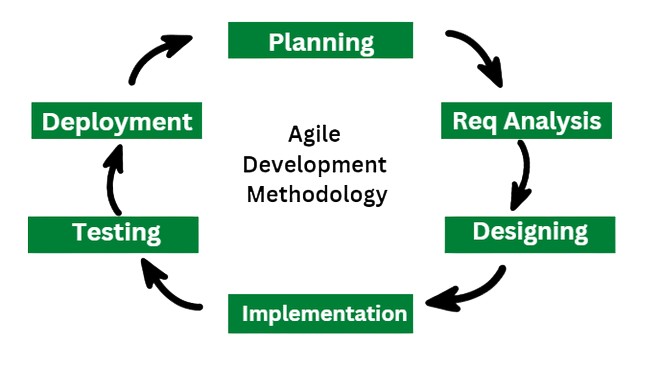
58. What is the difference between Agile and Waterfall methodology?
Ans:
| Criteria | Agile Methodology | Waterfall Methodology |
|---|---|---|
| Approach | Iterative and incremental development. | Sequential phase-by-phase development. |
| Flexibility | Easy to handle changing requirements. | Changes are difficult after planning. |
| Delivery | Frequent releases in small cycles. | Final delivery after completion. |
| Best Use | Dynamic and evolving projects. | Stable and clear requirements. |
59. What is importance of cloud computing for TCS roles?
Ans:
Cloud computing is important because many enterprises migrate infrastructure, storage, and applications to cloud platforms. Common services include virtual machines, databases, networking, and scalable storage solutions online. Interviewers may ask basics of AWS, Azure, or Google Cloud depending on role needs. Cloud awareness reflects readiness for modern digital transformation projects. Basic cloud knowledge strengthens fresher employability in IT services.
60. Write a program to check whether a year is leap year or not.
Ans:
This program checks whether the given year is leap year.
- #include <stdio.h>
- int main() {
- int year=2024;
- if((year%400==0) || (year%4==0 && year%100!=0))
- printf(“Leap Year”);
- else
- printf(“Not Leap Year”);
- return 0;
- }
In this example, output will be Leap Year.
61. What is importance of cybersecurity basics?
Ans:
Cybersecurity basics are increasingly important because organizations must protect systems, users, and confidential business data. Freshers may face questions on encryption, authentication, firewalls, phishing, and secure passwords. Security awareness demonstrates responsibility and understanding of digital risk environments. It also supports safer coding practices and secure system usage in workplaces. Basic cybersecurity knowledge improves fresher interview profile significantly.
62. How to prepare cybersecurity topics?
Ans:
- Learning common threats such as malware, phishing, ransomware, and social engineering improves awareness effectively.
- Understanding concepts like encryption, authentication, and access control strengthens technical responses greatly.
- Studying firewall, antivirus, and secure network basics adds enterprise relevance to answers.
- Revising real-world security incidents helps explain importance confidently during interviews.
63. What is importance of version control systems?
Ans:
Version control systems help teams manage code changes efficiently across multiple developers and project stages. Git is commonly used for tracking modifications, branching, merging, and collaborative development workflows. Interviewers may ask basic commands and purpose of repositories in modern projects. Knowledge of version control reflects practical readiness for real software teams. Strong basics in Git improve fresher technical value significantly.
64. How to prepare Git concepts?
Ans:
- Learning commands such as clone, commit, push, pull, branch, and merge builds useful operational familiarity. These commands are commonly used in daily development workflows and teamwork. Strong command knowledge improves practical confidence during interviews.
- Understanding repositories, version history, and collaboration workflows improves conceptual confidence greatly. It explains how teams manage code changes safely and efficiently. This knowledge is valuable for real project environments.
- Practicing on small projects helps transform theory into practical interview-ready experience. Hands-on usage makes commands easier to remember for long periods. Practical exposure also improves problem-solving with Git tasks.
- Studying conflict resolution basics adds maturity to technical discussions. Merge conflicts are common during teamwork and shared development. Knowing how to solve them reflects professional readiness strongly.
65. What is importance of debugging skills?
Ans:
Debugging skills are essential because software issues must be identified and corrected quickly in project environments. Interviewers value candidates who can trace logic errors and understand program behavior systematically. Good debugging reduces downtime, improves quality, and saves development effort significantly. It also reflects patience, analytical thinking, and practical coding maturity. Strong debugging ability supports fresher success in IT careers.
66. How to improve debugging skills?
Ans:
- Practicing output-based questions and tracing code manually improves logic understanding effectively. Following execution step by step reveals where mistakes begin clearly. This habit builds stronger analytical thinking in programming.
- Using debuggers, print statements, and step execution helps isolate errors systematically. These tools make it easier to inspect variables and control flow. Structured debugging saves time during coding tasks and interviews.
- Testing programs with edge cases reveals hidden issues and improves reliability greatly. Unusual inputs often expose errors missed in normal testing scenarios. Thorough testing creates more accurate and dependable solutions.
- Reviewing mistakes regularly helps prevent repetition and strengthens coding maturity. Learning from previous bugs develops better habits and careful coding practices. This continuous improvement supports long-term programming success.
67. What is importance of analytical thinking?
Ans:
Analytical thinking refers to examining problems carefully and deriving logical conclusions from available information. It is useful in coding, troubleshooting, client issues, and data-driven project tasks regularly. Recruiters prefer candidates who think systematically rather than react impulsively to challenges. This skill improves efficiency and quality of technical decisions significantly. Strong analytical thinking enhances long-term professional growth opportunities.
68. What is the difference between debugging and testing?
Ans:
| Criteria | Debugging | Testing |
|---|---|---|
| Meaning | Finding and fixing program errors. | Checking software quality and behavior. |
| Purpose | Removes defects from code. | Detects defects before release. |
| Performed By | Mostly developers. | Developers or testers. |
| Result | Corrected working code. | Quality validation report. |
69. What is importance of consistency in preparation?
Ans:
Consistency in preparation ensures gradual improvement rather than short bursts of unplanned study effort. Daily progress in coding, aptitude, and theory builds stronger retention over long periods. Consistent routines also reduce stress near interview dates and improve confidence levels. Employers value disciplined candidates who demonstrate stable work habits naturally. Consistency is one of the strongest predictors of interview success.
70. How to maintain consistency while preparing?
Ans:
- Creating a realistic daily schedule with manageable goals helps sustain preparation momentum for longer periods. Small achievable targets reduce stress and improve regular completion rates. A practical plan supports steady progress every day.
- Studying at fixed times each day builds discipline and reduces procrastination significantly. Regular timing trains the mind to focus automatically during study hours. This habit creates dependable learning routines over time.
- Tracking progress visually through checklists improves motivation and accountability effectively. Visible progress gives satisfaction and encourages continued effort consistently. It also helps identify unfinished tasks quickly.
- Taking balanced breaks prevents burnout and supports continuous long-term consistency. Short rest periods refresh concentration and improve learning quality. Healthy balance makes preparation sustainable for extended durations.
71. What is importance of learning from mistakes?
Ans:
Mistakes during preparation reveal weak concepts, rushed habits, or misunderstanding of technical fundamentals clearly. Candidates who analyze mistakes improve faster than those who repeat questions mechanically. Learning from errors strengthens confidence because recurring problems become manageable over time. This mindset also reflects maturity and adaptability valued in workplaces. Mistake analysis is highly important for steady interview growth.
72. How to learn from preparation mistakes?
Ans:
- Maintaining a notebook of repeated errors helps identify patterns requiring immediate improvement attention. Written records make weaknesses easier to track and correct systematically. This habit supports steady progress during preparation.
- Revisiting incorrect coding logic and rewriting correct solutions improves retention effectively. Solving mistakes again strengthens understanding of the right approach clearly. Repetition also increases confidence in future coding rounds.
- Understanding root causes such as haste or concept gaps prevents future repetition significantly. Finding the actual reason behind mistakes leads to better correction methods. This awareness improves discipline and learning quality.
- Treating mistakes as progress indicators creates healthier long-term preparation mindset. Errors often show where improvement is still needed most. Positive thinking helps maintain motivation during challenging phases.
73. What is importance of final revision before interview?
Ans:
Final revision refreshes core concepts and improves recall speed during technical questioning sessions. It helps strengthen confidence by revisiting already learned material instead of starting new topics. Important areas include resume points, projects, coding syntax, DBMS, and networking basics. Revision also reduces anxiety because preparation feels more complete and organized. A smart final revision plan greatly improves interview readiness.
74. How to revise effectively before interview day?
Ans:
- Focusing on high-priority subjects and commonly asked questions ensures better use of limited final time. Important topics often have higher chances of being asked in interviews. This strategy increases readiness without wasting valuable preparation hours.
- Reviewing handwritten notes, formulas, and short summaries improves retention rapidly and efficiently. Concise materials make last-minute revision faster and more organized. This method strengthens memory before the interview day.
- Practicing a few quality coding problems maintains momentum without causing unnecessary fatigue. Solving selected questions keeps logical thinking active and sharp. Balanced practice prevents stress from excessive workload.
- Avoiding entirely new difficult topics helps preserve confidence and mental calmness. Unfamiliar subjects may create confusion close to the interview date. Staying focused on known areas supports stronger performance.
75. What are final success tips for TCS IT interviews?
Ans:
Success in TCS IT interviews depends on balanced preparation across aptitude, coding, communication, and core subjects. Strong project explanation, professional behavior, and willingness to learn create excellent overall impressions. Consistent practice, mock interviews, and final revision improve confidence significantly before interview day. Calmness under pressure and structured answers help convert knowledge into performance effectively. Disciplined preparation provides the strongest path toward fresher selection success.
76. What is importance of confidence during interviews?
Ans:
Confidence is important because knowledge can be communicated effectively only when answers are delivered with clarity and calmness. Interviewers often notice confidence through posture, voice stability, and ability to handle unexpected questions professionally. Confident candidates usually think more clearly and respond better under pressure situations. It also creates a positive impression regarding workplace readiness and responsibility handling capability. Strong confidence significantly improves overall interview performance and selection chances.
77. How to build confidence before TCS interviews?
Ans:
- Revising technical fundamentals thoroughly helps remove uncertainty and creates stronger belief in preparation quality before interview rounds begin.
- Practicing mock interviews regularly improves familiarity with pressure situations, panel interaction, and spontaneous answering ability significantly.
- Preparing polished responses for introduction, strengths, projects, and goals builds speaking confidence for common HR questions.
- Maintaining proper sleep, professional appearance, and positive mindset supports stronger self-assurance naturally.
78. What is importance of body language in final rounds?
Ans:
Body language strongly influences perception because non-verbal signals often communicate confidence before words are spoken. Good posture, attentive listening, controlled gestures, and steady eye contact reflect professionalism and maturity clearly. Negative habits such as slouching or restless movement may weaken otherwise strong technical answers. Positive body language also helps create smoother and more engaging interviewer interaction. Strong non-verbal communication is highly valuable in final rounds.
79. Write a program to swap two strings.
Ans:
This program swaps two strings using temporary variable.
- #include <stdio.h>
- #include <string.h>
- int main() {
- char a[20]=”Hello”, b[20]=”World”, temp[20];
- strcpy(temp,a);
- strcpy(a,b);
- strcpy(b,temp);
- printf(“%s %s”, a, b);
- return 0;
- }
In this example, output will be World Hello.
80. What is importance of listening skills in interviews?
Ans:
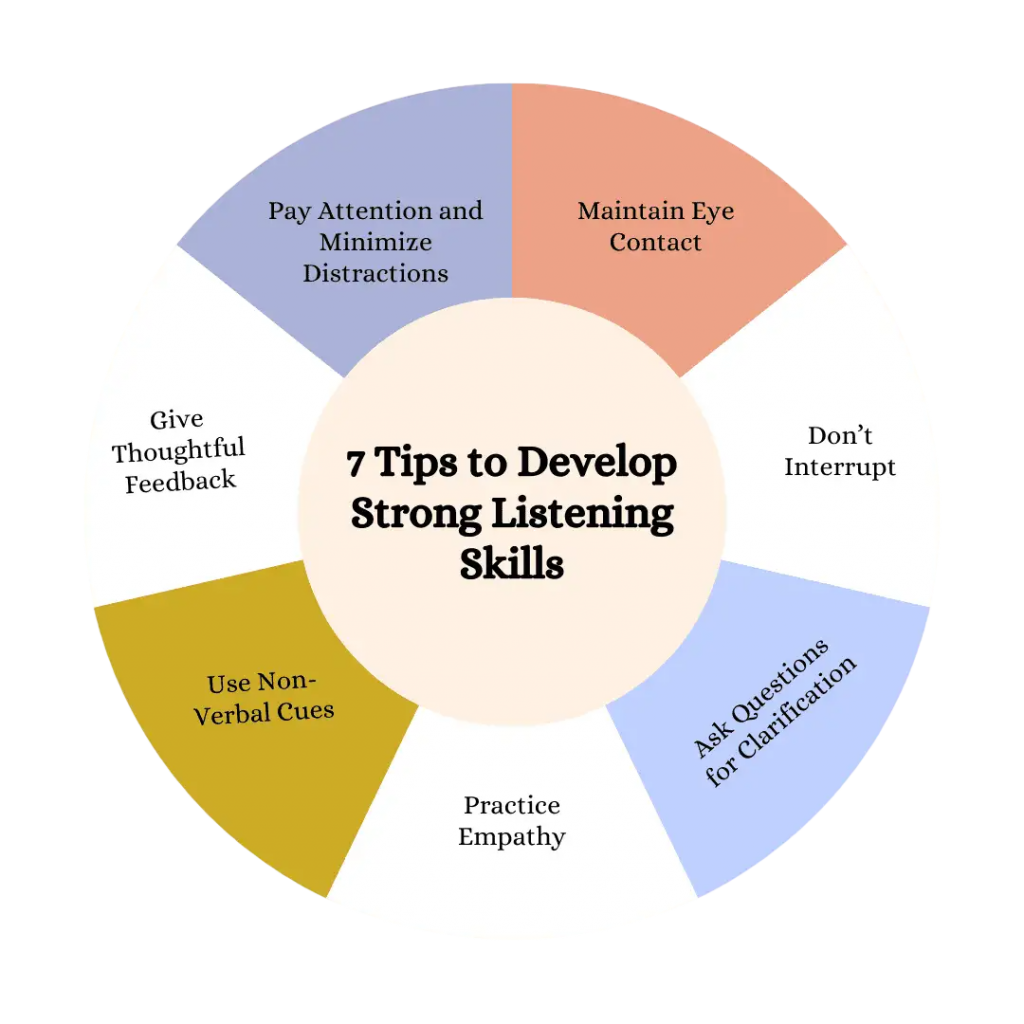
Listening skills are essential because accurate answers depend on complete understanding of questions asked by interviewers. Poor listening may lead to irrelevant responses even when technical knowledge is strong. Good listeners also appear respectful, patient, and collaborative in professional environments. Listening carefully helps detect hints, follow-up direction, and hidden expectations in discussions. Strong listening skills greatly improve interview communication quality.
81. How to improve listening skills for interviews?
Ans:
- Practicing active listening during conversations helps build habit of focusing fully before preparing responses.
- Waiting briefly after a question allows complete understanding and prevents interruptions or rushed answers.
- Repeating or confirming complex questions politely ensures accuracy before responding technically.
- Reducing distractions and maintaining eye contact improves concentration significantly during interviews.
82. What is importance of honesty in interviews?
Ans:
Honesty is important because recruiters value trustworthiness more than exaggerated or misleading claims from candidates. False answers may collapse under follow-up questioning and damage overall credibility quickly. Honest responses about strengths, weaknesses, and learning areas create mature professional impressions. Service organizations prefer dependable employees who communicate truthfully with teams and clients. Maintaining honesty is essential for long-term career growth and interview success.
83. How to answer unknown questions honestly?
Ans:
- Admitting limited knowledge respectfully while showing willingness to learn creates better impact than guessing incorrectly.
- Sharing partial related understanding can demonstrate logical thinking without pretending complete expertise.
- Requesting clarification when questions are unclear reflects maturity and communication confidence significantly.
- Staying calm after unknown questions helps maintain overall performance during the interview.
84. What is importance of stress management during interviews?
Ans:
Stress management is important because nervousness can reduce memory recall, clarity, and confidence unexpectedly. Even well-prepared candidates may underperform when anxiety controls breathing and thought flow. Calmness improves listening ability, structured answering, and logical reasoning under pressure. Professional composure also signals readiness for workplace deadlines and demanding situations. Managing stress effectively improves interview outcomes significantly.
85. How to reduce interview stress effectively?
Ans:
- Practicing mock interviews repeatedly helps normalize pressure and reduces fear of unfamiliar situations greatly.
- Using slow breathing techniques before interviews calms body responses and improves mental clarity quickly.
- Revising preparation achievements instead of worrying about weaknesses builds positive confidence naturally.
- Reaching venue early or preparing online setup in advance removes avoidable last-minute tension.
86. What is importance of career goals questions?
Ans:
Career goal questions help recruiters understand ambition, stability, and alignment with company growth opportunities. Well-defined goals indicate seriousness, planning ability, and motivation for long-term development. Answers should balance learning aspirations with contribution to organizational success realistically. Unclear or unrealistic goals may create doubts about commitment and maturity. Preparing career goal responses is important for HR rounds.
87. How to answer career goals professionally?
Ans:
- Mentioning short-term goals such as learning technologies and building strong fundamentals creates practical realism.
- Including long-term growth into responsible technical or leadership roles shows ambition and commitment clearly.
- Aligning goals with company learning opportunities improves relevance of the response significantly.
- Keeping tone positive and realistic creates stronger recruiter confidence in future retention.
88. What is importance of relocation flexibility?
Ans:
Relocation flexibility is important because service companies deploy employees based on project and client requirements. Candidates open to relocation are often viewed as adaptable and cooperative with business needs. Different city assignments may also provide faster learning and broader professional exposure. Resistance to movement can limit staffing options in large organizations significantly. Positive relocation attitude improves employability in nationwide hiring models.
89. How to answer relocation questions effectively?
Ans:
- Showing willingness to relocate for professional opportunities reflects flexibility and positive organizational mindset clearly. It demonstrates commitment toward career growth and company requirements. Recruiters often value candidates who can adjust when needed.
- Mentioning readiness to adapt to new environments strengthens recruiter confidence significantly. Adaptability shows the ability to work smoothly in different cultures and teams. This quality supports long-term success in dynamic workplaces.
- Keeping response practical and professional without unnecessary hesitation improves impact. Clear answers create trust and reduce doubts during the interview process. A confident tone also leaves a positive impression.
- Connecting relocation with learning exposure and growth creates stronger value-based reasoning. New locations often provide fresh experiences, skills, and wider perspectives. This approach makes the answer more thoughtful and career-focused.
90. What is importance of shift flexibility in IT roles?
Ans:
Shift flexibility matters because global clients often require support across multiple time zones regularly. Projects involving maintenance, monitoring, or customer support may need rotational schedules. Candidates comfortable with shifts are viewed as operationally practical and dependable. This flexibility supports smoother staffing decisions for international business demands. Positive shift attitude can improve selection chances in service companies.
91. Write a program to find factorial of a number.
Ans:
This program calculates factorial of a given number.
- #include <stdio.h>
- int main() {
- int n=5, i, fact=1;
- for(i=1;i<=n;i++){
- fact=fact*i;
- }
- printf(“%d”, fact);
- return 0;
- }
In this example, output will be 120.
92. What is importance of asking questions at interview end?
Ans:
Asking thoughtful questions at the end shows genuine interest in the role and organization. It reflects preparation effort, curiosity, and seriousness about career decisions professionally. Good questions may focus on training, team structure, technologies, or growth opportunities. This final interaction can leave a strong positive closing impression on interviewers. Meaningful questions are valuable in the final stage of interviews.
93. What questions can be asked to interviewers?
Ans:
- Asking about training programs for freshers shows learning mindset and interest in structured career growth opportunities.
- Requesting information about technologies used in teams reflects technical curiosity and preparation seriousness clearly.
- Asking about performance expectations during initial months demonstrates responsibility-oriented thinking effectively.
- Inquiring about growth paths and mentorship support leaves a professional final impression.
94. What is importance of follow-up after interviews?
Ans:
Follow-up after interviews reflects professionalism, gratitude, and continued interest in the opportunity offered. A polite message thanking recruiters can reinforce positive perception after the interaction ends. Follow-up also demonstrates communication etiquette expected in professional environments. However, excessive repeated messages should be avoided to maintain professionalism. Balanced follow-up behavior supports strong candidate branding.
95. What are ultimate tips for TCS IT interview success?
Ans:
- Building strong fundamentals in aptitude, coding, DBMS, networking, and operating systems creates complete technical readiness.
- Preparing resume content, project explanations, and HR responses ensures balanced performance across all interview rounds.
- Practicing communication, mock interviews, and confidence-building techniques converts preparation into visible performance effectively.
- Maintaining honesty, adaptability, discipline, and calmness provides the strongest path toward TCS selection success.
![Top Informatica Interview Questions & Answers – [UPDATED] Interview Question](https://www.acte.in/wp-content/uploads/2020/05/4-img-acte-1-400x218.jpeg)