LMS
LMS
Last updated on 23rd May 2026| 7496

IBM Advanced Python Coding Interview Questions Are Designed To Evaluate A Candidate’s Expertise In Core Python Concepts, Advanced Programming Techniques, Data Structures, Algorithms, Object-Oriented Programming, And Real-World Problem Solving. These Questions Often Cover Topics Such As Decorators, Generators, Multithreading, Multiprocessing, Exception Handling, Functional Programming, And Performance Optimization. Candidates Are Expected To Demonstrate Strong Coding Skills, Clean Programming Practices, And The Ability To Write Efficient And Scalable Solutions. IBM Interviews May Also Include Scenario-Based And Logic-Building Questions To Assess Analytical Thinking. Preparing These Advanced Python Questions Helps Candidates Improve Their Technical Confidence And Perform Better In Software Development And Automation Roles. A Strong Understanding Of Advanced Python Concepts Can Significantly Increase The Chances Of Success In IBM Technical Interviews.
1. What Is A Decorator In Python?
Ans:
A Decorator In Python Is A Special Function That Modifies Or Extends The Behavior Of Another Function Without Altering Its Original Source Code. Decorators Wrap Additional Functionality Around Existing Functions And Are Applied Using The @ Symbol. They Are Commonly Used For Tasks Such As Logging, Authentication, Authorization, Caching, And Performance Monitoring. Decorators Promote Code Reusability By Allowing Common Logic To Be Applied Across Multiple Functions. They Also Help Keep Business Logic Clean And Organized. Custom Decorators Are Frequently Used In Real-World Applications And Frameworks. IBM Interviews Often Include Questions On Creating And Implementing Decorators.
2. What Is A Generator In Python?
Ans:
A Generator Is A Special Type Of Function That Produces Values One At A Time Using The yield Keyword Instead Of Returning All Values At Once. Unlike Lists, Generators Do Not Store All Data In Memory, Making Them Highly Efficient For Handling Large Datasets. They Generate Values Lazily Only When Requested During Iteration. This Approach Reduces Memory Consumption And Improves Performance. Generators Can Be Used In Loops, Comprehensions, And Data Processing Pipelines. They Are Especially Useful For Streaming Data And Large File Operations. IBM Frequently Asks Generator-Based Questions In Advanced Python Interviews.
3.What Is Dynamic Programming?
Ans:
Dynamic Programming Is An Optimization Technique Used To Solve Complex Problems By Breaking Them Into Smaller Subproblems. Results Of Previously Solved Subproblems Are Stored For Reuse. This Avoids Redundant Computations And Improves Efficiency. Dynamic Programming Is Often Combined With Memoization. Common Examples Include Fibonacci And Knapsack Problems. It Is Widely Used In Competitive Programming And System Design. IBM Frequently Includes Dynamic Programming Questions.
4. What Is Monkey Patching In Python?
Ans:
Monkey Patching Refers To Dynamically Modifying Or Extending Classes, Functions, Or Modules At Runtime. Developers Can Replace Existing Methods Or Add New Functionality Without Changing The Original Source Code. This Technique Is Commonly Used During Testing, Debugging, And Framework Customization. Python’s Dynamic Nature Makes Monkey Patching Possible And Flexible. However, Excessive Use Can Make Applications Difficult To Understand And Maintain. It May Also Introduce Unexpected Behaviors In Production Environments. IBM May Ask Candidates About Both The Advantages And Risks Of Monkey Patching.
5. What Are Context Managers In Python?
Ans:
Context Managers Are Constructs That Simplify Resource Management In Python By Automatically Handling Setup And Cleanup Operations. They Are Commonly Used With The with Statement To Manage Resources Such As Files, Database Connections, And Network Sockets. Context Managers Implement The __enter__() And __exit__() Methods To Define Their Behavior. They Ensure Resources Are Properly Released Even If Exceptions Occur. This Reduces Boilerplate Code And Improves Reliability. Context Managers Help Prevent Resource Leaks And Enhance Readability. They Are Widely Used In Enterprise-Level Python Applications.
6. What Is Multithreading In Python?
Ans:
- Multithreading Is A Technique That Allows Multiple Threads To Execute Within A Single Process. It Is Particularly Useful For I/O-Bound Tasks Such As Reading Files, Accessing Databases, And Making Network Requests.
- Threads Share The Same Memory Space, Enabling Efficient Communication Between Them. Python Provides The threading Module To Create And Manage Threads. Although The Global Interpreter Lock Limits Parallel Execution For CPU-Bound Tasks, Multithreading Still Improves Application Responsiveness.
- It Is Commonly Used In GUI Applications And Web Services. IBM Interviews Frequently Cover Threading Concepts And Synchronization Techniques.
7. What Is Multiprocessing In Python?
Ans:
Multiprocessing Is A Method Of Running Multiple Independent Processes Simultaneously To Improve Performance. Unlike Threads, Each Process Has Its Own Memory Space, Eliminating Conflicts Caused By Shared Memory Access. Python Provides The multiprocessing Module To Create And Manage Processes. This Approach Bypasses The Global Interpreter Lock And Enables True Parallel Execution. Multiprocessing Is Ideal For CPU-Intensive Tasks Such As Data Analysis, Scientific Computing, And Image Processing. It Allows Applications To Utilize Multiple CPU Cores Efficiently. IBM Often Includes Questions About Process Management And Parallel Computing.
8. What Is The Global Interpreter Lock (GIL)?
Ans:
The Global Interpreter Lock, Commonly Known As GIL, Is A Mechanism Used In CPython To Ensure That Only One Thread Executes Python Bytecode At A Time. It Simplifies Memory Management And Prevents Race Conditions Within The Interpreter. However, It Restricts True Parallel Execution Of CPU-Bound Threads. Because Of This Limitation, Multithreading May Not Improve Performance For Computationally Intensive Applications. Developers Often Use Multiprocessing To Achieve Parallelism. Understanding The GIL Is Essential For Optimizing Python Applications. IBM Frequently Evaluates Knowledge Of GIL In Advanced Python Interviews.
9. What Is Memoization In Python?
Ans:
- Memoization Is An Optimization Technique That Stores The Results Of Expensive Function Calls And Reuses Them When The Same Inputs Occur Again. This Reduces Redundant Computations And Significantly Improves Performance.
- Python Supports Memoization Through The functools.lru_cache() Decorator. It Is Particularly Useful For Recursive Algorithms Such As Fibonacci Sequence Calculations. Memoization Plays An Important Role In Dynamic Programming Solutions.
- By Reducing Execution Time, It Enhances Application Efficiency. IBM Interviews Often Include Questions Related To Performance Optimization Using Memoization.
10. What Is Duck Typing In Python?
Ans:
Duck Typing Is A Programming Concept Where The Suitability Of An Object Depends On The Methods And Behaviors It Supports Rather Than Its Actual Type. In Python, If An Object Implements The Required Methods, It Can Be Used Regardless Of Its Class. This Approach Encourages Flexible And Reusable Code. Developers Focus On What An Object Can Do Instead Of What It Is. Duck Typing Is A Core Feature Of Python’s Dynamic Nature. Many Popular Frameworks Leverage This Concept Extensively. IBM Interviewers May Ask Questions To Assess Understanding Of Duck Typing Principles
11. What Is Method Resolution Order (MRO)
Ans:
Method Resolution Order Defines The Sequence In Which Python Searches Classes For Methods And Attributes During Inheritance. It Becomes Particularly Important In Multiple Inheritance Scenarios Where A Method Exists In More Than One Parent Class. Python Uses The C3 Linearization Algorithm To Determine The Search Order. Developers Can View The MRO Using The mro() Method Or The __mro__ Attribute. MRO Eliminates Ambiguity And Ensures Consistent Behavior. Understanding It Helps In Designing Reliable Class Hierarchies. IBM Frequently Includes Questions On Inheritance And MRO.
12. What Is Metaclass In Python?
Ans:
A Metaclass Is A Special Class Responsible For Creating And Configuring Other Classes. In Python, Classes Are Objects, And Metaclasses Define How Those Class Objects Behave. The Default Metaclass Is type, Which Creates Standard Python Classes. Metaclasses Allow Developers To Customize Class Creation, Enforce Rules, And Automatically Modify Class Definitions. They Are Commonly Used In Framework Development And Advanced Library Design. While Powerful, Metaclasses Should Be Used Carefully Due To Their Complexity. IBM May Ask About Their Purpose And Practical Applications.
13. What Is The Difference Between str() And repr()?
Ans:
The __str__() Method Provides A Readable And User-Friendly String Representation Of An Object, While The __repr__() Method Provides A Detailed Representation Intended For Developers And Debugging. Calling str() Invokes __str__(), Whereas Calling repr() Invokes __repr__(). If __str__() Is Not Defined, Python Falls Back To Using __repr__(). The Output Of __repr__() Should Ideally Be Unambiguous And Helpful For Recreating The Object. Both Methods Improve Object Representation And Debugging. IBM Interviews Often Include Questions On Special Methods.
14. What Are Lambda Functions?
Ans:
- Lambda Functions Are Small Anonymous Functions Defined Using The lambda Keyword. They Are Designed For Simple Operations That Can Be Expressed In A Single Expression. Lambda Functions Can Accept Multiple Parameters But Contain Only One Expression.
- They Are Frequently Used With Functions Such As map(), filter(), And sorted(). Their Concise Syntax Reduces The Need For Explicit Function Definitions.
- Lambda Functions Improve Readability In Functional Programming Scenarios. IBM Commonly Includes Questions On Lambda Expressions And Their Use Cases.
15.Write A Program To Find The Factorial Of A Number Using Recursion
Ans:
This Program Calculates The Factorial Of A Number Using A Recursive Function. The Function Calls Itself Until It Reaches The Base Case Of 0 Or 1. Each Recursive Call Multiplies The Current Number By The Result Of The Previous Call. Recursion Simplifies Problems That Can Be Broken Into Smaller Subproblems. The Output For 5 Is 120. This Question Tests Knowledge Of Recursion And Function Design. It Also Helps Understand Function Call Stacks And Recursive Execution Flow.
- def factorial(n)
- if n == 0 or n == 1:
- return 1
- return n * factorial(n – 1)
- num = 5
- print(“Factorial:”, factorial(num))
16. What Are Closures In Python?
Ans:
A Closure Is A Function That Remembers And Accesses Variables From Its Enclosing Scope Even After The Outer Function Has Finished Executing. Closures Are Created When A Nested Function References Variables Defined In Its Parent Function. They Help Achieve Data Encapsulation And Maintain State Without Using Global Variables. Closures Are Frequently Used In Decorators And Callback Functions. They Support Functional Programming Patterns And Improve Modularity. Understanding Closures Is Important For Advanced Python Development. IBM Often Includes Questions On Scope And Closures.
17. What Is The Difference Between is And ==?
Ans:
| Feature | is Operator | == Operator |
|---|---|---|
| Purpose | Compares The Identity Of Two Objects | Compares The Values Of Two Objects. |
| Comparison Type | Checks Whether Two Variables Refer To The Same Memory Location. | Checks Whether The Contents Or Values Are Equal. |
| Memory Address | Considers Memory Address. | Does Not Consider Memory Address. |
| Value Comparison | Does Not Compare Actual Values. | Does Not Compare Actual Values. Compares Actual Values. |
18. What Is Dynamic Typing?
Ans:
Dynamic Typing Means That Variable Types Are Determined Automatically At Runtime Rather Than Being Explicitly Declared. A Variable Can Store Different Types Of Data During Program Execution. This Feature Increases Development Speed And Flexibility. Developers Can Write Code Without Defining Data Types In Advance. However, Dynamic Typing May Lead To Runtime Errors If Types Are Used Incorrectly. Type Hints Help Improve Readability And Reduce Such Risks. Python Is Well Known For Its Dynamic Typing Capabilities.
19. What Are Coroutines?
Ans:
Coroutines Are Specialized Functions That Can Pause Their Execution And Resume Later Without Losing Their State. They Are A Fundamental Part Of Asynchronous Programming In Python. Coroutines Are Defined Using The async Keyword And Await Other Operations Using The await Keyword. They Enable Efficient Handling Of I/O-Bound Tasks Without Blocking Execution. Coroutines Improve Scalability In Applications Such As Web Servers And APIs. They Work Closely With The Asyncio Framework. IBM Often Evaluates Knowledge Of Coroutines In Modern Python Interviews.
20. What Is Asyncio In Python?
Ans:
Asyncio Is A Built-In Python Library Designed For Writing Concurrent Programs Using Asynchronous Programming Techniques. It Uses Coroutines, Tasks, And An Event Loop To Manage Multiple Operations Efficiently. Asyncio Allows Applications To Handle Numerous I/O Operations Without Creating Multiple Threads. This Improves Resource Utilization And Performance. It Is Widely Used In High-Performance Web Applications, APIs, And Network Services. Developers Use async And await Syntax To Work With Asyncio. Understanding Asyncio Is Essential For Advanced Python Development And IBM Technical Interviews.
21. What Is Serialization In Python?
Ans:
Serialization Is The Process Of Converting A Python Object Into A Format That Can Be Stored Or Transmitted. Common Serialization Formats Include JSON, Pickle, And XML. Python Provides Modules Such As pickle And json To Perform Serialization. Serialized Data Can Be Saved To Files Or Sent Across Networks. Deserialization Converts The Stored Data Back Into Python Objects. Serialization Is Widely Used In APIs, Databases, And Distributed Systems. IBM Interviews Often Include Questions About Data Persistence And Object Serialization.
22. What Is Deserialization In Python?
Ans:
- Deserialization Is The Process Of Reconstructing A Python Object From Serialized Data. It Converts Data Stored In Formats Such As JSON Or Pickle Back Into Usable Python Objects. This Technique Is Essential For Reading Saved Application Data.
- Python Provides Methods Like json.loads() And pickle.loads() For Deserialization. It Enables Data Exchange Between Different Systems And Applications.
- Care Must Be Taken When Deserializing Untrusted Data Due To Security Risks. IBM Frequently Asks About Serialization And Deserialization Concepts.
23. What Is Introspection In Python?
Ans:
Introspection Is The Ability Of A Program To Examine Information About Objects At Runtime. Python Provides Functions Such As type(), dir(), id(), And help() For Introspection. Developers Can Inspect Object Attributes, Methods, And Class Information Dynamically. This Capability Supports Debugging And Framework Development. Introspection Is One Of Python’s Most Powerful Features. It Helps Build Flexible And Dynamic Applications. IBM May Ask Questions Related To Runtime Object Analysis.
24. Write A Program To Find Duplicate Elements In A List
Ans:
This Program Identifies Duplicate Values Present In A List. It Iterates Through Each Element And Checks Its Occurrence Count. If An Element Appears More Than Once, It Is Added To A Set To Avoid Repetition. The Set Stores Only Unique Duplicate Values. This Approach Helps In Understanding List Processing Techniques. IBM Interviews Often Include Questions Related To Data Manipulation And Collections. It Also Demonstrates The Effective Use Of Sets For Handling Duplicate Data.
- numbers = [1, 2, 3, 4, 2, 5, 3, 6]
- duplicates = set()
- for num in numbers:
- if numbers.count(num) > 1:
- duplicates.add(num)
- print(“Duplicate Elements:”, duplicates)
25. What Are Magic Methods In Python?
Ans:
- Magic Methods, Also Known As Dunder Methods, Are Special Methods Surrounded By Double Underscores. Examples Include __init__(), __str__(), And __len__().
- These Methods Define How Objects Behave With Built-In Operations. They Enable Operator Overloading And Custom Object Behavior.
- Magic Methods Improve Integration With Python’s Core Features. They Are Widely Used In Object-Oriented Programming. IBM Frequently Tests Understanding Of Common Magic Methods.
26. What Is Operator Overloading?
Ans:
Operator Overloading Allows Developers To Define Custom Behavior For Standard Operators. Python Supports This Through Magic Methods Such As __add__(), __sub__(), And __mul__(). It Enables Objects To Interact Using Familiar Operators. Operator Overloading Improves Code Readability And Expressiveness. It Is Commonly Used In Mathematical And Scientific Libraries. Proper Implementation Ensures Predictable Behavior. IBM Interviews May Include Questions On Custom Operator Definitions.
27. What Is A Property Decorator?
Ans:
The @property Decorator Allows Methods To Be Accessed Like Attributes. It Provides Controlled Access To Object Data Without Exposing Internal Implementation Details. Properties Improve Encapsulation And Data Validation. Developers Can Define Getter, Setter, And Deleter Methods. This Approach Eliminates The Need For Explicit Getter Functions. Properties Enhance Maintainability And Readability. IBM Frequently Includes Questions About Object-Oriented Best Practices.
28. What Is Encapsulation In Python?
Ans:
Encapsulation Is The Process Of Bundling Data And Related Methods Within A Single Class. It Restricts Direct Access To Internal Data And Promotes Controlled Interaction. Python Achieves Encapsulation Through Naming Conventions Such As Single And Double Underscores. Encapsulation Enhances Security And Maintainability. It Helps Prevent Accidental Modification Of Data. This Principle Is Fundamental To Object-Oriented Programming. IBM Interviews Often Evaluate Knowledge Of OOP Concepts.
29. What Is Polymorphism In Python?
Ans:
Polymorphism Allows Different Objects To Be Used Through A Common Interface. The Same Method Name Can Perform Different Actions Depending On The Object. Python Supports Polymorphism Through Method Overriding And Duck Typing. This Feature Improves Flexibility And Extensibility. Polymorphism Reduces Code Duplication And Simplifies Maintenance. It Is A Core Principle Of Object-Oriented Design. IBM Commonly Includes Questions On Polymorphism.
30. What Is Abstraction In Python?
Ans:
Abstraction Focuses On Showing Essential Features While Hiding Implementation Details. Python Supports Abstraction Using Abstract Classes And Interfaces. The abc Module Provides Tools For Creating Abstract Base Classes. Abstraction Simplifies Complex Systems By Exposing Only Necessary Functionality. It Improves Code Organization And Scalability. Developers Can Enforce Consistent Interfaces Across Multiple Classes. IBM Interviews Often Cover Abstraction Concepts.
31. What Is An Abstract Base Class?
Ans:
An Abstract Base Class Is A Class That Cannot Be Instantiated Directly. It Serves As A Blueprint For Other Classes. Python Provides The abc Module To Create Abstract Classes. Abstract Methods Must Be Implemented By Subclasses. This Ensures Consistent Behavior Across Related Classes. Abstract Base Classes Promote Better Software Design. IBM Frequently Asks Questions On Abstract Classes And Interfaces.
32. What Is Method Overriding?
Ans:
Method Overriding Occurs When A Child Class Provides Its Own Implementation Of A Method Defined In A Parent Class. The Child Method Replaces The Parent Version During Execution. This Supports Runtime Polymorphism. Overriding Allows Specialized Behavior In Derived Classes. It Improves Flexibility In Object-Oriented Applications. Python Automatically Resolves The Appropriate Method Using MRO. IBM Interviews Commonly Include Overriding Questions.
33. What Is Method Overloading In Python?
Ans:
Method Overloading Refers To Defining Multiple Methods With The Same Name But Different Parameters. Python Does Not Support Traditional Method Overloading Directly. Instead, Developers Use Default Arguments, Variable Arguments, Or Conditional Logic. This Provides Similar Functionality. It Enables Methods To Handle Different Input Scenarios. Understanding Python’s Approach Is Important For Interview Preparation. IBM May Ask About This Difference.
34. What Is A Namespace In Python?
Ans:
A Namespace Is A Container That Holds Names And Their Corresponding Objects. Python Uses Namespaces To Avoid Naming Conflicts. Examples Include Local, Global, Built-In, And Enclosing Namespaces. The LEGB Rule Defines The Order Of Name Resolution. Namespaces Improve Code Organization And Scope Management. Understanding Namespaces Helps Prevent Variable Conflicts. IBM Frequently Includes Scope And Namespace Questions.
35. What Is The LEGB Rule?
Ans:
The LEGB Rule Describes Python’s Variable Lookup Order. LEGB Stands For Local, Enclosing, Global, And Built-In. When A Variable Is Referenced, Python Searches These Scopes Sequentially. This Rule Helps Resolve Naming Conflicts Efficiently. Understanding LEGB Is Essential For Working With Closures And Nested Functions. It Improves Code Predictability And Debugging. IBM Interviews Often Test Scope Resolution Concepts.
36. What Is A Weak Reference?
Ans:
A Weak Reference Allows An Object To Be Referenced Without Increasing Its Reference Count. Python Provides Weak References Through The weakref Module. They Help Avoid Memory Leaks In Certain Applications. Weak References Are Commonly Used In Caching Systems. Objects Referenced Weakly Can Still Be Garbage Collected. This Improves Memory Management Efficiency. IBM May Ask About Advanced Memory Concepts.
37. What Is Garbage Collection In Python?
Ans:
- Garbage Collection Is The Process Of Automatically Reclaiming Memory Occupied By Unused Objects. Python Uses Reference Counting As Its Primary Memory Management Technique.
- It Also Includes A Cyclic Garbage Collector For Detecting Reference Cycles. The gc Module Provides Access To Garbage Collection Functions.
- Effective Garbage Collection Prevents Memory Leaks. It Improves Application Stability And Performance. IBM Interviews Often Cover Memory Management Concepts.
38. What Is Reference Counting?
Ans:
Reference Counting Is A Memory Management Technique Used By Python. Every Object Maintains A Count Of References Pointing To It. When The Count Reaches Zero, The Object Is Automatically Removed From Memory. This Approach Simplifies Memory Management. However, Reference Cycles Require Additional Garbage Collection Mechanisms. Reference Counting Is Fundamental To Python’s Runtime Behavior. IBM Frequently Includes Questions About It.
39. What Is A Circular Reference?
Ans:
A Circular Reference Occurs When Two Or More Objects Reference Each Other. This Prevents Their Reference Counts From Reaching Zero. Python’s Cyclic Garbage Collector Detects And Removes Such References. Circular References Can Lead To Memory Retention Issues. Developers Should Design Data Structures Carefully To Avoid Problems. Understanding Circular References Is Important For Efficient Memory Usage. IBM May Include Related Questions.
40. What Is A Python Iterator?
Ans:
An Iterator Is An Object That Produces Values Sequentially Using The Iterator Protocol. It Implements The __iter__() And __next__() Methods. Iterators Allow Efficient Traversal Of Collections. They Generate Values On Demand Instead Of Loading Everything Into Memory. Iterators Form The Foundation Of Loops In Python. Generators Are Common Examples Of Iterators. IBM Interviews Frequently Include Iterator Concepts

41. What Is An Iterable In Python?
Ans:
An Iterable Is Any Object That Can Be Traversed One Element At A Time. Examples Include Lists, Tuples, Strings, Dictionaries, And Sets. Iterables Implement The __iter__() Method Or Support Sequential Access. They Can Be Used Directly In Loops Such As for Statements. Iterables Provide A Convenient Way To Process Collections Of Data. They Form The Foundation Of Python’s Iteration Mechanism. IBM Interviews Often Include Questions On Iterables And Iterators.
42. What Is The Difference Between Iterable And Iterator?
Ans:
An Iterable Is An Object That Can Produce An Iterator, While An Iterator Is An Object That Maintains The Current State Of Iteration. Iterables Can Be Traversed Multiple Times By Creating New Iterators. Iterators Use The __next__() Method To Return Elements Sequentially. Once Exhausted, An Iterator Cannot Be Reused Without Recreation. Understanding This Difference Is Important For Efficient Data Processing. Both Concepts Are Fundamental In Python Programming. IBM Frequently Includes Questions On Iteration Protocols.
43. What Is List Comprehension?
Ans:
List Comprehension Is A Concise Way To Create Lists Using A Single Expression. It Combines Iteration And Conditional Logic Into Readable Syntax. List Comprehensions Improve Code Clarity And Reduce Boilerplate Loops. They Are Often Faster Than Traditional Loop-Based List Construction. Developers Commonly Use Them For Data Transformation Tasks. Complex Logic Should Be Avoided To Maintain Readability. IBM Interviews Often Test Knowledge Of List Comprehensions.
44. What Is Dictionary Comprehension?
Ans:
Dictionary Comprehension Provides A Compact Syntax For Creating Dictionaries Dynamically. It Allows Keys And Values To Be Generated Through Expressions And Loops. Dictionary Comprehensions Improve Readability And Efficiency. They Are Useful For Data Mapping And Transformation Operations. Conditional Statements Can Also Be Included. This Feature Helps Reduce The Amount Of Code Required. IBM Frequently Includes Questions On Comprehension Techniques.
45. What Is Set Comprehension?
Ans:
Set Comprehension Is A Feature That Allows Sets To Be Created Using A Single Expression. It Provides A Compact Alternative To Traditional Loops. Sets Automatically Eliminate Duplicate Values During Creation. Set Comprehensions Improve Performance And Readability. They Are Commonly Used For Filtering And Data Cleaning Tasks. The Syntax Resembles List Comprehension But Uses Curly Braces. IBM May Ask About Different Comprehension Types.
46. What Is A Frozen Set?
Ans:
A Frozen Set Is An Immutable Version Of A Python Set. Once Created, Its Elements Cannot Be Added, Removed, Or Modified. Frozen Sets Are Hashable And Can Be Used As Dictionary Keys. They Provide The Benefits Of Sets While Ensuring Data Integrity. The frozenset() Function Creates Frozen Sets. They Are Useful In Scenarios Requiring Immutable Collections. IBM Interviews Sometimes Include Questions On Immutable Data Structures.
47. What Is The Zip Function In Python?
Ans:
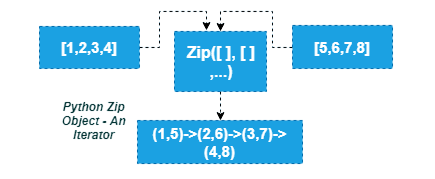
The zip() Function Combines Elements From Multiple Iterables Into A Single Iterator Of Tuples. It Processes Corresponding Elements Together. The Result Can Be Converted Into Lists, Tuples, Or Dictionaries. Zip Is Commonly Used For Parallel Iteration. It Improves Code Simplicity And Readability. If Iterables Have Different Lengths, Iteration Stops At The Shortest One. It Is Frequently Used When Working With Related Datasets Simultaneously. IBM Frequently Includes Questions On Built-In Functions Like Zip.
48.Write A Program To Reverse A String Without Using Built-In Functions
Ans:
This Program Reverses A String Without Using Any Built-In Reverse Functions. It Iterates Through Each Character And Places It At The Beginning Of A New String. This Gradually Builds The Reversed Result. The Logic Demonstrates String Manipulation Skills. Understanding Such Operations Is Important For Coding Interviews. IBM Frequently Asks String-Based Programming Questions. It Also Improves Understanding Of Character Traversal And String Construction.
- text = “Python”
- reversed_text = “”
- for char in text:
- reversed_text = char + reversed_text
- print(“Reversed String:”, reversed_text)
49. What Is The Map Function?
Ans:
The map() Function Applies A Given Function To Every Element Of An Iterable. It Returns A Map Object Containing The Results. Map Simplifies Data Transformation Operations. It Is Often Combined With Lambda Functions. This Approach Reduces The Need For Explicit Loops. Map Supports Processing Multiple Iterables Simultaneously. It Is Useful For Performing Repetitive Operations Efficiently. IBM Frequently Tests Knowledge Of Functional Programming Features.
50. What Is The Filter Function?
Ans:
The filter() Function Selects Elements From An Iterable Based On A Condition. It Applies A Function That Returns Either True Or False. Only Elements Satisfying The Condition Are Included In The Result. Filter Promotes Cleaner And More Readable Code. It Is Commonly Used With Lambda Functions. The Result Is Returned As An Iterator. It Is Helpful For Extracting Specific Data From Large Collections. IBM Interviews Often Include Functional Programming Questions.
51. What Is The Reduce Function?
Ans:
- The reduce() Function Applies A Function Cumulatively To Elements Of An Iterable. It Produces A Single Result From Multiple Values.
- Python Provides Reduce Through The functools Module. It Is Useful For Aggregation Tasks Such As Summation And Multiplication.
- Reduce Supports Functional Programming Techniques. Care Should Be Taken To Maintain Readability. It Is Commonly Used In Data Processing And Mathematical Computations. IBM May Include Questions About Data Aggregation Functions.
52. What Is The Any Function?
Ans:
The any() Function Returns True If At Least One Element In An Iterable Evaluates To True. It Stops Evaluation As Soon As A True Value Is Found. This Improves Performance Through Short-Circuit Evaluation. Any Is Commonly Used For Condition Checking. It Simplifies Code Compared To Manual Loops. Empty Iterables Return False. It Is Useful For Quickly Determining The Presence Of Valid Values. IBM Frequently Includes Questions On Python Built-In Functions.
53. What Is The All Function?
Ans:
The all() Function Returns True Only If Every Element In An Iterable Evaluates To True. It Stops Processing As Soon As A False Value Is Found. This Makes It Efficient For Validation Operations. All Is Widely Used In Data Verification Tasks. Empty Iterables Return True By Definition. It Helps Create Concise And Readable Conditions. It Is Commonly Used To Validate Multiple Conditions At Once. IBM Often Includes Questions About Logical Evaluation Functions.
54. What Is A Named Tuple?
Ans:
A Named Tuple Is A Tuple Subclass That Allows Elements To Be Accessed By Name Instead Of Index. Python Provides Named Tuples Through The collections Module. They Improve Readability While Maintaining Tuple Efficiency. Named Tuples Are Immutable And Lightweight. They Are Commonly Used For Structured Data Representation. This Feature Reduces Dependence On Numeric Indexes. They Make Code More Self-Documenting And Easier To Understand. IBM Interviews Frequently Include Questions On Collections.
55. What Is A Deque In Python?
Ans:
- A Deque, Short For Double-Ended Queue, Is A Specialized Data Structure Provided By The collections Module. It Allows Fast Insertions And Deletions At Both Ends. Deques Are More Efficient Than Lists For Queue Operations.
- They Support Stack And Queue Functionality. Deques Are Widely Used In Scheduling And Buffering Systems. Their Operations Have Excellent Performance Characteristics.
- They Are Ideal For Applications Requiring Frequent Additions And Removals. IBM May Ask About Alternative Data Structures.
56. What Is A Heap In Python?
Ans:
A Heap Is A Specialized Tree-Based Data Structure That Maintains The Smallest Element At The Root. Python Provides Heap Functionality Through The heapq Module. Heaps Are Commonly Used To Implement Priority Queues. Insertions And Deletions Are Efficient Compared To Sorted Lists. They Are Widely Used In Algorithms Such As Dijkstra’s Algorithm. Heaps Improve Performance For Dynamic Sorting Tasks. IBM Interviews Often Include Heap-Related Questions.
57. What Is A Priority Queue?
Ans:
A Priority Queue Is A Data Structure Where Elements Are Processed Based On Priority Rather Than Insertion Order. Python Implements Priority Queues Using The heapq Module. Higher-Priority Elements Are Removed First. Priority Queues Are Commonly Used In Scheduling Systems And Graph Algorithms. They Improve Efficiency In Decision-Based Processing. Proper Priority Management Is Essential For Performance. IBM Frequently Includes Questions On Queues And Heaps.
58. What Is Recursion In Python?
Ans:
Recursion Is A Programming Technique In Which A Function Calls Itself To Solve Smaller Instances Of A Problem. Recursive Solutions Often Simplify Complex Problems. Every Recursive Function Requires A Base Case To Prevent Infinite Calls. Python Supports Recursion Naturally. Excessive Recursion Can Cause Stack Overflow Errors. Recursion Is Commonly Used In Tree Traversal And Divide-And-Conquer Algorithms. IBM Interviews Frequently Include Recursion Questions.
59. What Is Tail Recursion?
Ans:
Tail Recursion Occurs When The Recursive Call Is The Final Operation In A Function. It Can Improve Efficiency In Languages That Support Tail Call Optimization. However, Python Does Not Perform Tail Call Optimization. Therefore, Tail Recursive Functions Still Consume Stack Space. Understanding Tail Recursion Is Important For Algorithm Design. Developers Often Use Iterative Solutions Instead. IBM May Include Questions Comparing Recursive Approaches.
60. What Is The Difference Between Deep Copy And Shallow Copy?
Ans:
| Feature | Shallow Copy | Deep Copy |
|---|---|---|
| Definition | Creates A New Object But References Nested Objects From The Original. | Creates A New Object Along With Independent Copies Of All Nested Objects. |
| Memory Allocation | Only The Top-Level Object Is Copied. | Both Top-Level And Nested Objects Are Copied. |
| Nested Objects | Shared Between Original And Copied Object. | Completely Independent From The Original Object. |
| Effect Of Changes | Changes To Nested Objects Affect Both Copies. | Changes To Nested Objects Do Not Affect The Other Copy |

Learn Python Training Course with Advanced Concepts By Industry Experts
- Instructor-led Sessions
- Real-life Case Studies
- Assignments
61. Write A Program To Check Whether A Number Is Prime
Ans:
This Program Determines Whether A Number Is Prime By Checking Divisibility Up To Its Square Root. If Any Divisor Is Found, The Number Is Not Prime. Using The Square Root Optimization Reduces Unnecessary Iterations. Prime Number Problems Are Common In Technical Interviews. The Solution Demonstrates Efficient Looping Techniques. IBM Interviewers Often Evaluate Problem-Solving Skills Through Such Questions. It Also Highlights The Importance Of Writing Optimized Algorithms.
- num = 17
- is_prime = True
- if num < 2:
- is_prime = False
- else:
- for i in range(2, int(num ** 0.5) + 1):
- if num % i == 0:
- is_prime = False
- break
- print(“Prime Number” if is_prime else “Not A Prime Number
62. What Is A Lock In Python?
Ans:
A Lock Is A Synchronization Primitive Used To Restrict Access To Shared Resources. Only One Thread Can Acquire A Lock At A Time. Other Threads Must Wait Until The Lock Is Released. Python Provides Locks Through The threading Module. Locks Prevent Race Conditions And Ensure Data Integrity. Excessive Lock Usage May Reduce Performance. They Are Widely Used To Protect Critical Sections Of Code. IBM Frequently Includes Questions About Locking Mechanisms.
63. What Is A Semaphore?
Ans:
A Semaphore Is A Synchronization Tool That Controls Access To Shared Resources Using A Counter. Multiple Threads Can Access The Resource Simultaneously Up To A Defined Limit. Semaphores Improve Resource Utilization Compared To Simple Locks. Python Provides Semaphore Support Through The threading Module. They Are Commonly Used In Resource Pool Management. Proper Configuration Prevents Resource Contention. IBM Often Includes Semaphore-Related Questions.
64. What Is A Deadlock?
Ans:
A Deadlock Occurs When Two Or More Threads Wait Indefinitely For Resources Held By Each Other. As A Result, None Of The Threads Can Proceed. Deadlocks Commonly Arise Due To Improper Lock Management. They Can Cause Application Freezes And Reduced Reliability. Developers Must Design Synchronization Carefully To Avoid Them. Techniques Such As Lock Ordering Help Prevent Deadlocks. IBM Frequently Includes Deadlock Scenarios In Interviews.
65. What Is A Race Condition?
Ans:
A Race Condition Occurs When Multiple Threads Access Shared Data Simultaneously Without Proper Synchronization. The Final Result Depends On The Timing Of Thread Execution. This Can Lead To Unpredictable And Incorrect Outcomes. Locks And Synchronization Mechanisms Help Prevent Race Conditions. They Are Common Challenges In Concurrent Programming. Understanding Them Is Essential For Building Reliable Systems. IBM Interviews Often Cover Race Condition Examples.
66. What Is Dependency Injection?
Ans:
Dependency Injection Is A Design Pattern That Supplies Dependencies To A Class From External Sources Rather Than Creating Them Internally. This Promotes Loose Coupling And Better Testability. Applications Become Easier To Maintain And Extend. Dependency Injection Is Widely Used In Enterprise Software Development. It Supports Modular Architecture. Many Modern Frameworks Rely On This Pattern. IBM May Ask About Design Patterns And Dependency Management.
67. What Is Inversion Of Control (IoC)?
Ans:
- Inversion Of Control Is A Design Principle In Which The Control Of Object Creation And Dependency Management Is Transferred From The Application Code To An External Framework Or Container.
- This Approach Reduces Tight Coupling Between Components. IoC Makes Applications More Modular And Easier To Maintain. It Is Commonly Implemented Using Dependency Injection. Frameworks Use IoC To Manage Object Lifecycles Efficiently.
- This Principle Improves Scalability And Testability. IBM Interviews Often Include Questions On Architectural Design Patterns.
68. What Is A Singleton Pattern?
Ans:
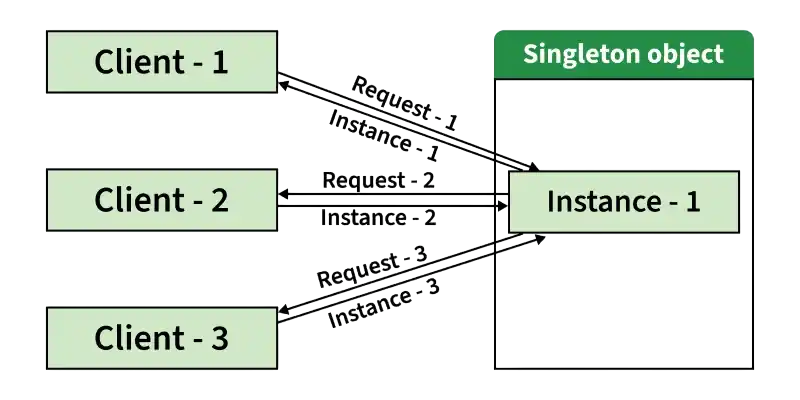
The Singleton Pattern Ensures That Only One Instance Of A Class Exists Throughout The Application Lifecycle. It Provides A Global Access Point To That Instance. Singletons Are Commonly Used For Logging, Configuration Management, And Database Connections. Python Can Implement Singletons Using Metaclasses, Decorators, Or Class Variables. While Useful, Excessive Use Can Introduce Global State Issues. Proper Design Considerations Are Important. IBM Frequently Includes Questions On Design Patterns.
69. What Is A Factory Pattern?
Ans:
The Factory Pattern Is A Creational Design Pattern Used To Create Objects Without Specifying Their Exact Classes. It Encapsulates Object Creation Logic Within A Dedicated Method Or Class. This Promotes Loose Coupling And Flexibility. Factories Simplify Code Maintenance When Multiple Object Types Exist. They Are Widely Used In Frameworks And Enterprise Applications. The Pattern Supports Extensibility And Reusability. IBM Often Asks About Factory Pattern Implementations.
70. What Is The Strategy Pattern?
Ans:
The Strategy Pattern Defines A Family Of Algorithms And Encapsulates Each One Separately. It Allows Algorithms To Be Swapped At Runtime Without Modifying Client Code. This Promotes Flexibility And Extensibility. Strategy Pattern Helps Eliminate Large Conditional Statements. It Supports The Open-Closed Principle Of Software Design. Applications Use It For Dynamic Behavior Selection. IBM Interviews Frequently Include Strategy Pattern Questions.
71. What Is The Observer Pattern?
Ans:
The Observer Pattern Establishes A One-To-Many Relationship Between Objects. When One Object Changes State, All Dependent Objects Are Notified Automatically. This Pattern Is Commonly Used In Event-Driven Systems. It Promotes Loose Coupling Between Components. GUI Frameworks And Notification Systems Often Use Observer Patterns. It Improves Scalability And Maintainability. IBM Frequently Includes Questions About Event-Based Architectures.
72. What Is The MVC Architecture?
Ans:
MVC Stands For Model-View-Controller, A Popular Architectural Pattern Used In Software Development. The Model Manages Data And Business Logic. The View Handles User Interface Presentation. The Controller Processes User Input And Coordinates Interactions Between The Model And View. MVC Promotes Separation Of Concerns. It Improves Maintainability And Scalability. IBM Often Includes Questions On Software Architecture Patterns.
73. What Is REST API In Python?
Ans:
A REST API Is A Web Service That Follows Representational State Transfer Principles. It Uses HTTP Methods Such As GET, POST, PUT, And DELETE To Perform Operations. Python Frameworks Like Flask And Django REST Framework Simplify API Development. REST APIs Enable Communication Between Distributed Systems. They Are Widely Used In Modern Web Applications. Proper API Design Improves Performance And Scalability. IBM Interviews Frequently Cover REST Concepts.
74. Write A Program To Count The Frequency Of Each Character In A String
Ans:
This Program Counts How Many Times Each Character Appears In A String. A Dictionary Is Used To Store Characters As Keys And Their Counts As Values. The get() Method Simplifies The Counting Logic. Character Frequency Analysis Is Useful In Text Processing Applications. This Question Tests Knowledge Of Dictionaries And Iteration. IBM Frequently Includes Similar Data Structure Questions. It Also Demonstrates Efficient Data Storage And Lookup Techniques.
- text = “programming”
- frequency = {}
- for char in text:
- frequency[char] = frequency.get(char, 0) + 1
- print(frequency)
75. What Is Pickling In Python?
Ans:
Pickling Is The Process Of Converting Python Objects Into A Byte Stream For Storage Or Transmission. The pickle Module Provides Serialization And Deserialization Capabilities. Pickled Objects Can Be Saved To Files And Restored Later. This Technique Supports Persistence Of Complex Data Structures. However, Untrusted Pickle Data Can Create Security Risks. Developers Should Use Pickle Carefully. IBM Interviews Often Include Questions On Object Persistence.
76. What Is Unpickling In Python?
Ans:
- Unpickling Is The Process Of Restoring Python Objects From A Pickled Byte Stream. It Reconstructs The Original Object Structure In Memory.
- Python Uses Functions Such As pickle.load() And pickle.loads() For This Purpose. Unpickling Enables Data Recovery And State Restoration.
- It Is Commonly Used In Caching And Persistence Systems. Security Considerations Are Important When Handling External Data. IBM Frequently Asks About Serialization Mechanisms.
77. What Is Logging In Python?
Ans:
Logging Is The Process Of Recording Events That Occur During Program Execution. Python Provides The Built-In logging Module For This Purpose. Logs Help Developers Monitor Applications And Troubleshoot Problems. Different Logging Levels Include DEBUG, INFO, WARNING, ERROR, And CRITICAL. Logging Improves Maintainability And Operational Visibility. It Is Essential In Enterprise Applications. IBM Interviews Often Include Questions About Logging Practices.
78. What Is Exception Chaining?
Ans:
Exception Chaining Occurs When One Exception Is Raised While Handling Another Exception. Python Preserves Information About Both Exceptions To Improve Debugging. The raise … from Syntax Explicitly Creates Exception Chains. This Feature Provides Better Error Context. Developers Can Understand Root Causes More Easily. Exception Chaining Improves Error Reporting Quality. IBM Frequently Includes Advanced Exception Handling Questions.
79. What Is Custom Exception Handling
Ans:
- Custom Exception Handling Involves Creating User-Defined Exception Classes By Inheriting From Python’s Built-In Exception Class.
- Custom Exceptions Provide Meaningful Error Messages For Specific Application Scenarios. They Improve Error Organization And Readability. Developers Can Handle Domain-Specific Problems More Effectively.
- Custom Exceptions Support Robust Application Design. They Are Common In Large-Scale Systems. IBM Often Includes Questions On Custom Exception Creation.
80. What Is The Difference Between Errors And Exceptions?
Ans:
Errors Typically Refer To Serious Problems That Prevent Program Execution, Such As Syntax Errors. Exceptions Are Runtime Events That Can Be Detected And Handled Programmatically. Python Allows Developers To Catch And Manage Exceptions Using Try-Except Blocks. Proper Exception Handling Improves Application Reliability. Errors Usually Require Code Corrections Before Execution. Understanding This Distinction Is Important For Debugging. IBM Interviews Frequently Cover Error Handling Concepts.
81. What Is A Module In Python?
Ans:
A Module Is A Python File Containing Functions, Classes, And Variables That Can Be Reused Across Applications. Modules Help Organize Code Into Logical Components. Python Provides Numerous Built-In Modules Such As math And os. Developers Can Also Create Custom Modules. Modules Improve Maintainability And Reusability. They Support Modular Programming Practices. IBM Frequently Includes Questions On Module Usage.
82. What Is A Package In Python?
Ans:
A Package Is A Collection Of Related Python Modules Organized Within A Directory Structure. Packages Help Manage Large Applications Efficiently. Traditionally, Packages Include An __init__.py File To Indicate Package Initialization. Packages Promote Better Code Organization And Reusability. They Support Hierarchical Module Structures. Many Python Libraries Are Distributed As Packages. IBM Interviews Often Include Questions On Package Management.
83. What Is Virtual Environment In Python?
Ans:
A Virtual Environment Is An Isolated Workspace Used To Manage Project Dependencies Separately. It Prevents Conflicts Between Different Project Requirements. Python Provides The venv Module To Create Virtual Environments. Each Environment Maintains Its Own Packages And Configurations. Virtual Environments Improve Dependency Management. They Are Essential For Professional Python Development. IBM Frequently Includes Questions On Environment Configuration.
84. What Is PIP In Python?
Ans:
PIP Is Python’s Standard Package Manager Used To Install, Upgrade, And Remove Packages. It Connects To The Python Package Index To Retrieve Libraries. Developers Use Commands Such As pip install To Manage Dependencies. PIP Simplifies Package Distribution And Installation. It Supports Version Management And Dependency Resolution. Most Python Projects Depend On PIP For Package Handling. IBM Often Includes Questions On Package Management Tools.
85. What Is Thread Pooling?
Ans:
Thread Pooling Is A Technique That Reuses A Fixed Number Of Threads To Execute Multiple Tasks. Instead Of Creating New Threads Repeatedly, Existing Threads Are Recycled. This Improves Performance And Reduces Resource Consumption. Python Provides Thread Pools Through The concurrent.futures Module. Thread Pooling Is Useful For I/O-Bound Workloads. It Enhances Scalability And Efficiency. IBM Interviews Frequently Include Concurrency Questions.
86. What Is Process Pooling?
Ans:
Process Pooling Uses A Collection Of Worker Processes To Execute Tasks Concurrently. It Reduces The Overhead Of Creating And Destroying Processes Repeatedly. Python Supports Process Pools Through The multiprocessing Module. Process Pools Are Effective For CPU-Intensive Operations. They Enable Better Utilization Of Multi-Core Processors. This Technique Improves Performance In Parallel Applications. IBM Often Includes Questions About Process Management.
87.Write A Program To Find The Largest Element In A List
Ans:
This Program Finds The Largest Value In A List Without Using The Built-In max() Function. It Starts By Assuming The First Element Is The Largest. The Program Then Compares Each Element With The Current Largest Value. If A Larger Element Is Found, The Variable Is Updated. This Approach Demonstrates Basic Searching Techniques. IBM Coding Interviews Often Include Array And List Processing Problems To Assess Logical Thinking And Programming Fundamentals. It Also Helps Build A Strong Foundation In Iterative Comparison Algorithms.
- numbers = [12, 45, 67, 23, 89, 34]
- largest = numbers[0]
- for num in numbers:
- if num > largest:
- largest = num
- print(“Largest Number:”, largest)
88. What Is Parallel Programming?
Ans:
Parallel Programming Involves Executing Multiple Tasks Simultaneously Across Multiple Processors Or Cores. It Focuses On Improving Computational Performance. Python Achieves Parallelism Primarily Through Multiprocessing. Parallel Execution Is Effective For CPU-Intensive Workloads. It Reduces Processing Time For Large Computations. Scientific And Data Processing Applications Commonly Use Parallelism. IBM Interviews Often Compare Concurrency And Parallelism.
89. What Is Async Programming?
Ans:
Asynchronous Programming Enables Tasks To Execute Without Blocking The Main Program Flow. It Is Particularly Effective For I/O-Bound Operations Such As Network Requests. Python Uses async And await Keywords For Asynchronous Code. Async Programming Improves Scalability And Responsiveness. The Asyncio Framework Provides Core Support. Applications Can Handle Many Connections Efficiently. IBM Frequently Includes Questions On Async Concepts.
90. What Is Event Loop In Asyncio?
Ans:
The Event Loop Is The Core Component Of Asyncio That Manages And Schedules Asynchronous Tasks. It Monitors Events And Executes Coroutines When Resources Become Available. The Event Loop Enables Cooperative Multitasking. It Improves Efficiency By Avoiding Thread Overhead. Asyncio Applications Depend On The Event Loop For Execution Management. Understanding It Is Essential For Async Development. IBM Interviews Often Include Event Loop Questions.
91. What Is Coroutine Scheduling?
Ans:
Coroutine Scheduling Refers To The Process Of Determining When Coroutines Execute Within The Event Loop. Asyncio Manages Scheduling Automatically. Coroutines Yield Control During Await Operations. This Allows Other Tasks To Run Efficiently. Scheduling Maximizes Resource Utilization. It Helps Applications Handle Many Concurrent Operations. IBM Frequently Includes Questions About Async Execution Models.
92. What Is A Future Object?
Ans:
A Future Object Represents The Result Of An Asynchronous Operation That May Complete Later. It Acts As A Placeholder For A Value Not Yet Available. Futures Are Commonly Used In Asyncio And Concurrent Programming. Developers Can Check Completion Status Or Retrieve Results Later. Futures Simplify Management Of Long-Running Tasks. They Improve Coordination Between Components. IBM Interviews Often Cover Future Objects.
93. What Is A Task In Asyncio?
Ans:
A Task Is A Wrapper Around A Coroutine That Allows It To Run Concurrently Within The Event Loop. Tasks Are Created Using Functions Such As asyncio.create_task(). They Enable Multiple Coroutines To Execute Simultaneously. Tasks Manage Execution State And Results. They Improve Application Responsiveness. Asyncio Relies Heavily On Tasks For Concurrency. IBM Frequently Includes Questions On Task Managemen
94. What Is Caching In Python?
Ans:
Caching Is The Practice Of Storing Frequently Accessed Data For Faster Retrieval. Python Supports Caching Through Techniques Such As Memoization And External Cache Systems. Caching Reduces Computation And Database Access Overhead. It Improves Application Performance Significantly. Proper Cache Management Is Important To Maintain Data Consistency. Many Enterprise Applications Depend On Caching Strategies. IBM Often Includes Performance Optimization Questions.
95. What Is Profiling In Python?
Ans:
Profiling Is The Process Of Measuring Program Performance To Identify Bottlenecks. Python Provides Tools Such As cProfile And profile For Profiling Applications. Profiling Reveals Time Consumption And Resource Usage Patterns. Developers Use Results To Optimize Code Efficiency. It Is Essential For Performance Tuning. Profiling Supports Data-Driven Optimization Decisions. IBM Frequently Includes Questions On Performance Analysis.
96. What Is Unit Testing In Python?
Ans:
- Unit Testing Is A Software Testing Technique That Verifies Individual Components Of An Application.
- Python Provides The unittest Framework For Writing And Running Tests. Unit Tests Help Detect Defects Early In Development.
- They Improve Reliability And Maintainability. Automated Testing Supports Continuous Integration Processes. Well-Written Tests Enhance Code Quality. IBM Interviews Often Include Questions On Testing Practices.
97. What Is Mocking In Python?
Ans:
Mocking Is A Testing Technique Used To Simulate The Behavior Of Real Objects During Unit Testing. Python Provides Mocking Capabilities Through The unittest.mock Module. Mocks Allow Developers To Isolate Components Under Test. This Improves Test Reliability And Speed. Mocking Is Useful For External Services And Databases. It Supports Controlled Testing Environments. IBM Frequently Includes Questions On Mock Objects.
98. What Is Test-Driven Development (TDD)
Ans:
Test-Driven Development Is A Software Development Methodology In Which Tests Are Written Before Application Code. Developers Follow A Cycle Of Writing Tests, Implementing Functionality, And Refactoring Code. TDD Encourages Better Design And Higher Code Quality. It Helps Detect Issues Early In Development. Automated Tests Serve As Documentation For System Behavior. TDD Improves Maintainability And Reliability. IBM Often Includes Questions On Development Methodologies.
99. What Is Continuous Integration (CI)?
Ans:
Continuous Integration Is A Development Practice In Which Code Changes Are Frequently Merged Into A Shared Repository. Automated Builds And Tests Verify Changes Immediately. CI Helps Detect Integration Problems Early. It Improves Software Quality And Team Collaboration. Popular CI Tools Automate Testing And Deployment Workflows. Continuous Integration Supports Agile Development Practices. IBM Frequently Includes Questions On DevOps Concepts.
100. What Are Python Type Hints?
Ans:
Python Type Hints Provide Optional Information About Expected Data Types In Variables, Functions, And Classes. They Improve Code Readability And Assist Static Analysis Tools. Type Hints Help Detect Potential Errors Before Runtime. Python Introduced Them To Support Better Maintainability In Large Projects. They Do Not Affect Program Execution Directly. Tools Such As Mypy Use Type Hints For Validation. IBM Interviews Often Include Questions On Modern Python Best Practices.