LMS
LMS
Last updated on 09th May 2026| 7403

Amazon DevOps Engineer Interview Questions For Beginners Focus On Essential Topics Like Version Control, Continuous Integration, Continuous Deployment, Cloud Platforms, Scripting, And Infrastructure Automation. These Questions Help Candidates Understand Industry Practices And Prepare For Technical Discussions During Interviews Successfully.Freshers Preparing For Amazon DevOps Interviews Should Learn Concepts Related To Linux Administration, Networking, Docker Containers, Kubernetes Clusters, Jenkins Pipelines, Git Repositories, And AWS Services. Strong Knowledge Of These Technologies Improves Confidence And Problem Solving Abilities In Interviews.Amazon DevOps Interview Preparation Also Includes Understanding Monitoring Tools, Logging Systems, Configuration Management, Security Best Practices, And Automation Techniques. Recruiters Often Evaluate Communication Skills, Troubleshooting Methods, And Ability To Work In Fast Paced Development Environments Efficiently.
1. What Is DevOps?
Ans:
DevOps Is A Software Development Approach That Combines Development And Operations Teams. It Helps Organizations Deliver Applications Faster And More Reliably. Automation Is A Major Part Of DevOps Processes In Modern Companies. Continuous Integration And Continuous Deployment Are Important DevOps Practices. DevOps Encourages Collaboration Between Developers, Testers, And System Administrators. Amazon Frequently Asks Basic DevOps Concepts In Technical Interviews. Understanding DevOps Fundamentals Helps Freshers Build Strong Career Foundations.
2. What Is Continuous Integration?
Ans:
Continuous Integration Is The Practice Of Merging Code Changes Frequently. Developers Push Code Into A Shared Repository Multiple Times Daily. Automated Testing Is Performed After Every Code Commit Successfully. It Helps Detect Bugs Early In The Development Lifecycle Efficiently. Continuous Integration Improves Code Quality And Team Collaboration Greatly. Popular Continuous Integration Tools Include Jenkins And GitHub Actions. Amazon Interviewers Often Ask CI Related Questions For Beginners
3. What Is Continuous Deployment?
Ans:
Continuous Deployment Automatically Releases Tested Applications Into Production Environments. It Eliminates Manual Deployment Steps And Reduces Human Errors Efficiently. Automated Pipelines Handle Build, Test, And Deployment Processes Smoothly. Continuous Deployment Helps Deliver Software Updates Faster To Customers. Organizations Use Monitoring Tools To Track Deployment Success Carefully. Popular Tools Include Jenkins, GitLab CI, And AWS CodePipeline Services. Amazon Values Candidates Who Understand Deployment Automation Concepts Clearl
4. What Is Version Control?
Ans:
Version Control Is A System Used To Track Source Code Changes. It Helps Developers Collaborate Efficiently On Shared Software Projects Daily. Git Is The Most Popular Version Control Tool Used Worldwide. Version Control Allows Teams To Restore Previous Code Versions Easily. Branches Help Developers Work On Features Without Affecting Main Code. GitHub And GitLab Provide Online Platforms For Managing Repositories Securely. Amazon Frequently Includes Git Related Questions In Technical Interviews.
5. What Is Git?
Ans:
Git Is A Distributed Version Control System Used By Developers Globally. It Tracks Changes In Source Code During Software Development Projects Efficiently. Git Supports Branching, Merging, And Collaboration Across Multiple Teams Smoothly. Developers Use Git Commands To Push And Pull Repository Changes Daily. Git Helps Maintain Project History And Rollback Features Successfully. Popular Platforms Using Git Include GitHub, GitLab, And Bitbucket Services
6. What Is A Repository?
Ans:
- A Repository Is A Storage Location For Source Code And Project Files. It Maintains Code History And Tracks Changes Made By Developers Carefully.
- Repositories Can Be Local Or Hosted On Cloud Platforms Online. GitHub Repositories Are Commonly Used In Software Development Teams Worldwide. Repositories Support Collaboration Through Branches, Commits, And Pull Requests Efficiently.
- They Improve Team Productivity And Project Management Processes Successfully. Amazon DevOps Interviews Frequently Cover Repository Related Concepts For Freshers.
7. What Is Jenkins?
Ans:
Jenkins Is An Open Source Automation Server Used In DevOps Workflows. It Automates Building, Testing, And Deployment Processes For Applications Efficiently. Jenkins Supports Continuous Integration And Continuous Delivery Pipelines Successfully. Plugins Extend Jenkins Functionality For Multiple Development Requirements Easily. It Integrates With Git, Docker, Kubernetes, And Cloud Platforms Smoothly. Jenkins Pipelines Help Automate Repetitive Software Development Tasks Reliably
8. Write Count Vowels in a String
Ans:
This program counts the number of vowels in a given string. It reads each character of the string one by one using a loop. Every character is checked to see whether it is a vowel such as a, e, i, o, or u in both uppercase and lowercase. If a vowel is found, a counter variable is increased. After completing the loop, the final count value gives the total number of vowels in the string. This logic is commonly asked in Zoho interviews because it tests string traversal, condition checking, and basic programming skills
- String s = “Education”;
- int count = 0;
- for(int i = 0; i < s.length(); i++){
- char c = s.charAt(i);
- if(c == ‘a’ || c == ‘e’ || c == ‘i’ || c == ‘o’ || c == ‘u’ ||
- c == ‘A’ || c == ‘E’ || c == ‘I’ || c == ‘O’ || c == ‘U’){
- count++;
- }
- }
- System.out.println(count);
9. What Is Kubernetes?
Ans:
Kubernetes Is An Open Source Container Orchestration Platform Used Widely. It Automates Deployment, Scaling, And Management Of Containerized Applications Efficiently. Kubernetes Helps Maintain High Availability For Production Applications Successfully. Pods, Nodes, And Clusters Are Important Kubernetes Components To Understand. It Supports Automatic Scaling Based On Workload Demands And Traffic. Kubernetes Integrates Smoothly With Docker And Cloud Platforms Worldwide.
10. What Is AWS?
Ans:
AWS Stands For Amazon Web Services Used For Cloud Computing Solutions. It Provides Storage, Networking, Databases, And Compute Services Globally Efficiently. AWS Helps Businesses Scale Applications Without Managing Physical Hardware Directly. Popular AWS Services Include EC2, S3, Lambda, And RDS Solutions. Cloud Security And Monitoring Features Improve Infrastructure Management Significantly. AWS Supports DevOps Practices Through Automation And Deployment Tools Successfully.
11. What Is EC2?
Ans:
EC2 Stands For Elastic Compute Cloud In Amazon Web Services Platform. It Provides Virtual Servers For Hosting Applications In The Cloud Efficiently. Users Can Launch, Configure, And Scale Instances Based On Requirements. EC2 Supports Multiple Operating Systems Including Linux And Windows Environments. Security Groups Help Control Network Access To EC2 Instances Carefully. It Is Commonly Used For Web Hosting And Application Deployment Tasks.
12. What Is S3?
Ans:
S3 Stands For Simple Storage Service Provided By Amazon Web Services. It Is Used For Storing Files, Backups, And Static Website Content. S3 Buckets Organize Data Securely Within Cloud Storage Infrastructure Efficiently. It Provides High Durability And Scalability For Enterprise Applications Successfully. Users Can Configure Access Permissions Using Bucket Policies And IAM Roles. S3 Supports Versioning To Recover Accidentally Deleted Data Easily.
13. What Is Infrastructure As Code?
Ans:
Infrastructure As Code Automates Infrastructure Management Using Configuration Files Efficiently. It Eliminates Manual Server Setup Processes And Reduces Human Errors Greatly. Tools Like Terraform And CloudFormation Support Infrastructure Automation Successfully. Infrastructure Configurations Can Be Stored In Version Control Systems Securely. It Helps Teams Deploy Consistent Environments Across Multiple Platforms Easily. Automation Improves Scalability And Reduces Deployment Time Significantly.
14. What Is Terraform?
Ans:
- Terraform Is An Open Source Infrastructure Automation Tool Created By HashiCorp. It Uses Configuration Files To Provision Cloud Resources Automatically Efficiently.
- Terraform Supports AWS, Azure, Google Cloud, And Other Platforms Smoothly. Infrastructure Changes Are Managed Through Declarative Configuration Syntax Successfully. Terraform State Files Track Existing Infrastructure Resources Carefully And Reliably.
- It Helps Maintain Consistent Infrastructure Across Development And Production Environments
15. What Is Ansible?
Ans:
- Ansible Is An Open Source Configuration Management And Automation Tool Widely. It Automates Software Installation, Server Configuration, And Deployment Tasks Efficiently.
- Ansible Uses YAML Playbooks For Defining Automation Processes Clearly And Simply. It Works Without Installing Agents On Target Systems Successfully.
- Ansible Supports Cloud Automation And Application Deployment Across Environments Smoothly. It Improves Infrastructure Management Through Automation And Consistency Greatly.
16. What Is Monitoring In DevOps?
Ans:
Monitoring In DevOps Means Tracking Application And Infrastructure Performance Continuously. It Helps Identify System Failures And Performance Bottlenecks Quickly And Efficiently. Monitoring Tools Collect Logs, Metrics, And Alerts From Different Systems. Popular Monitoring Tools Include Prometheus, Grafana, And CloudWatch Services. Real Time Monitoring Improves System Reliability And User Experience Significantly. Alerts Notify Teams About Critical Issues Before Major Failures Occur
17. What Is CI CD Pipeline?
Ans:
A CI CD Pipeline Automates Software Build, Test, And Deployment Processes. Developers Push Code Changes Into Repositories For Automated Processing Efficiently. Continuous Integration Ensures Code Is Tested Before Deployment Successfully. Continuous Delivery Helps Applications Reach Production Faster And More Reliably. Pipelines Reduce Manual Work And Improve Deployment Consistency Greatly. Popular CI CD Tools Include Jenkins, GitHub Actions, And GitLab CI. Amazon Values Candidates Familiar With Automated Pipeline Workflows And Tools.
18. What Is Linux?
Ans:
Linux Is An Open Source Operating System Used In Servers Widely. It Provides Stability, Security, And High Performance For Applications Efficiently. Most Cloud Platforms And DevOps Tools Run On Linux Systems Successfully. Linux Commands Help Manage Files, Processes, And User Permissions Easily. Popular Linux Distributions Include Ubuntu, CentOS, And Red Hat Enterprise. DevOps Engineers Frequently Use Linux For Server Administration And Automation Tasks
19. What Is A Load Balancer?
Ans:
A Load Balancer Distributes Traffic Across Multiple Servers Efficiently And Reliably. It Prevents Overloading On A Single Server During High Traffic Conditions. Load Balancing Improves Application Availability And Performance Significantly For Users. It Supports Fault Tolerance By Redirecting Traffic From Failed Servers Automatically. AWS Elastic Load Balancer Is Commonly Used In Cloud Environments Worldwide. Load Balancers Help Scale Applications Based On User Demand Successfully.
20. Difference Between Ansible And Puppet
Ans:
| Feature | Ansible | Puppet |
|---|---|---|
| Definition | Ansible Is An Open Source Automation Tool Used For Configuration Management And Deployment | Puppet Is A Configuration Management Tool Used For Automating Infrastructure Task |
| Architecture | Ansible Uses Agentless Architecture For Managing Systems Efficiently | Puppet Uses Agent Based Architecture For Infrastructure Management |
| Configuration Language | Ansible Uses YAML Based Playbooks Which Are Easy To Read | Puppet Uses Declarative Language Called Puppet DSL |
| Installation | Ansible Requires Installation Only On Control Node | Puppet Requires Installation On Both Server And Client Nodes |
21. What Is A Virtual Machine?
Ans:
A Virtual Machine Is A Software Based Computer Running On Physical Hardware. It Allows Multiple Operating Systems To Run On One Physical Server Efficiently. Virtual Machines Provide Isolation Between Applications And Operating Environments Successfully. Hypervisors Manage Virtual Machines And Allocate Hardware Resources Carefully. VMware And VirtualBox Are Popular Virtualization Platforms Used Worldwide. Virtual Machines Support Testing, Development, And Cloud Computing Operations Smoothly.
22. What Is Containerization?
Ans:
Containerization Packages Applications And Dependencies Into Portable Containers Efficiently. Containers Run Consistently Across Development, Testing, And Production Environments Successfully. They Use Fewer Resources Compared To Traditional Virtual Machines Greatly. Docker Is The Most Popular Platform For Containerization Today Worldwide. Containerization Improves Application Deployment Speed And Scalability Significantly. It Simplifies Application Management In Cloud Native Development Processes Efficiently.
23. What Is A Microservice?
Ans:
A Microservice Is A Small Independent Service Within An Application Architecture. Each Service Performs A Specific Business Function Efficiently And Independently. Microservices Improve Application Scalability And Deployment Flexibility Significantly. They Communicate Through APIs And Lightweight Network Protocols Successfully. Microservices Allow Teams To Develop And Deploy Features Separately Easily. Cloud Native Applications Frequently Use Microservice Based Architectures Worldwide
24. What Is An API?
Ans:
API Stands For Application Programming Interface Used For System Communication. It Allows Different Applications To Exchange Data And Services Efficiently. REST APIs Use HTTP Methods Like GET And POST Requests Commonly. APIs Simplify Integration Between Frontend And Backend Applications Successfully. Authentication Mechanisms Protect APIs From Unauthorized Access And Misuse. Developers Use APIs Extensively In Cloud And Microservice Architectures Daily.
25. What Is Cloud Computing?
Ans:
- Cloud Computing Delivers Computing Services Over The Internet Efficiently And Reliably. Users Access Servers, Storage, And Applications Without Physical Infrastructure Management.
- Cloud Platforms Offer Scalability, Flexibility, And Cost Savings For Businesses. Public, Private, And Hybrid Clouds Are Common Deployment Models Worldwide. AWS Is One Of The Leading Cloud Service Providers Today Globally.
- Cloud Computing Supports DevOps Automation And Fast Software Delivery Processes. Amazon Frequently Asks Cloud Basics During Technical Interview Rounds.
26. What Is IAM In AWS?
Ans:
IAM Stands For Identity And Access Management In AWS Platform. It Controls User Permissions And Access To Cloud Resources Securely. IAM Users, Groups, And Roles Help Manage Security Policies Efficiently. Multi Factor Authentication Improves AWS Account Protection Significantly Against Threats. Least Privilege Principle Restricts Unnecessary Access Permissions Carefully And Safely. IAM Policies Define Allowed And Denied Actions Within AWS Services Clearly. Amazon Interviews Commonly Include IAM Security Related Questions For Beginners.
27. Write A Python Program To Check Whether A Number Is Even Or Odd
Ans:
This Python Program Checks Whether A Number Is Even Or Odd Correctly.The Modulus Operator Finds The Remainder After Dividing By Two Efficiently.If The Remainder Equals Zero Then The Number Is Even Successfully.Otherwise The Program Displays That The Number Is Odd Correctly. Conditional Statements Help Implement Logical Decision Making In Programs Clearly.Such Programs Improve Problem Solving And Basic Coding Skills For Beginners.
- num = 8
- if num % 2 == 0:
- print(“Even”)
- else:
- print(“Odd”)
28. What Is CloudWatch?
Ans:
CloudWatch Is A Monitoring Service Provided By Amazon Web Services Platform. It Collects Logs, Metrics, And Events From AWS Resources Continuously. CloudWatch Helps Monitor Application Performance And Infrastructure Health Efficiently. Alerts Notify Teams About Resource Utilization And System Failures Quickly. Dashboards Provide Visual Insights Into Cloud Resource Metrics Successfully. CloudWatch Supports Automated Actions Based On Monitoring Events Smoothly.
29. What Is DNS?
Ans:
DNS Stands For Domain Name System Used On The Internet Worldwide. It Converts Domain Names Into IP Addresses For Communication Efficiently. DNS Makes Websites Accessible Using Human Readable Names Successfully. Without DNS Users Would Need To Remember Numeric IP Addresses Always. DNS Servers Store And Resolve Domain Information Across Networks Reliably. AWS Route 53 Provides Managed DNS Services For Applications Smoothly.
30. What Is Route 53?
Ans:
- Route 53 Is A Scalable DNS Service Provided By Amazon Web Services. It Routes Internet Traffic To Applications Based On DNS Requests Efficiently.
- Route 53 Supports Domain Registration And Health Checking Features Successfully. It Improves Application Availability Through Traffic Routing Policies Reliably. Latency Based Routing Enhances User Experience Across Different Regions Greatly.
- Route 53 Integrates Smoothly With AWS Cloud Infrastructure Services Worldwide. Amazon DevOps Interviews Commonly Include Questions About Route 53 Features.
31. What Is Auto Scaling?
Ans:
Auto Scaling Automatically Adjusts Resource Capacity Based On Workload Demands Efficiently. It Increases Instances During High Traffic And Reduces Them Afterwards. Auto Scaling Helps Optimize Performance And Minimize Infrastructure Costs Successfully. AWS Auto Scaling Uses Policies And Monitoring Metrics For Decisions. It Improves Application Availability And Fault Tolerance In Production Environments. Scaling Actions Can Be Triggered By CPU Usage Or Traffic Levels. Amazon Frequently Asks Auto Scaling Concepts During AWS Interviews.
32. What Is Blue Green Deployment?
Ans:
Blue Green Deployment Uses Two Production Environments For Application Releases Safely. One Environment Runs Current Version While Another Hosts New Version. Traffic Switches To New Version After Successful Testing And Validation. This Strategy Minimizes Downtime And Reduces Deployment Risks Significantly. Rollback Becomes Easier If Problems Occur In New Deployments Quickly. Blue Green Deployment Improves Reliability In Continuous Delivery Processes Greatly.
33. What Is Rolling Deployment?
Ans:
Rolling Deployment Updates Applications Gradually Across Multiple Servers Sequentially. A Few Instances Are Updated At A Time During Deployment. This Strategy Reduces Downtime And Maintains Service Availability Successfully. If Errors Occur The Deployment Process Can Be Stopped Immediately. Rolling Deployments Help Balance Stability And Fast Software Delivery Efficiently. Kubernetes Commonly Uses Rolling Updates For Containerized Applications Worldwide
34. What Is A Pipeline?
Ans:
A Pipeline Automates Different Stages Of Software Development And Deployment Processes. It Includes Building, Testing, Packaging, And Deploying Applications Efficiently. Pipelines Reduce Manual Effort And Improve Release Speed Significantly For Teams. Automated Pipelines Ensure Consistency Across Development And Production Environments Successfully. CI CD Pipelines Help Detect Bugs Early Through Automated Testing. Jenkins And GitLab CI Are Commonly Used Pipeline Automation Tools.
35. What Is YAML?
YAML Is A Human Readable Data Serialization Language Used Widely. It Is Commonly Used In Configuration Files And Automation Tools Today. Ansible Playbooks And Kubernetes Manifests Frequently Use YAML Syntax Efficiently. YAML Uses Indentation Instead Of Brackets For Structuring Data Clearly. It Improves Readability Compared To Complex Configuration Formats Successfully. Developers Use YAML In DevOps Automation And Cloud Infrastructure Management.
36. What Is A Cron Job?
Ans:
A Cron Job Schedules Tasks To Run Automatically At Specific Times. Linux Systems Use Cron Utility For Task Scheduling And Automation Efficiently. Administrators Schedule Backups, Scripts, And Maintenance Jobs Using Cron Daily. Cron Jobs Reduce Manual Work And Improve Operational Efficiency Greatly. Cron Expressions Define Execution Timing For Automated Tasks Carefully. Monitoring Scheduled Jobs Helps Prevent Failures In Production Systems Successfully.
37. What Is Logging?
Ans:
- Logging Means Recording Events And Activities Happening Within Applications Continuously. Logs Help Developers Troubleshoot Errors And Analyze System Performance Efficiently.
- Application Logs Contain Information About Requests, Failures, And User Activities. Centralized Logging Improves Monitoring Across Distributed Systems Successfully And Reliably.
- Popular Logging Tools Include ELK Stack And Splunk Platforms Worldwide. Logs Support Security Auditing And Compliance Requirements In Organizations Greatly.
38. What Is The ELK Stack?
Ans:
ELK Stack Includes Elasticsearch, Logstash, And Kibana Tools Together. It Is Used For Centralized Logging And Data Visualization Efficiently. Logstash Collects And Processes Logs From Multiple Sources Successfully. Elasticsearch Stores And Indexes Log Data For Fast Searching Reliably. Kibana Provides Dashboards And Visualizations For Monitoring System Activities Clearly. ELK Stack Helps Troubleshoot Infrastructure And Application Issues Quickly.
39. Find Sum Of Digits Of A Number
Ans:
This program finds the sum of digits of a given number. The digits are extracted one by one using modulus and division operations. The modulus operator retrieves the last digit of the number, and that digit is added to a sum variable. After each step, the number is divided by 10 to remove the last digit. The process continues until the number becomes zero. Finally, the sum variable contains the total of all digits in the number. This program is commonly asked in Zoho interviews because it helps test loops, arithmetic operations, and number manipulation skills.
- int n = 1234;
- int sum = 0;
- while(n > 0){
- int rem = n % 10;
- sum = sum + rem;
- n = n / 10;
- }
- System.out.println(sum);
40. What Is Grafana?
Ans:
Grafana Is A Visualization Tool Used For Monitoring Metrics And Logs. It Creates Interactive Dashboards For Infrastructure And Application Monitoring Efficiently. Grafana Integrates With Prometheus, Elasticsearch, And Multiple Data Sources Smoothly. Teams Use Grafana To Analyze Performance Trends And Alerts Successfully. Dashboards Improve Visibility Into System Health And Resource Utilization Clearly. Grafana Supports Real Time Monitoring Across Cloud And DevOps Environments. Amazon Often Asks Beginners About Monitoring And Dashboard Tools.

Enroll in Aws DevOps Certification Training and UPGRADE Your Skills
Weekday / Weekend BatchesSee Batch Details41. What Is SSH?
Ans:
SSH Stands For Secure Shell Used For Remote Server Access Securely. It Encrypts Communication Between Client And Server Over Networks Efficiently. Administrators Use SSH To Manage Linux Servers And Cloud Instances Daily. SSH Keys Provide Secure Authentication Without Passwords Successfully And Reliably. It Helps Protect Sensitive Data During Remote Connections Across Systems. SSH Is Widely Used In Cloud Computing And DevOps Operations Worldwide.
42. What Is A Reverse Proxy?
Ans:
A Reverse Proxy Receives Client Requests Before Forwarding Them To Servers. It Improves Security, Performance, And Load Distribution Across Applications Efficiently. Nginx And HAProxy Are Popular Reverse Proxy Solutions Used Worldwide. Reverse Proxies Hide Backend Server Details From External Users Successfully. They Support SSL Termination And Traffic Routing Features Smoothly And Reliably. Caching Improves Application Speed And Reduces Backend Load Significantly.
43. What Is Nginx?
Ans:
Nginx Is A High Performance Web Server And Reverse Proxy Widely. It Handles Large Numbers Of Concurrent Connections Efficiently And Reliably. Nginx Is Commonly Used For Load Balancing And Caching Applications. It Improves Web Application Performance And Resource Utilization Significantly. Nginx Supports SSL, HTTP, And Reverse Proxy Functionalities Successfully. Many Organizations Use Nginx In Cloud Native Infrastructure Environments Today.
44. What Is Apache?
Ans:
Apache Is An Open Source Web Server Used Across The Internet. It Hosts Websites And Applications Using HTTP Communication Protocol Efficiently. Apache Supports Modules For Security, Authentication, And URL Rewriting Features. Configuration Files Help Administrators Manage Virtual Hosts And Settings Successfully. Apache Is Popular Due To Flexibility And Strong Community Support Worldwide. It Works On Linux And Windows Operating Systems Smoothly And Reliably.
45. What Is CI In Jenkins?
Ans:
- Continuous Integration In Jenkins Automates Code Building And Testing Processes. Developers Commit Code Changes Into Shared Repositories Frequently Every Day.
- Jenkins Automatically Executes Build Jobs After Code Changes Successfully. Automated Testing Helps Detect Bugs Early In Development Cycles Efficiently.
- Jenkins Improves Collaboration Between Development And Operations Teams Greatly. Plugins Extend Jenkins Features For Various DevOps Requirements Smoothly.
46. What Is A Docker Image?
Ans:
A Docker Image Is A Read Only Template For Containers Efficiently. It Contains Application Code, Libraries, And Required Dependencies Together Successfully. Docker Images Help Ensure Consistent Application Deployment Across Environments Reliably. Images Are Created Using Dockerfiles With Defined Instructions Clearly. Containers Run As Instances Of Docker Images On Systems Smoothly. Docker Hub Stores Public And Private Images For Distribution Easily. Amazon DevOps Interviews Often Cover Docker Image Related Concepts.
47. What Is A Docker Container?
Ans:
A Docker Container Is A Running Instance Of A Docker Image. Containers Package Applications With Dependencies For Portability And Consistency Efficiently. They Start Faster And Use Fewer Resources Than Virtual Machines. Containers Isolate Applications From Underlying Operating System Environments Successfully. Docker Commands Help Create, Manage, And Remove Containers Easily. Containerization Simplifies Application Deployment Across Different Platforms Greatly.
48. What Is Kubernetes Pod?
Ans:
A Kubernetes Pod Is The Smallest Deployable Unit In Kubernetes Clusters. Pods Contain One Or More Containers Sharing Resources And Networking Efficiently. They Run Applications Within Kubernetes Managed Infrastructure Successfully And Reliably. Pods Can Communicate With Other Pods Across Cluster Networks Smoothly. Kubernetes Automatically Restarts Failed Pods To Maintain Availability Continuously. Pod Definitions Are Usually Written Using YAML Configuration Files Clearly. Amazon DevOps Interviews Often Cover Basic Kubernetes Pod Concepts.
49. What Is Kubernetes Cluster?
Ans:
A Kubernetes Cluster Is A Group Of Nodes Running Containerized Applications. It Includes Master Nodes And Worker Nodes For Management And Execution. Clusters Help Scale Applications Across Multiple Machines Efficiently And Reliably. Kubernetes Manages Deployment, Networking, And Resource Scheduling Automatically Successfully. Clusters Improve Availability Through Self Healing And Load Distribution Features. Cloud Providers Offer Managed Kubernetes Services For Simplified Operations Today.
50. What Is Serverless Computing?
Ans:
Serverless Computing Allows Running Applications Without Managing Servers Directly. Cloud Providers Automatically Handle Infrastructure Provisioning And Scaling Efficiently. AWS Lambda Is A Popular Serverless Computing Service Worldwide Today. Developers Focus More On Application Logic Than Infrastructure Management Successfully. Serverless Architecture Reduces Operational Costs For Event Driven Applications Greatly. Functions Execute Only When Triggered By Specific Events Automatically.
51. What Is AWS Lambda?
Ans:
AWS Lambda Is A Serverless Compute Service From Amazon Web Services. It Executes Code Automatically In Response To Triggered Events Efficiently. Developers Do Not Need To Manage Servers Or Infrastructure Directly. Lambda Supports Multiple Programming Languages Including Python And Java Successfully. It Scales Automatically Based On Incoming Requests And Workloads Smoothly. Billing Occurs Only For Actual Function Execution Time Used. Amazon Frequently Asks Lambda Basics During Cloud And DevOps Interview
52. What Is RDS?
Ans:
RDS Stands For Relational Database Service In Amazon Web Services. It Simplifies Database Setup, Maintenance, And Scaling Processes Efficiently. RDS Supports MySQL, PostgreSQL, SQL Server, And Oracle Databases Successfully. Automated Backups Improve Data Protection And Disaster Recovery Significantly. High Availability Features Support Reliable Production Database Environments Smoothly. RDS Reduces Administrative Effort Through Managed Database Services Greatly.
53. What Is VPC?
Ans:
VPC Stands For Virtual Private Cloud In AWS Infrastructure Services. It Provides Isolated Networking Environments For Cloud Resources Securely. Users Control IP Addressing, Subnets, And Routing Configurations Efficiently. Security Groups And Network ACLs Improve Cloud Network Protection Successfully. VPC Supports Public And Private Subnets For Better Architecture Design. Organizations Use VPCs To Secure Sensitive Applications And Data Carefully.
54. What Is Subnet?
Ans:
A Subnet Is A Smaller Network Within A Larger VPC Environment. Subnets Organize Resources Based On Security And Accessibility Requirements Efficiently. Public Subnets Allow Internet Access While Private Subnets Restrict It. Subnets Improve Network Management And Resource Segmentation Successfully And Reliably. Routing Tables Control Traffic Flow Between Different Network Components Carefully. Subnets Help Build Secure And Scalable Cloud Infrastructure Architectures Smoothly
55. What Is A Firewall?
Ans:
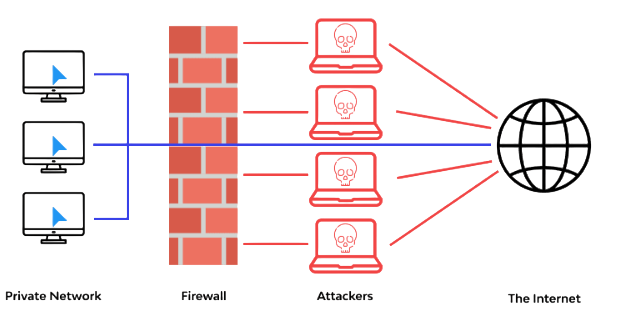
A Firewall Monitors And Controls Network Traffic Based On Security Rules. It Protects Systems From Unauthorized Access And Cybersecurity Threats Efficiently. Firewalls Can Be Hardware Based Or Software Based Solutions Today. Cloud Platforms Use Security Groups As Virtual Firewalls Successfully And Reliably. Firewalls Improve Infrastructure Security Across Enterprise Networks Significantly. Administrators Configure Rules For Ports, Protocols, And IP Addresses Carefully
56. What Is Disaster Recovery?
Ans:
- Disaster Recovery Refers To Restoring Systems After Unexpected Failures Or Attacks. It Ensures Business Continuity During Infrastructure Or Data Loss Situations Efficiently. Backups And Replication Are Important Disaster Recovery Strategies Widely Used.
- Cloud Platforms Provide Automated Recovery Solutions For Applications Successfully. Recovery Time Objective Measures Maximum Acceptable Downtime For Systems Carefully.
- Disaster Recovery Planning Improves Organizational Reliability And Data Protection Greatly.
57. Write A Python Program To Find Largest Number In A List
Ans:
This Python Program Finds The Largest Number From A Given List Efficiently. The Max Function Returns The Highest Value Present In The List Quickly. Lists Are Used To Store Multiple Values In A Single Variable Successfully Python Provides Built In Functions That Simplify Data Processing Operations Greatly.Such Programs Help Evaluate Basic Problem Solving And Logical Thinking Skills.Automation Scripts In DevOps Frequently Use Python Programming Concepts Daily.
- numbers = [10, 25, 7, 89, 45]
- largest = max(numbers)
- print(“Largest Number Is:”, largest)
58. What Is High Availability?
Ans:
High Availability Ensures Applications Remain Accessible With Minimal Downtime Continuously. Redundant Systems Prevent Single Points Of Failure In Infrastructure Architectures. Load Balancers And Auto Scaling Improve Availability Across Multiple Servers. Cloud Platforms Offer Multi Availability Zone Deployments Successfully And Reliably. Monitoring And Failover Mechanisms Help Maintain Service Continuity Efficiently. High Availability Improves Customer Experience And Business Reliability Significantly
59. What Is Failover?
Ans:
Failover Automatically Switches Workloads To Backup Systems During Failures Efficiently. It Helps Maintain Application Availability And Prevent Service Interruptions Successfully. Databases And Servers Use Failover Mechanisms For Reliability Improvements Widely. Cloud Infrastructure Supports Automatic Failover Across Multiple Regions Smoothly. Failover Reduces Downtime And Protects Business Operations Significantly During Issues. Testing Failover Procedures Ensures Recovery Processes Work Correctly Always.
60. Difference Between Public Cloud And Private Cloud
Ans:
| Feature | Public Cloud | Private Cloud |
|---|---|---|
| Definition | Public Cloud Provides Computing Services Over The Internet For Multiple Users | Private Cloud Provides Dedicated Cloud Infrastructure For A Single Organization |
| Ownership | Public Cloud Infrastructure Is Owned By Third Party Service Provider | Private Cloud Infrastructure Is Owned By One Organization |
| Private Cloud Infrastructure Is Owned By One Organization | Public Cloud Services Are Accessible Through Public Internet Connections | Private Cloud Services Are Accessed Through Private Secure Networks |
| Cost | Public Cloud Has Lower Initial Costs And Pay As You Go Pricing | Private Cloud Requires Higher Setup And Maintenance Costs |

Learn Java Training with Advanced Concepts By Industry Experts
- Instructor-led Sessions
- Real-life Case Studies
- Assignments
61. What Is Scrum?
Ans:
Scrum Is An Agile Framework Used For Managing Software Development Projects. It Organizes Work Into Short Iterations Called Sprints Efficiently And Clearly. Daily Standup Meetings Help Teams Track Progress And Resolve Issues Quickly. Scrum Roles Include Product Owner, Scrum Master, And Development Team. Sprint Reviews And Retrospectives Improve Team Performance Continuously Successfully. Scrum Encourages Collaboration And Faster Software Delivery Across Organizations Widely. Amazon Frequently Asks Agile And Scrum Related Questions In Interviews.
62. What Is Kanban?
Ans:
Kanban Is A Workflow Management Method Used In Agile Development Teams. It Visualizes Tasks Using Boards With Different Progress Columns Clearly. Kanban Helps Teams Improve Productivity And Reduce Work Bottlenecks Efficiently. Work In Progress Limits Prevent Overloading Team Members Successfully And Reliably. Continuous Delivery Becomes Easier Through Better Workflow Visibility And Planning. Kanban Supports Flexibility And Incremental Improvements In Software Projects Greatly.
63. What Is A Build?
Ans:
A Build Converts Source Code Into Executable Software Applications Successfully. Build Processes Include Compilation, Packaging, And Dependency Management Tasks Efficiently. Automated Build Tools Reduce Manual Errors And Improve Productivity Greatly. Jenkins And Maven Are Popular Tools Used For Build Automation Worldwide. Build Failures Help Detect Coding Issues Early In Development Cycles Quickly. Consistent Builds Improve Reliability Across Different Deployment Environments Significantly. Amazon Frequently Includes Build Process Questions During Technical Interviews.
64. What Is Maven?
Ans:
Maven Is A Build Automation And Dependency Management Tool For Java. It Simplifies Project Compilation, Testing, And Packaging Processes Efficiently. Maven Uses XML Configuration Files Called POM Files Successfully. Dependencies Are Downloaded Automatically From Central Repositories When Required. Maven Standardizes Build Processes Across Different Development Teams Reliably. It Integrates Smoothly With Jenkins And CI CD Pipelines Today.
65. What Is Gradle?
Ans:
- Gradle Is A Modern Build Automation Tool Used In Software Development. It Supports Java, Kotlin, And Android Application Build Processes Efficiently.
- Gradle Uses Groovy Or Kotlin DSL For Flexible Configuration Management. Incremental Builds Improve Performance And Reduce Build Execution Time Significantly.
- Gradle Integrates Well With Continuous Integration And Deployment Pipelines Successfully. Developers Prefer Gradle For Faster And More Customizable Build Processes.
66. What Is A Deployment?
Ans:
Deployment Means Releasing Applications Into Production Or Testing Environments Successfully. Deployment Processes Include Packaging, Configuration, And Infrastructure Setup Tasks Efficiently. Automated Deployments Reduce Human Errors And Improve Delivery Speed Greatly. CI CD Pipelines Help Manage Frequent Deployments Across Applications Reliably. Monitoring Deployment Success Prevents Downtime And Service Failures Quickly. Blue Green And Rolling Deployments Are Popular Deployment Strategies Today.
67. What Is GitHub?
Ans:
GitHub Is A Cloud Based Platform For Hosting Git Repositories Online. It Helps Developers Collaborate On Software Projects Efficiently And Securely. GitHub Supports Pull Requests, Branching, And Code Review Processes Smoothly. Actions Feature Enables Continuous Integration And Automation Workflows Successfully. Developers Use GitHub To Manage Open Source And Enterprise Projects Daily. GitHub Improves Team Collaboration Through Centralized Version Control Significantly
68. What Is GitLab?
Ans:
GitLab Is A DevOps Platform Providing Repository Management And Automation Tools. It Supports Source Code Management, CI CD, And Monitoring Features Efficiently. GitLab Pipelines Automate Testing And Deployment Processes Successfully And Reliably. Teams Use GitLab For Collaboration And Secure Software Development Workflows. Integrated Security Features Help Detect Vulnerabilities During Development Quickly. GitLab Supports Both Cloud Hosted And Self Managed Deployments Smoothly.
69. What Is Bitbucket?
Ans:
Bitbucket Is A Repository Hosting Service Supporting Git Version Control Systems. It Helps Teams Manage Source Code And Collaborate On Projects Efficiently. Bitbucket Integrates Smoothly With Jira And CI CD Tools Successfully. Pull Requests Support Code Reviews And Quality Improvement Processes Clearly. Bitbucket Pipelines Automate Build And Deployment Workflows Reliably And Securely. Organizations Use Bitbucket For Enterprise Software Development And Collaboration Widely.
70. What Is A Branch In Git?
Ans:
A Branch In Git Represents An Independent Line Of Development Work. Developers Create Branches To Build Features Without Affecting Main Code. Branches Support Parallel Development Across Multiple Team Members Efficiently. After Testing Changes Branches Are Merged Into Main Repository Successfully. Git Branching Improves Collaboration And Reduces Development Conflicts Greatly. Feature Branching Is A Common Workflow Used In Software Projects Today.
71. What Is Git Merge?
Ans:
Git Merge Combines Changes From Different Branches Into One Branch Successfully. It Helps Integrate Features Developed By Multiple Team Members Efficiently. Merge Conflicts Occur When Same Files Are Modified Differently Simultaneously. Developers Resolve Conflicts Before Completing Merge Operations Carefully And Reliably. Git Merge Supports Collaborative Development In Large Software Projects Smoothly. Frequent Merging Reduces Complexity And Improves Team Productivity Greatly.
72.. Write A Program To Print Multiplication Table Of 2
Ans:
This Program Uses A Loop To Print The Multiplication Table Of Number 2. The Loop Runs Multiple Times To Generate Each Multiplication Result. During Every Iteration, The Program Multiplies 2 By The Current Value. The Output Displays The Table In A Simple Format. This Program Helps Beginners Understand Loop Execution Clearly.
- for i in range(1, 6):
- print(“2 x”, i, “=”, 2 * i)
73. What Is A Pull Request?
Ans:
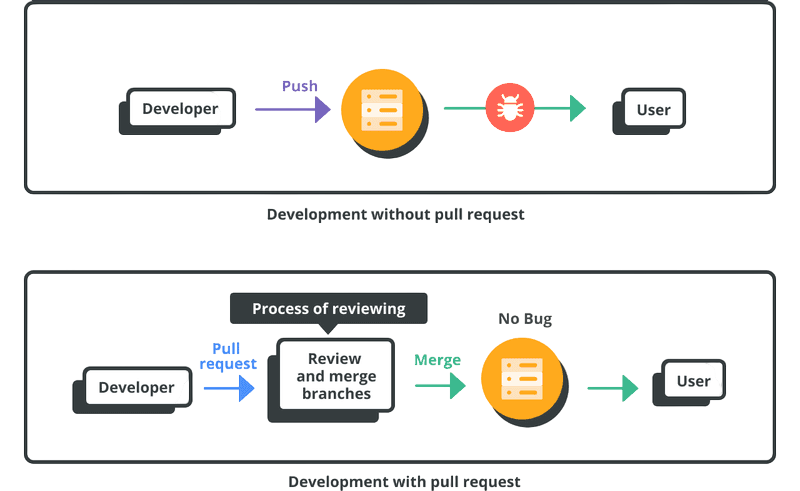
A Pull Request Proposes Code Changes Before Merging Into Main Branch. It Allows Team Members To Review And Discuss Modifications Collaboratively Efficiently. Pull Requests Improve Code Quality Through Peer Review Processes Successfully. Automated Tests Validate Changes Before Approval And Deployment Reliably. Comments And Suggestions Help Developers Improve Code Standards Significantly. GitHub And GitLab Support Pull Request Based Development Workflows Smoothly.
74. What Is A Commit In Git?
Ans:
A Commit Represents A Saved Snapshot Of Changes In Git Repository. Each Commit Includes Unique Identifier And Descriptive Message For Tracking Efficiently. Commits Help Maintain Development History And Support Rollback Features Successfully. Frequent Commits Improve Collaboration And Reduce Risk Of Data Loss Greatly. Git Stores Commit History Locally And Synchronizes With Remote Repositories Smoothly. Meaningful Commit Messages Improve Code Maintenance And Project Understanding Clearly
75. What Is HTTPS?
Ans:
HTTPS Is A Secure Version Of HTTP Used For Web Communication. It Encrypts Data Between Browser And Server Using SSL TLS Protocols. HTTPS Protects Sensitive Information From Cyber Attacks And Interception Efficiently. Websites Using HTTPS Improve User Trust And Security Significantly Today. SSL Certificates Verify Website Authenticity During Secure Connections Successfully. Modern Browsers Warn Users About Websites Without HTTPS Protection Clearly.
76. What Is SSL?
Ans:
- SSL Stands For Secure Sockets Layer Used For Data Encryption Online. It Secures Communication Between Clients And Servers Over Networks Efficiently.
- SSL Certificates Verify Website Identity And Protect Sensitive Information Successfully. TLS Is The Modern Replacement For Older SSL Protocol Versions Today. Encrypted Connections Prevent Unauthorized Access And Data Tampering Significantly.
- Web Applications Use SSL To Secure User Transactions And Logins. Amazon DevOps Interviews Often Include SSL And HTTPS Related Questions.
77. What Is TCP IP?
Ans:
- TCP IP Is A Communication Protocol Suite Used Across Computer Networks. TCP Handles Reliable Data Transmission Between Devices Efficiently And Securely.
- IP Manages Addressing And Routing Of Packets Across Networks Successfully. TCP IP Forms The Foundation Of Internet Communication Worldwide Today. Applications Use TCP IP For Web Browsing And Data Exchange Continuously.
- Understanding Networking Basics Helps DevOps Engineers Troubleshoot Issues Effectively. Amazon Frequently Asks Networking Concepts During Technical Interview Rounds.
78. What Is HTTP?
Ans:
HTTP Stands For Hypertext Transfer Protocol Used For Web Communication. It Defines How Browsers And Servers Exchange Data Over Networks Efficiently. HTTP Uses Request And Response Methods For Client Server Communication Successfully. GET And POST Are Common HTTP Methods Used In APIs Today. HTTP Is Stateless Meaning Each Request Is Independent From Others. HTTPS Adds Encryption To HTTP For Improved Security And Privacy.
79. What Is REST API?
Ans:
REST API Is An Architectural Style For Building Web Services Efficiently. It Uses HTTP Methods For Communication Between Applications Successfully And Reliably. REST APIs Are Stateless And Support JSON Data Exchange Commonly. They Simplify Integration Between Microservices And Frontend Applications Greatly. RESTful Services Improve Scalability And Flexibility In Modern Development Architectures. Authentication Mechanisms Secure APIs Against Unauthorized Access Carefully And Safely.
80. What Is JSON?
Ans:
JSON Stands For JavaScript Object Notation Used For Data Exchange Widely. It Provides Lightweight And Human Readable Data Formatting Efficiently Today. APIs Frequently Use JSON For Communication Between Applications Successfully. JSON Structures Include Objects, Arrays, And Key Value Pairs Clearly. Developers Prefer JSON Due To Simplicity And Broad Language Support. Cloud Services And Web Applications Depend Heavily On JSON Formats Daily.
81. What Is Bash Scripting?
Ans:
Bash Scripting Automates Tasks In Linux And Unix Operating Systems Efficiently. Scripts Contain Commands Executed Sequentially By Bash Shell Successfully. Administrators Use Bash Scripts For Automation And System Management Tasks Daily. Bash Improves Productivity By Reducing Repetitive Manual Operations Significantly. Scripts Can Manage Files, Processes, And Scheduled Jobs Reliably. DevOps Engineers Frequently Use Bash For Infrastructure Automation Workflows Smoothly.
82. Write A Python Program To Reverse A String
Ans:
This Python Program Reverses A String Using Slicing Technique Efficiently.The Slice Operator Reads Characters From End To Beginning Successfully.String Manipulation Questions Are Common In Technical Coding Interviews Today.Python Provides Simple Syntax For Performing Complex String Operations Quickly.Understanding String Handling Improves Programming Fundamentals AndLogic Building Skills.DevOps Automation Scripts Often Process Configuration Files And Text Data Daily.
- text = “Amazon
- reverse = text[::-1]
- print(reverse)
83. What Is A CDN?
Ans:
CDN Stands For Content Delivery Network Used For Faster Content Delivery. It Distributes Cached Content Across Multiple Global Servers Efficiently. CDNs Reduce Website Latency And Improve User Experience Significantly Worldwide. Static Content Like Images And Videos Loads Faster Through CDNs Successfully. AWS CloudFront Is A Popular CDN Service Used Today Globally. CDNs Improve Application Availability During High Traffic Conditions Reliably
84. What Is CloudFront?
Ans:
CloudFront Is A Content Delivery Network Service From Amazon Web Services. It Delivers Content Quickly Through Edge Locations Across The World Efficiently. CloudFront Improves Website Performance And Reduces Latency Significantly For Users. It Supports Streaming, APIs, And Static Website Delivery Successfully. Security Features Include SSL Encryption And DDoS Protection Mechanisms Reliably. CloudFront Integrates Smoothly With S3 And Other AWS Services Today.
85. What Is DDoS?
Ans:
DDoS Stands For Distributed Denial Of Service Cyber Attack Method. Attackers Flood Servers With Traffic To Disrupt Services And Applications Efficiently. DDoS Attacks Can Cause Downtime And Performance Issues For Businesses. Cloud Security Services Help Detect And Mitigate Attacks Successfully And Reliably. AWS Shield Provides Protection Against DDoS Attacks In Cloud Environments. Monitoring Traffic Patterns Helps Identify Suspicious Activities Quickly And Safely
86. What Is AWS Shield?
Ans:
AWS Shield Is A Managed DDoS Protection Service From Amazon AWS. It Protects Applications Running On AWS Against Network Attacks Efficiently. AWS Shield Standard Provides Automatic Protection At No Extra Cost. Advanced Version Offers Enhanced Detection And Mitigation Features Successfully. It Integrates With CloudFront, Route 53, And Load Balancers Smoothly. AWS Shield Improves Security And Availability For Cloud Applications Greatly.
87. What Is DevSecOps?
Ans:
DevSecOps Integrates Security Practices Into DevOps Workflows Continuously And Efficiently. Security Testing Occurs Throughout Development Instead Of After Deployment Only. Automation Helps Detect Vulnerabilities Early In Software Development Processes Successfully. DevSecOps Improves Compliance And Reduces Security Risks Significantly For Organizations. Developers And Security Teams Collaborate More Closely Through Shared Responsibilities. Security Scanning Tools Integrate Into CI CD Pipelines Smoothly Today.
88. What Is SonarQube?
Ans:
- SonarQube Is A Code Quality And Security Analysis Tool Widely Used. It Detects Bugs, Vulnerabilities, And Code Smells In Applications Efficiently.
- Developers Use SonarQube To Improve Software Maintainability And Reliability Successfully. It Integrates With CI CD Pipelines And Repository Platforms Smoothly.
- Dashboards Provide Detailed Reports About Code Quality Metrics Clearly. Automated Analysis Helps Teams Maintain Coding Standards Consistently Across Projects.
89. What Is Artifact Management?
Ans:
Artifact Management Stores Build Outputs Like Binaries And Packages Securely. Artifacts Include Docker Images, JAR Files, And Deployment Packages Commonly. Repositories Help Version And Distribute Artifacts Across Teams Efficiently. Nexus And JFrog Artifactory Are Popular Artifact Management Tools Today. Artifact Management Improves Build Reproducibility And Deployment Reliability Successfully. CI CD Pipelines Frequently Use Artifact Repositories For Automation Workflows.
90. What Is Nexus?
Ans:
Nexus Is An Artifact Repository Manager Used In DevOps Pipelines Widely. It Stores And Manages Software Packages And Build Artifacts Efficiently. Nexus Supports Maven, Docker, And Multiple Repository Formats Successfully. Teams Use Nexus To Improve Dependency Management Across Projects Reliably. Artifact Repositories Simplify Build Automation And Continuous Delivery Processes Greatly. Nexus Integrates Smoothly With Jenkins And Other CI CD Tools Today.
91. What Is JFrog Artifactory?
Ans:
JFrog Artifactory Is A Repository Manager For Build Artifacts And Dependencies. It Supports Docker, Maven, NPM, And Other Package Formats Efficiently. Artifactory Helps Teams Manage Software Packages Across Development Pipelines Successfully. It Improves Build Reliability Through Centralized Dependency Storage And Distribution. Security Features Protect Artifacts From Unauthorized Access And Changes Reliably. Artifactory Integrates Smoothly With CI CD Automation Tools Worldwide Today.
92. What Is Configuration Management?
Ans:
Configuration Management Maintains Consistent System Settings Across Infrastructure Environments Efficiently. It Automates Software Installation And Server Configuration Tasks Successfully. Tools Like Ansible, Puppet, And Chef Support Configuration Management Processes. Configuration Drift Is Reduced Through Automated And Repeatable Deployments Reliably. Version Controlled Configurations Improve Infrastructure Stability And Maintenance Greatly. Configuration Management Simplifies Large Scale Infrastructure Administration Tasks Smoothly.
93. What Is Puppet?
Ans:
Puppet Is A Configuration Management Tool Used For Infrastructure Automation Widely. It Automates Server Setup And Software Deployment Across Systems Efficiently. Puppet Uses Declarative Language For Defining System Configurations Successfully. Agents Communicate With Puppet Master To Apply Desired Configurations Reliably. Puppet Improves Consistency Across Large Infrastructure Environments Significantly. Automation Reduces Manual Errors And Administrative Effort Greatly For Teams
94. What Is Chef?
Ans:
Chef Is An Infrastructure Automation Tool Used In DevOps Environments Today. It Automates Configuration, Deployment, And Infrastructure Management Tasks Efficiently. Chef Uses Recipes And Cookbooks To Define Automation Processes Successfully. It Supports Infrastructure As Code For Scalable Cloud Operations Reliably. Chef Helps Maintain Consistent Configurations Across Multiple Servers Smoothly. Automation Improves Productivity And Reduces Human Errors Significantly In Operations
95. What Is Helm?
Ans:
Helm Is A Package Manager Used For Kubernetes Application Deployments Efficiently. It Simplifies Kubernetes Resource Management Through Reusable Helm Charts Successfully. Charts Contain Templates And Configurations For Deploying Applications Reliably. Helm Reduces Complexity In Managing Kubernetes Deployments Across Environments Greatly. Versioning Features Help Track Application Release Changes Smoothly And Clearly. Developers Use Helm To Automate Kubernetes Application Installations Daily.
96. What Is Kubernetes Service?
Ans:
- A Kubernetes Service Exposes Pods To Network Traffic Within Clusters Efficiently. Services Provide Stable Networking For Dynamic Containerized Applications Successfully.
- ClusterIP, NodePort, And LoadBalancer Are Common Service Types Used Today. Services Help Applications Communicate Reliably Across Kubernetes Infrastructure Smoothly. Load Balancing Features Distribute Traffic Among Multiple Pods Automatically.
- Kubernetes Services Improve Scalability And High Availability Significantly For Applications. Amazon Frequently Includes Kubernetes Networking Questions During Interviews.
97. What Is Dev Environment?
Ans:
A Development Environment Is Where Developers Write And Test Software Code. It Includes Tools, Libraries, And Configurations Required For Development Efficiently. Development Environments Help Detect Issues Before Production Deployment Successfully. Consistency Across Environments Reduces Compatibility Problems Significantly For Teams. Containers And Virtual Machines Simplify Environment Setup And Management Greatly. Cloud Based Development Environments Improve Accessibility And Collaboration Smoothly.
98. What Is Staging Environment?
Ans:
A Staging Environment Replicates Production For Final Testing Before Deployment Safely. It Helps Teams Validate Features And Performance Under Realistic Conditions Efficiently. Testing In Staging Reduces Risks Of Production Failures Significantly. Staging Environments Support User Acceptance Testing And Deployment Validation Successfully. Configuration Consistency Between Staging And Production Is Extremely Important. CI CD Pipelines Frequently Deploy Applications To Staging Automatically And Reliably
99. What Is Production Environment?
Ans:
A Production Environment Is Where Live Applications Serve Real Users Continuously. It Requires High Availability, Security, And Reliable Monitoring Systems Efficiently. Production Systems Must Handle Real Traffic And Business Operations Successfully. Deployment Changes In Production Should Be Carefully Tested And Controlled. Monitoring And Logging Help Detect Issues Quickly In Production Environments Reliably. Backup And Disaster Recovery Plans Protect Production Data And Services Greatly.
100. Why Is DevOps Important?
Ans:
DevOps Is Important Because It Improves Collaboration And Delivery Speed Greatly. Automation Reduces Manual Work And Minimizes Human Errors In Operations. Continuous Integration And Deployment Improve Software Quality And Reliability Successfully. DevOps Helps Organizations Release Features Faster To Customers Efficiently. Monitoring And Feedback Improve Application Performance And User Satisfaction Significantly. Cloud Computing And Automation Make DevOps Essential For Modern Businesses.
![Top Informatica Interview Questions & Answers – [UPDATED] Interview Question](https://www.acte.in/wp-content/uploads/2020/05/4-img-acte-1.jpeg.webp)