LMS
LMS
Last updated on 17th Jun 2026| 6714

Generative AI Has Become One Of The Most Important Technologies In The Modern Software Industry, And Microsoft Actively Uses AI Across Products Such As Microsoft Copilot, Azure AI, And Intelligent Cloud Solutions. During Microsoft Internship Interviews, Candidates Are Often Asked Questions Related To Generative AI Concepts, Large Language Models (LLMs), Prompt Engineering, Machine Learning Fundamentals, AI Ethics, And Real-World Applications. These Questions Help Interviewers Evaluate A Candidate’s Understanding Of Artificial Intelligence, Problem-Solving Skills, And Ability To Apply AI Technologies Effectively. Freshers Should Focus On Core Topics Such As Transformers, NLP, RAG, Embeddings, Fine-Tuning, AI Safety, And Prompt Engineering. Preparing These Generative AI Interview Questions And Answers Will Help Candidates Build Confidence And Improve Their Chances Of Success In Microsoft Internship Recruitment Processes.
1. What Is Generative AI?
Ans:
Generative AI Is A Type Of Artificial Intelligence That Creates New Content Such As Text, Images, Audio, Video, And Code. It Learns Patterns From Large Datasets And Uses That Knowledge To Generate Similar Outputs. Generative AI Models Can Produce Human-Like Responses And Creative Content. These Systems Are Widely Used In Chatbots, Content Creation, And Software Development. Popular Examples Include Large Language Models And Image Generation Models. It Is One Of The Fastest-Growing Areas In AI Today.
2. What Is A Large Language Model (LLM)?
Ans:
- A Large Language Model Is An AI Model Trained On Massive Amounts Of Text Data. It Learns Language Patterns, Grammar, Context, And Relationships Between Words.
- LLMs Can Answer Questions, Summarize Information, Translate Languages, And Generate Content. Examples Include GPT-Based Models And Other Transformer-Based Architectures.
- These Models Use Deep Learning Techniques To Understand And Generate Text. They Form The Foundation Of Many Generative AI Applications.
3. What Is Prompt Engineering?
Ans:
Prompt Engineering Is The Process Of Designing Effective Inputs To Get Desired Outputs From AI Models. A Well-Written Prompt Improves Accuracy And Relevance. It Includes Providing Context, Instructions, And Examples. Prompt Engineering Helps Reduce Ambiguity And Improves Response Quality. It Is Widely Used In Chatbots, Content Generation, And Coding Assistance. Strong Prompting Skills Are Important For Working With Generative AI Systems.
4. What Is A Prompt?
Ans:
A Prompt Is The Input Given To A Generative AI Model. It Can Be A Question, Instruction, Command, Or Contextual Information. The Quality Of The Prompt Influences The Quality Of The Response. Detailed Prompts Usually Produce More Accurate Outputs. Prompts Can Include Constraints Such As Tone, Format, Or Length. Effective Prompt Design Is Essential For Achieving Better AI Results.
5. What Is GPT?
Ans:
GPT Stands For Generative Pre-Trained Transformer. It Is A Language Model Developed Using The Transformer Architecture. GPT Is First Pre-Trained On Large Datasets And Then Fine-Tuned For Specific Tasks. It Can Generate Human-Like Text, Answer Questions, And Assist With Coding. GPT Models Are Widely Used In Conversational AI Applications. They Demonstrate Strong Natural Language Understanding And Generation Capabilities.
6. What Is The Transformer Architecture?
Ans:
- The Transformer Architecture Is A Deep Learning Framework Introduced For Processing Sequential Data. It Uses Self-Attention Mechanisms To Understand Relationships Between Words.
- Transformers Process Data In Parallel, Making Training Faster Than Traditional Models. They Are The Foundation Of Modern Language Models.
- Transformers Support Tasks Like Translation, Summarization, And Text Generation. Most Generative AI Systems Today Are Based On Transformers
7. What Is Training In Generative AI?
Ans:
Training Is The Process Of Teaching An AI Model Using Large Datasets. During Training, The Model Learns Patterns, Structures, And Relationships In Data. It Adjusts Internal Parameters To Minimize Prediction Errors. Training Requires Significant Computing Resources And Time. The Quality Of Training Data Strongly Affects Model Performance. Proper Training Enables Models To Generate Meaningful Outputs.
8. What Is Fine-Tuning?
Ans:
Fine-Tuning Is The Process Of Adapting A Pre-Trained Model For A Specific Task. It Uses A Smaller, Domain-Specific Dataset To Improve Performance. Fine-Tuning Helps Customize Models For Business Requirements. It Requires Less Data And Time Than Training From Scratch. Organizations Use Fine-Tuning For Specialized Applications. It Improves Accuracy In Target Domains.
9. What Is Tokenization?
Ans:
Tokenization Is The Process Of Breaking Text Into Smaller Units Called Tokens. Tokens Can Be Words, Characters, Or Subwords. AI Models Process Tokens Instead Of Raw Text. Tokenization Helps Convert Human Language Into Machine-Readable Format. It Is An Important Step In Natural Language Processing. Efficient Tokenization Improves Model Performance And Speed.
10. Write A Python Program To Count The Number Of Words In A Sentence.
Ans:
This Program Counts The Number Of Words Present In A Sentence. The split() Function Breaks The Sentence Into Individual Words Based On Spaces. The len() Function Then Counts The Total Number Of Words
- sentence = “Generative AI Is Powerful”
- words = sentence.split()
- print(len(words))
11. What Is Natural Language Processing (NLP)?
Ans:
Natural Language Processing Is A Branch Of AI That Enables Computers To Understand Human Language. It Includes Tasks Like Translation, Sentiment Analysis, And Text Generation. NLP Combines Linguistics And Machine Learning. Generative AI Relies Heavily On NLP Techniques. NLP Helps Models Interpret Context And Meaning. It Powers Many Modern AI Applications.
12. What Is Context In Generative AI?
Ans:
Context Refers To The Information Provided To The Model During Interaction. It Helps The AI Understand The Meaning Of A Query. Better Context Leads To More Relevant Responses. Context Can Include Previous Messages, Instructions, Or Documents. Large Context Windows Allow Models To Process More Information. Managing Context Is Important For Accurate Outputs.
13. What Is Hallucination In Generative AI?
Ans:
Hallucination Occurs When An AI Model Generates Incorrect Or Fabricated Information. The Response May Sound Convincing But Lack Factual Accuracy. Hallucinations Happen Due To Data Limitations Or Uncertain Predictions. Verification Of AI Outputs Is Important To Avoid Errors. Reducing Hallucinations Is A Major Research Focus. Reliable Data Sources Help Improve Accuracy.
14. What Is Retrieval-Augmented Generation (RAG)?
Ans:
RAG Combines Information Retrieval With Generative AI. It Retrieves Relevant Data From External Sources Before Generating Responses. This Improves Accuracy And Reduces Hallucinations. RAG Is Commonly Used In Enterprise AI Solutions. It Helps Models Access Up-To-Date Information. Many Knowledge-Based Chatbots Use RAG Architectures.RAG Enhances Response Reliability By Leveraging Trusted External Knowledge Sources.
15. What Is Embedding?
Ans:
- An Embedding Is A Numerical Representation Of Data Such As Text Or Images. It Captures Meaning And Relationships In A Vector Format.
- Similar Items Have Similar Embeddings. Embeddings Are Used In Search, Recommendation, And Retrieval Systems.
- They Help AI Models Understand Semantic Relationships. Embeddings Are Essential In Modern Generative AI Workflows.
16. What Is Temperature In Generative AI?
Ans:
- Temperature Is A Parameter That Controls Randomness In Model Responses. Lower Values Produce More Predictable Outputs.
- Higher Values Generate More Creative And Diverse Responses. Choosing The Right Temperature Depends On The Task.
- Business Applications Often Use Lower Temperatures For Consistency. Creative Tasks May Benefit From Higher Values.
17. What Is Zero-Shot Learning?
Ans:
Zero-Shot Learning Allows A Model To Perform A Task Without Task-Specific Training Examples. The Model Relies On General Knowledge Learned During Training. It Can Understand Instructions And Generate Appropriate Responses. Zero-Shot Learning Demonstrates The Flexibility Of Large Language Models. It Reduces The Need For Extensive Training Data. Many ChatGPT Tasks Use Zero-Shot Learning.
18. Write A Python Program To Convert Text Into Lowercase.
Ans:
This Program Converts All Characters In A String To Lowercase. The lower() Method Helps Standardize Text Data Before Processing. Text Normalization Is An Important Step In Natural Language Processing
- text = “MICROSOFT GENERATIVE AI”
- result = text.lower()
- print(result)
19. What Is Few-Shot Learning?
Ans:
Few-Shot Learning Uses A Small Number Of Examples In The Prompt. These Examples Help The Model Learn The Required Pattern. It Improves Consistency And Accuracy. Few-Shot Prompting Is Widely Used In Generative AI Applications. It Reduces Dependence On Large Training Datasets. It Is Effective For Custom Tasks. This Technique Helps Models Generate More Reliable And Context-Aware Responses.
20. What Is The Difference Between Generative AI And Traditional AI?
Ans:
| Feature | Generative AI | Traditional AI |
|---|---|---|
| Definition | Creates New Content Such As Text, Images, Audio, And Code./td> | Analyzes Existing Data And Makes Predictions Or Decisions. |
| Main Purpose | Content Generation And Creativity. | Problem Solving, Classification, And Predictio |
| Output | Produces Original Content Based On Learned Patterns. | Produces Decisions, Predictions, Or Recommendations. |
| Data Usage | Learns Patterns To Generate New Data. | Learns Patterns To Identify Or Classify Existing Data. |
21. What Is Deep Learning?
Ans:
Deep Learning Is A Subset Of Machine Learning That Uses Neural Networks With Multiple Layers. It Learns Complex Patterns From Large Amounts Of Data. Deep Learning Powers Most Modern Generative AI Models. It Excels In Tasks Such As Language Understanding And Image Generation. Training Deep Learning Models Requires Significant Computing Power. These Models Continuously Improve Through Data And Optimization.
22. What Is A Neural Network?
Ans:
A Neural Network Is A Computing Model Inspired By The Human Brain. It Consists Of Layers Of Connected Nodes Called Neurons. Each Neuron Processes Information And Passes Results Forward. Neural Networks Learn Patterns By Adjusting Weights During Training. They Are Used In Image Recognition, NLP, And Generative AI. Complex Neural Networks Can Solve Advanced Problems Effectively.
23. What Is Self-Attention?
Ans:
Self-Attention Is A Mechanism That Helps Models Focus On Important Words In A Sentence. It Determines Relationships Between Different Parts Of Input Data. This Improves Context Understanding And Accuracy. Self-Attention Is A Core Component Of Transformer Models. It Enables Better Handling Of Long Text Sequences. Modern Language Models Depend Heavily On This Technique.
24. What Is Supervised Learning?
Ans:
- Supervised Learning Is A Machine Learning Method Using Labeled Data. The Model Learns By Comparing Predictions With Correct Answers.
- It Is Commonly Used For Classification And Regression Tasks. Training Data Contains Input-Output Pairs. The Goal Is To Minimize Prediction Errors.
- Many AI Applications Depend On Supervised Learning Techniques. It Is One Of The Most Widely Used Learning Approaches In AI.
25. What Is Unsupervised Learning?
Ans:
- Unsupervised Learning Works With Data That Has No Labels. The Model Identifies Hidden Patterns And Relationships Automatically. Common Tasks Include Clustering And Dimensionality Reduction.
- It Helps Discover Insights From Large Datasets. Unsupervised Learning Is Useful For Data Exploration.
- It Plays An Important Role In AI Research. It Helps Organizations Understand Data Without Human Annotation.
26. What Is Reinforcement Learning?
Ans:
Reinforcement Learning Is A Method Where An Agent Learns Through Rewards And Penalties. It Interacts With An Environment To Achieve Goals. Positive Actions Receive Rewards While Negative Actions Receive Penalties. The Agent Improves Through Continuous Feedback. Reinforcement Learning Is Used In Robotics And Gaming. It Also Supports Advanced AI Optimization. This Approach Mimics Learning Through Trial And Error.
27. What Is RLHF?
Ans:
RLHF Stands For Reinforcement Learning From Human Feedback. It Uses Human Evaluations To Improve AI Responses. Human Reviewers Rank Outputs Based On Quality And Relevance. The Model Learns To Generate Better Results Over Time. RLHF Helps Align AI Behavior With Human Expectations. It Is Widely Used In Modern Chatbots. It Significantly Enhances User Satisfaction And Response Quality.
28. What Is Bias In AI?
Ans:
Bias In AI Refers To Unfair Or Skewed Outcomes Produced By Models. It Often Results From Biased Training Data. Bias Can Affect Accuracy And Fairness. Organizations Must Monitor AI Systems Carefully. Diverse Data Sources Help Reduce Bias. Ethical AI Development Focuses On Fairness And Transparency. Addressing Bias Is Essential For Building Trustworthy AI Systems.
29. What Is Explainable AI?
Ans:
Explainable AI Focuses On Making AI Decisions Understandable To Humans. It Helps Users Trust And Validate Model Outputs. Explainability Is Important In Healthcare And Finance. It Improves Transparency And Accountability. Various Techniques Are Used To Interpret AI Behavior. Organizations Often Require Explainable AI For Compliance. It Bridges The Gap Between AI Models And Human Understanding.
30. What Is AI Ethics?
Ans:
AI Ethics Refers To Principles Guiding Responsible AI Development And Use. It Includes Fairness, Privacy, Transparency, And Accountability. Ethical AI Reduces Risks And Harm. Organizations Follow Ethical Guidelines To Build Trust. AI Ethics Is Becoming Increasingly Important Worldwide. It Supports Sustainable And Responsible Innovation. Ethical Practices Ensure AI Benefits Society Responsibly.
31. What Is Prompt Chaining?
Ans:
Prompt Chaining Involves Linking Multiple Prompts Together To Solve Complex Tasks. Each Prompt Produces Output For The Next Step. This Improves Accuracy And Task Management. It Is Useful For Multi-Step Workflows. Prompt Chaining Helps Break Large Problems Into Smaller Tasks. Many AI Applications Use This Technique. It Enhances Efficiency In Advanced AI Systems.
32. What Is Chain Of Thought Prompting?
Ans:
- Chain Of Thought Prompting Encourages The Model To Reason Through Steps Before Answering. It Helps Improve Problem-Solving Accuracy.
- The Approach Is Useful For Math And Logic Tasks. It Produces More Structured Responses. Reasoning Steps Increase Transparency.
- This Technique Is Common In Advanced Prompt Engineering. It Often Leads To Better Decision-Making Outcomes.
33. What Is A Vector Database?
Ans:
A Vector Database Stores Embeddings For Fast Similarity Search. It Helps Retrieve Relevant Information Efficiently. Vector Databases Are Essential For RAG Applications. They Support Semantic Search Instead Of Keyword Matching. Popular Systems Handle Large Volumes Of Embeddings. They Improve Knowledge Retrieval Performance. These Databases Are Critical For Modern AI Applications.
34. What Is Semantic Search?
Ans:
Semantic Search Finds Information Based On Meaning Rather Than Exact Keywords. It Uses Embeddings To Understand Context. Users Receive More Relevant Results. Semantic Search Improves Knowledge Discovery. It Is Widely Used In AI-Powered Search Systems. Modern Enterprise Applications Depend On It. It Delivers Better Search Experiences For Users.
35. What Is Overfitting?
Ans:
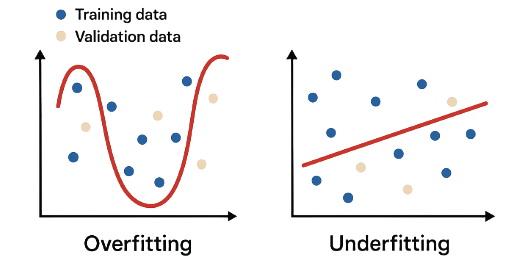
Overfitting Occurs When A Model Learns Training Data Too Closely. It Performs Well On Training Data But Poorly On New Data. Overfitting Reduces Generalization Ability. Techniques Like Regularization Help Prevent It. Balanced Training Improves Performance. Monitoring Validation Results Is Important. Proper Model Evaluation Helps Detect Overfitting Early.
36. Write A Python Program To Count The Frequency Of A Character In A String.
Ans:
This Program Counts How Many Times A Specific Character Appears In A String. The count() Function Searches The Entire Text And Returns The Total Occurrences.
- text = “artificial intelligence”
- print(text.count(“i”))
37. What Is A Dataset?
Ans:
A Dataset Is A Collection Of Information Used To Train Or Evaluate AI Models. It May Contain Text, Images, Audio, Or Structured Data. High-Quality Datasets Improve Model Accuracy. Data Preparation Is A Critical Step In AI Projects. Large Datasets Enable Better Learning. Generative AI Depends Heavily On Data Availability. Reliable Datasets Lead To Better AI Outcomes.
38. What Is Data Preprocessing?
Ans:
- Data Preprocessing Involves Cleaning And Preparing Data Before Training. It Includes Removing Errors And Handling Missing Values.
- Proper Preprocessing Improves Model Performance. It Ensures Data Consistency And Quality. Many AI Failures Result From Poor Data Preparation.
- This Step Is Essential In Machine Learning Pipelines. Effective Preprocessing Increases Overall Model Reliability.
39. What Is Transfer Learning?
Ans:
Transfer Learning Uses Knowledge From A Pre-Trained Model For A New Task. It Saves Time And Resources. The Model Already Understands General Patterns. Fine-Tuning Adapts It To Specific Requirements. Transfer Learning Is Widely Used In AI Development. It Accelerates Project Delivery. This Technique Reduces The Need For Extensive Training Data.
40. What Is A Hyperparameter?.
Ans:
A Hyperparameter Is A Configuration Value Set Before Training Begins. Examples Include Learning Rate And Batch Size. Hyperparameters Affect Model Performance. Proper Tuning Improves Accuracy And Efficiency. Different Tasks Require Different Settings. Optimization Techniques Help Find Suitable Values. Hyperparameter Selection Is Crucial For Successful Training.

41. What Is A Learning Rate?
Ans:
A Learning Rate Determines How Much A Model Updates During Training. A High Value Can Cause Instability. A Low Value May Slow Learning. Choosing The Right Learning Rate Is Important. It Directly Impacts Model Convergence. Proper Tuning Improves Results. Learning Rate Optimization Enhances Training Effectiveness. Selecting An Appropriate Learning Rate Helps Achieve Faster And More Stable Model Training.
42. What Is Batch Size?
Ans:
Batch Size Refers To The Number Of Training Examples Processed Together. Larger Batches Improve Efficiency But Require More Memory. Smaller Batches Offer Frequent Updates. Batch Size Influences Training Speed And Accuracy. Selecting The Right Value Is Important. It Affects Overall Model Performance. Batch Size Decisions Impact Resource Utilization.
43. What Is Model Inference?
Ans:
- Model Inference Is The Process Of Using A Trained Model To Generate Predictions. It Happens After Training Is Complete. Users Interact With AI During Inference.
- Speed And Accuracy Are Critical Factors. Optimized Inference Improves User Experience. Most Production AI Systems Focus On Efficient Inference.
- Inference Is The Operational Phase Of AI Models. It Enables Real-World Deployment Of Artificial Intelligence Solutions.
44. What Is Latency In AI?
Ans:
Latency Refers To The Time Required For A Model To Produce A Response. Lower Latency Creates Better User Experiences. Real-Time Applications Need Fast Responses. Hardware And Model Size Affect Latency. Optimization Techniques Reduce Delays. Latency Is An Important Performance Metric. Managing Latency Improves System Responsiveness. Low Latency Is Essential For Interactive AI Applications.
45. What Is Token Limit?
Ans:
Token Limit Defines The Maximum Number Of Tokens A Model Can Process. It Includes Input And Output Tokens. Exceeding The Limit May Truncate Information. Larger Context Windows Improve Understanding. Token Limits Affect Prompt Design. Managing Tokens Efficiently Is Important. Understanding Token Limits Helps Optimize AI Usage. Proper Token Management Improves Response Quality And Efficiency.
46. What Is AI Alignment?
Ans:
- AI Alignment Ensures AI Systems Behave According To Human Values And Goals. It Focuses On Safety And Reliability. Alignment Reduces Harmful Or Unintended Outputs.
- Researchers Continuously Improve Alignment Techniques. It Is A Key Area In AI Development. Responsible AI Depends On Strong Alignment.
- Proper Alignment Builds User Confidence In AI Systems. AI Alignment Helps Ensure Ethical And Beneficial Outcomes.
47. What Is Prompt Injection?
Ans:
Prompt Injection Is A Security Risk Where Malicious Instructions Manipulate AI Behavior. Attackers Try To Override Intended Prompts. It Can Cause Incorrect Or Unsafe Outputs. Developers Use Safeguards To Prevent Attacks. Security Testing Helps Identify Vulnerabilities. Prompt Injection Awareness Is Important. Strong Security Measures Reduce Such Risks. Preventing Prompt Injection Improves AI System Reliability.
48. What Is AI Safety?
Ans:
AI Safety Focuses On Preventing Harmful Outcomes From AI Systems. It Includes Reliability, Security, And Ethical Practices. Safety Measures Reduce Risks To Users. Researchers Develop Methods To Improve Safe Behavior. AI Safety Is A Growing Research Area. Organizations Prioritize Safe Deployment. Safe AI Systems Promote Responsible Technology Adoption. AI Safety Ensures Technology Benefits Society Securely.
49. What Is Synthetic Data?
Ans:
Synthetic Data Is Artificially Generated Data That Mimics Real Data. It Helps Train Models When Real Data Is Limited. Synthetic Data Supports Privacy Protection. It Is Useful For Testing And Simulations. Many AI Projects Benefit From Synthetic Datasets. Quality Generation Is Important For Effectiveness. Synthetic Data Expands Opportunities For AI Development. It Provides A Cost-Effective Alternative To Collecting Real Data.
50. What Is Generative Adversarial Network (GAN)?
Ans:
A GAN Consists Of A Generator And A Discriminator Working Together. The Generator Creates Data While The Discriminator Evaluates It. Both Improve Through Competition. GANs Are Popular For Image Generation Tasks. They Produce Realistic Visual Outputs. GANs Have Advanced Many Creative AI Applications. GANs Have Revolutionized Modern Content Generation Techniques.
51. What Is A Foundation Model?
Ans:
- A Foundation Model Is A Large AI Model Trained On Massive Datasets. It Serves As A Base For Multiple Applications And Tasks.
- These Models Learn General Knowledge And Patterns. Developers Can Fine-Tune Them For Specific Use Cases.
- Foundation Models Power Many Modern AI Systems. They Reduce The Need To Build Models From Scratch. Their Flexibility Makes Them Valuable Across Industries.
52. What Is Few-Shot Prompting?
Ans:
Few-Shot Prompting Provides A Small Number Of Examples Within A Prompt. These Examples Guide The Model Toward Desired Outputs. It Improves Accuracy And Consistency. Few-Shot Prompting Reduces Ambiguity In Instructions. It Is Widely Used In Generative AI Applications. The Technique Helps Models Understand Patterns Better. It Is An Effective Prompt Engineering Strategy.
53. What Is Zero-Shot Prompting?
Ans:
Zero-Shot Prompting Allows A Model To Perform Tasks Without Examples. The Model Relies On Knowledge Learned During Training. It Understands Instructions Directly From The Prompt. This Approach Saves Time And Effort. Zero-Shot Prompting Demonstrates Model Generalization Ability. Many Everyday AI Tasks Use This Method. It Highlights The Flexibility Of Modern Language Models.
54. What Is One-Shot Prompting?
Ans:
One-Shot Prompting Provides A Single Example To The Model. The Example Demonstrates The Desired Format Or Pattern. It Improves Understanding Compared To Zero-Shot Prompting. This Technique Helps Achieve More Accurate Results. One-Shot Prompting Is Useful For Specialized Tasks. It Requires Minimal Additional Information. It Balances Simplicity And Effectiveness.
55. What Is Context Window?
Ans:
- A Context Window Refers To The Amount Of Information A Model Can Process At Once. Larger Context Windows Support Longer Conversations.
- They Help Retain Relevant Information Across Inputs. Context Size Influences Response Quality. Modern AI Models Continue Expanding Context Capabilities.
- Efficient Context Management Improves Performance. It Is An Important Feature Of Language Models.
56. What Is Model Fine-Tuning?
Ans:
Model Fine-Tuning Is The Process Of Customizing A Pre-Trained Model. It Uses Domain-Specific Data To Improve Performance. Fine-Tuning Adapts Models To Business Requirements. It Requires Less Effort Than Full Training. Organizations Use It For Specialized Applications. Fine-Tuning Enhances Accuracy And Relevance. It Maximizes The Value Of Existing Models.
57. What Is Knowledge Distillation?
Ans:
Knowledge Distillation Transfers Knowledge From A Large Model To A Smaller One. The Smaller Model Learns To Mimic The Larger Model. This Reduces Resource Requirements. Distilled Models Are Faster And More Efficient. They Retain Much Of The Original Performance. Knowledge Distillation Supports Scalable AI Deployment. It Helps Optimize Production Systems.
58. What Is Model Compression?
Ans:
Model Compression Reduces The Size Of AI Models Without Significant Performance Loss. It Improves Efficiency And Deployment Speed. Compression Techniques Include Pruning And Quantization. Smaller Models Require Less Memory. They Are Easier To Run On Limited Hardware. Model Compression Supports Mobile And Edge Devices. It Enhances Scalability In Real-World Applications.
59. What Is Quantization?
Ans:
Quantization Reduces The Precision Of Model Parameters. It Lowers Memory Usage And Speeds Up Inference. Quantized Models Consume Fewer Resources. The Technique Is Common In Edge AI Applications. Careful Quantization Maintains Acceptable Accuracy. It Supports Efficient Deployment Of Large Models. Quantization Is A Key Optimization Method.
60. What Is The Difference Between Supervised Learning And Unsupervised Learning?
Ans:
| Feature | Supervised Learning | Unsupervised Learning |
|---|---|---|
| Definition | A Machine Learning Technique That Uses Labeled Data For Training. | A Machine Learning Technique That Uses Unlabeled Data For Training |
| Training Data | Requires Input Data With Correct Output Labels. | Uses Data Without Any Predefined Labels. |
| Learning Method | Learns By Comparing Predictions With Actual Answers. | Learns By Discovering Hidden Patterns And Relationships. |
| Goal | Predict Outcomes Or Classify Data Accurately. | Identify Structures, Groups, Or Trends In Data. |
61. What Is Natural Language Understanding (NLU)?
Ans:
- Natural Language Understanding Enables AI To Interpret Human Language Meaningfully. It Focuses On Intent, Context, And Semantics. NLU Powers Chatbots And Virtual Assistants.
- It Helps AI Understand User Requests. Strong NLU Improves Communication Quality. It Is A Critical Component Of Conversational AI.
- Effective NLU Enhances User Experiences. NLU enables more accurate and context-aware interactions.

Learn Gen AI Course with Advanced Concepts By Industry Experts
- Instructor-led Sessions
- Real-life Case Studies
- Assignments
62. What Is Natural Language Generation (NLG)?
Ans:
Natural Language Generation Is The Process Of Creating Human-Like Text. It Converts Structured Data Into Readable Content. NLG Supports Chatbots, Reports, And Summaries. Generative AI Relies Heavily On NLG Techniques. It Helps Automate Content Creation. NLG Improves Productivity Across Industries. It Makes AI Communication More Natural. NLG Plays A Major Role In Modern AI Applications.
63. What Is Sentiment Analysis?
Ans:
Sentiment Analysis Identifies Emotions And Opinions In Text. It Determines Whether Content Is Positive, Negative, Or Neutral. Businesses Use It To Analyze Customer Feedback. AI Models Detect Patterns In Language. Sentiment Analysis Supports Decision-Making Processes. It Provides Valuable Insights From Large Datasets. The Technique Is Widely Used In Marketing. It Helps Organizations Understand Customer Satisfaction Better.
64. What Is Text Summarization?
Ans:
Text Summarization Condenses Large Documents Into Shorter Versions. It Preserves Key Information And Main Ideas. AI Models Generate Summaries Automatically. Summarization Saves Time For Users. It Is Useful For Research And Business Applications. Both Extractive And Abstractive Methods Exist. This Capability Enhances Information Accessibility. It Helps Users Quickly Understand Large Amounts Of Content.
65. What Is Machine Translation?
Ans:
- Machine Translation Converts Text From One Language To Another. AI Models Learn Linguistic Patterns Across Languages. Modern Systems Produce Accurate Translations.
- Translation Tools Improve Global Communication. They Support Businesses And Individuals Worldwide. Machine Translation Continues To Advance Rapidly.
- It Breaks Language Barriers Efficiently. This Technology Enables Better International Collaboration.
66. Write A Python Program To Reverse A String.
Ans:
This Program Reverses A String Using Python Slicing. The Syntax [::-1] Reads The String From End To Beginning. String Manipulation Is A Fundamental Programming Skill.
- text = “Microsoft”
- print(text[::-1])
67. What Is Named Entity Recognition (NER)?
Ans:
Named Entity Recognition Identifies Important Entities In Text. Examples Include Names, Locations, And Organizations. NER Helps Extract Structured Information. It Supports Search And Analytics Applications. AI Models Detect Entities Automatically. The Technique Improves Information Retrieval. NER Is Widely Used In NLP Systems. It Simplifies Data Extraction From Unstructured Content.
68. What Is Speech Recognition?
Ans:
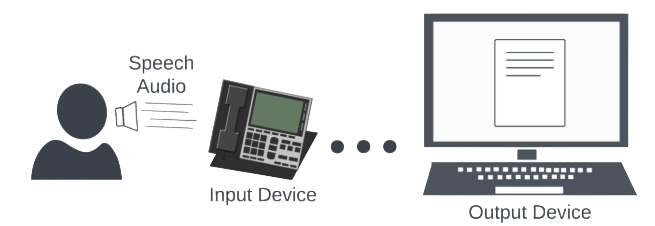
Speech Recognition Converts Spoken Language Into Text. AI Models Process Audio Signals And Identify Words. It Powers Voice Assistants And Transcription Tools. Accuracy Has Improved Significantly In Recent Years. Speech Recognition Enhances Accessibility. It Supports Hands-Free Interaction With Technology. This Capability Is Essential For Voice-Based AI. It Makes Human-Computer Communication More Convenient.
69. What Is Text-To-Speech (TTS)?
Ans:
- Text-To-Speech Converts Written Text Into Spoken Audio. It Uses AI To Generate Natural-Sounding Voices. TTS Supports Accessibility Applications.
- It Is Used In Virtual Assistants And Navigation Systems. Modern TTS Systems Produce Human-Like Speech. The Technology Enhances User Engagement.
- It Improves Communication Across Platforms. TTS Helps Deliver Information In An Audible Format.
70. What Is Computer Vision?
Ans:
Computer Vision Enables Machines To Interpret Visual Information. It Processes Images And Videos For Analysis. Applications Include Object Detection And Facial Recognition. Computer Vision Uses Deep Learning Models Extensively. It Supports Automation Across Industries. The Technology Continues To Evolve Rapidly. It Expands The Capabilities Of AI Systems. Computer Vision Enables Smarter Visual Decision-Making.
71. What Is Image Generation?.
Ans:
Image Generation Uses AI To Create New Images From Inputs. Models Learn Visual Patterns From Large Datasets. Users Can Generate Realistic Or Artistic Content. Image Generation Supports Design And Creativity. GANs And Diffusion Models Are Common Approaches. The Technology Is Widely Used In Media Industries. It Opens New Opportunities For Content Creation. Image Generation Is Transforming Digital Creativity Worldwide.
72. What Is A Diffusion Model?
Ans:
A Diffusion Model Generates Data By Gradually Removing Noise. It Starts With Random Noise And Creates Meaningful Content. Diffusion Models Produce High-Quality Images. They Are Popular In Modern Generative AI Systems. Training Requires Significant Computational Resources. These Models Continue Improving Rapidly. They Are Widely Used For Creative Applications. Diffusion Models Have Become Key Tools For AI Art Generation.
73. What Is AI Copilot?
Ans:
An AI Copilot Is An Intelligent Assistant That Supports Users In Tasks. It Provides Suggestions And Automates Repetitive Work. AI Copilots Enhance Productivity. They Are Used In Coding, Writing, And Business Applications. These Systems Leverage Generative AI Technologies. They Help Users Work More Efficiently. AI Copilots Are Becoming Increasingly Popular. They Enable Faster And Smarter Task Completion Across Industries.
74. What Is Microsoft Copilot?
Ans:
Microsoft Copilot Is An AI-Powered Assistant Integrated Into Microsoft Products. It Helps Users Create Content And Analyze Information. Copilot Supports Productivity Across Workflows. It Uses Advanced Language Models For Assistance. Businesses Benefit From Improved Efficiency. The Tool Is Available Across Multiple Microsoft Services. It Represents Microsoft’s Vision For AI Integration.
75. What Is Azure AI?
Ans:
Azure AI Is Microsoft’s Cloud-Based AI Platform. It Provides Tools And Services For Building AI Solutions. Developers Can Access Machine Learning And Cognitive Services. Azure AI Supports Generative AI Applications. It Enables Scalable And Secure Deployments. Organizations Use It Across Various Industries. Azure AI Accelerates Innovation And Development.
76. What Is Responsible AI?
Ans:
Responsible AI Focuses On Developing AI Systems Ethically And Safely. It Includes Fairness, Transparency, And Accountability. Responsible AI Reduces Risks To Users. Organizations Follow Governance Frameworks For Compliance. It Builds Trust In AI Technologies. Responsible Practices Support Long-Term Adoption. This Approach Is Essential For Sustainable AI Growth.
77. What Is AI Governance?
Ans:
AI Governance Refers To Policies And Processes For Managing AI Systems. It Ensures Compliance With Regulations And Standards. Governance Supports Transparency And Accountability. Organizations Use Governance Frameworks To Reduce Risks. It Helps Maintain Ethical AI Practices. Effective Governance Improves Trustworthiness. It Is A Critical Aspect Of Enterprise AI.
78. What Is Data Privacy In AI?
Ans:
- Data Privacy In AI Protects Personal And Sensitive Information. Organizations Implement Security Measures To Safeguard Data.
- Privacy Compliance Is Required By Many Regulations. Users Expect Responsible Data Handling. Strong Privacy Practices Build Trust.
- AI Systems Must Respect User Rights. Data Privacy Is Fundamental To Ethical AI. It Ensures Secure And Responsible Use Of Information
79. What Is AI Scalability?
Ans:
AI Scalability Refers To The Ability Of Systems To Handle Growth Efficiently. Scalable Solutions Support More Users And Data. Cloud Platforms Enable AI Scalability. Efficient Architectures Improve Performance. Scalability Is Important For Enterprise Applications. It Supports Long-Term Business Growth. Proper Planning Ensures Sustainable Expansion. Scalable AI Systems Adapt Easily To Increasing Demands.
80. Write A Python Program To Remove Spaces From A String
Ans:
- text = “Generative AI”
- result = text.replace(” “, “”)
- print(result)
81. What Is An AI Agent?
Ans:
An AI Agent Is A System That Can Perceive Information, Make Decisions, And Perform Actions To Achieve Specific Goals. It Operates Autonomously Based On Rules Or Learned Behaviors. AI Agents Can Interact With Users And Environments. They Are Used In Chatbots, Automation, And Robotics. Modern AI Agents Often Use Large Language Models. They Improve Efficiency In Complex Tasks. AI Agents Are Becoming Essential In Intelligent Systems. They Enable Smarter And More Autonomous Workflows.
82. What Is A Multi-Agent System?
Ans:
A Multi-Agent System Consists Of Multiple AI Agents Working Together. Each Agent Performs Specific Tasks Or Roles. Agents Communicate And Coordinate To Solve Problems. This Approach Improves Scalability And Efficiency. Multi-Agent Systems Are Used In Logistics And Simulations. They Support Complex Decision-Making Processes. Collaboration Between Agents Enhances Performance. These Systems Mimic Teamwork Found In Real-World Environments.
83. What Is Federated Learning?
Ans:
- Federated Learning Trains AI Models Across Multiple Devices Without Sharing Raw Data. Each Device Learns Locally And Shares Model Updates.
- This Approach Improves Privacy And Security. Federated Learning Reduces Data Transfer Requirements. It Is Commonly Used In Mobile Applications.
- The Technique Helps Protect Sensitive Information. It Enables Collaborative Model Training. Federated Learning Supports Privacy-Preserving AI Development.
84. What Is MLOps?
Ans:
MLOps Combines Machine Learning, DevOps, And Automation Practices. It Helps Manage The Entire AI Lifecycle Efficiently. MLOps Covers Development, Deployment, Monitoring, And Maintenance. It Improves Reliability And Scalability Of AI Systems. Organizations Use MLOps To Streamline Workflows. The Practice Supports Continuous Improvement. MLOps Enhances Collaboration Between Teams. It Is Essential For Production-Ready AI Solutions.
85. What Is AI Monitoring?
Ans:
AI Monitoring Involves Tracking Model Performance After Deployment. It Helps Detect Errors And Performance Issues. Monitoring Ensures Models Continue Producing Accurate Results. Organizations Use Monitoring Tools For Real-Time Insights. It Supports Reliability And Compliance Requirements. AI Monitoring Helps Identify Data Changes Quickly. Continuous Monitoring Improves System Stability. It Is A Key Part Of Responsible AI Operations.
86. What Is Model Evaluation?
Ans:
Model Evaluation Measures How Well An AI Model Performs. It Uses Metrics Such As Accuracy, Precision, And Recall. Evaluation Helps Compare Different Models. Proper Testing Ensures Reliable Performance. It Identifies Strengths And Weaknesses In Models. Evaluation Is Essential Before Deployment. High-Quality Evaluation Improves Decision-Making. It Ensures AI Solutions Meet Business Requirements.
87. What Is Accuracy In Machine Learning?
Ans:
Accuracy Measures The Percentage Of Correct Predictions Made By A Model. It Is One Of The Most Common Evaluation Metrics. Higher Accuracy Indicates Better Performance. Accuracy Is Easy To Understand And Calculate. However, It May Not Suit Imbalanced Datasets. Other Metrics Are Often Used Alongside Accuracy. Proper Evaluation Requires Multiple Performance Measures. Accuracy Provides A Quick Overview Of Model Effectiveness.
88. What Is Precision?
Ans:
Precision Measures How Many Positive Predictions Are Actually Correct. It Focuses On Reducing False Positives. Precision Is Important In Applications Like Fraud Detection. High Precision Indicates Reliable Positive Predictions. It Helps Improve Decision Quality. Precision Is Commonly Used With Recall. Balancing Both Metrics Is Important. Precision Reflects The Trustworthiness Of Positive Results.
89. What Is Recall?
Ans:
Recall Measures How Many Actual Positive Cases Are Correctly Identified. It Focuses On Reducing False Negatives. Recall Is Critical In Healthcare And Safety Applications. High Recall Ensures Important Cases Are Not Missed. It Complements Precision During Evaluation. Both Metrics Provide A Complete Performance Picture. Recall Helps Improve Detection Capabilities. It Is Essential For Risk-Sensitive Systems.
90. Write A Python Program To Find The Length Of A String.
Ans:
This Program Finds The Total Number Of Characters In A String. The len() Function Returns The Length Including Spaces. Measuring Text Length Is Useful In NLP And Data Analysis.
- text = “Artificial Intelligence”
- print(len(text))
91. What Is AUC?
Ans:
AUC Stands For Area Under The ROC Curve. It Measures A Model’s Ability To Distinguish Between Classes. Higher AUC Values Indicate Better Classification Performance. AUC Is Useful For Binary Classification Problems. It Evaluates Performance Across Different Thresholds. The Metric Is Widely Used In AI Research. AUC Helps Compare Competing Models. It Provides Insights Into Predictive Capability.
92. What Is Data Drift?
Ans:
- Data Drift Occurs When Input Data Changes Over Time. These Changes Can Reduce Model Performance. Data Drift Happens Due To Evolving User Behavior Or Conditions.
- Monitoring Helps Detect Drift Early. Organizations Must Retrain Models When Necessary. Managing Drift Maintains Accuracy.
- It Is A Common Challenge In Production AI Systems. Data Drift Requires Continuous Attention And Maintenance.
93. What Is Concept Drift?
Ans:
Concept Drift Occurs When The Relationship Between Inputs And Outputs Changes. A Model’s Learned Patterns Become Less Accurate Over Time. Concept Drift Affects Long-Term Performance. Regular Updates Help Address This Issue. It Commonly Occurs In Dynamic Environments. Monitoring Detects Changes In Data Behavior. Concept Drift Requires Adaptive AI Strategies. Managing It Ensures Continued Model Effectiveness.
94. What Is AI Automation?
Ans:
AI Automation Uses Artificial Intelligence To Perform Tasks With Minimal Human Intervention. It Improves Efficiency And Productivity. Automation Reduces Repetitive Manual Work. AI Systems Can Analyze Data And Make Decisions. Businesses Use Automation Across Various Processes. It Supports Faster Operations And Cost Savings. AI Automation Enhances Organizational Performance. It Is Transforming Modern Workplaces Rapidly.
95. What Is AI Security?
Ans:
AI Security Protects AI Systems From Threats And Attacks. It Includes Data Protection And Model Safeguards. Security Measures Prevent Unauthorized Access. AI Security Helps Maintain Reliability And Trust. Organizations Implement Policies To Reduce Risks. Continuous Testing Improves Security Posture. Secure AI Systems Protect Valuable Assets. AI Security Is Critical For Safe Deployment.
96. What Is AI Compliance?
Ans:
- AI Compliance Ensures AI Systems Follow Legal And Regulatory Requirements. Organizations Must Adhere To Industry Standards.
- Compliance Supports Transparency And Accountability. It Helps Reduce Legal And Operational Risks. Proper Documentation Is Often Required.
- Compliance Builds User And Stakeholder Trust. It Promotes Responsible AI Practices. AI Compliance Is Increasingly Important Worldwide.
97. What Are AI Regulations?
Ans:
AI Regulations Are Rules And Guidelines Governing AI Development And Use. They Aim To Protect Users And Society. Regulations Address Privacy, Fairness, And Safety Concerns. Governments Are Developing New AI Policies. Compliance With Regulations Is Essential. Organizations Must Stay Updated On Legal Changes. Regulations Encourage Responsible Innovation. They Help Ensure Ethical Use Of AI Technologies.
98. What Is The Future Of Generative AI?
Ans:
The Future Of Generative AI Includes More Powerful And Efficient Models. AI Systems Will Become More Multimodal And Interactive. Businesses Will Adopt AI Across More Functions. Research Will Improve Accuracy And Safety. Generative AI Will Support Creativity And Innovation. Ethical Development Will Remain Important. New Applications Will Continue Emerging. The Technology Is Expected To Transform Many Industries.
99. What Career Opportunities Exist In Generative AI?
Ans:
- Generative AI Offers Careers In Research, Development, Data Science, And Engineering. Professionals Build And Deploy AI Solutions.
- Organizations Need Experts In Prompt Engineering And MLOps. Demand For AI Skills Continues Growing Rapidly.
- Opportunities Exist Across Multiple Industries. Continuous Learning Is Important For Success. AI Careers Provide Strong Growth Potential. The Field Offers Exciting And Innovative Work Opportunities.
100. Why Should Freshers Learn Generative AI?
Ans:
Freshers Should Learn Generative AI Because It Is A High-Demand Technology. AI Skills Improve Employability And Career Growth. Understanding AI Helps Solve Real-World Problems. Generative AI Is Being Adopted Across Industries. Learning It Builds Technical And Analytical Skills. Knowledge Of AI Creates New Opportunities. It Prepares Freshers For Future Careers. Generative AI Expertise Can Provide A Strong Competitive Advantage.