LMS
LMS![30+ Job Winning Strengths To Put In Resume [With Detailed Examples] Article](https://www.acte.in/wp-content/uploads/2026/07/10-1.jpeg)
Last updated on 25th Jul 2026| 8214

- Introduction to Resume Strengths
- Why Strengths Matter More Than You Think in a Resume
- Difference Between Skills and Strengths
- How Recruiters Evaluate Strengths on a Resume
- Top Professional Strengths for Freshers
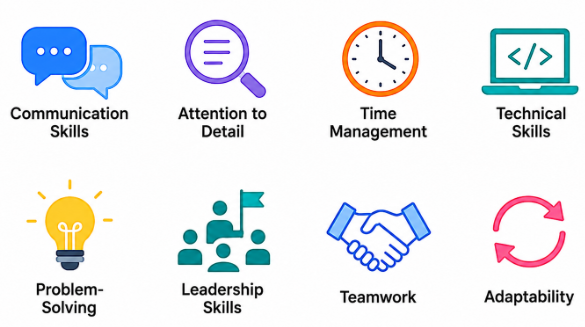
- Top Personal and Interpersonal Strengths
- Technical Strengths to Highlight for Different Roles
- How to Present Strengths with Real Examples
- Common Mistakes When Listing Strengths
- Conclusion: Turning Strengths into Job Offers
Introduction to Resume Strengths
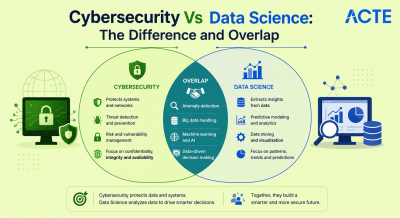
A resume is often judged within seconds, and one of the most overlooked yet powerful sections of that document is the strengths section, which gives recruiters a quick snapshot of who a candidate really is beyond their marksheets and certificates. Strengths are the personal and professional qualities that shape how a candidate approaches problems, interacts with teams, handles pressure, and delivers results, and when they are presented clearly, they help a recruiter visualize the candidate performing well in the actual job role. Many freshers make the mistake of listing generic words such as hardworking or dedicated without any context, which makes the resume look identical to hundreds of others in the same pile. A strong strengths section, on the other hand, connects a quality with a real situation, a specific action, and a measurable or observable outcome, turning an abstract trait into a believable and memorable statement. This is especially important for freshers and interns who may not have extensive work experience to showcase, because strengths become the bridge that convinces a recruiter that the candidate has the right mindset and attitude to learn quickly and adapt to a professional environment. For example, candidates developing technical expertise through Data Science Training can demonstrate strengths such as analytical thinking, problem-solving, attention to detail, and adaptability through relevant projects and practical work. Strengths also help differentiate two candidates who may have similar academic scores or similar project lists, since the way a person collaborates, communicates, or solves problems often becomes the deciding factor in a competitive hiring process. This article explains why strengths matter, how they differ from skills, how recruiters evaluate them, and provides more than thirty job-winning strengths with detailed examples that freshers can adapt directly into their own resumes.
Why Strengths Matter More Than You Think in a Resume
Strengths matter because they reveal the human side of a candidate that technical skills and academic scores simply cannot capture on their own. A recruiter reading a resume is not only trying to determine whether a candidate can perform a technical task, but also whether that candidate will fit into the team culture, handle deadlines responsibly, and grow into the role over time. Strengths answer these unspoken questions by demonstrating qualities such as adaptability, ownership, and resilience, which are consistently ranked among the top qualities that hiring managers look for in fresh graduates. Since most freshers share similar coursework, similar certifications, and sometimes even similar project topics, strengths become one of the few genuinely differentiating factors on a resume, allowing a candidate to stand out through the way they describe their working style rather than only through their subject knowledge. Candidates can also explore these resume writing tips for additional guidance on presenting their strengths and other resume elements effectively. In short, strengths are not a decorative add-on to a resume; they are a strategic tool that shapes first impressions, differentiates candidates in a crowded applicant pool, and prepares the ground for a successful interview discussion. A well-articulated strength also builds confidence in the recruiter that the candidate has a degree of self-awareness, since identifying and explaining a personal strength with a real example requires genuine reflection rather than simply copying a list of buzzwords from the internet. Strengths further influence the interview stage because recruiters frequently ask candidates to elaborate on the strengths mentioned in their resume, meaning a well-prepared strengths section can set the tone for a confident and coherent interview conversation.
Get Your Data Science Certification by Learning from Industry-Leading Experts and Advancing Your Career with ACTE’s Data Science Training.
Difference Between Skills and Strengths
- Nature of the Quality: Skills are learned technical or functional abilities gained through courses, training, or practice, while strengths are behavioral traits and working styles that describe how a person operates. This distinction helps recruiters separate what a candidate can do from how they do it.
- Measurability: Skills can often be measured directly through certifications, test scores, or demonstrated project outcomes, whereas strengths are usually demonstrated through described behavior and real-life examples rather than a formal score. This makes strengths slightly harder to prove, which is why examples are essential.
- How They Are Presented: Skills are usually listed as short keywords or a bulleted list of tools and technologies, while strengths require a short explanation or example to make them credible and specific rather than generic. Presenting them differently on the resume avoids confusion and improves readability. Candidates should also consider using an ATS resume guide to understand how different resume elements can be structured for both recruiters and applicant tracking systems.
- Transferability: Technical skills are often role-specific, such as knowing a particular programming language or software tool, while strengths like communication or problem-solving transfer across almost every job role and industry. This universal transferability is exactly why recruiters value strengths so highly for freshers.
How Recruiters Evaluate Strengths on a Resume
Recruiters do not simply skim a list of strengths and accept them at face value; they actively look for evidence, consistency, and relevance before forming an opinion about a candidate. Evidence means that a strength must be backed by a specific instance, project, or achievement rather than standing alone as an unsupported adjective, since a claim like “excellent leadership skills” without context carries very little weight during a quick resume scan. Consistency means that the strengths mentioned should align with the rest of the resume, including the projects, certifications, and experiences described elsewhere, because a mismatch between claimed strengths and demonstrated activities can raise doubts about authenticity. Relevance means that the strengths listed should connect logically to the specific role being applied for, so a candidate applying for a data-focused role should emphasize analytical thinking and attention to detail, while a candidate applying for a client-facing role should emphasize communication and relationship management. Recruiters also pay close attention to the language used, favoring active and specific phrasing over vague or overused buzzwords that appear in nearly every other resume they review that day.

Get JOB Oriented Data Science Training for Beginners By MNC Experts
- Instructor-led Sessions
- Real-life Case Studies
- Assignments
Top Professional Strengths for Freshers
- Problem-Solving Ability: Breaks down complex issues into manageable steps and identifies practical solutions efficiently. Example: Resolved a recurring bug during a college project by systematically isolating the faulty module and testing each component individually.
- Time Management: Prioritizes tasks effectively and consistently meets deadlines without compromising quality. Example: Completed a group assignment two days ahead of schedule by creating a task timeline and tracking daily progress.
- Adaptability: Adjusts quickly to new tools, environments, or changing requirements with minimal disruption. Example: Learned a new reporting tool within three days when a professor unexpectedly changed the submission format for a semester project.
- Attention to Detail: Notices small errors or inconsistencies that others might overlook, ensuring higher quality output. Example: Caught a formatting error in a shared research paper before final submission, preventing a grade deduction for the team.
- Ownership and Accountability: Takes responsibility for tasks from start to finish and does not wait for constant supervision. Example: Independently managed the documentation section of a final-year project without being reminded by the team lead.
- Goal Orientation: Stays focused on defined objectives and consistently works towards measurable outcomes. Example: Set a personal target to complete a certification within six weeks and finished it four days early. Candidates can further strengthen how these qualities are presented by reviewing these resume summary examples and understanding how professional qualities can be communicated effectively.
- Critical Thinking: Evaluates information logically before drawing conclusions rather than accepting assumptions at face value. Example: Questioned an assumed dataset trend during a class project and discovered a data entry error that changed the final analysis.
- Decision-Making: Weighs available options and makes timely, informed choices even under limited information. Example: Chose a backup testing tool within an hour when the primary tool failed during a hackathon, allowing the team to continue without major delay.
- Multitasking: Manages multiple responsibilities simultaneously without a significant drop in output quality. Example: Balanced coursework, a part-time certification course, and a personal coding project during the same semester while maintaining consistent grades.
- Initiative: Identifies opportunities for improvement and acts on them without being explicitly instructed to do so. Example: Proposed and built an automated attendance tracker for a college club after noticing repeated manual errors.
- Analytical Thinking: Interprets data and patterns methodically to draw meaningful and accurate conclusions. Example: Analyzed survey responses from a college event and identified a clear pattern that shaped next year’s planning decisions.
Want to Master Gen AI? Explore the Data Science Master Program Offered at ACTE Today!
Top Personal and Interpersonal Strengths
- Communication Skills: Explains ideas clearly and listens actively to ensure mutual understanding among team members. Example: Presented a technical project to a non-technical audience during a college demo day and received positive feedback for clarity.
- Teamwork and Collaboration: Works effectively with diverse individuals, contributing ideas while respecting differing viewpoints. Example: Coordinated with four teammates across different roles to deliver a functional prototype within a tight hackathon deadline.
- Leadership Potential: Guides and motivates peers towards a common goal, even without holding a formal authority position. Example: Volunteered to lead a five-member project team, delegating tasks based on individual strengths and ensuring timely completion.
- Open-Mindedness: Welcomes feedback and new ideas without becoming defensive or dismissive. Example: Revised an entire section of a report after a mentor’s critical feedback, resulting in a significantly improved final submission. Freshers can also explore these resume tips inspired by candidates to understand how interpersonal qualities and professional strengths can be presented more effectively.
- Empathy: Understands and considers the feelings and perspectives of others during interactions and decision-making. Example: Adjusted a project presentation style after noticing a teammate struggling to follow technical jargon, making the explanation more accessible.
- Patience: Remains calm and composed while working through repetitive tasks or challenging situations. Example: Spent several hours debugging a recurring error without frustration, eventually tracing it to a minor configuration issue.
- Positive Attitude: Maintains optimism and encourages team morale even during stressful project phases. Example: Kept team spirits high during a failed demo attempt by focusing discussion on quick fixes rather than dwelling on the setback.
- Conflict Resolution: Addresses disagreements calmly and works towards solutions that satisfy all parties involved. Example: Mediated a disagreement between two teammates over task division by proposing a fair rotation system.
- Self-Motivation: Stays driven and productive without requiring constant external encouragement or supervision. Example: Continued learning a new framework independently over a semester break to prepare for an upcoming internship interview.
- Resilience: Recovers quickly from setbacks and continues working towards goals despite obstacles or failures. Example: Rebuilt a corrupted project file from scratch two days before submission and still delivered on time.
- Fast Learning of New Technologies: Picks up new programming languages, tools, or platforms quickly with minimal guidance. Example: Learned the basics of a new automation tool within two days to complete an unplanned assignment change.
- Debugging and Troubleshooting: Methodically identifies the root cause of technical issues rather than applying temporary fixes. Example: Traced a persistent application crash to a memory leak after systematically reviewing the codebase section by section.
- Research Orientation: Investigates unfamiliar problems thoroughly using documentation, forums, and structured experimentation. Example: Independently researched and implemented an unfamiliar API integration after official documentation proved incomplete.
- Tool Proficiency Under Pressure: Applies technical tools confidently and accurately even within tight deadlines. Example: Completed a data visualization task within three hours during a timed college assessment using a tool learned only a week earlier. Candidates can also refer to these data analytics resume tips to understand how technical capabilities can be presented with relevant evidence.
- Data-Driven Thinking: Relies on data and evidence rather than assumptions when making technical or design decisions. Example: Used survey data instead of personal opinion to decide which feature to prioritize in a mini-project.
- Process Orientation: Follows structured methodologies and documentation practices consistently across tasks. Example: Maintained a detailed changelog throughout a semester-long project, which simplified final report preparation significantly.
- Using Generic Buzzwords Without Context: Words like “hardworking” or “dedicated” without any supporting example feel hollow and are quickly overlooked by recruiters scanning dozens of similar resumes. Adding a brief real-world instance instantly makes such claims more convincing.
- Listing Too Many Strengths: Cramming in fifteen or twenty strengths without depth dilutes their impact and makes the section look like a copied list rather than a thoughtful selection. Choosing six to ten well-explained strengths is far more effective.
- Copying Strengths Irrelevant to the Role: Including strengths that have no connection to the target job, such as emphasizing artistic creativity for a strictly data-focused role, can confuse recruiters about the candidate’s actual fit. Strengths should always be aligned with the job description. Candidates pursuing technical careers, such as those completing Data Science Training, should focus on relevant strengths such as analytical thinking, problem-solving, attention to detail, and adaptability.
- Repeating the Same Example Multiple Times: Using one single project to justify every strength on the resume makes the candidate appear to have limited real-world exposure. Varying examples across different experiences paints a fuller picture of the candidate’s abilities.
- Overstating or Exaggerating Claims: Claiming expert-level mastery of a strength without being able to back it up in an interview can damage credibility once questioned in detail. Honest, modest claims supported by real evidence build far more trust than exaggerated statements.
Want to Master Gen AI? Explore the Data Science Master Program Offered at ACTE Today!
Technical Strengths to Highlight for Different Roles
How to Present Strengths with Real Examples
Listing a strength without context rarely convinces a recruiter, which is why presenting each strength alongside a brief, concrete example dramatically increases its impact. A simple and effective structure is to state the strength first, followed by one or two sentences describing a specific situation, the action taken, and the resulting outcome, similar to a compact version of the widely used STAR method. For instance, instead of writing only “good communication skills,” a candidate could write that they explained a technical concept to a non-technical panel during a college presentation and received positive feedback for clarity, which immediately makes the claim believable and specific. It is also helpful to vary the examples used across different strengths so that the resume does not repeat the same project or situation multiple times, since this repetition can make the strengths section feel forced rather than genuine. Where possible, candidates should try to include a measurable detail, such as a percentage improvement, a time saved, or a specific number of people involved, because numbers naturally draw a recruiter’s attention and add credibility to the statement. For example, candidates completing Data Science Training can demonstrate strengths such as analytical thinking and problem-solving by describing how they worked with datasets, developed practical projects, or identified meaningful insights. Finally, candidates should ensure that the examples chosen for the resume are ones they can comfortably discuss in greater depth during an interview, since a strong resume example often becomes the opening point of a behavioral interview question.
Want to Learn About Data Science? Explore Our Data Science Interview Questions and Answers Featuring the Most Frequently Asked Questions in Job Interviews.
Common Mistakes When Listing Strengths
Conclusion: Turning Strengths into Job Offers
A resume that lists thirty or more well-chosen, well-explained strengths does not need to include all of them at once; rather, it should draw from this wide pool to select the handful that best match the target role and present them with genuine, specific examples. Strengths act as the human counterpart to technical skills, giving recruiters confidence that a candidate will not only perform the required tasks but also fit well within the team, adapt to challenges, and grow steadily within the organization. Freshers who take the time to reflect honestly on their own working style, gather real examples from academic projects, internships, or personal initiatives, and align these examples with the specific job description will consistently stand out from candidates who rely only on generic buzzwords. Because interviewers frequently build their questions directly from the strengths mentioned on a resume, preparing this section carefully also means preparing for a more confident and coherent interview performance. Candidates can further improve their overall resume strategy by following these build a resume that lands your dream job, particularly when connecting personal strengths with relevant achievements and career goals. Ultimately, the goal is not simply to list impressive-sounding words but to tell a small, credible story around each strength, transforming a static resume section into a genuine reflection of the candidate’s potential and turning strengths into real, job-winning opportunities.