LMS
LMS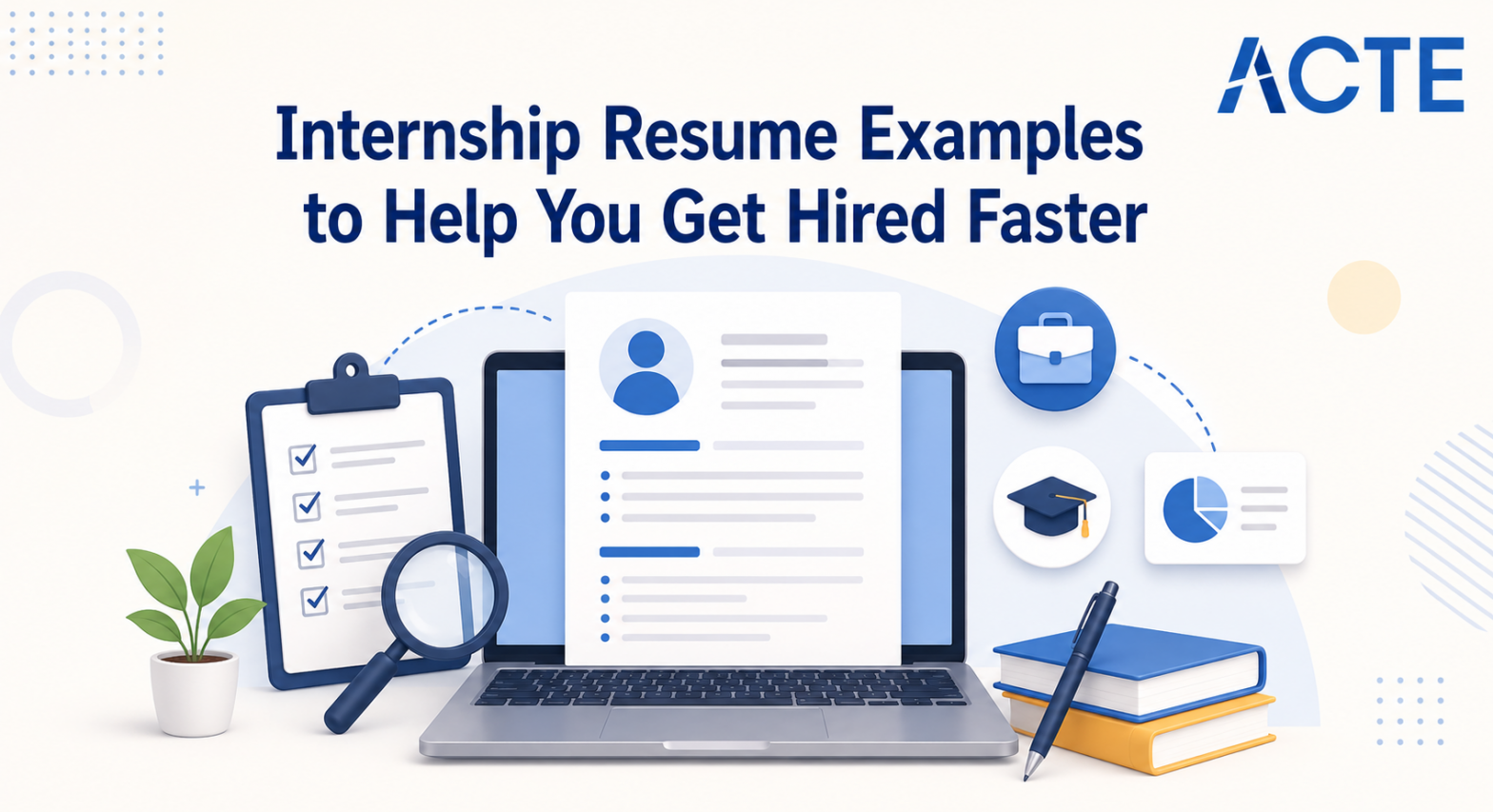
Last updated on 25th Jul 2026| 8168

- Introduction to Internship Resumes
- Why Internship Resumes Are More Important Than You Think
- Understanding Recruiter Expectations and Hiring Criteria
- The Gap Between Academic Achievements and Resume Impact
- Essential Sections of a Winning Internship Resume
- Highlighting Skills, Tools, and Technologies Effectively
- Showcasing Projects, Experience, and Real-World Exposure
- Common Mistakes to Avoid in Internship Resumes
- How to Improve and Optimize Your Resume for Better Results
- Conclusion: Turning Your Resume into a Job-Winning Tool
Introduction to Internship Resumes
An internship resume is one of the most critical tools for students and fresh graduates who are preparing to enter the professional world, as it serves as the first impression a recruiter has of a candidate’s capabilities, potential, and readiness for real-world work environments. Unlike academic records that primarily reflect theoretical knowledge, a resume is expected to present a balanced combination of education, practical exposure, technical skills, and personal strengths in a clear and structured manner. It acts as a bridge between classroom learning and industry expectations, much like how internships themselves expose individuals to real business problems, tools, and collaborative work environments. A well-crafted internship resume should not simply list qualifications but should tell a story about the candidate’s journey, highlighting how they have applied their knowledge through projects, coursework, certifications, or self-initiated learning. For example, students pursuing technical fields such as Data Science Training can highlight relevant projects, analytical skills, programming knowledge, and practical experience to strengthen their internship resume. It should demonstrate curiosity, willingness to learn, adaptability, and problem-solving ability, which are highly valued in professional settings. Additionally, an effective resume uses simple language, proper formatting, and logical organization to ensure that recruiters can quickly understand the candidate’s profile within a few seconds. Since most recruiters scan resumes rather than read them in detail, clarity and relevance become essential factors. Including measurable achievements, relevant keywords, and role-specific information further increases the chances of selection. Ultimately, an internship resume is not just a document but a strategic representation of a candidate’s potential, helping them stand out in a competitive job market and secure opportunities that contribute to long-term career growth.
Why Internship Resumes Are More Important Than You Think
Internship resumes are often underestimated by students, but they play a decisive role in determining whether a candidate gets shortlisted for an opportunity or overlooked in a highly competitive hiring process. In reality, recruiters receive a large number of applications for a limited number of internship positions, and they typically spend only a few seconds reviewing each resume before making a decision. This makes it essential for candidates to present their information in a concise, impactful, and professional manner that immediately captures attention. A strong internship resume not only reflects academic achievements but also demonstrates how effectively a candidate can apply their knowledge to real-world situations, similar to how internships require individuals to work with practical problems, deadlines, and team collaboration. In today’s hiring process, understanding how applicant tracking systems work can further improve your chances, so explore this ATS Resume Guide to optimize your resume for recruiters and ATS software. It highlights key skills such as programming, data analysis, communication, teamwork, and adaptability, all of which are critical for success in any professional role. Furthermore, a well-prepared resume shows that a candidate is serious about their career, has invested time in self-improvement, and understands the importance of presenting themselves professionally. On the other hand, a poorly structured resume with irrelevant details, lack of clarity, or grammatical errors can create a negative impression and reduce the chances of selection, even if the candidate has strong technical skills. Internship resumes also serve as a foundation for interviews, as recruiters often base their questions on the information provided in the resume. Therefore, a strong resume not only helps in getting shortlisted but also prepares candidates for further stages of the hiring process.
Ready to Pursue Your Data Science Certificate? View The Data Science Course Training Offered By ACTE Right Now!
Understanding Recruiter Expectations and Hiring Criteria
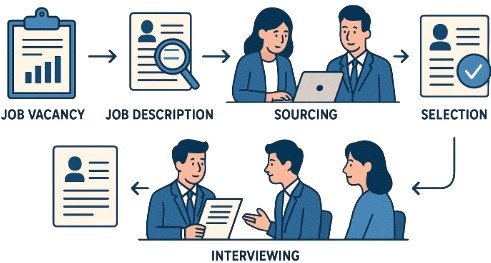
Understanding recruiter expectations and hiring criteria is essential for creating an internship resume that aligns with industry requirements and increases the likelihood of getting hired faster. Recruiters are not just looking for candidates with high academic scores; they are more interested in individuals who demonstrate a combination of technical knowledge, practical skills, problem-solving ability, communication, and adaptability. These expectations are closely aligned with the realities of internships, where individuals are required to handle real-world challenges, work with complex data, learn new tools quickly, and collaborate with different teams. One of the key factors recruiters focus on is relevance, meaning that the information included in the resume should match the requirements of the role. For example, candidates applying for technical internships are expected to highlight programming languages, tools, and project experience, while those applying for business roles should focus on analytical skills, communication, and domain knowledge. Recruiters also value clarity and structure, as they often review resumes quickly and need to identify key information without confusion. Proper formatting, consistent headings, bullet points, and concise descriptions help in making the resume more readable and professional. Another important expectation is evidence of practical experience, which can include academic projects, internships, certifications, or personal initiatives that demonstrate the ability to apply knowledge in real situations.
The Gap Between Academic Achievements and Resume Impact
- Theoretical Knowledge vs Practical Application: Students often focus only on academic scores, but recruiters expect candidates to demonstrate how they apply knowledge in real-world situations. Academic learning builds concepts, but resumes must show implementation, tools used, and outcomes achieved. Without practical exposure, candidates may appear unprepared for professional roles. Presenting real applications helps bridge this gap effectively. For students pursuing technical fields such as Data Science Training, highlighting practical projects and applied skills can make academic achievements more relevant to recruiters.
- Structured Learning vs Industry Complexity: Academic assignments usually have clear instructions and defined outcomes, while industry tasks are often dynamic and unstructured. Candidates must adapt their learning to handle uncertainty and problem-solving situations. Resumes should reflect this by showing how projects handled real challenges. This improves alignment with workplace expectations.
- Individual Performance vs Team Collaboration: Academic success is mostly individual, whereas industry work depends heavily on teamwork and collaboration. Candidates should highlight group projects, presentations, and teamwork experiences. This demonstrates communication and coordination skills. It also shows readiness for real professional environments.
- Lack of Industry-Oriented Presentation: Many students list subjects and marks without explaining their relevance. Recruiters look for tools, technologies, and measurable achievements. Proper structuring and explanation of work improve resume impact. This transforms academic details into job-relevant information.
Essential Sections of a Winning Internship Resume
- Personal Information and Professional Links: A resume should begin with clear details such as name, phone number, email, and LinkedIn or GitHub links. This ensures recruiters can easily contact the candidate. The section must be clean and professional. A strong first impression increases credibility.
- Education and Relevant Coursework: This section should include degree, institution, and subjects related to the internship role. Highlighting relevant coursework improves alignment with job requirements. Adding achievements such as awards strengthens the profile. It helps recruiters quickly evaluate academic background.
- Projects and Practical Experience: This section shows how candidates apply knowledge in real-world scenarios. Projects should include problem statement, tools used, and results achieved. Even academic projects can be impactful if explained properly. This is often the most important section for recruiters. To understand how to present project details effectively, refer to Project Description In Resume.
- Technical and Soft Skills: Candidates must include both technical skills and interpersonal skills required for the role. Listing tools, programming languages, and technologies improves relevance. Soft skills like communication and teamwork are equally important. Proper categorization improves readability and clarity.

Highlighting Skills, Tools, and Technologies Effectively
- Learning New Tools Quickly: Interns are often required to learn new technologies in a short time and apply them in projects. Candidates should reflect this ability in their resumes by showing adaptability and fast learning. Mentioning exposure to modern tools improves credibility. It aligns with real internship expectations.
- Using Industry-Relevant Technologies: Resumes should include tools and technologies commonly used in the industry. This helps recruiters quickly assess technical suitability. Mentioning relevant platforms increases chances of selection. It shows awareness of industry standards.
- Demonstrating Practical Usage of Skills: Simply listing skills is not enough; candidates must show how they used them in projects. Adding context and outcomes makes the resume more impactful. This approach proves real experience. It increases trust and credibility. For more guidance on presenting skills effectively, explore Resume Writing Tips .
- Continuous Learning and Adaptability: The ability to continuously learn new tools is highly valued in internships. Candidates should highlight certifications, courses, and self-learning efforts. This shows commitment to growth. It also reflects long-term career readiness.
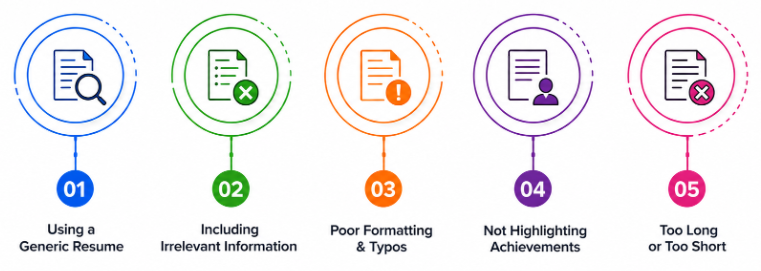
- Including Irrelevant Information: Many candidates add unnecessary details that are not related to the internship role. This reduces the clarity and focus of the resume. Recruiters prefer concise and relevant information that directly matches job requirements. Removing irrelevant content improves readability and impact.
- Lack of Proper Structure and Formatting: Poor formatting makes resumes difficult to read and understand quickly. Inconsistent headings, fonts, and spacing create a negative impression. A well-structured resume improves clarity and professionalism. Clean formatting helps recruiters scan information easily.
- Listing Skills Without Proof or Examples: Simply mentioning skills without showing their application reduces credibility. Recruiters look for evidence through projects or experience. Providing examples adds depth and authenticity to the resume. Candidates preparing for technical internships can strengthen their skills through Data Science Training, which can also help them build practical project experience for their resumes.
- Ignoring Spelling and Grammar Errors: Mistakes in language create a poor impression and reflect lack of attention to detail. Even strong candidates can get rejected due to simple errors. Proofreading ensures clarity and professionalism. A clean, error-free resume builds trust with recruiters.
- Customize Resume for Each Role: A generic resume may not match specific job requirements. Tailoring content based on the internship role improves relevance. Highlighting role-specific skills increases chances of selection. Customization shows effort and understanding of the position.
- Use Clear and Impactful Language: Resumes should use simple, concise, and action-oriented language. Avoid long and complex sentences that reduce clarity. Strong words help highlight achievements effectively. Clear communication improves readability and engagement.
- Keep Updating and Improving Regularly: A resume should not remain static and must be updated with new skills and experiences. Continuous improvement reflects growth and learning. Adding recent projects or certifications keeps the resume relevant. Regular updates increase competitiveness in the job market. To improve resume visibility and formatting standards, explore this ATS-Friendly Resume.
- Focus on Measurable Achievements: Adding numbers and results makes the resume more impactful. Metrics such as percentages, improvements, or outcomes increase credibility. Recruiters prefer candidates who show results rather than just responsibilities. Quantifying achievements strengthens the profile.
Excited to Obtaining Your Data Analytics Certificate? View The Data Science Course Training Offered By ACTE Right Now!
Showcasing Projects, Experience, and Real-World Exposure
One of the most important aspects of an internship resume is the ability to effectively showcase projects, experience, and real-world exposure, as these elements demonstrate a candidate’s practical skills and readiness for professional work environments. Recruiters are not only interested in what candidates have studied but also in how they have applied their knowledge to solve real problems, work with data, or build meaningful solutions. Projects, whether academic, personal, or internship-based, should be presented in a structured manner that clearly explains the problem statement, the approach taken, the tools and technologies used, and the results achieved. This helps recruiters understand the candidate’s thought process, technical capability, and problem-solving skills. Real-world exposure can also include internships, freelance work, certifications, hackathons, or participation in competitions, all of which reflect initiative and continuous learning. It is important to highlight measurable outcomes wherever possible, such as improved efficiency, accuracy, or performance, as this adds credibility and impact to the resume. Students with technical expertise gained through programs such as Data Science Training can strengthen their resumes by highlighting relevant projects, analytical techniques, tools, and practical outcomes. Additionally, showcasing experience should not be limited to technical work alone; candidates should also emphasize teamwork, communication, adaptability, and the ability to handle challenges, as these are essential qualities in any professional environment. A well-presented project section transforms a resume from a simple list of qualifications into a strong demonstration of capability and potential, making it easier for recruiters to assess the candidate’s suitability for the role and increasing the chances of getting hired faster.
Are You Considering Pursuing a Data Analytics Master’s Degree? Enroll For Data Science Expert Masters Program Training Course Today!
Common Mistakes to Avoid in Internship Resumes
Set to Ace Your Data Science Job Interview? Check Out Our Blog on Data Science Interview Questions & Answer
How to Improve and Optimize Your Resume for Better Results
Conclusion: Turning Your Resume into a Job-Winning Tool
A well-crafted internship resume is not just a document but a powerful tool that plays a crucial role in shaping a candidate’s career opportunities and professional growth. It acts as the first point of interaction between the candidate and the recruiter, making it essential to present information in a clear, structured, and impactful manner that highlights both knowledge and practical ability. A strong resume effectively combines academic achievements, technical skills, real-world projects, and relevant experiences to demonstrate a candidate’s readiness to contribute in a professional environment. It reflects not only what the candidate has learned but also how they have applied that knowledge to solve problems, work with teams, and adapt to challenges. By avoiding common mistakes, focusing on relevant content, and continuously improving and optimizing the resume based on feedback and industry expectations, candidates can significantly increase their chances of getting shortlisted for internships. Additionally, a well-prepared resume builds confidence and serves as a strong foundation for interviews, where candidates can further showcase their skills and potential. Avoiding frequent errors during resume preparation is equally important, so reviewing Resume Mistakes That Are Costing You Interviews can help candidates create a stronger and more effective resume, enabling them to secure valuable internship opportunities and build a successful career path. In a competitive job market, where recruiters evaluate multiple applications within a short time, a polished and well-structured resume can make a significant difference in standing out from others. Ultimately, transforming a resume into a job-winning tool requires consistency, attention to detail, and a clear understanding of what employers are looking for.