LMS
LMS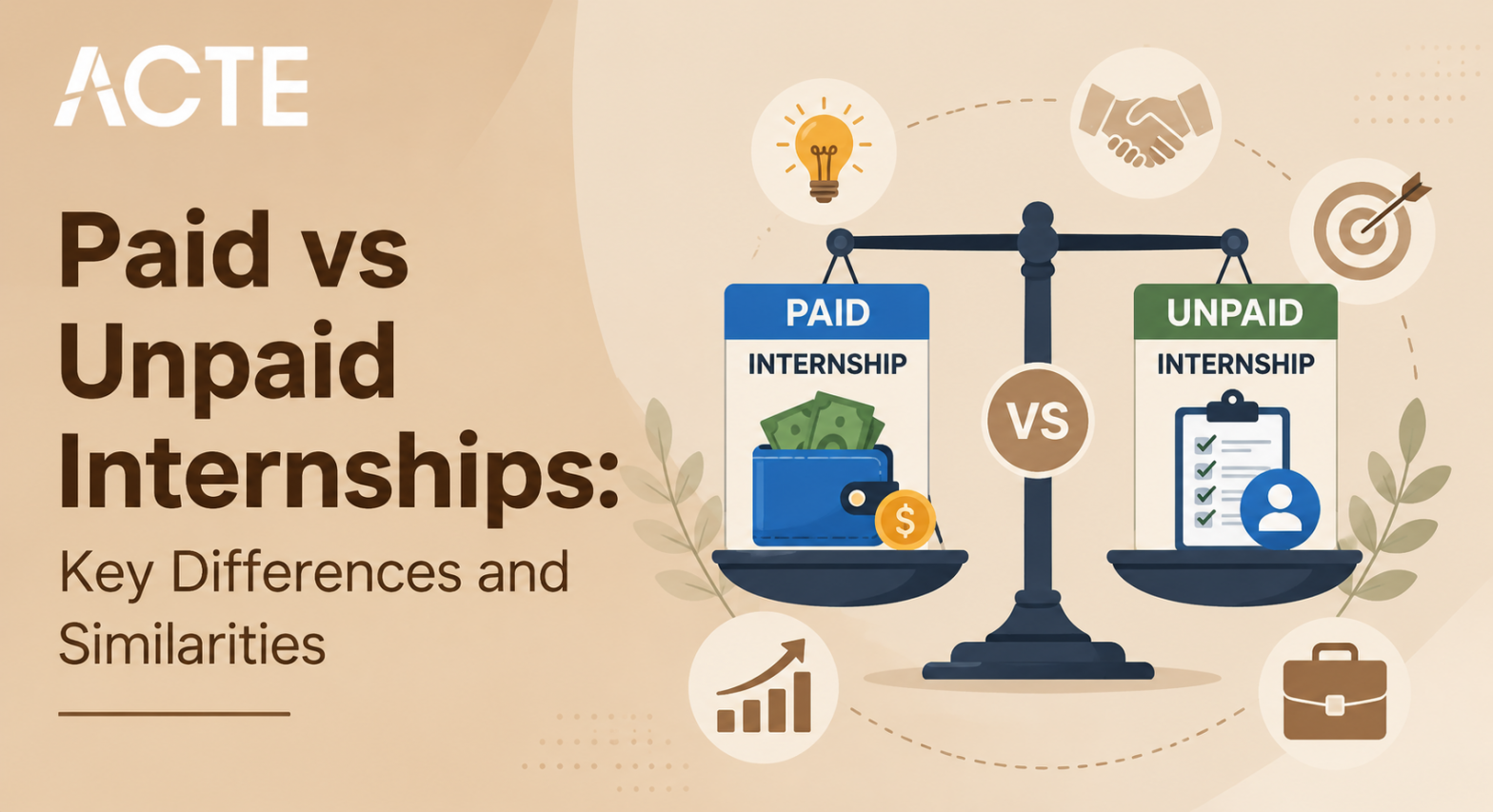
Last updated on 22nd Jun 2026| 9353

- Introduction to Internship Opportunities
- Understanding Paid Internships
- Understanding Unpaid Internships
- Key Differences Between Paid and Unpaid Internships
- Similarities Shared by Both Internship Types
- Financial Benefits and Compensation Considerations
- Learning Opportunities and Skill Development
- Career Growth and Networking Advantages
- Choosing the Right Internship for Your Goals
- Conclusion: Evaluating the Value of Paid and Unpaid Internships
Introduction to Internship Opportunities
Internships provide students and fresh graduates with valuable opportunities to gain practical experience in professional work environments before entering full-time employment. They serve as a bridge between academic learning and industry expectations by allowing individuals to apply theoretical knowledge to real-world tasks and projects. Internship opportunities are available across various industries, including technology, marketing, finance, healthcare, engineering, data analytics, and business management in our Full Stack Developer Training . These programs help participants develop technical skills, workplace communication abilities, teamwork experience, and professional confidence. Internships can be offered in different formats, including paid, unpaid, virtual, part-time, and full-time arrangements, depending on the organization’s objectives and resources. In today’s competitive job market, internship experience has become increasingly important because employers often seek candidates who possess practical exposure in addition to academic qualifications. By participating in internships, students can explore career interests, build professional networks, strengthen resumes, and gain valuable insights into industry practices. These experiences play a significant role in preparing individuals for successful and rewarding careers.
Understanding Paid Internships
Paid internships are programs in which interns receive financial compensation for their work while gaining professional experience and industry exposure. These internships are commonly offered by corporations, technology companies, financial institutions, consulting firms, and large organizations that require support for business projects and operations. Paid internships provide students with an opportunity to develop practical skills while earning income that can help cover educational expenses and personal costs. Interns are often assigned meaningful responsibilities, including project participation, research, reporting, analysis, customer support, or administrative tasks in our Full Stack Developer Training. In many organizations, paid interns work alongside full-time employees and gain exposure to professional workflows, industry tools, and business practices. Because companies invest financially in these programs, paid internships are often highly competitive and may involve structured training, mentorship, and performance evaluations. Beyond the financial benefits, paid internships help students strengthen their resumes, build professional confidence, and improve their chances of securing future employment opportunities within the organization or industry.
Eager to Acquire Your Data Analytics Certification? View The Full Stack Training Offered By ACTE Right Now!
Key Differences Between Paid and Unpaid Internships
- Compensation Structure: The primary difference between paid and unpaid internships is financial compensation. Paid internships provide wages, stipends, or allowances, while unpaid internships focus mainly on learning experiences and professional development without direct monetary rewards.
- Employer Expectations: Paid interns are often assigned responsibilities that directly contribute to business operations and project outcomes. Unpaid internships may place a greater emphasis on training, observation, mentorship, and skill-building activities.
- Competition and Selection Process: Paid internships are generally more competitive because they offer both experience and income thats Why AI Internships Are Important for Freshers . Organizations may have stricter selection criteria and recruitment processes for paid internship positions.
- Accessibility for Students: Unpaid internships may be more accessible because they are available across a wider range of organizations, including startups, non-profits, and educational institutions that have limited budgets.
- Long-Term Career Impact: Both internship types can support career growth, but paid internships often provide stronger industry exposure and potential pathways to future employment due to greater organizational investment in interns.
Similarities Shared by Both Internship Types
- Practical Work Experience: Both paid and unpaid internships provide opportunities to gain hands-on experience and understand how professional work environments operate in real-world situations.
- Skill Development Opportunities: Interns in both programs develop valuable technical and professional skills, including communication, teamwork, problem-solving, adaptability, and industry-specific knowledge.
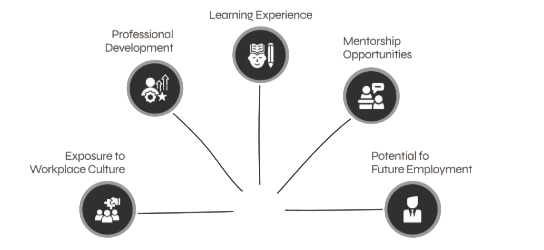
- Industry Exposure: Whether paid or unpaid, internships introduce students to workplace culture, organizational processes, and industry standards that help prepare them for future careers.
- Professional Networking: Both internship formats allow participants to connect with mentors, supervisors, colleagues, and industry professionals who can provide guidance and career support.
- Resume Enhancement: Internship experience strengthens resumes by demonstrating initiative, practical knowledge, and a willingness to learn, making candidates more attractive to future employers.

Financial Benefits and Compensation Considerations
- Direct Financial Support: Paid internships provide income that can help students manage educational expenses, transportation costs, accommodation, and other personal financial responsibilities and learn more in Understanding Unpaid Internships .
- Opportunity Cost Evaluation: Students considering unpaid internships should evaluate the time commitment and potential learning benefits compared to the absence of financial compensation.
- Additional Internship Benefits: Some internships may offer non-monetary benefits such as training programs, certifications, mentorship, networking opportunities, or academic credit that add value to the experience.
- Budget and Lifestyle Impact: Financial compensation can reduce stress and allow students to focus more effectively on learning and professional development throughout the internship period and leran more about Internships in Best AI Internships for Freshers to Start a Tech Career.
- Long-Term Return on Investment: Even when unpaid, internships can provide long-term career benefits through skill development, professional connections, and future employment opportunities that outweigh short-term financial considerations.
- Hands-On Project Experience: Interns gain practical exposure by working on projects that help them apply academic concepts to real business challenges and workplace responsibilities.
- Technical Skill Enhancement: Internships help students improve industry-specific skills, tools, software knowledge, and technical competencies that are highly valued by employers.
- Professional Communication Development: Regular interactions with colleagues, supervisors, and clients strengthen communication skills and improve workplace professionalism Thats Why Top Companies Hiring Data Analytics Interns .
- Problem-Solving and Critical Thinking: Real-world tasks encourage interns to analyze situations, identify solutions, and make informed decisions while contributing to organizational objectives.
- Understanding Workplace Expectations: Internships teach professional behavior, accountability, time management, teamwork, and organizational practices that support future career success.
- Building Professional Relationships: Internships provide opportunities to establish connections with experienced professionals who can offer mentorship, guidance, and industry insights.
- Expanding Career Opportunities: Strong internship performance can lead to future job offers, recommendations, referrals, and access to additional career opportunities within the industry and Learn more inHow Data Analytics Internships Help Freshers .
- Developing Industry Knowledge: Exposure to workplace environments helps interns gain a deeper understanding of industry trends, business practices, and professional expectations.
- Increasing Employability: Candidates with internship experience often have a competitive advantage because employers value practical exposure and workplace readiness.
- Creating a Strong Professional Foundation: The skills, experience, and networks gained through internships contribute to long-term career growth and help students transition successfully into full-time employment.
Excited to Obtaining Your Data Analytics Certificate? View The Full Stack Training Offered By ACTE Right Now!
Learning Opportunities and Skill Development
Are You Considering Pursuing a Full Stack Master’s Degree? Enroll For Data Analytics Expert Masters Program Training Course Today!
Career Growth and Networking Advantages
Set to Ace Your Full Stack Job Interview? Check Out Our Blog on Data Analytics Interview Questions & Answer
Choosing the Right Internship for Your Goals
Choosing the right internship requires careful evaluation of your career goals, interests, learning objectives, and professional development needs. Students should begin by identifying the skills they want to develop and the industry they hope to enter after graduation.

Factors such as job responsibilities, mentorship opportunities, company reputation, workplace culture, and learning potential should be considered alongside financial compensation. While paid internships provide income and practical experience, unpaid internships may offer valuable exposure, specialized training, or opportunities in highly competitive fields in our Full Stack Developer Training . Students should also assess whether the internship aligns with their long-term career plans and provides meaningful opportunities to build relevant skills and industry knowledge. Researching the organization, understanding internship expectations, and evaluating growth opportunities can help students make informed decisions. The best internship is one that supports personal and professional growth while providing experiences that strengthen future career prospects. By selecting opportunities that align with their goals, students can maximize the value of their internship experience and build a strong foundation for future success.
Conclusion: Evaluating the Value of Paid and Unpaid Internships
Both paid and unpaid internships offer valuable opportunities for learning, professional development, and career exploration. While paid internships provide the additional benefit of financial compensation, unpaid internships can still deliver significant value through skill development, industry exposure, networking opportunities, and practical workplace experience. The overall worth of an internship should not be measured solely by compensation but also by the knowledge, experience, mentorship, and career opportunities it provides in our Full Stack Developer Training. Both internship types help students apply academic concepts in real-world settings, develop essential professional skills, and gain a better understanding of industry expectations. They also strengthen resumes and improve employability by demonstrating initiative and practical experience. Ultimately, the most beneficial internship is one that aligns with a student’s career goals and offers meaningful learning experiences. By carefully evaluating opportunities and focusing on long-term professional growth, students can make informed decisions that support their career development and prepare them for successful transitions into the workforce.