LMS
LMS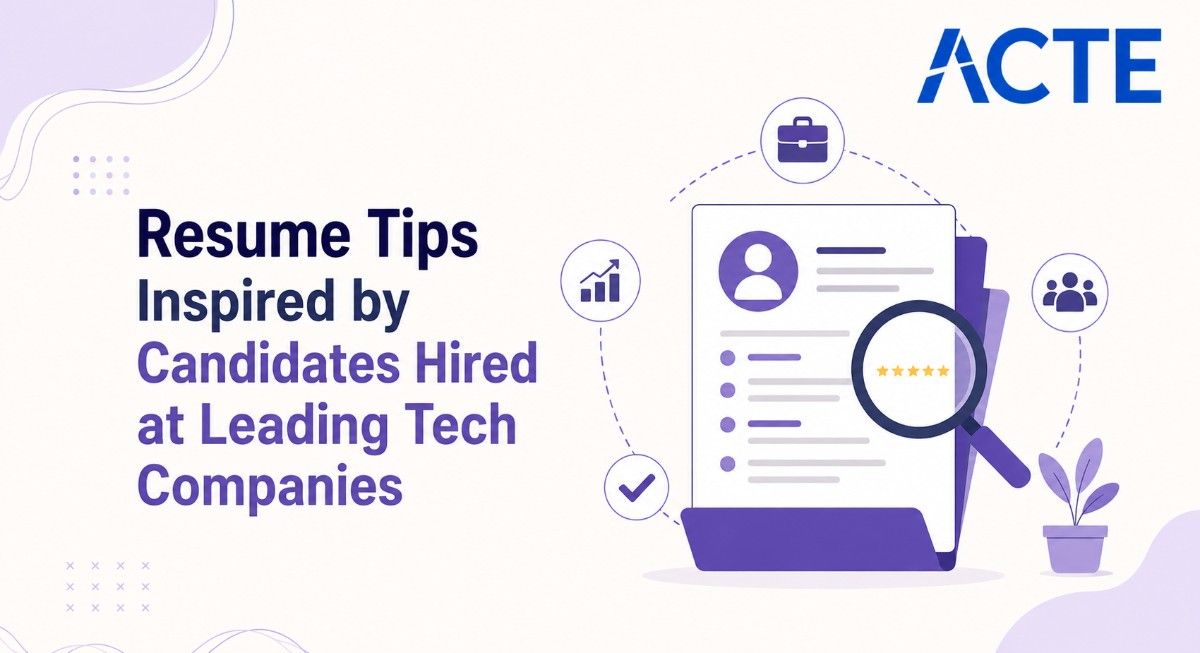
Last updated on 25th Jul 2026| 8165

- Introduction: Learning From Successful Resumes
- What Top Tech Companies Look for in Candidates
- Resume Structure Followed by Successfully Hired Candidates
- Showcasing Technical Skills the Way Hired Candidates Do
- Project Presentation Techniques That Impressed Recruiters
- Comparison Table: Average Resume vs Hired Candidate Resume
- Soft Skills and Achievements That Made a Difference
- Common Traits Among Resumes That Got Shortlisted
- Practical Tips to Apply These Strategies to Your Resume
- Conclusion: Building a Resume That Gets You Hired
Introduction: Learning From Successful Resumes
One of the most effective ways to improve a resume is to study patterns found in the resumes of candidates who have successfully secured positions at competitive and reputable technology companies. While every candidate’s background and journey is unique, certain consistent principles tend to appear across resumes that have made it through rigorous screening processes at leading tech organizations. These candidates typically do not rely on luck; instead, their resumes reflect deliberate choices in structure, language, and content that align closely with what recruiters and hiring managers are actively searching for. Understanding different resume types and formats can also help candidates determine how to organize their experience and present their qualifications effectively. Leading tech companies often receive an overwhelming number of applications for every open position, making it essential for candidates to differentiate themselves through thoughtful presentation rather than simply listing qualifications. By analyzing these patterns, freshers and early-career professionals can gain practical insight into how to present their own skills, projects, and experiences in a way that resonates with recruiters at top companies. This does not mean copying someone else’s resume word for word, but rather understanding the underlying principles, such as clarity, measurable impact, and relevance, that make certain resumes stand out from the crowd. This article breaks down the key strategies, structures, and habits commonly found in resumes of candidates who successfully secured roles at top technology companies, offering practical guidance that any candidate can apply to strengthen their own application.
What Top Tech Companies Look for in Candidates
Leading technology companies generally look beyond academic scores alone, placing significant value on a candidate’s ability to apply knowledge practically, solve real problems, and adapt quickly to new tools and challenges. Recruiters at these organizations often prioritize evidence of hands-on experience, whether through internships, personal projects, open-source contributions, or hackathons, because this demonstrates initiative and the ability to translate theoretical learning into functional outcomes. Strong problem-solving ability is another highly valued trait, as technology roles frequently require candidates to break down complex challenges into manageable components and develop logical, efficient solutions. Communication skills also play a significant role, since even highly technical positions require collaboration with cross-functional teams, and the ability to clearly explain technical concepts to both technical and non-technical stakeholders is considered a valuable asset. Additionally, top companies tend to favor candidates who show a genuine passion for continuous learning, as demonstrated through certifications, self-initiated projects, or exploration of emerging technologies beyond the standard curriculum.
Ready to Pursue Your Data Science Certificate? View The Data Science Course Training Offered By ACTE Right Now!
Resume Structure Followed by Successfully Hired Candidates
- Clear and Concise Summary: Successful resumes often begin with a brief, focused summary that immediately communicates the candidate’s core strengths and career direction. This allows recruiters to quickly understand the candidate’s profile without having to search through the entire document.
- Prioritized Section Ordering: Hired candidates typically place their strongest and most relevant sections, such as projects or technical skills, near the top of the resume. This ensures recruiters see the most compelling information first, before attention naturally begins to decrease.
- Consistent and Scannable Formatting: Resumes that performed well often used consistent spacing, bullet points, and headings that made the document easy to scan within seconds. Following an ATS-friendly resume format can further improve structural clarity and help ensure important information is presented in an easily readable format.
- Balanced Length: Most successful resumes stayed within a single page for freshers and early-career candidates, avoiding unnecessary padding. Every included section served a clear purpose, contributing directly to demonstrating relevant skill and experience.
- Logical Flow of Information: Sections were arranged in a logical order, moving from summary to skills, projects, education, and additional achievements. This natural flow made it easy for recruiters to build a complete picture of the candidate progressively.
Showcasing Technical Skills the Way Hired Candidates Do
Candidates who successfully secured positions at leading technology companies tend to present their technical skills with a level of specificity and context that goes far beyond a simple list of tools and programming languages. Rather than listing skills in isolation, these candidates connect each skill directly to a project, task, or outcome, allowing recruiters to immediately understand not just what the candidate knows, but how effectively they can apply that knowledge in practice. For example, instead of simply stating proficiency in Python, a strong resume might describe using Python to build a data processing script that improved analysis speed by a measurable percentage, giving the skill real context and demonstrated value. Successful candidates also tend to organize their technical skills into logical categories, such as programming languages, frameworks, tools, and databases, making it easier for recruiters to quickly assess the breadth and depth of their technical expertise. Another common pattern is the inclusion of skill proficiency indicators or brief contextual notes that clarify the level of experience with each tool, which helps set accurate expectations for technical interviews. Additionally, hired candidates often stay updated with current industry-relevant technologies, ensuring their skill set reflects tools and frameworks that are actively being used in the roles they are applying for. Candidates can strengthen this approach by reviewing important resume skills and understanding how to present relevant technical abilities in a way that aligns with current hiring expectations, rather than relying on outdated or purely academic technologies.
Project Presentation Techniques That Impressed Recruiters
Among all sections of a resume, the projects section is often where successful candidates differentiate themselves most clearly, and the way these projects are presented plays a significant role in capturing recruiter attention. Rather than simply naming a project and briefly describing its topic, strong resumes typically follow a structured approach that outlines the problem being solved, the specific tools and technologies used, the candidate’s individual contribution, and the measurable outcome or result achieved. This structure mirrors how professionals are expected to communicate about their work in actual industry settings, making the resume feel more aligned with real workplace expectations. Successful candidates also tend to prioritize projects that closely relate to the role they are applying for, ensuring that the most relevant technical experience is immediately visible rather than buried among less relevant academic exercises. Quantifying outcomes wherever possible, such as mentioning improved processing speed, increased accuracy, or reduced errors, adds credibility and demonstrates tangible impact rather than vague involvement. Including links to live demonstrations, GitHub repositories, or documentation further strengthens project credibility, as it allows recruiters to verify claims and explore the technical implementation in greater depth if interested. Candidates can further improve this approach by following strong project description techniques for a resume, helping them communicate their project contributions, technical implementation, and measurable results more effectively. Candidates who follow this structured, outcome-focused approach to presenting their projects can create stronger recruiter engagement and encourage more relevant technical interview discussions based directly on their demonstrated work.

Comparison Table: Average Resume vs Hired Candidate Resume
The table below illustrates key differences between a typical average resume and one that reflects patterns commonly seen among candidates hired at leading tech companies.
| Aspect | Average Resume | Hired Candidate Resume |
|---|---|---|
| Project Descriptions | Brief, topic-only mentions | Structured with problem, approach, and result |
| Skills Section | Generic list of tools | Skills linked to real project context |
| Achievements | Vague statements | Quantified, measurable outcomes |
| Customization | Same resume for every application | Tailored to each specific role |
| Formatting | Inconsistent or cluttered | Clean, consistent, and scannable |
| Soft Skills | Listed without evidence | Demonstrated through examples |
| Verifiability | No supporting links or proof | Includes GitHub, portfolio, or demo links |
Excited to Obtaining Your Data Analytics Certificate? View The Data Science Course Training Offered By ACTE Right Now!
Soft Skills and Achievements That Made a Difference
- Demonstrated Teamwork: Hired candidates often included specific examples of collaborating within a team, such as coordinating tasks during a group project or hackathon. This provided concrete evidence of the ability to work effectively with others toward a shared goal.
- Leadership in Small Settings: Even without formal leadership titles, many successful candidates highlighted moments where they took initiative, such as organizing a project timeline or mentoring peers. These examples signaled leadership potential to recruiters.
- Adaptability Under Pressure: Descriptions of learning new tools quickly to meet project deadlines demonstrated adaptability, a quality highly valued in fast-paced technology environments where requirements often change unexpectedly.
- Communication in Technical Contexts: Candidates who described presenting project results or explaining technical concepts to non-technical audiences showcased strong communication skills that are essential for cross-functional collaboration.
- Participation in Competitions and Hackathons: Involvement in coding competitions, or technical clubs demonstrated initiative and passion beyond academic requirements, which recruiters often view as a strong positive indicator. Presenting these qualities effectively can also be supported by reviewing resume summary examples to understand how strengths, achievements, and professional qualities can be communicated clearly.
Common Traits Among Resumes That Got Shortlisted
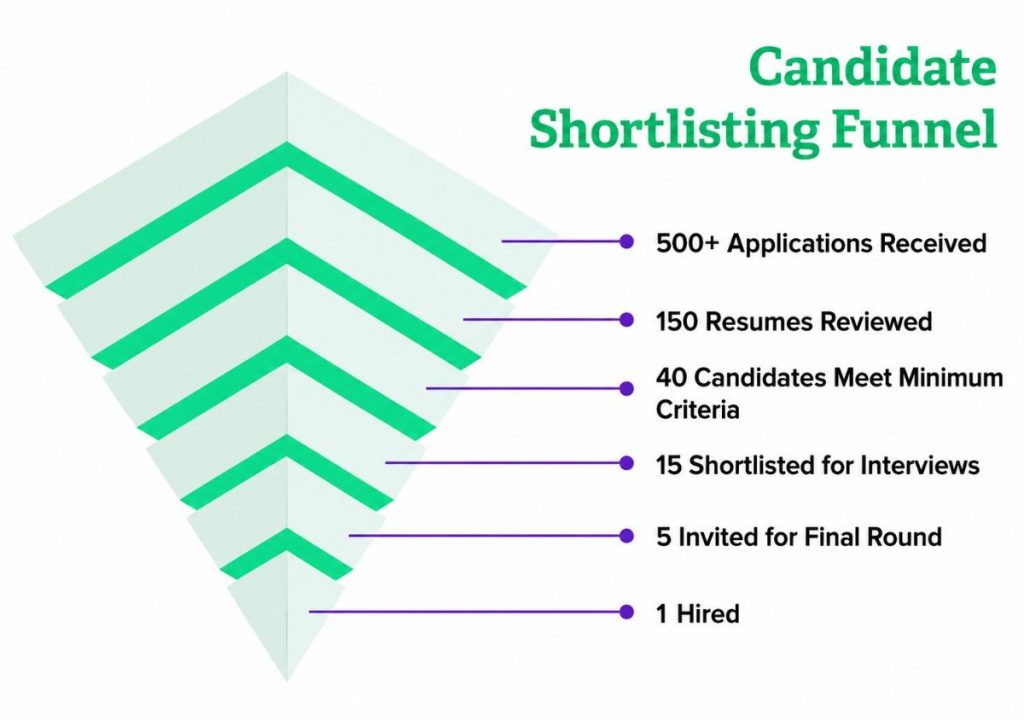
Beyond individual sections, several overarching traits consistently appear across resumes that successfully progressed through screening at competitive technology companies. First, these resumes demonstrate a clear sense of focus, where every included detail directly supports the candidate’s overall narrative and career direction rather than appearing as unrelated or filler content. Second, shortlisted resumes tend to strike an effective balance between technical depth and readability, ensuring that even recruiters without deep technical backgrounds can understand the significance of the candidate’s work. Third, these resumes consistently use active, confident language that clearly attributes actions and outcomes to the candidate, avoiding passive or uncertain phrasing that can weaken perceived ownership of achievements. Fourth, successful resumes often reflect genuine curiosity and continuous learning, whether through certifications, personal projects, or exploration of emerging technologies, signaling that the candidate is proactive rather than passive in their skill development. Fifth, attention to detail is evident throughout, with no spelling errors, inconsistent formatting, or unclear descriptions that might raise doubts about the candidate’s professionalism. Avoiding common issues highlighted in 10 mistakes that can get your resume rejected can help candidates maintain the clarity, consistency, and professionalism expected during resume screening. Finally, these resumes are almost always tailored specifically to the role being applied for, reflecting a clear understanding of what the company values and how the candidate’s background aligns with those specific needs, rather than presenting a generic, one-size-fits-all application.
Common Traits Among Resumes That Got Shortlisted
Beyond individual sections, several overarching traits consistently appear across resumes that successfully progressed through screening at competitive technology companies. First, these resumes demonstrate a clear sense of focus, where every included detail directly supports the candidate’s overall narrative and career direction rather than appearing as unrelated or filler content. Second, shortlisted resumes tend to strike an effective balance between technical depth and readability, ensuring that even recruiters without deep technical backgrounds can understand the significance of the candidate’s work. Third, these resumes consistently use active, confident language that clearly attributes actions and outcomes to the candidate, avoiding passive or uncertain phrasing that can weaken perceived ownership of achievements. Fourth, successful resumes often reflect genuine curiosity and continuous learning, whether through certifications, personal projects, or exploration of emerging technologies, signaling that the candidate is proactive rather than passive in their skill development. Fifth, attention to detail is evident throughout, with no spelling errors, inconsistent formatting, or unclear descriptions that might raise doubts about the candidate’s professionalism. Avoiding common issues highlighted in 10 mistakes that can get your resume rejected can help candidates maintain the clarity, consistency, and professionalism expected during resume screening. Finally, these resumes are almost always tailored specifically to the role being applied for, reflecting a clear understanding of what the company values and how the candidate’s background aligns with those specific needs, rather than presenting a generic, one-size-fits-all application.
Are You Considering Pursuing a Data Analytics Master’s Degree? Enroll For Data Science Expert Masters Program Training Course Today!
Practical Tips to Apply These Strategies to Your Resume
Applying the strategies observed in successfully hired candidates’ resumes begins with a thorough audit of the current resume, comparing each section against the patterns discussed throughout this article to identify gaps and areas for improvement. Candidates should start by revisiting their project descriptions, ensuring each one clearly outlines the problem, approach, tools used, and measurable outcome, rather than offering only a brief topic description. Next, the skills section should be reorganized to connect each listed skill with relevant context or a specific project, moving away from a simple, disconnected list of technologies. It is also valuable to review the resume for quantifiable achievements throughout, adding numbers, percentages, or measurable results wherever possible to strengthen the perceived impact of each accomplishment. Candidates should further ensure that soft skills are demonstrated through specific examples rather than simply listed as keywords, drawing from real experiences involving teamwork, leadership, or adaptability. Tailoring the resume for each specific application, based on the particular company and role requirements, remains one of the most impactful habits observed among successfully hired candidates. Before submitting an application, candidates can also review common resume mistakes that are costing you interviews to identify potential weaknesses and improve the overall quality of their application. Finally, seeking feedback from mentors, peers, or professionals already working in the target industry can help identify blind spots and further refine the resume, bringing it closer to the standard consistently seen among candidates who successfully secured roles at leading technology companies.
Set to Ace Your AWS Job Interview? Check Out Our Blog on Data Science Interview Questions & Answer
Conclusion: Building a Resume That Gets You Hired
Studying the patterns and strategies used by candidates who successfully secured positions at leading technology companies offers valuable, practical guidance for anyone looking to strengthen their own resume and improve their chances in a competitive hiring landscape. While there is no single formula guaranteed to work for every candidate or role, certain consistent principles, such as structured project presentation, contextualized technical skills, demonstrated soft skills, and thoughtful customization, appear repeatedly across resumes that have successfully passed through rigorous screening processes. These patterns reflect not just formatting choices but a deeper understanding of what recruiters genuinely value: clear evidence of practical ability, measurable impact, and thoughtful alignment with the specific role being pursued. Candidates can further strengthen their approach by following an ATS resume guide to understand how resume structure, content, and optimization can support successful screening. By applying these lessons and consistently refining their own resumes based on real feedback and industry expectations, candidates can move closer to presenting themselves the way successful, hired candidates do. Ultimately, building a resume that gets noticed and leads to interviews requires ongoing effort, honest self-assessment, and a willingness to continuously improve, but the strategies outlined throughout this article provide a strong foundation for candidates working toward securing roles at competitive and reputable technology companies.