LMS
LMS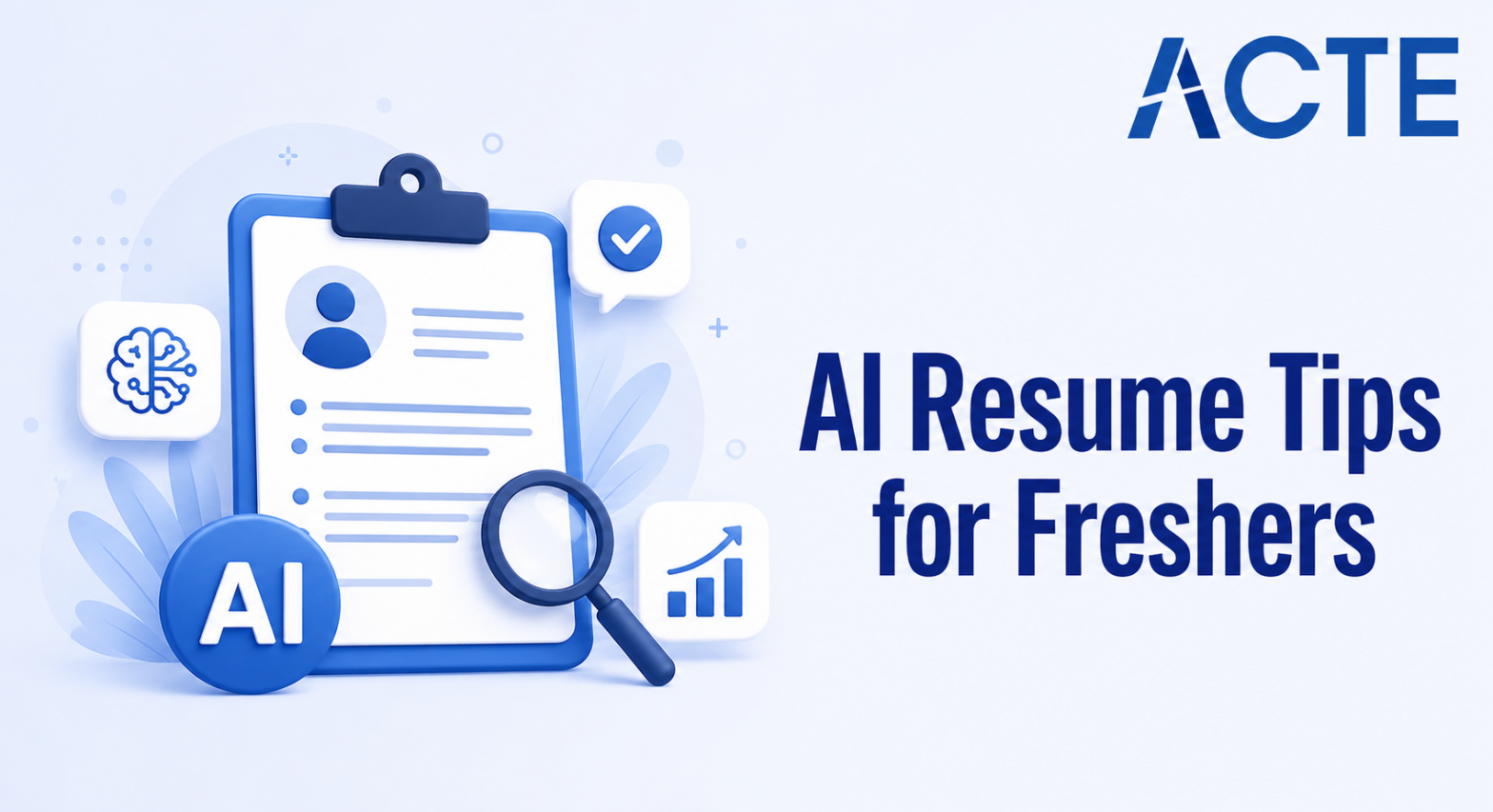
Last updated on 24th Jul 2026| 13320

- Introduction to Building an AI Resume
- Why a Strong AI Resume Matters for Freshers
- Essential Sections Every AI Resume Should Include
- How to Write an Effective AI Resume Summary
- Highlighting Technical Skills and AI Tools
- Showcasing AI Projects and Practical Experience
- Adding Certifications, Internships, and Achievements
- Common AI Resume Mistakes to Avoid
- Tips to Make Your AI Resume ATS-Friendly
- AI Resume Format and Best Practices
- Conclusion: Creating a Resume That Gets You Hired
Introduction to Building an AI Resume
An Artificial Intelligence (AI) resume is one of the most important documents for fresh graduates seeking internships or full-time jobs in the rapidly growing AI industry. Since most freshers have limited or no professional experience, a well-structured resume becomes the primary tool for showcasing technical knowledge, practical skills, academic achievements, certifications, internships, and AI projects. Recruiters usually spend only a few seconds reviewing a resume before deciding whether to shortlist a candidate, making it essential to present information in a clear, professional, and impactful manner. Building these skills through Artificial Intelligence Training can further strengthen your resume and improve job readiness. A strong AI resume should effectively demonstrate expertise in programming languages such as Python and SQL, machine learning concepts, deep learning fundamentals, data analysis, cloud technologies, and AI frameworks. In addition to technical skills, recruiters also value practical experience gained through personal projects, hackathons, certifications, internships, and research work. A professional resume should include an attractive summary, well-organized technical skills, relevant educational qualifications, practical AI projects, certifications, internships, and achievements.
Why a Strong AI Resume Matters for Freshers
A strong AI resume plays a crucial role in helping fresh graduates stand out in a highly competitive job market where recruiters receive hundreds of applications for every entry-level position. Since most freshers do not have extensive professional experience, recruiters rely heavily on resumes to evaluate technical knowledge, practical skills, academic performance, certifications, internships, and project work. A well-crafted resume demonstrates that the candidate understands Artificial Intelligence fundamentals, programming languages, machine learning algorithms, deep learning concepts, data analysis techniques, cloud platforms, and modern AI tools used in the industry. Recruiters often use Applicant Tracking Systems (ATS) to filter resumes based on keywords such as Python, SQL, TensorFlow, Machine Learning, Data Science, and AI technologies. Including these keywords improves the chances of passing automated screening systems. Building a resume that matches industry requirements is an important step in following an AI Career Roadmap for Beginners. A strong resume also highlights projects, certifications, and achievements, allowing recruiters to assess real-world problem-solving abilities and increasing interview opportunities.
Ready to Get Certified in Artificial Intelligence ? Explore the Program Now Artificial Intelligence Online Training Offered By ACTE Right Now!
Essential Sections Every AI Resume Should Include
- Professional Header: Include your full name, professional email address, mobile number, LinkedIn profile, GitHub repository, portfolio website, and location. This section should be clean and easy to read.
- Professional Summary: Write a concise summary highlighting your educational background, AI interests, technical strengths, certifications, and career objectives. Mention your passion for AI and willingness to learn. If you are just beginning your journey, explore AI Career with No Experience to understand the skills employers expect.
- Technical Skills and Projects: Clearly list programming languages, AI frameworks, machine learning libraries, databases, cloud platforms, and relevant AI projects. Organize skills into categories for better readability.
- Education, Certifications, and Achievements: Include your degree, university, graduation year, CGPA, certifications, internships, research work, hackathons, and achievements to demonstrate continuous learning.
Develop Your Skills with Artificial Intelligence Training
Weekday / Weekend BatchesSee Batch DetailsHow to Write an Effective AI Resume Summary
The resume summary is one of the first sections that recruiters read, making it highly important. A strong summary should clearly communicate who you are, your technical skills, and why you are suitable for an AI role. Freshers should begin by mentioning their educational qualification followed by their interest in Artificial Intelligence, Machine Learning, or Data Science. Strengthening these skills through Artificial Intelligence Training can further improve industry readiness. The summary should highlight programming languages such as Python and SQL, along with familiarity in AI frameworks like TensorFlow and PyTorch. It should also include experience gained through projects, internships, certifications, or hackathons. Emphasize problem-solving skills, analytical thinking, teamwork, adaptability, and continuous learning. Avoid generic statements and focus on specific strengths and achievements. A well-written summary should be concise, professional, and aligned with the job role, increasing the chances of getting shortlisted.
Highlighting Technical Skills and AI Tools
- Programming Languages: Clearly mention languages such as Python, SQL, Java, and C++. Highlight your ability to write clean code, implement machine learning algorithms, and handle data efficiently. To strengthen this section, explore Essential Programming Languages for AI Development.
- AI Frameworks and Machine Learning Libraries: Include tools like TensorFlow, PyTorch, Scikit-learn, Keras, Hugging Face, OpenCV, Pandas, and NumPy. Organize them clearly so recruiters can quickly identify your expertise.
- Cloud Platforms, Development Tools, and Databases: Mention platforms like AWS, Microsoft Azure, and Google Cloud along with tools such as Git, GitHub, Docker, Jupyter Notebook, and databases like MySQL or PostgreSQL.
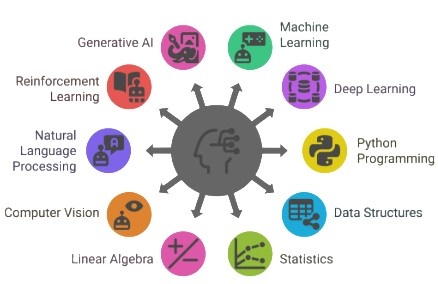
- Emerging AI Technologies: Showcase knowledge of modern areas such as Generative AI, Large Language Models (LLMs), Prompt Engineering, AI Agents, Natural Language Processing, and Computer Vision with relevant project experience.
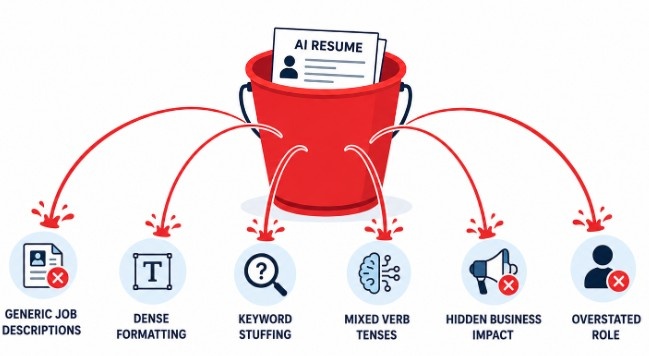
- Using a Generic Resume: Avoid sending the same resume for every job. Always customize it based on the job description and required skills.
- Listing Skills Without Proof: Do not just mention skills like Python or Machine Learning. Support them with projects, internships, or certifications. Adding relevant credentials such as AI Certifications to Get Hired Faster can help validate your technical expertise.
- Poor Formatting: Avoid messy layouts, inconsistent fonts, excessive colors, and unnecessary information. Keep it clean and professional.
- Ignoring ATS Keywords: Many companies use ATS systems, so include relevant keywords naturally to improve visibility.
- Lack of Proofreading: Spelling mistakes, grammar errors, and outdated information can create a bad impression. Always review your resume carefully.
- Use Relevant Keywords: Include keywords such as Artificial Intelligence, Machine Learning, Python, SQL, TensorFlow, PyTorch, Data Science, and Generative AI naturally throughout your resume. These keywords help recruiters identify your suitability for roles listed in Top AI Jobs for Freshers.
- Keep Simple Formatting: Use a clean layout with standard fonts, proper headings, and consistent spacing. Avoid tables, images, and complex designs.
- Customize for Each Job: Match your resume content with the job description by highlighting relevant skills, projects, and experience.
- Keep Information Updated: Ensure your projects, certifications, GitHub links, and contact details are current and accurate.
- Proofread Carefully: Check for spelling errors, grammar mistakes, and broken links before submitting your resume.
To ExploreArtificial Intelligence in Depth, Check Out Our Comprehensive Artificial Intelligence Online Training To Gain Insights From Our Experts!
Showcasing AI Projects and Practical Experience
AI projects are one of the most important sections of a fresher’s resume because they demonstrate practical implementation of theoretical concepts and real-world problem-solving ability. Recruiters often give more importance to projects than academic scores as they showcase programming skills, logical thinking, and creativity. Each project should include a clear title, problem statement, technologies used, your role, and the outcome or impact. Beginners looking for project ideas can explore Easy AI Projects for Freshers to Build Practical Experience. You can include projects such as chatbots, recommendation systems, sentiment analysis, spam classifiers, image classification, object detection, or predictive models. Mention programming languages, machine learning libraries, tools, and platforms used during development. Wherever possible, include measurable results such as accuracy, performance improvement, or efficiency gains. Maintaining a GitHub repository with proper documentation, source code, and project details further strengthens credibility and allows recruiters to evaluate your work. Including internships, hackathons, research, or open-source contributions also highlights practical experience and collaboration skills.
Adding Certifications, Internships, and Achievements
Certifications, internships, and achievements play a significant role in strengthening an AI resume, especially for fresh graduates with limited professional experience. Industry-recognized certifications validate your knowledge in Artificial Intelligence, Machine Learning, Data Science, Cloud Computing, and related technologies, showing your commitment to continuous learning. Gaining these skills through Artificial Intelligence Training can further enhance your technical expertise and employability. Internship experience demonstrates practical application of AI concepts in real-world environments, teamwork, and problem-solving abilities. Even virtual internships, research projects, freelance work, and open-source contributions provide valuable exposure and should be clearly highlighted. Achievements such as hackathons, coding competitions, technical events, research presentations, awards, and leadership roles further enhance your profile and reflect dedication to growth. Organizing these elements in a clear format helps recruiters quickly identify your strengths and increases your chances of getting shortlisted.
Looking to Master Machine Learning? Discover the Artificial Intelligence Expert Masters Program Training Course Available at ACTE Now!
Common AI Resume Mistakes to Avoid
Tips to Make Your AI Resume ATS-Friendly
Preparing for Artificial Intelligence Job Interviews? Have a Look at Our Blog on Artificial Intelligence Interview Questions and Answers To Ace Your Interview!
AI Resume Format and Best Practices
Choosing the right resume format is essential for presenting your qualifications effectively to recruiters. Fresh graduates should use a reverse chronological format where the most recent education, certifications, internships, and projects are listed first. A professional AI resume should begin with a clear header that includes your name, contact details, LinkedIn profile, GitHub repository, and portfolio. This should be followed by a concise summary highlighting your educational background, AI specialization, technical skills, certifications, and career goals. The technical skills section should be well organized into categories such as programming languages, AI frameworks, cloud platforms, databases, and development tools for better readability. Your education section should include your degree, institution, graduation year, and relevant coursework. AI projects should be presented with clear titles, technologies used, your role, and measurable results to demonstrate practical expertise. Certifications, internships, and achievements should be included in separate sections to highlight continuous learning and practical exposure. Following a structured approach similar to an AI Career Roadmap for Beginners can help freshers align their resume with industry expectations. Maintain a clean and professional layout with consistent formatting, proper spacing, and a logical flow throughout the resume. Avoid unnecessary personal details, long paragraphs, and decorative elements that reduce readability. Keep the resume concise, ideally within one page for freshers, and update it regularly with new skills, projects, and certifications.
Conclusion: Creating a Resume That Gets You Hired
A well-crafted AI resume is one of the most powerful tools for starting a successful career in Artificial Intelligence, especially for fresh graduates with limited experience. Instead of focusing on years of work experience, an effective resume should highlight technical knowledge, practical AI projects, certifications, internships, and achievements. Recruiters look for candidates who can demonstrate their ability to apply AI concepts to solve real-world problems, making hands-on project experience and a strong portfolio highly valuable. Building this expertise through Artificial Intelligence Training can further strengthen your job readiness. A professional resume should clearly present programming skills, machine learning expertise, AI frameworks, cloud technologies, and modern advancements such as Generative AI and Large Language Models where relevant. Following ATS-friendly practices, using relevant keywords and customizing the resume for each job application significantly improve the chances of getting shortlisted. Freshers should continuously enhance their resumes by adding new certifications, projects, internships, and technical skills. Building a strong online presence through platforms like GitHub and LinkedIn, networking with professionals, and staying updated with evolving AI technologies further improves career opportunities. By creating a structured, professional, and achievement-focused resume, candidates can make a strong impression on recruiters and increase their chances of securing interviews and building a successful career in AI.