LMS
LMS
Last updated on 29th Apr 2026| 6249

- Introduction to Software Testing Trends
- Automation Testing Advancements
- Agile and DevOps Testing Practices
- AI and Machine Learning in Testing
- Continuous Testing in CI/CD Pipelines
- Security Testing and Cybersecurity Focus
- Cloud-Based Testing Platforms
- Conclusion
Introduction to Trends in Software Testing
Software testing has evolved from being a final step in development to an integral part of the entire lifecycle. For freshers entering the industry, understanding the latest trends is crucial to staying relevant. Software Testing Training plays a key role in building these foundational skills. Trends in Software Testing emphasize speed, automation, and integration with development practices. Companies now expect testers to be familiar with tools that support agile workflows and continuous delivery. The rise of AI and cloud technologies has further transformed how testing is performed. Freshers must adapt quickly to these changes to build strong careers. Ultimately, testing is no longer just about finding bugs but ensuring quality at every stage of development.
Automation Testing Advancements
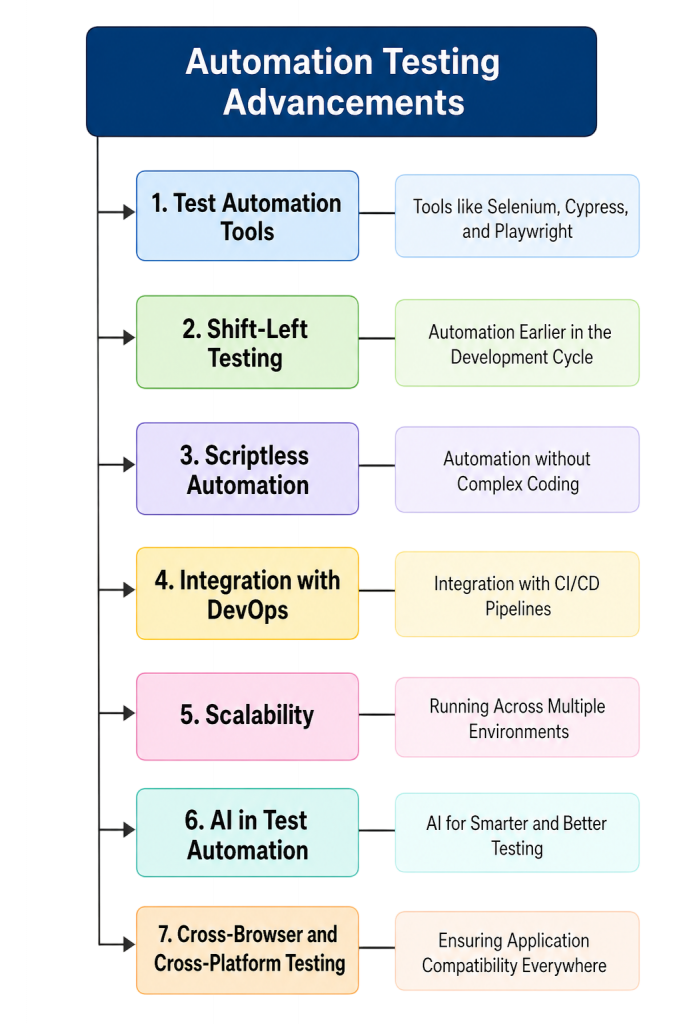
- Test Automation Tools: Tools like Selenium, Cypress, and Playwright dominate automation testing. They help automate repetitive tasks, save time, and improve accuracy, making them essential for freshers handling real-world projects.
- Shift-Left Testing: Automation is moving earlier in the development cycle. Testing during design and coding phases helps detect defects sooner, reducing costs and improving product quality.
- Scriptless Automation: Modern platforms enable automation without complex coding. This helps freshers learn faster, lowers entry barriers, and improves collaboration with non-technical teams.
- Integration with DevOps: Automation tools integrate with CI/CD pipelines to support Continuous Testing and faster software releases. Understanding this integration is crucial for modern testing roles.
- Scalability: Automation frameworks are designed to run across multiple environments. This ensures testing can handle complex applications and diverse platforms effectively.
- AI in Test Automation: Artificial Intelligence is being used to enhance test automation by predicting defects, optimizing test cases, and improving test coverage. Freshers should explore AI-driven tools to stay competitive.
- Cross-Browser and Cross-Platform Testing: Automation now focuses on ensuring applications work smoothly across different browsers and devices. Learning this helps freshers deliver consistent user experiences.
Ready to earn your Software Testing Professional Certification? Discover the Software Testing Course now available at ACTE!
Agile and DevOps Testing Practices
Agile and DevOps have redefined how software is built and tested. Testing is no longer a separate phase but a continuous activity integrated into development. Freshers must learn to collaborate closely with developers, product owners, and business analysts. Software Testing Training helps build the communication and technical skills needed for effective teamwork. Agile emphasizes iterative testing, where feedback loops are short and defects are fixed quickly. DevOps extends this by automating deployment and testing across environments, making continuous learning and adaptability essential for success. Automation Testing culture of collaboration ensures faster delivery and higher quality. For freshers, mastering agile testing practices means adapting to dynamic requirements and working in cross-functional teams. DevOps knowledge adds value by aligning testing with modern delivery pipelines.
Get Your Software Testing Certification by Learning from Industry-Leading Experts and Advancing Your Career with ACTE’s Software Testing Certification Course.
AI and Machine Learning in Testing
- Predictive Analytics: AI tools analyze past test data to predict potential problem areas. This helps testers focus on high-risk modules and improves overall testing efficiency.
- Test Case Generation: Machine learning algorithms can automatically generate test cases, reducing manual effort and improving overall test coverage. This allows freshers to handle repetitive tasks more efficiently while focusing on more complex testing activities. To gain practical exposure, explore Real Time Test Scenario, which helps in understanding real-world testing situations and enhances hands-on learning.
- Defect Detection: AI identifies patterns in defects and suggests possible solutions. This reduces human error and speeds up bug resolution in software testing.
- Smart Test Execution: AI determines which tests to run based on recent code changes. This minimizes execution time and ensures only relevant tests are prioritized.
- Natural Language Processing (NLP): AI-powered tools allow testers to write test cases in plain language. This bridges the gap between technical and non-technical team members.
- Self-Healing Test Scripts: AI enables test scripts to automatically adapt to minor changes in the application UI. This reduces maintenance efforts and improves test stability.
- Visual Testing with AI: AI-based tools compare visual elements of applications to detect UI inconsistencies. This ensures better user experience and helps identify design-related defects.

Continuous Testing in CI/CD Pipelines
Continuous testing ensures that every code change is validated immediately after it is introduced, helping teams detect issues early. In modern CI/CD pipelines, testing is automated and integrated into each stage of the software delivery process, improving both speed and reliability. Freshers should learn how to configure and manage pipelines using popular tools like Jenkins, GitLab CI, and Azure DevOps. To better understand these technologies, explore CI/CD Tools Used by Programmers, which provides insights into widely used tools and practices in the industry.
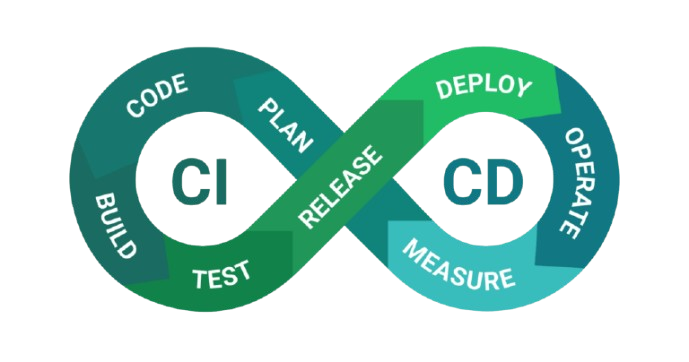
This approach reduces risks by catching defects early and maintaining system stability. It also supports faster and more frequent release cycles, which are crucial in competitive markets. For beginners, understanding pipeline automation is an essential skill for modern testing roles. Continuous testing represents a shift from reactive quality assurance to a proactive strategy, ensuring testing aligns closely with business goals and user needs while improving overall software quality. To build these in-demand skills, consider enrolling in Software Testing Training, which provides practical knowledge and industry-relevant expertise.

Get JOB Oriented Software Testing for Beginners By MNC Experts
- Instructor-led Sessions
- Real-life Case Studies
- Assignments
Security Testing and Cybersecurity Focus
- Penetration Testing: Simulates cyberattacks to identify vulnerabilities in applications. Freshers should learn basic penetration testing techniques to better understand real-world security risks.
- Static Application Security Testing (SAST): Analyzes source code for vulnerabilities before execution, helping detect issues early in the development cycle and supporting secure coding practices. Explore hands-on learning with Selenium Projects.
- Compliance Testing: Ensures applications meet industry standards such as GDPR or HIPAA. Understanding compliance is essential for working in regulated industries.
- Security Automation: Automated tools handle repetitive security checks, reducing manual effort and ensuring consistent protection across systems.
- Vulnerability Scanning: Automated scanners continuously check systems for known vulnerabilities. Freshers can use these tools to identify and fix common security weaknesses efficiently.
- Dynamic Application Security Testing (DAST): Tests applications during runtime to uncover security flaws, helping freshers understand behavior under real attack scenarios. Learn more at Test Web Applications Using Selenium Tools.
- Threat Modeling: Involves identifying potential threats and designing strategies to mitigate them early in development. This helps build secure applications from the ground up.
Want to Master Software Testing? Explore the Software Testing Master Program Offered at ACTE Today!
Cloud-Based Testing Platforms
- Scalability: Cloud computing provides highly scalable testing environments, allowing testers to run multiple test cases simultaneously without infrastructure limitations.
- Cross-Platform Testing: Platforms like AWS Device Farm, BrowserStack, and Sauce Labs enable testing across various devices, operating systems, and browsers for better coverage.
- Cost Efficiency: Freshers benefit as cloud testing removes the need for expensive hardware and maintenance costs, making it budget-friendly.
- Parallel Execution: Cloud platforms support running multiple tests at the same time, significantly reducing overall test cycle time.
- Remote Accessibility: Teams can access testing environments from anywhere, enabling collaboration among distributed teams.
- Real-World Simulation: Cloud environments mimic real user conditions, helping testers validate application performance and reliability.
- Integration with CI/CD: Cloud testing tools integrate with DevOps pipelines, ensuring continuous testing and faster delivery cycles in Software Testing improving quality and efficiency.
- Flexibility: Test environments can be quickly configured, modified, or scaled up/down based on project requirements.
- Data Security: Many cloud platforms offer secure environments with encryption and compliance standards to protect sensitive data.
Set to Ace Your Software Testing Job Interview? Check Out Our Blog on AWS Interview Questions & Answer
Conclusion
Trends in Software Testing is no longer limited to manual checks but has evolved into a dynamic, technology-driven discipline. For freshers, mastering the latest trends means staying competitive in the job market. Automation, AI, cloud platforms, and security testing are now core skills expected by employers. Agile and DevOps practices further emphasize collaboration and speed. Continuous testing ensures quality at every stage of delivery. By learning these trends, freshers can build strong foundations through Software Testing Training and adapt to industry demands. Ultimately, the future of testing lies in innovation, and freshers who embrace these changes will thrive.