LMS
LMS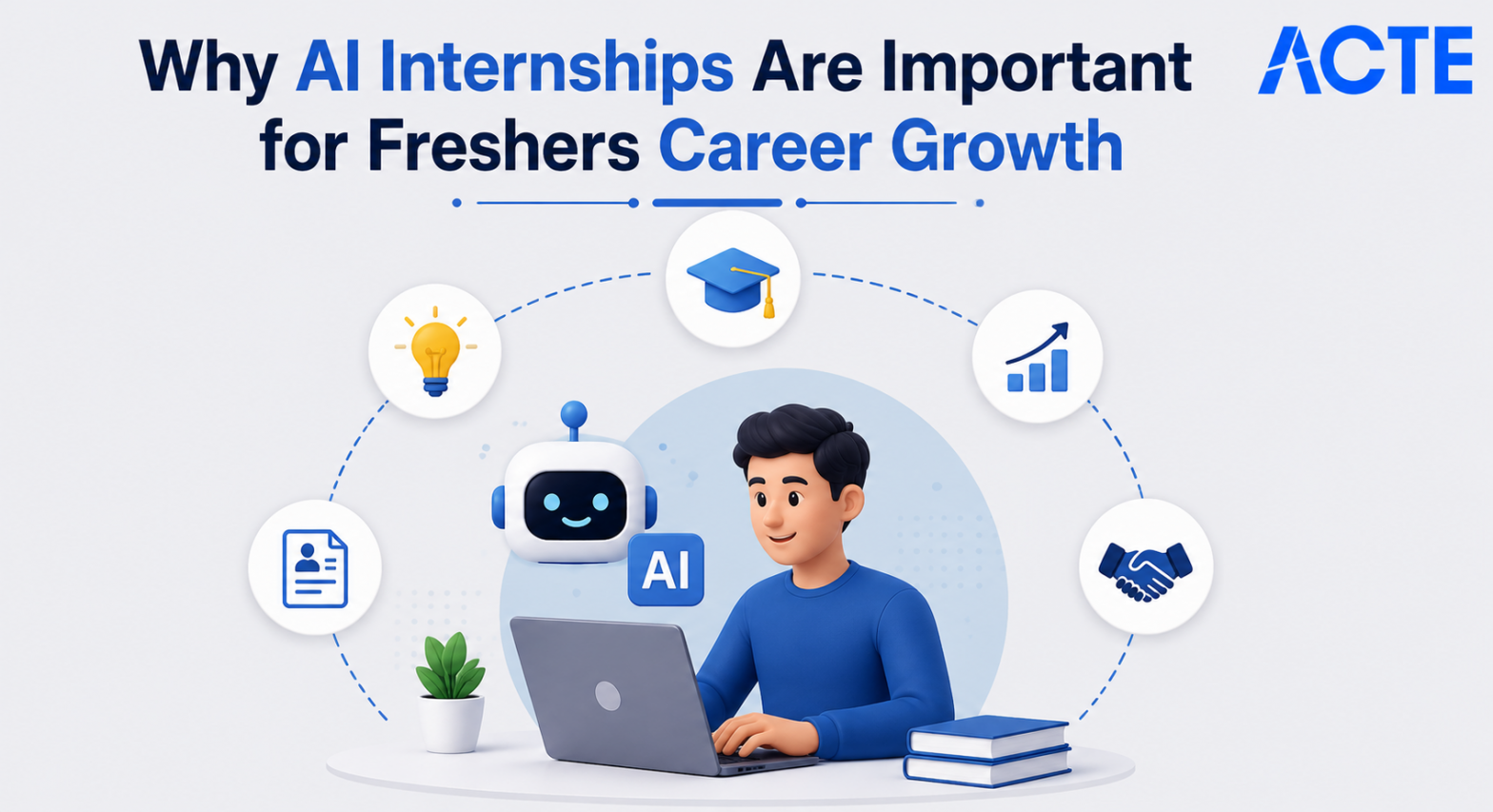
Last updated on 23rd May 2026| 13227

- Building Practical AI Internships For Freshers
- Expanding Career Opportunities Through Internship Experience
- Key Industry Exposure Benefits for Students
- Advanced Learning and Career Development Pathways
- Practical Applications and Future Career Trends
- Strategic Skills Freshers Gain During Internships
- Actionable Recommendations for Maximizing Internship Value
- Comparative Insights on Internship Models
- Final Reflections on AI Internships for Freshers
Building Practical AI Internships For Freshers
AI internships for freshers career growth provide a structured environment where students can apply theoretical knowledge to real-world projects, bridging the gap between classroom learning and industry expectations. These internships matter because they expose fresh graduates to practical challenges such as data preprocessing, model training, and deployment pipelines, which are rarely covered in academic syllabi. By working alongside experienced professionals, freshers gain confidence in handling complex tasks and learn how to collaborate within cross-functional teams in Artificial Intaligence Training. This exposure not only enhances technical proficiency but also builds essential soft skills like communication and adaptability. For students aiming to enter competitive AI roles, internships serve as a proving ground where they can demonstrate their ability to contribute meaningfully to projects. Employers value candidates who have already experienced industry workflows, making internships a critical stepping stone toward securing full-time positions. Ultimately, these opportunities accelerate career readiness and ensure that freshers transition smoothly into professional roles with a strong foundation.
Expanding Career Opportunities Through Internship Experience
AI internships for freshers career growth are instrumental in opening doors to diverse career paths within artificial intelligence. Internships allow beginners to explore specialized areas such as natural language processing, computer vision, or reinforcement learning, helping them identify where their strengths and interests align. This exploration is vital because many fresh graduates are uncertain about which Artificial Intaligence Training and domain suits them best. By engaging in hands-on projects, they gain clarity and direction, which informs future career decisions. Additionally, internships often serve as pipelines to full-time employment, with companies preferring to hire candidates who have already proven themselves during training. The benefits of AI internships for students extend beyond technical skills, as they also provide networking opportunities with mentors, peers, and industry leaders. These connections can lead to collaborations, recommendations, and job offers. For freshers, internships are not just temporary roles but strategic investments in long-term career growth, offering both immediate learning and future employment prospects.
Ready to Get Certified in Artificial Intelligence ? Explore the Program Now Artificial Intelligence Online Training Offered By ACTE Right Now!
Key Industry Exposure Benefits for Students
- Real-World Project Experience: Internships immerse students in live industry projects, enabling them to apply classroom concepts to practical business scenarios. This hands-on exposure helps freshers understand professional workflows, project deadlines, client expectations, and collaborative development practices, making them better prepared for full-time roles.
- Mentorship and Guidance: Working alongside experienced professionals provides valuable mentorship and technical direction throughout the internship. Exploring resources such as Top AI Tools Every Developer Should Know further helps students stay updated with modern technologies while learning industry best practices, coding standards, and practical problem-solving approaches that accelerate career growth in AI and software development.
- Professional Networking: Internships create opportunities to build meaningful relationships with mentors, team members, and industry experts. A strong professional network can lead to future job referrals, mentorship opportunities, and long-term career development.
- Technical Skill Development: Students gain hands-on experience with industry-standard tools, programming languages, cloud platforms, and collaborative software development environments, significantly improving their technical competency and confidence.
- Improved Employability: Practical internship experience strengthens resumes, demonstrates workplace readiness, and gives employers confidence in a candidate’s ability to contribute effectively from the first day of employment.
- Understanding Business Applications: Internships help students understand how AI solutions are applied to real business challenges. By working on practical projects, they see how machine learning models support decision-making, improve operational efficiency, automate repetitive tasks, and create measurable business value, reinforcing the importance of internship experience for long-term career growth.
- Skill Diversification: Exposure to a variety of AI tools, programming languages, and frameworks expands technical expertise. Reading about The Future of IT Jobs Is Changing With AI also helps students understand the evolving skills employers seek. Alongside Python, TensorFlow, and PyTorch, interns gain practical knowledge of model deployment, cloud platforms, APIs, and version control, making them more versatile candidates for AI and software engineering roles.
- Confidence Building: Successfully contributing to real-world projects enhances confidence and problem-solving abilities. Completing meaningful tasks, collaborating with experienced professionals, and overcoming technical challenges prepare freshers for interviews and equip them with the confidence needed to succeed in long-term technology careers.
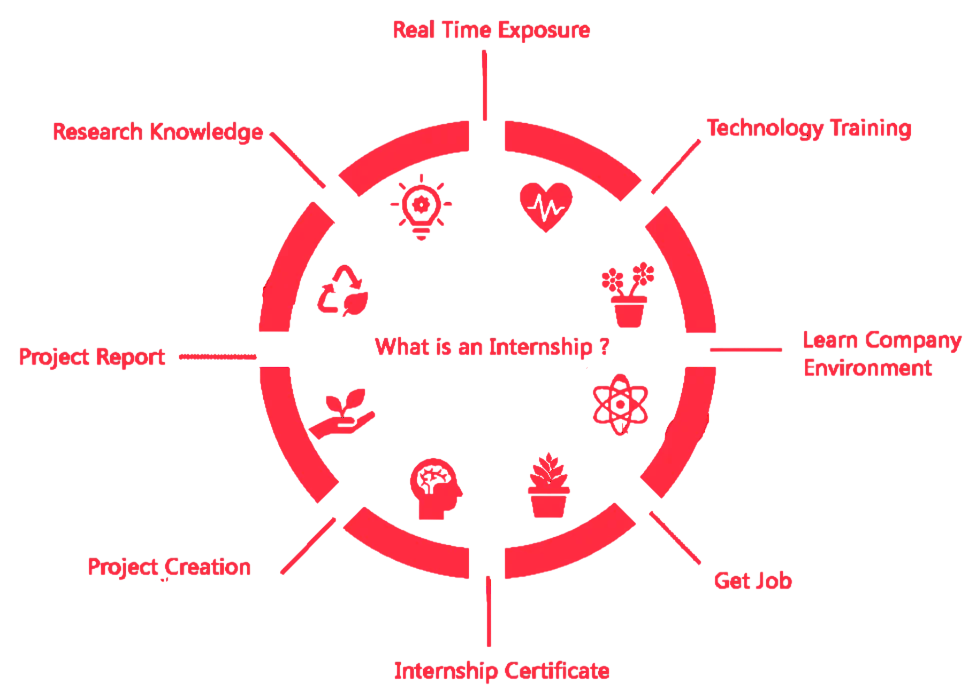

Develop Your Skills with Artificial Intelligence Training
Weekday / Weekend BatchesSee Batch DetailsAdvanced Learning and Career Development Pathways
AI internships provide far more than introductory industry exposure by offering fresh graduates opportunities to work with advanced technologies such as generative AI, deep learning, natural language processing, computer vision, and scalable cloud-based deployment systems. These experiences help interns solve real-world challenges, optimize machine learning models, and understand how AI solutions are integrated into enterprise applications. Following A Step-by-Step Guide to Becoming an AI Engineer can further help aspiring professionals build the technical foundation needed for long-term success in the field. Internships also encourage participation in innovation, research projects, hackathons, and cross-functional collaborations, allowing students to strengthen their technical portfolios and industry knowledge. Since many organizations use internships as a primary recruitment channel, outstanding performance often leads to full-time employment opportunities. This combination of practical experience, continuous learning, professional networking, and career advancement makes AI internships an essential stepping stone for graduates aiming to establish successful careers in the rapidly evolving AI industry.
To ExploreArtificial Intelligence in Depth, Check Out Our Comprehensive Artificial Intelligence Online Training To Gain Insights From Our Experts!
Practical Applications and Future Career Trends
AI internships give freshers hands-on experience with real-world applications such as predictive analytics, recommendation systems, intelligent automation, and computer vision, helping them understand how artificial intelligence improves business efficiency and decision-making. These practical projects demonstrate the true value of industry experience while preparing students for emerging technologies and workplace expectations. Learning about The Future of IT Jobs Is Changing With AI further enables aspiring professionals to understand how AI is reshaping career opportunities across industries. Internships also introduce concepts such as ethical AI, explainable AI, model governance, and responsible data usage, ensuring graduates are equipped to address modern challenges like algorithmic fairness, bias mitigation, and unstructured data processing. By combining technical expertise with business understanding, AI internships bridge the gap between academic learning and professional practice, helping freshers build confidence, strengthen their portfolios, and remain competitive in an increasingly AI-driven job market.
Looking to Master Machine Learning? Discover the Artificial Intelligence Expert Masters Program Training Course Available at ACTE Now!
Strategic Skills Freshers Gain During Internships
- Technical Proficiency Development: Internships enhance coding, data handling, and model-building skills and AI Applications. Freshers gain confidence in applying frameworks like PyTorch and TensorFlow, directly supporting AI internships for freshers career growth.
- Problem-Solving Mindset: Exposure to real challenges cultivates analytical thinking. Freshers learn to troubleshoot errors, optimize algorithms, and design scalable solutions, preparing them for demanding AI roles.
- Collaboration and Teamwork: Internships emphasize teamwork across departments. Freshers practice effective communication, project coordination, and adaptability, which are crucial for long-term career success.
- Time Management Skills: Meeting deadlines and balancing multiple tasks during internships teaches discipline. Freshers develop organizational skills that enhance productivity in professional settings.
- Industry Awareness: Internships provide insights into market trends, ethical considerations, and evolving technologies and AI Image Processing. Freshers gain awareness of industry expectations, helping them align their career strategies effectively.
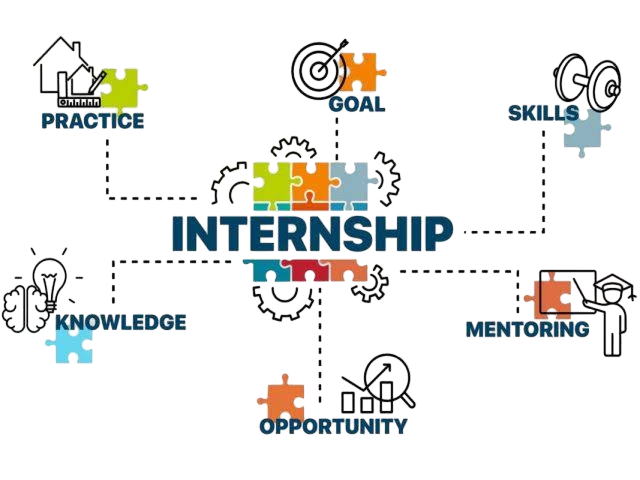
Actionable Recommendations for Maximizing Internship Value
- Set Clear Learning Goals: Freshers should define objectives before starting internships. This ensures focused growth and helps track progress across technical and professional skills.
- Engage Actively with Mentors: Building strong relationships with mentors accelerates learning. Freshers should seek feedback, ask questions, and apply guidance to improve their performance.
- Document Project Contributions: Maintaining records of tasks and achievements creates a portfolio. This portfolio becomes a valuable asset during job applications and interviews. expole more in Top 10 Real Life Application Of AI You Use Every Day
- Explore Multiple Domains: Freshers should experiment with different AI areas during internships. Exposure to varied domains helps identify strengths and informs future career choices.
- Evaluate Internship Models: Comparing academic research internships with corporate training programs provides clarity. Freshers can choose paths that align with their long-term career aspirations.
Preparing for Artificial Intelligence Job Interviews? Have a Look at Our Blog on Artificial Intelligence Interview Questions and Answers To Ace Your Interview!
Comparative Insights on Internship Models
- Corporate Internships: These focus on practical business applications. Freshers gain exposure to client projects, deadlines, and organizational workflows, preparing them for immediate employment opportunities.
- Research Internships: Academic settings emphasize innovation and exploration. Freshers contribute to publications, experiments, and theoretical advancements, enhancing academic credibility.
- Hybrid Internships: Combining corporate and research elements, these internships provide balanced exposure in Artificial Intaligence Training. Freshers experience both practical applications and academic exploration.
- Remote Internships: Offering flexibility, remote programs allow freshers to collaborate globally. They gain experience in virtual teamwork and digital communication, which are essential in modern workplaces.
- Startup Internships: Startups provide dynamic environments with diverse responsibilities. Freshers learn adaptability, multitasking, and innovation, which strengthen entrepreneurial skills and career resilience.
Final Reflections on AI Internships for Freshers
AI internships for freshers career growth represent a crucial stage in professional development, offering both immediate learning and long-term benefits. These internships equip students with technical expertise, industry exposure, and confidence to tackle complex challenges in Artificial Intaligence Training. The importance of AI internships for fresh graduates lies in their ability to transform academic learners into industry-ready professionals who can contribute meaningfully to organizational success. By engaging in diverse projects, freshers gain clarity on career paths, build valuable networks, and enhance employability. The structured environment of internships ensures that students not only acquire skills but also develop resilience and adaptability, which are essential in competitive industries. As AI continues to evolve, internships prepare freshers to embrace future trends and ethical responsibilities, ensuring sustained relevance in the workforce. Ultimately, internships serve as a bridge between education and employment, empowering freshers to achieve career growth with confidence and purpose.