LMS
LMS
Last updated on 25th Jul 2026| 8163

- Introduction to Project Descriptions in Resumes
- Why Project Descriptions Matter to Recruiters
- Essential Elements of an Effective Project Description
- Structuring Project Descriptions: Problem, Approach, Tools, Result
- Using Action Verbs and Quantifiable Metrics Effectively
- Comparison: Weak vs Strong Project Descriptions
- Showcasing Academic, Personal, and Internship Projects
- Highlighting Tools, Technologies, and Skills Within Projects
- Common Mistakes in Writing Project Descriptions
- Conclusion: Turning Projects into Powerful Resume Assets
Introduction to Project Descriptions in Resumes
For students and freshers entering the job market with little or no formal work experience, project descriptions often become the single most influential section of a resume, serving as concrete proof of applied knowledge, technical capability, and problem-solving skills. While academic transcripts reflect theoretical understanding, well-written project descriptions demonstrate how a candidate translates classroom learning into practical outcomes, which is exactly what recruiters are trying to evaluate when reviewing entry-level applications. Candidates looking to understand how to present their projects effectively can explore Project Description In Resume for additional guidance. A project description is more than a brief mention of a course assignment; it is a structured narrative that explains what problem was addressed, what approach and tools were used, and what measurable result was achieved. Candidates who fail to elaborate on their projects often reduce a potentially strong qualification to a single vague line, missing the opportunity to demonstrate depth of understanding and technical proficiency. On the other hand, candidates who invest time in crafting clear, specific, and results-oriented project descriptions can significantly strengthen their resumes, even without formal internship or job experience. This is particularly important in technical fields such as engineering, computer science, data analytics, and software development, where hands-on project work is often weighted as heavily as academic performance during recruitment. Writing effective project descriptions requires a combination of clarity, technical accuracy, and strategic emphasis on outcomes rather than just processes. This article explores why project descriptions matter, how to structure them effectively, and the common mistakes candidates should avoid in order to transform their project work into one of the most persuasive sections of their resume.
Why Project Descriptions Matter to Recruiters
Recruiters place significant weight on project descriptions because they offer direct, tangible evidence of a candidate’s ability to apply theoretical knowledge to practical situations, which academic grades alone cannot demonstrate. When evaluating fresher candidates who lack extensive professional experience, recruiters often use project sections as a substitute for work history, examining them closely to assess technical competency, problem-solving approach, and familiarity with industry-relevant tools and technologies. A well-articulated project description signals that a candidate not only understands core concepts but can also independently identify a problem, design a solution, and execute it to completion, which are qualities highly valued in any professional role. Additionally, projects often reveal soft skills such as time management, persistence, and adaptability, particularly when candidates describe challenges they encountered and how they overcame them during the course of the project. Highlighting these qualities alongside project experience can further strengthen a resume, particularly when supported by relevant Job Winning Strengths To Put In Resume. For technical roles specifically, recruiters use project descriptions to verify that a candidate’s claimed skills, such as programming languages or software tools, have actually been applied in a meaningful context rather than simply listed without evidence. This is especially important given that many resumes contain long lists of skills that are difficult to verify without supporting examples. Project descriptions also frequently become discussion points during interviews, as recruiters and hiring managers often ask candidates to elaborate on their listed projects to assess depth of understanding and communication ability. A strong project description, therefore, does more than fill space on a resume; it actively builds recruiter confidence in a candidate’s practical readiness and often becomes the deciding factor in shortlisting decisions for entry-level positions.
Ready to Pursue Your Data Science Certificate? View The Data Science Course Training Offered By ACTE Right Now!
Essential Elements of an Effective Project Description
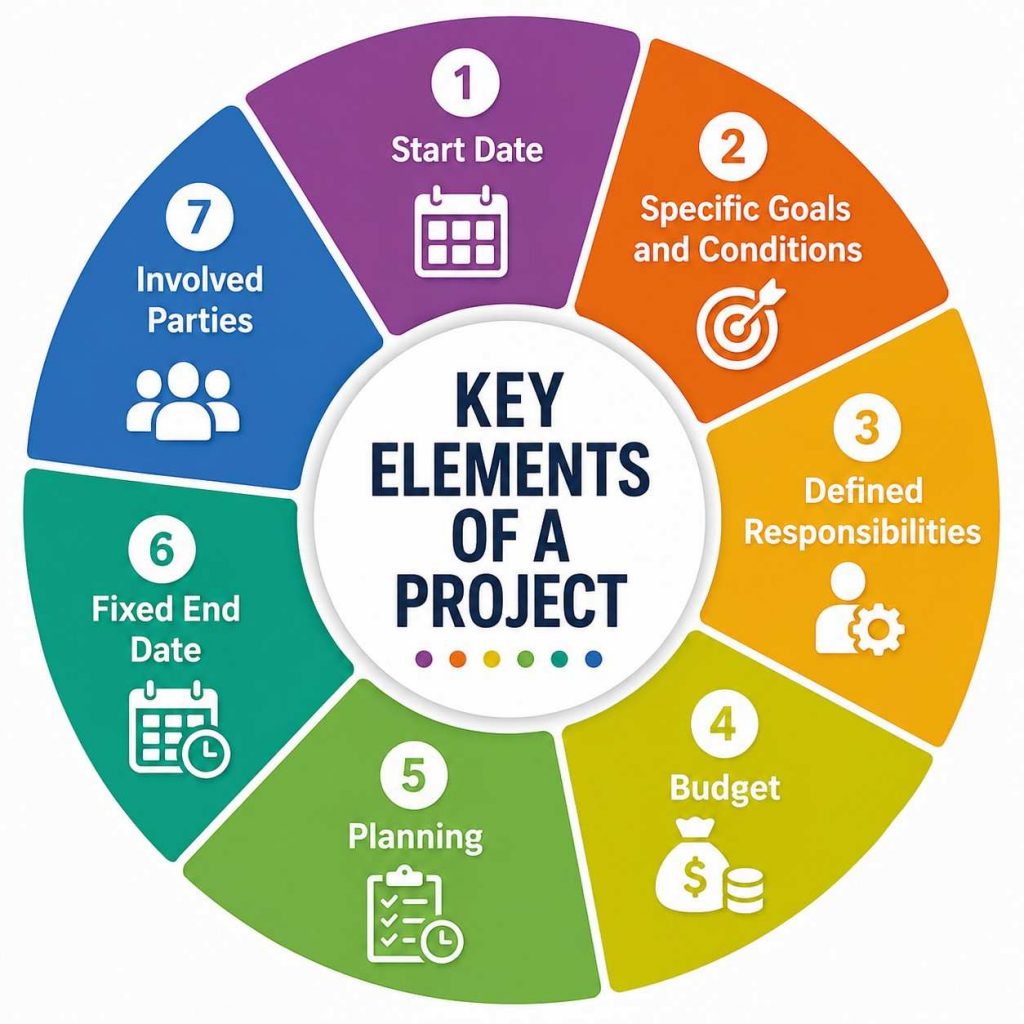
An effective project description is built from several essential elements that work together to give recruiters a complete and credible picture of the work performed. The first element is a clear project title that immediately communicates the subject matter, followed by a concise statement of the problem or objective the project aimed to address, which provides context for everything that follows. The second essential element is a description of the approach or methodology used, explaining how the candidate tackled the problem, what steps were taken, and what reasoning guided key decisions throughout the process. The third element involves explicitly naming the tools, technologies, programming languages, or frameworks used, since this information allows recruiters to quickly match a candidate’s practical experience against the technical requirements of the role. The fourth essential element is the outcome or result of the project, ideally expressed with measurable detail such as improved efficiency, accuracy percentages, processing speed, or user impact, as quantifiable results carry significantly more weight than vague claims of success.
Structuring Project Descriptions: Problem, Approach, Tools, Result
One of the most reliable methods for writing clear and impactful project descriptions is following a consistent four-part structure: problem, approach, tools, and result. This structure ensures that every project description contains the essential information recruiters look for, presented in a logical order that is easy to scan and understand quickly. The problem statement should be brief but specific, clearly identifying what issue, requirement, or objective the project was designed to address, avoiding overly broad or generic descriptions that fail to convey the actual challenge involved. The approach section explains the methodology or process followed to solve the problem, highlighting key decisions, techniques, or design choices that demonstrate analytical thinking rather than simply listing steps mechanically. The tools section should explicitly name the specific technologies, programming languages, software, or platforms used during the project, since this directly supports any technical skills claimed elsewhere in the resume and helps recruiters quickly assess relevance to the role. The result section, often the most persuasive part of the description, should communicate the outcome achieved, ideally supported by measurable data such as percentage improvements, reduced processing time, increased accuracy, or successful deployment, as concrete numbers make achievements far more credible and memorable than general statements. Just as a well-structured project description communicates value quickly, a strong Resume Summary can help recruiters understand a candidate’s overall qualifications and career value at a glance. Following this four-part structure consistently across all listed projects not only improves clarity but also creates a professional, organized appearance throughout the resume, making it easier for recruiters to compare and evaluate multiple projects within a short review period.
Using Action Verbs and Quantifiable Metrics Effectively
The language used within a project description plays a significant role in how impactful and professional it appears to a recruiter, which is why selecting strong action verbs and incorporating quantifiable metrics is essential for effective resume writing. Beginning each bullet point or sentence with a powerful action verb such as developed, designed, implemented, optimized, automated, or analyzed immediately conveys initiative and active involvement, rather than passive participation in a project. Weak or generic phrasing, such as simply stating that a candidate “worked on” a project, fails to convey the specific contribution made and can make even technically impressive work sound unremarkable. Alongside strong verbs, incorporating quantifiable metrics wherever possible dramatically strengthens the credibility and impact of a project description, since numbers provide concrete evidence of scale, efficiency, or success that recruiters can quickly interpret and compare. For example, describing a project as having “improved data processing speed by 40 percent” or “reduced manual errors by automating a previously manual workflow” is far more persuasive than simply stating that a system was “improved” or “made more efficient.” When exact figures are not available, candidates can still use relative or comparative language, such as describing a significant reduction in processing time or a noticeable increase in accuracy, to convey impact without fabricating precise statistics. Avoiding vague statements and other common resume-writing issues is equally important, and candidates can review 10 Mistakes That Will Get Your Resume Rejected to identify and eliminate frequent errors. Combining strong action verbs with specific, quantifiable outcomes throughout the project section creates a resume that feels results-driven and professional, closely aligning with the language and expectations found in real workplace performance reviews and job descriptions.

Comparison: Weak vs Strong Project Descriptions
| Aspect | Weak Description | Strong Description |
|---|---|---|
| Detail Level | Vague, one-line mention | Specific problem, approach, and result |
| Tools Mentioned | Not specified | Clearly named technologies |
| Outcome | No measurable result | Quantified improvement or impact |
| Language Style | Passive, generic phrasing | Strong action verbs |
| Candidate’s Role | Unclear contribution | Explicit individual responsibility |
| Recruiter Impression | Difficult to evaluate | Credible and persuasive |
Excited to Obtaining Your Data Analytics Certificate? View The Data Science Course Training Offered By ACTE Right Now!
Showcasing Academic, Personal, and Internship Projects
Candidates often have access to several different categories of project experience, and each type can be presented effectively on a resume when framed appropriately for recruiter expectations. Academic projects, typically completed as part of coursework or final-year requirements, should be described with an emphasis on the technical complexity involved and the specific skills applied, since recruiters understand that these projects are guided by academic requirements but still want to see genuine problem-solving effort and technical depth. Personal or self-initiated projects, often built outside of formal coursework to explore a specific interest or technology, can be particularly compelling to recruiters because they demonstrate self-motivation, curiosity, and a genuine passion for the field, qualities that are difficult to convey through academic work alone. When describing personal projects, candidates should clearly explain what inspired the project and what they learned through independent research and experimentation, since this context helps recruiters understand the initiative behind the work. Internship projects, when available, typically carry the most weight on a resume because they demonstrate the ability to work within a real organizational structure, follow professional workflows, and contribute to outcomes that have genuine business relevance. Candidates looking for additional guidance on presenting internship-related experience can explore Internship Resume Examples to Help You Get Hired Faster. When describing internship projects, candidates should be mindful of any confidentiality agreements while still providing enough detail about their individual contributions, the tools used, and the impact achieved to make the description meaningful. Regardless of project type, maintaining a consistent level of detail and structure across all entries helps create a cohesive and professional project section that effectively showcases a candidate’s full range of practical experience.
Highlighting Tools, Technologies, and Skills Within Projects
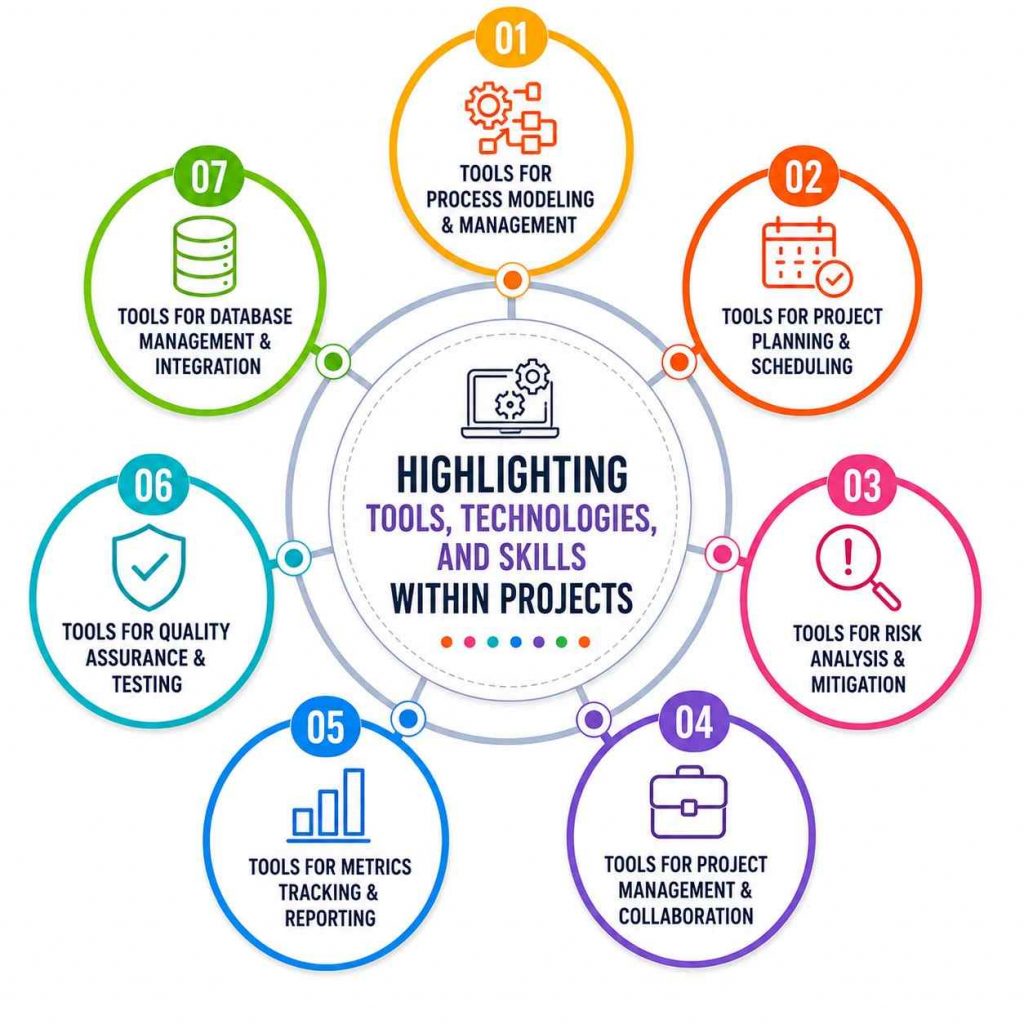
- Name Specific Technologies Clearly: Always mention the exact programming languages, frameworks, or software used, such as Python, SQL, or specific cloud platforms, rather than vague references to general categories of technology.
- Connect Tools to Outcomes: Explain how a particular tool or technology directly contributed to solving the problem or achieving the result, rather than simply listing it without context or explanation.
- Group Related Technologies Together: When multiple tools were used within a single project, organizing them logically, such as separating data collection tools from analysis or visualization tools, improves readability significantly.
- Match Tools to Target Job Requirements: Prioritize highlighting tools and technologies that align closely with the specific job description being applied for, ensuring maximum relevance to the recruiter’s expectations. Candidates can also review Important Resume Skills to better understand which skills can strengthen their overall resume.
- Avoid Overstating Proficiency: Only include tools that were genuinely used in a meaningful capacity, since recruiters may ask detailed follow-up questions during interviews that reveal a lack of real familiarity.
Are You Considering Pursuing a Data Analytics Master’s Degree? Enroll For Data Science Expert Masters Program Training Course Today!
Common Mistakes in Writing Project Descriptions
- Being Too Vague or Generic: Descriptions that fail to specify the actual problem solved or technologies used leave recruiters unable to assess the candidate’s real technical contribution.
- Omitting Measurable Results: Failing to include any quantifiable outcome makes even technically strong projects appear less impressive and harder to evaluate objectively.
- Overloading with Technical Jargon: Excessive use of complex terminology without clear explanation can make descriptions difficult to understand, particularly for non-technical recruiters conducting initial screening.
- Listing Too Many Projects Superficially: Including a long list of projects with minimal detail on each is less effective than presenting two or three well-developed, detailed descriptions.
- Failing to Clarify Individual Contribution: In team-based projects, not specifying the candidate’s specific role can create ambiguity about their actual level of involvement and responsibility. Avoiding such issues is an important part of creating an effective resume, and candidates can review Resume Mistakes That Are Costing You Interviews for additional guidance.
Set to Ace Your AWS Job Interview? Check Out Our Blog on Data Science Interview Questions & Answer
Conclusion: Turning Projects into Powerful Resume Assets
Project descriptions hold immense potential to transform an otherwise ordinary resume into a compelling demonstration of practical skill and problem-solving ability, particularly for freshers and students who lack extensive formal work experience. By following a structured approach that clearly outlines the problem addressed, the methodology applied, the tools and technologies used, and the measurable results achieved, candidates can present their project work in a way that closely mirrors professional performance documentation. Incorporating strong action verbs and specific, quantifiable metrics further elevates the perceived impact of each project, helping candidates stand out among applicants who rely on vague or generic descriptions. Whether drawn from academic coursework, personal initiatives, or internship experiences, every project has the potential to serve as compelling evidence of a candidate’s readiness for professional roles when described thoughtfully and strategically. Avoiding common mistakes such as excessive vagueness, missing outcomes, or unclear individual contribution ensures that project descriptions remain credible and persuasive throughout the recruitment process. Ultimately, investing time in crafting detailed, well-structured project descriptions is one of the most effective ways for candidates, especially those early in their careers, to build recruiter confidence and significantly improve their chances of securing interviews and job offers. Candidates can further strengthen their overall resume strategy by exploring Tips to Build a Resume That Lands Your Dream Job for additional resume-building guidance.