LMS
LMS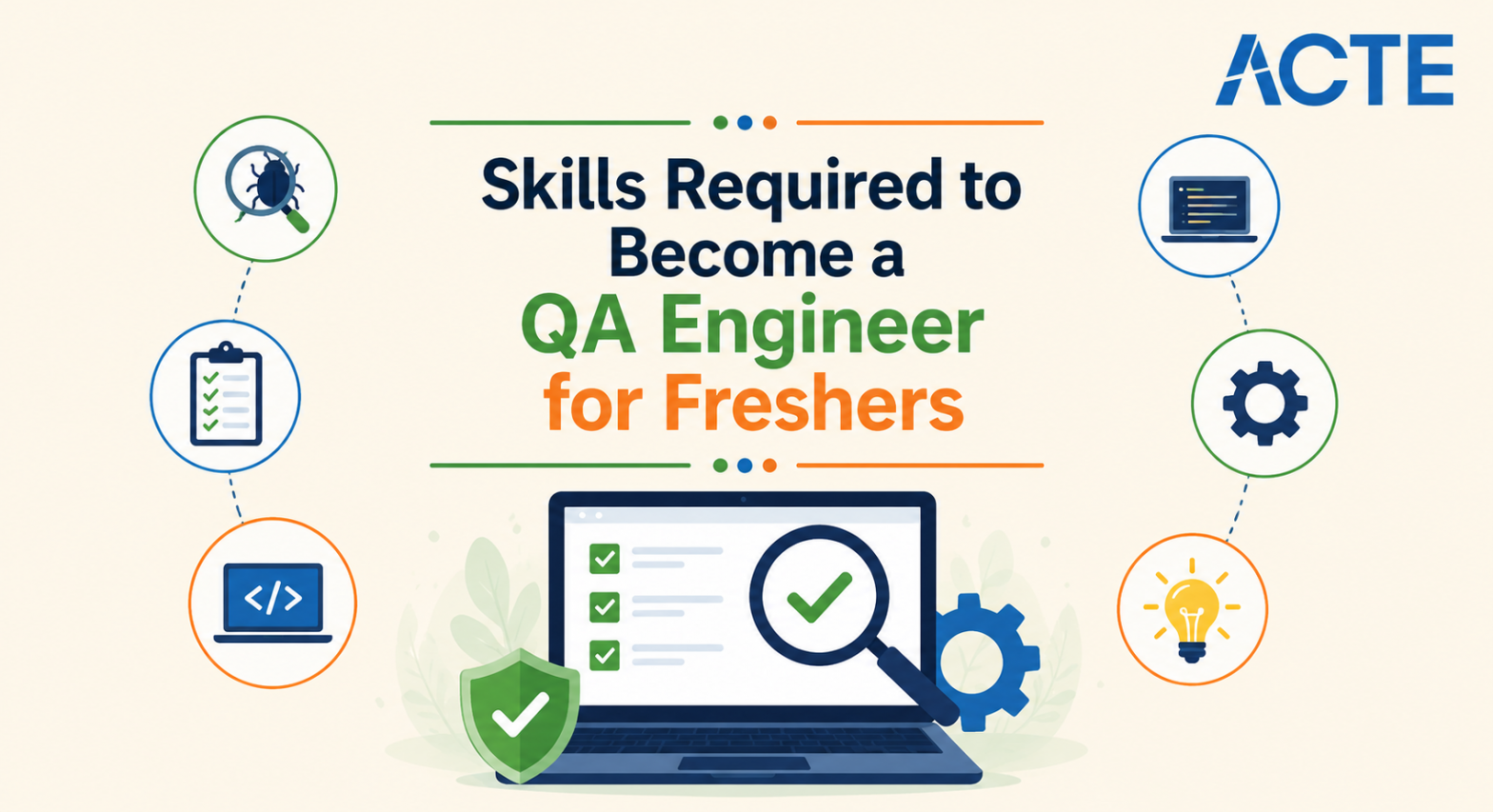
Last updated on 15th Jul 2026| 11400

- Introduction to QA Engineering
- Who is a QA Engineer? Roles and Responsibilities
- Why QA Engineering is a Great Career Choice for Freshers
- Essential Technical Skills Every QA Engineer Should Learn
- Manual Testing Skills Required for Beginners
- Automation Testing Skills to Build for Career Growth
- Important Soft Skills for a Successful QA Engineer
- Popular QA Tools and Technologies Freshers Should Know
- How to Build QA Skills: Learning Roadmap for Freshers
- Career Opportunities and Salary Growth in QA Engineering
- Conclusion: Building a Successful Career as a QA Engineer
Introduction to QA Engineering
Quality Assurance (QA) Engineering is a crucial part of the software development process that focuses on ensuring software quality, reliability, and performance before applications are released to end users. Every software product, whether it is a banking application, healthcare system, e-commerce platform, or mobile application, must undergo thorough testing to verify that it functions correctly and satisfies both business and customer requirements. Without proper quality assurance, software may contain defects that can result in poor user experience, security risks, financial losses, and reduced customer trust. Freshers can build a strong foundation in quality assurance by enrolling in Software Testing Training, where they learn essential testing concepts, tools, and industry practices. A QA Engineer plays an important role throughout the Software Development Life Cycle (SDLC) by planning, executing, and monitoring testing activities. They work closely with developers, business analysts, and project managers to identify defects, validate application functionality, and ensure that software meets predefined quality standards. Their contribution helps organizations deliver stable, secure, and user-friendly applications. For freshers, QA Engineering offers an excellent opportunity to begin a career in the IT industry. It provides a strong understanding of software development processes while developing analytical thinking, problem-solving abilities, and technical skills. By learning software testing fundamentals, modern testing tools, and industry best practices, fresh graduates can build a successful career in software quality assurance and gradually progress into advanced testing roles.
Who is a QA Engineer? Roles and Responsibilities
A QA Engineer is a software quality professional responsible for verifying that software applications function correctly, satisfy business requirements, and deliver a seamless experience to users. The primary objective of a QA Engineer is to detect defects before software reaches production, ensuring that applications are reliable, secure, and perform efficiently. By identifying issues during development, QA Engineers help organizations reduce maintenance costs and improve customer satisfaction. QA Engineers collaborate with developers, business analysts, product owners, and project managers throughout the Software Development Life Cycle. They analyze project requirements, prepare testing strategies, create and execute test cases, report software defects, verify bug fixes, and maintain testing documentation. Their responsibilities also include validating application functionality, checking system behavior, and ensuring that new features do not affect existing functionality. Understanding industry expectations and career opportunities through guides like How to Get Hired as a Software Tester at TCS helps aspiring QA professionals prepare for successful testing roles. As software development practices continue to evolve with Agile, DevOps, and Continuous Integration/Continuous Deployment (CI/CD), the responsibilities of QA Engineers have expanded significantly. In addition to manual testing, many QA Engineers contribute to automation testing, API testing, regression testing, performance testing, and continuous quality monitoring. Their ability to maintain high software quality throughout development makes them an essential part of every software project.
Why QA Engineering is a Great Career Choice for Freshers
QA Engineering has become one of the most promising career options for fresh graduates because software testing is an essential requirement in every software development project. Organizations across industries depend on QA professionals to ensure that their applications function correctly, meet customer expectations, and maintain high quality standards. As digital transformation continues to grow, companies are actively recruiting skilled QA Engineers to support the development of reliable software products. Enrolling in a professional Software Testing Training program helps freshers build strong testing fundamentals and gain practical industry-ready skills. One of the major advantages of choosing QA Engineering is that freshers can begin their careers by learning manual testing concepts before gradually advancing to automation testing and other specialized testing domains. This structured learning path allows beginners to build practical experience while continuously improving their technical knowledge. Freshers also gain exposure to software development processes, testing methodologies, and modern quality assurance practices that are widely used in the IT industry. The increasing adoption of Agile methodologies, DevOps practices, cloud computing, artificial intelligence, and continuous testing has further increased the demand for QA professionals. As QA Engineers gain experience, they can progress into advanced roles such as Automation Test Engineer, API Test Engineer, Performance Tester, Security Tester, Software Development Engineer in Test (SDET), QA Lead, and Test Manager. With continuous learning and practical experience, QA Engineering offers excellent career growth, competitive salaries, and long-term job stability.
Get Your Software Testing Certification by Learning from Industry-Leading Experts and Advancing Your Career with ACTE’s Software Testing Course.
Essential Technical Skills Every QA Engineer Should Learn
- Software Testing Fundamentals: Learn the basics of the Software Development Life Cycle and the defect life cycle. Developing a clear understanding of the Different Types of Software Testing helps QA Engineers perform testing activities systematically and maintain software quality throughout development.
- Test Case Design and Execution: Understand how to create effective test cases based on project requirements, execute them accurately, compare actual results with expected outcomes, and report any defects found during testing. This skill forms the foundation of manual testing.
- Programming Basics: Gain basic knowledge of programming languages such as Java, Python, or JavaScript. Programming helps QA Engineers understand application logic, automate repetitive test cases, and work more efficiently with automation testing tools.
- Database Testing: Learn SQL queries and database concepts to validate stored data and verify backend functionality. Database testing ensures that applications store, retrieve, and process information correctly without data inconsistencies.
- API Testing: Develop API testing skills using tools like Postman to verify communication between different software components. API testing helps validate requests, responses, authentication, and backend functionality before applications reach end users.
- Bug Tracking and Reporting: Learn to use defect management tools such as Jira or Bugzilla to report, monitor, and track software defects. Writing detailed and accurate bug reports helps developers reproduce issues quickly and improves collaboration within the development team.
- Version Control Systems: Understand version control tools like Git and GitHub to manage automation scripts, track project changes, and collaborate efficiently with developers. Version control is an important skill in modern software development environments.
- Automation Testing Fundamentals: After mastering manual testing concepts, start learning automation tools such as Selenium, Playwright, or Cypress along with automation frameworks. Hands-on practice with real-world projects helps learners build practical automation skills. Automation improves testing speed, reduces repetitive work, and increases long-term career growth opportunities.
- Requirement Analysis: Learn to understand business requirements, functional specifications, and user stories before starting the testing process. Proper requirement analysis helps create accurate test scenarios and ensures that all application features are tested thoroughly.
- Test Case Writing: Develop the ability to create clear, detailed, and reusable test cases based on project requirements. Well-written test cases improve testing consistency and make it easier to validate application functionality.
- Test Execution: Execute test cases carefully by comparing actual results with expected outcomes. Proper test execution helps identify software defects, validate application behavior, and ensure that business requirements are satisfied.
- Defect Reporting: Learn how to identify, document, and report software defects with complete details such as steps to reproduce, expected results, actual results, severity, and priority. Clear bug reports help developers resolve issues more efficiently.
- Regression Testing: Understand how to verify that newly implemented features or bug fixes do not affect existing application functionality. Regression testing ensures software stability before every release. Beginners should also understand the role of manual testing in comparison with automation approaches by exploring Manual vs Automation Testing.
- Exploratory Testing: Practice exploratory testing by interacting with the application without predefined test cases. This approach helps discover unexpected defects, usability issues, and application behavior that structured testing may overlook.
- Programming Knowledge: Learn programming languages such as Java, Python, or JavaScript to create, understand, and maintain automation scripts. Programming skills also improve logical thinking and simplify automation framework development.
- Selenium: Gain hands-on experience with Selenium through Software Testing Training. It is one of the most widely used automation tools and is highly valued in the software testing industry.
- Automation Frameworks: Understand frameworks such as TestNG or JUnit to organize test scripts, improve code reusability, and simplify test execution and maintenance.
- API Automation: Learn API automation using tools like Postman and automation libraries to validate backend services, improve testing speed, and ensure reliable communication between software components.
- Continuous Integration (CI): Develop knowledge of CI tools such as Jenkins to automate test execution during software development and support faster, high-quality software releases.
- Script Maintenance: Learn how to update and maintain automation scripts whenever application features or requirements change to ensure long-term reliability and consistent test results.
- Instructor-led Sessions
- Real-life Case Studies
- Assignments
- Analytical Thinking: QA Engineers should analyze software behavior carefully to identify possible defects and testing scenarios. Strong analytical skills improve software quality and help testers make better testing decisions.
- Attention to Detail: Careful observation helps testers identify even minor defects that could affect application performance. This skill ensures accuracy and supports high-quality software delivery.
- Problem-Solving Skills: QA Engineers should think logically while identifying issues and finding possible solutions. Strong problem-solving abilities help resolve software defects efficiently.
- Communication Skills: Clear communication is necessary for reporting bugs, discussing issues with developers, and preparing testing documentation. Effective communication reduces misunderstandings within the team. Developing these skills can help candidates prepare for opportunities such as QA Careers at Capgemini.
- Time Management: Managing testing activities within project deadlines helps ensure timely software releases without compromising quality. Good time management improves productivity and task handling.
- Team Collaboration: QA Engineers work closely with developers and project teams throughout the software development process. Good teamwork improves project success and helps resolve issues quickly.
- Selenium: Selenium is widely used for automating web application testing. It is one of the most important tools for aspiring automation testers. Learning Selenium increases career opportunities in QA.
- Postman: Postman is used for API testing by sending requests and validating responses. It helps verify backend functionality effectively. It is widely used by both testers and developers.
- Jira: Jira is a popular bug tracking and project management tool used by QA teams. It helps manage defects and testing tasks efficiently. It also improves communication between team members.
- Git: Git is a version control system that helps teams manage source code and collaborate during software development. It allows testers to track project changes effectively. Basic Git knowledge is valuable for every QA Engineer.
- TestNG: TestNG is an automation testing framework that provides better test execution, reporting, and test management features. It integrates well with Selenium projects and supports efficient automation testing.
- SQL: SQL helps QA Engineers validate database operations and verify stored application data during testing. It ensures that backend data is accurate and consistent. Modern QA practices also include emerging approaches like AI-Powered Software Testing to improve testing efficiency.
- Learn Testing Fundamentals: Begin by understanding SDLC, STLC, testing types, and software quality concepts. These provide the foundation for building a successful QA career.
- Practice Manual Testing: Create test cases, execute tests, and report defects on sample applications. Practical experience helps improve testing confidence and real-world problem-solving skills.
- Learn SQL: Understanding SQL helps QA Engineers validate backend data and perform database testing effectively. It is an important skill for verifying application data accuracy.
- Study Programming Basics: Learning programming languages like Java or Python helps freshers understand software logic and prepares them for automation testing.
- Learn Automation Tools: Start learning automation tools like Selenium and basic automation frameworks after gaining knowledge of manual testing. Automation skills improve testing efficiency and career growth.
- Work on Real-Time Projects: Hands-on project experience helps freshers understand practical testing environments and improves job readiness. Building project experience along with a strong profile can support career preparation Resume for a Software Testing Internship..
- Earn Certifications: Software testing certifications validate QA skills and demonstrate continuous learning, helping improve career opportunities.
- Entry-Level Roles: Freshers can start their careers as Manual Testers, QA Engineers, or Associate Test Engineers to gain practical experience and understand real-world software testing processes.
- Automation Testing Roles: With knowledge of automation tools and programming skills, QA professionals can become Automation Test Engineers or Software Development Engineers in Test (SDET) with better career growth opportunities.
- Specialized Testing Roles: QA Engineers can specialize in areas such as API Testing, Performance Testing, Security Testing, and Mobile Application Testing to expand their career options.
- Leadership Roles: Experienced QA professionals can progress into roles like QA Lead, Test Manager, or Test Architect, where they manage teams, plan testing strategies, and make important quality decisions.
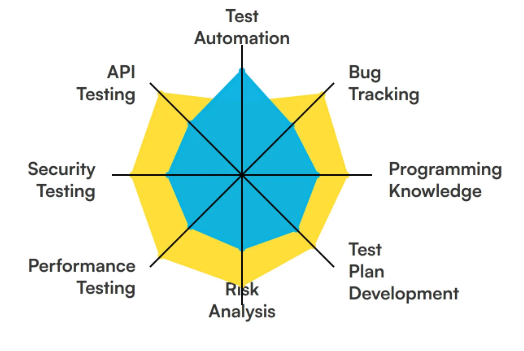

Learn Software Testing Training Course to Build Your Skills
Weekday / Weekend BatchesSee Batch DetailsManual Testing Skills Required for Beginners
Automation Testing Skills to Build for Career Growth

Get JOB Oriented Software TestingI Training for Beginners By MNC Experts
Important Soft Skills for a Successful QA Engineer
Want to Master Software Testing? Explore the Software Testing Master Program Offered at ACTE Today!
Popular QA Tools and Technologies Freshers Should Know
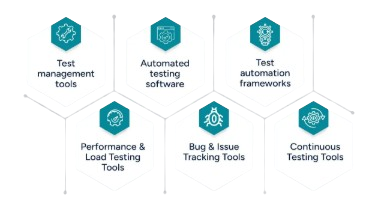
Want to Learn About Software Testing? Explore Our Software Testing Interview Questions and Answers Featuring the Most Frequently Asked Questions in Job Interviews.
How to Build QA Skills: Learning Roadmap for Freshers
Career Opportunities and Salary Growth in QA Engineering
Conclusion: Building a Successful Career as a QA Engineer
Quality Assurance Engineering is an excellent career choice for freshers who are interested in software quality, problem-solving, and continuous learning. A successful QA Engineer requires a combination of technical knowledge, practical testing skills, and strong communication abilities to ensure that software applications function correctly and meet user expectations. By developing a solid understanding of manual testing, automation testing, software development processes, testing tools, and quality assurance practices through Software Testing Training, freshers can build a strong foundation for a rewarding career in the IT industry. As the demand for high-quality software continues to grow, organizations are actively seeking skilled QA professionals who can contribute to delivering reliable and efficient applications. Freshers who continuously upgrade their knowledge, gain hands-on experience with real-world projects, and stay updated with the latest testing technologies will have excellent career opportunities and long-term growth. With dedication, practical experience, and a commitment to continuous improvement, aspiring QA Engineers can build a successful career and become valuable contributors to modern software development teams.