LMS
LMS
Last updated on 06th May 2026| 4611

- Introduction Generative AI Projects
- Text Generation with GPT Models
- Image Generation with Stable Diffusion
- Code Assistant (Mini Copilot)
- Text-to-Video Generator
- AI Cover Letter Generator
- Music Composition Tool
- Custom Avatar Creator
- AI Content Summarizer
- Conclusion
Introduction Generative AI Projects
In the journey of mastering modern technology, working on practical projects is one of the most effective ways to learn, and that is where Gen AI Projects for Beginners play a crucial role. Generative AI is not just about theory; it becomes powerful when applied to real-world use cases through hands-on experimentation. Beginners who explore Gen AI Projects for Beginners can understand how AI models generate text, images, and code in a practical environment. These projects help in building confidence while also strengthening problem-solving skills. From simple chatbot creation to AI-based content generators, beginners can start with easy implementations and gradually move to complex systems. Gen AI Course Are best part is that many tools and APIs are beginner-friendly and require minimal setup. By working on Gen AI Projects for Beginners, freshers can build a strong portfolio that showcases their skills to potential employers. It also helps in understanding how AI integrates with web development, applications, and automation tools. These projects encourage creativity and innovation, allowing learners to experiment with new ideas.
Text Generation with GPT Models
Text generation with GPT models is one of the most important advancements in artificial intelligence today. It allows machines to generate human-like text based on simple input prompts. GPT models are trained on large datasets that include books, articles, and online content. This helps them understand grammar, context, and meaning effectively. Businesses use GPT models for content writing, chatbots, Generative AI Tools and automation tasks. It can generate blogs, emails, product descriptions, and even code. The quality of output depends on how well the prompt is written. This is why prompt engineering plays a key role in text generation. GPT models can adapt to different tones such as formal, casual, or professional. They also help in improving productivity by reducing manual writing effort. Developers can integrate these models into applications using APIs. It is widely used in marketing, education, and customer support. GPT models can also summarize text and answer questions intelligently. This makes them useful for research and learning purposes. However, users must review outputs to ensure accuracy. Continuous improvements are making these models more reliable. They are becoming an essential tool in digital workflows. Text generation is evolving rapidly with new updates and features. Overall, GPT models are transforming how we create and consume written content.
Ready to Pursue Your Gen AI Certificate? View The Gen AI Course Offered By ACTE Right Now!
Image Generation with Stable Diffusion
Image generation with stable diffusion is a powerful AI technique used to create images from text descriptions. It works by converting noise into meaningful visuals step by step. This technology is popular among designers, artists, and content creators. Users can generate high-quality images by simply describing what they want. Stable diffusion models are efficient and can run on local machines. This makes them accessible and cost-effective compared to other tools. The model is trained on large image datasets to understand patterns and details. It can produce different styles such as realistic, artistic, and fantasy images. This flexibility makes it useful in many industries like gaming and marketing. Gen AI Course Helps control image output using prompts and parameters. It also supports editing and enhancing existing images. Stable diffusion saves time and effort in creative workflows. Many platforms now include this feature in their tools. It allows quick experimentation with visual ideas. The results depend heavily on prompt clarity and creativity. It is continuously improving with better models and updates. Image generation is becoming a key skill for digital creators. Stable diffusion is leading this transformation. Overall, it is changing how visual content is designed and produced.
Code Assistant (Mini Copilot)
- Introduction to Code Assistants: Code assistants are AI tools that help developers write, debug, and understand code faster. They act like a mini copilot by suggesting code snippets and solutions in real time. This improves productivity and reduces manual effort in coding tasks. Freshers should understand how AI can support software development workflows.
- Key Features and Capabilities: These tools provide features like auto-completion, error detection, and code suggestions. They can generate functions, explain logic, and even convert code between languages. This helps beginners learn coding patterns more efficiently. Understanding these features is important for effective usage.
- Working Mechanism: Code assistants are powered by trained language models that understand programming syntax and logic. They analyze the context of the code and predict the next best instruction. This makes coding faster and more accurate. Beginners should Learn Generative AI and how context affects suggestions.
- Benefits for Developers: Using a code assistant saves time and reduces repetitive work. It helps in learning new programming concepts and improving coding skills. Developers can focus more on logic instead of syntax errors. Freshers should use it as a learning tool, not just a shortcut.
- Learning Path for Freshers: Freshers should practice using code assistants while writing real projects. Experimenting with different coding problems helps build confidence. Understanding suggestions instead of blindly copying is important. This approach ensures long-term skill development.
- Introduction to Text-to-Video: Text-to-video generators create videos from written descriptions automatically. This reduces the need for manual video editing and production skills. It is widely used in marketing and content creation. Freshers should understand its growing importance in digital media.
- Core Features: These tools offer features like scene generation, animations, and voice integration. They can convert scripts into engaging visual stories quickly. This helps users create professional videos with minimal effort. Learning these features improves content creation skills.
- How It Works: The system reads the text input and identifies key elements like actions and scenes, using concepts related to Artificial Intelligence. It generates frames and combines them into a video sequence. AI models ensure smooth transitions and realistic output. Beginners should understand how input quality affects results.
- Industry Applications: Businesses use this technology for ads, tutorials, and social media content. It helps reduce production costs and saves time. Companies can quickly produce engaging videos for their audience. Freshers should explore its real-world usage.
- Future Scope: Text-to-video technology is rapidly evolving with better quality and realism. It will play a major role in content creation industries. Learning storytelling and scripting will improve output quality. Freshers should build skills in this area for future opportunities.
- Introduction to Avatar Creation: Custom avatar creators use AI to generate digital human-like characters. These avatars can represent users in virtual environments and content. They are widely used in gaming, marketing, and social platforms. Freshers should understand how personalization is driving this trend.
- Key Features: These tools allow users to customize appearance, expressions, and voice. Avatars can be realistic or animated based on requirements. They support branding and digital identity creation. Learning these features helps in creative applications.
- Working Process: The system uses AI models to generate faces, expressions, and movements, highlighting the Importance of AI Representation in Films. It may combine image processing and animation techniques. This creates lifelike avatars that can interact with users. Beginners should understand the basics of AI-generated visuals.
- Applications in Industry: Custom avatars are used in virtual assistants, customer support, and marketing campaigns. They enhance user engagement and provide interactive experiences. Businesses use them for branding and communication. Freshers should explore these practical use cases.
- Learning Path: Freshers should experiment with avatar creation tools and platforms. Understanding design principles and user interaction is important. Practicing customization improves creativity and technical skills. This knowledge is valuable in modern digital industries.
- Introduction to Content Summarization: AI content summarizers convert long text into short and meaningful summaries. They help users quickly understand key information without reading everything. This is useful in education, research, and business. Freshers should learn how summarization improves productivity.
- Types of Summarization: There are two main types: extractive and abstractive summarization. Extractive selects key sentences, while abstractive creates new summarized content. Each method has different use cases and benefits. Beginners should understand these approaches clearly.
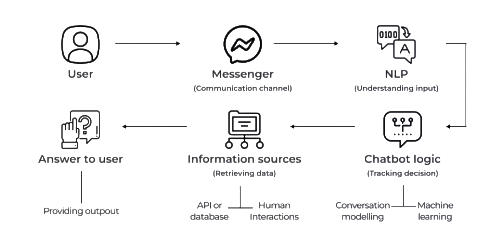
- Working Mechanism: Summarization models analyze text, identify important points, and generate concise output. They use natural language processing techniques for better understanding, including insights from The Other Side of Chatbots. This ensures the summary retains original meaning. Freshers should learn how models process language.
- Benefits and Use Cases: AI summarizers save time and improve efficiency in handling large content. They are used in news, reports, and academic research. Businesses use them for quick insights and decision-making. Freshers should explore these practical applications.
- Best Practices for Usage: Users should provide clear and structured input for better summaries. Reviewing and refining output ensures accuracy and clarity. Avoid relying completely without validation. Freshers should use summarizers as supportive tools for learning.
Excited to Obtaining Your Gen AI Certificate? View The Gen AI Course Offered By ACTE Right Now!
Text-to-Video Generator
AI Cover Letter Generator
An AI cover letter generator is a smart tool that helps job seekers create professional cover letters easily. It uses artificial intelligence to generate personalized content based on user input. Users can enter details like job role, skills, and experience. The AI then creates a structured and well-written cover letter. This saves time and reduces the stress of writing from scratch. It also ensures proper grammar and formatting. AI tools can adjust tone based on the job requirement. This helps in creating more effective job applications. Many platforms offer templates and customization options. Users can edit and refine the generated content as needed Using Jasper AI . It is especially helpful for freshers who lack writing experience. The tool can highlight strengths and achievements clearly. It improves the chances of getting noticed by recruiters. AI cover letter generators are becoming popular in career development. They provide quick and reliable results. However, users should review and personalize the final output. This ensures authenticity and uniqueness. It is a valuable tool for modern job seekers. Overall, it simplifies the job application process.
Are You Considering Pursuing a Gen AI Master’s Degree? Enroll For Gen AI Expert Masters Program Training Course Today!
Music Composition Tool
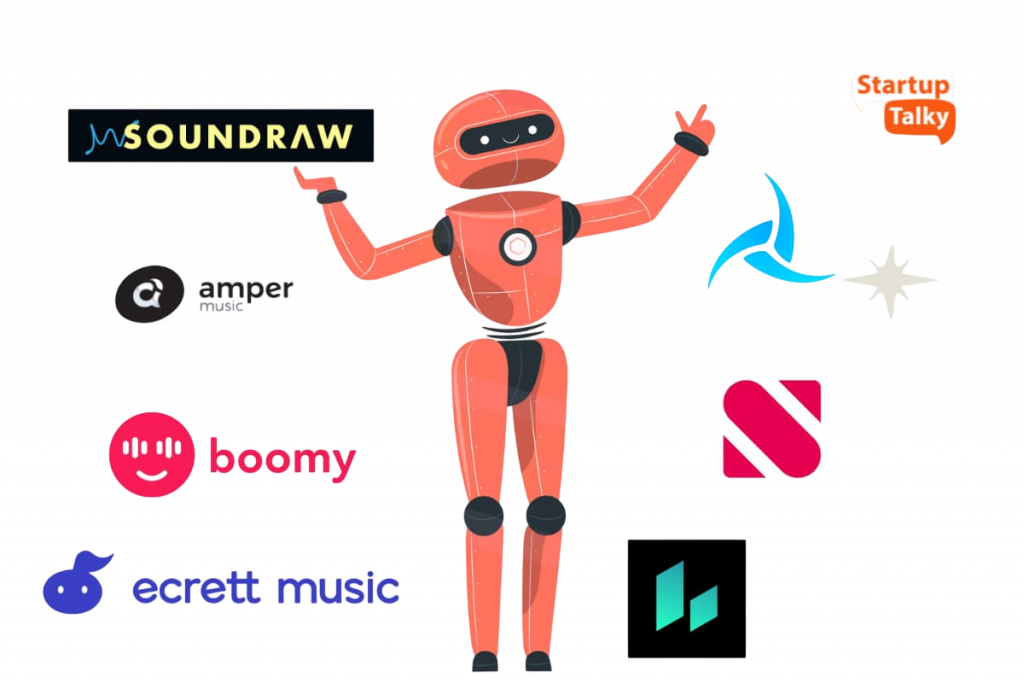
A music composition tool powered by AI helps users create original music easily and quickly. It uses machine learning algorithms to generate melodies, harmonies, and rhythms. Users can select styles, instruments, and moods for their compositions. The tool then creates music based on these inputs. This is useful for beginners who do not have formal music training. It also helps professionals speed up their creative process. AI music tools are widely used in film, gaming, and content creation. They can generate background music for videos and advertisements. The system learns from existing music data to produce high-quality outputs. Users can edit and customize the generated music as needed. This Gen AI Course provides flexibility and creative control. It reduces the time required for manual composition. Many tools also offer royalty-free music options. This makes them suitable for commercial use. AI music composition is growing rapidly in the industry. It allows experimentation with new sounds and ideas. The technology continues to improve with better algorithms. It is making music creation more accessible to everyone. Overall, AI music tools are transforming the way music is produced and experienced.
Custom Avatar Creator
Set to Ace Your Gen AI Job Interview? Check Out Our Blog on Gen AI Interview Questions & Answer
AI Content Summarizer
Conclusion
To conclude, working on Gen AI Projects for Beginners is one of the best strategies to gain real-world experience in generative AI. These projects not only help in understanding concepts but also improve implementation skills. Beginners who consistently build projects can develop a strong foundation in AI technologies. It also makes learning more engaging and less theoretical. By completing Gen AI Course for Beginners, individuals can create a portfolio that demonstrates their capabilities and creativity. This is especially important for freshers who want to stand out in job applications. Projects also teach practical skills like API usage, model integration, and performance optimization. As learners progress, they can take on more advanced challenges with confidence. It builds a mindset of continuous learning and experimentation.