LMS
LMS
Last updated on 23rd Oct 2025| 12418

- Non-Coding Roles in IT
- Why Choose Non-Coding IT Careers?
- Top Non-Coding IT Job Profiles
- Skills Required for Non-Coding IT Roles
- Business Analyst
- Product Manager
- UI/UX Designer
- Technical Writer
- IT Support and System Admin Roles
- Quality Analyst (QA Testing without Coding)
- Career Growth & Salary Trends
- How to Get Started in Non-Coding IT Jobs
- Conclusion
Non-Coding Roles in IT
The Information Technology (IT) industry is often perceived as a domain dominated by programming and software development. However, the reality is far broader. Non-coding roles in IT are equally crucial to the development, management, and success of tech-driven solutions and products. These positions often demand strong communication, adaptability, and problem-solving abilities in addition to domain knowledge. To build these essential competencies and improve job readiness, explore Placement and Softskills Training a targeted program designed to enhance interpersonal skills, interview performance, and workplace confidence for aspiring professionals across technical and non-technical domains. These roles are designed for individuals who are interested in contributing to the IT landscape without necessarily writing code. Non-coding positions often require analytical thinking, communication skills, design sensibility, and a strong understanding of business processes.
Why Choose Non-Coding IT Careers?
Non-coding IT careers are ideal for those who may not have a deep interest in programming but are passionate about technology, problem-solving, and innovation, making them one of the most attractive Career Options After B.Sc for students seeking diverse opportunities in the IT sector. Here are some compelling reasons to consider non-coding roles:
- Diverse Opportunities: Roles like business analysis, UI/UX design, and technical writing cater to varied strengths and interests.
- Lower Learning Curve: Non-coding roles are often easier to learn than programming-heavy positions, making them more accessible.
- High Demand: Careers such as business analysts, technical writers, and quality analysts are increasingly sought after in the tech industry.
- Career Flexibility: These roles can lead to management positions and broader career paths over time.
- Competitive Salaries: Many non-coding IT roles offer strong compensation, especially with experience and certifications.
To Explore Soft Skill in Depth, Check Out Our Comprehensive Soft Skill Certification Training To Gain Insights From Our Experts!
Top Non-Coding IT Job Profiles
The IT industry hosts a variety of non-coding roles, each essential to the tech ecosystem. Some of the most sought-after profiles include those highlighted under Career Options after BCA, ranging from business analysts to IT support specialists and system administrators.
- Business Analyst
- Product Manager
- UI/UX Designer
- Technical Writer
- IT Support Specialist
- System Administrator
- Quality Analyst (QA Tester)
- Gathering and analyzing business requirements
- Creating detailed documentation
- Collaborating with developers and QA teams
- Conducting stakeholder meetings and presentations
- Strong communication
- Analytical reasoning
- Knowledge of modeling tools like UML or BPMN
- Familiarity with Agile methodologies
- Defining product strategy
- Prioritizing features
- Coordinating with stakeholders
- Analyzing market trends and user feedback
- Strategic thinking
- Market research
- Communication and leadership
- Familiarity with tools like Aha!, JIRA, or Trello
- Writing user-friendly documentation
- Collaborating with SMEs and developers
- Organizing content logically
- Updating documents as products evolve
- Excellent writing and grammar
- Understanding of technical concepts
- Familiarity with tools like MadCap Flare or MS Word
- Detail-oriented mindset
- Troubleshooting technical issues
- Installing and maintaining systems
- Managing user accounts and permissions
- Ensuring data backup and recovery
- Technical troubleshooting
- Knowledge of operating systems
- Networking fundamentals
- Customer service skills
- Creating test plans and cases
- Performing manual testing
- Reporting bugs and issues
- Ensuring quality standards
- Attention to detail
- Analytical thinking
- Familiarity with testing tools (e.g., TestRail, JIRA)
- Understanding of SDLC and STLC
- Identify Your Interest: Choose a path that aligns with your skills and passions.
- Pursue Relevant Education: Degrees in business, design, communications, or IT are helpful but not mandatory.
- Certifications and Courses: Opt for industry-recognized certifications such as CBAP for Business Analysts or Google UX Design.
- Build a Portfolio: Showcase your work through case studies, mock projects, or freelance gigs.
- Internships & Volunteering: Gain hands-on experience to improve employability.
- Networking: Join tech communities, LinkedIn groups, and attend webinars.
- Apply Smartly: Tailor your resume and cover letter for each role. Highlight transferable skills.
Are You Interested in Learning More About Soft Skill ? Sign Up For Our Soft Skill Certification Training Today!
Skills Required for Non-Coding IT Roles
In the fast-moving world of non-coding IT roles, workers need to build a strong skill set that goes well beyond just programming knowledge. Success in these jobs relies on strong analytical skills and effective problem-solving abilities that help teams tackle complex tech challenges. Communication and presentation skills are also important. They enable professionals to explain technical ideas clearly and convincingly to different parts of the organization. To sharpen these essential abilities and boost workplace impact, explore Softskills Training a focused program that enhances verbal clarity, active listening, and persuasive delivery, helping professionals bridge the gap between technical expertise and organizational influence. Being good at writing documentation, reporting, and project management methods sets top performers apart. Familiarity with essential tools like JIRA, Confluence, and Figma shows technical flexibility. Additionally, a solid grasp of the Software Development Lifecycle (SDLC) gives important context for making strategic decisions. This empowers IT professionals to make significant contributions beyond typical technical roles and promote innovation within the organization.

Develop Your Skills with Soft Skill Certification Training
Weekday / Weekend BatchesSee Batch DetailsBusiness Analyst
Business Analyst (BA) Role Overview
A Business Analyst (BA) acts as a bridge between business needs and technological solutions. They work closely with stakeholders to understand their requirements and translate them into functional specifications, making this role one of the most valuable options among Professional Courses After Graduation.
Key Responsibilities:
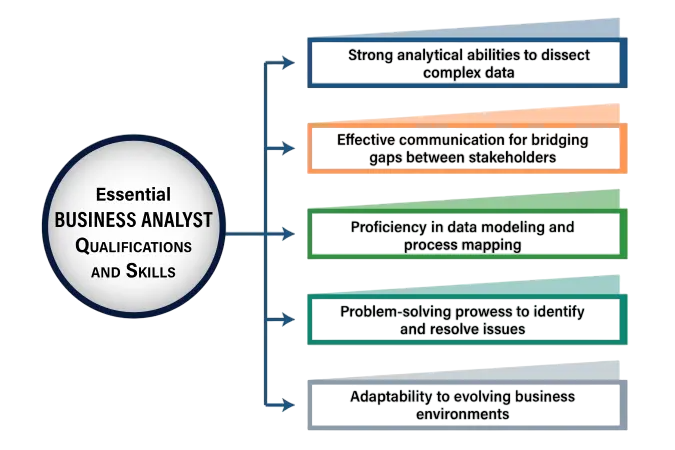
Required Skills:
Are You Considering Pursuing a Master’s Degree in Soft Skill? Enroll in the Soft Skill Masters Program Training Course Today!
Product Manager
Product Managers (PMs) oversee the development and lifecycle of a product. They define the vision, roadmap, and features of a product by working closely with cross-functional teams, a role that highlights the Importance of Training and Development in building leadership and collaborative skills.
Key Responsibilities:
Required Skills:
Are You Preparing for Soft Skill Jobs? Check Out ACTE’s Soft Skill Interview Questions & Answer to Boost Your Preparation!
UI/UX Designer
UI/UX Designers play an important role in creating digital experiences that combine visual appeal with practical function. These professionals carefully design intuitive interfaces by making detailed wireframes and prototypes. They also conduct user research to understand needs and behaviors. Using design thinking and expertise in tools like Figma and Sketch, they work closely with developers and product teams to turn complex ideas into easy-to-use digital solutions, positioning UI/UX design among the most High-Demand Career Opportunities in today’s technology-driven market. Their skills include creating visually appealing interfaces that focus on the user experience. This requires a strong attention to detail, empathy, and a good understanding of digital interaction principles. As they progress in their careers, they can move from Junior Designer to UX Director roles. Initially, salaries range from INR 5-7 LPA, with the potential to rise to INR 20+ LPA, reflecting the growing importance of user-centered design in today’s digital world.
Technical Writer
Technical Writer Role Overview
Technical Writers create clear and concise documentation for software products, systems, and processes. This includes user manuals, help guides, API documentation, and FAQs.
Key Responsibilities:
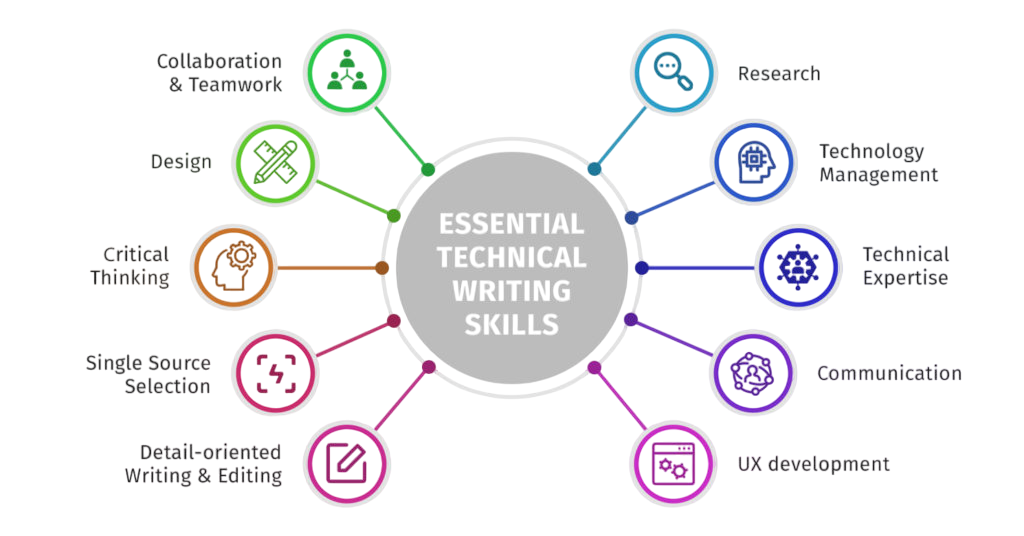
Required Skills:
IT Support and System Admin Roles
IT Support Specialist & System Administrator Role Overview
IT Support Specialists and System Administrators ensure that IT systems are running smoothly. They provide technical assistance, manage hardware and software, and ensure network security, making this role a crucial stepping stone toward a Highest Paying Job in the IT industry.
Key Responsibilities:
Required Skills:
Quality Analyst (QA Testing without Coding)
Quality Analyst (QA Tester) Role Overview
QA Analysts test software to ensure it meets specified requirements. While some testing involves coding, many QA roles focus on manual testing which doesn’t require programming skills.
Key Responsibilities:
Required Skills:
Career Growth & Salary Trends
Non-coding IT roles offer great career opportunities for professionals who are dedicated to continuous learning and skill development. By investing in specific certification programs and gaining specialized knowledge, individuals can greatly improve their salary potential in various positions. In the Indian market, roles like Business Analysts, Product Managers, and UI/UX Designers show impressive earning potential, with salaries ranging from INR 3 to 35 lakhs per year, making it essential for candidates to stand out by Mastering Job Application Emails. These positions not only provide good pay but also offer varied career paths for tech-savvy professionals who excel in strategic, analytical, and design-focused tasks. A strong portfolio and relevant certifications can be key in securing top opportunities in both local and global technology sectors. This makes non-coding IT careers an appealing choice for ambitious professionals who want growth and financial success.
How to Get Started in Non-Coding IT Jobs
Conclusion
Non-coding IT careers are a gateway to the dynamic world of technology for those who thrive on collaboration, analysis, creativity, and organization rather than coding. These roles demand strong interpersonal abilities to navigate team dynamics, client interactions, and cross-functional communication. To build these essential capabilities, explore Softskills Training a specialized program that empowers professionals with communication, leadership, and adaptability skills tailored for success in non-technical IT environments. With growing demand, competitive salaries, and varied growth opportunities, these roles can lead to fulfilling and impactful careers in the tech ecosystem.