LMS
LMS
Last updated on 15th Jul 2026| 11414

- Introduction to Software Testing Resumes
- Why a Well-Structured Resume is Important
- Key Sections to Include in a Software Testing Resume
- Technical Skills to Showcase
- Soft Skills to Showcase
- Resume Templates for Different Experience Levels
- Writing an Effective Resume Summary or Objective
- Formatting and Design Tips
- Common Resume Mistakes to Avoid
- Expert Tips to Strengthen Your Resume
- Conclusion: Building a Strong Software Testing Resume
Introduction to Software Testing Resumes
A software testing resume serves as a professional summary of a candidate’s technical knowledge, practical experience, and career readiness within the field of quality assurance. Whether applying for an internship, an entry-level position, or a more experienced QA role, the resume acts as the primary tool for making a strong first impression on recruiters and hiring managers. Given the competitive nature of the IT job market, a resume must clearly and concisely communicate a candidate’s value, distinguishing them from other applicants with similar qualifications. Candidates who have completed Software Testing Training can effectively highlight their practical knowledge, real-time projects, and hands-on experience to make their resumes more attractive to employers. Software testing roles require a specific combination of technical knowledge, such as testing fundamentals and tools, along with soft skills like analytical thinking and communication, both of which should be reflected effectively in the resume. Many candidates struggle to strike the right balance between including enough detail to demonstrate competence and keeping the document concise enough to hold a recruiter’s attention. This comprehensive guide covers everything from essential resume sections and templates to formatting tips and expert advice, helping candidates at any experience level create a resume that effectively showcases their qualifications for software testing roles. In addition to presenting qualifications, a well-crafted software testing resume should be tailored to the specific job description and aligned with current industry expectations. Highlighting relevant technical skills, certifications, testing tools, academic or professional projects, and measurable achievements can significantly improve a candidate’s chances of securing an interview. Recruiters often spend only a few seconds reviewing each resume, making it essential to use a clean layout, impactful keywords, and concise descriptions that quickly demonstrate expertise and potential. By following proven resume-writing strategies and avoiding common mistakes, candidates can create a professional document that effectively showcases their strengths and increases their opportunities in the software testing industry.
Why a Well-Structured Resume is Important
A well-structured resume is critical because recruiters typically spend only a brief amount of time reviewing each application before deciding whether to proceed further. If key information such as relevant skills, certifications, or project experience is difficult to locate due to poor organization, even a highly qualified candidate risks being overlooked. Structure also reflects a candidate’s ability to organize information logically, a skill directly relevant to software testing, where clear documentation of test cases and defect reports is essential. A properly structured resume allows applicant tracking systems, which many companies use to filter applications, to correctly identify relevant keywords and qualifications, increasing the likelihood of the resume reaching a human reviewer. Beyond practical benefits, a clean and logical structure creates a positive impression of professionalism and attention to detail, both of which are highly valued traits in quality assurance roles. Ultimately, the structure of a resume can be just as important as its content, since even strong qualifications may go unnoticed if presented in a confusing or disorganized manner.
Key Sections to Include in a Software Testing Resume
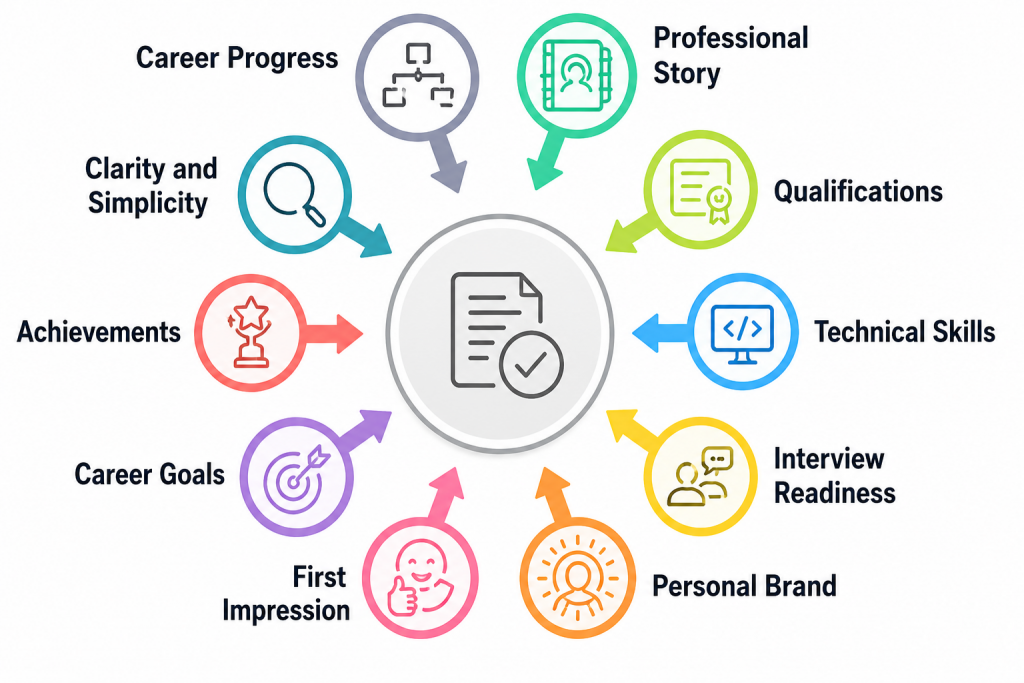
- Header and Contact Information: Include your name, phone number, email address, and links to professional profiles such as LinkedIn or GitHub. Ensure all contact details are accurate, professional, and regularly updated so recruiters can easily reach you.
- Professional Summary: A brief statement summarizing your experience level, key skills, and career objective within software testing. Tailor this section to the specific role by highlighting your most relevant strengths and career aspirations.
- Technical Skills: A clearly organized list of testing concepts, programming languages, tools, and frameworks relevant to the role. Group related skills into categories to improve readability and help recruiters quickly identify your technical expertise. Candidates can also refer to Skills Required to Become a QA Engineer for Freshers to understand the essential technical abilities expected in the industry.
- Work Experience or Internships: Details of previous roles, including responsibilities, tools used, and measurable achievements where possible. Focus on accomplishments and contributions that demonstrate your ability to improve software quality and collaborate effectively with development teams.
- Projects: Academic, personal, or professional projects that demonstrate practical application of testing skills. Mention the testing methodologies, tools, and outcomes to showcase your hands-on experience and problem-solving abilities.
- Education and Certifications: Degree details, institution names, and any relevant software testing certifications completed. Include graduation dates and notable academic achievements or specialized training that strengthen your qualifications.
Get Your Software Testing Certification by Learning from Industry-Leading Experts and Advancing Your Career with ACTE’s Software Testing Course.
Technical Skills to Showcase
- Testing Fundamentals: Demonstrate knowledge of SDLC, STLC, testing types, and defect life cycle concepts that form the foundation of quality assurance. Showing a strong understanding of these concepts indicates your readiness to follow structured testing processes in real-world projects.
- Manual Testing Skills: Highlight abilities such as test case design, test execution, and defect reporting using real or academic examples. Include examples of identifying defects and documenting them clearly to demonstrate your attention to detail. Candidates can improve their understanding of testing approaches through Manual vs Automation Testing and make better career decisions.
- Automation Tools: List experience with tools such as Selenium, Playwright, or Cypress, specifying the level of proficiency where relevant. Mention any automation frameworks or scripts you have developed to showcase your practical automation skills.
- Programming Languages: Include languages such as Java, Python, or JavaScript, particularly if used for automation scripting or test data handling. Emphasize how these programming skills have supported your testing activities and improved efficiency.
- API Testing Tools: Mention experience with Postman or similar tools for validating backend services and API responses. Highlight your ability to create collections, automate API tests, and verify request-response behavior.
- Bug Tracking and Version Control: Reference familiarity with tools such as Jira, Bugzilla, and Git for defect management and collaboration. Explain how you have used these tools to report issues, track progress, and work effectively within development teams.
- Fresher Template: Emphasizes education, certifications, academic projects, and technical skills, since formal work experience is typically limited or absent. A strong objective statement and relevant coursework can further demonstrate your potential to employers.
- Entry-Level Template: Balances internship or early job experience with technical skills and any measurable achievements from initial roles. Highlight practical contributions and learning outcomes to show your ability to adapt to professional testing environments. Candidates can also explore Software Testing Internship and Salary Expectations to understand career opportunities and expectations while preparing their resumes.
- Mid-Level Template: Focuses on work experience and quantifiable achievements, placing technical skills and certifications in a supporting role. Include examples of successful projects, process improvements, and increased testing efficiency to demonstrate career growth.
- Automation-Focused Template: Prioritizes programming languages, automation frameworks, and technical projects over general testing concepts. Showcase automation scripts, framework development, and execution results to highlight your technical proficiency.
- Manual Testing Template: Highlights test case design, defect reporting, and domain knowledge relevant to specific industries such as banking or healthcare. Mention experience with functional, regression, integration, and user acceptance testing to strengthen your profile.
- Career Switcher Template: Emphasizes transferable skills, certifications, and self-driven projects that demonstrate readiness for a testing role despite a non-traditional background. Focus on problem-solving, analytical thinking, and relevant learning experiences to showcase your successful transition into software testing.
- Instructor-led Sessions
- Real-life Case Studies
- Assignments
- Maintain Consistency: Use uniform fonts, spacing, and heading styles throughout the resume for a polished, professional appearance. Consistent formatting improves readability and creates a strong first impression with recruiters.
- Prioritize Readability: Choose simple, professional fonts and avoid cluttered layouts that make the document difficult to scan quickly. Use adequate white space and clear section headings to make important information easy to locate.
- Use Bullet Points Effectively: Present skills, responsibilities, and achievements as concise bullet points rather than dense paragraphs. Begin each bullet with strong action verbs to make your accomplishments more impactful.
- Limit Length Appropriately: Keep the resume to one page for freshers and early-career candidates, extending to two pages only for extensive relevant experience. Include only the most relevant information to ensure every section adds value to your application.
- Avoid Excessive Graphics: Minimize use of images, icons, or unusual formatting that may not be compatible with applicant tracking systems. A clean, text-focused design improves ATS compatibility and ensures consistent formatting across devices.
- Proofread Thoroughly: Carefully review the resume multiple times to eliminate spelling, grammar, and formatting errors before submission. Consider asking a mentor or colleague to review it as a second pair of eyes can help identify overlooked mistakes. Candidates can also improve their resume quality by following Manual Tester Resume Guide for better formatting and presentation strategies.
- Generic, Unfocused Content: Failing to tailor the resume for specific roles reduces its relevance and impact on recruiters. Customize your resume for each application by aligning your skills and experience with the job description.
- Overloading with Unnecessary Details: Including excessive or irrelevant information can dilute the impact of key qualifications. Focus on achievements, skills, and experiences that directly support your suitability for the software testing role.
- Inconsistent Formatting: Mismatched fonts, spacing, or heading styles create a disorganized and unprofessional impression. Maintain a clean and consistent layout to improve readability and create a polished appearance.
- Vague Skill Descriptions: Listing skills without context or examples makes it difficult for recruiters to assess actual proficiency. Support your skills with projects, accomplishments, or measurable results whenever possible.
- Ignoring Keywords: Failing to include relevant industry keywords can cause resumes to be filtered out by automated screening systems. Incorporate role-specific terms naturally throughout your resume to improve ATS compatibility. Reviewing Software Testing Internship Step-by-Step Guide can also help candidates understand employer expectations and prepare stronger applications.
- Neglecting Proofreading: Spelling and grammatical errors undermine credibility, particularly for a role that emphasizes attention to detail. Review the resume carefully or use professional proofreading to ensure it is error-free before submitting it.

Learn Software Testing Training Course to Build Your Skills
Weekday / Weekend BatchesSee Batch DetailsSoft Skills to Showcase
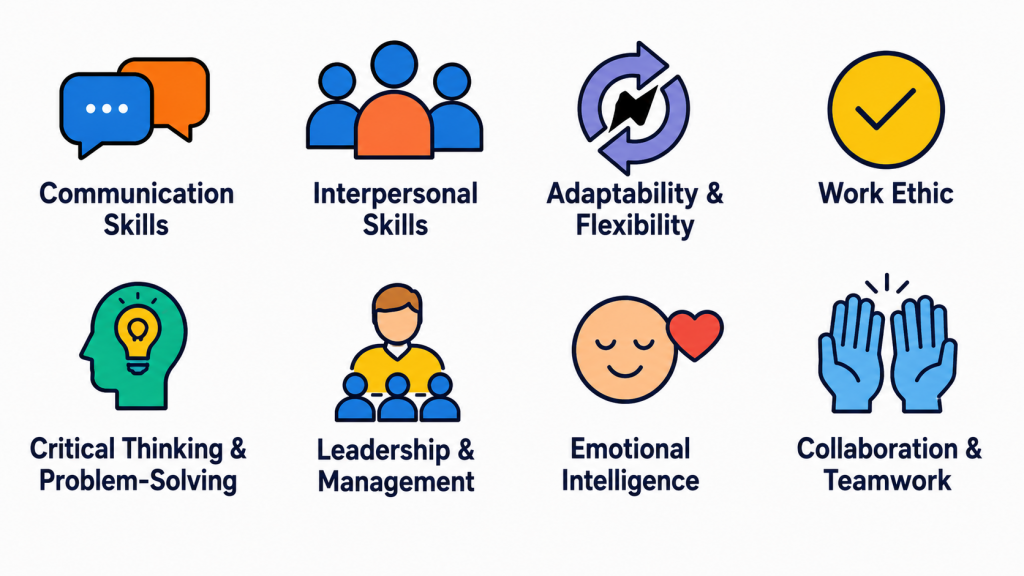
In addition to technical expertise, software testing resumes should effectively communicate a candidate’s soft skills, as these qualities significantly influence success within collaborative QA teams. Candidates who have completed Software Testing Training often develop both technical proficiency and workplace communication skills through hands-on projects, making their resumes more appealing to recruiters. Analytical thinking should be demonstrated through descriptions of how a candidate approached complex testing scenarios or identified subtle defects during previous projects. Attention to detail can be conveyed by referencing specific achievements, such as identifying critical bugs before release or maintaining thorough and accurate testing documentation. Communication skills are particularly important for testers, who must clearly report defects and collaborate with developers, so candidates should mention any experience presenting findings or working within cross-functional teams. Time management can be highlighted by referencing experience meeting testing deadlines within Agile sprints or fast-paced project environments. Adaptability and a willingness to learn new tools or technologies quickly are also valuable traits to mention, especially given how rapidly testing practices and tools continue to evolve. Presenting these soft skills alongside concrete technical achievements creates a well-rounded and compelling resume that appeals to hiring managers seeking versatile QA professionals.
Resume Templates for Different Experience Levels

Get JOB Oriented Software TestingI Training for Beginners By MNC Experts
Writing an Effective Resume Summary or Objective
The resume summary or objective section serves as a concise introduction that immediately communicates a candidate’s value to the reader, making it one of the most important parts of the entire document. For experienced professionals, a summary statement is generally preferred, focusing on years of experience, key technical skills, and notable achievements within the testing field. For freshers and students, an objective statement works well, highlighting educational background, relevant skills, and enthusiasm for beginning a career in software quality assurance. Candidates who have completed Software Testing Training can confidently mention their hands-on project experience, testing tools, and practical knowledge to create a stronger first impression. Regardless of experience level, this section should be tailored to the specific role being applied for, incorporating keywords from the job description where genuinely applicable to improve alignment with both human reviewers and automated screening systems. The summary should avoid vague, generic statements and instead focus on specific, measurable qualities, such as familiarity with particular tools, notable project outcomes, or specialized testing domains. Keeping this section brief, ideally two to three sentences, ensures that it remains impactful without overwhelming the reader before they reach the more detailed sections of the resume. A well-written summary or objective also sets the tone for the rest of the resume by encouraging recruiters to continue reading. It should highlight the candidate’s strongest qualifications while reflecting confidence, professionalism, and a clear career direction. Whether emphasizing expertise in manual testing, automation frameworks, API testing, or quality assurance methodologies, this section should present a compelling snapshot of the candidate’s capabilities and demonstrate how they can contribute to the organization’s software quality goals.
Want to Master Software Testing? Explore the Software Testing Master Program Offered at ACTE Today!
Formatting and Design Tips
Want to Learn About Software Testing? Explore Our Software Testing Interview Questions and Answers Featuring the Most Frequently Asked Questions in Job Interviews.
Common Resume Mistakes to Avoid
Expert Tips to Strengthen Your Resume
Industry experts consistently recommend quantifying achievements wherever possible, such as mentioning the number of test cases executed, defects identified, or the percentage improvement in testing efficiency achieved through automation efforts. Tailoring the resume for each specific application, rather than submitting a single generic version, significantly increases the chances of matching the exact requirements outlined in a job description. Experts also advise candidates to maintain an updated portfolio, particularly for automation testers, showcasing sample scripts or projects hosted on platforms like GitHub to provide tangible evidence of technical capability. Including a dedicated skills section that separates technical and soft skills allows recruiters to quickly assess a candidate’s suitability for the role without searching through lengthy paragraphs. Seeking feedback from mentors, peers, or professional resume reviewers before submission can help identify blind spots and areas for improvement that candidates may overlook on their own. Finally, keeping the resume updated regularly, even when not actively job searching, ensures that new skills, certifications, and achievements are captured while they remain fresh and relevant. Completing certifications, participating in testing communities, contributing to open-source projects, or staying updated with emerging testing tools and methodologies reflects a proactive approach to career growth. Employers value candidates who show a commitment to expanding their knowledge and adapting to evolving industry trends, as this indicates long-term potential and a strong dedication to delivering high-quality software. Candidates interested in building future-ready testing skills can also explore AI-Powered Software Testing Opportunities to stay updated with the latest advancements shaping the QA industry.
Conclusion: Building a Strong Software Testing Resume
A strong software testing resume effectively combines clear structure, relevant technical and soft skills, and professional formatting to create a compelling representation of a candidate’s qualifications. By including essential sections such as a focused summary, detailed technical skills, and meaningful project experience, candidates can present themselves as strong contenders regardless of their current experience level. Strengthening practical expertise through Software Testing Training can further enhance a resume by showcasing hands-on experience with industry-standard tools, real-time projects, and testing methodologies. Avoiding common mistakes, such as generic content or inconsistent formatting, further ensures that the resume makes a positive and lasting impression on recruiters. Applying expert tips, such as quantifying achievements and tailoring content for each application, can significantly improve a candidate’s chances of standing out in a competitive job market. Whether applying for an internship, an entry-level position, or a more advanced QA role, investing time and effort into crafting a well-organized, professional resume remains one of the most valuable steps a candidate can take toward achieving their career goals in software testing. A well-prepared resume should also be viewed as a dynamic document that evolves alongside a candidate’s career. As new skills are acquired, certifications are completed, projects are finished, and professional achievements accumulate, the resume should be updated to accurately reflect this growth. Regularly refining the content, incorporating relevant industry keywords, and aligning the resume with current hiring trends can improve visibility in applicant tracking systems and increase interview opportunities. By maintaining a polished, up-to-date resume, candidates demonstrate professionalism, continuous learning, and a strong commitment to building a successful career in software testing.