LMS
LMS
Last updated on 24th Aug 2026| 11777

- Overview of Power BI Developer Jobs at TCS
- Eligibility Criteria for TCS Power BI Developer Freshers
- Essential Technical Skills Required for Power BI Developers
- Educational Qualifications and Academic Requirements
- Importance of Power BI Projects for Freshers
- Power BI Tools and Technologies to Learn
- How to Build a Power BI Developer Resume for TCS
- TCS Power BI Developer Selection Process for Freshers
- Common Power BI Interview Skills and Questions
- Career Growth and Opportunities for Power BI Developers at TCS
Overview of Power BI Developer Jobs at TCS
TCS offers opportunities for professionals interested in Business Intelligence, data analytics, reporting, and Power BI development. For freshers, a Power BI Developer role can provide an opportunity to work with business data, create interactive dashboards, prepare reports, and support data-driven decision-making. Power BI Developers may be involved in connecting different data sources, transforming datasets, developing data models, creating DAX calculations, and designing visual reports based on business requirements. Candidates with knowledge of Power BI Desktop, Power Query, DAX, SQL, data visualization, and database concepts can build a strong foundation for these opportunities. Freshers can improve their chances by gaining practical experience through academic assignments, personal projects, internships, and dashboard development using real-world datasets. Strong analytical thinking, communication, problem-solving, and teamwork skills are also valuable in a professional project environment. Candidates looking to strengthen their foundation in analytics can also consider a Data Analytics Course to develop relevant skills in data analysis, visualization, reporting, and business intelligence. Building relevant technical skills and understanding business reporting requirements can help freshers prepare for Power BI Developer opportunities and establish a long-term career in Business Intelligence.
Eligibility Criteria for TCS Power BI Developer Freshers
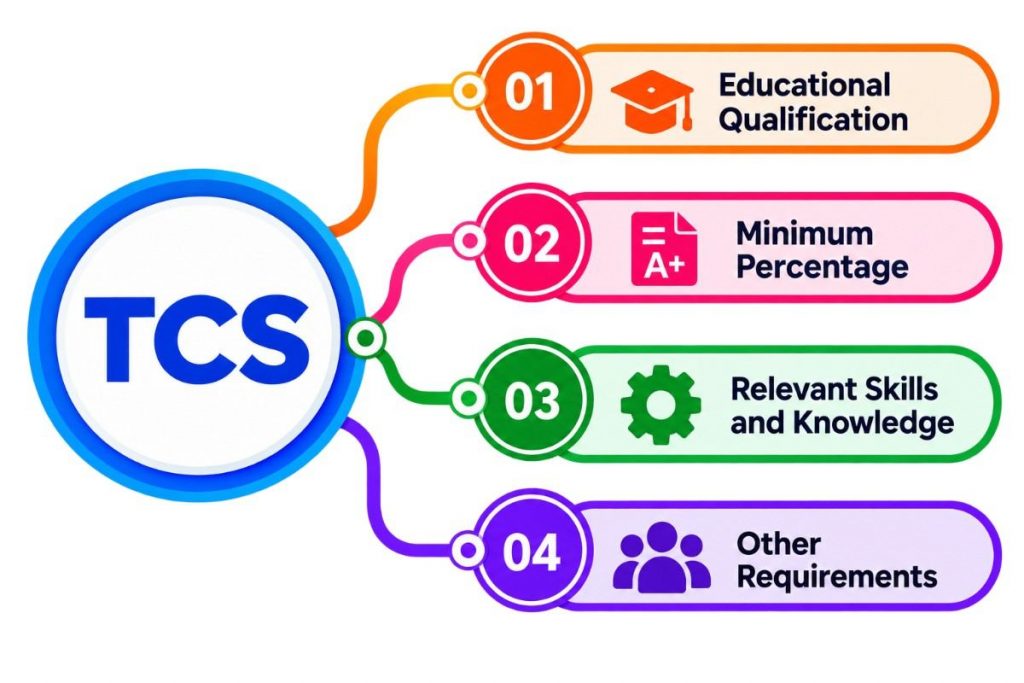
- Educational Qualification: Candidates with a degree in Computer Science, Information Technology, Engineering, Mathematics, Statistics, or a related field can build a foundation for Power BI Developer opportunities.
- Academic Performance: Freshers should meet the academic requirements specified in the relevant TCS recruitment drive, including minimum marks or percentage criteria where applicable.
- Power BI Knowledge: Understanding Power BI Desktop, dashboards, reports, data visualization, Power Query, and basic data modeling is important for entry-level Power BI positions.
- SQL Skills: Knowledge of SQL queries, joins, filtering, grouping, and relational databases can help freshers work effectively with business data and Power BI data sources.
- DAX Understanding: Basic knowledge of DAX functions, calculated measures, calculated columns, and business calculations can give candidates an advantage during technical evaluations.
- Programming and Analytics: Familiarity with programming concepts, data analysis, logical reasoning, and problem-solving can support candidates when handling technical tasks and business datasets. Candidates can also strengthen their analytical foundation by learning resources such as Excel Formulas for Data Analysis, which can help them work more effectively with structured business data.
- Communication Skills: Good verbal and written communication helps freshers understand project requirements, explain data insights, collaborate with teams, and interact effectively in a professional environment.
- Project Experience: Completing Power BI projects involving sales, finance, customer, or operational data can demonstrate practical skills and strengthen a fresher’s profile during the recruitment process.
Get Your Data Analytics Certification by Learning from Industry-Leading Experts and Advancing Your Career with ACTE’s Data Analytics Course.
Essential Technical Skills Required for Power BI Developers
Freshers preparing for Power BI Developer opportunities at TCS should develop a strong understanding of Business Intelligence and data analytics concepts. Power BI Desktop knowledge is essential for creating interactive reports, dashboards, and visualizations from different data sources. Candidates should also learn Power Query for extracting, cleaning, transforming, and preparing datasets before analysis. DAX is another important skill that helps developers create calculated measures, columns, and business-specific calculations. A good understanding of data modeling, table relationships, schemas, and performance optimization can help in developing efficient Power BI solutions. SQL knowledge is valuable for retrieving and managing data from relational databases, while familiarity with Microsoft Excel can support data preparation and analysis tasks. Freshers can strengthen these analytical and reporting skills through a Data Analytics Course, which can support their understanding of data analysis, visualization, and Business Intelligence concepts. Freshers should also understand basic database concepts, data visualization principles, report publishing, and Power BI Service features. Along with technical knowledge, analytical thinking and problem-solving abilities can help candidates understand business requirements and convert raw data into meaningful insights.
Educational Qualifications and Academic Requirements
- Relevant Degree: A bachelor’s degree in Computer Science, Information Technology, Engineering, Mathematics, Statistics, Data Analytics, or a related discipline can provide a suitable academic foundation.
- Academic Performance: Freshers should maintain good academic records and meet the minimum percentage or CGPA requirements specified for the particular TCS recruitment opportunity.
- Technical Subjects: Knowledge of databases, programming fundamentals, statistics, data analysis, and computer applications can help candidates understand Power BI development concepts more effectively.
- Graduation Status: Candidates should check the specific recruitment notification for requirements related to graduation year, degree completion, backlogs, and other applicable academic conditions.
- Analytical Knowledge: Understanding basic mathematics, statistics, logical reasoning, and data interpretation can help freshers analyze datasets and develop meaningful Business Intelligence reports. Building a strong foundation in Data Analytics can further help candidates understand how data is collected, analyzed, and transformed into useful business insights.
- Additional Learning: Power BI courses, certifications, internships, and practical projects can complement academic qualifications and demonstrate a candidate’s interest and readiness for a Power BI Developer career.
- Academic Projects: Projects involving dashboards, data analysis, SQL databases, reporting, or visualization can provide practical exposure and help freshers showcase relevant skills during recruitment.

Learn Advanced Data Analytics Certification Training Course to Build Your Skills
Weekday / Weekend BatchesSee Batch DetailsImportance of Power BI Projects for Freshers
Power BI projects can help freshers demonstrate their practical understanding of data analysis, visualization, and Business Intelligence concepts when applying for Power BI Developer opportunities at TCS. Academic knowledge alone may not fully demonstrate how a candidate can work with real datasets, so project experience can provide valuable evidence of technical ability. Freshers can create projects based on sales analysis, customer insights, financial performance, inventory management, employee analytics, or other business scenarios. A good project should include data collection, cleaning and transformation using Power Query, data modeling and interactive dashboard development. Candidates can also use SQL databases or Excel files as data sources to demonstrate their ability to work with different technologies. Exploring Top Data Analytics Projects can provide additional ideas for developing practical projects based on real-world business scenarios. Documenting the project objectives, data preparation steps, key metrics, visualizations, and business insights can make the work easier to explain during interviews. Building multiple Power BI projects can strengthen a fresher’s portfolio, improve problem-solving skills, and provide practical examples to discuss during technical evaluations and recruitment conversations.

Get JOB Oriented Data Analytics Training for Beginners By MNC Experts
- Instructor-led Sessions
- Real-life Case Studies
- Assignments
Power BI Tools and Technologies to Learn
- Power BI Desktop: Learn to import data, create relationships, build interactive reports, design dashboards, apply filters, and develop visualizations for different business requirements.
- Power BI Service: Understand workspaces, report publishing, dashboard sharing, scheduled refreshes, permissions, and collaboration features used to manage reports in professional environments.
- Power Query: Develop skills in connecting multiple data sources, cleaning datasets, removing errors, transforming columns, merging tables, and preparing information for analysis.
- DAX: Learn DAX functions to create calculated measures, calculated columns, time-based calculations, and business metrics required for developing dynamic and analytical Power BI reports.
- Microsoft Fabric: Gain basic knowledge of Microsoft Fabric and modern data analytics capabilities to understand how Power BI integrates with broader enterprise data and Business Intelligence environments. Exploring tools such as Metabase is a Powerful Tool for Data Analysts can also help learners understand how different analytics platforms support data exploration and reporting.
- SQL: Build SQL knowledge to retrieve, filter, join, group, and analyze data from relational databases that can be connected to Power BI for reporting and visualization.
- Microsoft Excel: Strengthen Excel skills through formulas, PivotTables, charts, Power Query, and data analysis features, which provide a useful foundation for working with Power BI.
How to Build a Power BI Developer Resume for TCS
- Professional Summary: Write a concise summary highlighting your Power BI knowledge, data analytics skills, technical strengths, and career interest as an entry-level Power BI Developer.
- Technical Skills: Mention relevant skills such as Power BI, Power Query, DAX, SQL, Microsoft Excel, data modeling, data visualization, and database concepts.
- Academic Projects: Include Power BI projects that demonstrate your ability to clean data, create relationships, develop calculations, design dashboards, and generate useful business insights.
- Certifications: Add relevant Power BI, Microsoft, SQL, or Business Intelligence certifications to demonstrate your commitment to developing industry-relevant technical knowledge.
- Internship Experience: If applicable, highlight internships involving data analysis, reporting, dashboard creation, SQL, Excel, or Business Intelligence and clearly describe your responsibilities. Candidates can also strengthen their practical data skills through a Data Analytics Course to build relevant knowledge for analytics-focused roles.
- Project Details: Explain the objective, tools used, data sources, techniques applied, and outcomes of your projects instead of simply listing project names on your resume.
- Soft Skills: Include communication, analytical thinking, problem-solving, teamwork, adaptability, and time management skills that can support effective collaboration in professional project environments.
- Resume Formatting: Keep the resume concise, well-structured, easy to read, and aligned with the Power BI Developer role while highlighting relevant technical skills and measurable project outcomes.
Want to Master Data Analytics? Explore the Data Analytics Master Program Offered at ACTE Today!
TCS Power BI Developer Selection Process for Freshers
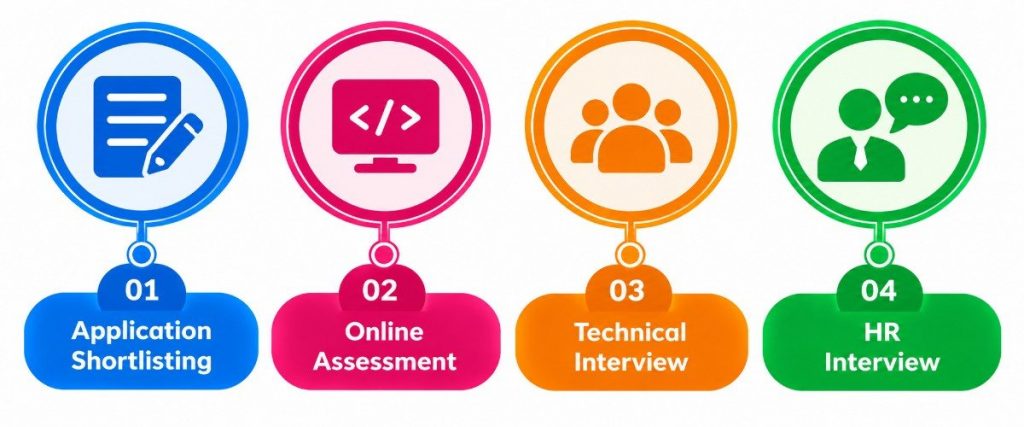
- Application and Registration: Freshers need to apply through the relevant TCS recruitment channel and provide accurate academic, personal, and qualification details during registration.
- Eligibility Screening: Applications are reviewed based on the requirements of the specific hiring drive, including educational qualifications, academic performance, graduation status, and other criteria.
- Online Assessment: Depending on the recruitment drive, candidates may need to complete assessments covering aptitude, logical reasoning, numerical ability, verbal skills, and relevant technical concepts.
- Technical Evaluation: Candidates may be assessed on Power BI, SQL, DAX, data modeling, data visualization, databases, and other skills relevant to the position they are applying for.
- Final Selection: Candidates who successfully complete the applicable stages may receive further communication regarding selection, documentation, onboarding, and role-related requirements. Freshers can also explore Data Analyst Jobs in 3 Months to understand practical preparation strategies for entering the data analytics field.
- Technical Interview: The interview can include questions about Power BI projects, data transformation, dashboard development, SQL queries, DAX calculations, and problem-solving approaches.
- Managerial Discussion: Candidates may be evaluated on communication, teamwork, analytical thinking, project understanding, adaptability, and their approach to handling workplace situations.
- HR Interview: The HR discussion may focus on career goals, strengths, availability, communication skills, professional expectations, and overall suitability for the organization.
Want to Learn About Data Analytics? Explore Our Data Analytics Interview Questions and Answers Featuring the Most Frequently Asked Questions in Job Interviews.
Common Power BI Interview Skills and Questions
- Power BI Fundamentals: Prepare questions related to Power BI Desktop, Power BI Service, reports, dashboards, workspaces, data sources, and the differences between commonly used Power BI features.
- DAX Concepts: Be ready to explain measures, calculated columns, filter context, row context, common DAX functions, and how calculations are used to generate business insights.
- Data Modeling: Understand relationships, fact and dimension tables, star schemas, cardinality, and techniques used to create efficient models for Power BI reporting.
- Project-Based Questions: Be prepared to explain your Power BI projects, including the business objective, data sources, transformation methods, calculations, dashboard design, and insights generated. Candidates can also review My Data Analytics Internship Experience to gain practical perspective on applying data analytics skills in real-world work environments.
- Power Query: Review data cleaning, transformation, merging, appending, filtering, and other Power Query operations commonly used when preparing datasets for analysis.
- SQL Knowledge: Prepare for questions involving SELECT statements, joins, grouping, filtering, subqueries, and basic database concepts that are relevant to Power BI data sources.
- Dashboard Development: Understand how to select suitable visuals, create interactive dashboards, use slicers, apply filters, and present key performance indicators effectively.
- Problem-Solving Skills: Practice scenario-based questions that test how you would handle incorrect data, slow reports, missing values, refresh issues, or changing business requirements.
Career Growth and Opportunities for Power BI Developers at TCS
Power BI Developers can build a progressive career at TCS by continuously improving their technical expertise and gaining experience across different Business Intelligence projects. Freshers may begin with entry-level responsibilities involving report development, dashboard creation and basic analysis before progressing to more advanced roles. With experience, professionals can move toward positions such as Senior Power BI Developer, Business Intelligence Consultant, Data Analyst, BI Architect, or Analytics Specialist. Developing advanced knowledge of DAX, SQL, Power Query, data modeling, Microsoft Fabric, cloud technologies, and performance optimization can create opportunities to handle complex enterprise projects. Professionals can also strengthen their career prospects by working with different business domains, understanding client requirements, and developing effective data-driven solutions. Strong communication, leadership, problem-solving, and project management abilities become increasingly valuable as responsibilities grow. Continuous learning through relevant training, certifications, and hands-on practice can further strengthen analytics expertise, and a Data Analytics Course can help professionals build foundational knowledge in data analysis, visualization, and Business Intelligence. Continuous learning, certifications, hands-on project exposure, and awareness of evolving analytics technologies can help Power BI Developers achieve long-term career growth and take on senior technical or leadership responsibilities at TCS.