LMS
LMS
Last updated on 17th Jul 2026| 11425

- Introduction to Software Testing Careers at TCS
- Overview of TCS as an Employer
- Eligibility Criteria for Software Tester Roles at TCS
- Understanding the TCS NQT (National Qualifier Test)
- Technical Skills Required for Testers at TCS
- Soft Skills TCS Looks For in Candidates
- TCS Recruitment Process for Software Testers
- Aptitude and Technical Test Preparation Tips
- Common Technical Interview Questions at TCS
- HR Interview Tips for TCS Candidates
- Conclusion: Getting Hired as a Tester at TCS
Introduction to Software Testing Careers at TCS
Tata Consultancy Services, widely known as TCS, is one of India’s largest and most established IT services companies, offering software testing as a key career track for both campus recruits and experienced professionals. As a global leader in IT consulting, TCS handles quality assurance work across banking, insurance, retail, manufacturing, and telecommunications clients, giving software testers exposure to a wide variety of industries and technologies. The company hires testers primarily through its campus recruitment program, TCS NQT, as well as through off-campus drives and lateral hiring for professionals with prior testing experience. A software testing career at TCS can begin with manual testing responsibilities and gradually expand into automation, performance testing, or specialized domains such as ETL testing and mobile testing, depending on project requirements and individual interest. Because TCS operates at a massive scale, with thousands of ongoing projects at any given time, testers often have opportunities to move between different technologies, clients, and testing methodologies throughout their career. This guide outlines the eligibility criteria, required skills, and the complete hiring process for landing a software tester role at TCS. Candidates looking to strengthen their practical knowledge can also enroll in Software Testing Training to build industry-ready skills before applying for TCS QA roles. In addition to technical expertise, TCS emphasizes continuous learning through structured training programs, certifications, and hands-on project experience. Freshers are encouraged to build a strong foundation in software testing concepts, while experienced professionals can explore advanced QA specializations and leadership opportunities. Understanding the company’s hiring process and expectations can help candidates prepare strategically and improve their chances of securing a software testing role at TCS.
Overview of TCS as an Employer
TCS is part of the Tata Group and operates as one of the largest IT services and consulting companies in the world, with a presence across more than forty countries and a workforce of several hundred thousand employees. For software testers, TCS offers a structured onboarding process that includes initial training at facilities across India, where new hires receive instruction in core IT concepts, testing methodologies, and company-specific tools before being assigned to live projects. Building a strong foundation through Skills Required to Become a QA Engineer for Freshers can further help candidates succeed during this learning phase. The company’s scale means testers can work on projects ranging from small internal applications to large, mission-critical systems for global banking and insurance clients. TCS also maintains internal career frameworks that allow testers to progress from Assistant System Engineer to System Engineer, IT Analyst, and beyond, with promotions tied to both tenure and performance evaluations. Employee benefits typically include health insurance, provident fund contributions, and access to internal learning platforms for upskilling in newer testing tools and automation frameworks, making TCS a stable long-term option for many testing professionals. TCS also encourages employees to earn industry-recognized certifications and participate in continuous learning initiatives to stay updated with evolving technologies. Exposure to Agile, DevOps, cloud platforms, and automation tools enables testers to expand their technical expertise over time. This combination of structured career growth, diverse project opportunities, and ongoing skill development makes TCS an attractive employer for aspiring software testing professionals.
Eligibility Criteria for Software Tester Roles at TCS
- Educational Qualification Requirement: Candidates generally need a Bachelor’s or Master’s degree in any stream, though technical degrees such as BE, BTech, MCA, or MSc are most commonly represented among selected testers. Candidates from non-technical backgrounds may also be considered if they possess relevant software testing knowledge and technical skills. Completing certification courses in manual or automation testing can further strengthen eligibility for testing roles, while understanding Understanding the Different Types of Software Testing helps candidates build stronger technical fundamentals.
- Minimum Academic Score: TCS typically requires a minimum of 60 percent or equivalent CGPA in class 10, class 12, and undergraduate studies, though specific hiring drives may adjust this threshold slightly. Maintaining a consistent academic record improves the chances of qualifying for campus recruitment and off-campus hiring drives. Applicants should always verify the latest eligibility criteria mentioned in the official recruitment notification.
- Backlog Restrictions: Candidates are usually expected to have no standing backlogs at the time of the final interview, even if backlogs existed temporarily during earlier semesters. Clearing all pending subjects before the joining process is generally mandatory. A backlog-free academic record reflects consistency and readiness for professional responsibilities.
- Year of Passing Criteria: Campus recruitment through TCS NQT is typically limited to students from a specific graduation year, so candidates should verify eligibility for the current hiring cycle before registering. Applying within the eligible graduation batch ensures compliance with recruitment guidelines. Candidates who graduated earlier may still explore off-campus opportunities if they meet experience requirements.
- Gap Year Allowance: TCS generally permits a reasonable gap of one to two years between academic milestones, provided the gap is explained clearly with supporting documentation if requested. Valid reasons such as higher education preparation, medical circumstances, or personal commitments are generally considered. Honest disclosure of academic gaps helps avoid complications during document verification.
- Nationality and Documentation: Applicants must typically be Indian nationals with valid identification documents, and international applicants may face additional eligibility checks depending on the specific hiring location. Candidates should keep educational certificates, government-issued ID proof, and other required documents ready before the recruitment process begins. Proper documentation helps ensure a smooth verification process during hiring and onboarding.
Get Your Software Testing Certification by Learning from Industry-Leading Experts and Advancing Your Career with ACTE’s Software Testing Course.
Understanding the TCS NQT (National Qualifier Test)
The TCS National Qualifier Test, commonly known as TCS NQT, is the primary entry point for freshers seeking roles at TCS, including software testing positions. This standardized test is conducted in partnership with educational assessment bodies and evaluates candidates on foundational and advanced sections, depending on the specific job profile they are applying for. To improve their chances of success, many candidates enhance their practical skills through Software Testing Training, which provides hands-on experience with manual and automation testing concepts. The table below breaks down what each section of the test typically covers. Because the test is conducted online with remote proctoring, candidates should ensure a stable internet connection and a quiet environment during the exam, as technical or environmental disruptions can affect performance and eligibility for subsequent rounds. Reviewing the section breakdown in advance helps candidates allocate their preparation time more effectively.
| TCS NQT Section | What It Evaluates |
|---|---|
| Foundation Section | Numerical ability, verbal ability, reasoning ability, and basic programming logic |
| Advanced Section | Complex coding and problem-solving, mainly for development-heavy roles |
| Score Validity | Remains valid for a defined period and can be reused across multiple TCS drives |
| Test Mode | Conducted online with remote proctoring |

Learn Software Testing Training Course to Build Your Skills
Weekday / Weekend BatchesSee Batch DetailsTechnical Skills Required for Testers at TCS
- Manual Testing Concepts: A solid understanding of test case design, defect life cycle, and testing types such as smoke, sanity, and regression testing is fundamental for most tester interviews at TCS. Candidates should also be familiar with writing effective test cases, preparing test scenarios, and reporting defects using industry-standard practices. Strong manual testing knowledge demonstrates the ability to identify software defects before products are released to clients. Those preparing for entry-level QA careers can also benefit from learning Manual vs Automation Testing to understand the role of both approaches in modern software testing.
- Programming Language Basics: Working knowledge of a language such as Java, Python, or C, even at a beginner level, helps candidates handle both the aptitude test and technical interview questions confidently. Basic programming skills also support automation testing, scripting, and logical problem-solving during project work. Understanding programming concepts makes it easier to learn testing frameworks and debugging techniques.
- Automation Tool Familiarity: Exposure to Selenium, or awareness of other automation frameworks, is increasingly valued even for entry-level roles, as TCS projects are steadily shifting toward automated testing practices. Familiarity with automation tools demonstrates a willingness to adapt to modern software testing methodologies. Even basic hands-on experience with automation projects can strengthen a candidate’s interview performance.
- SQL and Database Testing: The ability to write basic SQL queries for validating data in backend systems is frequently tested, since many TCS client projects involve database-driven applications. Candidates should know how to retrieve, filter, and verify records stored in relational databases. Database testing skills help ensure data accuracy, integrity, and consistency across applications.
- Understanding of Agile Methodology: Familiarity with Agile and Scrum practices, including sprint planning and daily standups, helps candidates demonstrate readiness for how TCS project teams typically operate. Understanding Agile workflows enables testers to collaborate effectively with developers, product owners, and Scrum teams. Knowledge of Agile testing practices supports faster software delivery and continuous quality improvement.
- Basic Networking and OS Concepts: General knowledge of operating systems, networking fundamentals, and system architecture is sometimes assessed to gauge a candidate’s overall technical foundation beyond testing-specific skills. Understanding these concepts helps testers identify environment-related issues and troubleshoot application behavior more efficiently. A strong technical foundation also improves communication with development and infrastructure teams during project execution.
Soft Skills TCS Looks For in Candidates
TCS places significant emphasis on soft skills during the hiring process, since testers are expected to communicate effectively with developers, business analysts, and sometimes directly with clients. Strong verbal and written communication is essential for documenting defects clearly and participating in status meetings or client calls. Problem-solving ability is closely evaluated, as testers must think critically about how an application might fail rather than simply confirming that it works as expected. Adaptability is another important trait, given that TCS testers are often reassigned across different projects, technologies, and even client accounts over the course of their careers. Teamwork and collaboration skills matter as well, since testing rarely happens in isolation and typically involves close coordination with developers and other quality assurance team members. Candidates looking to improve their professional readiness can also explore QA Careers at Capgemini to understand the broader expectations for quality assurance roles in leading IT companies. Candidates who can share specific examples of these qualities from academic projects, internships, or prior work experience tend to perform better in interviews than those who describe them only in abstract terms.

Get JOB Oriented Software TestingI Training for Beginners By MNC Experts
- Instructor-led Sessions
- Real-life Case Studies
- Assignments
TCS Recruitment Process for Software Testers
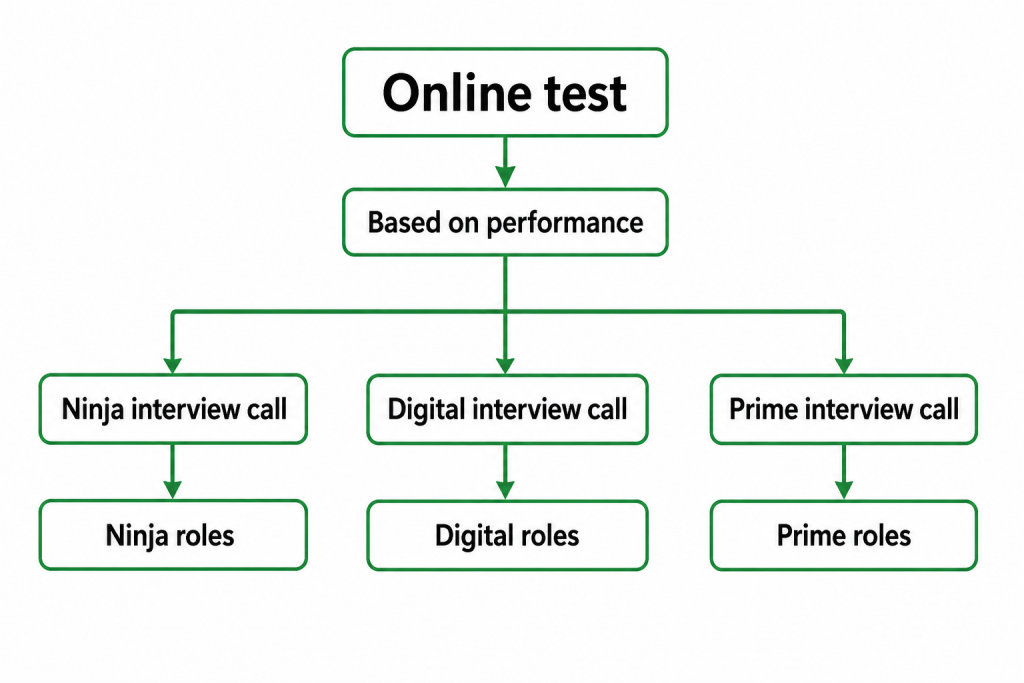
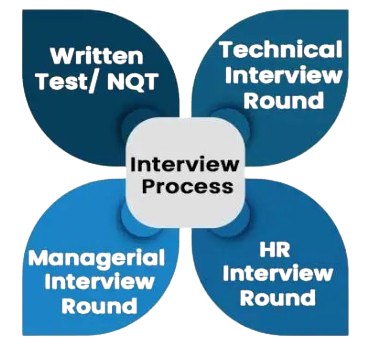
The recruitment process for software testers at TCS typically begins with registration for TCS NQT or an off-campus application, followed by the online aptitude and technical assessment. Candidates who clear the assessment threshold are shortlisted for further rounds, which usually include a technical interview focused on core testing and programming concepts, and in some cases a managerial or business round to assess project fit and career aspirations. The final stage is generally an HR interview, where topics such as relocation preferences, willingness to work in shifts, and salary expectations are discussed. Depending on the hiring cycle, the entire process from initial assessment to offer letter can take anywhere from a few weeks to a couple of months, particularly during large-scale campus hiring seasons.
Want to Master Software Testing? Explore the Software Testing Master Program Offered at ACTE Today!
Aptitude and Technical Test Preparation Tips
- Practice Previous Year Papers: Reviewing past TCS NQT question papers helps candidates understand the difficulty level and question patterns across numerical, verbal, and reasoning sections before attempting the actual test. Solving previous papers also improves time management and boosts confidence before the examination. Regular practice helps identify weak areas that require additional preparation.
- Strengthen Core Testing Concepts: Reviewing fundamental topics like STLC, defect life cycle, and test case design ensures candidates can answer conceptual questions confidently during the technical interview stage. Candidates should also understand testing methodologies, defect reporting, and different testing levels used in real projects. Strong conceptual knowledge leaves a positive impression during technical discussions. Learning resources such as Black Box Testing vs White Box Testing Freshers Must Know can help candidates strengthen their understanding of important testing approaches.
- Brush Up on Basic Coding: Even for testing roles, practicing simple programming problems in a language like Java or Python helps candidates handle the coding section of the assessment smoothly. Coding practice improves logical thinking and strengthens problem-solving abilities. It also prepares candidates for automation testing tasks that may arise after joining TCS.
- Take Timed Mock Tests: Simulating exam conditions with a strict timer helps candidates build speed and reduces the chances of running out of time during the actual TCS NQT. Mock tests also improve accuracy by familiarizing candidates with the exam environment. Reviewing mistakes after each practice session helps achieve continuous improvement.
- Prepare a Project Walkthrough: Candidates should be ready to explain any academic or internship testing project clearly, including the tools used, challenges faced, and outcomes achieved. Highlighting individual contributions and problem-solving approaches demonstrates practical experience to interviewers. Well-structured project explanations increase confidence during technical and HR interview rounds.
- Research TCS Company Culture: Understanding TCS’s values, recent projects, and work culture helps candidates answer HR questions about motivation and long-term career interest more convincingly. Knowledge of the company’s services and client-focused approach reflects genuine interest in joining the organization. Researching TCS beforehand also helps candidates ask thoughtful questions during the interview.
Want to Learn About Software Testing? Explore Our Software Testing Interview Questions and Answers Featuring the Most Frequently Asked Questions in Job Interviews.
Common Technical Interview Questions at TCS
- What Is the Difference Between Smoke and Sanity Testing: Interviewers frequently ask candidates to distinguish between these two testing types and explain when each would typically be used in a project. Candidates should clearly explain the purpose, scope, and timing of both testing methods with practical examples. Providing real-world scenarios demonstrates a stronger understanding of software testing fundamentals.
- How Would You Test a Login Page: This scenario-based question evaluates a candidate’s ability to design comprehensive test cases covering functional, boundary, and negative testing conditions. Candidates should include validations for username, password, error messages, security, and user experience. Mentioning boundary value analysis and invalid input testing can further strengthen the answer.
- Explain the Difference Between Black Box and White Box Testing: Candidates should be able to clearly describe these two testing approaches and provide examples of when each is applicable. They should also explain who typically performs each type of testing and the advantages of both techniques. As software testing continues to evolve with modern technologies, candidates can also explore AI-Powered Software Testing to understand how emerging approaches are influencing testing practices. Demonstrating knowledge of practical use cases creates a positive impression during technical interviews.
- What Is a Test Plan and What Does It Include: This question checks understanding of test planning documentation, including scope, objectives, resources, and schedule for a testing project. Candidates should mention additional components such as test strategy, risk assessment, deliverables, and entry and exit criteria. Explaining the purpose of a test plan shows familiarity with professional QA documentation practices.
- How Do You Prioritize Test Cases When Time Is Limited: Interviewers use this question to assess risk-based thinking and the ability to focus testing effort on the most critical functionality first. Candidates should explain prioritization based on business impact, frequently used features, and high-risk modules. Mentioning regression testing and customer-critical functionality strengthens the response.
- Write a Simple SQL Query to Fetch Duplicate Records: Technical rounds often include a hands-on SQL question to verify basic database querying skills relevant to backend testing tasks. Candidates should be comfortable writing SQL queries using GROUP BY and HAVING clauses to identify duplicate records. Practicing basic SQL commands improves confidence during database-related interview questions.
HR Interview Tips for TCS Candidates
The HR interview at TCS is generally the final stage before an offer is extended, and it focuses on assessing a candidate’s communication skills, motivation, and overall fit within the organization. Common questions include reasons for choosing a career in software testing, willingness to relocate or work in rotational shifts, and expectations regarding salary and joining timelines. Candidates should be prepared to speak confidently about their strengths and areas for improvement, along with specific examples that support their claims rather than generic statements. It also helps to research TCS’s recent projects, values, and any relevant news about the company beforehand, since HR interviewers often appreciate candidates who show genuine interest in the organization. Candidates preparing for QA roles should also understand professional expectations through resources like Software Testing Resume Guide to present their skills and experience effectively. Maintaining a calm, professional demeanor and answering questions honestly, including around notice periods or prior offers for lateral candidates, generally leaves a positive impression during this final round. Candidates may also be asked about their long-term career goals and how they plan to grow within the organization. Showing enthusiasm for learning new technologies and adapting to different project environments can strengthen the overall impression. Asking thoughtful questions about training programs, career development, or project opportunities at the end of the interview also reflects genuine interest and professionalism.
Conclusion: Getting Hired as a Tester at TCS
Getting hired as a software tester at TCS requires a combination of strong foundational knowledge, focused preparation for the TCS NQT, and confident performance across technical and HR interview rounds. Candidates who dedicate time to understanding core testing concepts, practicing basic programming and SQL, and reviewing previous assessment papers tend to navigate the hiring process more smoothly than those who prepare only at the last minute. Beyond technical readiness, demonstrating clear communication, adaptability, and genuine interest in a testing career can make a meaningful difference during interviews, particularly in the HR round where cultural fit is closely evaluated. Given TCS’s scale and the sheer diversity of projects it handles, a tester role at the company can serve as a strong foundation for long-term growth into automation, performance testing, or specialized quality engineering roles. With consistent preparation and a clear understanding of what each stage of the process evaluates, aspiring testers can significantly improve their chances of securing a position at TCS. Candidates can further enhance their practical expertise by enrolling in Software Testing Training, which provides hands-on experience aligned with current industry requirements. Building a career at TCS also provides opportunities to work with global teams, modern technologies, and industry-standard testing practices. Candidates who continue upgrading their skills through certifications, hands-on projects, and practical learning can progress steadily within the organization. A proactive approach toward learning and adapting to new testing trends will help professionals achieve long-term success in the software quality assurance field.