LMS
LMS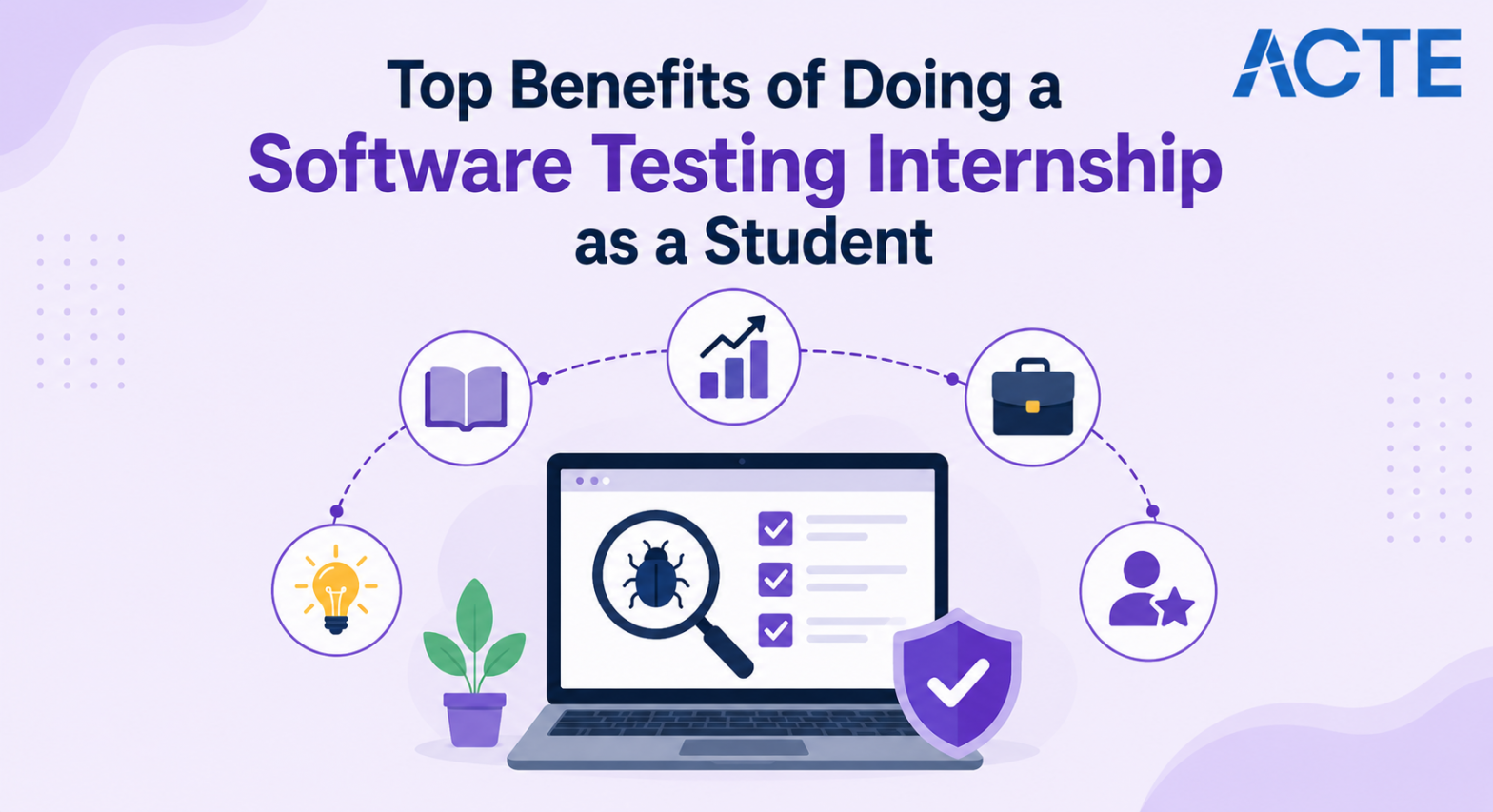
Last updated on 15th Jul 2026| 11406

- Introduction to Software Testing Internships for Students
- What Does a Software Testing Internship Involve?
- Why Students Should Consider a Software Testing Internship
- Key Benefits of Doing a Software Testing Internship
- Technical Skills Gained During the Internship
- Soft Skills Developed During the Internship
- How Internships Improve Career Opportunities
- Real-World Exposure and Industry Knowledge
- Tips to Make the Most of Your Internship
- Conclusion: Why Every Student Should Try a Software Testing Internship
Introduction to Software Testing Internships for Students
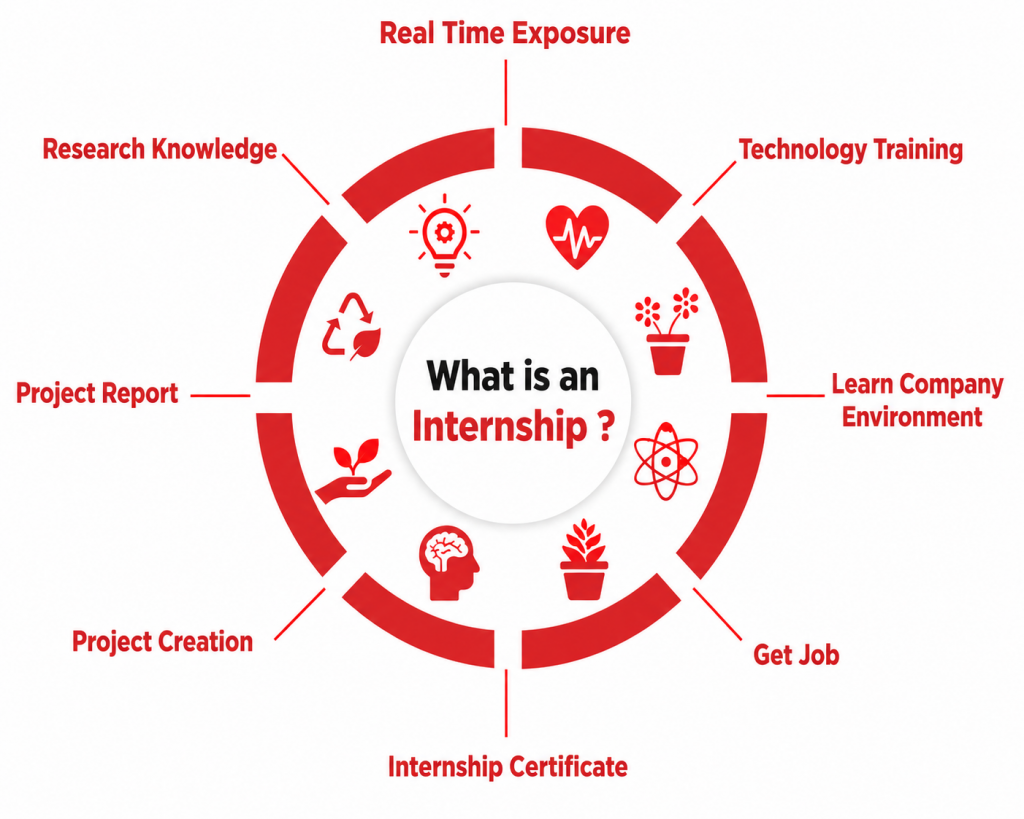
For students pursuing a degree in computer science, information technology, or related engineering fields, a software testing internship offers a valuable opportunity to gain real-world IT experience. While academic courses provide theoretical knowledge, internships allow students to apply their learning to practical projects under professional guidance. Students can further strengthen their practical knowledge by enrolling in a Software Testing Training program to build industry-relevant skills before starting an internship. Software testing is an excellent starting point because it does not always require advanced coding skills, making it accessible to students from diverse academic backgrounds. During the internship, students learn how software products move from development to release, identify and report defects, create test cases, and work with developers and quality assurance teams. They also gain exposure to SDLC, STLC, bug tracking tools, testing methodologies, and Agile practices, helping them understand the importance of delivering reliable and high-quality software. In addition to technical knowledge, software testing internships help students develop communication, teamwork, analytical thinking, problem-solving, and time management skills. Working under experienced mentors and participating in project discussions provides valuable industry exposure while improving professional confidence and workplace readiness. Another major advantage is the opportunity to build a strong portfolio through internship projects, testing documentation, and defect reports. Students also expand their professional network by connecting with mentors and industry experts, increasing their chances of securing full-time employment. As competition for IT jobs continues to grow, internship experience helps students stand out and prepares them for successful careers in software testing and quality assurance.

What Does a Software Testing Internship Involve?
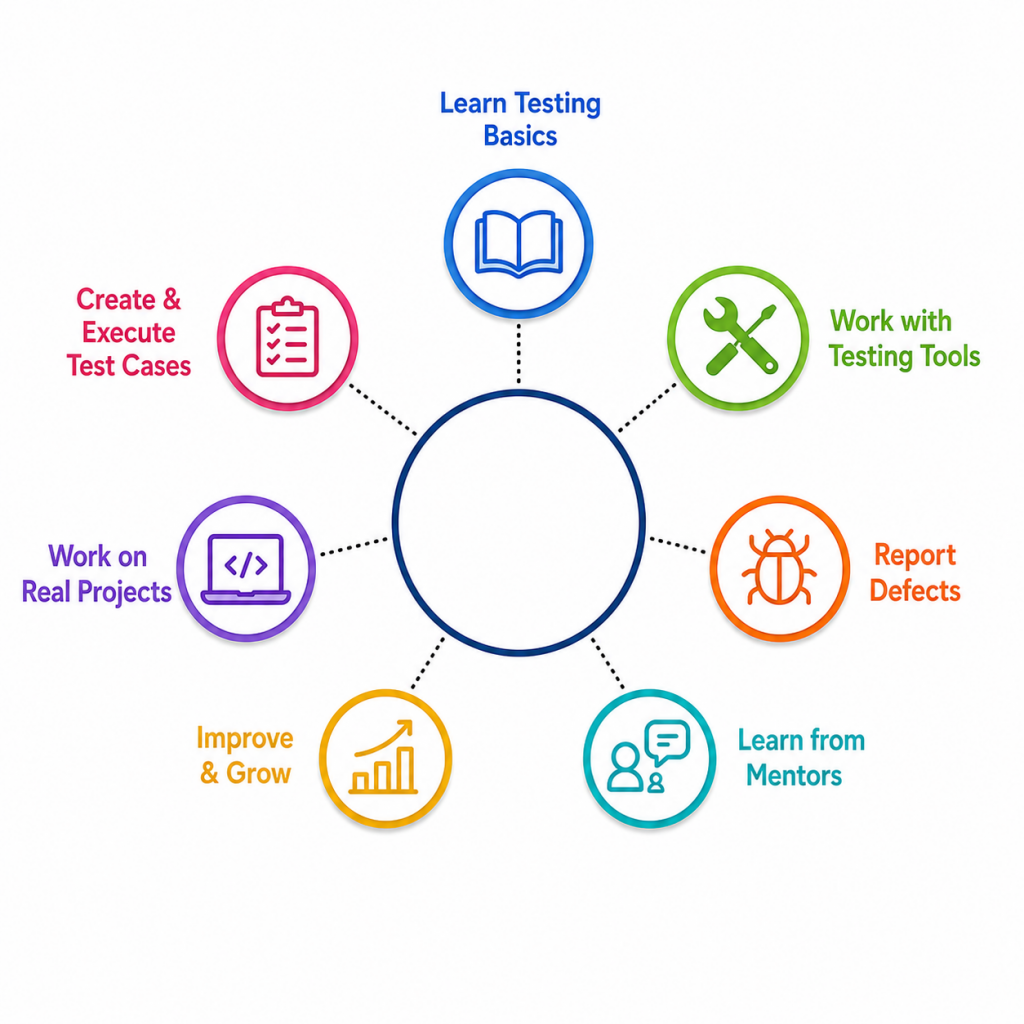
A typical software testing internship exposes students to the day-to-day responsibilities of a QA professional within a structured and supervised environment. Interns are usually introduced to the Software Development Life Cycle (SDLC) and Software Testing Life Cycle (STLC), learning how testing activities fit into each stage of a project. They are given the opportunity to analyze requirement documents, write test cases, and execute them against a sample or live application. As they progress, interns often participate in defect logging using tools such as Jira, where they learn to document issues clearly and track their resolution status. Some internships also introduce basic automation concepts, allowing students to explore tools like Selenium under the mentorship of experienced testers. Regular team meetings, status updates, and test case reviews help interns understand how professional QA teams collaborate to deliver high-quality software.
Why Students Should Consider a Software Testing Internship
A software testing internship offers students an excellent opportunity to gain practical industry experience before completing their academic studies. It helps bridge the gap between classroom learning and real-world software development practices by allowing students to work on live projects, understand testing methodologies, and collaborate with experienced QA professionals. Through hands-on exposure, analytical and communication skills that are highly valued by employers. Students also become familiar with industry-standard tools, defect management processes, and software quality assurance practices, making them more confident during interviews and better prepared for entry-level roles. Complementing internship experience with Software Testing Training helps students strengthen their technical knowledge, master industry tools, and improve their career prospects in software quality assurance.
Get Your Software Testing Certification by Learning from Industry-Leading Experts and Advancing Your Career with ACTE’s Software Testing Course.
Key Benefits of Doing a Software Testing Internship
- Practical Industry Exposure: Interns gain firsthand experience working on real or simulated projects, which is far more valuable than theoretical learning alone in preparing them for professional roles.
- Resume and Portfolio Enhancement: Internship experience adds credibility to a student’s resume and provides concrete examples of testing work that can be discussed during future job interviews.
- Networking Opportunities: Working alongside experienced QA engineers, developers, and managers allows students to build professional connections that can support future job searches.
- Improved Employability: Many companies prefer candidates with prior internship experience, giving interns a competitive advantage when applying for full-time positions after graduation. Students can also explore Software Testing Salary Expectations to understand the earning potential and career growth opportunities available after completing an internship.
- Clarity on Career Direction: Exposure to different testing domains, such as manual, automation, and API testing, helps students identify which specialization best matches their interests.
- Potential for Full-Time Conversion: Many organizations use internships as a hiring pipeline, offering strong-performing interns a full-time position upon successful completion of the program.
- Test Case Design: Interns learn to translate requirements into structured, executable test cases that verify application functionality accurately.
- Defect Management: Hands-on use of bug tracking tools like Jira teaches interns how to report, prioritize, and monitor defects throughout the testing cycle.
- Basic Automation Exposure: Many internships introduce foundational automation concepts using tools such as Selenium, helping students understand the differences between Manual vs Automation Testing and giving them an early advantage in technical testing roles.
- SQL and Database Validation: Interns often practice writing simple SQL queries to verify backend data accuracy and consistency.
- API Testing Basics: Exposure to tools like Postman helps interns understand how to validate communication between different software components.
- Version Control Familiarity: Working with Git during the internship helps students understand how testing artifacts and scripts are managed within a team environment.
- Instructor-led Sessions
- Real-life Case Studies
- Assignments
- Understanding Agile Workflows: Interns experience firsthand how sprints, stand-up meetings, and iterative development cycles function within real project teams. They learn how tasks are planned, prioritized, and tracked throughout each sprint, helping them understand Agile project management and team collaboration.
- Exposure to Industry-Standard Tools: Working with tools such as Jira, Postman, Selenium, and Git gives interns practical familiarity that extends beyond textbook knowledge. Combining this practical experience with Software Testing Training helps students strengthen their technical skills and become more confident in using industry-standard testing tools.
- Insight into Cross-Functional Collaboration: Interns learn how QA teams interact with developers, product owners, and business analysts to deliver quality software. This collaboration helps them understand the importance of effective communication, requirement clarification, and coordinated problem-solving.
- Awareness of Industry Standards: Exposure to company processes and documentation practices helps students understand quality benchmarks expected in professional environments. They also become familiar with testing standards, reporting formats, and compliance practices that ensure software quality and consistency.
- Understanding Client and Business Requirements: Interns gain insight into how business needs are translated into technical requirements and eventually into test scenarios. This experience enables them to understand the importance of validating software against both functional requirements and user expectations.
- Exposure to Multiple Testing Domains: Some internships allow rotation across manual, automation, and API testing, broadening a student’s overall industry knowledge. This diverse exposure helps students identify their areas of interest and develop a well-rounded understanding of different testing approaches.
- Ask Questions Proactively: Clarifying doubts with mentors and senior testers helps interns learn faster and avoid repeating mistakes. Asking thoughtful questions also demonstrates curiosity, willingness to learn, and active participation in the internship.
- Document Your Work: Keeping a record of test cases, defects, and projects completed during the internship helps build a strong portfolio for future job applications. Well-organized documentation also serves as a valuable reference for interviews and future learning.
- Seek Feedback Regularly: Requesting constructive feedback from supervisors helps interns identify areas for improvement early in the program. Applying this feedback consistently enables continuous growth and stronger technical performance.
- Take Initiative on Small Tasks: Volunteering for additional responsibilities demonstrates enthusiasm and can lead to greater learning opportunities. Taking ownership of tasks also helps build confidence and showcases reliability to mentors and team leaders.
- Network with Team Members: Building relationships with colleagues can lead to valuable mentorship and future job referrals. Engaging with professionals across different teams also expands industry knowledge and career opportunities.
- Reflect on Learning Outcomes: Reviewing what was learned at the end of each week helps reinforce concepts and identify skill gaps to address. Maintaining a learning journal or personal notes can help track progress while developing the Skills Required to Become a QA Engineer for Freshers and prepare for future technical interviews.

Learn Software Testing Training Course to Build Your Skills
Weekday / Weekend BatchesSee Batch DetailsTechnical Skills Gained During the Internship
Soft Skills Developed During the Internship
Beyond technical training, a software testing internship plays a significant role in developing essential soft skills that are highly valued across the IT industry. Communication skills improve naturally as interns are required to write clear defect reports, participate in daily stand-up meetings, and explain issues to developers and team leads. Time management becomes an important skill as interns learn to balance multiple testing tasks within project deadlines, especially in Agile environments with short sprint cycles. Analytical thinking is strengthened through the process of examining application behavior, identifying inconsistencies, and determining the root cause of defects. Working within a team environment also teaches interns the value of collaboration, patience, and constructive feedback, as testing often involves close coordination with developers and business analysts. Confidence grows steadily as students move from observing experienced testers to independently handling testing tasks, preparing them for the responsibilities of a full-time QA role. Enrolling in Software Testing Training can further strengthen these practical and interpersonal skills through hands-on projects and real-world testing scenarios, helping learners become well-rounded professionals ready to contribute effectively from day one of their career.

Get JOB Oriented Software TestingI Training for Beginners By MNC Experts
How Internships Improve Career Opportunities
Completing a software testing internship significantly strengthens a student’s position in the competitive IT job market. Recruiters often view internship experience as proof that a candidate can apply theoretical knowledge in a practical setting, which reduces the perceived risk of hiring a fresher without prior work exposure. Internships also provide students with specific, real examples to discuss during job interviews, such as test cases they designed or defects they identified, making their answers more credible and detailed compared to candidates without such experience. Many companies maintain a structured path from internship to full-time employment, offering top-performing interns a pre-placement offer before they even complete their degree. Additionally, the professional references and recommendation letters gained from internship supervisors can strengthen future job applications, especially when combined with a How to Create a Winning Resume for a Software Testing Internship. Even when a direct job offer is not extended, the practical skills and confidence built during the internship make candidates more competitive when applying to other organizations, ultimately shortening the time it takes to secure a stable, well-paying role in software quality assurance.
Want to Master Software Testing? Explore the Software Testing Master Program Offered at ACTE Today!
Real-World Exposure and Industry Knowledge
Want to Learn About Software Testing? Explore Our Software Testing Interview Questions and Answers Featuring the Most Frequently Asked Questions in Job Interviews.
Tips to Make the Most of Your Internship
Conclusion: Why Every Student Should Try a Software Testing Internship
A software testing internship offers far more than a line on a resume; it provides students with practical skills, professional confidence, and valuable industry connections that can shape the trajectory of their careers. From learning how to design effective test cases to understanding how cross-functional teams collaborate on real projects, the experience gained during an internship bridges the gap between academic learning and professional readiness. Students who actively engage with their internship responsibilities, seek feedback, and build a portfolio of their work position themselves strongly for future job opportunities, whether within the same organization or elsewhere in the industry. Complementing internship experience with Software Testing Training further strengthens practical knowledge, enhances technical skills, and improves career readiness for quality assurance roles. As the demand for quality assurance professionals continues to grow alongside the expanding IT sector, students who invest time in a software testing internship gain a meaningful head start over peers who rely solely on classroom knowledge. For any student considering a career in technology, a software testing internship is a practical, accessible, and highly rewarding step toward long-term professional success. Beyond improving technical expertise, internships also help students develop a professional mindset by teaching them how to work in collaborative environments, meet project deadlines, and adapt to changing business requirements. The combination of technical knowledge, workplace experience, and soft skills makes graduates more attractive to employers and better prepared for the challenges of the modern IT industry. Whether students choose to pursue careers in manual testing, automation testing, software development, or other technology domains, the experience gained through a software testing internship serves as a strong foundation for continuous learning and long-term career growth.