LMS
LMS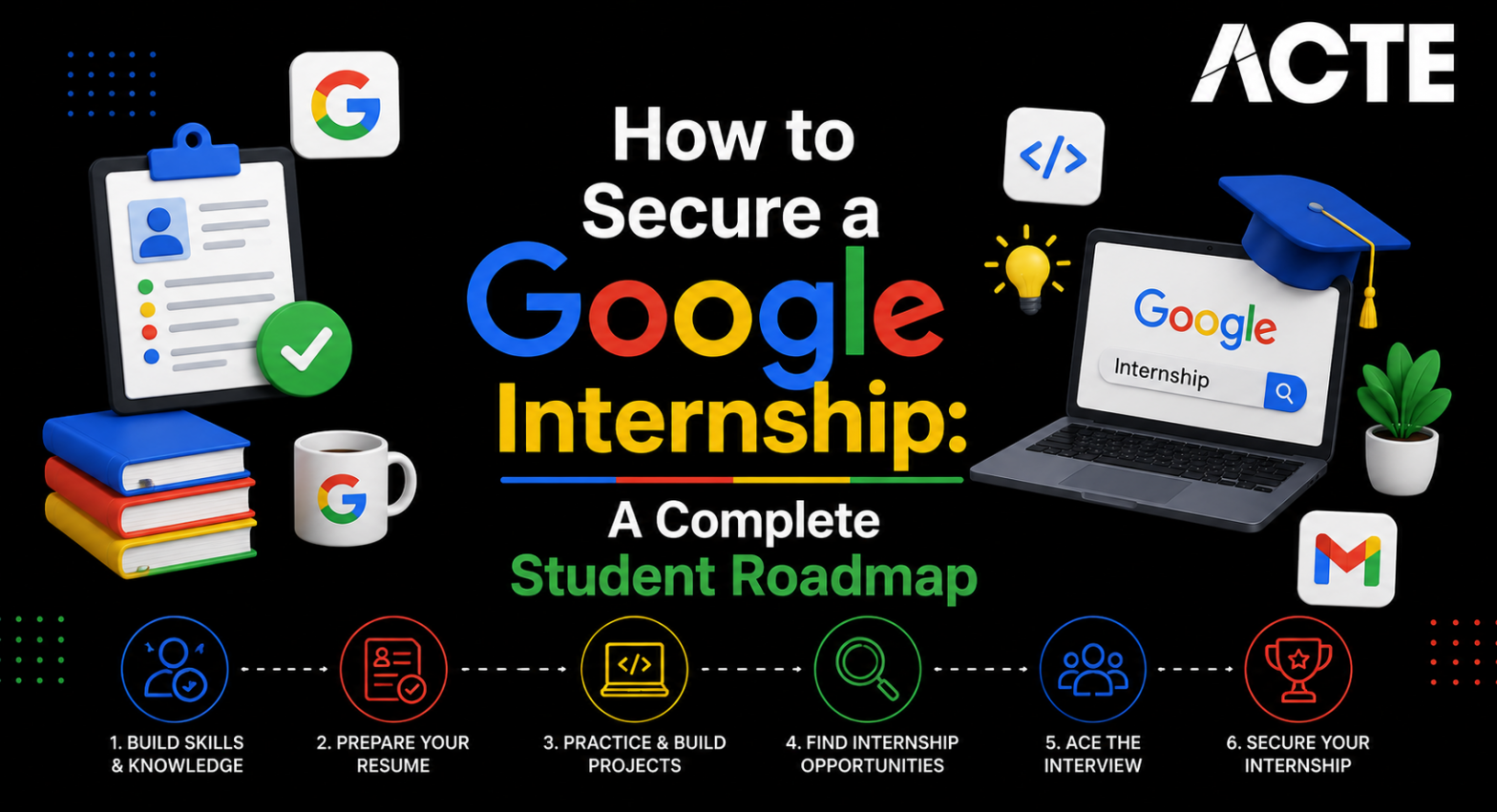
Last updated on 02nd Jul 2026| 4698

- Introduction to Google Internship Opportunities
- Why Google Internships Are Highly Competitive
- Eligibility Criteria for Google Internships
- Skills Required to Get Selected at Google
- Building a Strong Resume for Google Applications
- Creating an Impressive Portfolio and GitHub Profile
- Preparing for Coding and Technical Assessments
- Google Interview Process Explained Step by Step
- Networking and Referral Strategies for Google
- Conclusion: Building a Roadmap to Secure a Google Internship
Introduction to Google Internship Opportunities
Google internships are among the most prestigious and competitive internship programs in the world, offering students a chance to work on real-time projects used by millions of users globally. These internships are designed to help students gain hands-on experience in software engineering, data science, product management, UX design, and other cutting-edge technology fields. Interns at Google get exposure to advanced tools, large-scale systems, and industry-level problem-solving while working alongside experienced engineers and professionals. The program also focuses on learning and mentorship, allowing interns to develop technical skills, communication abilities, and innovative thinking. Students interested in similar opportunities can explore Why AI Internships Are Important for Freshers to understand how AI internships help build industry-ready skills. Completing a Google internship not only strengthens a student’s resume but also opens doors to high-paying job opportunities in top global companies.
Why Google Internships Are Highly Competitive
Google internships are highly competitive because they attract millions of applicants from top universities around the world. The company looks for candidates who demonstrate exceptional technical skills, strong problem-solving abilities, and a passion for innovation. Unlike many other internships, Google evaluates candidates based on coding proficiency, algorithmic thinking, and real-world project experience rather than just academic scores. Candidates can strengthen their preparation by reviewing Data Science Interview Preparation, which covers many of the analytical and problem-solving skills valued in technical hiring. The selection process includes rigorous coding tests, technical interviews, and behavioral assessments, ensuring only the most capable candidates are selected. Additionally, Google offers world-class learning opportunities, mentorship, and exposure to impactful projects, making the demand extremely high. The combination of limited openings, global competition, and high standards makes securing a Google internship a challenging yet highly rewarding achievement.
Ready to Pursue Your Gen AI Certificate? View The Gen AI Course Offered By ACTE Right Now!
Eligibility Criteria for Google Internships
To apply for a Google internship, candidates typically need to be enrolled in a bachelor’s, master’s, or PhD program in Computer Science, Data Science, or a related technical field. Strong programming skills in languages such as Python, Java, C++, or JavaScript are essential, along with a solid understanding of data structures and algorithms. For data science roles, knowledge of statistics, machine learning, SQL, and data visualization tools is highly preferred. Students wondering How to get a data science internship as a fresher can benefit from building these technical skills before applying. Google also values candidates with hands-on project experience, internships, hackathons, or contributions to open-source projects. Good communication skills, problem-solving ability, and a strong learning mindset are equally important. While academic performance is considered, Google places greater emphasis on practical skills, coding ability, and real-world application of knowledge during the selection process.

Skills Required to Get Selected at Google
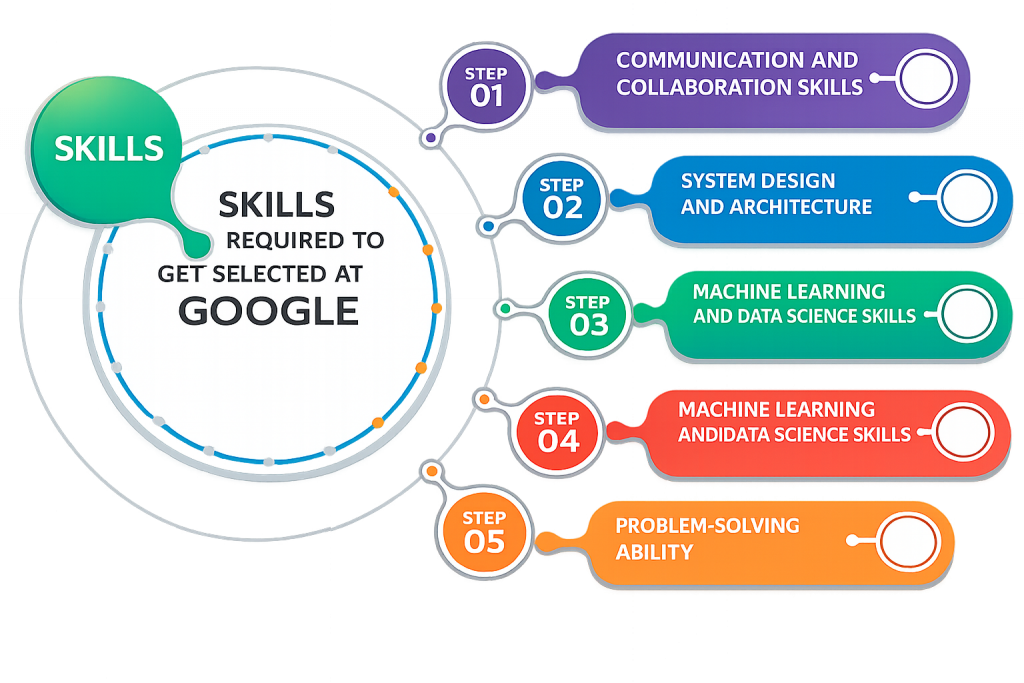
- Strong Programming Skills: Proficiency in languages like Python, Java, C++, or JavaScript is essential. Candidates must be able to write clean, efficient, and optimized code while solving real-world problems and implementing algorithms effectively.
- Data Structures and Algorithms (DSA): A deep understanding of arrays, linked lists, trees, graphs, sorting, and searching algorithms is crucial. Google strongly evaluates problem-solving ability using DSA-based coding questions in interviews.
- Problem-Solving Ability: Candidates should be able to break complex problems into simple logical steps. Strong analytical thinking and the ability to design efficient solutions are key factors in Google’s selection process.
- Machine Learning and Data Science Skills (For Relevant Roles): Knowledge of statistics, machine learning models, SQL, data analysis, and visualization tools is important for data science roles. Practical project experience adds strong value. Reading My Data Science Internship Journey can help candidates understand how these skills are applied in real-world projects.
- System Design and Architecture Understanding: For advanced roles, understanding how large-scale systems are built is important. Candidates should know concepts like scalability, databases, APIs, and distributed systems.
- Communication and Collaboration Skills: Google values teamwork and clear communication. Candidates must be able to explain technical ideas, work in teams, and collaborate effectively on projects.
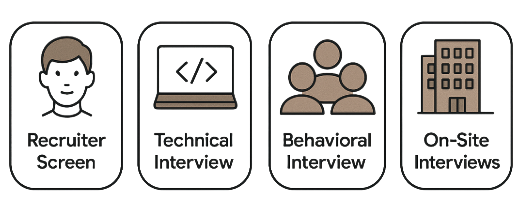
- Online Application Screening: Candidates apply through Google careers portal or referrals. Recruiters review resumes focusing on skills, projects, and problem-solving ability. Only shortlisted candidates move to the next stage. They also check alignment with role requirements, consistency in career growth, and impact of projects to ensure candidates meet Google’s high standards.
- Online Coding Assessment: Selected candidates take coding tests assessing data structures, algorithms, and problem-solving skills. Questions are medium to hard level and must be solved within time limits. Candidates are also evaluated on code efficiency, edge case handling, and optimization approach under pressure.
- Technical Interview Rounds: Candidates face 1–3 technical interviews focusing on coding, system design, and domain knowledge. Interviewers evaluate logic, optimization, and clarity of thought. They also assess how well candidates explain solutions, handle follow-up questions, and improve approaches in real time.
- Behavioral and Googliness Round: This round checks communication, teamwork, leadership, and cultural fit. Candidates are assessed on past experiences, decision-making, and problem-solving approach. Google also evaluates adaptability, ownership, and how candidates handle ambiguity in real-world situations. Preparing with HR Internship Duties and Skills can help candidates strengthen the interpersonal skills valued during behavioral interviews.
- Final Hiring Decision: All interview feedback is reviewed by a hiring committee. Successful candidates receive offers based on overall performance across all rounds. The decision also considers consistency across interviews, technical depth, and overall potential for long-term growth at Google.
- Building a Strong LinkedIn Profile: Create a professional profile highlighting skills, projects, certifications, and achievements. Engage with tech content and connect with industry professionals. Regularly post updates, share project work, and interact with recruiters to increase visibility and credibility.
- Connecting with Google Employees: Reach out to Google employees respectfully for guidance and insights. Building genuine connections can increase chances of getting referrals. Focus on meaningful conversations rather than direct job requests to build long-term professional relationships.
- Requesting Referrals Professionally: After building rapport, request referrals with a strong resume and portfolio. Referrals increase visibility and improve chances of shortlisting. Ensure your profile is complete and tailored before asking for referrals to make a strong impression.
- Participating in Tech Communities: Join coding groups, hackathons, and developer communities. Active participation helps in networking and discovering referral opportunities. These platforms also improve skills and expose you to real-world problem-solving experiences, similar to the benefits discussed in Marketing Internships Explained, where professional networking plays an important role in career growth.
- Showcasing Strong Projects Online: Maintain GitHub and portfolio websites with impactful projects. Strong public work increases chances of attracting referrals organically. Well-documented projects with clear explanations and real-world applications help recruiters and professionals notice your profile.
Excited to Obtaining Your Gen AI Certificate? View The Gen AI Course Offered By ACTE Right Now!
Building a Strong Resume for Google Applications
A strong Google resume should be short, clear, and impact-focused. It must highlight technical skills, programming languages, projects, internships, and achievements in a structured way. Instead of simply listing responsibilities, candidates should show measurable outcomes such as performance improvements, optimized solutions, or real-world impact. Including relevant coursework like data structures, algorithms, machine learning, and system design adds value. Candidates can strengthen their profiles by gaining practical experience through AI Internships for Freshers, which helps demonstrate industry-ready skills. The resume should ideally be one page with clean formatting, no errors, and customized for the specific role. Google recruiters prioritize problem-solving ability, technical depth, and project experience more than academic scores, so showcasing hands-on work is essential.
Are You Considering Pursuing a Gen AI Master’s Degree? Enroll For Gen AI Expert Masters Program Training Course Today!
Creating an Impressive Portfolio and GitHub Profile
A strong portfolio and GitHub profile demonstrate practical skills beyond the resume. Candidates should upload real-world projects such as machine learning models, data analysis dashboards, or web applications. Each project must include a clear README with objective, tools used, methodology, and results. Well-organized repositories, consistent commits, and proper documentation show discipline and professionalism. Candidates can also learn from How Data Analytics Internships Help Freshers to understand how practical project experience strengthens a professional portfolio. Contributing to open-source projects or participating in hackathons further strengthens credibility. A good GitHub profile reflects coding consistency, creativity, and problem-solving ability, which are highly valued by Google during the selection process.
Set to Ace Your Gen AI Job Interview? Check Out Our Blog on Gen AI Interview Questions & Answer
Preparing for Coding and Technical Assessments
Preparation for Google coding assessments requires strong knowledge of data structures and algorithms. Candidates should focus on arrays, strings, linked lists, trees, graphs, recursion, dynamic programming, and sorting techniques. Regular practice on platforms like LeetCode, HackerRank, and Codeforces improves speed and accuracy. Understanding time and space complexity is crucial for writing optimized solutions. Mock interviews and timed coding challenges help simulate real exam pressure. For data science roles, knowledge of SQL, statistics, machine learning, and case-based problem solving is also important. Candidates can strengthen their preparation by exploring Top Companies Hiring Data Analytics Interns to understand the technical skills employers expect. Continuous practice, logical thinking, and strong fundamentals are key to clearing Google’s highly competitive technical rounds.
Google Interview Process Explained Step by Step
Networking and Referral Strategies for Google
Conclusion: Building a Roadmap to Secure a Google Internship
Securing a Google internship requires a clear roadmap, consistent effort, and strong focus on both technical and soft skills. It is not achieved overnight but through continuous learning, practice, and improvement. Candidates must start by building strong fundamentals in programming, data structures, algorithms, and domain-specific skills such as machine learning or system design depending on their target role. Along with technical preparation, creating a strong resume, developing impactful projects, and maintaining a professional GitHub and portfolio are essential to stand out in a highly competitive pool of applicants. Preparation for coding assessments and technical interviews plays a major role in selection, so regular practice on problem-solving platforms and mock interviews is highly recommended. Networking and referrals also significantly increase visibility, making it important to build meaningful professional connections on platforms like LinkedIn. Understanding the interview process and preparing for behavioral rounds helps candidates perform confidently across all stages. Students can also explore Top Skills for a Digital Marketing Internship to strengthen communication, collaboration, and professional skills that are valuable across internship programs. Ultimately, a successful Google internship journey depends on consistency, patience, and continuous self-improvement. By following a structured roadmap that includes skill development, hands-on projects, interview preparation, and networking strategies, students can significantly increase their chances of securing a Google internship and building a strong foundation for a successful career in the tech industry.