LMS
LMS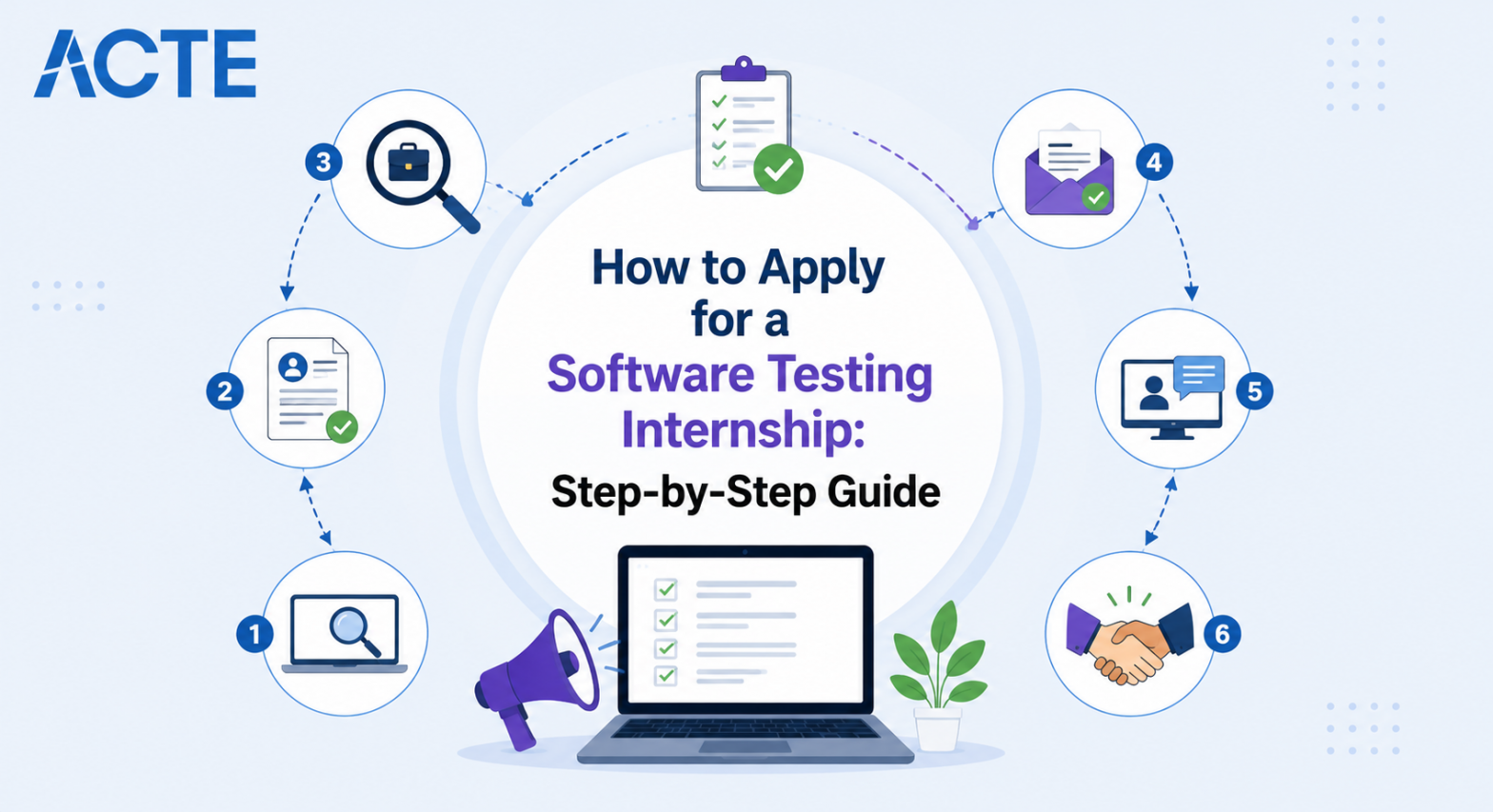
Last updated on 15th Jul 2026| 11378

- Introduction to Applying for Software Testing Internships
- Understanding the Software Testing Internship Landscape
- Step 1: Research and Identify Internship Opportunities
- Step 2: Prepare Your Resume and Portfolio
- Step 3: Build Required Technical Skills
- Step 4: Apply Through the Right Channels
- Step 5: Prepare for the Interview Process
- Step 6: Follow Up After Application
- Common Mistakes to Avoid While Applying
- Conclusion: Successfully Applying for a Software Testing Internship
Introduction to Applying for Software Testing Internships
Applying for a software testing internship is more than simply submitting applications to multiple companies. It requires candidates to understand what employers expect from entry-level QA professionals and to demonstrate both technical knowledge and a willingness to learn. Companies often evaluate applicants based on their understanding of software testing fundamentals, problem-solving abilities, communication skills, and enthusiasm for quality assurance. Even if a candidate has no professional experience, showcasing academic projects, certifications, personal testing exercises, or participation in coding and QA communities can significantly strengthen an application. Building this foundation through Software Testing Training helps candidates develop practical skills and industry-relevant knowledge before applying for internships. Preparing these elements in advance helps applicants present themselves as motivated and capable learners. The software testing industry also offers internship opportunities across various domains, including manual testing, automation testing, web application testing, mobile application testing, API testing, and performance testing. Exploring these different areas enables students to identify internships that align with their interests and career goals. By researching companies, customizing application materials, preparing for technical and HR interviews, and continuously improving their knowledge, candidates can increase their competitiveness in the job market. A well-planned application strategy not only improves the likelihood of securing an internship but also lays a strong foundation for a successful career in software testing.

Understanding the Software Testing Internship Landscape
Another important aspect of understanding the software testing internship landscape is recognizing the different recruitment methods used by employers. Many organizations advertise internship openings through company career portals, job platforms, professional networking sites, campus placement cells, and internship-specific websites. Some companies conduct online aptitude tests followed by technical interviews, while others focus primarily on resume screening and practical assessments. Being familiar with these hiring processes allows candidates to prepare in advance and respond quickly when opportunities become available. Regularly monitoring internship listings and maintaining an updated resume by following a Create a Winning Resume for a Software Testing Internship guide can improve the chances of applying before application deadlines. The internship landscape is also evolving with the widespread adoption of remote and hybrid work environments. Many software companies now offer virtual internships, enabling students to gain practical experience without relocating. Remote internships often involve collaboration through project management tools, video conferencing platforms, version control systems, and cloud-based testing environments. This format helps interns develop digital communication, teamwork, and time management skills while working alongside distributed development teams. Understanding these modern workplace practices enables candidates to adapt more easily and perform effectively regardless of whether the internship is conducted on-site, remotely, or through a hybrid model.
Step 1: Research and Identify Internship Opportunities
- Explore Job Portals: Websites such as LinkedIn, Naukri and Indeed regularly list software testing internship openings from a variety of companies. Candidates should also research internship requirements, skill expectations, and learning paths through Software Testing Training programs to strengthen their technical foundation before applying.
- Check Company Career Pages: Visiting the careers section of IT companies directly often reveals internship openings that may not be widely advertised elsewhere. Regularly checking these pages helps candidates discover exclusive opportunities and stay updated on new openings.
- Leverage College Placement Cells: Academic institutions frequently partner with companies to offer internship opportunities exclusively to their students. Participating in campus recruitment activities and placement workshops can increase visibility among recruiters.
- Attend Career Fairs and Webinars: These events often connect students directly with recruiters and provide early information about upcoming internship programs. They also offer valuable opportunities to ask questions, learn about company expectations, and build professional connections.
- Use Professional Networks: Reaching out to alumni, faculty, or industry contacts on LinkedIn can uncover internship opportunities through referrals. Building genuine professional relationships can significantly improve access to hidden job opportunities and industry guidance.
- Follow Training Institutes: Some certification providers offer internship placements as part of their software testing courses, which can be a valuable starting point for beginners. These programs often combine practical training with real-world project experience, helping candidates become job-ready.
Get Your Software Testing Certification by Learning from Industry-Leading Experts and Advancing Your Career with ACTE’s Software Testing Course.
Step 2: Prepare Your Resume and Portfolio
In addition to highlighting technical skills, candidates should emphasize transferable skills that are highly valued in software testing roles. Qualities such as analytical thinking, attention to detail, problem-solving, communication, teamwork, adaptability, and time management demonstrate a candidate’s ability to contribute effectively in a professional environment. If students have participated in hackathons, coding competitions, technical workshops, or collaborative academic projects, these experiences should also be included, as they reflect initiative, continuous learning, and the ability to work in team-based settings. Even part-time jobs, volunteer work, or leadership roles can showcase responsibility and interpersonal skills that are relevant to internship positions. Before submitting any application, candidates should carefully proofread their resume and portfolio to eliminate spelling, grammatical, or formatting errors. A professional-looking resume with consistent fonts, clear section headings, and concise bullet points creates a strong first impression. Strengthening your profile through Software Testing Training can also help you build the practical knowledge and hands-on experience employers look for in internship candidates. It is also beneficial to use keywords commonly found in internship job descriptions, such as manual testing, automation testing, test cases, bug reporting, SDLC, STLC, Selenium, API testing, and Agile methodologies, as many organizations use Applicant Tracking Systems (ATS) to screen resumes. A well-optimized resume, combined with a well-organized portfolio, increases the likelihood of passing the initial screening process and securing an interview opportunity.

Learn Software Testing Training Course to Build Your Skills
Weekday / Weekend BatchesSee Batch DetailsStep 3: Build Required Technical Skills
- Learn Testing Fundamentals: Understanding and the defect life cycle is essential before applying, as these concepts are commonly tested during interviews. Developing these core abilities and exploring the Skills Required to Become a QA Engineer for Freshers can help candidates prepare better for software testing internship opportunities.
- Practice Test Case Writing: Creating sample test cases for simple applications helps build confidence and demonstrates practical understanding to potential employers.
- Gain Basic Programming Knowledge: Learning the basics of Java, Python, or JavaScript improves eligibility for internships that include automation exposure.
- Explore Automation Tools: Familiarity with tools such as Selenium, even at a beginner level, can make a candidate more attractive for technical internship roles.
- Understand Bug Tracking Tools: Practicing with free versions of tools like Jira helps candidates become comfortable with defect reporting workflows.
- Learn Basic SQL: Database validation skills are frequently required, so practicing simple SQL queries can strengthen a candidate’s overall technical profile.
Step 4: Apply Through the Right Channels
After preparing a strong resume and building relevant technical skills, candidates should apply through appropriate and verified channels to maximize their chances of success. Submitting applications directly through official company websites or well-known job portals reduces the risk of encountering fraudulent internship listings, which unfortunately exist in the current job market. When applying through college placement cells, candidates should follow the specific application procedures and deadlines provided by their institution to avoid missing opportunities. Before submitting applications, it is also important to review the Who Can Apply for a Software Testing Internship? to understand whether their qualifications match the expected criteria. It is advisable to apply to multiple internships simultaneously rather than waiting for a response from a single application, as this increases the overall likelihood of receiving an offer within a reasonable timeframe. Candidates should also carefully read the job description before applying to ensure their skills align with the specific requirements mentioned, whether the internship focuses on manual testing, automation, or a combination of both. Keeping a organized record of applications submitted, including company names, application dates, and status updates, helps candidates manage the process efficiently and follow up appropriately.

Get JOB Oriented Software TestingI Training for Beginners By MNC Experts
- Instructor-led Sessions
- Real-life Case Studies
- Assignments
Step 5: Prepare for the Interview Process
- Review Core Testing Concepts: Candidates should be ready to explain SDLC, STLC, testing types, and defect life cycle concepts clearly and confidently. A strong understanding of these fundamentals enables candidates to answer technical questions accurately and demonstrate their foundational knowledge.
- Practice Common Interview Questions: Preparing answers for frequently asked questions about test case design and testing tools helps build interview confidence. Completing Software Testing Training can further strengthen practical knowledge and improve confidence in technical interview discussions.
- Prepare to Discuss Projects: Candidates should be ready to explain any personal or academic testing projects in detail, including the tools and approach used. Highlighting challenges faced, solutions implemented, and lessons learned demonstrates practical problem-solving abilities.
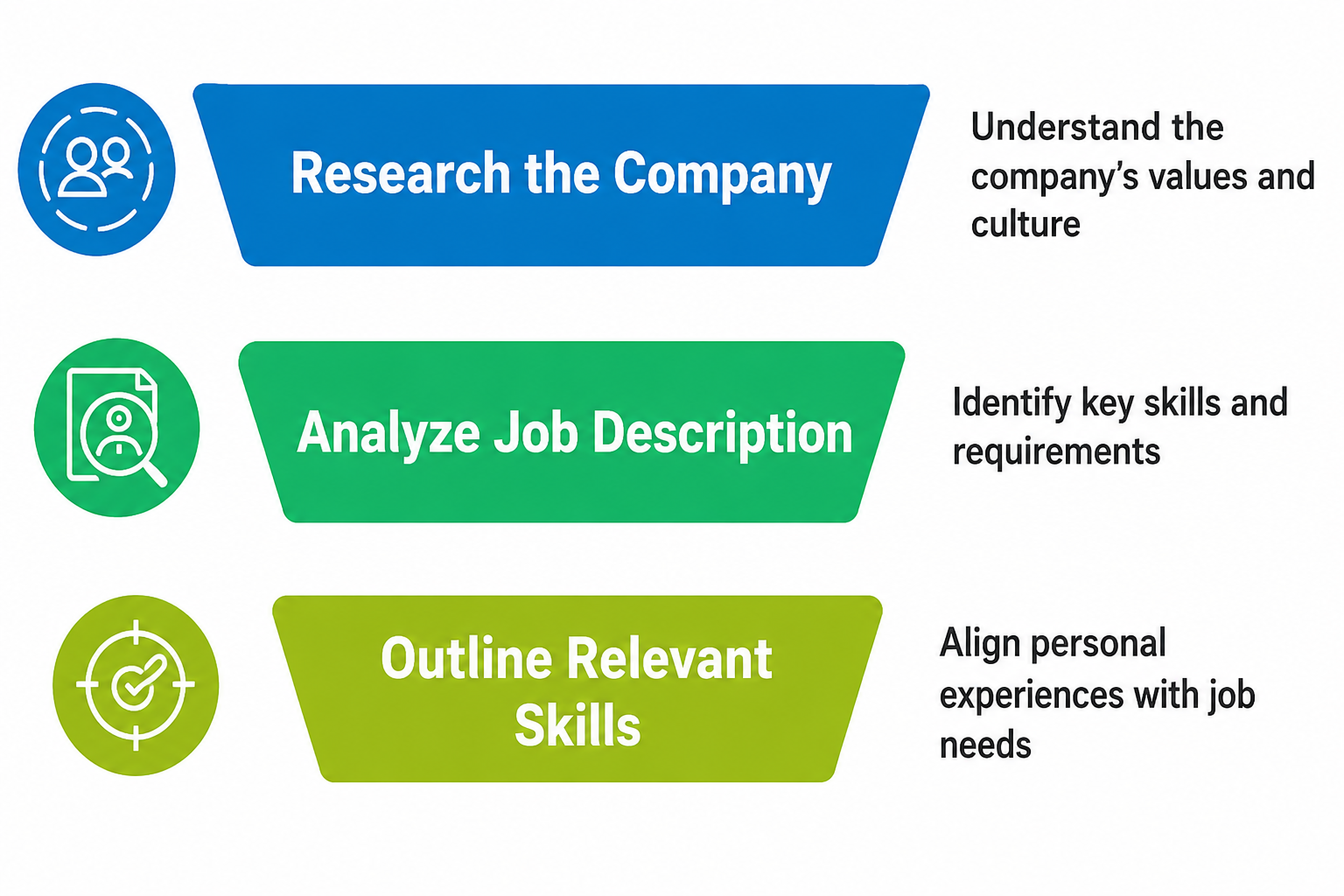
- Understand the Company and Role: Researching the company’s products, services, and testing requirements beforehand demonstrates genuine interest and preparation. This knowledge also helps candidates provide more relevant answers and align their skills with the organization’s needs.
- Practice Problem-Solving Scenarios: Interviewers often present sample application features and ask candidates to identify possible test scenarios, so practicing this skill is valuable. Regularly solving real-world testing exercises enhances analytical thinking and test case creation skills.
- Prepare Questions to Ask: Having thoughtful questions about the internship structure, mentorship, and learning opportunities shows genuine engagement during the interview. Asking relevant questions also reflects curiosity, professionalism, and a strong desire to grow within the organization.

Want to Master Software Testing? Explore the Software Testing Master Program Offered at ACTE Today!
Step 6: Follow Up After Application
Following up should always be professional, concise, and respectful of the employer’s recruitment process. Candidates should avoid sending multiple messages within a short period or repeatedly contacting recruiters, as this may create a negative impression. Instead, they should use the waiting period productively by continuing to apply for other internship opportunities, strengthening their technical skills, practicing interview questions, and working on additional software testing projects. Maintaining a record of submitted applications, interview dates, recruiter contact details, and follow-up schedules can also help candidates stay organized throughout their job search. Regardless of the outcome, every internship application is a valuable learning experience that contributes to long-term career development. Each resume submission, technical assessment, and interview helps candidates better understand industry expectations and identify areas for improvement. By consistently refining their resume with guidance from a Manual Tester Resume Guide: Samples, Skills, and Best Practices, expanding their technical knowledge, earning relevant certifications, and gaining hands-on practice with testing tools and methodologies, aspiring software testers become increasingly competitive in the job market. Persistence, continuous learning, and a positive attitude are key factors that ultimately lead to securing a rewarding software testing internship and building a successful career in quality assurance.
Want to Learn About Software Testing? Explore Our Software Testing Interview Questions and Answers Featuring the Most Frequently Asked Questions in Job Interviews.
Common Mistakes to Avoid While Applying
- Applying Without Research: Submitting applications without understanding the company or role requirements often results in mismatched expectations and lower success rates. Researching the company’s products, technologies, and work culture helps candidates tailor their application and prepare more effectively for interviews.
- Using a Generic Resume: Failing to tailor the resume for each specific internship reduces its effectiveness in highlighting relevant skills. Customizing the resume by following a Software Testing Resume Guide with role-specific keywords and relevant projects significantly improves its impact during the screening process.
- Ignoring Technical Preparation: Applying without reviewing core testing concepts can lead to poor performance during technical interview rounds. Regular practice of manual testing concepts, automation basics, and interview questions builds confidence and improves performance.
- Overlooking Application Deadlines: Missing submission deadlines, especially for campus-based internships, can eliminate otherwise strong candidates from consideration. Maintaining a calendar of application dates and setting reminders helps ensure every opportunity is submitted on time.
- Neglecting Follow-Up Communication: Failing to follow up professionally after applications or interviews can create the impression of disinterest. A polite and timely follow-up message demonstrates enthusiasm while maintaining a professional relationship with recruiters.
- Providing Inaccurate Information: Exaggerating skills or experience on a resume can lead to difficulties during technical assessments and damage credibility. Presenting honest qualifications and a willingness to learn builds trust and creates a stronger foundation for long-term career growth.
Conclusion: Successfully Applying for a Software Testing Internship
Successfully securing a software testing internship requires a combination of thorough research, technical preparation, and professional presentation throughout the application process. By understanding the internship landscape, identifying suitable opportunities, and building relevant skills before applying, candidates significantly improve their chances of standing out among other applicants. A well-prepared resume, a thoughtfully built portfolio, and confident interview performance further strengthen a candidate’s position during the selection process. Avoiding common mistakes, such as submitting generic applications or neglecting technical preparation, helps candidates present themselves as serious and capable contenders for the role. Following up professionally after applications and interviews demonstrates maturity and genuine interest, qualities that employers value highly in entry-level candidates. By following this step-by-step approach with patience and consistency, students and freshers can navigate the internship application process more effectively and take a meaningful step toward building a successful career in software quality assurance. The journey toward a successful software testing career begins with continuous learning and a proactive mindset. Every internship application, interview, and technical assessment provides valuable experience that helps candidates refine their skills and better understand industry expectations. Staying updated with emerging testing trends, practicing with industry-standard tools, completing relevant certifications, and working on real-world or personal projects can further enhance employability. Understanding career options such as Manual vs Automation Testing: What Should Freshers Choose? can also help beginners make informed decisions while developing their testing expertise. Rather than viewing rejections as setbacks, candidates should treat them as opportunities to improve and strengthen future applications. With persistence, dedication, and a commitment to continuous skill development, aspiring software testers can secure meaningful internship opportunities that serve as a strong foundation for long-term career growth in the software testing and quality assurance industry.