LMS
LMS
Last updated on 15th Jul 2026| 11409

- Introduction to Resume Writing for Software Testing Internships
- Why a Strong Resume Matters for Internship Applications
- Essential Sections of a Software Testing Internship Resume
- Technical Skills to Highlight in Your Resume
- Soft Skills to Include in Your Resume
- How to Write an Effective Resume Summary
- Formatting Tips for a Professional Resume
- Common Resume Mistakes to Avoid
- Sample Resume Structure for Freshers
- Conclusion: Crafting a Winning Software Testing Internship Resume
Introduction to Resume Writing for Software Testing Internships
A resume is often the very first impression a candidate makes on a potential employer, and for students applying to software testing internships, it plays a decisive role in determining whether they advance to the interview stage. Unlike experienced professionals who can rely on a long work history, freshers and students must demonstrate their potential through academic achievements, projects, certifications, and relevant skills. A well-crafted resume showcases not only technical knowledge but also attention to detail, organization, and professionalism—qualities that are highly valued in software testing roles. Many qualified candidates miss internship opportunities because their resumes fail to effectively present their strengths or are poorly structured. In today’s competitive job market, recruiters often spend only a few seconds reviewing each resume. Therefore, every section should be clear, relevant, and tailored to the internship role. Highlighting software testing skills gained through Software Testing Training, academic projects, certifications, and familiarity with testing tools can make a resume more appealing. Including soft skills such as communication, analytical thinking, teamwork, and problem-solving further strengthens a candidate’s profile. This article provides a comprehensive guide to creating a professional, ATS-friendly resume for a software testing internship. It covers the essential resume sections, effective ways to present skills and projects, common mistakes to avoid, and practical tips to help students create a resume that stands out and improves their chances of securing a software testing internship.
Why a Strong Resume Matters for Internship Applications
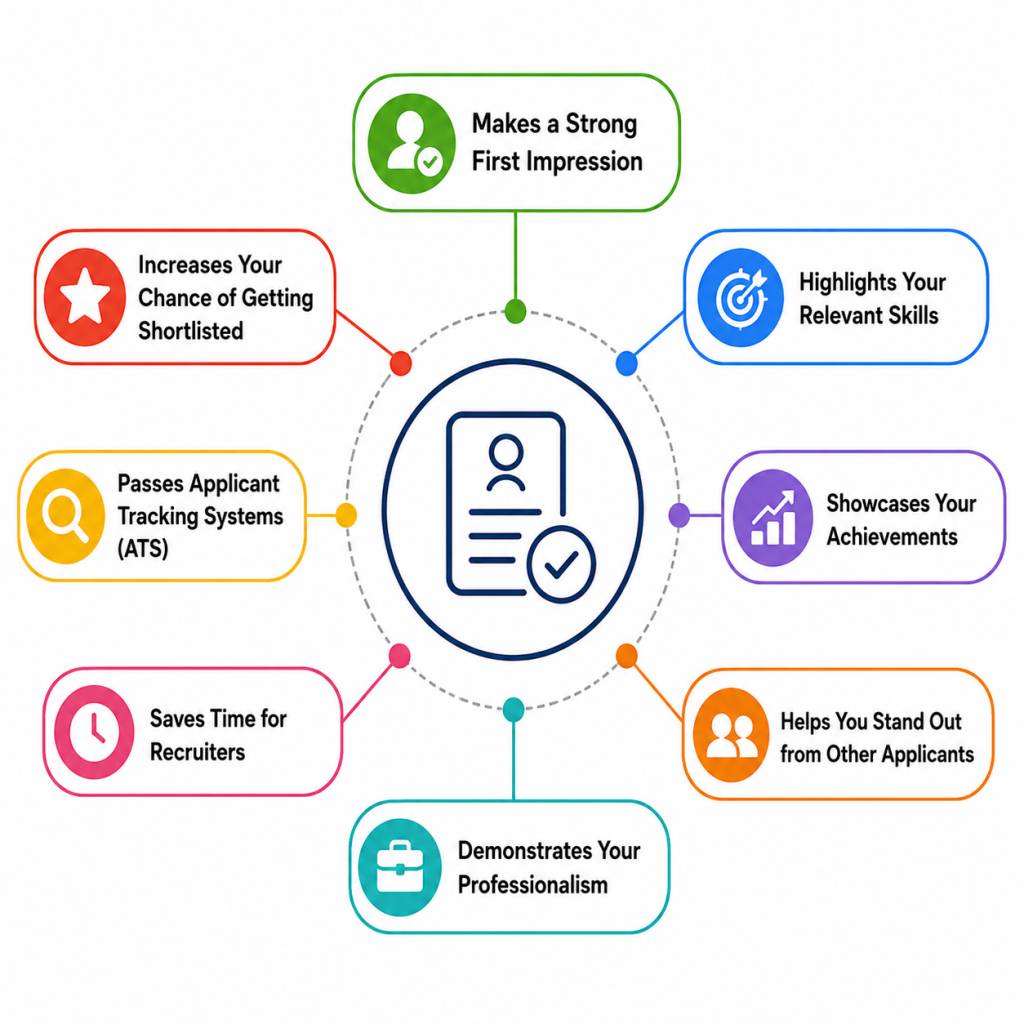
Recruiters and hiring managers often review dozens or even hundreds of resumes for a single internship opening, spending only a few seconds on an initial scan before deciding whether to read further. This makes it essential for a resume to immediately communicate relevant skills, qualifications, and interest in software testing as a career path. A strong resume acts as a marketing document that highlights a candidate’s strengths while minimizing the impact of limited professional experience, which is common among students and freshers. Beyond simply listing information, an effective resume tells a coherent story about the candidate’s academic background, technical skills, and genuine interest in quality assurance, helping recruiters understand why they would be a good fit for the role. A polished, error-free resume also reflects attention to detail, a critical trait for any software tester, since even small formatting mistakes can create doubts about a candidate’s carefulness. Ultimately, a strong resume increases the likelihood of securing an interview, which is the essential first step toward obtaining a software testing internship offer. Another important benefit of a well-written resume is its ability to demonstrate practical knowledge gained through academic projects, online courses, certifications, and self-learning initiatives. Students who have worked with testing tools, written test cases, performed manual testing, or explored automation frameworks should clearly present these experiences in a structured manner.
Essential Sections of a Software Testing Internship Resume
- Contact Information: Include your full name, phone number, professional email address, and LinkedIn or GitHub profile links if available. Keeping your contact details accurate and updated helps recruiters easily connect with you for further communication.
- Resume Summary or Objective: Write a short two-to-three sentence summary explaining your software testing interests, key skills, and career goals. Customize this section according to the internship role to create a strong and relevant first impression.
- Educational Qualifications: Mention your degree, college name, graduation year, and relevant academic details in reverse chronological order. Highlight subjects related to software testing, programming, databases, or software engineering to show technical understanding.
- Technical Skills: Add software testing concepts, programming languages, testing tools, databases, and technologies related to internship requirements. Organize skills into categories to make your technical knowledge easier for recruiters to identify quickly.
- Projects and Practical Experience: Include academic or personal projects where you applied testing methods, created test cases, identified defects, or used testing tools. Explain your responsibilities, technologies involved, and project outcomes to demonstrate practical experience.
- Certifications: Mention completed software testing certifications, training programs, or online courses that support your technical knowledge. Completing Software Testing Training also adds credibility to your resume by showcasing practical learning and industry-relevant expertise.
Get Your Software Testing Certification by Learning from Industry-Leading Experts and Advancing Your Career with ACTE’s Software Testing Course.
Technical Skills to Highlight in Your Resume
- Testing Fundamentals: Mention your understanding of SDLC, STLC, testing types, and the defect life cycle to demonstrate foundational knowledge. Explain your familiarity with these concepts through coursework, projects, or certification training.
- Test Case Design: Highlight your ability to write clear, structured test cases based on given requirements or specifications. Showcase your attention to detail by mentioning experience in creating test scenarios and documenting expected results.
- Programming Languages: Include basic knowledge of Java, Python, or JavaScript, especially if you have applied these in academic or personal projects. Emphasize how these programming skills support automation testing or scripting tasks.
- Automation Tools: If applicable, mention familiarity with tools such as Selenium, even at a beginner level. Building practical expertise through Software Testing Training also demonstrates technical readiness. Include any hands-on practice through tutorials, mini projects, or certification exercises.
- Bug Tracking Tools: List any experience using tools like Jira or Bugzilla, even from academic exercises or personal practice. Highlight your understanding of reporting, tracking, and managing software defects effectively.
- Database and SQL Skills: Mention basic SQL knowledge if you have practiced writing queries for data validation purposes. Demonstrate your ability to retrieve, verify, and validate data while testing application functionality.
- Instructor-led Sessions
- Real-life Case Studies
- Assignments
- Keep It to One Page: For freshers and students, a single-page resume is generally sufficient and easier for recruiters to review quickly. Include only the most relevant information that directly supports your application for a software testing internship.
- Use a Clean, Simple Layout: Avoid overly decorative designs or excessive colors, as a clean and professional format is easier to read and more widely accepted. Organize sections with clear headings to help recruiters locate important information quickly.
- Choose Readable Fonts: Use standard, professional fonts and consistent font sizes throughout the document for a polished appearance. Maintain adequate spacing between sections to improve readability and visual appeal.
- Use Bullet Points: Presenting skills, projects, and responsibilities as bullet points improves readability compared to lengthy paragraphs. Keep each bullet concise and focused on achievements, responsibilities, or technical expertise.
- Maintain Consistent Formatting: Ensure consistent spacing, alignment, and heading styles throughout the resume to create a professional impression. A uniform format reflects attention to detail, an essential quality for software testing roles.
- Save as PDF: Submitting your resume as a PDF file preserves formatting across different devices and operating systems. Before sending the file, review the PDF to ensure all content appears correctly and is free from formatting errors.
- Including Irrelevant Information: Avoid listing unrelated hobbies or experiences that do not support your candidacy for a testing role. Focus on content that highlights your technical knowledge, academic achievements, and relevant skills.
- Spelling and Grammar Errors: Careless mistakes can create a negative impression, especially for a role that emphasizes attention to detail. Always proofread your resume multiple times or use grammar-checking tools before submitting it.
- Using a Generic Template Without Customization: Failing to tailor the resume for each internship application reduces its overall effectiveness. Candidates with Software Testing Training can also highlight relevant practical skills to better match internship requirements.
- Overloading with Technical Jargon: Using excessive technical terms without clear context can confuse recruiters who may not be deeply technical themselves. Use simple, professional language while clearly explaining your technical skills and project experience.
- Exaggerating Skills or Experience: Claiming expertise in tools or concepts you do not fully understand can create difficulties during technical interviews. Be honest about your proficiency level and highlight your willingness to learn and improve.
- Ignoring Keyword Optimization: Failing to include relevant testing keywords can cause resumes to be overlooked by automated applicant tracking systems. Incorporate job-specific keywords naturally throughout your resume to improve ATS compatibility and recruiter visibility.

Learn Software Testing Training Course to Build Your Skills
Weekday / Weekend BatchesSee Batch DetailsSoft Skills to Include in Your Resume
While technical skills form the foundation of a software testing resume, soft skills play an equally important role in demonstrating that a candidate is ready to contribute effectively within a professional team environment. Analytical thinking should be highlighted, as it reflects a candidate’s ability to break down complex application features into testable scenarios and identify potential problem areas. Attention to detail is another valuable trait to mention, since it directly relates to a tester’s ability to catch defects that might otherwise be overlooked. Communication skills are essential for a QA role, given the constant need to write clear defect reports and collaborate with developers, so candidates should reference any experience presenting projects or working in team settings. Time management and adaptability are also worth including, particularly if a candidate has experience balancing academic responsibilities with extracurricular activities or part-time work. Including these soft skills alongside technical abilities creates a more complete picture of the candidate as someone capable of thriving in a collaborative, fast-paced testing environment. Problem-solving ability is another valuable soft skill that recruiters look for in software testing candidates. Testers frequently encounter unexpected application behavior or complex defects that require logical analysis and creative thinking. Demonstrating examples of solving technical challenges during academic projects, internships, or coding assignments can strengthen a resume and show an employer that the candidate can approach issues methodically and efficiently. Candidates can also improve their overall profile by understanding industry expectations through resources like Manual vs Automation Testing, which helps them identify the skills required for different testing career paths. Teamwork and a willingness to learn are equally important qualities for students seeking software testing internships. Most QA professionals work closely with developers, business analysts, product managers, and other stakeholders throughout the software development lifecycle. Highlighting experiences from group projects, technical workshops, hackathons, or student organizations can demonstrate collaboration skills and the ability to work effectively in diverse teams. Employers also value candidates who actively pursue continuous learning through certifications, online courses, and self-practice, as this reflects enthusiasm for professional growth and staying updated with evolving testing tools and methodologies.
How to Write an Effective Resume Summary
The resume summary, positioned at the top of the document, is one of the most important sections because it is often the first thing a recruiter reads in detail. An effective summary for a software testing internship should be concise, and should clearly state the candidate’s academic background, key technical skills, and career interest in quality assurance. Rather than using generic statements, candidates should include specific details, such as their degree program, familiarity with testing concepts or tools, and any relevant project experience, to immediately demonstrate relevance to the role. The tone should be confident and professional without appearing exaggerated, focusing on genuine strengths and a clear enthusiasm for learning and contributing to the field. For example, a strong summary might mention a candidate’s academic background in computer science and their eagerness to apply this knowledge in a professional internship setting. A well-written summary sets a positive tone for the rest of the resume and encourages the recruiter to continue reading with interest. Another important aspect of a resume summary is tailoring it to match the specific internship description. Reviewing the job posting and incorporating relevant keywords, such as manual testing, automation testing, Selenium, SQL, or defect tracking, can help demonstrate that the candidate possesses the skills the employer is seeking. A customized summary not only improves ATS compatibility but also shows recruiters that the applicant has taken the time to align their qualifications with the role. Candidates should also avoid including unnecessary personal details, vague objectives, or overly broad claims in the resume summary. Instead, the focus should remain on highlighting relevant technical skills, academic achievements, certifications, and career aspirations related to software testing. Candidates preparing their resume can also refer to resources like Software Testing Internship Stipends and Salary Expectations to better understand internship opportunities and align their career goals while creating a professional resume. A concise, well-structured summary that emphasizes value rather than general statements creates a stronger first impression and encourages hiring managers to explore the rest of the resume in greater detail.

Get JOB Oriented Software TestingI Training for Beginners By MNC Experts
Formatting Tips for a Professional Resume
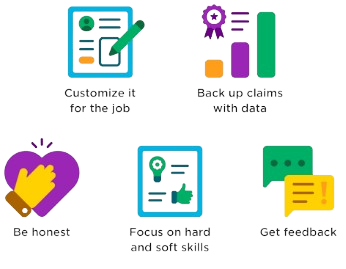
Following proper formatting practices helps candidates create a professional resume that clearly presents their technical abilities and career goals. Freshers should also focus on highlighting relevant testing concepts, tools, and practical knowledge gained through projects or learning resources. Understanding industry requirements through guides like Skills Required to Become a QA Engineer for Freshers can help candidates select the right skills to showcase in their resume. A well-structured resume improves readability, supports ATS compatibility, and increases the chances of making a positive impression on recruiters.
Want to Master Software Testing? Explore the Software Testing Master Program Offered at ACTE Today!
Common Resume Mistakes to Avoid
Want to Learn About Software Testing? Explore Our Software Testing Interview Questions and Answers Featuring the Most Frequently Asked Questions in Job Interviews.
Sample Resume Structure for Freshers
A well-organized resume structure helps recruiters quickly locate the information they need while reviewing an application. For freshers applying to software testing internships, the resume should begin with contact information at the top, followed immediately by a concise resume summary that highlights key strengths and career interest. Next, the educational qualifications section should list the candidate’s degree, institution, and graduation year, since academic background is often a primary consideration for entry-level roles. This should be followed by a technical skills section that clearly separates testing concepts, programming languages, and tools for easy scanning. A projects section should follow, describing any academic or personal projects related to software testing, including the tools and methodologies used. Certifications, if any, should be listed next, followed by an optional section for extracurricular activities or achievements that demonstrate relevant soft skills such as leadership or teamwork. This logical flow ensures that the most relevant and impactful information is presented clearly and in an order that aligns with what recruiters typically look for first. Candidates should use clear section headings, consistent formatting, and sufficient spacing to make the resume visually appealing and easy to navigate. Recruiters often scan resumes quickly, so a well-structured layout allows them to identify important qualifications without unnecessary effort. Using bullet points instead of long paragraphs further improves readability and highlights key accomplishments effectively. Each section of the resume should be concise while providing enough detail to demonstrate the candidate’s qualifications. Academic projects should focus on the candidate’s role, the testing activities performed, the tools used, and the outcomes achieved. Similarly, the technical skills section should prioritize skills that are directly relevant to software testing internships, ensuring that the resume remains focused and aligned with the employer’s expectations. Candidates preparing their internship applications can also explore Software Testing Internship to better understand the qualifications and skills that should be highlighted in their resume. Before submitting the resume, candidates should carefully review the document for formatting consistency, spelling mistakes, and grammatical errors. Saving the final version as a PDF helps preserve the layout across different devices and operating systems. A professionally organized resume not only reflects strong communication and presentation skills but also creates a positive first impression that can significantly improve the chances of being shortlisted for a software testing internship.
Conclusion: Crafting a Winning Software Testing Internship Resume
Creating a winning resume for a software testing internship requires careful attention to structure, content, and presentation, ensuring that a candidate’s technical knowledge and soft skills are communicated clearly and effectively. By including essential sections such as a strong summary, relevant technical skills, meaningful projects, and applicable certifications, students can present themselves as capable and motivated candidates despite limited professional experience. Avoiding common mistakes, such as spelling errors, irrelevant content, or generic templates, further strengthens the overall impression created by the resume. Formatting the document professionally and keeping it concise ensures that recruiters can quickly identify a candidate’s suitability for the role. Ultimately, a thoughtfully crafted resume serves as a powerful tool that opens the door to interview opportunities, allowing candidates to demonstrate their full potential in person. With careful preparation and attention to detail, students can create a resume that effectively represents their readiness to begin a successful career in software testing. Continuously updating your resume with new skills, projects, and certifications ensures it remains relevant as your knowledge and experience grow. Tailoring your resume for each internship application increases its relevance and improves the likelihood of attracting a recruiter’s attention. Candidates can also strengthen their career preparation by understanding Top Benefits of Doing a Software Testing Internship as a Student and how practical exposure contributes to professional growth. A well-prepared resume not only highlights your qualifications but also reflects your professionalism, commitment, and enthusiasm for a career in software testing. Investing time in building a strong resume today can create valuable opportunities and serve as the foundation for long-term career success in the software testing industry.