LMS
LMS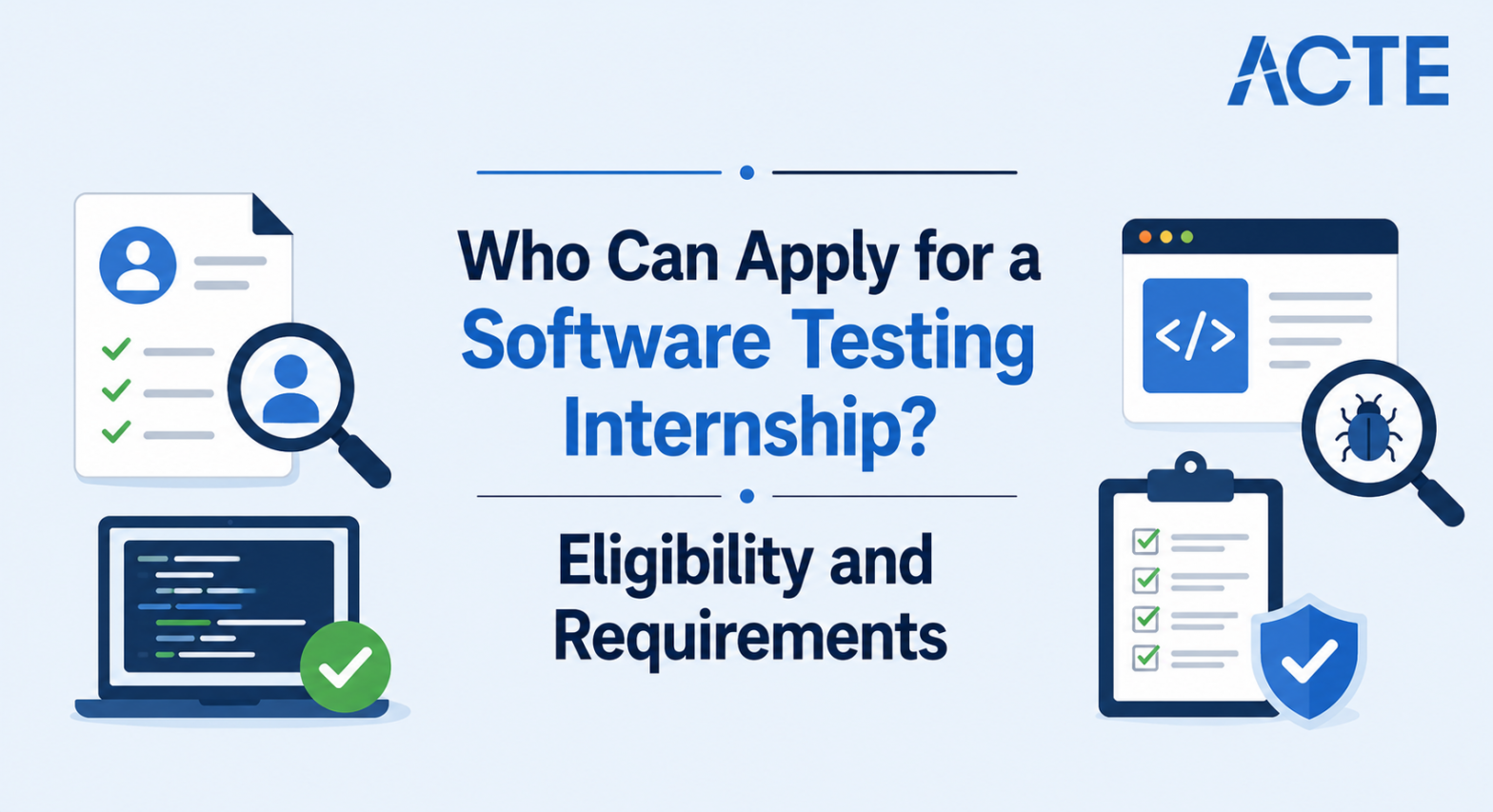
Last updated on 15th Jul 2026| 11387

- Introduction to Software Testing Internships
- Why Choose a Software Testing Internship?
- Who Can Apply for a Software Testing Internship?
- Educational Qualifications Required
- Technical Skills Required for Eligibility
- Soft Skills Employers Look For
- Eligibility Criteria for Different Types of Internships
- Common Mistakes That Affect Eligibility
- How to Improve Your Eligibility as a Fresher
- Conclusion: Building Eligibility for a Software Testing Internship
Introduction to Software Testing Internships
Software testing internships have become one of the most popular entry points for students and freshers who want to build a career in the IT industry. As software applications continue to grow in complexity and technology sectors require skilled professionals who can validate application functionality and ensure product quality before release. Internships allow aspiring testers to gain practical, hands-on exposure to real testing environments while still completing their education or shortly after graduation. Unlike theoretical classroom learning, an internship exposes candidates to live projects, defect tracking systems, and collaborative team workflows that mirror actual industry practices. For many students, understanding the Top Benefits of Software Testing Internship as a Student can help them recognize how practical experience contributes to long-term career growth. Developing a solid understanding of software testing fundamentals, quality assurance practices, and automation basics before applying can significantly improve a candidate’s confidence and readiness for internship opportunities. Understanding the qualifications expected by employers and how to strengthen your profile is essential before beginning the application process. This article explains the eligibility requirements, educational background, technical and soft skills, and practical steps that determine who can successfully apply for a software testing internship.

Why Choose a Software Testing Internship?
A Software Testing internship provides an excellent opportunity for students and fresh graduates to gain practical experience in software quality assurance before starting a full-time career. It allows interns to understand how software applications are tested in real business environments while working alongside experienced QA professionals. During the internship, learners become familiar with testing methodologies, defect reporting, test case preparation, and industry-standard testing tools.
Who Can Apply for a Software Testing Internship?
- Final-Year Engineering or Degree Students: Students pursuing their final year of a Bachelor’s degree in Computer Science, Information Technology, Electronics, or related disciplines are commonly eligible. They can apply while completing their coursework and use the internship to fulfill academic project requirements.
- Recent Graduates: Freshers who have recently completed their degree and are seeking their first professional exposure in the IT industry are strong candidates for testing internships. Many companies specifically design entry-level programs for this group.
- Diploma Holders: Candidates with a diploma in computer applications, information technology, or engineering can also apply, especially for internships that focus primarily on manual testing fundamentals rather than advanced programming.
- Career Switchers: Individuals transitioning from a non-IT background who have completed relevant certifications or self-study in software testing concepts are increasingly accepted, particularly by organizations that value aptitude and willingness to learn over formal credentials.
- Students from Non-Computer Science Backgrounds: Many companies welcome applicants from mechanical, electronics, or other engineering streams as long as they demonstrate basic logical thinking and a genuine interest in quality assurance.
- Self-Taught Learners: Candidates who have built testing knowledge through online courses, YouTube tutorials, or personal projects can apply if they can demonstrate practical understanding during interviews or assessments. Building the skills required to become a QA Engineer for Freshers can further improve their chances of securing a software testing internship.
Get Your Software Testing Certification by Learning from Industry-Leading Experts and Advancing Your Career with ACTE’s Software Testing Course.
Educational Qualifications Required
Most software testing internships require candidates to be pursuing or to have completed a Bachelor’s degree in a relevant field such as Computer Science, Information Technology, Electronics and Communication, or a similar engineering discipline. Some organizations also accept candidates with a Bachelor of Science in Computer Applications or a Master of Computer Applications, as these programs provide a strong foundation in programming and software concepts. Diploma holders in computer-related fields are frequently accepted for manual testing internships, since these roles emphasize analytical thinking and attention to detail rather than advanced coding ability. A minimum academic percentage or grade point average is sometimes specified by companies, particularly for internships associated with larger corporations or campus placement drives. However, many smaller organizations and startups place greater emphasis on practical skills, certifications, and project experience rather than strict academic cut-offs. Candidates who do not meet formal educational requirements can still improve their chances by completing recognized software testing certification courses that validate their knowledge and commitment to the field. In addition to academic qualifications, companies often look for candidates who have a basic understanding of software development processes and testing methodologies. Students who have completed academic projects, participated in software-related workshops, or gained hands-on experience with testing tools have an advantage during the selection process. A strong foundation in programming basics, databases, and problem-solving skills can further improve eligibility, especially for automation testing internships. Building a strong profile with relevant projects and certifications, along with learning Resume for a Software Testing Internship, can significantly improve a candidate’s chances of getting shortlisted. Candidates who demonstrate curiosity, willingness to learn new technologies, and the ability to analyze software from a user’s perspective are highly valued by employers. Therefore, while a relevant educational background provides a strong starting point, practical knowledge and continuous skill development play an equally important role in securing a software testing internship.

Learn Software Testing Training Course to Build Your Skills
Weekday / Weekend BatchesSee Batch DetailsTechnical Skills Required for Eligibility
- Basic Understanding of SDLC and STLC: Candidates should be familiar with the Software Development Life Cycle and Software Testing Life Cycle, as these concepts form the foundation of every testing activity performed during the internship.
- Test Case Design Knowledge: A basic ability to write simple test cases and test scenarios based on given requirements is often expected, even at the entry level.
- Familiarity with Testing Types: Understanding the difference between functional, non-functional, manual, and automation testing helps candidates perform effectively during technical interviews.
- Basic Programming Awareness: While not always mandatory for manual testing roles, basic knowledge of Java, Python, or JavaScript significantly improves eligibility for internships that include automation exposure.
- Bug Tracking Tool Familiarity: Awareness of tools such as Jira or Bugzilla, even from academic exercises, demonstrates readiness for real-world defect management tasks.
- SQL Basics: Understanding simple SQL queries helps candidates qualify for internships that involve database or backend validation tasks. It also helps testers verify stored data and identify database-related issues during application testing.
Candidates looking to strengthen these technical skills can benefit from professional Software Testing Training, where they gain practical experience with testing methodologies, real-time projects, industry tools, and interview-focused preparation to improve internship eligibility.
Soft Skills Employers Look For
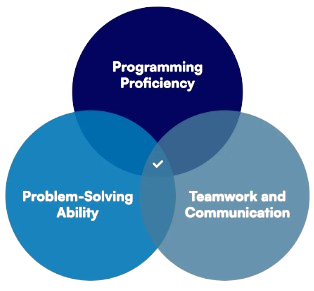
Beyond technical knowledge, employers evaluate a candidate’s soft skills carefully before offering a software testing internship, since testing roles require close collaboration with developers, business analysts, and project managers. Strong analytical thinking is essential, as interns must be able to break down complex application features into testable scenarios and identify potential problem areas. Attention to detail is equally important, because even minor oversights during testing can lead to defects reaching end users. Communication skills play a significant role, since interns are expected to write clear defect reports, participate in team discussions, and explain issues to developers in an understandable manner. Employers also value candidates who show curiosity and a willingness to learn new tools and processes quickly, as the testing field constantly evolves with new methodologies and technologies. Developing these professional skills alongside Software Testing Training helps aspiring testers gain practical knowledge, improve workplace readiness, and confidently perform in real-world QA environments. Time management and the ability to work under deadlines are important, particularly in Agile environments where testing cycles are short and frequent. Finally, a collaborative attitude and openness to feedback help interns integrate smoothly into existing QA teams and make the most of their learning opportunity. Adaptability is another important quality employers look for, as software testing environments often involve changing requirements, new tools, and different project workflows. A positive attitude toward problem-solving helps interns handle challenges effectively and contribute better during testing activities. Professional discipline, responsibility, and the ability to prioritize tasks also help candidates perform efficiently in real-world testing projects. These soft skills, combined with technical knowledge, enable interns to become effective team members and build a strong foundation for a successful career in software testing.

Get JOB Oriented Software TestingI Training for Beginners By MNC Experts
- Instructor-led Sessions
- Real-life Case Studies
- Assignments
Eligibility Criteria for Different Types of Internships
Software testing internships are available in different areas, and eligibility requirements vary depending on the testing approach and tools involved. Understanding the difference between manual and automation testing can help candidates choose the right internship path. Freshers can explore Manual vs Automation Testing to understand the skills, career scope, and learning requirements for both testing domains.
- Manual Testing Internships: These typically require only basic computer knowledge, an understanding of testing fundamentals, and strong analytical skills, making them accessible to candidates without programming backgrounds.
- Automation Testing Internships: Eligibility usually includes working knowledge of a programming language such as Java or Python, along with basic familiarity with automation tools like Selenium.
- API Testing Internships: Candidates are generally expected to understand HTTP methods, request-response structures, and basic tools such as Postman before applying.
- Remote or Virtual Internships: These often have flexible eligibility criteria but require candidates to demonstrate self-discipline, reliable internet access, and the ability to work independently.
- Campus-Based Internships: These are usually restricted to students currently enrolled at partner institutions and may involve additional criteria such as minimum academic performance or faculty recommendations.
- Certification-Linked Internships: Some training institutes offer internships as an extension of a paid certification course, where eligibility is tied to successful completion of the coursework.
Want to Master Software Testing? Explore the Software Testing Master Program Offered at ACTE Today!
Common Mistakes That Affect Eligibility
Many candidates unintentionally reduce their chances of qualifying for a software testing internship due to avoidable mistakes. One common error is applying without reviewing the specific eligibility criteria mentioned in the job posting, which can lead to rejection even before the resume is reviewed. Submitting a generic resume that does not highlight relevant coursework or testing-related skills often fails to capture the attention of recruiters. Candidates can avoid many of these mistakes by understanding Software Testing Internship, which outlines the application process and best practices for improving their chances of selection. Some candidates neglect to build any practical exposure, relying solely on theoretical knowledge from textbooks without attempting sample projects or certification courses. Poor preparation for basic technical questions related to SDLC, STLC, or test case design during interviews can also disqualify otherwise eligible candidates. Additionally, failing to demonstrate genuine interest in quality assurance as a career path, rather than treating it as a fallback option, can create a negative impression during interviews. Ignoring soft skill development, such as communication and teamwork, is another mistake, since testing roles require constant interaction with cross-functional teams throughout the internship period.
Want to Learn About Software Testing? Explore Our Software Testing Interview Questions and Answers Featuring the Most Frequently Asked Questions in Job Interviews.
How to Improve Your Eligibility as a Fresher
Freshers can improve their chances of securing internship opportunities by developing technical skills and understanding industry expectations. Building the right knowledge and preparation not only improves eligibility but also helps candidates make better career decisions. Learning about Software Testing Salary Expectations can also help candidates understand the value of internships and the opportunities available after gaining relevant skills.
- Complete a Recognized Certification: Enrolling in a software testing certification course helps validate your knowledge and fills gaps left by formal education. It also demonstrates your commitment to learning and improving your skills in the testing field.
- Build a Personal Testing Project: Practicing test case writing, defect reporting, and basic automation on a sample application demonstrates initiative and practical understanding. It provides real examples that can be showcased during interviews and resume reviews.
- Learn Basic SQL and Programming: Strengthening these skills broadens the range of internships you qualify for, including automation-focused roles. It also helps you understand application logic and perform better in technical testing tasks.
- Prepare a Skill-Focused Resume: Highlighting relevant coursework, certifications, and projects related to testing improves your visibility to recruiters. A well-structured resume helps employers quickly identify your testing knowledge and potential.
- Practice Common Interview Questions: Reviewing frequently asked questions on SDLC, STLC, and testing types helps you perform confidently during screening rounds. Regular practice improves your ability to explain concepts clearly and answer technical questions effectively.
- Engage with Testing Communities: Participating in online forums, webinars, and QA communities keeps you updated with current industry practices and networking opportunities. It also helps you learn from experienced testers and discover new career opportunities.
Conclusion: Building Eligibility for a Software Testing Internship
Software testing internships offer an accessible and rewarding entry point into the IT industry for students, freshers, diploma holders, and even career switchers who are willing to build relevant skills. While formal educational qualifications such as a degree in computer science or a related field are commonly preferred, many organizations place equal or greater importance on practical knowledge, certifications, and demonstrated interest in quality assurance. Understanding the specific technical and soft skills expected by employers allows candidates to prepare more effectively and avoid common application mistakes. By focusing on continuous learning, building practical project experience, and strengthening both technical and interpersonal skills, aspiring testers can significantly improve their eligibility and stand out among other applicants. Enrolling in Software Testing Training can further strengthen practical expertise by providing hands-on experience with industry-standard testing tools, automation techniques, and real-time projects. With dedication and the right preparation, any motivated candidate can position themselves as a strong contender for a software testing internship and take the first confident step toward a successful career in software quality assurance. A software testing internship not only helps candidates gain industry exposure but also provides valuable experience in working with real-world applications, testing tools, and professional development teams. It creates a strong foundation for future roles such as manual tester, automation tester, quality analyst, and QA engineer. Candidates who consistently improve their skills, stay updated with industry trends, and actively practice testing concepts can increase their chances of securing better career opportunities in the software industry. Building the right combination of knowledge, practical experience, and a growth-oriented mindset is the key to achieving long-term success in the field of software testing.