LMS
LMS
Last updated on 02nd Jul 2026| 13203

- Introduction: Why Experience Is Not Always Required
- Understanding What Companies Look for in Fresh Candidates
- Building a Strong Resume with Zero Experience
- Creating Projects to Showcase Your Skills
- Developing In-Demand Skills for Internships
- Leveraging Online Platforms to Find Opportunities
- Using LinkedIn and Networking Effectively
- Applying for Internships with a Strong Cover Letter
- Preparing for Interviews Without Prior Experience
- Conclusion: Breaking Into Internships as a Beginner
Introduction: Why Experience Is Not Always Required
Getting an internship does not always require prior professional experience because internships are specifically designed for beginners. Companies understand that students and fresh graduates may not have worked in real-world environments before, so they focus more on potential, learning ability, and enthusiasm. Many organizations view interns as trainees who will be guided and developed over time rather than fully skilled employees. Because of this, recruiters often prioritize basic knowledge, communication skills, and willingness to learn over actual job experience. Even without internships or formal work history, candidates can still be competitive by showcasing academic performance, personal projects, certifications, and online learning efforts. In today’s digital world, many skills can be self-taught through online platforms, making it easier for beginners to enter the workforce. If you are wondering where to begin, How to get a data science internship as a fresher provides practical guidance for securing your first opportunity. This section explains why lack of experience should not discourage students and how internships are accessible entry points into professional careers.
Understanding What Companies Look for in Fresh Candidates
When hiring fresh interns, companies primarily focus on a candidate’s potential, learning ability, and foundational skills rather than extensive professional experience. Since interns are usually at the beginning of their careers, recruiters look for individuals who demonstrate strong communication skills, basic technical or domain knowledge, problem-solving abilities, and a willingness to learn. A positive attitude, curiosity, adaptability, and the ability to work effectively in a team are considered valuable qualities. Developing these competencies early can significantly improve your chances of getting selected, and Top Skills Required for a Digital Marketing Internship highlights many of the essential skills employers value in interns across industries.
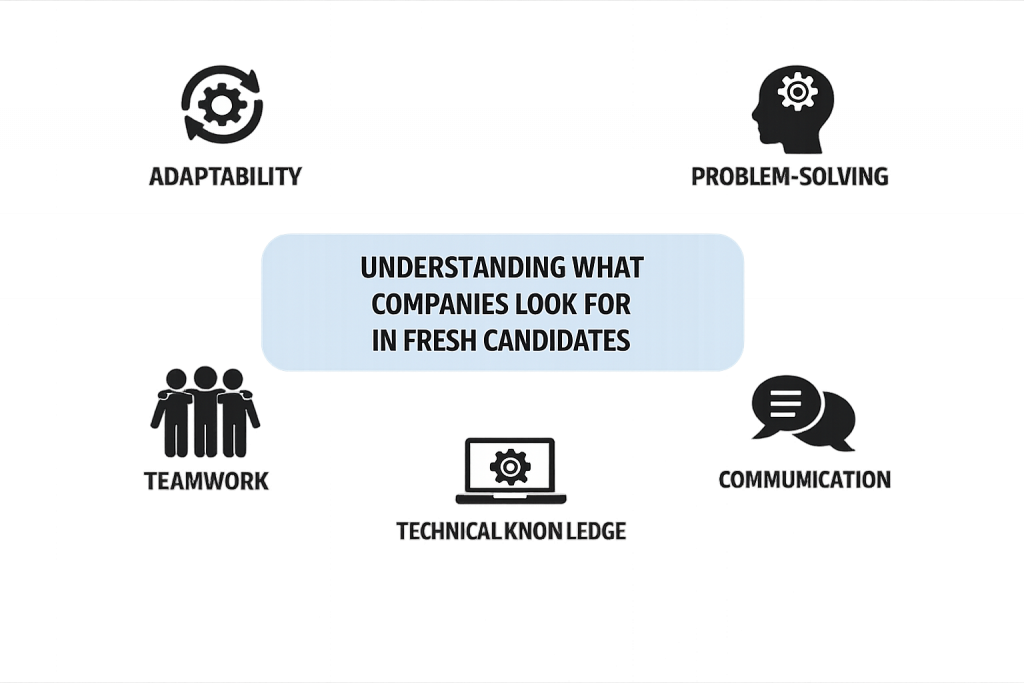
Companies also evaluate academic performance, participation in workshops, online courses, certifications, hackathons, and extracurricular activities to understand a candidate’s dedication and interest in the chosen field. While prior work experience is not always required, having personal projects, practical assignments, internships, or self-learning initiatives can help candidates stand out from the competition. Employers expect interns to be responsible, open to feedback, capable of following instructions, and willing to take initiative when solving problems. They understand that interns are still developing their skills, so they focus more on growth potential, enthusiasm, and a strong learning mindset rather than complete expertise. Demonstrating curiosity, consistency, and a proactive approach can create a positive impression during the selection process. By developing relevant skills, showcasing practical work, and aligning with company expectations, freshers can significantly improve their chances of securing valuable internship opportunities even without prior industry experience.
Ready to Get Certified in Artificial Intelligence ? Explore the Program Now Artificial Intelligence Online Training Offered By ACTE Right Now!
Building a Strong Resume with Zero Experience
A strong resume can still be created without any professional experience by focusing on skills, education, and achievements. Start by highlighting your academic background, relevant coursework, and any certifications you have completed from online platforms or workshops. Include technical skills such as programming languages, software tools, or domain-specific knowledge relevant to the internship role. You can also add sections for college projects, mini-projects, or self-learning activities that show practical application of your knowledge. Participation in hackathons, competitions, or volunteering activities also adds value and shows initiative. Keep the resume simple, well-structured, and easy to read, focusing on what you can do rather than job history. Use action-oriented language to describe your skills and projects. Preparing for interviews alongside building a strong resume can further improve your chances, and Data Science Interview Preparation offers useful guidance for fresh candidates. Even without experience, a well-organized resume can effectively demonstrate your potential and make you stand out to recruiters.

Develop Your Skills with Artificial Intelligence Training
Weekday / Weekend BatchesSee Batch DetailsCreating Projects to Showcase Your Skills
Creating projects is one of the most effective ways to demonstrate your skills when you have no prior experience. Projects act as proof of your abilities and show recruiters that you can apply theoretical knowledge in practical scenarios. You can start with simple projects such as websites, data analysis dashboards, automation scripts, or small applications depending on your field. Even college assignments or self-learning exercises can be improved and turned into portfolio-worthy work. Documenting your projects on platforms like GitHub or building a personal portfolio website helps showcase your consistency and dedication. Each project should highlight the problem you solved, the tools you used, and the outcome achieved. Projects not only strengthen your resume but also improve your confidence and technical skills. Many successful interns begin by building personal projects before entering the industry, as explained in My Data Science Internship Experience. They are often the deciding factor for recruiters when selecting beginners without formal experience.
To ExploreArtificial Intelligence in Depth, Check Out Our Comprehensive Artificial Intelligence Online Training To Gain Insights From Our Experts!
Developing In-Demand Skills for Internships
- Technical Skills: Technical skills like programming, data analysis, design, or marketing tools are highly important for internships. Learning these skills helps you perform real tasks efficiently and increases your chances of getting selected for both technical and non-technical roles.
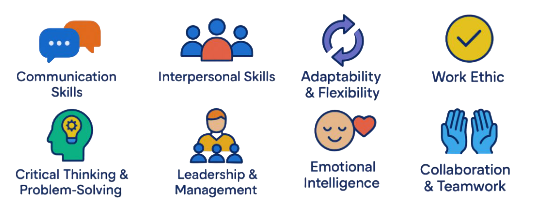
- Communication Skills: Good communication skills help you express ideas clearly in interviews, emails, and team discussions. Interns must be able to write reports and interact professionally, making communication one of the most important skills for workplace success.
- Problem-Solving Skills: Problem-solving skills help you handle real workplace challenges logically and efficiently. Companies prefer candidates who can analyze situations, think critically, and find practical solutions even with limited guidance or experience.
- Time Management: Time management ensures you complete tasks within deadlines while balancing learning and work responsibilities. It shows discipline, reliability, and the ability to handle multiple assignments effectively during an internship.
- Basic Tools Knowledge: Knowing tools like MS Excel, Google Workspace, GitHub, or Canva is very useful. These tools are commonly used in internships and help you complete tasks faster and job-ready. Mastering these skills can help you perform better from your first day, as explained in 10 Essential Internships Tips.
- Job Portals: Websites like Internshala, Naukri, and Indeed list thousands of internship opportunities. These platforms allow you to filter roles based on skills, location, and experience level, making it easier to find suitable internships.
- Company Websites: Many companies post internship openings directly on their official career pages. Checking these websites regularly helps you apply early and increases your chances of getting selected for genuine opportunities.
- Freelance Platforms: Platforms like Upwork and Fiverr help you gain real project experience. Even small freelance tasks improve your skills, build your portfolio, and make your resume stronger for future internship applications.
- Educational Platforms: Websites like Coursera, Udemy, and edX offer skill-based learning and sometimes internship-linked programs. Completing these courses helps you gain certifications that improve your credibility with recruiters.
- Remote Internship Sites: Platforms like Wellfound and LetsIntern provide remote internship opportunities. Gain flexible work experience without location restrictions. To understand how these opportunities are changing the way students gain experience, read Shaping the Future of Work Experience.
- Profile Optimization: A strong LinkedIn profile with a professional photo, clear headline, and detailed skills section helps recruiters notice you easily. It increases your chances of receiving internship offers and connection requests.
- Building Connections: Connecting with professionals, alumni, and recruiters helps you discover hidden internship opportunities. Networking increases your visibility and helps you learn from experienced people in your field.
- Engaging Content: Posting projects, achievements, or learning updates on LinkedIn keeps your profile active. It helps you attract recruiters’ attention and shows your interest in continuous learning and career growth.
- Direct Messaging: Sending polite and short messages to recruiters or employees can help you get internship leads. Clear communication and professionalism are important when asking for opportunities or guidance.
- Joining Groups: LinkedIn groups related to your field share job updates and internship opportunities. Being active in these groups helps you stay informed and connected with industry trends. These networking are valuable when applying to leading companies, as explained in How to Secure a Google Internship.
Looking to Master Machine Learning? Discover the Artificial Intelligence Expert Masters Program Training Course Available at ACTE Now!
Leveraging Online Platforms to Find Opportunities
Using LinkedIn and Networking Effectively
Preparing for Artificial Intelligence Job Interviews? Have a Look at Our Blog on Artificial Intelligence Interview Questions and Answers To Ace Your Interview!
Applying for Internships with a Strong Cover Letter
A strong cover letter plays an important role when applying for internships, especially if you have no prior experience. It gives you the opportunity to introduce yourself beyond your resume and explain why you are interested in the role. A good cover letter should clearly mention your career goals, relevant skills, and enthusiasm for learning. Even without work experience, you can highlight academic projects, online certifications, or personal achievements that show your potential. It is important to tailor each cover letter according to the company and position you are applying for, rather than using a generic format. This shows recruiters that you have done your research and are genuinely interested in the opportunity. Keep the tone professional, simple, and confident. If you’re preparing your first application, How to Find Your First Digital Marketing Internship offers useful tips for improving your chances of getting shortlisted. A well-written cover letter can significantly improve your chances of getting shortlisted, even when competing against candidates with similar or more experience.
Preparing for Interviews Without Prior Experience
Preparing for interviews without prior experience requires focusing on confidence, communication, and basic knowledge of your field. Since you may not have professional experience, interviewers will mainly assess your willingness to learn, problem-solving ability, and understanding of basic concepts. You should prepare common HR questions like “Tell me about yourself” and technical or role-based questions depending on the internship. Practicing mock interviews can help improve your speaking skills and reduce nervousness. It is also helpful to review your resume thoroughly so you can confidently explain your projects and skills. Even if you lack experience, showing enthusiasm, clarity in answers, and a positive attitude can leave a strong impression. Researching the company before the interview also helps you answer questions more effectively. For practical insights into preparing for and succeeding in your first internship, read My Data Analytics Internship Experience. Proper preparation ensures that you can perform well and stand out as a motivated beginner ready to learn and contribute.
Conclusion: Breaking Into Internships as a Beginner
Breaking into internships as a beginner may seem challenging, but it is completely achievable with the right approach. The key is to focus on building skills and actively applying to opportunities instead of waiting for experience to come first. Internships are designed for learners, so companies often value potential, curiosity, and dedication more than prior work history. By improving your resume and networking effectively, you can significantly increase your chances of selection. Rejection is also a normal part of the process and should be seen as a learning experience rather than failure. Consistency and continuous improvement are essential for success. Each application and interview helps you grow stronger and more confident. To understand how internships can accelerate your career growth from the very beginning, explore Why AI Internships Are Important for Freshers. Ultimately, every successful professional starts as a beginner, and internships serve as the first important step toward building a strong and successful career path.