LMS
LMS
Last updated on 20th Jul 2026| 7744

The TCS Managerial Round Interview is conducted to evaluate a candidate’s technical knowledge, problem-solving ability, communication skills, teamwork, leadership potential, and overall suitability for the role. Unlike the technical round, the managerial interview focuses on how candidates handle workplace challenges, collaborate with teams, manage deadlines, and adapt to changing project requirements. Interviewers may also ask questions based on the resume, academic projects, internships, certifications, strengths, weaknesses, career goals, and previous experiences. Candidates are expected to provide clear, structured, and confident answers supported by relevant examples. A strong understanding of basic technical concepts, professional behavior, and the company’s values can significantly improve the chances of success in the TCS Managerial Round.
1. Why Does Want To Join TCS?
Ans:
TCS Is One Of The World’s Leading IT Service Companies With A Strong Reputation For Innovation And Employee Development. The Company Provides Opportunities To Work On Global Projects Across Multiple Technologies. Continuous Learning Programs And Career Growth Initiatives Make It An Excellent Workplace. TCS Encourages Teamwork, Professional Ethics, And Customer Satisfaction. Working In Such An Environment Helps Build Technical And Leadership Skills. The Company’s Stable Work Culture Makes It An Ideal Place For Long-Term Career Growth. Contributing To TCS While Learning From Experienced Professionals Is A Great Opportunity.
2. How Does Handle Pressure At Work?
Ans:
Pressure Is Managed By Staying Calm And Focusing On The Most Important Tasks First. Large Assignments Are Divided Into Smaller And Manageable Activities. Proper Planning And Time Management Help Meet Deadlines Efficiently. Open Communication With Team Members Prevents Misunderstandings During Busy Periods. Challenges Are Viewed As Opportunities To Improve Skills And Performance. Maintaining A Positive Mindset Supports Better Decision-Making Under Stress. This Approach Ensures High-Quality Results Even During Tight Schedules.
3. Describe A Situation Where Worked In A Team.
Ans:
A Successful Team Requires Clear Communication, Mutual Respect, And Shared Responsibility. Every Team Member Should Understand Individual Roles And Project Objectives. Listening To Different Ideas Often Leads To Better Solutions And Innovation. Supporting Colleagues During Challenges Improves Team Productivity And Trust. Constructive Discussions Help Resolve Conflicts Professionally. Regular Coordination Ensures Work Progresses According To The Plan. Effective Teamwork Results In Successful Project Completion And Better Customer Satisfaction.
4. How Does Resolve Conflicts In A Team?
Ans:
- Conflicts Are Resolved By Understanding Every Team Member’s Perspective Without Making Quick Judgments. Open And Respectful Communication Helps Identify The Root Cause Of The Issue.
- Discussions Should Focus On Finding Practical Solutions Instead Of Assigning Blame. Maintaining Professionalism Helps Build Trust Among Team Members. Compromises Are Considered When They Benefit The Overall Project Goals.
- Positive Relationships Improve Team Collaboration And Productivity. A Solution-Oriented Approach Creates A Healthy Working Environment.
5. Where Does See Yourself In Five Years?
Ans:
The Goal Is To Become A Skilled IT Professional With Strong Technical And Leadership Capabilities. Continuous Learning Will Help Gain Expertise In Modern Technologies And Industry Practices. Taking Responsibility For Complex Projects Will Improve Professional Growth. Mentoring Junior Team Members Will Strengthen Leadership Skills. Delivering High-Quality Solutions Will Contribute To Organizational Success. Building Strong Relationships With Clients And Colleagues Will Remain Important. Long-Term Growth Within TCS Is The Primary Career Objective.
6. Does Willing To Relocate?
Ans:
Relocation Is Viewed As An Opportunity To Learn, Grow, And Work On Diverse Projects. Working In Different Locations Helps Gain Exposure To New Technologies And Business Environments. Adapting To New Places Improves Professional And Personal Development. Flexibility Is Important In The IT Industry To Meet Business Requirements. A Positive Approach Towards Relocation Supports Better Career Opportunities. The Primary Focus Is On Contributing Effectively To The Organization. Willingness To Relocate Demonstrates Commitment And Professionalism..
7. Explain The Resume.
Ans:
The Resume Presents Academic Qualifications, Technical Skills, Certifications, And Project Experience In A Structured Manner. Each Section Highlights Relevant Knowledge And Practical Learning. Technical Skills Demonstrate Readiness To Work On Real-World Projects. Certifications Reflect Continuous Learning And Skill Development. Academic Projects Showcase The Ability To Apply Concepts Practically. The Resume Represents Consistent Efforts Toward Building A Career In Information Technology. Every Detail Included Is Accurate And Can Be Explained Clearly.
8. Which Section Of The Resume Is The Most Valuable?
Ans:
- The Academic Projects And Certifications Section Is The Most Valuable Part Of The Resume. It Demonstrates Practical Learning Beyond Classroom Knowledge.
- Completing Projects Improved Problem-Solving And Technical Skills. Certifications Helped Gain Knowledge Of Emerging Technologies And Industry Practices. Continuous Learning Shows Commitment To Professional Growth.
- These Achievements Reflect Dedication And Willingness To Learn. They Also Build Confidence For Handling Real-Time Assignments.
9. Explain One Academic Project.
Ans:
One Academic Project Was Developed To Solve A Practical Problem Using Programming And Database Concepts. The Project Included Requirement Analysis, Design, Development, Testing, And Documentation. Appropriate Technologies Were Selected Based On Project Requirements. Team Coordination Helped Complete The Project Successfully Within The Given Timeline. Testing Improved Accuracy And Reliability Before Final Submission. The Project Strengthened Technical Knowledge And Analytical Thinking. It Also Improved Confidence In Software Development Practices.
10. What Was The Role In The Academic Project?
Ans:
The Primary Responsibility Included Understanding Requirements And Contributing To Project Development. Coding, Testing, And Debugging Were Performed To Ensure Smooth Functionality. Project Documentation Was Maintained Throughout The Development Process. Regular Discussions Helped Coordinate Tasks With Team Members. Issues Were Analyzed And Resolved Using Logical Thinking. Timely Completion Of Assigned Work Supported Successful Project Delivery. The Experience Improved Technical And Teamwork Skills
11. What Challenges Were Faced During The Project?
Ans:
- The Project Included Challenges Such As Debugging Errors, Managing Time, And Integrating Different Modules. Careful Analysis Helped Identify The Root Cause Of Technical Issues. Team Discussions Generated Effective Solutions For Complex Problems.
- Additional Practice Improved Understanding Of Difficult Concepts. Proper Planning Ensured Completion Within The Scheduled Timeline.
- Every Challenge Became A Learning Opportunity For Future Projects. The Experience Improved Confidence And Problem-Solving Ability.
12. Which Technologies Were Used In The Project?
Ans:
The Project Used Programming Languages, Database Technologies, And Development Tools Suitable For The Application. A Relational Database Was Used To Store And Manage Data Efficiently. Programming Logic Was Implemented To Achieve Required Functionality. Testing Tools Helped Verify Accuracy And Performance. Documentation Supported Better Project Maintenance And Understanding. The Selected Technologies Improved System Efficiency And Reliability. Practical Experience Enhanced Technical Knowledge Significantly.
13. What Was Learned From The Academic Project?
Ans:
The Project Improved Technical Knowledge, Teamwork, And Time Management Skills. Practical Implementation Strengthened Understanding Of Software Development Concepts. Debugging Enhanced Analytical And Logical Thinking. Team Collaboration Improved Communication And Coordination Skills. Project Documentation Increased Awareness Of Professional Development Practices. Managing Deadlines Developed Better Planning Skills. Overall, The Experience Prepared For Real-Time Industry Projects.
14. Was Any Project Failure Faced? How Was It Handled?
Ans:
Certain Project Features Did Not Work As Expected During Initial Testing. The Issues Were Identified Through Careful Analysis And Repeated Testing. Alternative Solutions Were Evaluated Before Selecting The Best Approach. Team Discussions Helped Resolve Technical Problems Efficiently. Continuous Improvements Enhanced Overall Project Performance. The Experience Highlighted The Importance Of Testing And Patience. Every Failure Became A Valuable Learning Experience.
15. How Was Time Managed During The Project?
Ans:
Project Activities Were Divided Into Small Tasks With Clear Deadlines. A Proper Schedule Helped Track Daily Progress Effectively. High-Priority Tasks Were Completed Before Less Critical Activities. Regular Reviews Ensured The Project Stayed On Schedule. Team Coordination Prevented Delays And Improved Productivity. Flexibility Allowed Quick Adjustments Whenever Unexpected Challenges Occurred. Effective Time Management Contributed To Successful Project Completion.
16. Explain The Internship Experience.
Ans:
- The Internship Provided Practical Exposure To Professional Work Environments And Industry Practices. Daily Tasks Improved Technical Knowledge And Communication Skills. Guidance From Experienced Professionals Helped Understand Real-Time Development Processes.
- Practical Assignments Improved Confidence In Applying Technical Concepts. Team Collaboration Enhanced Coordination And Problem-Solving Abilities. The Internship Also Improved Workplace Discipline And Professional Ethics.
- Overall, The Experience Bridged The Gap Between Academic Learning And Industry Expectations.
17. What Was The Main Responsibility During The Internship?
Ans:
The Main Responsibility Was To Support Assigned Technical Tasks And Complete Them Within Deadlines. Learning Existing Processes Was Essential Before Performing Daily Activities. Technical Problems Were Analyzed Carefully Before Implementation. Progress Was Shared Regularly With Supervisors For Feedback. Documentation Was Maintained For Better Project Tracking. Team Collaboration Ensured Smooth Completion Of Assigned Responsibilities. The Experience Improved Technical And Professional Skills..
18. What Skills Were Gained During The Internship?
Ans:
The Internship Improved Technical Knowledge, Communication, And Professional Behavior. Practical Experience Enhanced Problem-Solving And Analytical Thinking. Working With Team Members Strengthened Collaboration Skills. Exposure To Real-Time Projects Improved Understanding Of Industry Standards. Time Management Helped Complete Tasks Efficiently. Constructive Feedback Encouraged Continuous Improvement. These Skills Increased Readiness For A Full-Time Career.
19. What Was The Biggest Challenge During The Internship?
Ans:
Understanding Existing Project Requirements Within A Limited Time Was Initially Challenging. Careful Observation And Guidance From Mentors Helped Build Confidence. Additional Learning Improved Understanding Of Technical Concepts. Team Discussions Clarified Doubts Quickly. Consistent Practice Reduced Mistakes And Increased Productivity. The Challenge Strengthened Adaptability And Learning Ability. The Overall Experience Improved Professional Confidence.
20. How Did The Internship Prepare For A Job?
Ans:
The Internship Provided Practical Exposure To Workplace Expectations And Professional Responsibilities. Technical Knowledge Was Applied In Real-Time Assignments. Communication Skills Improved Through Regular Interaction With Team Members. Time Management And Discipline Became Essential During Daily Work. Practical Experience Increased Confidence In Solving Technical Problems. Understanding Industry Standards Improved Professional Readiness. The Internship Created A Strong Foundation For A Full-Time Career.
21. What Was Learned From Working With A Team?
Ans:
Working In A Team Demonstrated The Importance Of Communication, Trust, And Cooperation. Different Perspectives Helped Generate Better Solutions For Problems. Task Distribution Improved Overall Productivity And Efficiency. Respecting Team Members Built Positive Working Relationships. Constructive Feedback Encouraged Continuous Learning And Improvement. Coordination Ensured Timely Completion Of Shared Goals. Teamwork Prepared For Collaborative Professional Environments.
22. How Was Feedback Handled During The Internship?
Ans:
- Feedback Was Considered An Opportunity For Continuous Improvement. Suggestions From Supervisors Helped Identify Areas Requiring Better Performance. Necessary Changes Were Implemented Quickly To Improve Work Quality.
- Positive Feedback Increased Confidence And Motivation. Constructive Feedback Enhanced Technical And Communication Skills.
- Continuous Learning Became An Important Part Of Professional Growth. This Approach Improved Overall Performance And Productivity.
23. How Was A Technical Problem Solved During The Internship?
Ans:
The Problem Was First Analyzed To Identify Its Root Cause. Available Documentation And Resources Were Reviewed Carefully. Different Solutions Were Evaluated Before Selecting The Most Effective Approach. Testing Confirmed That The Issue Had Been Resolved Successfully. Guidance From Senior Team Members Was Taken Whenever Required. Proper Documentation Prevented Similar Issues In The Future. This Experience Improved Analytical And Technical Skills.
24. What Was The Biggest Achievement During The Internship?
Ans:
Successfully Completing Assigned Tasks Within The Given Timeline Was A Significant Achievement. Delivering Accurate Work Increased Confidence And Professional Growth. Positive Feedback From Supervisors Motivated Continuous Improvement. Practical Experience Enhanced Technical And Communication Skills. Team Collaboration Contributed To Better Project Outcomes. Learning Industry Standards Improved Workplace Readiness. The Internship Became An Important Step Toward Building A Successful Career..
25. How Will Academic Projects And Internship Help At TCS?
Ans:
Academic Projects Provided Strong Technical Knowledge And Practical Problem-Solving Experience. The Internship Offered Real-Time Exposure To Professional Work Environments. Together They Improved Technical, Communication, And Teamwork Skills. Time Management And Adaptability Were Strengthened Through Practical Experience. Exposure To Real-World Challenges Increased Confidence In Handling Responsibilities. Continuous Learning And Professional Discipline Were Developed Throughout Both Experiences. These Skills Will Help Contribute Effectively To Projects And Deliver Quality Results At TCS.
26. Describe A Leadership Experience.
Ans:
Leadership Experience Involved Planning Tasks, Coordinating Activities, And Ensuring Timely Completion Of Objectives. Responsibilities Were Distributed Based On Individual Skills And Project Requirements. Regular Communication Helped Maintain Transparency And Team Coordination. Challenges Were Addressed Through Discussion And Logical Decision-Making. Motivation And Encouragement Improved Overall Team Performance. Focus Was Maintained On Achieving Project Goals Without Compromising Quality. The Experience Strengthened Leadership, Responsibility, And Decision-Making Skills.
27. What Qualities Make A Good Leader?
Ans:
- A Good Leader Demonstrates Integrity, Responsibility, And Strong Communication Skills. Clear Goal Setting Helps Team Members Understand Their Responsibilities.
- Listening To Different Opinions Encourages Better Decision-Making And Innovation. Supporting Team Members Builds Trust And Improves Productivity. Fairness And Respect Create A Positive Working Environment.
- Adaptability Helps Handle Changing Situations Effectively. These Qualities Contribute To Successful Leadership And Team Performance.
28. Explain The Importance Of Teamwork And Collaboration.
Ans:
Teamwork And Collaboration Help Combine Different Skills And Ideas To Achieve Common Goals. Effective Communication Reduces Misunderstandings And Improves Productivity. Sharing Responsibilities Ensures Work Is Completed Efficiently And On Time. Mutual Respect Creates A Positive And Supportive Work Environment. Collaboration Encourages Learning From Different Perspectives And Experiences. Strong Teamwork Improves Problem-Solving And Innovation. It Also Contributes To Better Project Success And Customer Satisfaction.
29. How Were Conflicts Managed Within A Team?
Ans:
Conflicts Were Managed By Identifying The Root Cause And Understanding Different Perspectives. Open Communication Helped Resolve Misunderstandings Professionally. Discussions Focused On Finding Practical Solutions Rather Than Assigning Blame. Respect For Individual Opinions Maintained A Positive Team Environment. Cooperation And Mutual Understanding Improved Team Relationships. Timely Resolution Prevented Delays In Project Execution. This Approach Strengthened Team Collaboration And Productivity.
30. How Was Team Motivation Maintained During A Project?
Ans:
Team Motivation Was Maintained Through Positive Communication And Clear Goal Setting. Achievements Were Recognized To Encourage Better Performance. Support Was Provided Whenever Challenges Arose During Project Execution. Regular Discussions Helped Maintain Confidence And Team Coordination. Sharing Knowledge Improved Learning And Collaboration Among Team Members. A Positive Working Environment Increased Productivity And Commitment. Continuous Encouragement Contributed To Successful Project Completion.
31. How Were Responsibilities Shared In A Team?
Ans:
Responsibilities Were Assigned Based On Individual Skills, Knowledge, And Project Requirements. Clear Task Allocation Reduced Confusion And Improved Accountability. Regular Progress Reviews Ensured Every Activity Was Completed According To Schedule. Team Members Supported One Another Whenever Additional Assistance Was Required. Effective Coordination Prevented Work Duplication And Delays. Balanced Distribution Of Tasks Improved Overall Productivity. This Method Helped Achieve Project Objectives Efficiently.
32. How Does Collaboration Improve Project Success?
- Collaboration Brings Together Different Skills, Knowledge, And Perspectives To Solve Problems Effectively. Open Communication Improves Coordination And Reduces Errors During Project Execution.
- Knowledge Sharing Helps Team Members Learn New Approaches And Best Practices. Mutual Support Builds Trust And Strengthens Professional Relationships. Better Coordination Leads To Faster Decision-Making And Higher Productivity.
- Collaboration Encourages Innovation And Continuous Improvement Throughout The Project. As A Result, Projects Ar
33. Explain The Problem-Solving Approach.
Ans:
A Systematic Problem-Solving Approach Begins With Identifying The Root Cause Of The Issue. Relevant Information Is Collected Before Analyzing Possible Solutions. Different Alternatives Are Evaluated Based On Feasibility And Expected Results. The Most Effective Solution Is Selected And Implemented Carefully. Continuous Monitoring Ensures The Solution Produces The Desired Outcome. Lessons Learned From The Process Help Prevent Similar Problems In The Future. This Approach Improves Efficiency And Decision Quality.
34. Describe A Situation That Required Problem Solving.
Ans:
A Challenging Situation Required Careful Analysis To Identify The Main Cause Of The Problem. Available Information Was Reviewed Before Exploring Different Solutions. Practical Options Were Compared Based On Their Advantages And Limitations. The Most Suitable Solution Was Implemented Step By Step. Regular Monitoring Confirmed That The Issue Was Successfully Resolved. The Experience Improved Analytical Thinking And Confidence. It Also Strengthened The Ability To Handle Future Challenges.
35. How Are Complex Problems Handled?
Ans:
Complex Problems Are Handled By Breaking Them Into Smaller And Manageable Parts. Each Part Is Examined Carefully To Understand Its Impact On The Overall Situation. Relevant Data And Facts Support Accurate Analysis. Possible Solutions Are Compared Before Selecting The Best Option. Collaboration With Team Members Helps Generate Better Ideas. Proper Planning Ensures Smooth Implementation Of The Chosen Solution. This Method Improves Accuracy And Efficiency.
36. What Is The Importance Of Analytical Thinking?
Ans:
Analytical Thinking Helps Understand Problems Through Logical Evaluation And Careful Observation. It Supports Better Decision-Making By Considering Facts Instead Of Assumptions. Breaking Down Complex Situations Makes Them Easier To Solve. Analytical Skills Improve Accuracy And Reduce Errors During Execution. They Also Help Identify Risks Before They Become Serious Issues. Continuous Analysis Leads To Better Planning And Performance. These Skills Are Essential In Every Technical And Business Environment.
37. Explain Decision-Making Ability.
Ans:
Decision-Making Involves Evaluating Available Information And Selecting The Most Appropriate Solution. Every Decision Should Consider Risks, Benefits, And Long-Term Impact. Logical Thinking Helps Reduce Unnecessary Mistakes. Timely Decisions Prevent Delays In Project Execution. Discussions With Team Members Can Provide Valuable Insights. Responsibility And Accountability Are Important While Making Decisions. Effective Decision-Making Contributes To Successful Project Outcomes.
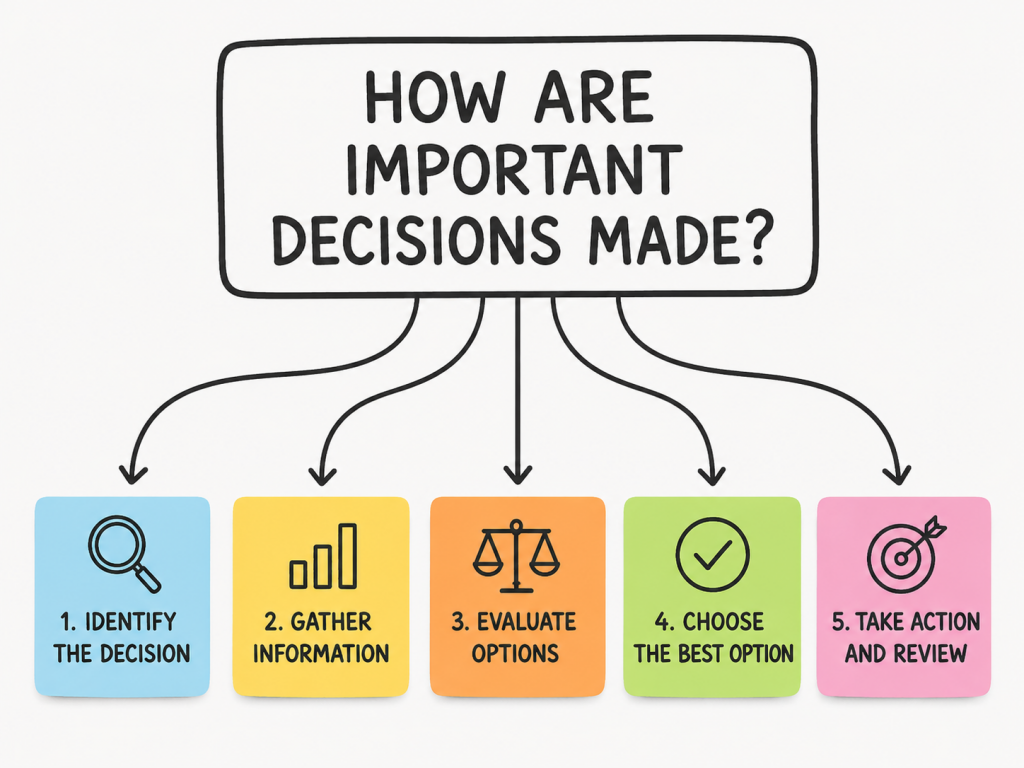
38. How Are Important Decisions Made?
Ans:
- Important Decisions Are Made After Collecting Relevant Information And Evaluating Available Options. Each Alternative Is Compared Based On Cost, Time, And Expected Results.
- Risks Are Carefully Analyzed Before Finalizing The Best Solution. Practical And Logical Thinking Supports Better Decision-Making.
- Feedback From Experienced Team Members Helps Improve Accuracy. The Final Decision Focuses On Achieving Project Objectives Efficiently. This Process Leads To Better Business Outcomes.
39. Describe A Difficult Decision.
Ans:
A Difficult Decision Required Comparing Multiple Alternatives Before Selecting The Best Option. Careful Analysis Helped Understand The Advantages And Limitations Of Each Choice. Available Facts Supported Logical Decision-Making. The Selected Solution Balanced Quality, Time, And Project Requirements. Proper Planning Reduced Possible Risks During Implementation. The Outcome Improved Overall Project Performance. The Experience Strengthened Decision-Making Skills.
40. Why Is Decision-Making Important In A Team?
Ans:
Decision-Making Provides Clear Direction And Helps Teams Achieve Common Goals Efficiently. Timely Decisions Prevent Delays And Improve Productivity. Considering Different Opinions Leads To Better Solutions. Logical Evaluation Reduces The Chances Of Errors. Team Discussions Encourage Transparency And Mutual Understanding. Well-Informed Decisions Improve Project Quality And Customer Satisfaction. Strong Decision-Making Builds Team Confidence And Trust.
41. Explain The Importance Of Communication Skills.?
Ans:
Communication Skills Help Share Ideas Clearly And Accurately Among Team Members. Effective Communication Reduces Misunderstandings And Improves Collaboration. Active Listening Helps Understand Different Perspectives. Clear Discussions Improve Coordination And Productivity. Professional Communication Builds Strong Workplace Relationships. Good Communication Also Enhances Customer Satisfaction. These Skills Are Essential For Individual And Organizational Success.
42. How Is Effective Communication Maintained?
Ans:
Effective Communication Is Maintained Through Clear, Simple, And Respectful Conversations. Active Listening Ensures Complete Understanding Before Responding. Regular Updates Keep Everyone Informed About Project Progress. Constructive Discussions Help Resolve Issues Quickly. Open Communication Encourages Team Collaboration And Trust. Accurate Information Reduces Confusion And Delays. This Approach Supports Better Workplace Efficiency.
43. How Are Communication Barriers Overcome?
Ans:
Communication Barriers Are Reduced By Using Simple And Clear Language. Active Listening Helps Avoid Misunderstandings. Clarifying Doubts At The Right Time Improves Accuracy. Respecting Different Opinions Encourages Healthy Discussions. Regular Feedback Ensures Information Is Correctly Understood. Patience And Professionalism Build Better Workplace Relationships. These Practices Improve Overall Communication Effectiveness.
44. Why Is Active Listening Important?
Ans:
Active Listening Improves Understanding And Reduces Miscommunication. Careful Attention Helps Identify Important Details During Discussions. It Demonstrates Respect For Different Opinions And Ideas. Better Listening Leads To More Accurate Decision-Making. Team Collaboration Improves When Everyone Feels Heard. Constructive Conversations Become More Productive Through Active Listening. This Skill Strengthens Professional Relationships
45. Explain Adaptability To New Technologies.
Ans:
- Adaptability Helps Learn And Apply New Technologies Efficiently. Continuous Learning Supports Professional Growth In A Rapidly Changing Industry.
- A Positive Mindset Encourages Acceptance Of New Tools And Processes. Practical Experience Improves Confidence In Using Modern Technologies.
- Flexibility Helps Meet Changing Business Requirements. Adaptability Also Increases Productivity And Innovation. It Is An Essential Quality For Long-Term Career Success.
46. Why Is Adaptability Important In The IT Industry?
The IT Industry Changes Rapidly With New Technologies And Business Requirements. Adaptability Helps Maintain Relevant Technical Skills. Learning New Tools Improves Professional Competence. Flexible Thinking Supports Better Problem-Solving And Innovation. Organizations Value Employees Who Adjust Quickly To Change. Continuous Improvement Increases Career Opportunities. Adaptability Ensures Long-Term Professional Success.
47. How Are New Technologies Learned?
Ans:
Learning New Technologies Begins With Understanding Basic Concepts And Fundamentals. Documentation, Online Resources, And Practical Exercises Improve Knowledge. Hands-On Practice Strengthens Technical Skills And Confidence. Small Projects Help Apply Newly Learned Concepts. Regular Learning Builds Expertise Over Time. Feedback From Experienced Professionals Supports Continuous Improvement. This Approach Makes Learning More Effective..
48. Describe An Experience Of Learning A New Technology.
Ans:
Learning A New Technology Required Studying Concepts, Practicing Exercises, And Applying Knowledge In Small Projects. Initial Challenges Were Overcome Through Consistent Practice. Online Resources And Documentation Improved Understanding. Practical Implementation Increased Confidence And Accuracy. Continuous Learning Helped Build Technical Expertise. The Experience Demonstrated Adaptability And Commitment To Professional Growth. It Also Improved Problem-Solving Skills.
49. Explain The Importance Of Continuous Learning.
Ans:
Continuous Learning Helps Maintain Technical Knowledge And Professional Competence. New Skills Improve The Ability To Handle Modern Technologies And Challenges. Learning Encourages Innovation And Better Decision-Making. Regular Skill Development Increases Career Opportunities. Continuous Improvement Builds Confidence And Productivity. Organizations Value Employees Who Keep Updating Their Knowledge. Lifelong Learning Supports Long-Term Professional Success.
50. How Is A New Skill Learned Quickly?
Ans:
A New Skill Is Learned Quickly By Understanding The Basics Before Moving To Advanced Topics. Daily Practice Reinforces Learning And Improves Accuracy. Small Practical Exercises Help Build Confidence. Reliable Learning Resources Provide Correct Information. Consistent Revision Strengthens Knowledge Retention. Feedback Helps Identify Areas For Improvement. This Structured Approach Speeds Up Skill Development.
51. Describe A Situation Where A New Skill Was Learned Quickly.
Ans:
- A New Skill Was Learned Within A Short Time By Following A Structured Learning Plan. Fundamental Concepts Were Studied Before Practical Implementation.
- Hands-On Practice Improved Understanding And Confidence. Learning Resources And Documentation Provided Valuable Guidance. Consistent Effort Reduced Mistakes And Increased Efficiency.
- Practical Application Strengthened The Newly Acquired Skill. The Experience Demonstrated Adaptability And Commitment To Learning.
52. Why Is Quick Learning Important?
Ans:
Quick Learning Helps Adapt To New Technologies And Changing Business Requirements. Faster Learning Improves Productivity And Performance. It Enables Efficient Handling Of New Responsibilities. Organizations Benefit From Employees Who Learn New Skills Rapidly. Continuous Learning Encourages Innovation And Professional Growth. It Also Improves Career Opportunities In Competitive Industries. Quick Learning Is A Valuable Professional Strength.
53. Explain The Importance Of Constructive Feedback.
Ans:
Constructive Feedback Helps Identify Strengths And Areas Requiring Improvement. It Encourages Continuous Learning And Better Performance. Positive Suggestions Improve Technical And Professional Skills. Feedback Supports Better Communication And Teamwork. Accepting Feedback With A Positive Attitude Builds Professional Maturity. Continuous Improvement Increases Confidence And Productivity. Constructive Feedback Is Essential For Career Growth.
54. How Is Constructive Feedback Handled?
Ans:
Constructive Feedback Is Accepted With An Open And Positive Mindset. Suggestions Are Carefully Analyzed Before Making Improvements. Necessary Changes Are Implemented To Enhance Work Quality. Feedback Is Viewed As A Learning Opportunity Rather Than Criticism. Continuous Improvement Leads To Better Performance. Professional Growth Depends On Learning From Experience. This Approach Improves Overall Effectiveness.
55. Describe A Situation Where Feedback Improved Performance.
Ans:
Constructive Feedback Helped Identify Areas That Required Better Planning And Execution. Practical Suggestions Were Applied During Future Tasks. Continuous Practice Improved Accuracy And Efficiency. Regular Reviews Confirmed Better Performance Over Time. Positive Changes Increased Confidence And Productivity. The Experience Highlighted The Value Of Learning From Feedback. It Also Strengthened Professional Development.
56. Why Is Feedback Important In Teamwork?
Ans:
Feedback Improves Communication And Coordination Among Team Members. It Helps Identify Mistakes Before They Affect Project Outcomes. Constructive Suggestions Encourage Better Collaboration And Learning. Positive Feedback Increases Motivation And Confidence. Regular Discussions Improve Overall Team Performance. Feedback Creates A Culture Of Continuous Improvement. It Contributes To Successful Project Delivery.
57. How Does Feedback Help Professional Growth?
Ans:
- Feedback Identifies Areas That Require Improvement And Skill Development. Constructive Suggestions Support Better Decision-Making And Performance.
- Learning From Feedback Increases Confidence And Professional Competence. Regular Improvement Builds Strong Workplace Relationships.
- Feedback Encourages Continuous Learning And Adaptability. It Helps Achieve Long-Term Career Goals. Professional Growth Depends On Accepting And Applying Valuable Suggestions.
58. How Are Mistakes Corrected After Receiving Feedback?
Ans:
Mistakes Are Corrected By Understanding The Root Cause And Implementing Appropriate Changes. Careful Analysis Helps Prevent Similar Errors In The Future. Practical Improvements Increase Work Quality And Accuracy. Regular Reviews Confirm Progress After Applying Feedback. Continuous Learning Strengthens Professional Skills. Positive Attitude Supports Better Performance. This Process Leads To Continuous Improvement.
59. How Does Learning Improve Career Growth?
Ans:
Learning Expands Technical Knowledge And Improves Professional Competence. New Skills Increase The Ability To Handle Challenging Responsibilities. Continuous Improvement Supports Better Performance And Productivity. Learning Encourages Innovation And Adaptability. Organizations Value Employees Who Continuously Upgrade Their Skills. Professional Development Creates Better Career Opportunities. Lifelong Learning Is Essential For Long-Term Success.
60. Why Should Continuous Improvement Be A Professional Habit?
Ans:
Continuous Improvement Helps Maintain High Standards Of Quality And Performance. Regular Learning Enhances Technical And Professional Skills. Small Improvements Lead To Long-Term Career Growth. Adaptability Supports Success In A Rapidly Changing Industry. Constructive Feedback Encourages Better Performance And Innovation. Continuous Development Increases Confidence And Productivity. This Habit Contributes To Individual Success And Organizational Growth.
61. Describe A Situation Of Dealing With Failure.
Ans:
Failure Is Considered A Valuable Learning Experience Rather Than A Permanent Setback. Every Mistake Provides An Opportunity To Identify Weaknesses And Improve Performance. Careful Analysis Helps Understand The Root Cause Of The Failure. Corrective Actions Are Implemented To Prevent Similar Issues In The Future. Continuous Practice Improves Skills And Confidence. A Positive Attitude Encourages Better Decision-Making During Challenges. This Approach Builds Resilience And Professional Growth.
62. What Was Learned From Failure?
Ans:
Failure Highlighted The Importance Of Proper Planning, Patience, And Continuous Improvement. Every Challenge Revealed Areas That Required Better Preparation And Skill Development. Careful Evaluation Helped Identify Effective Solutions For Future Situations. Practical Experience Improved Confidence And Decision-Making Ability. Constructive Feedback Contributed To Better Performance. Learning From Mistakes Reduced The Chances Of Repeating Similar Errors. Overall, Failure Became A Strong Foundation For Future Success.
63. How Are Failures Converted Into Success?
Ans:
Failures Are Converted Into Success Through Careful Analysis And Continuous Improvement. Every Mistake Is Studied To Identify Better Approaches For Future Tasks. Additional Learning And Practice Strengthen Technical And Professional Skills. Positive Thinking Helps Maintain Motivation During Difficult Situations. Constructive Feedback Supports Better Performance And Decision-Making. Consistent Effort Leads To Better Results Over Time. This Mindset Encourages Long-Term Professional Success.
64. What Is The Biggest Achievement?
Ans:
- The Biggest Achievement Is Successfully Completing Academic Projects And Skill Development Activities While Continuously Improving Technical Knowledge.
- Practical Learning Strengthened Problem-Solving And Analytical Skills. Consistent Effort Helped Build Confidence In Handling Technical Challenges. Learning New Technologies Demonstrated Dedication To Professional Growth.
- Every Achievement Resulted From Hard Work And Discipline. The Experience Increased Readiness For Industry Responsibilities. It Also Motivated Continuous Learning And Improvement.
65. Why Is This Achievement Important?
Ans:
This Achievement Demonstrates Dedication, Consistency, And A Strong Learning Attitude. It Reflects The Ability To Set Goals And Complete Responsibilities Successfully. Practical Experience Improved Technical Knowledge And Professional Confidence. The Achievement Encouraged Continuous Skill Development And Better Performance. It Also Built The Confidence To Handle Future Challenges Efficiently. Every Success Became A Motivation For Higher Goals. The Experience Strengthened Career Readiness.
66. What Was The Biggest Challenge Faced?
Ans:
The Biggest Challenge Was Managing Multiple Responsibilities While Maintaining Quality And Meeting Deadlines. Proper Planning Helped Prioritize Important Tasks Effectively. Consistent Effort Improved Time Management And Productivity. Challenges Were Addressed Through Logical Analysis And Continuous Learning. Team Discussions Helped Resolve Difficult Situations Efficiently. The Experience Increased Confidence And Adaptability. It Also Strengthened Professional Skills.
67. How Was The Biggest Challenge Overcome?
Ans:
The Challenge Was Overcome Through Careful Planning, Patience, And Consistent Effort. Problems Were Divided Into Smaller Tasks For Easier Management. Practical Solutions Were Evaluated Before Implementation. Regular Progress Reviews Ensured Continuous Improvement. Support From Team Members Contributed To Better Results. Positive Thinking Helped Maintain Focus During Difficult Situations. The Experience Improved Problem-Solving And Decision-Making Skills.
68. What Motivates Continuous Learning And Career Growth?
Ans:
Continuous Learning Is Motivated By The Opportunity To Gain New Knowledge And Improve Professional Skills. Learning Emerging Technologies Increases Career Opportunities And Technical Competence. Every New Skill Builds Confidence And Improves Problem-Solving Ability. Professional Growth Encourages Better Performance And Innovation. Continuous Improvement Helps Adapt To Industry Changes. Long-Term Career Success Depends On Consistent Learning And Dedication. This Motivation Supports Both Individual And Organizational Growth.
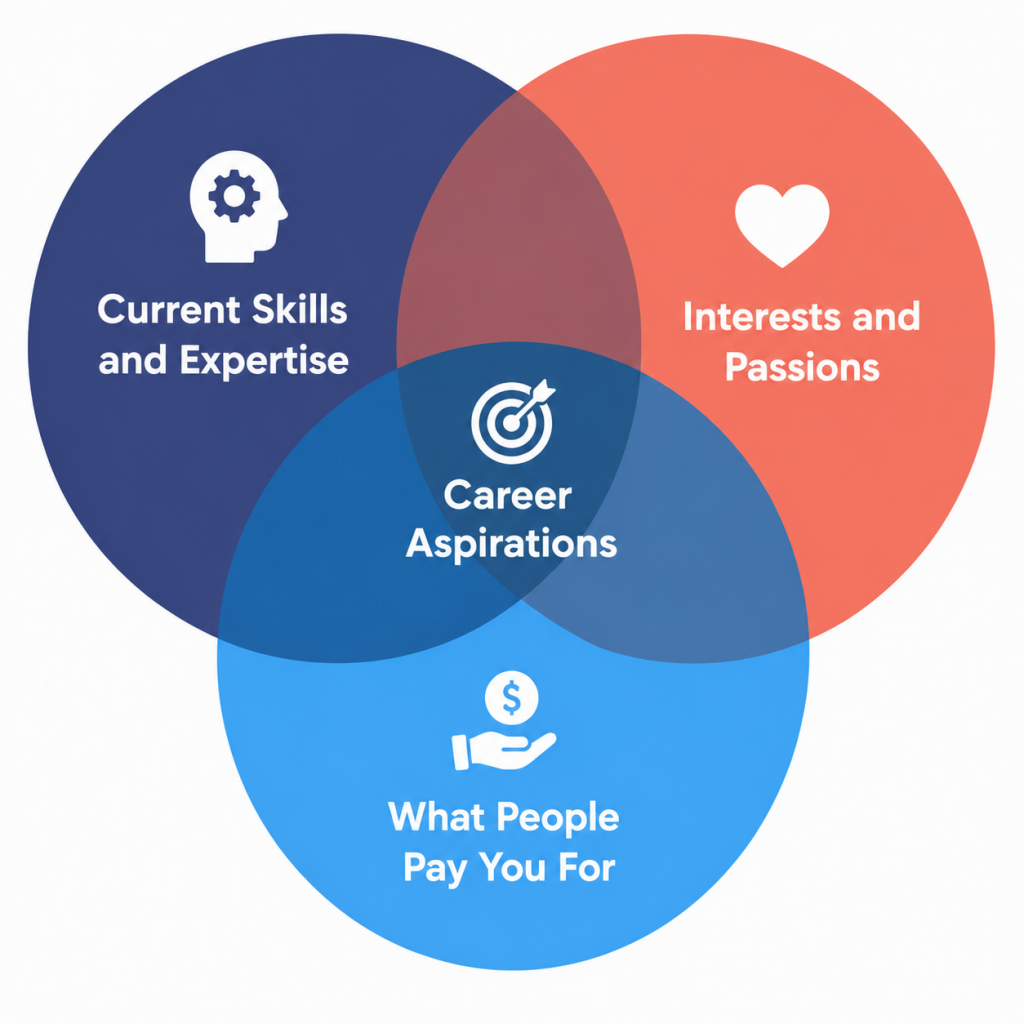
69. What Are The Career Aspirations?
Ans:
Career Aspirations Include Becoming A Skilled IT Professional With Strong Technical And Professional Capabilities. Continuous Learning Will Support Expertise In Emerging Technologies And Industry Best Practices. Contributing To High-Quality Projects Will Improve Organizational Success. Leadership Skills Will Be Developed Through Practical Experience And Team Collaboration. Professional Growth Will Be Achieved Through Dedication And Consistent Performance. Learning New Technologies Will Remain A Continuous Process. Long-Term Success Will Be Built Through Commitment And Excellence.
70. How Would A Customer Handling Scenario Be Managed?
Ans:
- Customer Handling Requires Active Listening, Professional Communication, And A Solution-Oriented Approach. Customer Requirements Should Be Understood Clearly Before Suggesting Solutions.
- Patience And Respect Help Build Trust And Positive Relationships. Problems Should Be Analyzed Carefully To Provide Accurate And Timely Resolutions. Regular Updates Improve Customer Confidence Throughout The Process.
- High-Quality Service Increases Customer Satisfaction And Long-Term Relationships. A Professional Approach Ensures Positive Customer Experience And Organizational Success.
71. Explain Ethical Decision-Making.
Ans:
Ethical Decision-Making Involves Choosing The Right Course Of Action Based On Honesty, Fairness, And Professional Responsibility. Every Decision Should Follow Organizational Policies And Industry Standards. Facts And Transparency Should Be Given Higher Importance Than Personal Benefits. Ethical Decisions Build Trust Among Team Members, Clients, And Management. Maintaining Confidentiality And Respecting Company Rules Are Essential Professional Responsibilities. Ethical Practices Reduce Risks And Strengthen Organizational Reputation. This Approach Supports Long-Term Professional Success.
72. Why Is Ethics Important In The Workplace?
Ans:
Ethics Create A Professional Environment Based On Trust, Honesty, And Mutual Respect. Ethical Behavior Promotes Fair Treatment Of Employees And Customers. Following Company Policies Helps Maintain Discipline And Accountability. Ethical Practices Improve Team Collaboration And Workplace Relationships. Organizations Earn Customer Confidence Through Honest Business Practices. Strong Ethical Values Support Sustainable Business Growth. Ethics Are Essential For Building A Successful Career.
73. Describe A Situation Requiring An Ethical Decision.
Ans:
An Ethical Situation Requires Careful Evaluation Of Facts Before Making A Decision. Company Policies And Professional Standards Should Guide Every Action. Transparency Helps Build Trust And Prevent Misunderstandings. Fairness Should Be Maintained While Resolving The Situation. Confidential Information Must Always Be Protected. Responsible Decision-Making Ensures Positive Outcomes For Everyone Involved. Ethical Conduct Reflects Professional Integrity.
74. How Are Ethical Challenges Handled?
Ans:
Ethical Challenges Are Handled By Understanding The Situation Clearly And Following Organizational Policies. Facts Are Carefully Verified Before Taking Any Action. Honest Communication Prevents Confusion And Builds Trust. Fairness Is Maintained While Evaluating Different Options. Guidance From Senior Professionals May Be Considered Whenever Required. Confidentiality Is Protected Throughout The Process. This Approach Ensures Responsible And Ethical Decision-Making.
75. What Is Professional Integrity?
Ans:
Professional Integrity Means Maintaining Honesty, Responsibility, And Accountability In Every Task. Commitments Should Be Fulfilled With Sincerity And Dedication. Company Policies And Ethical Standards Must Always Be Followed. Respect For Colleagues And Customers Creates A Positive Work Environment. Transparency Improves Trust And Professional Relationships. Integrity Encourages High-Quality Work And Reliable Performance. It Is A Fundamental Quality Of A Successful Professional.
76. Why Are Professional Values Important?
Ans:
- Professional Values Create A Strong Foundation For Career Growth And Organizational Success. Honesty And Respect Improve Workplace Relationships.
- Accountability Ensures Responsibilities Are Completed Effectively. Teamwork And Cooperation Increase Productivity And Innovation.
- Professional Discipline Supports Consistent High Performance. Ethical Behavior Strengthens Customer Confidence And Organizational Reputation. Strong Values Contribute To Long-Term Success.
77. What Professional Values Are Most Important?
Ans:
Honesty, Integrity, Responsibility, Teamwork, And Continuous Learning Are Essential Professional Values. Respect For Others Creates A Healthy Working Environment. Accountability Ensures High-Quality Performance And Timely Completion Of Tasks. Adaptability Supports Success In Changing Business Environments. Positive Communication Improves Collaboration And Productivity. Dedication Encourages Continuous Improvement And Career Growth. These Values Help Build A Strong Professional Reputation.
78. How Is Professional Integrity Maintained?
Ans:
Professional Integrity Is Maintained By Being Honest, Transparent, And Responsible In Every Activity. Company Policies And Ethical Standards Should Always Be Followed. Commitments Must Be Completed Within Agreed Timelines. Confidential Information Should Be Protected At All Times. Respectful Communication Builds Trust With Colleagues And Customers. Accountability Improves Professional Credibility. Consistent Ethical Behavior Strengthens Career Growth.
79. Describe A Behavioral Situation That Tested Adaptability.
Ans:
A New Responsibility Required Learning Different Processes Within A Limited Time. Careful Planning And Continuous Learning Helped Build Confidence. Guidance From Experienced Team Members Improved Understanding. Practical Application Reduced Mistakes And Increased Efficiency. Positive Thinking Supported Adaptation To The New Situation. The Experience Improved Flexibility And Problem-Solving Skills. It Also Demonstrated Readiness To Handle Change.
80. Describe A Situation That Required Teamwork.
Ans:
A Project Required Close Coordination Among Team Members To Achieve A Common Objective. Responsibilities Were Clearly Divided Based On Skills And Experience. Regular Communication Improved Progress And Reduced Misunderstandings. Challenges Were Solved Through Discussion And Collaboration. Mutual Support Increased Productivity And Work Quality. Timely Coordination Helped Complete The Project Successfully. The Experience Highlighted The Importance Of Teamwork..
81. Describe A Situation That Required Leadership.
Ans:
A Project Required Planning Activities, Coordinating Tasks, And Monitoring Progress To Achieve Project Goals. Responsibilities Were Assigned Based On Individual Strengths. Regular Communication Ensured Smooth Collaboration Among Team Members. Challenges Were Addressed Through Logical Decision-Making. Motivation And Support Improved Team Performance. Timely Completion Of Tasks Contributed To Project Success. The Experience Strengthened Leadership And Organizational Skills.
82. Describe A Situation That Required Effective Communication.
Ans:
A Task Required Clear Communication To Ensure Proper Understanding Among Team Members. Information Was Shared Clearly And Professionally Throughout The Project. Active Listening Helped Clarify Doubts And Prevent Misunderstandings. Regular Updates Improved Coordination And Productivity. Constructive Discussions Helped Resolve Issues Efficiently. Respectful Communication Built Positive Professional Relationships. The Experience Demonstrated The Importance Of Effective Communication.
83. What Is Known About TCS?
Ans:
- TCS Is One Of The World’s Leading Information Technology Services, Consulting, And Business Solutions Companies. The Organization Serves Clients Across Multiple Industries And Countries.
- TCS Is Known For Innovation, Digital Transformation, And High-Quality Technology Solutions. Continuous Learning And Employee Development Are Important Parts Of The Organization.
- Strong Customer Relationships And Ethical Business Practices Have Built A Global Reputation. TCS Focuses On Delivering Long-Term Business Value Through Technology. It Is Recognized As A Trusted Global IT Partner.
84. Why Is TCS A Preferred Company?
Ans:
TCS Is Recognized For Career Growth, Learning Opportunities, And A Stable Work Environment. Employees Receive Exposure To Global Projects And Advanced Technologies. Continuous Skill Development Supports Long-Term Career Progress. The Organization Encourages Innovation, Teamwork, And Professional Excellence. Strong Ethical Values Create A Positive Workplace Culture. Customer Satisfaction And Quality Delivery Are Major Business Priorities. These Factors Make TCS A Preferred Employer.
85. What Are The Core Values Of TCS?
Ans:
The Core Values Of TCS Include Integrity, Responsibility, Excellence, Learning, Innovation, And Respect For Individuals. Ethical Business Practices Form The Foundation Of Organizational Success. Teamwork Encourages Collaboration Across Global Projects. Continuous Learning Supports Employee Development And Technical Growth. Customer Focus Drives High-Quality Service Delivery. Innovation Helps Solve Complex Business Challenges. These Values Strengthen Long-Term Organizational Success.
86. Explain The TCS Work Culture.
Ans:
The TCS Work Culture Promotes Professionalism, Collaboration, And Continuous Learning. Employees Are Encouraged To Share Knowledge And Develop New Skills. Respect And Inclusion Create A Positive Working Environment. Innovation Is Supported Through Modern Technologies And Creative Thinking. Ethical Practices Guide Every Business Activity. Teamwork Helps Deliver High-Quality Solutions To Customers. The Work Culture Encourages Long-Term Career Growth.
87. Why Is Teamwork Important At TCS?
Ans:
Teamwork Helps Combine Different Skills And Experiences To Deliver Better Business Solutions. Effective Collaboration Improves Productivity And Innovation. Open Communication Reduces Errors And Strengthens Coordination. Knowledge Sharing Encourages Continuous Learning Among Employees. Mutual Respect Creates A Positive Workplace Environment. Strong Teamwork Improves Customer Satisfaction Through Quality Deliverables. It Is An Essential Part Of TCS’s Working Culture.
88. How Does TCS Support Employee Growth?
Ans:
TCS Supports Employee Growth Through Continuous Learning Programs, Technical Training, And Skill Development Opportunities. Employees Gain Exposure To Global Projects And Emerging Technologies. Regular Learning Initiatives Improve Professional Competence. Career Development Programs Encourage Long-Term Growth. Team Collaboration Helps Build Leadership And Communication Skills. Performance Recognition Motivates Continuous Improvement. This Environment Supports Successful Career Development.
89. Why Are TCS Values Important?
Ans:
- TCS Values Build A Strong Foundation For Ethical Business Practices And Professional Excellence. They Promote Trust, Accountability, And Customer Satisfaction.
- Strong Values Encourage Innovation And Continuous Learning. Teamwork And Respect Improve Workplace Relationships. Integrity Strengthens Organizational Reputation Across Global Markets.
- Following These Values Supports Sustainable Business Success. They Also Help Employees Build Successful Careers
90. How Can A Professional Contribute To TCS Work Culture?
Ans:
A Professional Can Contribute By Demonstrating Integrity, Teamwork, And A Strong Learning Attitude. High-Quality Work And Timely Delivery Support Business Success. Respectful Communication Improves Collaboration Across Teams. Adaptability Helps Meet Changing Technology And Customer Requirements. Continuous Skill Development Encourages Innovation And Better Performance. Ethical Behavior Builds Trust Within The Organization. These Contributions Strengthen The Positive Work Culture At TCS.
91. What Are The Current Technology Trends In The IT Industry?
Ans:
The IT Industry Is Rapidly Evolving With Technologies Such As Artificial Intelligence, Cloud Computing, Cybersecurity, Data Analytics, Internet Of Things, And Automation. These Technologies Help Organizations Improve Efficiency And Innovation. Digital Transformation Has Become A Major Focus Across Industries. Continuous Learning Is Essential To Stay Updated With Emerging Trends. Businesses Are Investing In Modern Technologies To Improve Customer Experience. Technology Trends Also Create New Career Opportunities. Keeping Technical Knowledge Updated Is Important For Long-Term Success.
92. Why Is Cloud Computing Important?
Ans:
Cloud Computing Enables Organizations To Store, Manage, And Access Data Over The Internet Efficiently. It Provides Scalability, Flexibility, And Cost Optimization For Businesses. Cloud Platforms Support Faster Application Development And Deployment. Secure Data Storage Improves Business Continuity And Reliability. Organizations Benefit From Reduced Infrastructure Maintenance Costs. Cloud Technology Supports Digital Transformation Across Industries. It Has Become A Core Technology In Modern IT Services.
93. What Is Digital Transformation?
Ans:
Digital Transformation Is The Process Of Using Modern Technologies To Improve Business Operations And Customer Experience. Organizations Adopt Digital Solutions To Increase Efficiency And Productivity. Automation Reduces Manual Effort And Improves Accuracy. Cloud Computing And Data Analytics Support Better Decision-Making. Digital Transformation Encourages Innovation Across Business Functions. Companies Gain Competitive Advantages Through Technology Adoption. It Is A Key Driver Of Business Growth.
94. Why Is Cybersecurity Important?
Cybersecurity Protects Systems, Networks, And Data From Unauthorized Access And Cyber Threats. Strong Security Measures Help Prevent Data Breaches And Financial Losses. Organizations Implement Security Policies To Protect Customer Information. Employee Awareness Also Plays An Important Role In Maintaining Security. Secure Systems Build Customer Trust And Business Reputation. Continuous Monitoring Helps Detect And Prevent Security Risks. Cybersecurity Is Essential For Every Modern Organization.
Ans:
95. What Is Artificial Intelligence?
Ans:
- Artificial Intelligence Is A Technology That Enables Computer Systems To Perform Tasks That Normally Require Human Intelligence. AI Can Analyze Data, Recognize Patterns, And Support Decision-Making.
- It Is Used In Healthcare, Banking, Manufacturing, Education, And Many Other Industries. AI Improves Productivity By Automating Repetitive Tasks. Continuous Advancements Make AI An Important Part Of Digital Transformation.
- Organizations Use AI To Improve Customer Experience And Business Efficiency. AI Continues To Create New Opportunities Across Industries.
96. How Does Artificial Intelligence Benefit Businesses?
Ans:
Artificial Intelligence Helps Businesses Improve Efficiency, Accuracy, And Productivity. AI Automates Repetitive Tasks And Reduces Manual Errors. Data Analysis Supports Better Business Decisions And Planning. AI Improves Customer Service Through Intelligent Chatbots And Virtual Assistants. Predictive Analysis Helps Organizations Anticipate Future Trends. AI Also Supports Innovation And Faster Business Processes. These Benefits Increase Organizational Competitiveness.
97. What Is Automation In Information Technology?
Ans:
Automation Is The Use Of Technology To Perform Repetitive Tasks With Minimal Human Intervention. It Helps Improve Speed, Accuracy, And Operational Efficiency. Automated Processes Reduce Human Errors And Save Time. Organizations Use Automation In Software Testing, Infrastructure Management, And Business Operations. Automation Supports Better Resource Utilization And Productivity. It Also Enables Employees To Focus On More Complex Tasks. Automation Has Become An Essential Part Of Modern IT Services.
98. How Do Artificial Intelligence And Automation Work Together?
Ans:
Artificial Intelligence And Automation Complement Each Other By Improving Business Processes. Automation Executes Repetitive Tasks Efficiently, While Artificial Intelligence Adds Decision-Making And Learning Capabilities. Together They Improve Productivity, Accuracy, And Customer Experience. Organizations Use Both Technologies To Optimize Operations And Reduce Costs. AI Makes Automated Systems More Intelligent And Adaptive. This Combination Supports Digital Transformation Across Industries. It Creates Greater Business Value And Innovation.
99. Why Should IT Professionals Learn Artificial Intelligence?
Ans:
Artificial Intelligence Has Become One Of The Most Important Technologies In The IT Industry. Learning AI Improves Technical Knowledge And Career Opportunities. AI Skills Help Build Intelligent Applications And Data-Driven Solutions. Organizations Prefer Professionals Who Understand Emerging Technologies. Continuous Learning Supports Professional Growth And Adaptability. AI Knowledge Encourages Innovation And Better Problem-Solving. It Is A Valuable Skill For Future Career Development.
100. How Can Artificial Intelligence Contribute To TCS?
Ans:
Artificial Intelligence Can Help TCS Deliver Smarter, Faster, And More Efficient Business Solutions. AI Supports Intelligent Automation, Predictive Analytics, And Improved Decision-Making. It Enhances Customer Experience Through Personalized And Data-Driven Services. AI Improves Software Development, Testing, And Business Operations. Intelligent Technologies Help Optimize Productivity And Reduce Operational Costs. Continuous Innovation Through AI Strengthens TCS’s Digital Transformation Initiatives. AI Contributes To Delivering High-Quality Technology Solutions For Global Clients.

![Top Informatica Interview Questions & Answers – [UPDATED] Interview Question](https://www.acte.in/wp-content/uploads/2020/05/4-img-acte-1-400x218.jpeg)