LMS
LMS
Last updated on 16th May 2026| 4817

Zoho Off-Campus Drive Chennai Recruitment Process Helps Freshers Understand Coding, Aptitude, Technical, And HR Interview Rounds Clearly. Zoho Frequently Conducts Off-Campus Hiring Drives For Freshers Across Chennai And Other Cities. Candidates Are Usually Tested In Programming, Problem Solving, Logical Thinking, Communication Skills, And Technical Knowledge During Different Interview Stages. Common Questions Include Arrays, Strings, OOPS Concepts, SQL, Algorithms, And Basic Computer Science Topics. Proper Preparation, Regular Coding Practice, And Strong Fundamentals Help Candidates Perform Well In Zoho Interviews Successfully.
1. What Are The Main Reasons For Choosing Zoho As A Career Option?
Ans:
Zoho Is One Of The Leading Software Companies Known For Innovation And Quality Products. The Company Provides A Positive Environment For Learning And Career Growth. Employees Get Opportunities To Work On Real-Time Projects And Advanced Technologies. Zoho Encourages Creativity, Teamwork, And Continuous Skill Development. A Stable Work Culture And Strong Professional Growth Make Zoho A Good Career Choice.
2. How Does Teamwork Help In Achieving Project Success?
Ans:
Teamwork Helps Team Members Share Knowledge And Complete Tasks Efficiently. Good Communication Between Team Members Reduces Errors And Improves Productivity. Working Together Also Helps In Solving Problems Faster And More Effectively. Team Collaboration Creates Better Ideas And Improves Overall Project Quality. Successful Teamwork Helps In Achieving Project Goals Within The Given Deadline
3. Why Is Time Management Important In The Workplace?
Ans:
Time Management Helps Employees Complete Work Before Deadlines Successfully. Proper Planning Improves Productivity And Reduces Work Pressure In Daily Tasks. Managing Time Effectively Helps In Maintaining Better Work Quality And Accuracy. It Also Supports Better Task Prioritization And Improves Professional Discipline. Good Time Management Creates A Balanced And Organized Work Environment.
4. Explain OOPS Concepts.
Ans:
- Object-Oriented Programming Is A Programming Approach Using Objects And Classes. The Main Concepts Are Encapsulation, Inheritance, Polymorphism, And Abstraction.
- Encapsulation Protects Data By Restricting Direct Access To Variables. Inheritance Allows One Class To Acquire Properties Of Another Class. Polymorphism Helps Methods Perform Different Behaviors Using The Same Name.
- Abstraction Hides Internal Implementation And Shows Essential Features Only. OOPS Improves Code Reusability, Scalability, And Maintenance In Applications.
5. What Is Debugging?
Ans:
- Debugging Is The Process Of Finding And Fixing Program Errors. Errors May Be Syntax Errors, Logical Errors, Or Runtime Errors.
- Developers Use Debugging Tools To Analyze Program Execution Steps. It Helps Improve Application Quality And Performance Effectively. Testing Is Often Performed After Debugging To Ensure Correctness.
- Careful Debugging Prevents Software Crashes And Unexpected Behavior. It Is An Essential Skill For Every Software Developer.
6. What Is A Class And Object?
Ans:
A Class Is A Blueprint Used To Create Objects In Programming. It Defines Variables And Methods Related To A Particular Entity. An Object Is An Instance Created Using A Class Definition. Objects Help Access Properties And Behaviors Defined Inside Classes. Classes Improve Code Organization And Reusability In Software Development. Each Object Can Have Different Values For The Same Variables. These Concepts Form The Foundation Of Object-Oriented Programming Languages.
7. What Is Inheritance?
Ans:
Inheritance Is A Feature That Allows One Class To Use Another Class Properties. The Existing Class Is Called Parent Or Base Class. The New Class Is Called Child Or Derived Class. It Helps Reduce Code Duplication And Improves Reusability. Inheritance Supports Hierarchical Relationships Between Different Classes. Methods And Variables Can Be Accessed Using The Child Class. This Concept Is Widely Used In Real-Time Software Applications.
8. What Is Polymorphism?
Ans:
Polymorphism Means One Method Can Perform Multiple Different Tasks. It Improves Flexibility And Reusability In Object-Oriented Programming. Method Overloading Is An Example Of Compile-Time Polymorphism. Method Overriding Is An Example Of Runtime Polymorphism. The Same Function Name Can Behave Differently Based On Input. Polymorphism Helps Developers Write Cleaner And More Manageable Code. It Is One Of The Important Features Of OOPS Concepts.
9. What Is Encapsulation?
Ans:
Encapsulation Means Wrapping Data And Methods Inside A Single Unit. It Protects Sensitive Data From Unauthorized External Access. Private Variables Are Accessed Using Public Getter And Setter Methods. This Improves Data Security And Program Maintainability. Encapsulation Helps Reduce Direct Dependency Between Different Program Modules. It Makes The Application More Flexible And Easy To Modify. This Concept Is Commonly Used In Java And Other OOPS Languages.
10. What Is Abstraction?
Ans:
Abstraction Means Hiding Internal Details And Showing Essential Features Only. It Helps Reduce Complexity In Software Development Applications. Abstract Classes And Interfaces Are Used To Achieve Abstraction. Users Can Access Required Features Without Understanding Internal Logic. This Improves Application Security And Simplifies Code Maintenance. Abstraction Supports Better Program Design And Reusability. It Is One Of The Core Principles Of Object-Oriented Programming.
11. What Is A Database?
Ans:
A Database Is A Structured Collection Of Related Information Or Data. It Helps Store, Organize, And Retrieve Data Efficiently. Databases Are Widely Used In Websites And Business Applications. Examples Include MySQL, Oracle, SQL Server, And PostgreSQL. Queries Are Used To Access And Manage Database Records. Databases Improve Data Security And Reduce Data Redundancy. They Play An Important Role In Modern Software Systems
12. What Is SQL?
Ans:
SQL Stands For Structured Query Language Used For Databases. It Helps Create, Retrieve, Update, And Delete Database Records. SQL Commands Include SELECT, INSERT, UPDATE, And DELETE Statements. It Is Used In Most Relational Database Management Systems. SQL Makes Data Handling Faster And More Efficient For Applications. Developers Use SQL To Generate Reports And Analyze Information. It Is An Important Skill For Software Development Interviews.
13. Difference Between Primary Key And Foreign Key?
Ans:
A Primary Key Uniquely Identifies Each Record In A Table. It Cannot Contain Duplicate Or NULL Values In Database Tables. A Foreign Key Creates Relationships Between Two Different Tables. Foreign Keys Can Contain Duplicate Values Depending On Relationships. Primary Keys Maintain Entity Integrity Inside The Database System. Foreign Keys Maintain Referential Integrity Between Related Tables. Both Keys Are Important For Database Design And Data Consistency.
14. Write A Program To Find The Largest Of Two Numbers
Ans:
This Program Compares Two Numbers Using A Simple If-Else Statement. It Checks Which Number Is Greater Between The Given Values. The Largest Number Is Then Displayed As The Output. This Program Helps In Understanding Conditional Statements In Python. It Is Commonly Asked In Beginner-Level Coding Interviews.
- a, b = 10, 20
- if a > b:
- print(a)
- else:
- print(b)
15. What Is An Operating System?
Ans:
An Operating System Is System Software Managing Computer Hardware And Software. It Acts As An Interface Between User And Computer Hardware. Examples Include Windows, Linux, MacOS, And Android Systems. It Manages Memory, Processes, Files, And Input Output Devices. Operating Systems Help Execute Programs Smoothly And Efficiently. They Provide Security And Resource Management For Applications. An OS Is Essential For Every Modern Computing Device.
16. What Is A Process?
Ans:
A Process Is A Program Currently Executing Inside A Computer System. Each Process Has Its Own Memory And Execution State Information. Processes Are Managed By The Operating System Efficiently. Multiple Processes Can Run Simultaneously Using Multitasking Techniques. Processes May Communicate Through Interprocess Communication Mechanisms. Scheduling Determines Which Process Gets CPU Execution Time. Process Management Improves Overall System Performance And Efficiency.
17. What Is A Thread?
Ans:
A Thread Is The Smallest Unit Of Execution Inside A Process. Multiple Threads Can Run Within The Same Process Simultaneously. Threads Share Memory Resources Of Their Parent Process Efficiently. Multithreading Improves Application Performance And Responsiveness. Threads Are Commonly Used In Gaming And Web Applications. Synchronization Is Required To Avoid Data Conflicts Between Threads. Threads Help Perform Parallel Tasks Inside Modern Software Systems.
18. What Is SDLC?
Ans:
SDLC Stands For Software Development Life Cycle Process. It Defines Steps Required To Develop High-Quality Software Applications. Phases Include Requirement Gathering, Design, Development, Testing, And Maintenance. Each Phase Ensures Better Planning And Project Management. SDLC Helps Deliver Software Within Time And Budget Constraints. Different Models Include Waterfall, Agile, And Spiral Methodologies. It Improves Product Quality And Customer Satisfaction In Projects.
19. What Is Agile Methodology
Ans:
Agile Is A Software Development Approach Focused On Flexibility And Collaboration. Projects Are Divided Into Small Iterations Called Sprints. Teams Deliver Working Software Frequently To Customers For Feedback. Agile Encourages Continuous Improvement And Faster Problem Resolution. Communication Between Developers And Clients Is Highly Important. It Helps Adapt Quickly To Changing Business Requirements. Agile Is Widely Used In Modern Software Development Companies.
20. What Is The Difference Between C And C++?
Ans:
| FEATURE | C | C++ |
|---|---|---|
| TYPE | Procedural Programming Language | Object-Oriented Programming Language |
| APPROACH | Function-Based Programming | Class And Object-Based Programming |
| OOPS SUPPORT | Does Not Support OOPS Concepts | Supports OOPS Concepts |
| INHERITANCE | Not Available | Available |
21. What Is An Array?
Ans:
An Array Is A Collection Of Similar Data Elements Stored Together. Each Element Is Accessed Using An Index Position Value. Arrays Help Store Large Amounts Of Data Efficiently. They Are Commonly Used In Sorting And Searching Algorithms. Array Size Is Usually Fixed After Declaration In Many Languages. Operations Include Traversing, Inserting, Updating, And Deleting Elements. Arrays Are Fundamental Data Structures In Programming Concepts.
22. What Is A Linked List?
Ans:
A Linked List Is A Dynamic Data Structure Using Nodes. Each Node Contains Data And A Pointer To Another Node. Linked Lists Allow Efficient Insertion And Deletion Operations. Memory Is Allocated Dynamically During Program Execution. Unlike Arrays, Linked Lists Do Not Require Continuous Memory. Types Include Singly, Doubly, And Circular Linked Lists. They Are Widely Used In Data Management Applications.
23. Write A Program To Reverse A String
Ans:
This Program Reverses A String Using Python String Slicing Technique. The Original Text Is Stored In A Variable And Reversed Using [::-1]. The Reversed String Is Then Printed On The Screen. This Program Is Useful For Learning String Operations In Python. It Is A Frequently Asked Question In Technical Interviews.
- text = “Zoho”
- reverse = text[::-1]
- print(reverse)
24. What Is A Queue?
Ans:
- A Queue Is A Linear Data Structure Following FIFO Principle. FIFO Means First In First Out Data Processing Method. Insertion Happens At Rear End Using Enqueue Operation.
- Deletion Happens At Front End Using Dequeue Operation. Queues Are Used In Scheduling And Resource Management Systems.
- Examples Include Printer Queues And CPU Scheduling Mechanisms. Queues Help Maintain Orderly Processing Of Data Elements.
25. What Is Recursion?
Ans:
- Recursion Is A Technique Where A Function Calls Itself Repeatedly. It Solves Problems By Breaking Them Into Smaller Subproblems
- Every Recursive Function Requires A Base Condition To Stop Execution. Without A Base Condition Infinite Recursion May Occur.
- Recursion Simplifies Complex Problems Like Tree And Graph Traversal. Examples Include Factorial And Fibonacci Series Calculations. It Is Widely Used In Algorithms And Problem Solving.
26. What Is A Compiler?
Ans:
A Compiler Translates High-Level Programming Code Into Machine Language. It Checks Syntax Errors Before Program Execution Starts. Compilation Produces Executable Files For Running Applications Efficiently. Compilers Improve Program Performance Through Optimization Techniques. Examples Include GCC, Turbo C++, And Java Compilers. The Entire Program Is Compiled Before Execution Begins. Compilers Are Essential Tools For Software Development Processes.
27. What Is An Interpreter?
Ans:
An Interpreter Translates And Executes Code Line By Line. It Does Not Create Separate Executable Files Like Compilers. Interpreters Help Detect Errors During Program Execution Quickly. Languages Like Python And JavaScript Use Interpreters Commonly. Execution Speed Is Usually Slower Compared To Compiled Programs. Interpreters Are Helpful During Testing And Rapid Development. They Simplify Cross-Platform Software Execution Across Systems.
28. What Is Exception Handling?
Ans:
Exception Handling Is A Technique Used To Manage Runtime Errors. It Prevents Sudden Program Crashes During Unexpected Situations. Try, Catch, And Finally Blocks Are Commonly Used. Errors Can Be Handled Gracefully Without Affecting Program Flow. Exception Handling Improves Application Reliability And User Experience. Custom Exceptions Can Also Be Created In Programming Languages. It Is Important For Building Robust Software Applications.
29.What Is API?
Ans:
API Stands For Application Programming Interface In Software Development. It Allows Different Applications To Communicate And Share Information. APIs Help Integrate Third-Party Services Into Applications Easily. REST And SOAP Are Popular API Communication Methods. APIs Improve Development Speed And Software Functionality. They Are Widely Used In Mobile And Web Applications. Secure APIs Protect Data During Communication Between Systems.
30. What Is Cloud Computing?
Ans:
- Cloud Computing Provides Computing Services Through Internet-Based Platforms. Services Include Storage, Servers, Databases, And Networking Resources.
- Users Can Access Applications Without Installing Local Infrastructure. Cloud Platforms Include AWS, Azure, And Google Cloud Services.
- It Reduces Hardware Costs And Improves Scalability For Companies. Cloud Computing Supports Remote Access And Data Backup Solutions. It Is Widely Used In Modern IT Industry Environments.
31. What Is HTML?
Ans:
HTML Stands For HyperText Markup Language Used For Webpages. It Defines Structure And Content Of Web Applications Clearly. HTML Uses Tags Like Heading, Paragraph, And Table Elements. Browsers Interpret HTML To Display Content On Websites. It Is The Foundation Technology For Front-End Web Development. HTML Works Together With CSS And JavaScript Technologies. Learning HTML Is Essential For Beginner Web Developers.
32. What Is CSS?
Ans:
CSS Stands For Cascading Style Sheets Used For Web Design. It Controls Colors, Fonts, Layouts, And Responsive Webpage Styles. CSS Separates Presentation From HTML Content Efficiently. Developers Use CSS To Create Attractive User Interfaces. Animations And Transitions Can Be Added Using CSS Properties. Responsive Design Helps Websites Work On Different Devices. CSS Improves Overall Appearance And User Experience Of Websites.
33. What Is JavaScript?
Ans:
JavaScript Is A Scripting Language Used For Interactive Websites. It Enables Dynamic Content And Real-Time User Interactions Online. JavaScript Runs Directly Inside Modern Web Browsers Efficiently. It Supports Features Like Validation, Animation, And API Calls. Frameworks Like React And Angular Use JavaScript Extensively. It Is Widely Used In Front-End And Back-End Development. JavaScript Is Essential For Modern Web Application Development.
34. What Is ReactJS?
Ans:
React Is A JavaScript Library Developed For Building User Interfaces. It Uses Components To Create Reusable Front-End Application Elements.React Uses Virtual DOM For Faster Rendering Performance. It Supports Single Page Applications With Better User Experience.State And Props Help Manage Application Data Efficiently. React Is Maintained By Meta Platforms And Developer Community. It Is One Of The Most Popular Front-End Technologies Today.
35. What Is Git?
Ans:
Git Is A Distributed Version Control System For Developers. It Helps Track Changes In Source Code During Development. Git Supports Collaboration Between Multiple Team Members Efficiently. Commands Like Commit, Push, Pull, And Clone Are Commonly Used. Branches Help Developers Work On Features Independently. Git Improves Project Management And Code Backup Processes. It Is Widely Used Along With Platforms Like GitHub.
36. What Is Testing?
Ans:
Testing Is The Process Of Verifying Software Application Functionality Correctly. It Helps Identify Errors Before Releasing Applications To Users. Testing Improves Software Quality, Reliability, And Security Standards. Different Types Include Unit Testing And Integration Testing Methods. Automation Testing Helps Reduce Manual Effort And Save Time. Testing Ensures Applications Meet Customer Requirements Successfully. It Plays A Major Role In Software Development Projects.
37. What Is Unit Testing?
Ans:
- Unit Testing Verifies Individual Components Of Software Applications Separately. Developers Test Small Units Like Functions Or Methods Independently.
- It Helps Detect Bugs Early During Development Stages Efficiently. Unit Testing Improves Code Quality And Software Reliability Greatly.
- Frameworks Like JUnit And PyTest Support Automated Testing. Mock Objects Are Used To Simulate Dependencies During Tests. It Reduces Future Maintenance Costs For Software Applications.
38. What Is Integration Testing?
Ans:
Integration Testing Verifies Interaction Between Multiple Software Modules Correctly. It Ensures Combined Components Work Together Without Errors. Data Flow Between Modules Is Tested During Integration Processes. Integration Testing Detects Interface And Communication Problems Early. Both Top-Down And Bottom-Up Approaches Are Commonly Used. It Improves Overall Stability Of Software Systems Efficiently. Integration Testing Is Performed After Unit Testing Completion.
39. What Is Manual Testing?
Ans:
Manual Testing Is Software Testing Performed Without Automation Tools. Testers Execute Test Cases Manually To Identify Defects. It Helps Evaluate User Experience And Interface Functionality Properly. Manual Testing Is Suitable For Small And Dynamic Projects. Exploratory Testing Is Commonly Performed Using Manual Methods. It Requires Strong Observation And Analytical Thinking Skills. Manual Testing Remains Important In Modern Software Industries.
40. . What Is Automation Testing?
Ans:
Automation Testing Uses Tools To Execute Test Cases Automatically. It Reduces Manual Effort And Saves Software Testing Time. Automation Is Useful For Repetitive And Regression Testing Tasks. Popular Tools Include Selenium, QTP, And TestNG Frameworks. Scripts Are Written To Validate Application Functionality Efficiently. Automation Improves Testing Accuracy And Overall Productivity Levels. It Is Widely Used In Agile And DevOps Environments.

Get JOB Dart Training for Beginners By MNC Experts
- Instructor-led Sessions
- Real-life Case Studies
- Assignments
41. What Are The Important Qualities Of A Good Employee?
Ans:
A Good Employee Should Be Honest, Responsible, And Dedicated To Work.Punctuality And Discipline Help In Maintaining Professionalism In The Workplace.Strong Communication And Teamwork Skills Improve Collaboration With Colleagues.A Positive Attitude And Willingness To Learn Help In Career Growth.Problem-Solving Ability And Adaptability Also Make An Employee More Valuable.
42. How Can Challenges Improve Professional Skills
Ans:
Challenges Help Employees Learn New Skills And Gain Practical Experience.Facing Difficult Situations Improves Confidence And Problem-Solving Ability.Challenges Also Teach Better Time Management And Decision-Making Skills.Handling Responsibilities Under Pressure Builds Professional Strength And Patience.Overcoming Challenges Helps In Personal Growth And Career Development.
43. Why Is Communication Important In A Workplace?
Ans:
Communication Is Important In A Workplace Because It Helps Employees Share Ideas And Information Clearly. Good Communication Reduces Confusion, Improves Team Coordination, And Builds Strong Professional Relationships. It Also Helps In Solving Problems Quickly And Increases Overall Productivity. Effective Communication Creates A Positive Work Environment And Supports Better Understanding Between Team Members. Strong Communication Skills Also Help Employees Achieve Career Growth And Professional Success.
44. How Does A Positive Attitude Help In Professional Growth?
Ans:
A Positive Attitude Helps Employees Stay Motivated And Confident During Challenging Situations. It Improves Workplace Relationships And Encourages Better Teamwork Among Employees. Positive Thinking Helps In Managing Stress, Work Pressure, And Daily Responsibilities More Effectively. Employers Appreciate Employees Who Show Enthusiasm, Dedication, And A Willingness To Learn. Maintaining A Positive Mindset Also Supports Continuous Learning And Long-Term Career Development.
45. Why Is Adaptability Important In A Company?
Ans:
Adaptability Is Important Because Companies Frequently Face Changes In Technology, Work Processes, And Business Requirements. Employees Who Adapt Quickly Can Handle New Responsibilities And Learn Skills Faster. Adaptable Employees Perform Better In Dynamic Work Environments And Support Team Productivity. Flexibility Also Encourages Innovation, Creative Thinking, And Better Problem Solving Abilities. Companies Prefer Employees Who Can Manage Changes Smoothly And Maintain Good Performance.
46. Write A Program To Check Whether A Number Is Even Or Odd
Ans:
This Program Checks Whether A Given Number Is Even Or Odd Using An If-Else Condition. The Number Is Divided By 2 Using The Modulus Operator. If The Remainder Is Zero, The Program Prints Even. Otherwise, It Prints Odd As The Output. This Is One Of The Basic Programs Asked In Coding Interviews.
- num = 8
- if num % 2 == 0:
- print(“Even”)
- else:
- print(“Odd”)
47. What Is Normalization?
Ans:
- Normalization Is A Process Used To Organize Database Tables Efficiently. It Reduces Data Redundancy And Improves Database Consistency.
- Normalization Divides Large Tables Into Smaller Related Tables. Different Forms Include First, Second, And Third Normal Forms.
- It Improves Database Performance And Easier Data Maintenance. Relationships Between Tables Are Maintained Using Keys And Constraints. Normalization Is Important For Designing Scalable Database Applications.
48. What Is A Stack?
Ans:
A Stack Is A Linear Data Structure Following LIFO Principle. LIFO Means Last In First Out Data Processing Order. Elements Are Inserted Using Push Operation In Stacks. Elements Are Removed Using Pop Operation Efficiently. Stacks Are Used In Expression Evaluation And Function Calls. They Help Manage Recursive Function Execution In Programming. Stack Overflow Occurs When Exceeding Stack Memory Limit.
49. What Is Method Overriding?
Ans:
Method Overriding Happens When A Child Class Redefines Parent Class Method. It Is An Example Of Runtime Polymorphism In Programming. The Method Name And Parameters Must Remain The Same. Method Overriding Helps Achieve Dynamic Behavior In Applications. It Supports Flexibility And Better Object-Oriented Design Principles. The Child Class Provides Its Own Implementation For Specific Requirements. This Concept Is Commonly Used In Real-Time Software Systems.
50. What Is A Trigger In SQL?
Ans:
A Trigger Is A Special Procedure Automatically Executed By Database Events. Triggers Run During INSERT, UPDATE, Or DELETE Database Operations. They Help Maintain Data Integrity And Business Rules Efficiently. Triggers Can Automatically Validate Or Modify Data In Tables. They Improve Automation Inside Database Management Systems Significantly. Excessive Triggers May Affect Database Performance In Large Applications. Triggers Are Commonly Used In Enterprise Database Environments
51. Write A Program To Print Multiplication Table Of 2
Ans:
This Program Uses A Loop To Print The Multiplication Table Of Number 2. The Loop Runs Multiple Times To Generate Each Multiplication Result. During Every Iteration, The Program Multiplies 2 By The Current Value. The Output Displays The Table In A Simple Format. This Program Helps Beginners Understand Loop Execution Clearly.
- for i in range(1, 6):
- print(“2 x”, i, “=”, 2 * i)
52. What Is Encryption?
Ans:
Encryption Is The Process Of Converting Data Into Secure Encoded Format. Only Authorized Users Can Access Encrypted Information Correctly. Encryption Protects Sensitive Data During Communication And Storage Processes. Banking And E-Commerce Applications Use Encryption For Better Security. Algorithms And Encryption Keys Are Used For Data Protection Efficiently. Decryption Converts Encoded Data Back Into Readable Information Properly. Encryption Is Important In Modern Cyber Security Practices.
53. Why Is Responsibility Important In A Job
Ans:
Responsibility Is Important In A Job Because It Helps Employees Complete Tasks Properly And Maintain Professional Standards. Responsible Employees Take Ownership Of Their Work And Handle Duties Seriously. It Also Improves Trust, Team Coordination, And Workplace Efficiency. Taking Responsibility Helps In Solving Problems And Managing Tasks More Effectively. Employers Value Responsible Employees Because They Contribute Positively To Company Growth And Success.
54. What Is A Deadlock?
Ans:
Deadlock Is A Situation Where Multiple Processes Wait Indefinitely For Resources. Each Process Holds One Resource And Waits For Another Resource. Deadlocks Prevent Programs From Executing Properly Inside Systems. Resource Allocation Problems Commonly Cause Deadlock Situations. Proper Scheduling And Resource Management Help Prevent Deadlocks Efficiently. Operating Systems Use Algorithms To Detect And Avoid Deadlocks. Deadlock Handling Is Important In Concurrent Programming Environments.
55. What Is The Difference Between HTTP And HTTPS?
Ans:
HTTP Stands For HyperText Transfer Protocol Used For Data Communication. HTTPS Is A Secure Version Of HTTP Using SSL Encryption Technology. HTTP Does Not Encrypt Information Shared Between Client And Server. HTTPS Protects Sensitive Data Like Passwords And Banking Information Securely. Websites Using HTTPS Provide Better Security And User Trust. Modern Browsers Prefer Secure HTTPS Websites For Better Privacy Protection. HTTPS Is Widely Used In E-Commerce And Secure Web Applications.
56. What Is A Constructor?
Ans:
- A Constructor Is A Special Method Used To Initialize Objects In Programming. It Is Automatically Called When An Object Is Created.
- Constructors Help Assign Initial Values To Object Variables Efficiently. Constructors Usually Have The Same Name As The Class. Both Default And Parameterized Constructors Are Commonly Used.
- Constructors Improve Code Organization And Object Initialization Processes. They Are Important Features In Object-Oriented Programming Languages
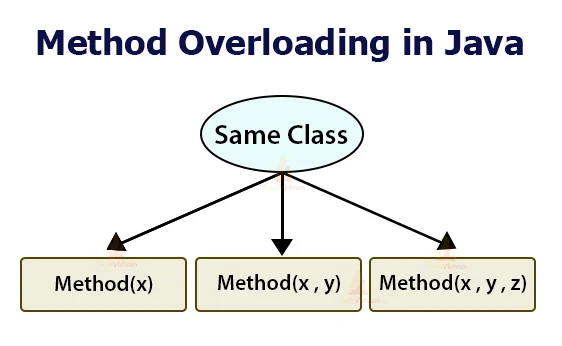
57. What Is Method Overloading?
Ans:
Method Overloading Means Creating Multiple Methods With The Same Name. The Methods Must Differ In Parameters Or Data Types. It Is An Example Of Compile-Time Polymorphism In OOPS. Method Overloading Improves Flexibility And Code Readability Effectively. Developers Can Use The Same Method Name For Different Tasks. It Helps Reduce Complexity In Software Development Applications. This Concept Is Widely Used In Java And C++ Programming..
58. Write A Program To Find The Sum Of Numbers From 1 To 5
Ans:
This Program Uses A For Loop To Add Numbers From 1 To 5. A Variable Is Used To Store The Total Sum During Each Iteration. The Loop Continuously Adds Each Number To The Total Variable. Finally, The Program Prints The Sum Of All Numbers. This Program Helps In Understanding Loops And Arithmetic Operations.
- total = 0
- for i in range(1, 6):
- total += i
- print(total)
59. What Is The Difference Between Interface And Abstract Class?
Ans:
An Interface Contains Only Abstract Methods And Constant Variables Traditionally. An Abstract Class Can Contain Both Abstract And Concrete Methods. Interfaces Support Multiple Inheritance In Java Applications Efficiently. Abstract Classes Are Used For Partial Abstraction In Programs. Interfaces Define Common Behavior Across Different Classes Clearly. Abstract Classes Provide Shared Functionality Between Related Classes. Both Concepts Help Improve Code Reusability And Application Design.
60. Explain The Difference Between GET And POST Methods.
Ans:
| FEATURE | GET METHOD | POST METHOD |
|---|---|---|
| PURPOSE | Used To Retrieve Data From Server | Used To Send Data To Server |
| DATA VISIBILITY | Data Is Visible In URL | Data Is Hidden In Request Body |
| SECURITY | Less Secure | More Secure |
| DATA LENGTH | Limited Data Length | No Major Data Length Limit |

61.What Is Multithreading?
Ans:
Multithreading Is The Process Of Running Multiple Threads Simultaneously In Applications. It Helps Improve Application Speed And Overall System Performance. Threads Share Memory Resources Within The Same Process Efficiently. Multithreading Is Commonly Used In Gaming And Web Applications. Synchronization Prevents Data Inconsistency Between Multiple Running Threads. It Improves Responsiveness In Modern Software Systems Significantly. Multithreading Is An Important Concept In Concurrent Programming.
62. What Is Data Structure?
Ans:
A Data Structure Is A Method Used To Organize And Store Data Efficiently. It Helps Perform Operations Like Searching And Sorting Quickly. Common Data Structures Include Arrays, Linked Lists, Stacks, And Queues. Choosing Proper Data Structures Improves Program Performance Greatly. Data Structures Are Important In Software And Database Development. They Help Manage Large Volumes Of Information Effectively. Understanding Data Structures Is Essential For Programming Interviews
63. What Is An Algorithm?
Ans:
- An Algorithm Is A Step-By-Step Procedure To Solve A Problem Efficiently. Algorithms Help Developers Create Logical And Optimized Software Solutions.
- They Are Written Before Implementing Actual Program Code In Applications. Good Algorithms Improve Execution Speed And Resource Utilization Significantly.
- Searching And Sorting Are Common Examples Of Algorithms. Algorithms Should Be Clear, Finite, And Easy To Understand. They Play A Major Role In Computer Science And Programming.
64. Explain Bubble Sort.
Ans:
Bubble Sort Is A Simple Sorting Algorithm Used To Arrange Data. It Compares Adjacent Elements And Swaps Them If Needed. Larger Elements Gradually Move Toward The End Of The List. The Process Repeats Until The Entire Array Becomes Sorted Properly. Bubble Sort Is Easy To Understand But Less Efficient For Large Data. Its Time Complexity Is Usually O(n²) In Worst Cases. It Is Commonly Used For Educational Programming Examples.
65. Explain Binary Search.
Ans:
Binary Search Is An Efficient Searching Algorithm For Sorted Arrays. It Divides The Search Space Into Two Equal Parts Repeatedly. The Middle Element Is Compared With The Target Value Carefully. Searching Continues In Either Left Or Right Half Accordingly. Binary Search Is Faster Than Linear Search For Large Datasets. Its Time Complexity Is O(log n) In Most Cases. It Is Widely Used In Optimized Software Applications.
66. What Is DBMS?
Ans:
DBMS Stands For Database Management System Used To Manage Databases. It Helps Store, Retrieve, Update, And Delete Data Efficiently. DBMS Improves Data Security And Reduces Data Redundancy Significantly. Examples Include MySQL, Oracle, SQL Server, And PostgreSQL Systems. Multiple Users Can Access Databases Simultaneously Through DBMS Software. It Supports Backup, Recovery, And Data Integrity Mechanisms Efficiently. DBMS Is Essential For Modern Business And Software Applications.
67. What Is The Difference Between DBMS And RDBMS?
Ans:
DBMS Stores Data In Files Without Strong Relationships Between Tables. RDBMS Stores Data In Structured Tables With Defined Relationships Clearly. RDBMS Uses Primary Keys And Foreign Keys For Data Integrity. DBMS Is Suitable For Small Applications With Limited Data Requirements. RDBMS Supports Advanced Features Like Normalization And Transactions Efficiently. Examples Of RDBMS Include MySQL And Oracle Database Systems. RDBMS Provides Better Security And Scalability Compared To DBMS.
68. What Is A Join In SQL?
Ans:
A Join Combines Data From Multiple Tables Based On Relationships. Joins Help Retrieve Meaningful Information From Related Database Tables Efficiently. Common Types Include INNER JOIN, LEFT JOIN, RIGHT JOIN, And FULL JOIN. INNER JOIN Returns Matching Records From Both Tables Only. LEFT JOIN Returns All Records From Left Table With Matches. Joins Reduce Data Duplication And Improve Query Efficiency Greatly. They Are Frequently Used In Database Management Applications.
69. Write A Program To Check Whether A String Is Palindrome
Ans:
This Program Checks Whether A Given String Is A Palindrome Or Not. A Palindrome Word Remains The Same When Reversed. The Program Compares The Original String With Its Reversed Version. If Both Are Equal, It Prints Palindrome As The Output. This Program Is Useful For Learning String Comparison Techniques
- word = “madam”
- if word == word[::-1]:
- print(“Palindrome”)
70. What Is A View In SQL?
Ans:
A View Is A Virtual Table Created From SQL Query Results. It Does Not Store Data Physically Inside The Database System. Views Simplify Complex Queries By Hiding Query Logic Efficiently. They Improve Security By Restricting Access To Specific Data. Views Help Present Customized Information To Different Users Easily. Database Maintenance Becomes Easier Using Reusable SQL Views. Views Are Widely Used In Reporting And Business Applications.
71. What Is Software Engineering?
Ans:
Software Engineering Is The Process Of Designing And Developing Software Applications Systematically. It Uses Engineering Principles To Build Reliable And Scalable Systems. Software Engineering Includes Requirement Analysis, Coding, Testing, And Maintenance Activities. It Helps Improve Software Quality And Reduce Development Errors Effectively. Team Collaboration And Documentation Are Important In Software Engineering Projects. Different Methodologies Are Used Based On Project Requirements And Complexity. Software Engineering Is Essential For Modern Technology And Business Solutions.
72.What Is Black Box Testing?
Ans:
- Black Box Testing Verifies Application Functionality Without Checking Internal Code Structure. Testers Focus On Inputs And Expected Outputs During Testing Processes.
- It Helps Identify Missing Features And Incorrect Application Behavior Efficiently. Functional Testing Is A Common Example Of Black Box Testing. Test Cases Are Created Based On User Requirements And Specifications.
- This Testing Method Improves Software Reliability And User Satisfaction Greatly. Black Box Testing Is Widely Used In Software Quality Assurance.
73. What Is White Box Testing?
Ans:
White Box Testing Examines Internal Program Logic And Source Code Structure. Developers Analyze Conditions, Loops, And Program Execution Paths Carefully. It Helps Identify Hidden Errors And Security Vulnerabilities Efficiently. Unit Testing Is Commonly Performed Using White Box Testing Methods. Knowledge Of Programming Languages Is Required For This Testing Technique. White Box Testing Improves Code Quality And Application Performance Significantly. It Plays An Important Role In Secure Software Development.
74. What Is Regression Testing?
Ans:
Regression Testing Ensures Existing Features Work Properly After Code Changes. It Helps Detect Issues Caused By New Updates Or Bug Fixes. Previously Executed Test Cases Are Repeated During Regression Testing Processes. Automation Tools Are Commonly Used For Faster Regression Testing Activities. This Testing Improves Software Stability And Reliability Significantly. Regression Testing Is Important In Agile And Continuous Development Environments. It Helps Maintain Overall Software Quality During Frequent Updates.
75. What Is Smoke Testing?
Ans:
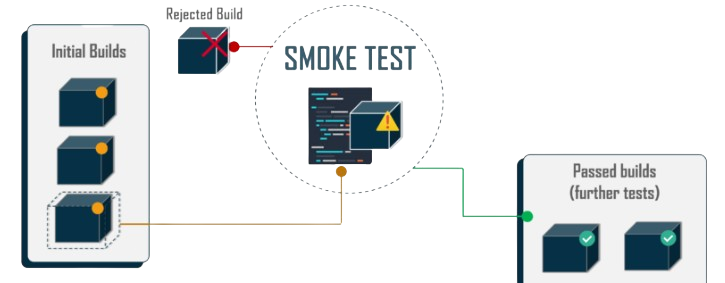
Smoke Testing Is A Basic Testing Technique Used To Verify Core Features. It Checks Whether The Application Build Is Stable For Further Testing. Smoke Testing Helps Detect Major Issues Early In Development Stages. Only Important Functionalities Are Tested During Smoke Testing Processes. It Saves Testing Time By Identifying Critical Problems Quickly. Smoke Testing Is Also Called Build Verification Testing Commonly. It Is Performed Before Detailed Functional Testing Begins.
76. What Is Selenium?
Ans:
Selenium Is An Automation Testing Tool Used For Web Applications. It Supports Multiple Programming Languages Like Java, Python, And C#. Selenium Helps Automate Browser Actions And Functional Testing Efficiently. It Supports Different Browsers Including Chrome, Firefox, And Edge. Selenium WebDriver Is Widely Used For Automation Script Development. It Reduces Manual Testing Effort And Improves Testing Accuracy Greatly. Selenium Is Popular In Agile And DevOps Testing Environments.
77. What Is Machine Learning?
Ans:
Machine Learning Is A Technology That Enables Systems To Learn From Data. It Uses Algorithms To Identify Patterns And Make Predictions Automatically. Machine Learning Improves Performance Through Continuous Data Analysis Processes. Applications Include Recommendation Systems, Chatbots, And Fraud Detection Software. Supervised, Unsupervised, And Reinforcement Learning Are Common Types. It Plays A Major Role In Artificial Intelligence Development Today. Machine Learning Is Widely Used Across Different Business Industries.
78. What Is Artificial Intelligence?
Ans:
Artificial Intelligence Refers To Machines Simulating Human Intelligence And Decision Making. AI Systems Can Learn, Reason, And Solve Problems Automatically. Applications Include Virtual Assistants, Robotics, And Self-Driving Vehicles. AI Improves Automation And Efficiency Across Multiple Business Domains. Machine Learning Is A Major Subset Of Artificial Intelligence Technology. AI Helps Analyze Large Data And Generate Smart Predictions Efficiently. It Is One Of The Fastest Growing Technologies Worldwide.
79. What Is Cyber Security?
Ans:
- Cyber Security Protects Systems, Networks, And Data From Digital Attacks. It Helps Prevent Unauthorized Access And Data Breaches Efficiently.
- Security Measures Include Firewalls, Encryption, And Antivirus Software Tools. Cyber Security Is Important For Banking And Online Business Applications.
- Ethical Hacking Helps Identify Vulnerabilities In Computer Systems Properly. Strong Passwords And Secure Networks Improve Information Protection Significantly. Cyber Security Plays A Critical Role In Modern Digital Environments.
80. What Is Data Science?
Ans:
Data Science Is The Process Of Extracting Insights From Structured And Unstructured Data. It Combines Statistics, Programming, And Machine Learning Techniques Efficiently. Data Scientists Analyze Data To Support Business Decision Making Processes. Python And R Are Popular Languages Used In Data Science Projects. Visualization Tools Help Represent Data Clearly For Better Understanding. Data Science Is Used In Healthcare, Finance, And Marketing Industries. It Is One Of The Most In-Demand Technology Fields Today.
81. What Is Big Data?
Ans:
Big Data Refers To Extremely Large And Complex Data Collections. Traditional Data Processing Methods Cannot Handle Big Data Efficiently. Big Data Is Characterized By Volume, Velocity, And Variety Features. Technologies Like Hadoop And Spark Process Big Data Applications. Companies Use Big Data For Analytics And Decision Making Processes. Big Data Helps Identify Patterns And Improve Business Strategies Effectively. It Plays A Major Role In Modern Technology Industries Worldwide.
82. What Is IoT?
Ans:
IoT Stands For Internet Of Things Connecting Smart Devices Through Internet Networks. Devices Communicate And Share Data Automatically Without Human Intervention. Examples Include Smart Homes, Wearable Devices, And Smart Vehicles. IoT Improves Automation And Monitoring Across Different Industries Efficiently. Sensors And Cloud Computing Support IoT Application Functionality. Security And Privacy Are Important Challenges In IoT Systems. IoT Technology Is Growing Rapidly In Modern Digital Environments.
83. What Is DevOps?
Ans:
- DevOps Is A Methodology Combining Software Development And IT Operations Teams. It Focuses On Faster Software Delivery And Continuous Improvement Processes. Automation Tools Help Simplify Testing, Deployment, And Monitoring Activities Efficiently.
- DevOps Encourages Collaboration Between Developers And Operations Professionals. Continuous Integration And Continuous Deployment Are Important DevOps Practices.
- It Improves Software Quality And Reduces Deployment Time Significantly. DevOps Is Widely Used In Modern Agile Development Environments.
84. What Is Continuous Integration?
Ans:
Continuous Integration Is A Development Practice Where Code Changes Are Merged Frequently. Automated Testing Is Performed Whenever New Code Is Added. It Helps Detect Errors Early During Software Development Processes. Continuous Integration Improves Collaboration Between Development Team Members Efficiently. Build Automation Tools Simplify Integration And Testing Activities Significantly. It Reduces Deployment Risks And Improves Software Stability Greatly. Continuous Integration Is Important In Agile And DevOps Methodologies.
85. What Is Continuous Deployment?
Ans:
Continuous Deployment Automatically Releases Software Changes Into Production Environments. It Helps Deliver Features Faster To End Users Efficiently. Automated Testing Ensures Application Quality Before Deployment Begins. Continuous Deployment Reduces Manual Effort In Release Management Processes. It Improves Software Delivery Speed And Customer Satisfaction Significantly. Monitoring Tools Help Detect Deployment Issues Quickly And Effectively. Continuous Deployment Is Widely Used In Modern Cloud Applications.
86. What Is Linux?
Ans:
Linux Is An Open-Source Operating System Used Worldwide. It Is Known For Stability, Security, And Performance Efficiency. Linux Is Widely Used In Servers, Cloud Platforms, And Embedded Systems. Different Distributions Include Ubuntu, Fedora, And CentOS Operating Systems. Developers Prefer Linux For Programming And System Administration Tasks. Command-Line Interface Is A Powerful Feature Of Linux Systems. Linux Plays An Important Role In Modern IT Infrastructure.
87. What Is A Firewall?
Ans:
- A Firewall Is A Security System That Monitors Network Traffic Efficiently. It Prevents Unauthorized Access Between Trusted And Untrusted Networks Securely
- Firewalls Can Be Hardware-Based Or Software-Based Security Solutions. They Help Protect Systems From Malware And Cyber Attacks Effectively.
- Organizations Use Firewalls To Secure Sensitive Business Information Properly. Rules Are Configured To Control Incoming And Outgoing Traffic Carefully. Firewalls Are Essential Components Of Modern Network Security Systems.
88. Write A Program To Count The Number Of Characters In A String
Ans:
This Program Uses The Built-In len() Function To Count Characters In A String. The Given Text Is Stored In A Variable Before Counting. The len() Function Calculates The Total Number Of Characters Present. The Result Is Then Displayed As The Output On The Screen. This Program Is Useful For Learning Basic String Functions In Python.
- text = “Python”
- print(len(text))
89. What Is Virtualization?
Ans:
Virtualization Creates Virtual Versions Of Hardware And Operating Systems Efficiently. Multiple Virtual Machines Can Run On A Single Physical Server. It Helps Improve Resource Utilization And Reduce Infrastructure Costs Significantly. Virtualization Supports Better Scalability And Disaster Recovery Solutions. Hypervisors Manage Virtual Machines Inside Virtualized Environments Properly. Cloud Computing Relies Heavily On Virtualization Technologies Today. Virtualization Is Widely Used In Data Centers And Enterprises.
90. What Is Networking?
Ans:
Networking Refers To Connecting Computers And Devices For Data Communication. Networks Help Share Information And Resources Between Multiple Systems Efficiently. Common Network Types Include LAN, WAN, And MAN Networks. Routers And Switches Are Important Networking Devices Used Commonly. Networking Supports Internet Access And Cloud-Based Services Worldwide. Security Measures Protect Networks From Unauthorized Access And Threats. Networking Is Essential For Modern Communication And Business Operations.
91.What Is DNS?
Ans:
DNS Stands For Domain Name System Used On Internet Networks. It Converts Domain Names Into IP Addresses Automatically For Browsers. DNS Makes Internet Navigation Easier For Users Worldwide Efficiently. Without DNS Users Must Remember Numerical IP Addresses Manually. DNS Servers Handle Domain Lookup Requests Quickly And Accurately. It Improves Accessibility And User Experience Across Internet Services. DNS Plays A Critical Role In Modern Web Communication Systems.
92. What Is An IP Address?
Ans:
- An IP Address Is A Unique Identifier Assigned To Network Devices. It Helps Devices Communicate Over Internet And Local Networks Efficiently.
- IPv4 And IPv6 Are Common Types Of IP Address Standards. Public IP Addresses Are Used On Internet Networks Globally. Private IP Addresses Are Used Within Local Area Networks Securely.
- IP Addresses Help Identify Source And Destination Devices Properly. They Are Essential For Internet And Networking Communication Processes.
93. What Is A VPN?
Ans:
VPN Stands For Virtual Private Network Used For Secure Internet Connections. It Encrypts Data And Protects User Privacy During Online Activities. VPNs Help Access Restricted Websites And Secure Public Network Usage. Organizations Use VPNs For Secure Remote Employee Access Efficiently. VPN Technology Improves Security And Reduces Risk Of Data Theft. It Helps Hide User Location And Browsing Information Properly. VPNs Are Widely Used In Cyber Security And Networking Fields.
94. What Is Cloud Storage?
Ans:
Cloud Storage Allows Users To Store Data On Internet Servers Securely. Users Can Access Files From Anywhere Using Internet Connectivity Easily. Cloud Storage Improves Backup And Disaster Recovery Solutions Significantly. Providers Include Google Drive, Dropbox, And OneDrive Services Commonly. It Reduces Dependence On Physical Storage Devices Efficiently. Cloud Storage Supports Collaboration And File Sharing Across Teams. It Is Widely Used In Personal And Business Applications Today.
95. What Is Blockchain?
Ans:
Blockchain Is A Distributed Digital Ledger Technology Used For Secure Transactions. Data Is Stored In Blocks Connected Chronologically Using Cryptography Techniques. Blockchain Provides Transparency And Prevents Unauthorized Data Modification Efficiently. Cryptocurrencies Like Bitcoin Use Blockchain Technology Extensively Worldwide. It Eliminates Need For Centralized Control In Transaction Management Systems. Blockchain Is Also Used In Supply Chain And Banking Industries. It Is Considered A Revolutionary Technology In Digital Transformation.
96. What Is Cryptocurrency?
Ans:
Bitcoin And Other Cryptocurrencies Are Digital Currencies Using Cryptography For Security. Transactions Are Recorded Using Blockchain Technology Efficiently And Transparently. Cryptocurrencies Operate Without Central Bank Control Or Intermediaries. They Enable Fast And Secure Online Financial Transactions Globally. Popular Cryptocurrencies Include Bitcoin, Ethereum, And Litecoin Systems. Market Values Of Cryptocurrencies Change Frequently Based On Demand. Cryptocurrency Technology Is Growing Rapidly Across Financial Industries Worldwide.
97. What Is Software Maintenance?
Ans:
- Software Maintenance Refers To Updating And Improving Existing Software Applications Continuously. It Helps Fix Bugs And Improve Application Performance Efficiently. Maintenance Includes Corrective, Adaptive, Perfective, And Preventive Activities Commonly.
- User Feedback Often Drives Maintenance And Feature Enhancement Processes. Proper Maintenance Improves Software Reliability And Customer Satisfaction Significantly.
- Documentation Helps Simplify Future Maintenance Activities And Updates Properly. Software Maintenance Is Essential Throughout Application Life Cycle Management.
98. What Is Quality Assurance?
Ans:
Quality Assurance Ensures Software Processes Meet Defined Standards And Requirements Properly. It Focuses On Preventing Defects During Software Development Activities Efficiently. QA Includes Process Reviews, Audits, And Testing Procedures Regularly. Quality Assurance Improves Product Reliability And Customer Satisfaction Greatly. Proper QA Practices Reduce Development Costs And Future Maintenance Efforts. Both Manual And Automated Methods Support Quality Assurance Activities. QA Plays A Major Role In Successful Software Project Delivery.
99. What Is Software Deployment?
Ans:
Software Deployment Is The Process Of Releasing Applications Into Production Environments. It Includes Installation, Configuration, Testing, And Monitoring Activities Efficiently. Deployment Ensures Software Is Available For End Users Properly. Automated Deployment Tools Reduce Errors And Improve Delivery Speed Significantly. Deployment Strategies Include Blue-Green And Rolling Deployment Techniques Commonly. Proper Planning Helps Avoid Downtime During Deployment Processes Successfully. Software Deployment Is Important In Modern Agile And DevOps Practices.
100. What is complexity?
Ans:
Complexity In Data Structures And Algorithms Refers To The Measurement Of Time And Memory Required By A Program To Execute. It Helps Determine How Efficient An Algorithm Is When Handling Small Or Large Amounts Of Data. Time Complexity Measures The Execution Time Of An Algorithm, While Space Complexity Measures The Memory Usage During Execution. Complexity Is Usually Represented Using Big O Notation Such As O(1), O(n), O(log n), And O(n²). Lower Complexity Means Better Performance And Faster Execution. Understanding Complexity Is Important For Writing Optimized Programs And Solving Coding Interview Problems Efficiently.