LMS
LMS
Last updated on 19th Jun 2026| 7487

The TCS National Qualifier Test (NQT) Is One Of The Most Popular Hiring Assessments For Fresh Graduates Seeking Opportunities In The IT Industry. The Exam Evaluates Candidates On Aptitude, Logical Reasoning, Verbal Ability, Programming Skills, And Technical Knowledge. A Well-Planned Preparation Strategy Can Significantly Improve Performance And Increase The Chances Of Securing A Job Offer.To Prepare Effectively For TCS NQT, Candidates Should Focus On Strengthening Their Quantitative Aptitude, Reasoning Ability, And Coding Fundamentals. Regular Practice Of Mock Tests, Previous Year Questions, And Programming Problems Helps Build Speed And Accuracy. Understanding Core Concepts In C, C++, Java, Python, Data Structures, DBMS, And Operating Systems Is Also Important For Technical Rounds.
1. What Is TCS NQT?
Ans:
- TCS NQT (National Qualifier Test) Is An Assessment Conducted By Tata Consultancy Services To Evaluate Candidates For Entry-Level Roles. It Tests Aptitude, Reasoning, Verbal Ability, Programming, And Problem-Solving Skills.
- The Exam Helps Recruit Fresh Graduates Across Various Disciplines. Candidates Can Improve Their Employability By Performing Well In This Assessment.
- It Serves As A Gateway To TCS And Other Partner Companies. Strong Preparation Enhances Confidence And Performance. Understanding The Exam Pattern Is Essential For Success.
2. What Is The Best Strategy To Prepare For TCS NQT?
Ans:
The Best Preparation Strategy Includes Daily Practice Of Aptitude, Reasoning, Verbal Ability, And Coding Questions. Candidates Should Create A Study Schedule And Follow It Consistently. Mock Tests Help Identify Strengths And Weaknesses. Reviewing Previous Questions Improves Familiarity With The Exam Format. Time Management Is Important During Preparation And The Actual Test. Consistent Revision Enhances Retention Of Concepts. A Structured Approach Increases The Chances Of Success.
3. What Topics Are Covered In Quantitative Aptitude?
Ans:
Quantitative Aptitude Includes Percentages, Profit And Loss, Time And Work, Ratios, Averages, Simple Interest, Compound Interest, And Number Systems. Questions Assess Numerical And Analytical Skills. Candidates Must Practice Calculations Regularly To Improve Speed. Shortcut Techniques Can Save Valuable Time During The Exam. Understanding Formulas Is Equally Important. Regular Mock Tests Improve Accuracy And Confidence. Strong Aptitude Skills Help Achieve Better Scores.
4. What Is Verbal Ability In TCS NQT?
Ans:
- Verbal Ability Evaluates English Language Skills Including Grammar, Vocabulary, Reading Comprehension, And Sentence Correction. Candidates Must Read Carefully To Understand Questions.
- Improving Vocabulary Helps In Solving Synonym And Antonym Questions. Grammar Knowledge Is Essential For Error Detection.
- Reading Newspapers And Articles Can Improve Comprehension Skills. Consistent Practice Enhances Accuracy. Strong Communication Skills Benefit Both Exams And Interviews.
5. What Is Logical Reasoning
Ans:
Logical Reasoning Tests Analytical Thinking And Decision-Making Abilities. Questions Include Puzzles, Seating Arrangements, Coding-Decoding, Blood Relations, And Series. Candidates Need To Analyze Information Carefully Before Reaching Conclusions. Regular Practice Improves Logical Thinking Skills. Time Management Is Important Because Some Questions Are Lengthy. Solving Different Types Of Puzzles Enhances Confidence. Strong Reasoning Skills Are Valuable In Technical Roles.
6. Write A Program To Check Whether A Number Is Even Or Odd
Ans:
A Number Is Even If It Is Divisible By 2 Without Any Remainder. Otherwise, It Is Considered Odd. This Is One Of The Most Common Beginner-Level Programming Questions Asked In TCS NQT.
- #include
- int main() {
- int num;
- scanf(“%d”, &num);
- if(num % 2 == 0)
- printf(“Even”);
- else
- printf(“Odd”);
- return 0; <}
7. What Is A Variable In Programming?
Ans:
- A Variable Is A Named Memory Location Used To Store Data Values During Program Execution. Variables Allow Programs To Process And Manipulate Information Efficiently.
- Different Data Types Define The Nature Of Stored Values. Variables Can Hold Numbers, Characters, Or Complex Data Structures. Proper Naming Conventions Improve Code Readability.
- Variables Are Fundamental Building Blocks Of Programming. Understanding Them Is Essential For Writing Effective Programs.
8. What Is A Loop?
Ans:
A Loop Is A Programming Construct That Repeats A Block Of Code Multiple Times Based On A Condition. Common Loops Include For, While, And Do-While Loops. Loops Reduce Code Repetition And Improve Efficiency. They Are Widely Used For Iterative Tasks. Proper Loop Conditions Prevent Infinite Execution. Understanding Loop Control Statements Is Important. Loops Form A Core Concept In Programming.
9. What Is An Array?
Ans:
An Array Is A Collection Of Elements Stored In Consecutive Memory Locations. All Elements Usually Belong To The Same Data Type. Arrays Allow Efficient Access Using Index Values. They Simplify Handling Large Sets Of Similar Data. Arrays Are Commonly Used In Algorithms And Data Processing. Understanding Array Operations Is Important For Coding Interviews. They Form The Basis For Many Advanced Data Structures.
10. What Is Object-Oriented Programming?
Ans:
- Object-Oriented Programming Is A Programming Paradigm Based On Objects And Classes. It Includes Concepts Such As Encapsulation, Inheritance, Polymorphism, And Abstraction.
- OOP Improves Code Reusability And Maintainability. It Helps Organize Complex Applications Efficiently. Many Modern Programming Languages Support OOP Features.
- Understanding OOP Is Important For Technical Interviews. It Is Widely Used In Software Development
11. What Is Encapsulation?
Ans:
Encapsulation Is The Process Of Binding Data And Methods Together Within A Class. It Restricts Direct Access To Internal Data Using Access Modifiers. This Enhances Security And Data Integrity. Encapsulation Promotes Better Code Organization. It Simplifies Maintenance And Reduces Complexity. Developers Can Control How Data Is Accessed And Modified. It Is One Of The Core Principles Of Object-Oriented Programming.
12. What Is Inheritance?
Ans:
Inheritance Allows One Class To Acquire Properties And Behaviors From Another Class. The Existing Class Is Called The Parent Class, While The New Class Is The Child Class. It Promotes Code Reusability And Reduces Redundancy. Inheritance Supports Hierarchical Relationships Between Classes. It Simplifies Application Development And Maintenance. Understanding Inheritance Is Essential For OOP Concepts. It Is Frequently Asked In Technical Interviews.
13. What Is Polymorphism?
Ans:
Polymorphism Allows A Single Interface To Represent Different Behaviors. It Enables Methods To Perform Different Actions Based On The Object Calling Them. Polymorphism Can Be Achieved Through Method Overloading And Method Overriding. It Improves Flexibility And Scalability In Programs. Developers Can Write More Generic And Reusable Code. It Is A Fundamental OOP Principle. Understanding Polymorphism Is Important For Software Development.
14. What Is Abstraction?
Ans:
Abstraction Hides Complex Implementation Details And Shows Only Essential Features To Users. It Simplifies Program Interaction And Reduces Complexity. Abstract Classes And Interfaces Help Achieve Abstraction. Developers Can Focus On What An Object Does Rather Than How It Works. Abstraction Enhances Maintainability And Scalability. It Is A Key Concept In Object-Oriented Programming. Understanding It Improves Design Skills.
15. What Is A Function?
Ans:
- A Function Is A Reusable Block Of Code Designed To Perform A Specific Task. Functions Improve Modularity And Reduce Repetition.
- They Accept Inputs Through Parameters And Return Results. Functions Simplify Debugging And Maintenance. They Help Organize Programs Into Manageable Sections.
- Most Programming Languages Support Function-Based Development. Understanding Functions Is Essential For Coding Interviews.
16. What Is Recursion?
Ans:
Recursion Is A Programming Technique Where A Function Calls Itself To Solve A Problem. It Breaks Complex Tasks Into Smaller Subproblems. Every Recursive Function Requires A Base Condition To Stop Execution. Without A Base Condition, Infinite Recursion Can Occur. Recursion Is Commonly Used In Tree Traversals And Mathematical Calculations. It Simplifies Certain Algorithms. Understanding Recursion Is Important For Coding Interviews
17. What Is A Pointer?
Ans:
A Pointer Is A Variable That Stores The Memory Address Of Another Variable. Pointers Enable Efficient Memory Management. They Are Widely Used In C And C++ Programming. Pointers Allow Dynamic Memory Allocation And Data Manipulation. Proper Handling Prevents Memory Leaks And Errors. Understanding Pointer Arithmetic Is Helpful. Pointers Are Frequently Asked In Technical Interviews.
18. What Is Dynamic Memory Allocation?
Ans:
Dynamic Memory Allocation Allows Memory To Be Assigned During Program Execution. It Provides Flexibility For Handling Variable Data Sizes. Functions Like Malloc And Free Are Used In C. Proper Allocation And Deallocation Prevent Memory Leaks. It Improves Resource Utilization. Dynamic Memory Is Essential For Advanced Data Structures. Understanding It Is Important For Programming Roles.
19. What Is A Linked List?
Ans:
A Linked List Is A Linear Data Structure Consisting Of Nodes Connected Through Pointers. Each Node Contains Data And A Reference To The Next Node. Linked Lists Support Efficient Insertions And Deletions. They Do Not Require Contiguous Memory Allocation. Different Types Include Singly And Doubly Linked Lists. They Are Widely Used In Applications. Understanding Linked Lists Is Important For Coding Interviews.
20. What Is A Stack?
Ans:
- A Stack Is A Linear Data Structure That Follows The Last In First Out Principle. Elements Are Added Using Push And Removed Using Pop Operations.
- Stacks Are Used In Function Calls And Expression Evaluation. They Provide Efficient Data Management. Overflow And Underflow Are Common Stack Conditions.
- Understanding Stack Operations Is Essential. Stacks Are Frequently Asked In Interviews.
21. What Is A Queue?
Ans:
A Queue Is A Linear Data Structure Following The First In First Out Principle. Elements Are Inserted At The Rear And Removed From The Front. Queues Are Used In Scheduling And Resource Management. Common Operations Include Enqueue And Dequeue. They Help Manage Sequential Processing Tasks. Circular Queues Improve Memory Utilization. Understanding Queues Is Important For Technical Assessments.
22. Write A Program To Find The Largest Of Three Numbers
Ans:
This Program Compares Three Numbers And Displays The Largest Value Using Conditional Statements. It Helps Evaluate Logical Thinking And Decision-Making Skills. Such Questions Are Common In TCS NQT Coding Assessments.
- #include
- int main() {
- int a,b,c; scanf(“%d%d%d”,&a,&b,&c);
- printf(“%d”,(a>b && a>c)?a:(b>c?b:c));
- return 0;
- }
23.What Is The Difference Between C And C++?
Ans:
| Feature | C | C++ |
|---|---|---|
| Programming Type | C Is A Procedural Programming Language | C++ Supports Both Procedural And Object-Oriented Programming. |
| Approach | Focuses On Functions And Procedures. | Focuses On Classes And Objects Along With Functions |
| Object-Oriented Features | Does Not Support OOP Concepts | Supports Encapsulation, Inheritance, Polymorphism, And Abstraction. |
| Data Security | Provides Less Data Security. | Provides Better Data Security Through Encapsulation. |
24. What Is Sorting?
Ans:
Sorting Is The Process Of Arranging Data In A Specific Order Such As Ascending Or Descending. Common Algorithms Include Bubble Sort, Selection Sort, And Merge Sort. Sorting Improves Searching Efficiency. Different Algorithms Have Different Time Complexities. It Is Widely Used In Data Processing Applications. Understanding Sorting Concepts Is Important. Sorting Questions Frequently Appear In Interviews.
25. What Is Bubble Sort?
Ans:
Bubble Sort Repeatedly Compares Adjacent Elements And Swaps Them If Necessary. Larger Elements Move Toward The End Of The Array. It Is Easy To Understand And Implement. However, It Is Inefficient For Large Datasets. Its Average Time Complexity Is O(N²). Bubble Sort Is Often Used For Learning Purposes. Understanding It Helps Build Algorithm Knowledge.
26. Write A Program To Reverse A Number
Ans:
This Program Extracts Digits One By One And Arranges Them In Reverse Order. It Tests Understanding Of Loops And Arithmetic Operations. Reverse Number Questions Frequently Appear In Placement Tests.
- #include
- int main() {
- int n,r=0; scanf(“%d”,&n);
- while(n){ r=r*10+n%10; n/=10; }
- printf(“%d”,r);
- }
27. What Is Time Complexity?
Ans:
- Time Complexity Measures The Amount Of Time An Algorithm Takes Relative To Input Size. It Helps Evaluate Algorithm Efficiency.
- Common Notations Include O(1), O(N), And O(Log N). Lower Complexity Usually Indicates Better Performance.
- Understanding Complexity Supports Better Design Decisions. It Is Important In Coding Interviews. Efficient Algorithms Improve Software Performance.
28. What Is Space Complexity?
Ans:
- Space Complexity Measures The Memory Required By An Algorithm During Execution. It Includes Variables, Data Structures, And Function Calls.
- Lower Memory Usage Is Often Preferred. Space Complexity Helps Optimize Applications. Understanding It Is Important For Resource-Constrained Systems.
- It Complements Time Complexity Analysis. Both Concepts Are Essential In Programming.
29. What Is A Database?
Ans:
A Database Is An Organized Collection Of Data Stored Electronically. It Allows Efficient Storage, Retrieval, And Management Of Information. Databases Support Applications Across Various Industries. Popular Database Systems Include MySQL And Oracle. They Ensure Data Consistency And Security. Understanding Databases Is Important For Software Professionals. Database Knowledge Is Frequently Tested In Interviews.
30. What Is SQL?
Ans:
SQL Stands For Structured Query Language And Is Used To Manage Databases. It Enables Data Retrieval, Insertion, Updating, And Deletion. SQL Supports Efficient Database Operations. Commands Include Select, Insert, Update, And Delete. It Is Widely Used Across Organizations. Understanding SQL Is Essential For Technical Roles. SQL Questions Frequently Appear In Interviews.
31. What Is A Primary Key?
Ans:
A Primary Key Uniquely Identifies Each Record In A Database Table. It Prevents Duplicate Entries. Primary Keys Cannot Contain Null Values. They Ensure Data Integrity And Consistency. Each Table Typically Has One Primary Key. Proper Design Improves Database Performance. Understanding Keys Is Important For Database Management.
32. What Is A Foreign Key?
Ans:
A Foreign Key Establishes Relationships Between Database Tables. It References The Primary Key Of Another Table. Foreign Keys Ensure Referential Integrity. They Prevent Invalid Data Relationships. Database Designers Use Them To Connect Related Information. Understanding Foreign Keys Is Important. They Are Commonly Asked In SQL Interviews.
33. What Is Normalization?
Ans:
- Normalization Organizes Database Tables To Reduce Data Redundancy. It Improves Data Integrity And Consistency. Different Normal Forms Address Specific Issues.
- Proper Normalization Simplifies Database Maintenance. It Prevents Data Anomalies During Updates.
- Database Designers Use It Extensively. Understanding Normalization Is Essential For SQL Concepts.
34. What Is Denormalization?
Ans:
Denormalization Combines Tables To Improve Query Performance. It Reduces The Need For Complex Joins. This Approach Increases Data Redundancy. It Is Often Used In Reporting Systems. Proper Balance Between Normalization And Denormalization Is Important. Performance Requirements Influence Decisions. Understanding Both Concepts Is Beneficial.
35. What Is A Join In SQL?
Ans:
A Join Combines Data From Multiple Tables Based On Related Columns. Common Types Include Inner Join, Left Join, Right Join, And Full Join. Joins Improve Data Retrieval Capabilities. They Enable Complex Queries Across Tables. Understanding Joins Is Essential For Database Operations. SQL Interviews Frequently Include Join Questions. Practice Improves Query Writing Skills.
36. What Is An Operating System?
Ans:
- An Operating System Manages Hardware And Software Resources Of A Computer. It Provides A User Interface And Controls Program Execution.
- Examples Include Windows, Linux, And macOS. The Operating System Handles Memory And Process Management.
- It Ensures Efficient Resource Utilization. Understanding Operating Systems Is Important. Technical Interviews Often Include OS Questions.
37. What Is Multitasking?
Ans:
Multitasking Allows Multiple Processes To Run Concurrently On A System. It Improves Resource Utilization And Productivity. Modern Operating Systems Support Multitasking Efficiently. CPU Scheduling Helps Manage Multiple Tasks. Users Can Execute Different Applications Simultaneously. Understanding Multitasking Is Important. It Is Commonly Discussed In Interviews.
38. What Is A Process?
Ans:
A Process Is An Instance Of A Program In Execution. It Contains Code, Data, And System Resources. Operating Systems Manage Processes Through Scheduling Mechanisms. Multiple Processes Can Run Concurrently. Process Management Improves System Efficiency. Understanding Processes Is Essential For OS Concepts. Technical Interviews Frequently Cover This Topic.
39. What Is A Thread?
Ans:
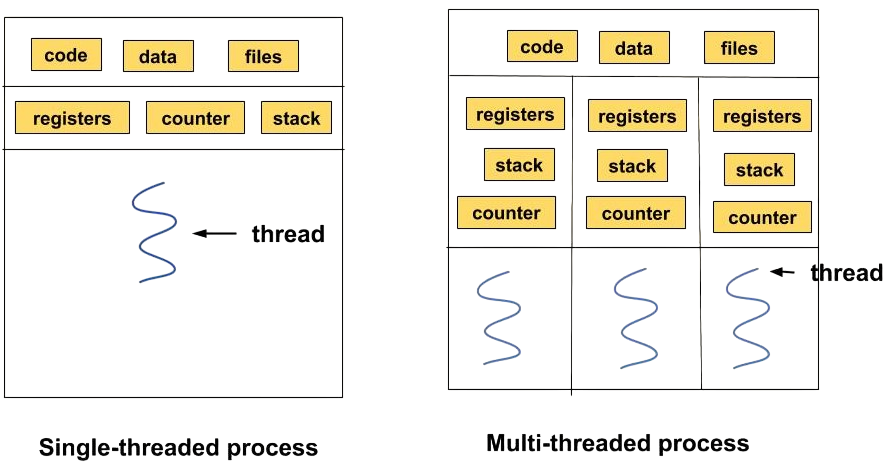
A Thread Is The Smallest Unit Of Execution Within A Process. Multiple Threads Can Exist In A Single Process. Threads Share Resources While Executing Independently. They Improve Application Responsiveness. Multithreading Enhances Performance In Many Applications. Understanding Threads Is Important For Software Development. Interview Questions Often Cover This Concept.
40. What Is Deadlock?
Ans:
Deadlock Occurs When Processes Wait Indefinitely For Resources Held By Each Other. It Prevents Program Progress. Common Conditions Include Mutual Exclusion And Circular Wait. Operating Systems Use Prevention And Detection Techniques. Deadlocks Reduce System Efficiency. Understanding Their Causes Is Important. Deadlock Questions Frequently Appear In Interviews.
41. What Is Computer Networking?
Ans:
- Computer Networking Refers To Connecting Multiple Devices To Share Data And Resources. Networks Enable Communication Between Systems Efficiently.
- Common Examples Include LAN, WAN, And The Internet. Networking Supports File Sharing And Remote Access. Protocols Ensure Reliable Data Transmission.
- Understanding Networking Basics Is Important For IT Professionals. Networking Questions Frequently Appear In Interviews.
42. Write A Program To Check Whether A Number Is Prime
Ans:
A Prime Number Is Divisible Only By 1 And Itself. This Program Checks Whether Any Other Number Divides It Evenly. It Is A Popular Interview And Assessment Question.
- #include
- int main() {
- int n,i,f=1; scanf(“%d”,&n);
- for(i=2;i
- printf(f&&n>1?”Prime”:”Not Prime”);
- }
43. What Is DNS?
Ans:
DNS Stands For Domain Name System And Converts Domain Names Into IP Addresses. It Makes Internet Browsing User-Friendly. Users Can Access Websites Using Names Instead Of Numbers. DNS Servers Handle The Translation Process. It Plays A Critical Role In Networking. Understanding DNS Is Important For Technical Interviews. It Supports Efficient Internet Communication.
44. What Is HTTP?
Ans:
HTTP Stands For HyperText Transfer Protocol And Enables Communication Between Web Browsers And Servers. It Facilitates Data Exchange On The Internet. HTTP Operates On A Request And Response Model. Websites Use It To Deliver Content. HTTPS Provides Additional Security Through Encryption. Understanding HTTP Is Important For Web Technologies. Interviewers Frequently Ask About It.
45. What Is HTTPS?
Ans:
HTTPS Is A Secure Version Of HTTP That Uses Encryption To Protect Data Transmission. It Prevents Unauthorized Access During Communication. SSL And TLS Certificates Enable Security Features. HTTPS Improves User Trust And Privacy. Most Modern Websites Use HTTPS. Understanding Secure Communication Is Important. Technical Interviews Often Include This Topic.
46. What Is Cloud Computing?
Ans:
Cloud Computing Delivers Computing Resources Over The Internet. Services Include Storage, Servers, Databases, And Applications. It Provides Scalability And Cost Efficiency. Popular Cloud Platforms Include AWS, Azure, And Google Cloud. Organizations Use Cloud Services Extensively. Understanding Cloud Concepts Is Valuable For Careers. Interviewers Frequently Discuss Cloud Technologies.
47. What Is Artificial Intelligence?
Ans:
- Artificial Intelligence Enables Machines To Perform Tasks That Normally Require Human Intelligence. Examples Include Learning, Reasoning, And Decision-Making.
- AI Is Used In Various Industries. It Improves Automation And Efficiency. Machine Learning Is A Subset Of AI. Understanding AI Fundamentals Is Beneficial.
- AI Questions Are Common In Interviews. AI Continues To Transform Businesses Through Intelligent Automation And Innovation.
48. What Is Machine Learning?
Ans:
Machine Learning Is A Branch Of AI That Enables Systems To Learn From Data. Algorithms Improve Performance Without Explicit Programming. Applications Include Recommendation Systems And Predictions. Data Quality Influences Results Significantly. Machine Learning Is Widely Used Today. Understanding Basic Concepts Is Important. Technical Interviews Often Include ML Questions. Machine Learning Helps Organizations Make Accurate Data-Driven Decisions.
49. What Is Data Science?
Ans:
Data Science Involves Extracting Insights From Data Using Statistical And Computational Techniques. It Combines Mathematics, Programming, And Domain Knowledge. Data Scientists Analyze Large Datasets. The Goal Is To Support Better Decisions. Data Visualization Helps Present Findings Effectively. Understanding Data Science Concepts Is Valuable. It Is A Growing Career Field. Data Science Plays A Major Role In Modern Business Strategies.
50. What Is Big Data?
Ans:
Big Data Refers To Extremely Large And Complex Datasets. Traditional Processing Methods Often Cannot Handle Them Efficiently. Big Data Is Characterized By Volume, Velocity, And Variety. Organizations Use It For Analytics And Decision-Making. Specialized Tools Manage Large Data Volumes. Understanding Big Data Is Important. Interviewers Frequently Ask About It. Big Data Technologies Enable Faster Insights From Massive Information Sources.
51. What Is Software Testing?
Ans:
- Software Testing Is The Process Of Evaluating Software To Identify Defects And Ensure Quality. Testing Verifies Functional And Non-Functional Requirements.
- It Improves Reliability And User Satisfaction. Different Testing Methods Address Various Needs. Early Testing Reduces Development Costs.
- Understanding Testing Fundamentals Is Essential. Interviews Often Include Testing Questions. Effective Testing Contributes To Delivering High-Quality Software Products.
52. What Is Manual Testing?
Ans:
Manual Testing Involves Executing Test Cases Without Automation Tools. Testers Verify Application Functionality Manually. It Helps Identify User Experience Issues. Manual Testing Is Useful For Exploratory Testing. Proper Documentation Improves Effectiveness. It Remains Important Despite Automation Growth. Understanding Manual Testing Is Valuable. Manual Testing Helps Detect Issues That Automated Scripts May Miss.
53. What Is Automation Testing?
Ans:
Automation Testing Uses Software Tools To Execute Test Cases Automatically. It Improves Efficiency And Reduces Repetitive Work. Automated Tests Can Run Frequently. They Support Continuous Integration Practices. Initial Setup Requires Time And Effort. Automation Enhances Test Coverage. It Is A Popular Topic In Interviews. Automation Testing Accelerates Software Delivery And Improves Overall Productivity.
54. What Is A Test Case?
Ans:
A Test Case Is A Set Of Conditions Used To Verify Application Functionality. It Includes Inputs, Steps, And Expected Results. Test Cases Ensure Consistent Testing Processes. Well-Designed Cases Improve Quality Assurance. Documentation Supports Future Testing Activities. Understanding Test Case Design Is Important. Testing Interviews Frequently Cover This Topic. Proper Test Cases Help Achieve Reliable And Repeatable Testing Outcomes.
55. What Is Debugging?
Ans:
- Debugging Is The Process Of Identifying And Fixing Software Defects. Developers Analyze Code To Locate Errors. Various Tools Assist In Debugging Activities.
- Effective Debugging Improves Software Reliability. Logical Thinking Helps Resolve Issues Faster. Debugging Is An Essential Programming Skill.
- Technical Interviews Often Discuss It. Strong Debugging Skills Contribute To Efficient Software Development.
56. What Is Version Control?
Ans:
Version Control Tracks Changes Made To Source Code Over Time. It Helps Teams Collaborate Efficiently. Developers Can Revert To Previous Versions When Needed. Popular Tools Include Git. Version Control Supports Software Maintenance. Understanding It Is Important For Development Roles. Interviewers Frequently Ask About It. It Ensures Better Project Management And Code Quality.
57. What Is Git?
Ans:
Git Is A Distributed Version Control System Used For Managing Source Code. It Tracks Changes Efficiently Across Projects. Developers Use Git For Collaboration. Commands Like Commit, Push, And Pull Are Common. Git Supports Branching And Merging. Understanding Git Is Essential For Software Development. It Is Frequently Asked In Interviews. Git Helps Teams Work Simultaneously Without Conflicts.
58. What Is GitHub?
Ans:
GitHub Is A Platform For Hosting And Managing Git Repositories. It Enables Collaboration Among Developers. GitHub Supports Version Control And Code Reviews. Many Open-Source Projects Use GitHub. It Provides Features Like Pull Requests. Understanding GitHub Improves Team Productivity. Interviewers Often Discuss It. GitHub Encourages Collaborative And Transparent Software Development Practices.
59. What Is SDLC?
Ans:
- SDLC Stands For Software Development Life Cycle. It Defines The Process Of Planning, Designing, Developing, Testing, And Maintaining Software. SDLC Ensures Structured Development. Different Models Include Waterfall And Agile. Proper Implementation Improves Project Success. Understanding SDLC Is Important. Interviews Frequently Include Related Questions. SDLC Helps Deliver High-Quality Software Within Project Timelines.
60. What Is Agile Methodology?
Ans:
- Agile Methodology Focuses On Iterative Development And Continuous Feedback. Teams Deliver Software In Small Increments.
- Agile Encourages Collaboration And Adaptability. Customer Requirements Can Change Throughout Development. Scrum Is A Popular Agile Framework.
- Agile Improves Project Transparency. Understanding Agile Is Valuable For Interviews. Agile Enables Faster Delivery Of Customer-Focused Solutions.
61. What Is The Difference Between A Compiler And An Interpreter?
Ans:
| Feature | Compiler | Interpreter |
|---|---|---|
| Definition | A Compiler Translates The Entire Source Code Into Machine Code Before Execution. | An Interpreter Translates And Executes Source Code Line By Line. |
| Execution Speed | Compiled Programs Execute Faster | Interpreted Programs Execute Slower Due To Line-By-Line Translation. |
| Error Reporting | Reports All Errors After The Compilation Process. | Reports Errors One At A Time During Execution. |
| Output Generated | Produces A Separate Executable File. | Does Not Generate A Separate Executable File. |
62. What Is A Sprint?
Ans:
A Sprint Is A Fixed Time Period In Scrum During Which Specific Work Is Completed. Sprints Usually Last One To Four Weeks. Teams Focus On Delivering Usable Features. Sprint Planning Defines Objectives Clearly. Reviews And Retrospectives Support Improvement. Sprints Encourage Incremental Progress. Understanding Them Is Important. Sprints Help Maintain Consistent Development Momentum Throughout Projects.
63. What Is Data Structure?
Ans:
A Data Structure Is A Method Of Organizing Data For Efficient Access And Modification. Examples Include Arrays, Linked Lists, Stacks, And Trees. Proper Structures Improve Performance. Different Problems Require Different Approaches. Understanding Data Structures Is Fundamental. They Support Algorithm Design. Interviews Frequently Test This Knowledge. Strong Data Structure Knowledge Improves Coding Efficiency And Problem Solving.
64. What Is An Algorithm?
Ans:
An Algorithm Is A Step-By-Step Procedure For Solving A Problem. It Defines Clear Instructions For Execution. Efficient Algorithms Improve Performance. Complexity Analysis Measures Effectiveness. Algorithms Form The Foundation Of Programming. Different Approaches Exist For Different Tasks. Understanding Algorithms Is Essential. Well-Designed Algorithms Lead To Faster And More Efficient Applications.
65. What Is A Tree Data Structure?
Ans:
- A Tree Is A Hierarchical Data Structure Consisting Of Nodes Connected By Edges. It Represents Relationships Efficiently. Trees Are Used In Databases And File Systems.
- Binary Trees Are Common Examples. Traversal Methods Help Access Data. Understanding Trees Is Important.
- Interview Questions Frequently Cover Them. Trees Enable Efficient Organization And Retrieval Of Information.
66. What Is A Binary Tree?
Ans:
A Binary Tree Is A Tree Data Structure Where Each Node Has At Most Two Children. These Are Called Left And Right Children. Binary Trees Support Efficient Searching And Sorting. Different Variants Serve Different Purposes. Traversal Techniques Are Important. Understanding Binary Trees Is Essential. They Appear Frequently In Interviews. Binary Trees Form The Basis For Many Advanced Data Structures.
67. What Is A Binary Search Tree?
Ans:
A Binary Search Tree Organizes Data Such That Left Nodes Are Smaller And Right Nodes Are Larger. This Structure Supports Efficient Searching. Insertions And Deletions Follow Specific Rules. BST Operations Often Run Efficiently. It Is Widely Used In Applications. Understanding BST Concepts Is Important. Coding Interviews Frequently Include Them. Binary Search Trees Improve Data Access Performance Significantly.
68. What Is Hashing?
Ans:
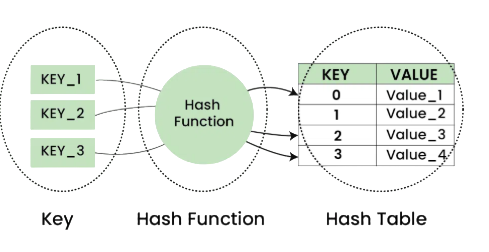
Hashing Converts Data Into Fixed-Size Values Called Hash Codes. It Enables Fast Data Retrieval. Hash Tables Use Hashing For Efficient Searches. Good Hash Functions Reduce Collisions. Hashing Is Common In Databases And Security Applications. Understanding It Improves Problem-Solving Skills. Interviewers Frequently Discuss Hashing. Hashing Enhances Performance In Many Real-Time Applications
69. What Is Exception Handling
Ans:
Exception Handling Manages Runtime Errors Gracefully. It Prevents Program Crashes And Improves Reliability. Try, Catch, And Finally Blocks Are Common Mechanisms. Proper Handling Improves User Experience. Developers Can Recover From Unexpected Situations. Understanding Exception Handling Is Important. Interviews Often Include Related Questions. Effective Exception Handling Makes Applications More Robust And Stable.
70. What Is An API?
Ans:
An API Is An Application Programming Interface That Enables Communication Between Software Systems. APIs Allow Applications To Exchange Data And Functionality. They Simplify Integration Processes. REST APIs Are Widely Used. APIs Improve Software Reusability. Understanding APIs Is Valuable. Technical Interviews Frequently Cover This Topic. APIs Play A Critical Role In Modern Software Integration.
71. What Is A REST API?
Ans:
- A REST API Is A Web Service That Follows Representational State Transfer Principles. It Uses HTTP Methods Such As GET, POST, PUT, And DELETE.
- REST APIs Enable Communication Between Applications Efficiently. They Are Lightweight And Scalable. REST APIs Commonly Exchange Data In JSON Format.
- They Simplify System Integration. Understanding REST APIs Is Important For Modern Development. REST APIs Are Widely Used In Web And Mobile Applications.
72. What Is A Web Service?
Ans:
A Web Service Is A Software Component That Allows Different Applications To Communicate Over A Network. It Facilitates Data Exchange Between Systems. Web Services Use Standard Protocols Such As HTTP And SOAP. They Improve Interoperability Across Platforms. Organizations Use Them For System Integration. Understanding Web Services Is Important. Interviewers Frequently Ask About This Topic. Web Services Enable Seamless Communication Between Distributed Applications.
73. What Are Cookies?
Ans:
Cookies Are Small Data Files Stored In A User’s Browser By Websites. They Help Remember User Preferences And Login Information. Cookies Improve User Experience During Browsing. Websites Use Them For Personalization And Tracking. Proper Cookie Management Enhances Security. Understanding Cookies Is Important For Web Development. Technical Interviews May Include Questions On Cookies. Cookies Help Websites Deliver Customized Content Efficiently.
74. What Is A Session?
Ans:
- A Session Is A Mechanism Used To Store User Information Temporarily On The Server. It Helps Maintain User State Across Multiple Requests.
- Sessions Improve Security Compared To Cookies. They Are Commonly Used For Authentication. Each Session Has A Unique Identifier.
- Understanding Sessions Is Important For Web Applications. Interviewers Often Discuss Session Management. Sessions Ensure Consistent User Interactions Across Web Pages.
75. What Is Cybersecurity?
Ans:
Cybersecurity Refers To Protecting Systems, Networks, And Data From Cyber Threats. It Helps Prevent Unauthorized Access And Attacks. Organizations Invest Heavily In Security Measures. Cybersecurity Includes Firewalls, Encryption, And Monitoring Tools. Strong Security Practices Protect Sensitive Information. Understanding Cybersecurity Is Valuable. It Is A Frequently Discussed Interview Topic. Cybersecurity Plays A Vital Role In Modern Digital Environments.
76. What Is Encryption?
Ans:
Encryption Is The Process Of Converting Readable Data Into An Encoded Format. It Protects Information From Unauthorized Access. Only Authorized Users Can Decrypt The Data. Encryption Is Widely Used In Secure Communications. It Enhances Privacy And Data Security. Understanding Encryption Is Important. Technical Interviews Often Cover Security Concepts. Encryption Helps Safeguard Sensitive Business And Personal Information.
77. What Is Authentication?
Ans:
Authentication Is The Process Of Verifying The Identity Of A User Or System. It Ensures Only Authorized Individuals Gain Access. Common Methods Include Passwords And Biometrics. Authentication Enhances Security. It Is A Critical Part Of Access Control. Understanding Authentication Is Important. Interviewers Frequently Ask Related Questions. Authentication Protects Systems From Unauthorized Usage.
78. What Is Authorization?
Ans:
Authorization Determines What Resources An Authenticated User Can Access. It Occurs After Authentication Is Completed. Authorization Helps Enforce Security Policies. Different Users May Have Different Permissions. Proper Authorization Prevents Unauthorized Actions. Understanding It Is Essential For Secure Systems. Interviews Often Include Authorization Questions. Authorization Ensures Controlled Access To Organizational Resources.
79. Write A Program To Find The Sum Of Digits Of A Number
Ans:
This Program Separates Each Digit And Adds Them Together To Find The Total Sum. It Demonstrates The Use Of Loops And Mathematical Operators. It Is Commonly Asked In Fresher Interviews.
- #include
- int main() {
- int n,s=0; scanf(“%d”,&n);
- while(n){ s+=n%10; n/=10; }
- printf(“%d”,s);
- }
80. What Is ETL?
Ans:
- ETL Stands For Extract, Transform, And Load. It Is A Process Used To Move Data From Source Systems To Data Warehouses.
- Data Is Extracted, Cleaned, And Loaded Efficiently. ETL Improves Data Quality And Consistency. Organizations Use ETL For Reporting Purposes.
- Understanding ETL Is Important. Technical Interviews Frequently Cover This Concept. ETL Enables Reliable And Accurate Data Analysis.
81. What Are The Four Pillars Of OOP?
Ans:
The Four Pillars Of OOP Are Encapsulation, Inheritance, Polymorphism, And Abstraction. These Concepts Improve Software Design And Reusability. They Help Organize Complex Programs Effectively. OOP Promotes Modular Development Practices. Most Modern Languages Support OOP Features. Understanding These Principles Is Essential. Interviews Frequently Include OOP Questions. Strong OOP Knowledge Improves Software Development Skills.
82. How Do You Reverse A String?
Ans:
A String Can Be Reversed Using Loops, Recursion, Or Built-In Functions. Reversing A String Is A Common Programming Exercise. It Tests Understanding Of String Manipulation Techniques. Efficient Solutions Improve Performance. Different Languages Provide Various Approaches. Understanding String Operations Is Important. Coding Interviews Often Include Such Questions. Practicing String Problems Enhances Programming Logic.
83. How Do You Check If A Number Is Prime?
Ans:
A Prime Number Has Only Two Factors: One And Itself. To Check Primality, Test Divisibility Up To The Square Root Of The Number. Efficient Algorithms Reduce Unnecessary Calculations. Prime Number Questions Assess Logical Thinking. They Are Common In Coding Tests. Understanding Number Theory Basics Helps. Interviews Frequently Include Prime Number Problems. Prime Logic Strengthens Mathematical Problem-Solving Skills.
84. What Is A Palindrome?
Ans:
A Palindrome Is A Word, Number, Or Sequence That Reads The Same Forward And Backward. Examples Include “Madam” And “121”. Palindrome Problems Test String And Number Manipulation Skills. They Are Common In Coding Assessments. Multiple Approaches Can Solve Such Problems. Understanding Palindromes Improves Logical Thinking. Interviewers Frequently Ask About Them. Palindrome Questions Help Evaluate Programming Fundamentals.
85. How Do You Find The Factorial Of A Number?
Ans:
- The Factorial Of A Number Is The Product Of All Positive Integers Up To That Number. It Can Be Calculated Using Loops Or Recursion. Factorials Are Used In Mathematics And Algorithms.
- Understanding Recursive Logic Helps Solve Such Problems. Factorial Questions Are Common In Coding Interviews. They Test Programming Fundamentals.
- Efficient Implementations Improve Performance. Factorials Are Important In Probability And Combinatorics.
86. What Is String Manipulation?
Ans:
String Manipulation Refers To Operations Performed On Text Data. Common Tasks Include Concatenation, Searching, Splitting, And Replacing Characters. String Handling Is Essential In Software Development. Efficient Techniques Improve Application Performance. Most Programming Languages Offer Built-In Functions. Understanding String Operations Is Important. Interviews Frequently Include String-Based Questions. Strong String Skills Enhance Coding Efficiency.
87. What Is Pattern Programming?
Ans:
Pattern Programming Involves Printing Specific Shapes Using Loops And Conditions. Common Examples Include Triangles And Pyramids. These Questions Improve Understanding Of Nested Loops. Pattern Problems Strengthen Logical Thinking Skills. They Are Frequently Asked In Coding Rounds. Regular Practice Enhances Problem-Solving Abilities. Understanding Patterns Is Beneficial. Pattern Programming Builds A Strong Foundation In Coding.
88. What Is SQL SELECT Statement?
Ans:
The SELECT Statement Is Used To Retrieve Data From A Database Table. It Is One Of The Most Common SQL Commands. SELECT Can Fetch Specific Columns Or Entire Tables. Conditions Can Be Applied Using WHERE Clauses. It Supports Sorting And Filtering Operations. Understanding SELECT Is Essential For SQL. Interviewers Frequently Ask SQL Query Questions. SELECT Enables Efficient Access To Stored Information.
89. What Is SQL WHERE Clause?
Ans:
The WHERE Clause Filters Records Based On Specified Conditions. It Helps Retrieve Only Relevant Data. WHERE Can Be Used With Comparison And Logical Operators. Proper Filtering Improves Query Efficiency. It Is Commonly Combined With SELECT Statements. Understanding WHERE Clauses Is Important. SQL Interviews Frequently Include Such Questions. WHERE Clauses Enhance Data Retrieval Precision.
90 How Does Handle Teamwork?
Ans:
- Teamwork Is Handled Through Effective Communication And Respect For Different Perspectives. Collaboration Helps Achieve Common Goals Efficiently.
- Support For Team Members Strengthens Group Performance. Active Listening Improves Understanding And Coordination.
- Positive Attitudes Build Strong Professional Relationships. Accountability And Shared Responsibility Are Important Values. Teamwork Enhances Productivity And Innovation. Successful Teams Deliver Better Outcomes Together.
91 Write A Program To Find The Factorial Of A Number
Ans:
Factorial Is The Product Of All Positive Integers Up To A Given Number. This Program Uses A Loop To Multiply Values Sequentially. It Is A Basic Yet Important Programming Question.
- #include
- int main() {
- int n,i; long long f=1; scanf(“%d”,&n);
- for(i=1;i<=n;i++) f*=i;
- printf(“%lld”,f);
- }
92. How Does Solve Problems?
Ans:
Problems Are Solved By Identifying Root Causes And Analyzing Available Information. Complex Issues Are Divided Into Smaller Manageable Parts. Logical Thinking Helps Evaluate Different Solutions. Collaboration Can Provide Additional Insights And Perspectives. Testing Ensures The Effectiveness Of Chosen Solutions. Continuous Learning Strengthens Problem-Solving Abilities. Employers Value Strong Analytical Thinking Skills. Structured Approaches Lead To Better Outcomes.
93. What Is Innovation?
Ans:
Innovation Is The Process Of Creating New Ideas Or Improving Existing Solutions. It Drives Growth And Competitive Advantage. Innovation Helps Organizations Solve Problems Effectively. Creativity And Critical Thinking Support Innovative Outcomes. Technological Advancements Often Result From Innovative Approaches. Businesses Encourage Innovation To Remain Competitive. Understanding Innovation Is Important For Professional Success. Innovation Contributes To Long-Term Organizational Growth.
94. What Is Scrum?
Ans:
Scrum Is An Agile Framework Used For Managing Software Projects. It Organizes Work Into Short Iterations Called Sprints. Scrum Promotes Team Collaboration And Accountability. Roles Include Scrum Master And Product Owner. Regular Meetings Improve Communication. Scrum Enhances Project Flexibility. Interviewers Often Ask About Scrum. Scrum Helps Teams Deliver Incremental Business Value Efficiently.
95. What Is The Difference Between SQL And NoSQL Databases?
Ans:
SQL Databases Store Data In Structured Tables With Fixed Schemas. NoSQL Databases Handle Unstructured Or Semi-Structured Data. SQL Uses Relationships Between Tables. NoSQL Offers Greater Flexibility And Scalability. Examples Of SQL Databases Include MySQL And PostgreSQL. Examples Of NoSQL Databases Include MongoDB And Cassandra. Understanding Database Types Is Important. Both Are Widely Used In Modern Applications.
96. What Is A Deadlock In Operating Systems?
Ans:
- A Deadlock Occurs When Multiple Processes Wait Indefinitely For Resources Held By Each Other. This Situation Prevents Program Execution From Continuing.
- Deadlocks Reduce System Performance. Resource Allocation Must Be Managed Carefully. Prevention And Detection Techniques Are Commonly Used.
- Understanding Deadlocks Is Essential For Operating System Concepts. Interviewers Frequently Ask About This Topic. Proper Handling Improves System Efficiency.
97. What Is Multithreading?
Ans:
Multithreading Allows Multiple Threads To Execute Within A Single Process. Threads Share Resources While Performing Different Tasks. This Improves Application Performance And Responsiveness. Multithreading Is Common In Modern Software Development. Proper Synchronization Prevents Data Conflicts. It Enhances Resource Utilization Efficiently. Understanding Multithreading Is Important. Technical Interviews Frequently Cover This Concept.
98. What Is A Constructor?
Ans:
A Constructor Is A Special Method Used To Initialize Objects In Object-Oriented Programming. It Is Automatically Invoked When An Object Is Created. Constructors Help Assign Initial Values To Variables. They Improve Code Organization And Readability. Different Types Include Default And Parameterized Constructors. Constructors Simplify Object Initialization. Understanding Constructors Is Important. They Are Frequently Asked In OOP Interviews.
99. What Is Method Overloading?
Ans:
Method Overloading Allows Multiple Methods To Have The Same Name With Different Parameters. It Improves Code Readability And Reusability. The Compiler Determines Which Method To Execute Based On Arguments. Overloading Is An Example Of Compile-Time Polymorphism. It Simplifies Program Design. Many Programming Languages Support This Feature. Understanding Overloading Is Essential. Interview Questions Often Cover This Topic
100. What Is Method Overriding?
Ans:
Method Overriding Occurs When A Child Class Provides Its Own Implementation Of A Parent Class Method. It Supports Runtime Polymorphism. Overriding Allows Specialized Behavior In Derived Classes. The Method Signature Must Remain The Same. It Improves Flexibility In Object-Oriented Programming. Understanding Overriding Is Important. It Is Frequently Asked In Technical Interviews. Overriding Enhances Code Extensibility.

![Top Informatica Interview Questions & Answers – [UPDATED] Interview Question](https://www.acte.in/wp-content/uploads/2020/05/4-img-acte-1.jpeg.webp)