LMS
LMS
Last updated on 16th Apr 2026| 7480

Campus placements at :contentReference[oaicite:0]{index=0} provide excellent career opportunities for freshers looking to start their journey in the IT industry. As one of India’s leading technology and consulting companies, Infosys is known for its structured recruitment process, strong training programs, and global exposure. Fresh graduates from engineering and other technical backgrounds actively prepare for these interviews to secure roles in software development, testing, and IT services. To help you succeed, we have compiled a comprehensive set of Infosys Campus Placement Interview Questions for Freshers, giving you clear insights into the interview pattern and boosting your confidence for placement success. Let’s get started!
1. What is Infosys and why is it preferred by freshers?
Ans:
Infosys is a globally recognized technology services organization known for consulting, software development, and digital transformation solutions. The company is preferred by freshers because it offers structured training programs and strong learning opportunities after recruitment. Infosys provides exposure to enterprise projects, professional work culture, and long-term career growth pathways. Its reputation for ethics, innovation, and employee development makes it highly respected in the industry. Joining Infosys is considered an excellent beginning for graduate careers.
2. How to prepare for Infosys campus placement interviews?
Ans:
- Revising aptitude concepts such as quantitative ability, logical reasoning, verbal communication, and puzzle solving helps build strong campus placement readiness effectively. These areas are commonly tested in early screening rounds regularly. Strong basics improve performance greatly.
- Practicing common HR questions including self introduction, strengths, teamwork, goals, and adaptability improves interview confidence significantly. Prepared responses reduce hesitation during final interviews. Confidence creates better impressions.
- Preparing technical fundamentals like programming basics, DBMS, networking, and operating system concepts strengthens overall fresher profile greatly. Technical awareness supports better discussion quality. Balanced preparation is valuable.
- Understanding resume details, academic projects, and company background creates stronger performance in final interview rounds consistently. Interviewers often ask resume-based questions directly. Good preparation improves success chances.
3. What is importance of self introduction in campus interviews?
Ans:
Self introduction is important because it creates the first personal impression during the interview process. It allows candidates to summarize education, strengths, skills, and project experience clearly. A structured introduction reflects confidence, communication ability, and professional readiness immediately. Interviewers often use this answer to guide the remaining conversation topics. Strong self introduction improves overall interview momentum significantly.
4. How to give a strong self introduction?
Ans:
- Starting with name, academic qualification, and educational background creates a professional and organized opening response immediately. This gives interviewers clear context from the beginning. Good openings create confidence.
- Mentioning technical skills, certifications, and project exposure adds practical value beyond academic marks alone significantly. Skill-based details make the introduction stronger. Practical exposure is attractive to recruiters.
- Including strengths such as discipline, adaptability, teamwork, or quick learning improves personal image effectively. Relevant strengths connect well with workplace expectations. This increases credibility.
- Ending with career interest and enthusiasm for the opportunity creates a polished conclusion naturally. Positive endings leave memorable impressions. Professional tone matters greatly.
5. What are common strengths for freshers in placements?
Ans:
Common strengths for freshers include learning attitude, communication skills, teamwork, adaptability, and time management discipline. These qualities matter because campus hiring often focuses on potential rather than prior experience. Recruiters appreciate candidates who show responsibility and willingness to improve continuously. Relevant strengths should connect with workplace expectations and organizational culture. Choosing realistic strengths creates stronger credibility in interviews.
6. How to answer strengths questions effectively?
Ans:
- Selecting strengths related to workplace success such as punctuality, teamwork, and communication creates relevance immediately. Job-related strengths appear more practical to recruiters. Relevance improves impact.
- Supporting strengths with examples from academics or projects increases authenticity and interviewer confidence significantly. Real examples make answers believable and stronger. Evidence builds trust.
- Avoiding exaggerated claims helps maintain consistency during follow-up questions effectively. Unrealistic claims may create doubt quickly. Honest answers are safer.
- Delivering answers calmly and professionally creates balanced positive impression naturally. Good tone and body language support your words. Professional delivery matters.
7. What are safe weaknesses to mention in interviews?
Ans:
Safe weaknesses are manageable areas that do not damage core job suitability or trustworthiness. Examples include nervousness in presentations, over-focusing on details, or hesitation in public speaking. The best answers include active steps being taken for improvement consistently. Interviewers usually value honesty and growth mindset more than the weakness itself. Well-chosen weaknesses can create mature professional impression significantly.
8. How to answer weakness questions professionally?
Ans:
- Mentioning a genuine but manageable weakness demonstrates honesty and self-awareness during interview discussions. Recruiters appreciate realistic self-evaluation. Honesty creates maturity.
- Explaining improvement actions such as practice, feedback, or training converts weakness into progress story effectively. Growth mindset matters more than perfection. Improvement plans add value.
- Avoiding critical weaknesses like poor teamwork or irresponsibility protects candidate image significantly. Serious negative traits can reduce trust quickly. Safe choices are important.
- Keeping the response brief, calm, and solution-oriented creates stronger HR impact naturally. Short clear answers sound professional. Positive framing helps greatly.
9. What is importance of communication skills for Infosys roles?
Ans:
Communication skills are important because employees regularly interact with teams, managers, and clients globally. Clear communication supports meetings, updates, documentation, and understanding project requirements effectively. Interviewers assess speaking confidence, listening ability, and clarity in every round carefully. Even technically strong candidates gain advantage through better communication quality. Strong communication significantly improves campus placement success chances.
10. Write a program for communication score average.
Ans:
This example calculates average communication practice score.
- #include <stdio.h>
- int main() {
- int speaking=80, grammar=75, confidence=85;
- float avg;
- avg=(speaking+grammar+confidence)/3.0;
- printf(“Average Score = %.2f”, avg);
- return 0;
- }
In this example, the program calculates communication score average.
11. What is importance of resume in campus placements?
Ans:
A resume is the first professional summary reviewed by recruiters before interview interaction begins. It presents education, technical skills, projects, internships, certifications, and achievements clearly. Interviewers often ask questions directly from resume content during rounds. Accurate and clean formatting reflects seriousness and professionalism strongly. A strong resume improves shortlisting and interview opportunities significantly.
12. How to prepare a fresher resume properly?
Ans:
- Including sections for education, skills, projects, internships, and achievements creates proper professional structure. Organized resumes are easier for recruiters to review. Structure improves readability.
- Highlighting relevant tools, technologies, and certifications increases suitability for IT roles significantly. Technical relevance strengthens shortlisting chances. Skills matter greatly.
- Using simple formatting with no grammar mistakes improves readability effectively. Clean resumes create stronger first impressions. Presentation is important.
- Keeping information truthful and updated builds confidence during resume-based questions naturally. Accurate content avoids confusion later. Honesty is essential.
13. What is importance of academic marks in campus hiring?
Ans:
Academic marks often help in eligibility screening and indicate learning consistency during education. Strong marks may create positive first impressions regarding discipline and study habits. However, marks alone do not guarantee selection without interview performance. Average marks can still succeed through communication and preparation strength. Balanced profile development matters more than marks alone significantly.
14. How to answer low marks questions positively?
Ans:
- Acknowledging marks honestly while focusing on improvement creates mature professional response immediately. Honest ownership shows responsibility. Positive framing matters.
- Mentioning stronger skills such as projects, certifications, or communication balances concerns effectively. Broader strengths improve overall profile. Skills can offset marks.
- Explaining growth in later semesters demonstrates progress and determination significantly. Improvement trends show learning attitude. Progress impresses recruiters.
- Maintaining confidence without excuses creates stronger interviewer respect naturally. Calm maturity creates positive perception. Confidence is valuable.
15. What is importance of teamwork in Infosys jobs?
Ans:
Teamwork is essential because most enterprise projects involve collaboration across multiple departments. Developers, testers, analysts, and managers often coordinate to deliver solutions successfully. Candidates with teamwork ability adapt faster in professional project environments. Recruiters value cooperation, communication, and respectful coordination strongly. Strong teamwork skills improve long-term career opportunities significantly.
16. How to answer teamwork questions effectively?
Ans:
- Sharing academic project examples with shared responsibilities demonstrates practical teamwork exposure clearly. Real examples prove collaboration skills effectively. Examples are powerful.
- Mentioning communication with teammates reflects collaborative attitude effectively during interviews. Good communication is central to teamwork success. Recruiters value this.
- Explaining conflict resolution through calm discussion improves maturity perception significantly. Mature handling of issues shows professionalism. Calmness matters.
- Highlighting successful team outcomes creates stronger answer impact naturally. Results make teamwork stories more convincing. Outcomes build credibility.
17. What is importance of adaptability for fresh graduates?
Ans:
Adaptability is important because fresh graduates often enter new environments, tools, and workflows quickly. Companies prefer candidates who learn and adjust smoothly without resistance to change. Adaptable employees usually perform better during training and project transitions. This quality also supports relocation and shift flexibility when required. Adaptability is highly valued in campus placement hiring significantly.
18. How to show adaptability during interviews?
Ans:
- Mentioning examples of learning new software or handling changes shows flexibility effectively. Real adaptation stories strengthen credibility greatly. Examples work well.
- Showing willingness for relocation or different teams reflects professional adaptability strongly. Flexibility supports business needs. Recruiters appreciate openness.
- Expressing interest in continuous learning improves fresher profile significantly. Learning attitude is highly valued in freshers. Growth mindset matters.
- Using positive and calm language builds recruiter confidence naturally. Good tone supports strong answers. Communication influences perception.
19. What is importance of punctuality in professional careers?
Ans:
Punctuality reflects discipline, reliability, and respect for organizational schedules consistently. Employees who are punctual help maintain meetings, deadlines, and workflow efficiency. Interviewers often connect punctual behavior with seriousness and responsibility. Even interview arrival timing influences first impressions strongly. Punctuality remains a valuable workplace habit significantly.
20. How to maintain punctual habits consistently?
Ans:
- Planning tasks in advance helps avoid delays and improves daily discipline effectively. Preparation reduces last-minute stress greatly. Planning supports punctuality.
- Setting reminders for deadlines and meetings strengthens punctual behavior significantly. Alerts help maintain consistency. Tools can improve habits.
- Keeping buffer time for travel or online setup reduces last-minute risks naturally. Extra time prevents avoidable delays. Smart planning matters.
- Following stable routines supports long-term punctuality and reliability strongly. Good habits create consistency over time. Discipline builds trust.
21. What is the difference between Confidence and Overconfidence?
Ans:
| Criteria | Confidence | Overconfidence |
|---|---|---|
| Meaning | Belief based on preparation. | Belief without realistic basis. |
| Behavior | Calm and respectful. | Arrogant or careless. |
| Result | Improves performance. | Can create mistakes. |
| Interview Impact | Creates positive impression. | May reduce trust. |
22. How to build confidence before placement rounds?
Ans:
- Revising important topics thoroughly removes uncertainty and builds stronger readiness significantly. Preparation is the foundation of real confidence. Knowledge reduces fear.
- Practicing common interview questions improves speaking confidence effectively over time. Familiarity helps smoother responses. Practice is powerful.
- Taking mock interviews helps normalize pressure and panel interaction naturally. Repeated exposure reduces nervousness. Simulation builds comfort.
- Proper rest, neat appearance, and positive mindset support confidence strongly. Physical readiness affects performance greatly. Mindset matters too.
23. What is importance of HR round in Infosys placements?
Ans:
The HR round evaluates communication style, attitude, cultural fit, and long-term commitment. Questions often cover goals, strengths, weaknesses, relocation, and teamwork scenarios. This round helps identify whether candidates can work professionally in corporate environments. Strong technical performance should be supported by positive HR interaction. Preparing HR questions is essential for final selection success significantly.
24. How to prepare for HR round effectively?
Ans:
- Practicing common personal questions helps maintain structure and calmness during interviews significantly. Familiar answers reduce stress greatly. Preparation improves flow.
- Using honest and positive responses builds trust with recruiters effectively. Authentic communication is always valuable. Honesty creates respect.
- Avoiding negative comments about past experiences preserves professional image naturally. Positive tone reflects maturity. Professionalism matters.
- Maintaining smile, eye contact, and respectful tone improves HR round impact strongly. Body language influences impressions greatly. Good presence helps success.
25. What are final tips for Infosys campus interview success?
Ans:
Success in campus interviews depends on communication, confidence, aptitude, and technical basics preparation. Strong resume knowledge, project clarity, and positive attitude improve performance significantly. Calm behavior and structured answers create positive impressions throughout rounds consistently. Learning mindset and professionalism are highly valued for fresh graduates entering organizations. Balanced preparation provides the best path toward Infosys selection success.
26. What is importance of positive attitude in campus interviews?
Ans:
A positive attitude creates a strong impression because organizations prefer candidates who bring energy and constructive mindset. Interviewers often observe attitude through tone, expressions, and reactions to challenging questions carefully. Positive candidates are usually seen as cooperative, trainable, and suitable for team environments. This quality also helps in handling pressure and adapting during early career stages smoothly. A positive attitude significantly improves placement success chances.
27. How to show positive attitude during interviews?
Ans:
- Speaking enthusiastically about learning opportunities and career growth creates a stronger professional image immediately. Positive energy is noticeable to interviewers. Enthusiasm matters.
- Responding calmly to difficult questions reflects emotional maturity and balanced thinking effectively. Calm reactions show professionalism. Pressure handling is valuable.
- Using respectful language, composed gestures, and natural smile improves interviewer perception significantly. Nonverbal behavior shapes impressions strongly. Good manners help.
- Avoiding complaints or excuses helps maintain constructive and growth-oriented impression naturally. Positive framing supports maturity. Attitude influences selection.
28. What is importance of problem solving ability in placements?
Ans:
Problem solving ability is valuable because workplace tasks often involve challenges requiring logical solutions. Recruiters prefer candidates who analyze situations instead of becoming confused under pressure. Even freshers are expected to think clearly and contribute useful ideas. This skill supports productivity, teamwork, and smoother project execution in organizations. Strong problem solving ability increases employability significantly.
29. How to improve problem solving skills for interviews?
Ans:
- Practicing aptitude questions, puzzles, and reasoning exercises regularly strengthens logical thinking habits effectively. Repetition improves analytical speed greatly. Practice builds skill.
- Breaking large problems into smaller manageable parts improves clarity and solution accuracy significantly. Stepwise thinking reduces confusion. Structured logic helps success.
- Comparing multiple solutions to one challenge develops stronger analytical judgment naturally. Better options become easier to identify. Comparison improves thinking.
- Reviewing mistakes and better methods creates continuous improvement in decision-making ability steadily. Learning from errors is powerful. Reflection supports growth.
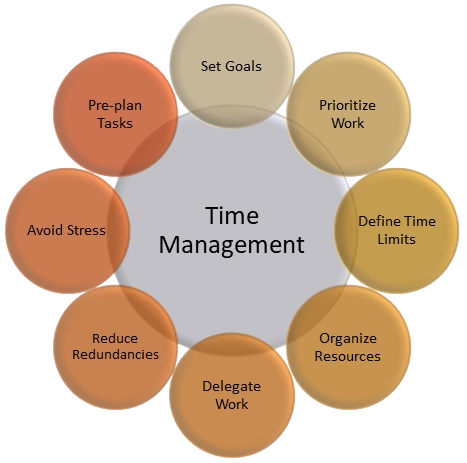
30. What is importance of time management in jobs?
Ans:
Time management is essential because professional tasks must be completed within schedules and deadlines consistently. Employees who manage time well maintain productivity without reducing quality standards. This skill helps balance assignments, meetings, learning, and reporting responsibilities efficiently. Interviewers value candidates who appear organized and disciplined in work habits. Strong time management supports career growth significantly.
31. How to improve time management habits?
Ans:
- Creating daily task lists with clear priorities helps maintain focus on important responsibilities effectively. Priorities prevent wasted effort. Planning increases efficiency.
- Dividing larger assignments into smaller milestones improves tracking and reduces delay risks significantly. Smaller goals are easier to complete. Progress becomes measurable.
- Avoiding unnecessary distractions such as excessive mobile usage increases productivity naturally. Focused work saves valuable time. Discipline is important.
- Reviewing completed work regularly helps refine planning methods for better future performance steadily. Reflection improves habits continuously. Improvement creates long-term success.
32. What is importance of learning attitude for freshers?
Ans:
Learning attitude is highly important because campus recruits receive training after selection. Candidates willing to learn new technologies and processes adapt faster in project environments. This quality also reflects curiosity, humility, and long-term growth potential strongly. Recruiters often choose trainable candidates even over average performers. Strong learning attitude greatly improves hiring opportunities significantly.
33. How to show learning attitude in interviews?
Ans:
- Mentioning interest in new technologies, certifications, and skill development creates recruiter confidence quickly. It shows enthusiasm for continuous growth and future readiness clearly. Recruiters value proactive learners highly.
- Sharing examples of self-learning through courses or projects demonstrates initiative effectively. Real actions prove that the candidate learns independently without constant guidance. This creates a strong impression.
- Expressing comfort with training programs and changing business needs reflects adaptability strongly. Companies prefer candidates who adjust smoothly to evolving requirements. Flexibility improves employability.
- Asking thoughtful questions about growth opportunities leaves positive final impression naturally. Smart questions show seriousness about career development and learning mindset. This adds maturity to the interview.
34. What is importance of discipline in corporate life?
Ans:
Discipline is important because companies depend on consistency, responsibility, and dependable employee behavior daily. Disciplined professionals meet deadlines, follow processes, and maintain quality with limited supervision. This quality builds trust with managers and improves team coordination significantly. Interviewers often connect discipline with long-term workplace reliability. Strong discipline supports sustained career success greatly.
35. How to demonstrate discipline in interviews?
Ans:
- Arriving on time or joining online rounds early reflects seriousness and respect immediately. Punctuality creates a positive first impression before the interview begins. It signals professionalism.
- Giving structured answers calmly shows organized thinking and responsible communication habits clearly. Disciplined candidates usually speak in a balanced and prepared manner. This builds confidence in recruiters.
- Mentioning regular preparation routines indicates commitment and self-management effectively. Daily planning habits show reliability and focus. Consistency is highly valued.
- Maintaining neat appearance and professional behavior strengthens disciplined image significantly. Presentation often influences how recruiters judge workplace readiness. Professional conduct matters greatly.
36. What is importance of project knowledge in placements?
Ans:
Project knowledge is important because interviewers use academic projects to judge practical understanding. Candidates should know objectives, tools used, contribution, and challenges faced during execution. Clear project explanation shows communication skills and technical involvement strongly. Weak project knowledge may create doubts regarding actual participation. Strong project clarity improves fresher credibility significantly.
37. How to prepare project explanation properly?
Ans:
- Preparing summary covering objective, technology used, process flow, and outcome creates structured explanation quality. Organized summaries make project discussions easy to follow clearly. Structure improves confidence.
- Understanding personal role and responsibilities helps answer contribution-based questions confidently. Interviewers often ask what the candidate specifically handled. Clear ownership adds credibility.
- Revising challenges faced and solutions applied adds maturity and practical value significantly. Problem-solving examples make projects more realistic and impressive. Real learning matters.
- Practicing concise delivery improves communication during technical and HR rounds effectively. Short clear explanations maintain interviewer attention naturally. Good delivery creates impact.
38. What is importance of teamwork examples in interviews?
Ans:
Teamwork examples help interviewers understand collaboration ability through real situations rather than theory. Good examples may come from projects, events, internships, or volunteer activities. Such answers reveal communication, supportiveness, and conflict management qualities clearly. Organizations rely heavily on teams for project success and service delivery. Strong teamwork examples improve placement chances significantly.
39. How to answer teamwork scenario questions?
Ans:
- Describing shared goals and coordinated responsibilities creates practical context for interviewers clearly. It shows the candidate understands collective success and role clarity. Team orientation matters.
- Mentioning communication methods used with teammates demonstrates workplace relevance effectively. Good communication is central to successful collaboration. Recruiters appreciate practical examples.
- Explaining conflict resolution through calm discussion reflects maturity strongly. Teams often face disagreements, so peaceful handling is valuable. This shows emotional balance.
- Highlighting successful results gives stronger impact to the overall response significantly. Outcomes make teamwork stories more convincing and memorable. Results strengthen answers.
40. What is importance of adaptability in Infosys roles?
Ans:
Adaptability matters because service companies may change technologies, teams, or priorities quickly. Freshers who adjust smoothly usually perform better during training and deployment stages. Adaptable employees manage organizational change with less resistance and higher productivity. Recruiters value flexibility because it reduces transition difficulties in dynamic environments. Strong adaptability increases hiring potential significantly.
41. How to improve adaptability skills?
Ans:
- Learning different tools and basic technologies creates comfort with change in workplaces. Exposure to variety reduces fear of new systems clearly. Broader learning helps adaptation.
- Participating in varied academic or extracurricular tasks builds flexibility through experience effectively. Different situations train the mind to adjust faster. Experience creates confidence.
- Maintaining open mindset toward feedback and process changes improves adjustment ability significantly. Accepting improvement suggestions helps growth continuously. Openness is powerful.
- Focusing on solutions rather than resistance helps adaptation happen faster naturally. Positive thinking supports smoother transitions and better performance. Attitude matters greatly.
42. What is importance of listening skills in interviews?
Ans:
Listening skills are essential because correct answers depend on understanding questions fully first. Candidates who listen carefully avoid irrelevant answers and repeated misunderstandings. Good listening also reflects patience, respect, and communication maturity professionally. Interviewers appreciate candidates who engage thoughtfully instead of rushing responses. Strong listening skills improve interview quality significantly.
43. How to improve listening skills quickly?
Ans:
- Practicing attentive conversations daily helps build stronger focus during interactions naturally. Regular habits improve concentration over time clearly. Practice strengthens listening.
- Waiting briefly before answering ensures complete understanding of questions effectively. Small pauses reduce rushed and irrelevant responses. Thoughtful replies create better impact.
- Politely requesting repetition when unclear prevents wrong answers and confusion significantly. Clarification shows maturity rather than weakness. Accuracy is important.
- Reducing distractions and maintaining concentration improves listening performance steadily. Better attention leads to stronger communication quality naturally. Focus is essential.
44. What is importance of honesty in HR rounds?
Ans:
Honesty is important because recruiters evaluate trustworthiness along with skills and attitude. False claims about knowledge or achievements often fail during follow-up questioning quickly. Truthful responses about strengths, weaknesses, and learning areas create mature impressions. Organizations prefer dependable candidates who communicate transparently in workplaces. Honesty strongly supports long-term career growth significantly.
45. How to answer honestly with confidence?
Ans:
- Sharing real achievements and actual skills creates credibility that recruiters can trust immediately. Genuine answers build stronger professional image clearly. Trust is valuable.
- Admitting limited knowledge while expressing willingness to learn shows maturity effectively. Honest humility is better than false confidence. Recruiters respect trainable candidates.
- Avoiding exaggerated statements prevents contradictions during deeper questioning rounds significantly. Consistency in answers increases reliability. This protects credibility.
- Delivering truthful answers calmly maintains confidence and professionalism together naturally. Honest communication with steady tone creates positive impressions. Balance is important.
46. What is importance of technical basics in placements?
Ans:
Technical basics are important because entry-level IT roles require foundational understanding. Common topics include programming, DBMS, networking, and operating system concepts. Interviewers use basics to evaluate learning capacity and academic seriousness. Strong fundamentals make future corporate training easier and faster. Technical preparation significantly improves placement opportunities greatly.
47. How to prepare technical subjects effectively?
Ans:
- Revising definitions, concepts, and frequently asked topics builds strong technical confidence steadily. Clear fundamentals make interviews easier to handle. Basics are the foundation.
- Using short notes and diagrams improves memory retention and revision speed effectively. Visual summaries help quick preparation before rounds. Smart revision saves time.
- Practicing simple coding and output questions adds practical value significantly. Application-based practice improves logical clarity. Practice builds confidence.
- Explaining concepts aloud helps improve clarity for technical interview rounds naturally. Speaking practice makes responses smoother and stronger. Communication matters too.
48. What is importance of confidence in final rounds?
Ans:
Confidence in final rounds is critical because recruiters evaluate readiness for workplace entry. Candidates with calm confidence communicate strengths more effectively and clearly. This quality helps handle panel questions and pressure situations smoothly. Confidence should come from preparation rather than overconfidence. Strong confidence improves final round success probability significantly.
49. How to maintain confidence in final round?
Ans:
- Revising achievements, project work, and preparation effort builds natural confidence strongly. Remembering past efforts creates self-belief clearly. Preparation supports calmness.
- Keeping breathing steady and posture upright improves calmness and presence effectively. Body language influences confidence levels greatly. Good posture helps performance.
- Listening carefully and answering step by step reduces panic significantly. Structured thinking controls nervousness in pressure moments. Calm process works well.
- Treating the round as conversation supports stronger performance naturally. Friendly mindset reduces fear and improves fluency. Interviews become easier.
50. What are final tips for Infosys campus placement success?
Ans:
Final success depends on balanced preparation across aptitude, communication, and technical basics. Candidates should know resume details, projects, and common HR responses thoroughly. Professional behavior, punctuality, and calm confidence create powerful impressions consistently. Consistent practice and positive mindset help convert preparation into performance. Disciplined effort provides the strongest path toward Infosys selection success.
51. What is importance of aptitude round in Infosys hiring?
Ans:
The aptitude round is important because it helps recruiters measure numerical ability, logical thinking, and verbal understanding quickly. Many campus drives use aptitude tests to shortlist candidates before technical and HR rounds begin. Strong aptitude scores reflect analytical mindset and ability to handle structured tasks efficiently. This round often includes quantitative aptitude, reasoning, and language sections together. Good aptitude preparation significantly improves hiring progression chances.
52. How to prepare aptitude round effectively?
Ans:
- Practicing percentages, ratios, averages, profit and loss, and time calculations regularly builds stronger numerical confidence steadily. Repeated solving improves speed and accuracy clearly. Strong basics are essential.
- Solving reasoning puzzles, coding-decoding, arrangements, and pattern questions improves logical speed significantly. These topics train the mind for structured thinking. Logic rounds become easier.
- Reading comprehension passages and grammar exercises strengthen verbal communication test performance effectively. Language skills support multiple hiring stages. Verbal strength adds advantage.
- Attempting timed mock tests regularly improves speed, concentration, and pressure handling skills greatly. Simulated exams build readiness naturally. Practice creates confidence.
53. What is the difference between Verbal Ability and Communication Skills?
Ans:
| Criteria | Verbal Ability | Communication Skills |
|---|---|---|
| Meaning | Language knowledge and grammar ability. | Ability to express ideas clearly. |
| Focus | Vocabulary, grammar, comprehension. | Speaking, listening, writing. |
| Use | Used in aptitude tests. | Used in interviews and workplace. |
| Result | Improves test performance. | Improves professional interaction. |
54. How to improve verbal ability quickly?
Ans:
- Reading newspapers, editorials, and professional articles daily improves vocabulary and sentence understanding steadily. Regular reading builds awareness of quality language clearly. This improves fluency.
- Practicing grammar topics such as tenses, articles, and prepositions increases accuracy effectively. Strong grammar reduces common communication mistakes significantly. Accuracy creates confidence.
- Solving comprehension passages helps develop reading speed and interpretation ability significantly. Better comprehension improves test performance. Practice is valuable.
- Speaking regularly in English builds confidence and practical fluency naturally over time. Verbal practice converts knowledge into real communication skill. Consistency matters.
55. What is importance of logical reasoning skills?
Ans:
Logical reasoning skills are valuable because many technical and business tasks require structured thinking. These skills help candidates analyze information, identify patterns, and make accurate decisions quickly. Recruiters use reasoning rounds to evaluate mental sharpness and problem-solving capability. Strong logical ability also supports coding and troubleshooting in IT environments. Reasoning preparation improves overall placement readiness significantly.
56. How to prepare logical reasoning topics?
Ans:
- Practicing puzzles involving arrangements, blood relations, syllogisms, and directions builds reasoning confidence strongly. These topics sharpen structured thinking clearly. Regular practice helps greatly.
- Solving pattern recognition and series completion questions improves analytical speed effectively over time. Faster recognition increases test efficiency significantly. Speed matters.
- Learning shortcut methods for elimination saves time during competitive rounds significantly. Smart methods improve attempts within limited time. Efficiency gives advantage.
- Attempting sectional mock tests helps identify weak reasoning areas for focused improvement naturally. Analysis helps targeted growth. Mocks build readiness.
57. What is importance of programming basics for freshers?
Ans:
Programming basics are important because many entry-level IT roles require coding logic understanding. Topics like variables, loops, conditions, arrays, and functions are commonly asked in interviews. Strong basics make advanced learning easier during corporate training programs. Interviewers often use simple coding questions to test logical clarity and confidence. Programming fundamentals greatly improve placement opportunities significantly.
58. Write a program for factorial of a number.
Ans:
This example calculates factorial using loop logic.
- #include <stdio.h>
- int main() {
- int n=5, i, fact=1;
- for(i=1;i<=n;i++)
- fact=fact*i;
- printf(“Factorial = %d”, fact);
- return 0;
- }
In this example, the program calculates factorial of 5.
59. What is importance of database basics in interviews?
Ans:
Database basics are important because almost every software application stores and manages information. Interviewers often ask tables, keys, normalization, joins, and SQL fundamentals regularly. Candidates with database understanding appear more prepared for enterprise projects. Strong DBMS knowledge also supports backend learning during training programs. Database basics significantly strengthen fresher technical profiles.
60. How to prepare database topics effectively?
Ans:
- Learning concepts such as primary key, foreign key, relationships, and normalization builds foundation strongly. These are common theory topics in interviews clearly. Fundamentals matter.
- Practicing SQL queries for select, insert, update, delete, and joins improves readiness effectively. Query practice gives practical confidence significantly. Hands-on learning is useful.
- Understanding differences between DBMS and RDBMS helps answer theory questions confidently. Comparison questions are asked frequently in interviews. Clear concepts help.
- Revising real-world examples adds practical value to database interview responses significantly. Business examples make answers stronger and more memorable. Practical thinking matters.
61. What is importance of networking basics for placements?
Ans:
Networking basics are useful because modern systems communicate across devices and locations continuously. Interviewers may ask IP address, DNS, protocols, HTTP, and client-server concepts frequently. This knowledge shows awareness of how applications connect and exchange information. Networking fundamentals are valuable in support, cloud, and infrastructure roles. Basic networking preparation improves technical confidence significantly.
62. How to prepare networking concepts properly?
Ans:
- Studying IP address, router, switch, DNS, and bandwidth builds essential understanding steadily. These core concepts explain how devices connect and exchange data daily. Strong fundamentals make advanced networking topics easier to understand.
- Learning protocols like HTTP, HTTPS, FTP, and TCP/IP improves interview readiness effectively. These protocols are widely used in websites, file transfers, and secure communication. Understanding them increases confidence during technical interviews.
- Using diagrams to understand data flow helps retain concepts more clearly significantly. Visual learning makes packet movement, routing, and communication paths easier to remember. Diagrams also simplify complex networking topics during revision.
- Revising practical internet examples makes networking answers stronger and relatable naturally. Real examples connect theory with browsing, applications, and online services daily. This method improves explanation skills and long-term memory.
63. What is importance of operating system basics?
Ans:
Operating system basics are important because all computing devices depend on resource management software. Topics such as process, memory, scheduling, multitasking, and file systems are commonly asked. Candidates who know OS basics demonstrate stronger computer science foundation overall. This knowledge also helps in troubleshooting and system-level understanding later. Operating system preparation improves technical credibility significantly.
64. How to prepare operating system topics?
Ans:
- Learning concepts such as process management, threads, and scheduling builds strong clarity steadily. These topics explain how tasks run and share CPU resources efficiently. Strong basics improve interview confidence.
- Understanding memory allocation, virtual memory, and deadlock basics improves technical depth effectively. These concepts are important for performance and stability in computer systems. Deeper understanding creates stronger answers.
- Comparing operating systems like Windows, Linux, and Unix adds practical relevance significantly. Real-world comparisons show awareness of different environments and usage scenarios. Practical knowledge impresses interviewers.
- Revising common interview questions improves confidence during technical discussions naturally. Repeated practice helps faster recall and clearer explanations under pressure. Revision strengthens long-term memory.
65. What is importance of email etiquette in companies?
Ans:
Email etiquette is important because professional communication often happens through formal written messages daily. Poor emails may create confusion, delays, or negative professional impressions unnecessarily. Recruiters value candidates who understand subject lines, polite tone, and structured writing. Good email habits improve coordination with teams, managers, and clients significantly. Email etiquette supports strong workplace professionalism greatly.
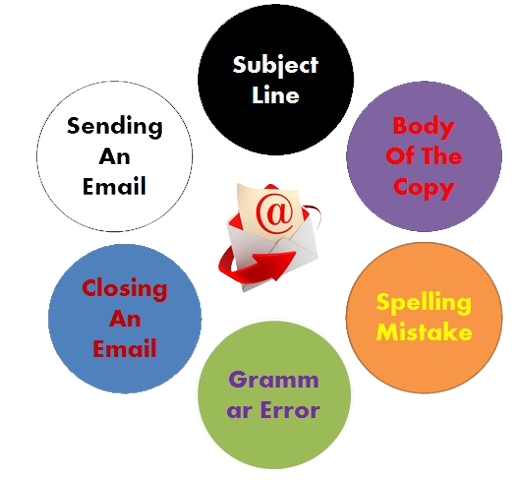
66. How to improve professional email writing?
Ans:
- Using clear subject lines helps recipients understand purpose and urgency immediately. Strong subject lines save time and improve response speed clearly. They create professional communication.
- Writing short, polite, and structured content improves readability and communication efficiency greatly. Simple paragraphs make emails easier to understand quickly. Clear writing avoids confusion.
- Checking grammar, spelling, and attachments prevents avoidable mistakes significantly. Error-free emails reflect care and professionalism strongly. Final review is very important.
- Ending with respectful closing lines creates polished professional impression naturally. Courteous endings show maturity and business etiquette clearly. They leave positive impact.
67. What is importance of professional appearance in interviews?
Ans:
Professional appearance matters because first impressions are often formed before conversation begins. Neat dressing and grooming reflect seriousness, discipline, and respect for opportunity. Candidates with professional appearance usually seem more confident and organized. This does not require expensive clothing but clean and appropriate presentation. Good appearance positively supports interview perception significantly.
68. How to prepare interview appearance properly?
Ans:
- Choosing clean, formal, and comfortable attire helps create immediate professional presence effectively. Suitable clothing increases confidence and comfort clearly. First impressions become stronger.
- Maintaining proper grooming such as neat hair and polished shoes improves presentation strongly. Grooming shows attention to detail and discipline significantly. It reflects readiness.
- Avoiding distracting accessories or overly casual clothing preserves seriousness significantly. Simple appearance keeps focus on skills and communication clearly. Professional balance matters.
- Keeping documents organized and posture confident completes professional image naturally. Preparedness and body language enhance appearance strongly. Overall impression improves greatly.
69. What is the difference between Body Language and Verbal Communication?
Ans:
| Criteria | Body Language | Verbal Communication |
|---|---|---|
| Meaning | Communication through posture and gestures. | Communication through spoken words. |
| Medium | Non-verbal signals. | Speech and language. |
| Examples | Eye contact, smile, posture. | Answers, tone, explanations. |
| Impact | Creates first impression. | Shows knowledge and clarity. |
70. How to improve interview body language?
Ans:
- Sitting upright with relaxed shoulders creates confident and attentive presence immediately. Good posture signals discipline and readiness clearly. It improves perception strongly.
- Maintaining balanced eye contact while listening and answering improves engagement effectively. Eye contact shows honesty and focus significantly. It builds connection.
- Avoiding nervous habits such as tapping or excessive movement preserves composure significantly. Calm behavior keeps attention on answers clearly. It reduces distraction.
- Smiling naturally and greeting politely enhances overall professional warmth strongly. Friendly behavior creates comfort and positive energy naturally. This supports better interaction.
71. What is importance of stress management in interviews?
Ans:
Stress management is important because nervousness can reduce memory, clarity, and speaking confidence unexpectedly. Even prepared candidates may underperform if anxiety becomes high during interviews. Calm candidates usually think better and answer more logically under pressure. Professional composure also signals readiness for deadlines and challenges. Managing stress greatly improves interview outcomes significantly.
72. Write a program for stress score reduction.
Ans:
This example calculates reduced stress level after preparation.
- #include <stdio.h>
- int main() {
- int stress=80, practice=25;
- int result = stress – practice;
- printf(“Reduced Stress Score = %d”, result);
- return 0;
- }
In this example, the program calculates reduced stress level.
73. What is importance of asking questions at interview end?
Ans:
Asking thoughtful questions shows genuine interest in the role and company opportunity. It reflects preparation effort, curiosity, and seriousness about career growth professionally. Good questions may focus on training, expectations, or development opportunities. This final stage can leave a memorable positive impression on interviewers. Meaningful closing interaction improves candidate image significantly.
74. What questions can be asked to recruiters?
Ans:
- Asking about fresher training programs shows learning mindset and growth interest clearly. Recruiters value candidates who want improvement strongly. It creates positive impression.
- Requesting information about technologies used in projects reflects technical curiosity effectively. This shows interest in real work environment significantly. Curiosity is valuable.
- Asking about team structure and role expectations demonstrates professional seriousness significantly. It proves candidates think practically about contribution clearly. This builds maturity image.
- Inquiring about growth opportunities creates strong final impression naturally. Career-oriented questions show long-term mindset strongly. Recruiters appreciate ambition.
75. What are final tips for clearing Infosys rounds?
Ans:
Clearing Infosys rounds depends on balanced preparation across aptitude, communication, and technical basics. Candidates should know resume details, projects, and common HR responses thoroughly. Professional behavior, punctuality, and confidence create strong impressions consistently. Regular practice and calm mindset help convert preparation into visible performance. Disciplined effort offers the best path toward fresher selection success.
76. What is importance of consistency during preparation?
Ans:
Consistency is important because regular preparation creates stronger memory retention and better skill improvement over time. Candidates who study daily usually gain more confidence than those who prepare irregularly. Steady practice also reduces last-minute pressure and confusion before interviews. Organizations value people who show disciplined habits and reliable effort consistently. Consistency greatly improves campus placement success chances significantly.
77. How to maintain consistency in preparation?
Ans:
- Creating a fixed daily study timetable helps maintain momentum and removes unnecessary decision-making delays effectively. Daily routine builds discipline clearly. Consistency becomes easier.
- Setting small weekly goals for aptitude, technical subjects, and communication builds measurable progress steadily. Small targets prevent overload significantly. Progress stays visible.
- Tracking completed tasks through notes or planners improves discipline and motivation significantly. Visible achievements encourage continued effort clearly. Tracking supports focus.
- Avoiding long breaks in preparation helps preserve continuity and confidence naturally. Continuous effort keeps skills fresh strongly. Momentum is important.
78. What is importance of mock interviews for freshers?
Ans:
Mock interviews are important because they simulate real interview pressure in a safe environment. They help candidates identify weak areas in communication, confidence, and content delivery. Repeated practice improves fluency, posture, and structured answering ability significantly. Mock sessions also reduce fear of facing interview panels later. Regular mock interviews strengthen final performance greatly.
79. How to use mock interviews effectively?
Ans:
- Recording mock answers helps identify speaking mistakes, filler words, and weak body language clearly. Self-review exposes hidden issues strongly. Improvement becomes easier.
- Practicing with friends, mentors, or trainers creates realistic questioning experience effectively. Different people give useful feedback significantly. Variety improves readiness.
- Reviewing difficult questions after each session improves future readiness significantly. Repeated mistakes can be corrected clearly. Reflection is powerful.
- Repeating practice until answers become natural builds strong confidence steadily. Familiarity reduces nervousness strongly. Practice creates fluency.
80. What is importance of company research before interview?
Ans:
Company research is important because informed candidates appear serious and professionally prepared. Knowing services, values, and recent developments helps answer motivation questions better. Interviewers appreciate candidates who understand the organization beyond its name. Research also helps align personal strengths with company expectations clearly. Good company knowledge improves interview impression significantly.
81. How to research Infosys before interviews?
Ans:
- Reviewing the official Infosys website helps understand services, values, and business areas clearly. Official sources provide accurate information strongly. This builds awareness.
- Reading recent news and achievements provides updated discussion points effectively. Current knowledge improves interview conversations significantly. It shows preparation.
- Learning about training programs and fresher opportunities improves role awareness significantly. Candidates can answer motivation questions better clearly. Research adds relevance.
- Understanding company culture helps create stronger HR responses naturally. Cultural alignment creates positive impression strongly. This supports selection chances.
82. What is importance of clarity in answers?
Ans:
Clarity in answers is important because interviewers must understand thoughts quickly and accurately. Confusing responses may hide actual knowledge even when preparation is strong. Clear speaking reflects organized thinking and communication maturity professionally. Short structured responses are usually more effective than long unclear explanations. Answer clarity significantly improves interview performance outcomes.
83. How to answer with clarity under pressure?
Ans:
- Listening completely before speaking helps avoid confusion and irrelevant responses effectively. Full understanding leads to better answers clearly. Patience is valuable.
- Using simple sentence structure makes answers easier for interviewers to follow clearly. Simplicity improves communication significantly. Clear language works best.
- Organizing thoughts into beginning, middle, and conclusion improves communication significantly. Structure makes responses logical and professional clearly. It shows maturity.
- Speaking at moderate speed preserves confidence and clarity naturally. Controlled pace improves understanding strongly. It reduces mistakes.
84. What is importance of honesty about unknown answers?
Ans:
Honesty about unknown answers is important because false responses are easily exposed during follow-up questions. Recruiters usually respect candidates who admit limitations with maturity and calmness. Truthful behavior indicates trustworthiness and realistic self-awareness professionally. Unknown topics can be balanced by showing willingness to learn quickly. Honesty protects credibility and overall impression significantly.
85. How to respond when answer is unknown?
Ans:
- Politely admitting limited knowledge shows honesty and confidence at the same time effectively. Recruiters appreciate truthful behavior clearly. Integrity matters greatly.
- Mentioning related concepts already understood demonstrates partial awareness significantly. Some connected knowledge still adds value clearly. It shows learning base.
- Expressing willingness to learn quickly creates positive growth-oriented impression strongly. Learning attitude is highly valued in freshers significantly. Positivity helps.
- Remaining calm instead of panicking helps preserve overall interview performance naturally. Composure supports confidence strongly. Calmness improves results.
86. What is importance of goal orientation in careers?
Ans:
Goal orientation is important because clear direction improves motivation and decision-making consistently. Candidates with goals often prepare better and manage opportunities more seriously. Interviewers value ambition combined with realistic long-term growth mindset. Career goals also reflect commitment toward continuous improvement professionally. Strong goal orientation improves fresher profile significantly.
87. How to explain career goals properly?
Ans:
- Mentioning skill development and strong foundation building creates practical short-term goals clearly. Realistic goals appear mature and achievable strongly. This creates trust.
- Including desire for growth through responsibilities reflects maturity effectively. Responsibility mindset shows leadership potential significantly. Growth thinking is valuable.
- Connecting goals with contribution to organization adds professional relevance significantly. Recruiters prefer candidates who think beyond self clearly. Contribution matters.
- Avoiding unrealistic claims creates believable and balanced impression naturally. Honest goals seem more professional strongly. Balance improves credibility.
88. What is importance of flexibility for freshers?
Ans:
Flexibility is important because fresher roles may involve changing teams, tools, timings, or locations. Candidates who adjust smoothly often integrate faster into business operations. Recruiters value flexibility because it reduces resistance during transitions and project needs. This quality also supports learning across multiple functions early in careers. Strong flexibility increases hiring chances significantly.
89. How to show flexibility in interviews?
Ans:
- Expressing openness toward training, new tools, and different responsibilities shows readiness clearly. Adaptability is highly valued in companies significantly. Positive attitude matters.
- Mentioning comfort with relocation or shifts demonstrates practical adaptability effectively. It reflects professional flexibility clearly. Recruiters notice this quality.
- Sharing examples of handling changes builds credibility significantly. Real examples prove adaptability strongly. Experience adds trust.
- Using positive language toward change creates stronger recruiter confidence naturally. Optimism suggests smoother transitions strongly. Language influences perception.
90. What is importance of patience in job search?
Ans:
Patience is important because recruitment processes often involve multiple rounds and waiting periods. Candidates who remain calm continue preparing instead of losing motivation quickly. Patience also helps maintain emotional balance after difficult interviews or delays. Professional careers grow through persistence rather than immediate results alone. Patience supports long-term success significantly.
91. How to remain patient after interviews?
Ans:
- Continuing skill improvement during waiting periods keeps momentum and confidence strong effectively. Productive waiting reduces anxiety clearly. Growth continues.
- Applying for multiple opportunities reduces dependence on one result significantly. Broader options lower stress strongly. This improves mindset.
- Avoiding overthinking past answers helps preserve emotional balance naturally. Excessive worry reduces confidence clearly. Calm reflection is better.
- Staying optimistic and professional during follow-up creates mature candidate image strongly. Professional patience is respected greatly. Attitude matters.
92. What is importance of resilience after rejection?
Ans:
Resilience is important because rejection is common in competitive placement environments. Strong candidates learn from setbacks and return better prepared for future opportunities. Employers value resilient personalities who can handle workplace challenges positively. Rejection often becomes a stepping stone toward stronger performance later. Resilience supports sustainable career progress significantly.
93. How to handle rejection positively?
Ans:
- Reviewing weak areas honestly helps convert rejection into improvement plan effectively. Honest review creates future growth clearly. Reflection is powerful.
- Continuing preparation immediately prevents loss of momentum significantly. Fast restart keeps confidence alive strongly. Persistence matters.
- Comparing progress instead of failure builds stronger mindset naturally. Growth thinking improves emotional strength clearly. Perspective matters.
- Treating each interview as learning experience supports future success greatly. Every attempt adds experience strongly. Learning never wastes effort.
94. What is importance of continuous learning after selection?
Ans:
Continuous learning remains important because technology and business processes change rapidly. Selected candidates who keep learning become more valuable to organizations over time. This habit supports promotions, better responsibilities, and career stability professionally. Freshers especially benefit from learning beyond mandatory training programs. Continuous growth strengthens long-term success significantly.
95. How to continue learning after joining company?
Ans:
- Using internal training platforms and certifications improves role capability steadily. Structured learning upgrades professional skills clearly. Growth becomes faster.
- Learning from senior colleagues adds practical workplace understanding effectively. Experience sharing improves judgment significantly. Mentorship is valuable.
- Reading industry updates keeps knowledge current significantly. Updated knowledge supports better contribution clearly. Staying current matters.
- Setting monthly growth goals builds consistent progress naturally. Small targets create long-term improvement strongly. Discipline helps success.
96. What is importance of professional networking early in career?
Ans:
Professional networking is important because careers grow through learning, referrals, and collaboration opportunities. Healthy professional relationships help freshers gain guidance and industry awareness. Networking also improves communication confidence and workplace visibility gradually. Strong connections should be based on respect and genuine value exchange. Early networking supports career development significantly.
97. Write a program for networking contacts count.
Ans:
This example calculates total professional contacts.
- #include <stdio.h>
- int main() {
- int college=15, mentors=5, events=10;
- int total = college + mentors + events;
- printf(“Total Contacts = %d”, total);
- return 0;
- }
In this example, the program calculates total professional contacts.
98. What is the difference between Workplace Ethics and Workplace Rules?
Ans:
| Criteria | Workplace Ethics | Workplace Rules |
|---|---|---|
| Meaning | Moral principles guiding behavior. | Official policies and regulations. |
| Source | Values and integrity. | Company management. |
| Examples | Honesty, fairness, respect. | Attendance, dress code, timings. |
| Purpose | Build trust and culture. | Maintain order and discipline. |
99. How to demonstrate ethics professionally?
Ans:
- Being honest in communication and reporting creates dependable professional image clearly. Honesty builds trust with teams strongly. Integrity matters greatly.
- Respecting deadlines, policies, and confidentiality reflects maturity effectively. Responsible behavior supports career growth significantly. Discipline is valuable.
- Giving credit to teammates strengthens trust and collaboration significantly. Recognition creates healthy relationships clearly. Team spirit matters.
- Choosing right actions even under pressure shows character naturally. Ethical choices define reputation strongly. Character lasts long term.
100. What is importance of confidence with humility?
Ans:
Confidence with humility is ideal because it balances capability with respectful behavior. Overconfidence may create negative impressions, while low confidence hides talent. Humble confidence signals maturity, teamwork readiness, and learning attitude strongly. Recruiters often prefer balanced personalities for fresher roles. This combination improves interview outcomes significantly.
101. How to maintain confidence with humility?
Ans:
- Speaking proudly about achievements without exaggeration creates balanced image effectively. Honest confidence appears professional clearly. Balance creates trust.
- Accepting unknown areas while showing willingness to learn reflects maturity significantly. Learning mindset supports humility strongly. Recruiters value honesty.
- Respecting interviewer viewpoints preserves humility naturally. Good listening reflects professionalism clearly. Respect improves communication.
- Using calm tone and measured responses strengthens confidence strongly. Controlled delivery shows self-belief naturally. Composure matters.
102. What is importance of gratitude after interviews?
Ans:
Gratitude is important because respectful closing behavior leaves positive final impressions. Thanking interviewers reflects manners, professionalism, and appreciation for opportunity given. Such behavior may distinguish candidates with similar technical performance. Professional courtesy is valued strongly in corporate environments. Gratitude supports stronger candidate image significantly.
103. How to close interviews professionally?
Ans:
- Thanking panel members sincerely for their time creates respectful ending immediately. Courtesy leaves memorable final impression clearly. Gratitude matters.
- Expressing interest in the opportunity reinforces enthusiasm effectively. Genuine interest increases positive perception significantly. Motivation is valuable.
- Maintaining smile and composed posture strengthens final impression significantly. Calm confidence supports professionalism clearly. Non-verbal behavior matters.
- Leaving calmly and professionally preserves strong image naturally. Final moments also influence perception strongly. Professional exit is important.
104. What is importance of long-term mindset in career growth?
Ans:
Long-term mindset is important because careers develop through steady learning and experience. Freshers who think long term make better decisions regarding skills and discipline. Short-term setbacks become easier to handle with broader perspective. Organizations value candidates interested in sustainable contribution and growth. Long-term thinking improves career success significantly.
105. What are ultimate tips for Infosys campus placement success?
Ans:
- Preparing aptitude, technical basics, communication, and HR questions together creates balanced selection readiness effectively. All-round preparation improves chances clearly. Balance is powerful.
- Maintaining consistency, confidence, punctuality, and positive attitude improves overall candidate value significantly. Recruiters notice discipline strongly. Good habits matter.
- Understanding resume details, project work, and company background strengthens final round performance strongly. Prepared candidates answer with clarity clearly. Knowledge creates impact.
- Staying disciplined, calm, and growth-focused provides the best path toward Infosys campus placement success naturally. Long-term mindset supports lasting achievement strongly. Persistence wins.
![Top Informatica Interview Questions & Answers – [UPDATED] Interview Question](https://www.acte.in/wp-content/uploads/2020/05/4-img-acte-1-400x218.jpeg)