LMS
LMS
Last updated on 16th Apr 2026| 7371

With the rapid expansion of digital recruitment processes, Amazon Virtual Interview Questions in India – Complete Guide has become highly relevant for job seekers aiming to secure positions in one of the world’s leading technology and e-commerce companies. Amazon conducts virtual interviews to evaluate candidates from various backgrounds, including software development, cloud computing, operations, customer support, and business roles. These online interview processes are designed to assess not only technical knowledge and problem-solving abilities but also communication skills, analytical thinking, and alignment with Amazon’s leadership principles such as customer obsession, ownership, and innovation. Candidates participating in these virtual interviews are expected to face a mix of behavioral questions, technical coding challenges, system design discussions, and situational problem-solving scenarios.
1. What is an Amazon virtual interview?
Ans:
An Amazon virtual interview is an online recruitment process conducted through secure video meeting platforms. Candidates interact with interviewers remotely while completing technical, behavioral, and managerial evaluation rounds. This format allows hiring teams to assess communication, problem-solving, and professional readiness effectively. Virtual interviews save travel time and enable participation from different cities conveniently. Understanding this process helps candidates prepare with confidence and clarity.
2. How to prepare for an Amazon virtual interview?
Ans:
- Reviewing company values, job description details, and required technical skills creates strong preparation foundation before scheduled interview rounds begin. Clear understanding of role expectations helps focus preparation effectively. This reduces last-minute confusion.
- Practicing coding questions, behavioral responses, and structured communication improves confidence significantly during live interviewer discussions and problem-solving tasks. Repeated practice builds fluency and calmness under pressure. Preparation improves performance.
- Testing internet connection, microphone quality, camera clarity, and meeting software avoids technical disruptions during important interview sessions. Smooth technology setup creates professional impression immediately. Prevention saves stress.
- Maintaining a professional environment with proper lighting and minimal distractions improves overall interview impression strongly. A clean background helps interviewers focus on responses clearly. Professional setup supports confidence.
3. What are Amazon Leadership Principles?
Ans:
Amazon Leadership Principles are core values used to guide decisions, behavior, and workplace expectations. These principles include customer obsession, ownership, bias for action, and continuous learning mindset. Interviewers frequently evaluate alignment with these principles during behavioral discussion rounds. Strong examples from academic or professional situations improve answer quality significantly. Understanding these principles is essential for interview success.
4. How to prepare Leadership Principles effectively?
Ans:
- Reading each principle carefully and understanding practical meaning creates stronger behavioral interview readiness immediately. Real meaning matters more than memorizing words only. Concept clarity improves answers.
- Preparing real examples involving teamwork, ownership, deadlines, and customer focus improves response quality significantly. Interviewers prefer evidence-based answers from real experiences. Examples create credibility.
- Using structured storytelling methods such as STAR creates clear and professional explanations effectively. Organized responses are easier to understand during interviews. Structure builds confidence.
- Revising principles repeatedly helps faster recall during live interview discussions naturally. Quick recall supports better spontaneous responses. Revision reduces hesitation.
5. What is the STAR method?
Ans:
The STAR method is a structured technique used for answering behavioral interview questions clearly. STAR stands for Situation, Task, Action, and Result in logical sequence format. This method helps responses remain focused, measurable, and easy for interviewers to follow. It is highly useful for leadership principle based interview rounds. STAR preparation improves communication and confidence significantly.
6. How to use STAR answers successfully?
Ans:
- Describing the situation clearly gives interviewers proper context about the challenge being discussed effectively. Good context makes the story easier to understand quickly. Clear openings matter.
- Explaining assigned task responsibilities shows ownership and role clarity during that experience strongly. It highlights personal accountability in the situation. Responsibility creates trust.
- Detailing specific actions taken demonstrates decision-making ability and practical problem-solving maturity significantly. Action section is often the most important part. It shows contribution clearly.
- Ending with measurable results creates stronger impact and professional credibility naturally. Outcomes prove success and learning value. Strong endings improve memory.
7. What technical rounds are common in Amazon interviews?
Ans:
Technical rounds often include coding challenges, data structures, algorithms, and debugging assessments. Some roles may include system design, object-oriented concepts, or domain-specific discussions. Interviewers usually evaluate logic, efficiency, and communication during problem-solving sessions. Clean code and explanation quality matter alongside final answers significantly. Technical preparation is crucial for fresher candidates.
8. Write a program for array sum in coding round.
Ans:
This example calculates sum of array elements, a common coding interview task.
- #include <stdio.h>
- int main() {
- int arr[5]={1,2,3,4,5}, i, sum=0;
- for(i=0;i<5;i++)
- sum = sum + arr[i];
- printf(“Sum = %d”, sum);
- return 0;
- }
In this example, the program adds all array values.
9. What is expected during coding interviews?
Ans:
Candidates are expected to understand the problem before beginning implementation carefully. Logical thinking, edge case handling, and optimized coding style are assessed strongly. Interviewers observe communication quality and willingness to discuss alternate approaches clearly. Readable code with correct structure often creates positive impressions quickly. Problem-solving process matters as much as final output.
10. How to answer coding questions effectively?
Ans:
- Asking clarifying questions first demonstrates careful thinking and requirement understanding before implementation begins. Good questions prevent solving the wrong problem. Clarity saves time.
- Explaining brute-force and optimized approaches shows strong analytical maturity during interviews significantly. Comparing methods reflects deeper understanding. Analysis impresses interviewers.
- Writing clean code with meaningful variable names improves readability and professionalism effectively. Easy-to-read code is easier to review quickly. Style matters.
- Testing sample cases before final submission reduces avoidable mistakes naturally. Simple checks catch logical errors early. Validation improves correctness.
11. What is the difference between Coding Round and System Design Round?
Ans:
| Criteria | Coding Round | System Design Round |
|---|---|---|
| Focus | Problem solving through code. | Architecture and scalability design. |
| Topics | DSA, algorithms, debugging. | APIs, DB, caching, load balancing. |
| Output | Working program solution. | Structured design discussion. |
| Skills Tested | Logic and coding ability. | System thinking and tradeoffs. |
12. How to prepare system design basics?
Ans:
- Learning components such as servers, databases, caches, and APIs creates strong architecture foundation quickly. These building blocks appear in many design questions. Fundamentals are important.
- Studying scalability concepts like load balancing improves technical discussion readiness significantly. Growth handling is central to system design interviews. Scalability knowledge adds depth.
- Practicing simple product designs builds confidence for structured explanation effectively. Simple examples teach logical architecture planning. Practice improves speaking ability.
- Understanding tradeoffs between speed, cost, and complexity adds maturity naturally. Every design choice has consequences. Tradeoff awareness is valuable.
13. What behavioral questions are common in Amazon interviews?
Ans:
Behavioral questions focus on past actions, decisions, teamwork, conflict handling, and ownership examples. These questions are strongly aligned with Amazon Leadership Principles expectations. Interviewers seek evidence of accountability, adaptability, and customer-focused thinking. Specific examples are more valuable than generic statements during answers. Behavioral preparation is essential for overall success.
14. How to prepare behavioral rounds strongly?
Ans:
- Listing previous experiences involving teamwork, deadlines, mistakes, and achievements improves preparation greatly. Prepared stories reduce thinking pressure during interviews. Real examples help strongly.
- Mapping each example to leadership principles creates faster recall during interviews significantly. This helps match answers with expected values. Alignment improves quality.
- Practicing STAR delivery helps responses remain concise and impactful effectively. Structured speaking prevents unnecessary details. Clear delivery matters.
- Speaking with confidence and clarity strengthens final impression naturally. Good communication improves interviewer trust. Confidence supports success.
15. What communication skills matter in virtual interviews?
Ans:
Communication skills are critical because remote interviews depend heavily on verbal clarity. Candidates must explain thoughts logically without relying on physical presence cues. Active listening helps in understanding interviewer hints and follow-up questions accurately. Professional tone and concise responses create stronger engagement throughout rounds. Strong communication often improves technical performance perception significantly.
16. How to improve virtual communication performance?
Ans:
- Practicing mock interviews through video calls builds remote speaking confidence quickly. Familiarity with camera conversations reduces nervousness greatly. Practice creates comfort.
- Maintaining moderate pace and clear pronunciation improves interviewer understanding significantly. Fast unclear speech can reduce message quality. Clarity is essential.
- Listening carefully before responding reduces confusion and unnecessary repetition effectively. Good listening improves answer relevance. Patience matters greatly.
- Keeping answers structured helps smoother professional interaction naturally. Organized speech creates better engagement. Structure builds confidence.
17. What setup is ideal for virtual interviews?
Ans:
An ideal setup includes stable internet, quiet surroundings, and proper lighting conditions. The camera should be positioned clearly at eye level for natural interaction. Background distractions should be minimized to maintain professional presentation quality. Laptop charging and backup connectivity should be arranged beforehand carefully. Good setup reduces stress and avoids technical interruptions.
18. How to handle technical issues during interview?
Ans:
- Informing interviewers politely and immediately shows professionalism during unexpected disruptions strongly. Clear communication prevents misunderstanding. Courtesy matters greatly.
- Keeping backup hotspot or secondary device improves recovery speed significantly. Backup plans reduce panic during failures. Preparedness is valuable.
- Rejoining quickly and calmly helps preserve interview flow effectively. Fast recovery shows maturity under pressure. Calmness creates positive impact.
- Remaining composed under disruption creates positive resilience impression naturally. Interviewers often notice attitude during stress. Professional behavior matters.
19. What coding topics are frequently asked?
Ans:
Frequently asked coding topics include arrays, strings, recursion, trees, graphs, and sorting. Hash maps, sliding window, dynamic programming, and stacks are also common. Interviewers often prefer problems testing patterns rather than memorized formulas. Strong fundamentals help solve unfamiliar variations efficiently during rounds. Topic coverage improves confidence substantially for freshers.
20. How to revise coding topics efficiently?
Ans:
- Grouping questions by pattern such as two-pointer or BFS improves learning speed quickly. Pattern learning increases transferability across problems. Smart grouping saves time.
- Revisiting previously solved problems strengthens retention and confidence significantly. Repetition helps remember approaches faster. Confidence grows steadily.
- Tracking weak topics helps smarter revision planning effectively. Focused revision improves productivity greatly. Awareness guides effort.
- Practicing explanation alongside coding creates stronger readiness naturally. Interviews test communication as well as logic. Combined practice is powerful.
21. What mistakes should be avoided in virtual interviews?
Ans:
Common mistakes include poor preparation, unclear communication, and rushing into answers. Ignoring internet setup or joining late creates negative professional impressions quickly. Coding silently without explanation may reduce interviewer confidence significantly. Generic behavioral answers often fail to demonstrate real capabilities clearly. Avoiding these errors improves success chances greatly.
22. How to manage time during interview rounds?
Ans:
- Spending initial minutes understanding the problem prevents wasted coding effort later strongly. Clear understanding reduces rework and confusion during implementation. Good planning saves valuable time.
- Dividing time between planning, coding, and testing improves completion rates significantly. Balanced time allocation helps cover all important steps properly. Structured management increases success chances.
- Avoiding excessive focus on one wrong approach preserves progress effectively. Switching methods early can prevent total time loss in difficult questions. Flexibility is highly useful.
- Monitoring remaining time helps better decision-making naturally. Time awareness supports smarter prioritization near the end. It improves round performance.
23. What qualities does Amazon evaluate in freshers?
Ans:
Amazon often evaluates learning ability, ownership mindset, problem-solving, and adaptability strongly. Communication skills and professionalism are also important during remote interactions. Interviewers value candidates who think logically and remain calm under pressure. Growth mindset and curiosity create strong fresher potential indicators. Balanced preparation improves these qualities significantly.
24. How to build confidence before interviews?
Ans:
- Revising core concepts and previous practice notes creates mental readiness quickly. Strong recall reduces panic during unexpected questions. Preparation builds confidence.
- Completing mock interviews reduces anxiety and improves live performance significantly. Practice sessions make real interviews feel more familiar. Experience increases calmness.
- Maintaining healthy sleep and routine supports better concentration effectively. Good energy levels improve thinking speed and communication quality. Physical readiness matters greatly.
- Positive mindset and preparation trust increase confidence naturally. Believing in your effort creates better composure overall. Confidence grows from consistency.
25. What are final tips for Amazon virtual interview success?
Ans:
Success depends on combining technical strength, behavioral readiness, and professional communication together. Candidates should understand leadership principles and practice structured examples thoroughly. Regular coding practice with explanation skills improves technical rounds significantly. Strong setup, calm mindset, and punctuality create better impressions overall. Consistent preparation offers the best chance of selection success.
26. What is the importance of problem-solving in interviews?
Ans:
Problem-solving ability shows how effectively complex situations can be analyzed and resolved logically. Interviewers observe thinking process, structured reasoning, and decision-making quality during challenges. Strong problem-solvers usually break tasks into smaller manageable parts efficiently. This skill is valuable for technical roles and fast-moving business environments. Problem-solving preparation greatly improves selection chances.
27. Write a program for sum of first N natural numbers.
Ans:
This example calculates sum of first 10 natural numbers.
- #include <stdio.h>
- int main() {
- int n=10, i, sum=0;
- for(i=1;i<=n;i++)
- sum=sum+i;
- printf(“Sum = %d”, sum);
- return 0;
- }
In this example, the program calculates sum from 1 to 10.
28. What role does adaptability play in virtual interviews?
Ans:
Adaptability reflects readiness to handle changing requirements and unexpected situations calmly. Remote interviews may involve new tools, revised schedules, or sudden follow-up questions. Candidates who adapt quickly often appear more professional and resilient overall. This quality is highly valued in dynamic organizations and project environments. Adaptability can strongly influence interviewer perception positively.
29. How to demonstrate adaptability during interviews?
Ans:
- Sharing examples of learning new tools or adjusting plans quickly creates strong credibility immediately. Real stories prove flexibility better than theory. Examples create impact.
- Responding calmly to changed questions or scenarios shows flexibility significantly. Composure under change reflects maturity and readiness. Calm behavior matters greatly.
- Maintaining positive tone during unexpected moments improves professional impression effectively. Positive attitude shows resilience and cooperation. Tone influences perception.
- Showing willingness to learn new processes strengthens candidate profile naturally. Employers value candidates who can grow fast. Learning mindset is powerful.
30. What is the difference between Ownership and Responsibility?
Ans:
| Criteria | Ownership | Responsibility |
|---|---|---|
| Meaning | Takes full accountability for results. | Performs assigned task or duty. |
| Focus | Outcome and long-term quality. | Task completion. |
| Approach | Proactive mindset. | Reactive or assigned mindset. |
| Value | Builds trust and leadership image. | Supports daily execution. |
31. How to show ownership in interview answers?
Ans:
- Describing situations where responsibility was accepted voluntarily creates stronger interviewer trust quickly. Voluntary ownership shows initiative and commitment clearly. It leaves a strong impression.
- Explaining actions taken to solve issues without delay improves impact significantly. Fast responsible action reflects reliability in work settings. Action matters more than words.
- Mentioning measurable outcomes adds credibility to ownership examples effectively. Results prove that actions created value successfully. Numbers improve trust.
- Highlighting long-term improvements demonstrates mature thinking naturally. Sustainable benefits show responsibility beyond immediate tasks. Strategic mindset is valuable.
32. What is customer obsession in Amazon interviews?
Ans:
Customer obsession is a principle focused on understanding and prioritizing customer needs deeply. Amazon values decisions that improve satisfaction, trust, and overall customer experience. Candidates may be asked how user problems were solved in previous situations. Examples involving quality, speed, or service recovery are highly useful. Customer focus is central to many interview rounds.
33. How to prepare customer obsession answers?
Ans:
- Collecting examples where user satisfaction improved creates strong behavioral readiness quickly. Good examples make answers specific and convincing. Preparation builds confidence.
- Explaining listening, feedback handling, and timely action increases relevance significantly. These behaviors show true customer focus clearly. Practical actions matter.
- Mentioning quality improvements or issue resolution strengthens answer effectiveness naturally. Solutions with results create stronger impact. Success stories help greatly.
- Linking decisions to long-term trust creates stronger impact overall. Sustainable trust is highly valuable to customer-driven companies. Strategic thinking impresses interviewers.
34. What is bias for action principle?
Ans:
Bias for action means making timely decisions and moving forward with reasonable judgment. Fast-paced environments often reward thoughtful speed over unnecessary delay strongly. Interviewers may ask examples involving urgent tasks or limited information scenarios. Balanced risk-taking and execution are important within this principle. This concept is common in Amazon interviews.
35. How to answer bias for action questions?
Ans:
- Using examples of quick yet logical decisions creates immediate interviewer confidence strongly. Speed combined with reasoning reflects maturity. Balanced action is valuable.
- Explaining urgency, available data, and chosen action adds depth significantly. Context helps interviewers understand decision quality clearly. Details improve answers.
- Showing measured risk management improves maturity perception effectively. Smart risk handling proves responsibility under pressure. Judgment matters greatly.
- Ending with positive outcomes strengthens final impression naturally. Good results make stories more memorable and convincing. Outcomes create impact.
36. What is the difference between Teamwork and Individual Work?
Ans:
| Criteria | Teamwork | Individual Work |
|---|---|---|
| Meaning | People work together for common goal. | One person handles task alone. |
| Communication | Requires coordination and discussion. | Less coordination required. |
| Speed | Faster for large tasks. | Faster for small personal tasks. |
| Benefit | Combines multiple skills. | Gives full personal control. |
37. How to demonstrate teamwork effectively?
Ans:
- Sharing examples of successful group outcomes creates practical collaboration evidence quickly. Real teamwork stories prove experience clearly. Examples are powerful.
- Explaining communication methods used during projects improves relevance significantly. Good communication is central to team success. It shows maturity.
- Mentioning conflict resolution or support given adds maturity effectively. Handling differences professionally reflects strong collaboration skills. This is highly valued.
- Highlighting shared success instead of only personal gain leaves stronger impression naturally. Team-first mindset is appreciated by employers. Humility matters greatly.
38. What is expected in HR interview rounds?
Ans:
HR rounds often assess communication style, attitude, motivation, and organizational fit. Questions may cover strengths, goals, flexibility, and role expectations clearly. Professional behavior and honesty are strongly valued during these conversations. Confidence with humility creates balanced impressions on hiring teams. Preparation for HR rounds is highly beneficial.
39. How to prepare HR interview rounds strongly?
Ans:
- Revising common personal and career questions improves smooth answer delivery significantly. Familiarity helps reduce hesitation during interviews. Preparation builds fluency.
- Understanding company culture and role expectations increases relevance effectively. Tailored answers appear more professional and thoughtful. Research adds value.
- Practicing confident tone with professional body language strengthens impression naturally. Delivery style influences perception strongly. Presentation matters greatly.
- Keeping responses honest and structured builds trust quickly. Authenticity with clarity creates positive interviewer confidence. Honesty is essential.
40. What is the importance of confidence in interviews?
Ans:
Confidence helps communicate ideas clearly and handle pressure with better composure. Interviewers often associate confidence with readiness and professional maturity levels. Balanced confidence supports stronger coding explanations and behavioral storytelling quality. Overconfidence should be avoided because humility remains equally important. Preparation is the strongest source of genuine confidence.
41. How to build interview confidence consistently?
Ans:
- Practicing regularly creates familiarity with common interview situations and reduces fear strongly. Repeated exposure makes interviews feel more normal over time. Confidence grows through preparation.
- Reviewing achievements and strengths builds positive mental readiness significantly. Remembering past success improves self-belief before important rounds. Positive thinking supports performance.
- Completing mock sessions improves speaking confidence effectively over time. Practice interviews reduce hesitation and improve clarity naturally. Mock rounds simulate real pressure.
- Maintaining calm breathing and posture supports better presence naturally. Good body language creates stronger first impressions immediately. Calmness improves focus.
42. What is the importance of clarity in answers?
Ans:
Clear answers help interviewers understand thoughts without confusion or repetition. Virtual settings especially require concise and structured communication throughout rounds. Strong clarity often improves perceived competence and professionalism significantly. Complex ideas become easier to evaluate when presented logically. Clarity is valuable in both technical and HR discussions.
43. Write a program for interview answer word count.
Ans:
This example counts words in a sample interview answer.
- #include <stdio.h>
- int main() {
- int words = 25;
- printf(“Total Words = %d”, words);
- return 0;
- }
In this example, the program displays total words in an answer.
44. What is the importance of punctuality in virtual interviews?
Ans:
Punctuality reflects discipline, respect, and seriousness toward professional commitments strongly. Joining early allows time for audio and camera checks calmly. Late entry may create negative first impressions before discussion begins. Timeliness also reduces stress and improves mental readiness significantly. Punctuality remains a simple but powerful advantage.
45. How to ensure punctuality for interviews?
Ans:
- Setting multiple reminders before interview day prevents accidental delays strongly. Alerts reduce chances of forgetting schedules completely. Planning supports punctuality.
- Logging in early with all devices ready improves preparedness significantly. Early joining allows time to fix technical issues calmly. Readiness builds confidence.
- Keeping documents and notes arranged saves last-minute time effectively. Organized materials reduce panic before the interview starts. Preparation improves smoothness.
- Planning for traffic or power issues creates safer timing naturally. Backup planning helps avoid unexpected disruptions greatly. Smart planning reduces risk.
46. What is the difference between Hearing and Listening?
Ans:
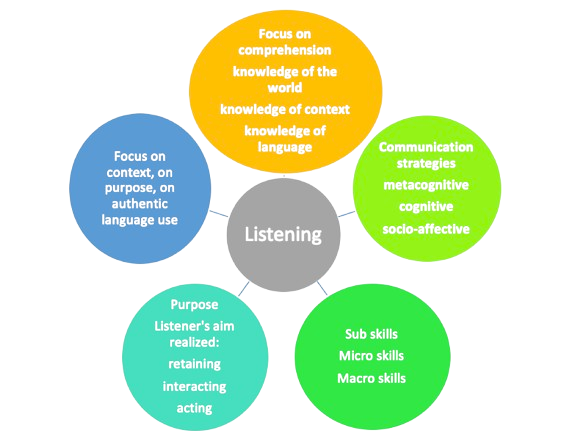
| Criteria | Hearing | Listening |
|---|---|---|
| Meaning | Passive perception of sound. | Active understanding of message. |
| Effort | No special concentration needed. | Needs focus and attention. |
| Purpose | Occurs naturally. | Used for communication and learning. |
| Interview Value | May miss key details. | Helps answer correctly. |
47. How to improve listening during interviews?
Ans:
- Allowing interviewers to finish speaking completely prevents misunderstanding strongly. Full attention helps capture exact expectations before responding. Good listening improves answer quality.
- Taking brief notes on key points improves answer relevance significantly. Notes help remember multiple parts of long questions clearly. This supports structured responses.
- Asking polite clarification when needed shows maturity effectively. Clarifying avoids wrong assumptions and unnecessary mistakes greatly. It reflects professionalism.
- Staying mentally present supports stronger listening naturally. Focus prevents distraction and improves confidence during discussions. Presence creates better communication.
48. What is the importance of follow-up questions?
Ans:
Follow-up questions help interviewers test depth of understanding beyond memorized responses. They may explore decisions, tradeoffs, or reasoning from earlier answers. Strong candidates remain calm and expand logically during such moments. These questions create opportunities to demonstrate deeper competence significantly. Preparation should include layered discussion readiness.
49. How to handle follow-up questions effectively?
Ans:
- Listening carefully to the specific follow-up direction avoids unnecessary confusion strongly. Understanding the exact angle helps answer correctly. Focus is important.
- Building from previous answer while adding new detail improves continuity significantly. Connected answers appear thoughtful and organized clearly. Continuity builds trust.
- Admitting uncertainty honestly when needed creates trust effectively. Honest responses are better than guessing weakly. Authenticity is respected.
- Staying calm under deeper questioning leaves stronger impression naturally. Composure reflects confidence and maturity during pressure situations. Calmness matters greatly.
50. What are final tips after mid-stage preparation?
Ans:
Candidates should now combine technical practice with behavioral storytelling consistently. Leadership principles, coding speed, and communication should receive balanced attention. Mock interviews can reveal hidden weaknesses before actual rounds significantly. Professional setup and confident mindset remain highly important overall. Steady preparation greatly increases success probability.
51. What is the importance of mock interviews?
Ans:
Mock interviews simulate real interview pressure and improve readiness before final rounds. They help identify weak communication, hesitation, and technical explanation gaps clearly. Regular practice sessions increase comfort with common question patterns significantly. Feedback from mocks supports targeted improvement in important areas quickly. Mock interviews are highly valuable for fresher success.
52. Write a program for mock interview average score.
Ans:
This example calculates average marks of three mock interview rounds.
- #include <stdio.h>
- int main() {
- int r1=75, r2=82, r3=88;
- float avg;
- avg=(r1+r2+r3)/3.0;
- printf(“Average Score = %.2f”, avg);
- return 0;
- }
In this example, the program calculates mock interview average score.
53. What is the importance of body language in virtual interviews?
Ans:
Body language influences professionalism, confidence, and engagement during remote interviews strongly. Good posture and attentive expressions create positive nonverbal impressions quickly. Frequent distraction or poor eye contact may reduce perceived interest significantly. Virtual interviews still depend on visible presence despite remote format. Strong body language supports better communication overall.
54. How to improve virtual body language?
Ans:
- Sitting upright with balanced posture creates immediate confidence impression during interviews strongly. Good posture signals alertness and seriousness clearly. Presence matters.
- Looking toward the camera regularly improves virtual eye contact significantly. This helps simulate face-to-face connection naturally. Eye contact builds trust.
- Using calm facial expressions and controlled gestures enhances professionalism effectively. Balanced expressions make communication smoother. Professionalism creates positive impact.
- Avoiding unnecessary movement helps maintain focus naturally. Stable presence reduces distraction for interviewers. Stillness supports confidence.
55. What is the importance of resume knowledge in interviews?
Ans:
Interviewers often ask detailed questions based on projects, skills, and claims in resumes. Weak understanding of listed content may damage credibility quickly during rounds. Strong familiarity allows confident explanation of achievements and responsibilities clearly. Resume alignment with actual knowledge creates trust significantly. Preparation must include complete resume revision.
56. How to prepare resume-based questions strongly?
Ans:
- Reviewing every listed skill and project prevents confusion during direct questioning strongly. Familiarity creates smoother answers clearly. Preparation protects credibility.
- Preparing metrics, tools used, and challenges solved improves credibility significantly. Specific details make achievements believable. Strong evidence impresses interviewers.
- Keeping explanations concise yet detailed increases professional impact effectively. Clear summaries save time and show maturity. Balance is valuable.
- Ensuring honesty in all resume entries builds trust naturally. Accurate resumes prevent stress during follow-up questions. Honesty is essential.
57. What is the difference between Honesty and Overconfidence?
Ans:
| Criteria | Honesty | Overconfidence |
|---|---|---|
| Meaning | Truthful and realistic behavior. | Excessive belief without proof. |
| Interview Impact | Builds trust with interviewer. | May create negative impression. |
| Response Style | Accepts limits and learns. | Claims too much knowledge. |
| Result | Long-term credibility. | Risk of exposure quickly. |
58. How to answer unknown questions honestly?
Ans:
- Acknowledging limited familiarity calmly demonstrates maturity and self-awareness during interviews strongly. Honest admission is respected greatly. It shows confidence.
- Sharing related understanding or logical approach adds value significantly. Even partial reasoning can display thinking ability clearly. Effort matters.
- Expressing willingness to learn creates positive growth mindset impression effectively. Recruiters value adaptable candidates strongly. Learning attitude is powerful.
- Avoiding fabricated answers protects credibility naturally. Wrong claims can create larger problems later. Truth builds trust.
59. What is the importance of structured thinking?
Ans:
Structured thinking helps organize complex ideas into clear logical steps efficiently. Interviewers can evaluate reasoning more easily when answers follow sequence. This skill is especially valuable in coding, design, and case questions. Organized responses often appear more professional and reliable significantly. Structured thinking improves overall interview performance greatly.
60. How to build structured thinking for interviews?
Ans:
- Practicing answers with introduction, analysis, and conclusion improves logical flow strongly. Clear flow makes responses easier to understand. Structure creates confidence.
- Breaking problems into smaller sections creates easier reasoning significantly. Smaller parts reduce confusion during tough questions. This improves clarity.
- Using frameworks such as STAR supports behavioral structure effectively. Frameworks help organize examples quickly. They are highly useful.
- Regular timed practice develops natural organization skills. Speed with structure is valuable in interviews. Practice creates fluency.
61. What is the importance of asking questions at the end?
Ans:
Thoughtful closing questions show curiosity, seriousness, and engagement with the opportunity. They also help understand role expectations, team culture, and growth paths clearly. Good questions create memorable final impressions on interviewers significantly. Generic or careless questions should be avoided during this stage. Preparation for closing questions is highly useful.
62. How to ask strong closing questions?
Ans:
- Asking about team goals and success metrics shows professional interest strongly. It demonstrates focus on contribution and results clearly. Strong questions impress.
- Questions about learning opportunities create growth-oriented impression significantly. Recruiters value candidates who want development. Curiosity matters.
- Inquiring about role expectations improves practical understanding effectively. It helps judge fit and readiness clearly. Smart questions add value.
- Avoiding salary-only focus in early rounds preserves balance naturally. Broader interest creates better impression overall. Timing is important.
63. What is the difference between Stress and Pressure Management?
Ans:
| Criteria | Stress | Pressure Management |
|---|---|---|
| Meaning | Mental tension or anxiety. | Ability to stay calm and perform. |
| Cause | Fear, uncertainty, workload. | Preparation and control methods. |
| Effect | May reduce performance. | Improves performance under pressure. |
| Interview Value | Needs reduction. | Highly valued skill. |
64. How to reduce interview stress effectively?
Ans:
- Deep breathing before sessions helps calm nerves and steady focus strongly. Controlled breathing reduces anxiety naturally. Calm minds perform better.
- Practicing repeatedly reduces fear of unfamiliar interview situations significantly. Familiarity lowers pressure and boosts confidence. Practice is powerful.
- Arriving prepared with notes and setup lowers anxiety effectively. Preparation removes avoidable last-minute stress clearly. Readiness creates calmness.
- Positive mindset supports calmer performance naturally. Healthy thinking improves energy and focus. Confidence matters greatly.
65. What is the importance of learning from rejection?
Ans:
Rejection can become valuable feedback when approached with maturity and analysis. Many successful candidates improve through repeated interview experiences gradually. Weak areas become clearer after unsuccessful attempts significantly. Persistence often separates long-term achievers from discouraged candidates. Learning mindset turns setbacks into progress.
66. How to improve after interview rejection?
Ans:
- Reviewing weak topics and communication gaps creates targeted improvement plans strongly. Honest review guides smarter preparation clearly. Reflection is useful.
- Practicing again quickly prevents confidence loss significantly. Continued action keeps momentum strong. Persistence builds success.
- Updating resume, projects, and coding consistency improves readiness effectively. Fresh improvements increase future opportunities. Growth should continue.
- Maintaining persistence supports long-term success naturally. Many selections happen after multiple attempts. Consistency wins.
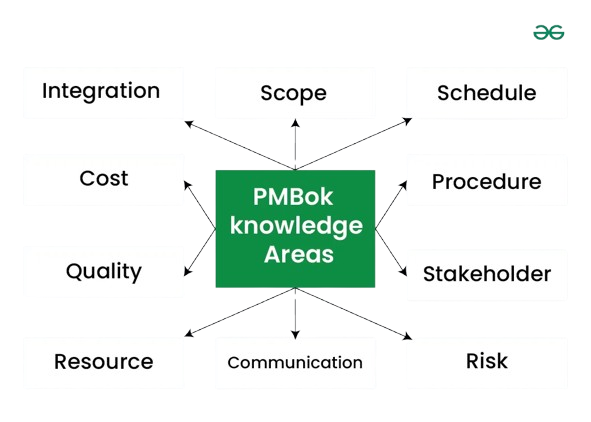
67. What is the importance of PMBok knowledge Areas for freshers?
Ans:
PMBOK Knowledge Areas are important because they offer a structured framework to manage projects across scope, time, cost, quality, and risk. They improve planning, communication, resource management, and decision-making. By addressing each aspect systematically, they help reduce risks, avoid delays, and ensure consistent, successful project delivery across industries.
68. How to present projects effectively in interviews?
Ans:
- Explaining project purpose and problem solved creates immediate context strongly. Interviewers understand the value of the project faster this way. Clear context improves engagement.
- Describing tools, technologies, and responsibilities improves technical credibility significantly. It shows hands-on experience instead of theoretical learning only. Specific details create trust.
- Mentioning challenges and solutions adds practical depth effectively. Problem-solving stories make projects more impressive during discussions. Real obstacles show maturity.
- Quantifying outcomes creates stronger impact naturally. Metrics like users, speed, or savings make achievements more memorable. Numbers strengthen value.
69. What is the difference between Time Management and Task Management?
Ans:
| Criteria | Time Management | Task Management |
|---|---|---|
| Meaning | Managing available time effectively. | Managing tasks in proper order. |
| Focus | Schedules and deadlines. | Work items and priorities. |
| Goal | Use time productively. | Complete tasks efficiently. |
| Example | Daily timetable. | Checklist or task board. |
70. How to manage preparation time properly?
Ans:
- Dividing weekly hours across coding, principles, and mock rounds creates balance strongly. Balanced preparation avoids neglecting important areas completely. Structure improves consistency.
- Tracking progress with checklists improves accountability significantly. Visible progress motivates continued effort during preparation. Tracking keeps plans realistic.
- Prioritizing weak areas first increases efficiency effectively. Difficult topics usually need more time and focus. Smart priority saves effort.
- Regular revision sessions strengthen retention naturally. Repetition helps concepts remain fresh until interview day. Revision builds confidence.
71. What is the importance of consistency in preparation?
Ans:
Consistency creates long-term improvement more effectively than irregular intense study bursts. Daily learning habits strengthen memory and confidence gradually over time. Small repeated practice sessions often outperform occasional heavy preparation significantly. Consistency also reduces stress near interview dates effectively. Steady effort builds reliable success chances.
72. How to stay consistent during preparation?
Ans:
- Setting realistic daily targets prevents burnout and improves continuity strongly. Achievable goals are easier to sustain over long periods. Balance supports discipline.
- Using progress trackers maintains motivation significantly over long periods. Visible improvement encourages continued action daily. Tracking boosts morale.
- Studying at fixed times builds disciplined habits effectively. Routine reduces decision fatigue and delay. Habit creates momentum.
- Celebrating small milestones supports momentum naturally. Small rewards make long preparation journeys easier. Motivation stays stronger.
73. What is the role of curiosity in interviews?
Ans:
Curiosity reflects willingness to learn, explore, and improve continuously in careers. Interviewers value candidates who ask meaningful questions and seek understanding. Curious minds often adapt faster to changing tools and systems significantly. This trait supports innovation and long-term growth effectively. Curiosity can strengthen fresher potential strongly.
74. How to demonstrate curiosity during interviews?
Ans:
- Asking thoughtful role-related questions shows genuine interest strongly. Smart questions reflect preparation and engagement clearly. Curiosity creates positive impressions.
- Discussing learning projects or extra study efforts improves impression significantly. Self-driven learning is valued in modern workplaces. It shows initiative.
- Showing enthusiasm for new technologies adds growth mindset effectively. Recruiters often prefer adaptable learners. Enthusiasm signals potential.
- Listening actively and engaging deeply demonstrates curiosity naturally. Good listeners usually ask better follow-up questions. Engagement matters greatly.
75. What are final tips after advanced preparation stage?
Ans:
Candidates should now refine delivery, confidence, and consistency before final interviews. Technical concepts and leadership examples should be revised repeatedly carefully. Mock sessions under realistic pressure improve final readiness significantly. Strong sleep, calm mindset, and discipline remain highly important overall. Complete preparation creates excellent success probability.
76. What is the importance of final revision before interviews?
Ans:
Final revision helps refresh important concepts and improves recall speed during interviews. It strengthens confidence by revisiting previously prepared technical and behavioral topics carefully. Short revision sessions are often more effective than learning new topics late. Well-planned revision reduces anxiety and improves readiness significantly. Final revision is highly valuable before interview day.
77. How to do final revision effectively?
Ans:
- Reviewing summaries, notes, and common questions helps refresh memory quickly before important interview rounds begin strongly. Short notes save time during final revision. Focus remains sharper.
- Revisiting coding patterns and leadership principles improves confidence significantly during final preparation hours. Familiar topics are easier to recall under pressure. Confidence grows naturally.
- Avoiding completely new difficult topics prevents confusion and mental overload effectively. Last-minute complexity may reduce existing clarity. Smart revision protects calmness.
- Keeping revision focused and calm supports better performance naturally. Peaceful review sessions improve concentration. Calm minds respond better.
78. What is the importance of sleep before interview day?
Ans:
Adequate sleep improves concentration, memory recall, and communication performance greatly. Sleep deprivation may reduce logic, patience, and emotional control quickly. Fresh mental energy helps during coding and behavioral discussions significantly. Good rest also supports calmness under interview pressure effectively. Healthy sleep is a strategic preparation factor.
79. How to maintain energy before interviews?
Ans:
- Following proper sleep schedule before interview day improves alertness and confidence strongly. Rested minds think faster and speak better. Sleep is highly valuable.
- Eating balanced meals and staying hydrated supports focus significantly. Physical energy affects mental performance strongly. Nutrition matters greatly.
- Avoiding late-night stress study sessions preserves mental clarity effectively. Tired revision often gives poor returns. Rest can be smarter.
- Light movement or stretching can increase freshness naturally. Small activity boosts energy and reduces tension. Movement improves readiness.
80. What is the difference between Positive Mindset and Overconfidence?
Ans:
| Criteria | Positive Mindset | Overconfidence |
|---|---|---|
| Meaning | Belief with realism and effort. | Excess belief without preparation. |
| Behavior | Calm and constructive. | Careless or arrogant. |
| Result | Improves performance steadily. | May cause mistakes. |
| Base | Preparation and balance. | Assumption and ego. |
81. How to build positive mindset before interviews?
Ans:
- Focusing on preparation progress instead of fear improves confidence strongly before important rounds. Progress reminds candidates of their effort clearly. Confidence becomes realistic.
- Replacing negative thoughts with practical action plans increases emotional control significantly. Action reduces helplessness and worry quickly. Plans create stability.
- Remembering strengths and achievements supports self-belief effectively. Past success can strengthen present confidence. Reflection is useful.
- Calm breathing routines help maintain positivity naturally. Breathing techniques reduce stress responses quickly. Calmness improves performance.
82. What is the importance of handling mistakes during interviews?
Ans:
Minor mistakes can happen during interviews and should be handled calmly. Professional recovery often matters more than the original error itself. Correcting mistakes with honesty shows maturity and composure significantly. Panic reactions may create larger negative impact unnecessarily. Graceful recovery is a valuable interview skill.
83. How to recover from mistakes effectively?
Ans:
- Acknowledging the mistake calmly and correcting it quickly demonstrates professionalism strongly. Honest recovery is respected by many interviewers. Composure matters greatly.
- Continuing with confidence prevents one error from affecting full performance significantly. One mistake should not control the rest of the interview. Momentum is important.
- Refocusing on next question helps restore momentum effectively. Forward focus reduces overthinking quickly. Attention returns to performance.
- Maintaining composure leaves better overall impression naturally. Calm behavior signals maturity under pressure. Professionalism stands out.
84. What is the importance of domain knowledge for role interviews?
Ans:
Domain knowledge helps connect technical skills with actual business problems clearly. Interviewers value awareness of industry use cases and workflows significantly. Even basic understanding can separate candidates during competitive selection rounds. Relevant examples become easier when domain context is understood properly. Domain preparation improves role alignment strongly.
85. How to prepare domain knowledge properly?
Ans:
- Reading about company products, services, and industry trends builds relevance strongly. Company awareness improves answer quality clearly. Preparation looks serious.
- Understanding role-specific responsibilities improves answer quality significantly during interviews. Candidates can align skills with expectations better. Relevance matters.
- Learning common business problems helps provide practical examples effectively. Real examples create stronger interview impact. Context improves credibility.
- Combining technical and domain knowledge creates stronger profile naturally. Balanced candidates often stand out more. Depth increases value.
86. What is the importance of adaptability after joining?
Ans:
Interviewers often assess readiness for learning after hiring decisions are made. Adaptability indicates faster onboarding and smoother transition into projects significantly. Modern workplaces change tools, priorities, and methods regularly. Flexible candidates usually contribute sooner and grow faster effectively. Adaptability remains valuable beyond interview success.
87. How to show learning attitude in interviews?
Ans:
- Sharing examples of quickly learning tools or concepts builds strong credibility immediately. Real learning stories prove adaptability clearly. Experience matters.
- Expressing enthusiasm for training and feedback improves interviewer perception significantly. Openness to learning is highly valued. Growth mindset stands out.
- Discussing self-learning habits adds growth mindset effectively. Independent learners often progress faster in workplaces. Initiative is impressive.
- Positive response to change demonstrates adaptability naturally. Flexible attitudes help in dynamic environments. Adaptability builds trust.
88. What is the importance of professionalism in virtual settings?
Ans:
Professionalism in remote interviews includes punctuality, appearance, and respectful communication. It reflects seriousness toward opportunity and workplace readiness clearly. Virtual platforms still require strong etiquette despite informal surroundings. Professional behavior can positively influence hiring perception significantly. Consistency in conduct matters throughout every round.
89. How to maintain professionalism online?
Ans:
- Dressing neatly and choosing clean background improves first impression strongly. Visual presentation matters in virtual interviews clearly. Preparation becomes visible.
- Speaking respectfully and avoiding interruptions shows maturity significantly. Good etiquette reflects workplace readiness. Respect creates positive impact.
- Joining early and staying attentive reflects discipline effectively. Punctuality signals seriousness and planning. Attention matters greatly.
- Thanking interviewers politely creates positive closure naturally. Professional endings remain memorable. Courtesy adds value.
90. What is the importance of final self-evaluation?
Ans:
Self-evaluation helps identify readiness level before actual interview sessions begin. It reveals weak areas in coding, communication, or behavioral storytelling clearly. Honest assessment enables targeted last-minute improvement significantly. Candidates often gain confidence after recognizing strengths properly. Self-evaluation supports smarter final preparation.
91. Write a program for self-evaluation average score.
Ans:
This example calculates average score of mock evaluation sections.
- #include <stdio.h>
- int main() {
- int coding=80, hr=75, aptitude=85;
- float avg;
- avg=(coding+hr+aptitude)/3.0;
- printf(“Self Evaluation Score = %.2f”, avg);
- return 0;
- }
In this example, the program calculates overall readiness score.
92. What is the importance of persistence in job search?
Ans:
Persistence is essential because selection processes can be highly competitive. Repeated attempts often improve skills, maturity, and confidence gradually. Many strong candidates succeed after several interview experiences significantly. Consistent effort prevents temporary setbacks from becoming final outcomes. Persistence strongly supports long-term career success.
93. How to stay persistent during job search?
Ans:
- Continuing regular applications while improving skills maintains progress strongly. Ongoing action creates more opportunities clearly. Momentum matters.
- Learning from every interview attempt increases readiness significantly. Each attempt teaches useful lessons for future rounds. Experience compounds.
- Avoiding emotional reaction to rejection preserves motivation effectively. Rejections are temporary events, not final judgments. Emotional balance helps.
- Long-term focus supports persistence naturally. Bigger career goals make setbacks easier to handle. Vision builds strength.
94. What is the importance of gratitude after interviews?
Ans:
Gratitude reflects humility and professionalism after interview completion clearly. Thanking interviewers leaves respectful final impressions significantly. It shows appreciation for time and opportunity provided during rounds. Polite closure can positively distinguish candidates effectively. Professional courtesy always adds value.
95. How to close interviews strongly?
Ans:
- Thanking interviewers sincerely creates immediate positive final impression strongly. Gratitude often leaves memorable final moments clearly. Courtesy matters.
- Reaffirming interest in the role increases enthusiasm perception significantly. Recruiters value genuine interest in opportunities. Energy influences impressions.
- Asking one thoughtful closing question adds engagement effectively. Good questions show curiosity and seriousness. Ending becomes stronger.
- Ending calmly and confidently leaves lasting impact naturally. Final moments often remain memorable. Confidence closes well.
96. What is the importance of communication after selection?
Ans:
Post-selection communication reflects reliability and professionalism strongly. Timely responses to HR messages help onboarding processes move smoothly. Clear document submission and polite interaction build trust significantly. Professional habits after selection also shape early reputation effectively. Communication remains important beyond interviews.
97. How to stay prepared after final rounds?
Ans:
- Keeping documents ready helps respond quickly when updates arrive strongly. Fast responses support smooth onboarding clearly. Readiness is valuable.
- Continuing skill improvement prevents idle waiting significantly. Ongoing learning uses waiting time productively. Growth should continue.
- Checking communication channels regularly supports smooth coordination effectively. Missing updates may delay important processes. Attention matters.
- Remaining patient and professional preserves positive image naturally. Calm behavior reflects maturity during waiting periods. Professionalism continues.
98. What is the importance of long-term learning mindset?
Ans:
Interview success is only the first stage of professional growth journeys. Long-term learning keeps careers relevant in changing industries significantly. Technology, processes, and expectations evolve continuously across organizations. Candidates with learning mindset often grow faster effectively. Continuous improvement creates lasting career success.
99. How to maintain continuous growth after interviews?
Ans:
- Following learning plans after interviews builds stronger future opportunities strongly. Planned growth creates direction clearly. Consistency matters.
- Improving communication and technical depth increases career value significantly. Broader strengths open better opportunities. Development pays long-term.
- Seeking feedback and mentorship accelerates development effectively. Guidance helps avoid slow mistakes. Mentors add clarity.
- Consistency in growth habits creates long-term success naturally. Small repeated progress compounds over time. Discipline wins.
100. What are ultimate tips for Amazon virtual interview success?
Ans:
Ultimate success comes from balanced preparation across coding, behavior, and communication areas. Leadership principles should be understood with strong real examples clearly. Mock practice, calm mindset, and technical consistency improve outcomes significantly. Professional setup and punctual conduct strengthen first impressions effectively. Persistent disciplined preparation offers the best chance of selection success.