LMS
LMS
Last updated on 18th Apr 2026| 7357

From Fresher to Microsoft: Interview Success Strategy is a step-by-step guide designed to help aspiring candidates successfully crack the recruitment process at Microsoft. It covers essential preparation areas such as coding skills, data structures, algorithms, problem-solving techniques, and behavioral interview strategies. This guide helps freshers build a strong foundation, understand the interview stages, and develop the confidence required to perform effectively in both technical and HR interview rounds.
1. What is Microsoft interview process?
Ans:
Microsoft interview process is a structured evaluation method designed to assess technical skills, problem-solving ability, and communication effectiveness of candidates. It typically includes multiple rounds such as coding interviews, system design discussions, and behavioral evaluations based on real-world scenarios. The process focuses on understanding logical thinking, clarity in explanation, and ability to handle complex challenges efficiently. Interviewers evaluate both technical depth and cultural fit to ensure alignment with organizational values and expectations. A clear understanding of the interview process is essential for effective preparation and successful performance.
2. What are rounds in Microsoft interviews?
Ans:
- Online assessment round evaluates coding ability, logical reasoning, and problem-solving skills through timed challenges that test accuracy, efficiency, and understanding of core programming concepts. This round is often the first screening stage for candidates. Strong preparation improves shortlisting chances.
- Technical interview rounds focus on data structures, algorithms, and system design questions, requiring detailed explanations, optimized solutions, and strong analytical thinking throughout discussions. Interviewers usually observe approach as much as final answer. Clear communication is highly valuable.
- Behavioral interview rounds assess communication skills, teamwork, adaptability, and decision-making ability through real-life scenario-based questions aligned with company values. These rounds measure professional maturity and collaboration style. Honest examples create better impact.
- Final round involves comprehensive evaluation by senior interviewers, focusing on overall performance, consistency, and readiness to handle responsibilities in a professional environment. It may combine technical and behavioral assessment together. Balanced performance is important.
3. What is importance of data structures?
Ans:
Data structures are fundamental components that help organize and manage data efficiently for solving complex computational problems. They enable efficient storage, retrieval, and manipulation of data, improving performance and scalability of applications. Understanding data structures helps in selecting appropriate approaches for different problem scenarios. They play a crucial role in coding interviews and real-world software development tasks. Strong knowledge of data structures is essential for success in technical interviews.
4. What are important data structures?
Ans:
- Arrays and strings are essential structures used for storing sequential data and solving problems related to searching, sorting, and manipulation efficiently. They are common starting topics in coding interviews. Strong basics here build confidence.
- Linked lists provide dynamic memory allocation and are useful for problems involving insertion and deletion operations in data sequences. They also improve pointer handling skills significantly. Many interviews include linked list logic.
- Trees and graphs are advanced structures used for hierarchical and network-based problems, enabling efficient traversal and relationship mapping. These topics test deeper algorithmic understanding. Practice is very important.
- Stacks and queues are important for managing order of operations and solving problems related to recursion, scheduling, and data processing. They are widely used in practical systems. Their patterns appear often in interviews.
5. What is importance of algorithms?
Ans:
Algorithms define step-by-step procedures to solve problems efficiently and accurately in programming and software development. They help in optimizing performance by reducing time and space complexity of solutions. Understanding algorithms improves problem-solving ability and logical thinking significantly. Efficient algorithms ensure scalability and reliability of applications. Strong knowledge of algorithms is essential for technical interview success.
6. What are common algorithms asked?
Ans:
- Sorting algorithms such as quick sort, merge sort, and heap sort are frequently tested to evaluate understanding of efficiency and implementation techniques. They also help explain divide-and-conquer concepts clearly. Sorting is a classic interview area.
- Searching algorithms including binary search and linear search are important for solving problems related to data retrieval and optimization. Binary search especially tests boundary handling. Strong fundamentals are useful.
- Graph algorithms like BFS and DFS are used to test traversal techniques and problem-solving in network-based scenarios. They appear in path and connectivity problems often. Practice improves confidence.
- Dynamic programming algorithms are essential for solving complex problems with overlapping subproblems and optimizing performance. DP questions test pattern recognition strongly. Regular revision is valuable.
7. What is importance of coding practice?
Ans:
Coding practice helps in improving problem-solving skills, logical thinking, and programming efficiency over time. It builds confidence in handling different types of problems and reduces dependency on memorization. Regular practice improves speed and accuracy in writing optimized solutions. It also helps in understanding patterns and applying concepts effectively. Consistent coding practice is essential for interview success.
8. How to practice coding effectively?
Ans:
- Solving problems from different difficulty levels helps in building strong fundamentals and improving problem-solving skills gradually over time. Starting simple and progressing steadily prevents frustration. Consistency matters greatly.
- Practicing regularly with a structured plan ensures consistent progress and better understanding of concepts and patterns. A schedule creates discipline and momentum. Planned study gives better results.
- Analyzing solutions and learning from mistakes improves accuracy and efficiency in coding. Mistake review is often more valuable than solving blindly. Reflection improves growth.
- Participating in coding contests helps in improving speed, time management, and ability to solve problems under pressure. Competitive settings simulate interview stress naturally. They sharpen performance.
9. What is importance of system design?
Ans:
System design involves creating scalable and efficient architectures for software systems based on real-world requirements. It helps in understanding how different components interact and function together effectively. System design improves ability to handle large-scale applications and complex challenges. It is an important part of technical interviews for evaluating architectural thinking. Strong system design knowledge is essential for advanced interview rounds.
10. What are key components of system design?
Ans:
- Databases are used for storing and managing data efficiently, ensuring reliability and scalability in applications. Choosing correct database type is important. Data storage is a core system component.
- APIs enable communication between different components and services, ensuring modular and flexible system design. Good APIs improve maintainability significantly. They connect system parts smoothly.
- Load balancers distribute traffic across servers to improve performance and reliability of applications. They prevent overload on single machines. This supports scalability.
- Caching mechanisms improve response time and reduce load on servers by storing frequently accessed data. Smart caching boosts user experience greatly. It is common in modern systems.
11. What is importance of behavioral preparation?
Ans:
Behavioral preparation helps in demonstrating communication skills, teamwork, and problem-solving ability through real-life examples. It ensures clarity in answering scenario-based questions during interviews. Behavioral skills reflect personality and cultural fit within the organization. Preparation improves confidence and reduces hesitation during discussions. Strong behavioral preparation is essential for overall interview success.
12. What is factorial concept?
Ans:
Factorial is a mathematical concept used to calculate the product of all positive integers up to a given number. It is commonly used in permutations, combinations, and algorithm design problems. Factorial demonstrates iterative and recursive thinking patterns, which are important in programming logic. Understanding this concept helps in solving problems involving sequences and calculations efficiently. It also strengthens basic mathematical and logical foundations required for coding interviews.
13. What is importance of communication skills?
Ans:
Communication skills help in expressing ideas clearly and effectively during interviews and professional interactions. They improve understanding between candidates and interviewers, ensuring better evaluation. Strong communication enhances confidence and clarity in problem-solving discussions. It also reflects professionalism and interpersonal skills. Good communication skills are essential for interview success.
14. How to improve communication skills?
Ans:
- Practicing speaking regularly and explaining solutions aloud improves clarity and articulation in communication. Verbal practice builds fluency steadily. Confidence grows naturally.
- Reading and listening to technical content helps in improving vocabulary and understanding. Exposure to quality communication improves speaking style. Learning becomes easier.
- Participating in discussions enhances confidence and interaction skills. Real conversations develop spontaneity effectively. Practice removes fear.
- Continuous practice and feedback help refine communication abilities effectively. Constructive feedback reveals hidden weaknesses. Improvement becomes faster.
15. What is importance of problem-solving approach?
Ans:
Problem-solving approach refers to the method used to analyze and solve complex problems efficiently. It involves understanding the problem, exploring different solutions, and selecting the optimal approach. A structured approach improves accuracy and reduces errors in implementation. It also enhances logical thinking and decision-making ability. Strong problem-solving approach is essential for technical interviews.
16. What are steps in problem-solving?
Ans:
- Understanding the problem clearly by identifying inputs, outputs, and constraints helps in accurate solution development. Clarity at the start prevents wrong approaches. Analysis saves time later.
- Exploring multiple approaches allows comparison and selection of the most efficient solution. Considering options improves final quality. Better choices lead to optimization.
- Implementing the solution with proper logic ensures correctness and efficiency. Clean execution turns ideas into working answers. Coding discipline matters.
- Testing with edge cases ensures reliability and completeness of the solution. Good testing catches hidden bugs early. Validation is essential.
17. What is importance of mock interviews?
Ans:
Mock interviews simulate real interview scenarios and help in improving confidence and performance. They provide valuable feedback on strengths and weaknesses. Mock interviews improve communication and problem-solving under pressure. They help in identifying areas that require improvement. Practicing mock interviews is essential for effective preparation.
18. What is the difference between mock interviews and real interviews?
Ans:
| Criteria | Mock Interviews | Real Interviews |
|---|---|---|
| Purpose | Used for practice and improvement. | Used for actual candidate evaluation. |
| Pressure | Lower pressure learning environment. | Higher pressure performance environment. |
| Feedback | Usually gives detailed feedback. | Limited or no direct feedback. |
| Result | Improves readiness and confidence. | Determines selection outcome. |
19. What is importance of time management?
Ans:
Time management helps in utilizing preparation time efficiently and completing tasks within deadlines. It ensures balanced focus on all important topics and avoids last-minute stress. Effective time management improves productivity and consistency. It also enhances performance during timed interview rounds. Strong time management is essential for successful preparation.
20. How to manage time effectively?
Ans:
- Creating a structured schedule helps allocate time for different topics and ensures balanced preparation. Planning avoids random study patterns. Organization improves results.
- Setting priorities helps focus on important tasks and improves efficiency. High-value topics deserve early attention. Priorities save time.
- Tracking progress helps identify delays and improve time management strategies. Monitoring keeps preparation realistic. Adjustments become easier.
- Avoiding distractions improves productivity and ensures timely completion of tasks. Focused sessions produce better learning naturally. Discipline matters greatly.
21. What is importance of consistency in preparation?
Ans:
Consistency ensures steady progress and improvement in skills over time. It helps in maintaining focus and discipline during preparation. Regular practice strengthens understanding and improves performance. Consistency reduces dependency on last-minute preparation. Maintaining consistency is essential for achieving interview success.
22. How to maintain consistency?
Ans:
- Following a daily routine helps in maintaining discipline and consistent effort in preparation. Routine turns effort into habit clearly. Habits create progress.
- Setting achievable goals ensures motivation and steady progress. Small wins maintain momentum significantly. Realistic goals are powerful.
- Tracking performance helps maintain focus and accountability. Measured progress encourages improvement naturally. Awareness builds discipline.
- Avoiding distractions improves consistency and productivity. Focus protects daily momentum effectively. Consistency needs control.
23. What is importance of learning from mistakes?
Ans:
Learning from mistakes helps in identifying errors and improving problem-solving ability effectively. It ensures that similar mistakes are not repeated in future attempts. This approach strengthens understanding and enhances performance. It also builds confidence and resilience during preparation. Learning from mistakes is essential for continuous improvement.
24. How to analyze mistakes?
Ans:
- Reviewing incorrect solutions helps identify root causes of errors effectively. Understanding why mistakes happened is highly valuable. Reflection improves future performance.
- Practicing similar problems improves understanding and prevents repetition of mistakes. Reinforcement turns weaknesses into strengths steadily. Practice is important.
- Keeping a record of mistakes helps track progress and identify patterns. Written notes reveal recurring issues clearly. Logs are useful tools.
- Continuous review and improvement ensure better performance over time. Regular correction leads to steady growth naturally. Progress becomes visible.
25. What is importance of confidence?
Ans:
Confidence helps in presenting ideas clearly and handling questions effectively during interviews. It improves communication and overall interaction with interviewers. Confident candidates perform better under pressure and explain solutions effectively. Confidence is built through preparation and practice. Maintaining confidence is essential for success in interviews.
26. What is importance of analytical thinking?
Ans:
Analytical thinking refers to the ability to break down complex problems into smaller components and evaluate them logically for effective solutions. It helps in identifying patterns, understanding relationships, and selecting optimal approaches for problem-solving tasks. Strong analytical thinking improves decision-making and reduces errors during coding and system design discussions. It enhances the ability to handle complex interview questions with clarity and confidence. Developing analytical thinking is essential for achieving success in technical interviews.
27. How to improve analytical thinking?
Ans:
- Practicing logical puzzles and coding problems regularly helps in developing structured thinking and improving analytical abilities effectively over time. Repetition strengthens reasoning patterns. Daily effort is useful.
- Breaking down complex problems into smaller manageable parts improves clarity and simplifies solution development. Smaller steps reduce confusion greatly. Structure improves success.
- Comparing multiple approaches and evaluating their efficiency enhances decision-making skills significantly. Comparison teaches trade-offs clearly. Better judgment develops.
- Learning from mistakes and reviewing solutions strengthens analytical thinking and improves overall performance. Reflection deepens understanding naturally. Growth becomes faster.
28. What is importance of logical reasoning?
Ans:
Logical reasoning involves using structured thinking to analyze problems and derive accurate solutions based on evidence and patterns. It helps in understanding relationships between different variables and improves problem-solving efficiency. Strong logical reasoning reduces chances of errors and improves accuracy in coding solutions. It plays a critical role in aptitude tests and technical interview rounds. Developing logical reasoning skills is essential for performing well in interviews.
29. What are ways to improve logical reasoning?
Ans:
- Solving reasoning-based questions and puzzles regularly helps strengthen logical thinking and improves accuracy in problem-solving tasks. Practice builds sharper thinking gradually. Consistency is important.
- Understanding patterns and relationships between elements enhances analytical ability and efficiency in solving complex problems. Pattern recognition saves time greatly. It improves confidence.
- Practicing different problem types improves adaptability and flexibility in thinking approaches. Variety prepares candidates for surprises effectively. Broad exposure matters.
- Continuous learning and revision ensure consistent improvement in logical reasoning skills. Repetition keeps skills active naturally. Growth remains steady.
30. What is importance of debugging skills?
Ans:
Debugging skills involve identifying and fixing errors in code to ensure correct and efficient program execution. They help in understanding mistakes and improving problem-solving ability over time. Strong debugging skills reduce development time and improve code reliability. They also enhance confidence in handling complex coding problems during interviews. Developing debugging skills is essential for writing accurate and efficient programs.
41. What are types of scalability?
Ans:
- Vertical scalability involves increasing resources of a single machine to handle higher workload efficiently. This may include adding CPU, memory, or storage capacity. It is simple to implement for smaller systems.
- Horizontal scalability involves adding more machines to distribute workload and improve performance. Load is shared across multiple servers for better efficiency. This is common in modern distributed systems.
- Elastic scalability allows dynamic adjustment of resources based on demand. Systems can scale up during peak traffic and scale down later. This improves cost efficiency significantly.
- Distributed systems help manage scalability by spreading tasks across multiple nodes effectively. Workload balancing improves reliability and availability greatly. This is useful for large-scale applications.
42. What is importance of database knowledge?
Ans:
Database knowledge is essential for storing, managing, and retrieving data efficiently in applications. It helps in designing scalable and reliable systems for real-world use cases. Understanding databases improves ability to handle system design questions effectively. It also enhances problem-solving skills related to data management. Strong database knowledge is crucial for technical interview success.
43. What are types of databases?
Ans:
- Relational databases store structured data using tables and support SQL queries for efficient management. They are widely used in banking, ERP, and enterprise systems. Strong consistency is a major advantage.
- NoSQL databases handle unstructured data and provide flexibility and scalability for modern applications. They are useful for high-volume web and mobile platforms. Schema flexibility helps rapid growth.
- Distributed databases ensure high availability and fault tolerance by spreading data across systems. Replication and partitioning improve resilience greatly. They are useful for global applications.
- In-memory databases provide faster access by storing data in memory instead of disk. This reduces latency significantly for real-time workloads. Speed is their key benefit.
44. What is importance of API knowledge?
Ans:
APIs enable communication between different software systems and components efficiently. They help in designing modular and scalable applications. Understanding APIs is essential for system design and integration tasks. API knowledge improves ability to handle real-world application scenarios. Strong understanding of APIs is important for technical interviews.
45. What is the difference between REST API and SOAP API?
Ans:
| Criteria | REST API | SOAP API |
|---|---|---|
| Format | Uses JSON, XML, or text formats. | Primarily uses XML messages. |
| Complexity | Lightweight and simple to implement. | More structured and complex. |
| Speed | Usually faster with less overhead. | Usually slower due to heavy messaging. |
| Best Use | Web and mobile applications. | Enterprise secure systems. |
46. What is importance of cloud computing?
Ans:
Cloud computing provides scalable and flexible resources for storing and processing data over the internet. It enables efficient management of infrastructure without physical hardware dependency. Cloud platforms support high availability and reliability for applications. Understanding cloud concepts is important for modern software development. Cloud knowledge is essential for technical interviews and real-world applications.
47. What are types of cloud services?
Ans:
- Infrastructure as a Service provides virtualized computing resources such as servers and storage over the internet. It gives users control over infrastructure setup. This is useful for flexible deployments.
- Platform as a Service offers development platforms for building and deploying applications efficiently. Developers focus on coding instead of server maintenance. Productivity improves greatly.
- Software as a Service delivers applications over the internet without installation requirements. Users access software through browsers easily. This reduces maintenance effort.
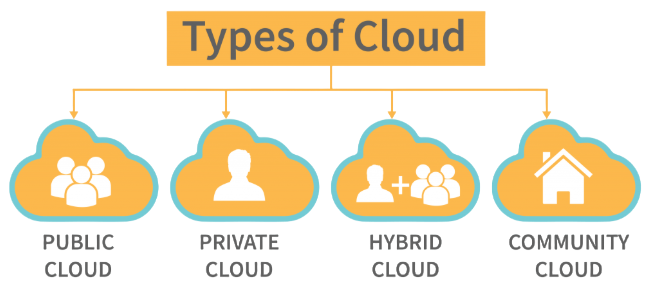
- Hybrid cloud combines public and private cloud environments for better flexibility and control. Sensitive data stays private while scalable workloads use public resources. This balances cost and security.
48. What is importance of networking basics?
Ans:
Networking basics involve understanding how systems communicate and exchange data over networks. It helps in designing efficient and reliable communication systems. Knowledge of networking improves understanding of system architecture. It is important for handling technical interview questions related to communication protocols. Strong networking knowledge is essential for modern software development.
49. What are key networking concepts?
Ans:
- IP addressing helps identify devices on a network and enables communication between systems effectively. Every connected device needs unique addressing. This is a core networking concept.
- Protocols define rules for data transmission and ensure reliable communication across networks. Examples include TCP, UDP, and HTTP. Standards make communication possible.
- DNS translates domain names into IP addresses, enabling easy access to websites. Users remember names more easily than numbers. DNS improves usability greatly.
- HTTP and HTTPS enable data transfer between clients and servers securely. HTTPS adds encryption for safer communication. Web applications depend heavily on these protocols.
50. What is importance of security concepts?
Ans:
Security concepts ensure protection of systems and data from unauthorized access and cyber threats. They help maintain confidentiality, integrity, and availability of information. Understanding security improves ability to design secure applications. It is essential for handling sensitive data in real-world systems. Strong security knowledge is important for technical interviews and professional development.
61. What is importance of consistency in preparation?
Ans:
Consistency in preparation ensures steady progress and continuous improvement in technical and behavioral skills over time. It helps in maintaining discipline and focus throughout the preparation journey without interruptions or gaps. Regular practice strengthens understanding of concepts and improves problem-solving efficiency significantly. Consistency reduces dependency on last-minute preparation and improves confidence during interviews. Maintaining consistency is essential for achieving long-term success in interview preparation.
62. How to maintain consistency in preparation?
Ans:
- Creating a structured daily routine with clearly defined goals ensures regular practice and steady progress in all important topics without overwhelming the preparation process. Planned schedules build discipline effectively. Routine creates momentum.
- Breaking down large topics into smaller manageable sections helps maintain focus and prevents burnout during long preparation periods. Smaller targets feel easier to complete. This keeps motivation high.
- Tracking progress and reviewing completed tasks regularly helps maintain motivation and identify areas requiring improvement. Visible progress encourages continued effort. Reviews improve direction.
- Avoiding distractions and maintaining a dedicated study environment ensures better concentration and consistent preparation efforts. Focused environments improve productivity significantly. Discipline supports results.
63. What is importance of time management in interviews?
Ans:
Time management in interviews ensures efficient use of available time to understand problems, plan solutions, and implement them effectively. It helps in balancing time between explanation, coding, and testing of solutions. Proper time management reduces stress and improves overall performance during interviews. It also ensures that all aspects of a problem are addressed within the given timeframe. Strong time management skills are essential for success in technical interviews.
64. What is importance of time management practice?
Ans:
Time management practice helps in improving efficiency while solving problems within limited time during interviews. It trains candidates to allocate time properly between understanding, coding, and testing solutions. Practicing time-bound tasks increases speed and reduces pressure during real interview situations. It also helps in prioritizing questions and avoiding time wastage on complex problems. Strong time management skills significantly improve overall interview performance.
65. What is importance of confidence in interviews?
Ans:
Confidence plays a crucial role in presenting ideas clearly and handling questions effectively during interviews. It improves communication and helps in explaining solutions with clarity and logic. Confident candidates perform better under pressure and demonstrate strong understanding of concepts. Confidence also creates a positive impression on interviewers and enhances overall interaction. Maintaining confidence is essential for achieving success in interviews.
66. How to build confidence for interviews?
Ans:
- Regular practice of coding and problem-solving improves knowledge and builds confidence in handling technical questions effectively. Skill growth naturally increases self-belief. Preparation removes fear.
- Participating in mock interviews helps simulate real scenarios and reduces anxiety during actual interviews. Familiarity lowers nervousness significantly. Practice builds calmness.
- Reviewing performance and learning from mistakes improves self-belief and preparation quality. Improvement over time creates confidence. Reflection is valuable.
- Maintaining a positive mindset and focusing on strengths enhances confidence significantly. Healthy thinking improves performance naturally. Confidence begins internally.
67. What is importance of communication skills?
Ans:
Communication skills are essential for expressing ideas clearly and effectively during interviews and professional interactions. They help interviewers understand the thought process and evaluate problem-solving ability accurately. Strong communication improves clarity and reduces misunderstandings during discussions. It also reflects professionalism and interpersonal skills. Good communication skills are crucial for overall interview success.
68. How to improve communication skills?
Ans:
- Practicing explanation of solutions aloud helps improve clarity and articulation in communication effectively. Speaking practice builds fluency over time. Clear speech improves impressions.
- Participating in discussions and presentations enhances confidence and interaction skills significantly. Real interaction develops communication strength. Experience matters greatly.
- Using simple and precise language ensures better understanding and avoids unnecessary complexity. Clear language is more effective than difficult wording. Simplicity creates impact.
- Continuous practice and feedback help refine communication skills over time. Guidance reveals weak areas naturally. Improvement becomes faster.
69. What is importance of adaptability?
Ans:
Adaptability refers to the ability to adjust to new challenges, questions, and unexpected situations during interviews. It helps in handling difficult problems and switching approaches when necessary. Adaptable candidates respond effectively to feedback and follow-up questions. It improves overall performance and flexibility in problem-solving. Developing adaptability is essential for handling dynamic interview scenarios.
70. How to improve adaptability?
Ans:
- Practicing different types of problems helps in becoming comfortable with varied scenarios and unexpected challenges. Exposure reduces fear of new questions. Variety builds flexibility.
- Learning multiple approaches to solve problems improves flexibility and adaptability in thinking. Alternate methods help when first ideas fail. This improves performance.
- Staying calm and focused helps in adapting quickly to changing situations during interviews. Calm minds respond better under pressure. Focus supports good decisions.
- Continuous learning and exposure to new concepts enhance adaptability and performance. Growth mindset improves readiness naturally. Learning never stops.
71. What is structured thinking approach?
Ans:
Structured thinking approach refers to solving problems using a clear, logical, and step-by-step method. It involves understanding the problem, planning a solution, implementing it, and validating the results systematically. This approach improves clarity, reduces errors, and enhances communication during interviews. It helps interviewers follow the reasoning process easily. Developing structured thinking is essential for solving complex technical problems effectively.
72. What is the difference between structured thinking and random thinking?
Ans:
| Criteria | Structured Thinking | Random Thinking |
|---|---|---|
| Approach | Follows logical and step-by-step method. | Lacks order and clear direction. |
| Clarity | Improves explanation and understanding. | May create confusion. |
| Use | Useful in coding and interviews. | Less effective in problem-solving. |
| Result | Better decisions and solutions. | Higher chance of mistakes. |
73. What is importance of problem understanding?
Ans:
Problem understanding refers to analyzing and interpreting questions accurately before attempting solutions. It helps in identifying constraints, inputs, and expected outputs clearly. Proper understanding reduces errors and improves efficiency in solving problems. It ensures selection of the most appropriate approach for implementation. Strong problem understanding is essential for success in coding interviews.
74. How to improve problem understanding?
Ans:
- Reading the problem carefully and identifying key requirements helps in gaining clarity before solving it effectively. Clear reading prevents misunderstanding of conditions and inputs. Strong clarity improves solution quality.
- Breaking down the problem into smaller parts improves understanding and simplifies solution development. Smaller sections are easier to analyze step by step. This reduces confusion significantly.
- Asking clarifying questions when necessary ensures accurate interpretation of the problem. Interviewers often appreciate thoughtful questions and active communication. This avoids wrong assumptions.
- Practicing different problems regularly improves ability to analyze and understand questions efficiently. Repeated exposure builds faster comprehension naturally. Practice strengthens confidence.
75. What is importance of revision cycles?
Ans:
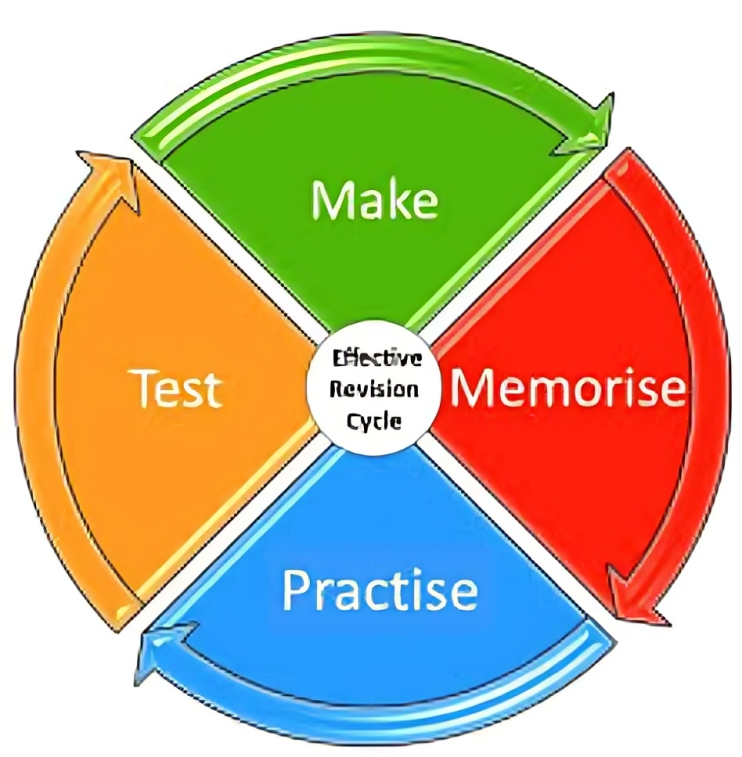
Revision cycles involve revisiting previously learned concepts multiple times to strengthen understanding and memory retention. They help in improving recall of important topics during interviews. Regular revision reduces chances of forgetting key concepts. It also helps identify weak areas that require additional practice. Maintaining revision cycles is essential for effective interview preparation.
76. What are strategies for revision?
Ans:
- Reviewing notes and important concepts regularly helps reinforce knowledge and improve retention effectively. Frequent revision keeps concepts fresh in memory longer. Consistency gives strong results.
- Practicing previously solved problems improves familiarity with patterns and enhances confidence. Known questions help rebuild speed and accuracy significantly. Confidence grows through repetition.
- Focusing on weak areas during revision helps in improving overall performance. Targeted improvement gives better returns than random study. Weak spots become strengths over time.
- Maintaining short and consistent revision sessions ensures better understanding and reduces stress. Small sessions are easier to sustain daily naturally. Regular habits improve memory.
77. What is importance of performance tracking?
Ans:
Performance tracking involves monitoring progress and evaluating strengths and weaknesses during preparation. It helps identify areas that require improvement and ensures focused effort. Tracking performance ensures consistent progress and better planning. It also improves motivation by highlighting achievements and milestones. Performance tracking is essential for effective preparation and continuous improvement.
78. How to track performance effectively?
Ans:
- Maintaining a record of solved problems helps track progress and identify improvement areas effectively. Visible progress increases motivation and accountability greatly. Records help future planning.
- Analyzing mock interview results provides insights into strengths and weaknesses. Mock data shows where practice is needed most. Review improves performance steadily.
- Setting measurable goals helps evaluate progress and maintain consistency in preparation. Clear targets make effort more focused significantly. Goals improve discipline.
- Regular self-assessment ensures continuous improvement and better performance over time. Honest review reveals gaps early naturally. This supports long-term growth.
79. What is importance of final preparation strategy?
Ans:
Final preparation strategy focuses on revising key concepts and practicing important problems before interviews. It helps consolidate knowledge and improve confidence. A strong final strategy ensures efficient use of time and reduces stress. It enhances readiness and improves overall performance. Maintaining a proper final preparation strategy is essential for success.
80. What are final preparation tips?
Ans:
- Revising important topics and practicing key problems ensures readiness for technical rounds effectively. Last-stage revision refreshes memory and builds confidence. Preparation becomes sharper.
- Preparing behavioral answers improves communication and confidence during interviews. Good examples help answer HR questions smoothly. Speaking confidence increases significantly.
- Maintaining a calm mindset helps in handling pressure and performing well. Calmness improves thinking and reduces mistakes naturally. Mental control matters greatly.
- Following a structured approach ensures consistency and success in interviews. Organized planning saves time and effort efficiently. Structure improves final outcomes.
81. What is importance of interview readiness?
Ans:
Interview readiness refers to being fully prepared with knowledge, skills, and confidence to handle all types of interview questions effectively. It ensures that technical concepts, problem-solving approaches, and communication skills are well-practiced and refined. Proper readiness reduces anxiety and improves clarity during discussions and coding rounds. It also enhances ability to respond to follow-up questions and unexpected challenges confidently. Achieving interview readiness is essential for performing successfully in Microsoft interviews.
82. What are signs of interview readiness?
Ans:
- Strong understanding of core technical concepts and ability to apply them effectively in solving different types of problems indicates a high level of preparedness. Practical usage proves deeper learning clearly. This is a strong readiness sign.
- Consistent performance in mock interviews and coding practice sessions reflects readiness for real interview scenarios. Stable results usually show dependable preparation significantly. Consistency builds confidence.
- Confidence in explaining solutions clearly and handling follow-up questions demonstrates strong preparation and communication skills. Clear explanations impress interviewers greatly. Communication adds value.
- Ability to manage time efficiently and stay calm under pressure indicates overall interview readiness. Time control is critical in real rounds naturally. Calm behavior supports success.
83. What is importance of mindset in interviews?
Ans:
Mindset plays a crucial role in determining performance during interviews by influencing confidence, focus, and decision-making ability. A positive mindset helps in handling challenging questions and maintaining composure under pressure. It improves clarity in thinking and enhances communication during discussions. A strong mindset also helps in overcoming fear and anxiety effectively. Maintaining a positive mindset is essential for achieving success in interviews.
84. How to develop a strong mindset?
Ans:
- Practicing regularly and building strong fundamentals helps in developing confidence and reducing fear during interviews. Preparation creates belief in your ability clearly. Confidence grows through effort.
- Maintaining a positive attitude and focusing on preparation progress improves mental strength significantly. Positive thinking helps manage setbacks better. Growth mindset supports resilience.
- Avoiding overthinking and staying calm helps in handling pressure effectively. Clear minds make better decisions naturally. Calmness improves performance.
- Learning from past experiences and mistakes strengthens mindset and improves overall performance. Reflection turns failures into lessons greatly. Experience builds maturity.
85. What is importance of perseverance?
Ans:
Perseverance refers to the ability to continue preparation and effort despite challenges and difficulties. It helps in maintaining consistency and motivation throughout the preparation process. Perseverance improves resilience and ability to handle failures effectively. It ensures steady progress and better performance over time. Maintaining perseverance is essential for achieving long-term success in interviews.
86. How to build perseverance?
Ans:
- Setting achievable goals and working consistently helps maintain motivation and persistence in preparation. Small wins keep momentum strong clearly. Goals guide long-term effort.
- Learning from failures and improving performance strengthens determination and resilience. Setbacks become valuable learning opportunities significantly. Recovery builds strength.
- Maintaining discipline and focus ensures steady progress despite challenges. Consistency often beats short bursts of effort naturally. Focus improves outcomes.
- Celebrating small achievements helps sustain motivation and perseverance over time. Recognition keeps energy high effectively. Progress feels meaningful.
87. What is importance of learning from failures?
Ans:
Learning from failures helps in identifying mistakes and improving problem-solving ability effectively. It ensures that similar errors are not repeated in future attempts. This approach strengthens understanding and enhances overall performance. It also builds confidence and resilience during preparation. Learning from failures is essential for continuous improvement and success.
88. How to learn from failures effectively?
Ans:
- Analyzing mistakes carefully helps in identifying root causes and improving future performance effectively. Deep review prevents repeated errors clearly. Analysis builds smarter strategies.
- Practicing similar problems ensures better understanding and prevents repetition of errors. Reattempts strengthen weak concepts significantly. Practice improves confidence.
- Keeping a record of mistakes helps track progress and identify patterns. Common patterns reveal major weaknesses naturally. Records guide future revision.
- Continuous review and improvement lead to better performance over time. Small corrections create strong results gradually. Growth becomes consistent.
89. What is importance of final revision?
Ans:
Final revision ensures that all important concepts and topics are refreshed before the interview. It helps in improving recall and reducing chances of forgetting key information. Revision strengthens understanding and improves confidence in answering questions. It also helps identify last-minute gaps in preparation. Final revision is essential for ensuring readiness and performing well in interviews.
90. What are strategies for final revision?
Ans:
- Reviewing important concepts and notes helps reinforce knowledge and improve recall effectively. Quick summaries are useful before interviews clearly. Notes save time.
- Practicing key problems ensures familiarity with patterns and improves confidence. Important question types should feel comfortable significantly. Familiarity reduces stress.
- Focusing on weak areas during revision helps improve overall performance. Last-minute improvements can create big impact naturally. Smart revision matters.
- Maintaining short and effective revision sessions ensures better retention and reduces stress. Compact sessions keep energy balanced effectively. Quality beats long hours.
91. What is importance of preparation discipline?
Ans:
Preparation discipline ensures consistent effort and adherence to study plans throughout the preparation journey. It helps maintain focus and avoid distractions that can affect progress. Discipline improves productivity and ensures timely completion of preparation goals. It also builds habits that contribute to long-term success. Maintaining discipline is essential for effective interview preparation.
92. How to maintain preparation discipline?
Ans:
- Following a structured study schedule ensures consistency and discipline in preparation efforts effectively. Planned routines reduce wasted time clearly. Structure builds momentum.
- Setting clear goals and tracking progress helps maintain accountability and motivation. Visible progress encourages continued effort significantly. Goals guide focus.
- Avoiding distractions improves focus and enhances productivity significantly. Better concentration leads to faster learning naturally. Focus is valuable.
- Maintaining a dedicated study environment supports disciplined learning habits. Good environments encourage regular practice effectively. Habits become stronger.
93. What is importance of clarity in answers?
Ans:
Clarity in answers ensures that ideas are communicated effectively and understood easily by interviewers. It helps in presenting structured and logical explanations for problem-solving approaches. Clear communication reduces misunderstandings and improves interaction during interviews. It also reflects strong understanding and confidence in concepts. Maintaining clarity is essential for effective interview performance.
94. How to improve clarity in answers?
Ans:
- Structuring responses logically helps convey ideas clearly and improves communication quality. Organized answers are easier to follow clearly. Structure increases impact.
- Practicing explanation of solutions aloud improves articulation and confidence. Speaking practice reduces hesitation significantly. Fluency grows steadily.
- Using simple language ensures better understanding and avoids confusion. Clear words are stronger than unnecessary complexity naturally. Simplicity works well.
- Reviewing responses regularly helps refine clarity over time. Repeated improvement creates polished communication effectively. Practice sharpens delivery.
95. What is importance of calmness during interviews?
Ans:
Calmness helps maintain focus and clarity while solving complex problems during interviews. It reduces stress and prevents mistakes caused by panic or pressure. A calm mindset improves decision-making and communication effectiveness. It also helps in handling unexpected questions confidently. Maintaining calmness is essential for successful interview performance.
96. How to stay calm during interviews?
Ans:
Staying calm during interviews is important for maintaining clarity and making better decisions under pressure. It involves controlling nervousness through deep breathing, positive thinking, and proper preparation. Calmness helps in understanding questions clearly and avoiding mistakes caused by anxiety. It also improves communication and confidence while explaining solutions. Practicing relaxation techniques and mock interviews helps in maintaining composure during real interview situations.
97. What is importance of preparation consistency till end?
Ans:
Maintaining consistency until the final stage ensures that preparation remains effective and complete. It prevents loss of focus and ensures all important topics are covered thoroughly. Consistency improves retention and strengthens understanding of concepts. It also ensures readiness for last-minute challenges. Maintaining consistency until the end is essential for achieving interview success.
98. How to maintain consistency till final stage?
Ans:
- Following a structured routine ensures continuous preparation without interruptions effectively. Daily schedules create discipline and steady progress over time. Routine builds momentum.
- Revising regularly helps maintain understanding and improves recall of concepts. Frequent revision prevents forgetting previously learned topics significantly. Memory stays stronger.
- Tracking progress ensures focus and prevents delays in preparation. Progress checks help identify unfinished areas quickly. Monitoring improves efficiency.
- Staying motivated and disciplined helps maintain consistency until the end. Strong internal commitment supports long-term effort naturally. Discipline drives success.
99. What is importance of final mindset before interview?
Ans:
Final mindset refers to maintaining a positive, calm, and confident attitude before the interview. It helps reduce stress and improve focus on problem-solving tasks. A strong mindset enhances communication and decision-making ability. It ensures better performance under pressure. Maintaining a positive final mindset is essential for interview success.
100. What are ultimate tips for Microsoft interview success?
Ans:
- Consistent practice of coding problems and strong understanding of core concepts ensures readiness for technical rounds effectively. Strong fundamentals help solve unfamiliar questions with confidence. Daily practice is valuable.
- Preparing behavioral answers and improving communication skills enhances overall interview performance significantly. Good speaking ability supports both technical and HR rounds. Communication creates strong impressions.
- Maintaining confidence, clarity, and structured thinking helps deliver effective responses during interviews. Organized answers are easier for interviewers to follow clearly. Structure improves quality.
- Following a disciplined approach, proper revision, and positive mindset ensures success in Microsoft interviews. Balanced preparation creates the best results naturally. Discipline matters greatly.
101. What is importance of adaptability in final rounds?
Ans:
Adaptability in final rounds refers to the ability to adjust quickly to different types of questions and interviewer expectations effectively. It helps in handling unexpected challenges and modifying approaches based on feedback during discussions. Adaptable candidates demonstrate flexibility in thinking and problem-solving under pressure. It also improves communication and interaction during complex interview scenarios. Developing adaptability is essential for performing successfully in final interview stages.
102. What is the difference between adaptability and rigidity in interviews?
Ans:
| Criteria | Adaptability | Rigidity |
|---|---|---|
| Approach | Adjusts quickly to new questions and changes. | Resists change and fixed methods only. |
| Problem Solving | Can switch strategies when needed. | May struggle with unexpected problems. |
| Mindset | Flexible and open to feedback. | Less open to suggestions. |
| Result | Improves interview performance. | May reduce performance. |
103. What is importance of attention to detail?
Ans:
Attention to detail ensures accuracy and completeness while solving problems and writing code during interviews. It helps in avoiding mistakes related to logic, syntax, and edge cases. Strong attention to detail improves reliability and quality of solutions. It also enhances debugging and testing efficiency. Maintaining attention to detail is essential for delivering correct and optimized solutions.
104. How to improve attention to detail?
Ans:
- Carefully reviewing code before submission helps identify errors and improves accuracy significantly. Final checks often catch simple mistakes quickly. Review improves reliability.
- Practicing problems with edge cases ensures completeness and correctness of solutions. Difficult inputs reveal weak logic naturally. Testing is important.
- Breaking tasks into smaller steps improves focus and reduces chances of missing important details. Stepwise work increases clarity and control effectively. Smaller tasks are easier.
- Developing a habit of double-checking outputs ensures reliability and precision in work. Verification confirms expected behavior clearly. Precision creates trust.
105. What is importance of ownership mindset?
Ans:
Ownership mindset refers to taking responsibility for tasks and ensuring high-quality results without external supervision. It helps in demonstrating accountability and commitment during interview discussions. Candidates with ownership mindset show initiative and proactive problem-solving ability. It reflects professionalism and readiness for real-world responsibilities. Developing ownership mindset is essential for success in professional environments.
106. How to demonstrate ownership mindset?
Ans:
- Taking responsibility for tasks and ensuring completion with high quality demonstrates accountability and professionalism effectively. Reliable ownership creates trust with teams and leaders. Responsibility matters greatly.
- Showing initiative in solving problems and improving solutions reflects proactive thinking and ownership. Self-driven action is valued in interviews significantly. Initiative stands out.
- Learning from mistakes and improving performance indicates commitment to growth and responsibility. Mature candidates accept errors and improve quickly. Growth mindset is valuable.
- Delivering consistent results and maintaining reliability strengthens ownership mindset. Dependability is a key professional trait naturally. Consistency builds reputation.
107. What is importance of collaboration skills?
Ans:
Collaboration skills involve working effectively with others to achieve common goals in a team environment. They help in sharing ideas, resolving conflicts, and improving overall productivity. Strong collaboration improves communication and teamwork during projects. It also reflects adaptability and interpersonal skills. Developing collaboration skills is essential for professional success.
108. How to improve collaboration skills?
Ans:
- Participating in team-based projects helps in understanding different perspectives and improving teamwork effectively. Group experience teaches coordination naturally. Teamwork grows through practice.
- Maintaining clear communication ensures better coordination and reduces misunderstandings. Clear messages improve efficiency significantly. Communication is essential.
- Supporting team members and sharing knowledge improves collaboration and productivity. Helpful behavior builds stronger team culture effectively. Support increases trust.
- Practicing conflict resolution helps maintain a positive and productive team environment. Healthy solutions prevent unnecessary friction naturally. Harmony improves outcomes.
109. What is importance of continuous learning mindset?
Ans:
Continuous learning mindset involves consistently acquiring new knowledge and improving skills over time. It helps in staying updated with industry trends and technologies. This mindset improves adaptability and problem-solving ability. It also enhances career growth and long-term success. Maintaining a continuous learning mindset is essential for professional development.
110. How to develop continuous learning mindset?
Ans:
- Regularly learning new concepts and technologies helps in staying relevant and improving skills effectively. Updated knowledge increases career value greatly. Learning keeps you competitive.
- Practicing coding and solving problems ensures continuous improvement in technical abilities. Application of knowledge strengthens understanding significantly. Practice builds mastery.
- Seeking feedback and working on weaknesses improves performance over time. Honest feedback reveals growth areas clearly. Improvement becomes faster.
- Staying curious and exploring new ideas enhances learning and growth mindset. Curiosity drives long-term progress naturally. Exploration creates innovation.
111. What is importance of goal setting in preparation?
Ans:
Goal setting helps in defining clear objectives and maintaining focus during preparation. It ensures efficient use of time and resources for achieving desired outcomes. Setting goals improves motivation and accountability in preparation. It also helps in tracking progress and measuring success. Proper goal setting is essential for effective interview preparation.
112. How to set effective goals?
Ans:
- Defining clear and achievable goals helps maintain focus and direction in preparation effectively. Specific goals are easier to follow consistently. Clarity improves action.
- Breaking down goals into smaller tasks ensures steady progress and better manageability. Small wins increase motivation significantly. Stepwise growth is practical.
- Tracking progress regularly helps evaluate performance and improve strategies. Progress review shows what is working clearly. Measurement supports improvement.
- Adjusting goals based on performance ensures continuous improvement and success. Flexible planning helps respond to challenges naturally. Smart changes improve results.
113. What is importance of resilience in interviews?
Ans:
Resilience refers to the ability to recover quickly from setbacks and continue efforts with determination. It helps in handling failures and challenges effectively during preparation. Resilient candidates maintain motivation and focus despite difficulties. It improves confidence and problem-solving ability. Developing resilience is essential for long-term success in interviews.
114. How to build resilience?
Ans:
- Learning from failures and improving performance helps in building resilience effectively over time. Mistakes become lessons instead of barriers. Growth follows reflection.
- Maintaining a positive mindset ensures motivation and focus during challenges. Optimism helps continue effort significantly. Positive thinking supports endurance.
- Practicing consistently helps in overcoming difficulties and improving confidence. Repeated effort creates strength naturally. Persistence matters greatly.
- Setting realistic expectations helps in handling setbacks and maintaining progress. Balanced expectations reduce disappointment effectively. Practical thinking is useful.
115. What is importance of professionalism?
Ans:
Professionalism involves maintaining proper behavior, communication, and attitude during interviews and workplace interactions. It reflects respect, discipline, and responsibility in handling tasks and discussions. Professional behavior creates a positive impression on interviewers. It also enhances credibility and trustworthiness. Maintaining professionalism is essential for success in interviews and careers.
116. How to demonstrate professionalism?
Ans:
- Maintaining respectful communication and clear expression of ideas reflects professionalism effectively. Respectful behavior improves interactions greatly. Communication shapes impressions.
- Being punctual and prepared demonstrates discipline and commitment. Time management shows seriousness clearly. Preparation reflects responsibility.
- Handling questions calmly and confidently shows maturity and professionalism. Controlled behavior creates trust significantly. Confidence matters.
- Following proper etiquette ensures a positive impression during interviews. Good manners support strong professional image naturally. Etiquette is valuable.
117. What is importance of final review before interview?
Ans:
Final review ensures that all important concepts and topics are refreshed before the interview. It helps in improving recall and reducing chances of forgetting key information. Review strengthens understanding and improves confidence. It also helps identify last-minute gaps in preparation. Final review is essential for achieving readiness and success.
118. What are steps for final review?
Ans:
- Revising important notes and concepts helps reinforce knowledge and improve recall effectively. Short revision refreshes memory before interviews. Notes are useful tools.
- Practicing key problems ensures familiarity with patterns and improves confidence. Repeated exposure reduces hesitation significantly. Practice sharpens readiness.
- Focusing on weak areas helps improve overall performance. Targeted revision closes preparation gaps clearly. Weak areas need attention.
- Maintaining short revision sessions ensures better retention and reduces stress. Short sessions are easier to manage naturally. Balanced review works best.
119. What is importance of final confidence level?
Ans:
Final confidence level determines ability to perform effectively during the interview. It helps in presenting ideas clearly and handling questions confidently. High confidence improves communication and interaction with interviewers. It also reduces anxiety and improves overall performance. Maintaining strong confidence is essential for achieving interview success.
120. What are ultimate success strategies for Microsoft interviews?
Ans:
- Consistent preparation and strong understanding of core concepts ensure readiness for technical rounds effectively. Fundamentals support better answers in difficult situations. Preparation is the base of success.
- Practicing problem-solving and improving communication skills enhance overall interview performance significantly. Balanced growth is important for complete readiness. Both skills matter.
- Maintaining confidence, clarity, and structured thinking helps deliver effective responses during interviews. Organized communication creates strong impressions naturally. Clarity improves outcomes.
- Following disciplined preparation, proper revision, and positive mindset ensures success in Microsoft interviews. Long-term consistency creates the best results effectively. Discipline wins.