LMS
LMS
Last updated on 16th Apr 2026| 7358

The increasing competition for software roles at :contentReference[oaicite:0]{index=0} has made coding interviews more challenging for Indian candidates. As one of the world’s top technology-driven organizations, Amazon focuses heavily on problem-solving skills, data structures, algorithms, and logical thinking during its coding interview rounds. Candidates across India are actively preparing to secure roles in areas like software development, cloud computing, and system design due to the company’s strong reputation, high salary packages, and career growth opportunities. To support your preparation journey, we have compiled a comprehensive set of Amazon Coding Interview Questions for Indian Candidates, helping you understand the pattern and crack the interview with confidence. Let’s get started!
1. What is Data Structure?
Ans:
A data structure is a method of organizing data so operations can be performed efficiently. Common examples include arrays, linked lists, stacks, queues, trees, and graphs. Proper data structure selection improves memory usage and execution performance significantly. Coding interviews frequently test understanding of when to use each structure correctly. Strong fundamentals in data structures are essential for Amazon coding rounds.
2. How to prepare Data Structures for coding rounds?
Ans:
- Learning array, linked list, stack, queue, tree, and graph fundamentals builds a strong technical foundation quickly. These structures appear regularly in coding interviews and assessments. Strong basics improve confidence greatly.
- Practicing insertion, deletion, traversal, and search operations improves implementation confidence significantly. Operational knowledge helps convert theory into working code smoothly. Practice builds speed.
- Understanding time and space complexity for each structure adds practical interview depth effectively. Interviewers value candidates who compare solutions intelligently. Complexity awareness is highly important.
- Solving repeated coding problems using multiple structures strengthens decision-making naturally. Choosing the right structure often decides solution quality. Repetition improves judgment.
3. What is Algorithm?
Ans:
An algorithm is a step-by-step procedure designed to solve a problem logically and efficiently. Algorithms convert inputs into outputs through defined operations and structured flow. Examples include sorting, searching, traversal, and optimization methods widely used in software. Good algorithms reduce execution time and resource consumption significantly. Algorithm knowledge is central to Amazon coding interviews.
4. How to prepare algorithms effectively?
Ans:
- Studying sorting, searching, recursion, greedy, and dynamic programming builds broad readiness strongly. These topics cover many common interview patterns clearly. Wide preparation improves success chances.
- Practicing dry runs helps understand internal logic and execution flow clearly. Manual tracing reveals mistakes and strengthens conceptual clarity. Dry runs are highly useful.
- Comparing multiple solutions for one problem improves optimization ability significantly. Better solutions often come from evaluating alternatives carefully. Comparison builds deeper thinking.
- Revising common patterns regularly strengthens coding confidence naturally. Repetition improves recall during interview pressure situations. Confidence grows with practice.
5. What is the difference between Time Complexity and Space Complexity?
Ans:
| Criteria | Time Complexity | Space Complexity |
|---|---|---|
| Meaning | Measures running time growth. | Measures memory usage growth. |
| Focus | Execution speed. | Extra storage required. |
| Example | O(n), O(log n). | O(1), O(n). |
| Importance | Helps optimize speed. | Helps optimize memory. |
6. How to prepare complexity analysis clearly?
Ans:
- Learning Big O notation basics creates immediate conceptual clarity for coding interviews. It helps describe algorithm performance in a standard format clearly. This is a core topic.
- Practicing loop counting and recursive call analysis improves technical maturity significantly. Many interview questions require quick complexity estimation. Practice increases speed.
- Comparing brute force versus optimized solutions adds practical relevance effectively. Efficiency discussion shows stronger problem-solving skills naturally. Interviewers value optimization thinking.
- Revising frequent examples helps faster recall naturally. Familiar examples make complexity questions easier to answer quickly. Memory improves confidence.
7. What is Space Complexity?
Ans:
Space complexity measures extra memory required by an algorithm during execution. It includes temporary variables, recursion stack usage, and auxiliary structures. Efficient solutions balance both speed and memory consumption carefully. Large-scale systems often require optimized memory handling for performance. Space complexity is important in coding discussions.
8. How to improve problem solving for coding rounds?
Ans:
- Practicing daily coding questions builds logical thinking and structured solution habits strongly. Regular exposure improves pattern recognition over time clearly. Consistency creates progress.
- Breaking complex problems into smaller parts improves clarity significantly during interviews. Smaller tasks are easier to solve step by step naturally. This reduces confusion.
- Studying patterns such as sliding window and two pointers adds speed effectively. Repeated patterns help solve new questions faster. Pattern knowledge is powerful.
- Reviewing mistakes regularly strengthens long-term improvement naturally. Error analysis prevents repeating the same problems again. Learning from mistakes matters greatly.
9. What is Array?
Ans:
An array is a linear data structure storing elements in contiguous memory locations. It allows direct index-based access with very fast retrieval operations. Arrays are useful for searching, sorting, and iteration-based problems widely. Insertion in the middle may require shifting elements significantly. Array questions are common in Amazon coding rounds.
10. How to prepare array coding questions?
Ans:
- Practicing prefix sum, two pointer, and sliding window problems builds strong readiness quickly. These are common array interview patterns used frequently. Strong practice improves speed.
- Learning index manipulation techniques improves coding speed significantly. Many array questions depend on careful index updates. Accuracy is very important.
- Solving duplicates, rotations, and subarray questions adds practical depth effectively. These variations are often asked in coding rounds. Variety improves confidence.
- Revising edge cases strengthens interview confidence naturally. Empty arrays and single values often create tricky bugs. Good revision prevents mistakes.
11. What is the difference between Array and Linked List?
Ans:
| Criteria | Array | Linked List |
|---|---|---|
| Storage | Contiguous memory locations. | Non-contiguous node storage. |
| Access | Fast index-based access. | Sequential traversal needed. |
| Insertion | Costly in middle positions. | Easier with node reference. |
| Size | Usually fixed size. | Dynamic size. |
12. Write a program for Linked List node insertion.
Ans:
This example creates two linked list nodes and connects them.
- #include <stdio.h>
- #include <stdlib.h>
- struct Node{
- int data;
- struct Node *next;
- };
- int main(){
- struct Node *head=(struct Node*)malloc(sizeof(struct Node));
- struct Node *second=(struct Node*)malloc(sizeof(struct Node));
- head->data=10; head->next=second;
- second->data=20; second->next=NULL;
- printf(“%d %d”,head->data,second->data);
- return 0;
- }
In this example, two nodes are created in a linked list.
13. What is Stack?
Ans:
A stack is a linear data structure following Last In First Out order. Elements are inserted using push and removed using pop operations. Stacks are useful in recursion, expression evaluation, and bracket validation problems. Only the top element is directly accessible at any time. Stack questions are common in coding interviews.
14. How to prepare stack concepts for interviews?
Ans:
- Learning LIFO behavior with examples creates immediate clarity strongly. Understanding order of operations is the first step clearly. Basics matter greatly.
- Practicing next greater element and parenthesis validation improves readiness significantly. These are common stack-based coding problems frequently asked. Practice improves confidence.
- Using stacks in recursion-based conversions adds practical depth effectively. Many algorithms internally rely on stack behavior. This builds deeper understanding.
- Revising push-pop operations strengthens basics naturally. Strong fundamentals help in both coding and debugging. Repetition improves memory.
15. What is Queue?
Ans:
A queue is a linear data structure following First In First Out order. Insertion occurs at the rear and deletion happens from the front. Queues are used in scheduling, buffering, and breadth-first search problems. Variants include circular queue, deque, and priority queue structures. Queue fundamentals are important for Amazon rounds.
16. How to prepare queue problems properly?
Ans:
- Learning FIFO behavior with real examples creates strong understanding quickly. Everyday examples make queue logic easier to understand clearly. Practical learning helps.
- Practicing BFS traversal using queues improves graph readiness significantly. Queue usage is central to breadth-first search algorithms. This is a common interview topic.
- Studying circular queue and deque operations adds useful depth effectively. Advanced queue types appear in technical discussions often. Extra knowledge creates advantage.
- Revising enqueue and dequeue logic helps confidence naturally. Strong basics improve implementation accuracy and speed. Repetition builds mastery.
17. What is Recursion?
Ans:
Recursion is a technique where a function calls itself to solve smaller subproblems. It usually requires a base case to stop repeated calls safely. Many tree, graph, and divide-conquer problems use recursion naturally. Poor recursive design may increase memory usage through call stacks. Recursion is a common coding interview topic.
18. How to prepare recursion coding questions?
Ans:
- Learning base case and recursive relation builds strong conceptual clarity quickly. Every recursion problem depends on these two parts clearly. Strong basics are essential.
- Practicing factorial, Fibonacci, and subset generation improves readiness significantly. These classic problems train recursive thinking effectively. Practice improves confidence.
- Drawing recursion trees helps understand execution flow effectively. Visual tracing makes nested calls easier to follow. Diagrams improve learning speed.
- Revising stack memory behavior adds technical maturity naturally. Understanding memory usage helps optimize recursive solutions. Depth of knowledge matters.
19. Write a program for Binary Search.
Ans:
This example searches an element in a sorted array using binary search.
- #include <stdio.h>
- int main(){
- int arr[5]={2,4,6,8,10};
- int low=0,high=4,key=8,mid;
- while(low<=high){
- mid=(low+high)/2;
- if(arr[mid]==key){printf(“Found”); break;}
- else if(arr[mid]<key) low=mid+1;
- else high=mid-1;
- }
- return 0;
- }
In this example, value 8 is found in the array.
20. How to prepare binary search problems?
Ans:
- Learning sorted-array prerequisite creates immediate conceptual clarity strongly. Binary search only works correctly on ordered data clearly. This condition is vital.
- Practicing first occurrence, last occurrence, and rotated search improves readiness significantly. These are common interview variations frequently asked. Practice creates flexibility.
- Understanding low, high, and mid updates adds implementation accuracy effectively. Correct pointer movement avoids infinite loops and errors. Accuracy matters greatly.
- Revising edge cases strengthens coding confidence naturally. Missing targets and duplicate values need careful handling. Revision prevents mistakes.
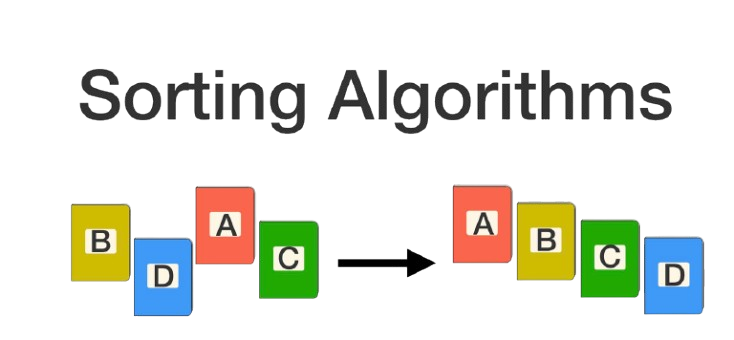
21. What is Sorting Algorithm?
Ans:
Sorting algorithms arrange data in ascending or descending logical order. Common examples include bubble sort, merge sort, quick sort, and heap sort. Sorted data improves searching and downstream processing efficiency significantly. Different algorithms vary in speed, memory, and stability properties. Sorting basics are essential for coding rounds.
22. How to prepare sorting concepts clearly?
Ans:
- Learning simple versus advanced sorting methods builds structured understanding quickly. Basic algorithms create foundation before moving to optimized methods clearly. Step-by-step learning improves confidence.
- Comparing O(n²) and O(n log n) methods improves technical maturity significantly. Complexity comparison helps choose better algorithms for large inputs effectively. Performance awareness is important.
- Practicing custom sorting questions adds practical interview value effectively. Real coding problems often involve comparators and special ordering logic frequently. Practice improves adaptability.
- Revising stable and unstable sorts strengthens depth naturally. Understanding element order preservation gives deeper conceptual clarity clearly. Strong revision helps interviews.
23. What is Hashing?
Ans:
Hashing stores data using key-value mapping for fast access operations. Hash maps often provide near constant time insertion and lookup performance. They are useful for frequency counting, duplicates, and lookup problems. Collisions may occur and require handling techniques carefully. Hashing is one of the most common Amazon interview topics.
24. How to prepare hashing questions effectively?
Ans:
- Practicing frequency count and pair sum problems builds strong readiness quickly. These are classic hashing applications asked in coding rounds regularly. Practice develops speed.
- Learning maps versus sets usage improves decision-making significantly. Knowing when to store keys only or key-value pairs is important clearly. Correct choice saves time.
- Understanding collisions concept adds deeper technical maturity effectively. Collision handling explains how hashing works internally in real systems naturally. This improves knowledge depth.
- Revising common patterns strengthens confidence naturally. Repeated exposure to standard techniques improves faster problem recognition clearly. Confidence grows with revision.
25. What are first stage success tips for Amazon coding interviews?
Ans:
Success begins with strong fundamentals in arrays, lists, recursion, and complexity analysis. Candidates should solve problems regularly instead of only reading solutions. Writing clean logic and explaining thought process improves interviewer impression significantly. Optimized approaches should be practiced after brute force understanding first. Consistent preparation creates the best early advantage.
26. What is Tree Data Structure?
Ans:
A tree is a hierarchical data structure made of nodes connected through parent-child relationships. The topmost node is called root, while nodes without children are leaf nodes. Trees are widely used for searching, indexing, and representing structured relationships efficiently. Common types include binary tree, binary search tree, and heap structures. Tree questions are highly common in Amazon coding interviews.
27. How to prepare tree coding problems?
Ans:
- Practicing inorder, preorder, and postorder traversals builds strong structural understanding quickly. These traversals are the foundation of most tree problems in interviews. Strong basics improve confidence greatly.
- Learning recursive and iterative traversal approaches improves coding maturity significantly. Both methods are frequently tested in technical rounds. Understanding both gives flexibility.
- Solving height, diameter, and balance problems adds practical interview depth effectively. These problems develop problem-solving skill on trees strongly. They are common questions.
- Revising node relationship concepts strengthens confidence naturally. Parent, child, sibling, and ancestor ideas are very important. Clear concepts improve speed.
28. What is Binary Search Tree?
Ans:
A Binary Search Tree is a binary tree where left nodes are smaller values. Right child nodes always contain greater values than the parent node. This ordering property enables faster searching, insertion, and deletion operations. Balanced BST structures can achieve near logarithmic performance efficiently. BST concepts are important for coding interviews.
29. How to prepare BST concepts clearly?
Ans:
- Learning insertion and search rules creates immediate conceptual clarity strongly. Correct ordering rules define how BST works efficiently. This is a core interview topic.
- Practicing inorder traversal producing sorted output improves understanding significantly. This property is commonly used to validate BST logic. It helps in many problems.
- Solving lowest common ancestor and validation questions adds relevance effectively. These are frequently asked coding interview problems. Practice improves readiness.
- Revising balanced versus unbalanced behavior strengthens technical depth naturally. Tree shape directly affects performance complexity. Understanding this is valuable.
30. What is Heap Data Structure?
Ans:
A heap is a complete binary tree used for priority-based operations efficiently. In max heap, parent values remain greater than child values consistently. In min heap, smaller values stay closer to the root position. Heaps are widely used in priority queues and top K problems. Heap topics appear frequently in Amazon rounds.
31. How to prepare heap questions properly?
Ans:
- Learning min heap and max heap properties builds strong readiness quickly. These two forms appear in many coding problems regularly. Basics are essential.
- Practicing heap insertion and extraction operations improves implementation maturity significantly. Operational understanding helps solve practical interview questions. Coding skill improves.
- Solving top K frequent elements adds interview relevance effectively. This is a classic heap-based coding problem. It appears often in rounds.
- Revising heapify logic strengthens coding confidence naturally. Heapify is the heart of efficient heap operations. Strong practice increases speed.
32. What is Graph Data Structure?
Ans:
A graph is a collection of nodes connected through edges representing relationships. Graphs may be directed, undirected, weighted, or unweighted depending on design. They are used in maps, networks, dependencies, and recommendation systems widely. Traversal methods include BFS and DFS for exploring graph nodes. Graph questions are common in advanced coding rounds.
33. How to prepare graph coding problems?
Ans:
- Learning adjacency list and adjacency matrix representations builds strong fundamentals quickly. These are the two common graph storage methods. Representation knowledge is important.
- Practicing BFS and DFS traversal improves technical confidence significantly. Traversal forms the base for many graph problems. These are must-know techniques.
- Solving connected components and shortest path questions adds practical depth effectively. These questions are common in interviews and contests. Practice improves accuracy.
- Revising visited-array logic strengthens interview readiness naturally. Proper visited tracking prevents loops and repeated work. It is highly useful.
34. What is Breadth First Search?
Ans:
Breadth First Search is a graph traversal method exploring level by level. It uses a queue to process nearest nodes before deeper nodes. BFS is useful for shortest path in unweighted graphs commonly. Tree level order traversal also uses BFS methodology effectively. BFS is frequently asked in Amazon coding interviews.
35. How to prepare BFS questions clearly?
Ans:
- Learning queue-based traversal logic creates immediate understanding strongly. Queue order is central to BFS processing. This concept is frequently tested.
- Practicing matrix shortest path problems improves readiness significantly. Many grid questions depend on BFS traversal. These improve practical skills.
- Solving tree level order traversal adds interview relevance effectively. This is a direct BFS application in trees. It is commonly asked.
- Revising visited node handling strengthens confidence naturally. Without visited checks, repeated processing may occur. Proper handling is necessary.
36. What is Depth First Search?
Ans:
Depth First Search explores one path deeply before backtracking to alternatives. It can be implemented using recursion or an explicit stack structure. DFS is useful for path finding, cycle detection, and components problems. Many backtracking problems rely heavily on DFS principles. DFS is a core coding interview topic.
Enroll in Learning Data Structures and Algorithms Course and UPGRADE Your Skills
Weekday / Weekend BatchesSee Batch Details37. How to prepare DFS coding problems?
Ans:
- Learning recursive traversal behavior builds strong graph understanding quickly. Recursion naturally matches DFS exploration patterns. It is useful in interviews.
- Practicing island counting and path existence problems improves readiness significantly. These are classic DFS-based coding questions. They improve confidence.
- Studying stack-based DFS implementation adds useful technical depth effectively. Iterative DFS is important when recursion is avoided. Both methods are valuable.
- Revising backtracking relation strengthens memory naturally. DFS and backtracking often work together in problems. This connection is important.
38. Write a program for Fibonacci using Dynamic Programming.
Ans:
This example uses dynamic programming to find Fibonacci series values.
- #include <stdio.h>
- int main() {
- int n=10, dp[10];
- dp[0]=0; dp[1]=1;
- for(int i=2;i<n;i++)
- dp[i]=dp[i-1]+dp[i-2];
- for(int i=0;i<n;i++)
- printf(“%d “, dp[i]);
- return 0;
- }
In this example, previous results are stored to avoid repeated calculations.
39. How to prepare Dynamic Programming effectively?
Ans:
- Learning recursion to DP conversion creates strong conceptual clarity quickly. Many DP problems begin as recursive logic first. This transition is essential.
- Practicing memoization and tabulation methods improves technical maturity significantly. Both approaches are regularly asked in interviews. Understanding both is valuable.
- Solving knapsack and subsequence problems adds practical depth effectively. These are famous dynamic programming patterns. Practice builds strength.
- Revising state definition skills strengthens confidence naturally. Correct states are the heart of every DP solution. Clear thinking improves coding speed.
40. What is Greedy Algorithm?
Ans:
A greedy algorithm makes the best immediate local choice at every step. It aims to build an optimal global solution through repeated decisions. This method works only when greedy property exists in the problem. Examples include activity selection and interval scheduling problems. Greedy topics are common in coding interviews.
41. How to prepare greedy problems properly?
Ans:
- Learning local optimum versus global optimum concepts creates clarity strongly. This explains why greedy works or fails in problems. Strong concepts are needed.
- Practicing interval merge and scheduling questions improves readiness significantly. These are classic greedy applications in interviews. Practice improves speed.
- Understanding where greedy fails adds deeper maturity effectively. Some problems need DP instead of greedy logic. This comparison is valuable.
- Revising sorted-input patterns strengthens coding intuition naturally. Sorting often appears before greedy decisions. Pattern recognition helps greatly.
42. What is the difference between Sliding Window and Two Pointer Technique?
Ans:
| Criteria | Sliding Window | Two Pointer |
|---|---|---|
| Meaning | Uses moving range of elements. | Uses two separate indices. |
| Best Use | Subarray and substring problems. | Sorted arrays and pair problems. |
| Movement | Expand or shrink window. | Move pointers independently. |
| Example | Longest unique substring. | Two sum in sorted array. |
43. How to prepare sliding window questions?
Ans:
- Learning fixed and variable window patterns builds strong readiness quickly. These two forms cover many interview questions. Understanding patterns is important.
- Practicing substring uniqueness problems improves technical confidence significantly. These are common string-based sliding window problems. Practice builds speed.
- Solving maximum sum subarray tasks adds practical relevance effectively. Window sums are popular coding exercises. They strengthen fundamentals.
- Revising pointer movement logic strengthens coding speed naturally. Correct pointer shifts are necessary for efficient solutions. Accuracy improves greatly.
44. What is Two Pointer Technique?
Ans:
Two pointer technique uses two indices moving through data strategically. It is highly useful for sorted arrays and partition-based problems. This method often improves brute force quadratic solutions dramatically. Examples include pair sum and container area problems widely. Two pointer questions are frequent in interviews.
45. How to prepare two pointer problems clearly?
Ans:
- Learning left-right pointer movement creates immediate conceptual clarity strongly. Correct movement rules are the base of this technique. It appears often.
- Practicing pair sum in sorted arrays improves readiness significantly. This is one of the most common interview questions. It builds confidence.
- Solving duplicate removal questions adds useful coding depth effectively. Many array cleanup tasks use two pointers. Practical skill improves.
- Revising termination conditions strengthens implementation confidence naturally. Proper stopping conditions prevent bugs and infinite loops. This is essential.
46. What is Backtracking?
Ans:
Backtracking is a recursive technique exploring choices and undoing invalid paths. It tries possibilities step by step until valid solutions are found. Common examples include permutations, subsets, sudoku, and N-Queens problems. Efficient pruning can greatly reduce unnecessary search operations. Backtracking is a valuable coding interview topic.
47. How to prepare backtracking questions effectively?
Ans:
- Learning choose-explore-unchoose pattern builds strong understanding quickly. This is the standard framework of backtracking problems. It simplifies learning.
- Practicing subsets and permutations improves recursive confidence significantly. These are beginner-friendly backtracking questions. Practice helps growth.
- Solving constraint puzzles adds advanced interview relevance effectively. Sudoku and N-Queens are strong examples. They improve logical depth.
- Revising state restoration logic strengthens coding accuracy naturally. Undoing choices correctly is essential in recursion. Accuracy prevents mistakes.
48. What is String Manipulation in coding rounds?
Ans:
String manipulation involves processing text data through searches, comparisons, and transformations. Common tasks include reversing, parsing, substring checks, and frequency counting. Strings require careful handling of indexes and boundary conditions. Many interview questions combine strings with hashing or sliding window methods. String topics are common in Amazon coding rounds.
49. How to prepare string coding questions properly?
Ans:
- Practicing palindrome and anagram problems builds strong readiness quickly. These are common beginner interview questions. They improve logic.
- Learning substring and character frequency methods improves maturity significantly. Frequency counting appears in many coding tasks. It is highly useful.
- Solving longest unique substring questions adds interview relevance effectively. This problem combines strings with sliding window logic. It is popular.
- Revising index boundary handling strengthens coding confidence naturally. Many string bugs happen through wrong indexes. Careful practice helps greatly.
50. What are second stage success tips for Amazon coding interviews?
Ans:
Intermediate success requires confidence in trees, graphs, DP, and pattern recognition. Candidates should explain logic clearly while writing structured and readable code. Optimized solutions should follow correct brute force reasoning whenever possible. Regular timed practice improves speed and pressure handling significantly. Consistent discipline creates strong chances of success.
51. What is Prefix Sum Technique?
Ans:
Prefix sum is a preprocessing technique used to answer range sum queries efficiently. It stores cumulative sums so repeated calculations become much faster overall. Many array problems reduce time complexity significantly through this approach. Prefix sums are useful in subarray count and interval calculations widely. This technique is common in coding interviews.
52. How to prepare prefix sum problems clearly?
Ans:
- Learning cumulative sum creation builds immediate conceptual clarity for array optimization strongly. Prefix sums are easy and highly effective. This makes them valuable.
- Practicing range sum query questions improves coding readiness significantly. These are common direct applications in interviews. Practice builds speed.
- Solving zero sum subarray tasks adds useful interview depth effectively. Prefix sums with hashing are widely asked patterns. They improve skill.
- Revising index offset handling strengthens implementation confidence naturally. Correct indexes are important in cumulative arrays. Accuracy matters greatly.
53. What is Kadane Algorithm?
Ans:
Kadane Algorithm is an efficient method to find maximum sum subarray quickly. It runs in linear time by tracking current and best sums continuously. Negative running totals are reset when they stop helping future results. This algorithm is highly useful in array optimization problems. Kadane is frequently asked in Amazon interviews.
54. How to prepare Kadane Algorithm effectively?
Ans:
- Learning current sum versus maximum sum logic creates strong understanding quickly. These two variables drive the entire algorithm. Clear basics are essential.
- Practicing negative and mixed number arrays improves technical maturity significantly. Edge cases are common in interview tests. Practice improves correctness.
- Comparing brute force O(n²) with O(n) approach adds relevance effectively. This shows optimization thinking clearly. Interviewers value this skill.
- Revising dry runs strengthens coding confidence naturally. Manual tracing helps understand updates step by step. Confidence grows faster.
55. What is Merge Intervals problem pattern?
Ans:
Merge intervals is a common pattern involving overlapping ranges in datasets. Intervals are usually sorted first before combining connected segments efficiently. Applications include meeting rooms, schedules, and timeline processing systems. Careful boundary comparison is necessary for correct implementations. This pattern appears regularly in coding rounds.
56. How to prepare interval problems properly?
Ans:
- Learning sorting by start time creates immediate clarity for interval processing strongly. Sorting is often the first important step. It simplifies merging.
- Practicing merge and insert interval questions improves readiness significantly. These are standard coding interview patterns. Practice builds confidence.
- Solving meeting room scheduling tasks adds practical interview value effectively. These questions test interval reasoning clearly. They are popular topics.
- Revising overlap conditions strengthens coding accuracy naturally. Correct comparisons decide final output quality. Accuracy is essential.
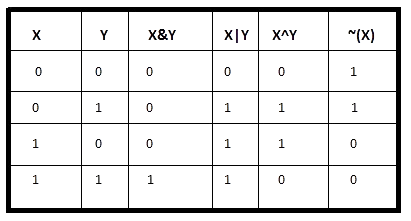
57. What is Bit Manipulation?
Ans:
Bit manipulation uses binary operations to solve problems efficiently at low level. Common operators include AND, OR, XOR, NOT, and bit shifts. These methods help in parity checks, unique numbers, and masks problems. Bitwise solutions can greatly improve speed and memory usage. Bit manipulation is useful in coding interviews.
58. How to prepare bit manipulation questions?
Ans:
- Learning binary representation basics creates strong technical clarity quickly. Understanding bits makes operators easier to apply in coding problems. Strong basics improve speed.
- Practicing odd-even checks and power of two questions improves readiness significantly. These are common beginner interview problems asked frequently. Practice builds confidence.
- Solving unique element using XOR adds interview relevance effectively. XOR logic is powerful for optimized solutions in arrays. This topic is highly valuable.
- Revising shift operations strengthens coding confidence naturally. Left and right shifts are useful in fast calculations. Repetition improves memory.
59. What is Trie Data Structure?
Ans:
Trie is a tree-like data structure used for storing strings efficiently. Each node represents characters forming prefixes of inserted words gradually. It is highly useful for autocomplete and dictionary search systems. Trie operations can be faster than repeated hash lookups in some cases. Trie topics appear in advanced coding rounds.
60. Write a program for Trie word search simulation.
Ans:
This example checks whether a searched word matches stored word.
- #include <stdio.h>
- #include <string.h>
- int main() {
- char word[]=”tree”;
- char search[]=”tree”;
- if(strcmp(word,search)==0)
- printf(“Word Found”);
- else
- printf(“Word Not Found”);
- return 0;
- }
In this example, the searched word is found successfully.
61. What is Topological Sort?
Ans:
Topological sort is an ordering of nodes in a directed acyclic graph. Every directed edge ensures earlier dependency appears before later dependent nodes. It is widely used in task scheduling and course prerequisite problems. Methods include BFS indegree approach and DFS stack approach. Topological sort is common in graph interviews.
62. How to prepare topological sort problems?
Ans:
- Learning dependency ordering meaning creates strong graph understanding quickly. It explains why some tasks must happen before others. This builds conceptual clarity.
- Practicing course schedule style problems improves readiness significantly. These are standard interview questions using topological sort. Practice helps greatly.
- Understanding indegree queue logic adds useful technical depth effectively. BFS processing depends on zero indegree nodes first. This method is common.
- Revising DAG requirement strengthens conceptual clarity naturally. Cycles break topological ordering completely. Remembering this avoids mistakes.
63. What is Union Find structure?
Ans:
Union Find is a structure used to manage connected components efficiently. It supports union operations and parent-based find operations quickly. Path compression and rank optimization improve performance greatly. This method is common in cycle detection and network grouping problems. Union Find is valuable in interviews.
64. How to prepare Union Find clearly?
Ans:
- Learning parent array representation builds immediate conceptual clarity strongly. Each node tracks its group representative efficiently. This is the base idea.
- Practicing connected components and redundant edge problems improves readiness significantly. These are common graph interview applications. Practice builds strength.
- Understanding path compression adds technical maturity effectively. It reduces repeated traversal cost in future searches. Efficiency improves greatly.
- Revising union by rank strengthens efficiency knowledge naturally. Smaller trees attach to larger trees for better performance. This optimization is important.
65. What is Memoization?
Ans:
Memoization stores results of expensive recursive calls for future reuse. It helps reduce repeated calculations in overlapping subproblems dramatically. This top-down dynamic programming style improves speed significantly. Many recursion problems become efficient through memoization techniques. Memoization is frequently asked in coding interviews.
66. How to prepare memoization questions properly?
Ans:
- Learning cache storage of repeated states creates strong clarity quickly. Stored answers prevent unnecessary recalculation of recursion states. This improves efficiency.
- Practicing Fibonacci and staircase problems improves DP readiness significantly. These are classic memoization examples asked often. Practice builds confidence.
- Comparing plain recursion versus memoized recursion adds relevance effectively. Speed difference becomes clear through examples. Comparisons strengthen understanding.
- Revising state key design strengthens confidence naturally. Correct keys are necessary for accurate caching logic. Good design matters.
67. What is Tabulation in Dynamic Programming?
Ans:
Tabulation is a bottom-up dynamic programming technique using iterative tables. It solves smaller states first and builds toward final answers gradually. This method avoids recursion stack overhead in many scenarios. Tabulation is often easier to optimize for memory later. It is common in Amazon coding rounds.
68. Write a program for Tabulation Fibonacci series.
Ans:
This example uses tabulation to generate Fibonacci numbers.
- #include <stdio.h>
- int main() {
- int n=6, dp[10], i;
- dp[0]=0; dp[1]=1;
- for(i=2;i<n;i++)
- dp[i]=dp[i-1]+dp[i-2];
- for(i=0;i<n;i++)
- printf(“%d “, dp[i]);
- return 0;
- }
In this example, Fibonacci values are built using bottom-up table method.
69. What is Monotonic Stack?
Ans:
Monotonic stack maintains elements in increasing or decreasing sorted order. It helps solve nearest greater or smaller element problems efficiently. Many histogram and temperature questions use this powerful pattern. This approach often reduces nested loop solutions to linear time. Monotonic stack is popular in interviews.
70. How to prepare monotonic stack questions?
Ans:
- Learning increasing and decreasing stack behavior creates clarity quickly. Recognizing both patterns helps solve many variations easily. This improves confidence.
- Practicing next greater element questions improves readiness significantly. These are standard monotonic stack interview problems. Practice builds speed.
- Solving histogram area tasks adds strong interview relevance effectively. Largest rectangle problems are famous coding questions. They test deeper understanding.
- Revising push-pop conditions strengthens coding accuracy naturally. Correct stack updates prevent logic mistakes. Repetition improves performance.

Learning Data Structures and Algorithms with Advanced Concepts By Industry Experts
- Instructor-led Sessions
- Real-life Case Studies
- Assignments
71. What is the difference between Greedy and Dynamic Programming?
Ans:
| Criteria | Greedy | Dynamic Programming |
|---|---|---|
| Approach | Takes best local choice each step. | Solves subproblems and combines results. |
| Speed | Usually faster and simpler. | May take more time and memory. |
| Optimal Result | Not always guaranteed. | Usually guarantees optimal answer. |
| Examples | Activity selection, Huffman coding. | Knapsack, LCS, Coin Change. |
72. How to answer Greedy versus DP clearly?
Ans:
- Defining greedy as local decision making creates immediate understanding strongly. It selects the best current option without full future analysis. This is the core idea.
- Explaining DP as stored subproblem optimization improves clarity significantly. It solves repeated smaller problems and combines results later. This gives broader power.
- Giving interval scheduling versus knapsack examples adds relevance effectively. Examples help show where each technique works best. Practical answers impress interviewers.
- Revising when greedy fails strengthens interview maturity naturally. Some problems need complete exploration rather than local choices. Knowing limits is valuable.
73. What is Code Optimization?
Ans:
Code optimization means improving speed, memory, readability, or maintainability of solutions. It often starts after a correct brute force version is available. Optimization may involve better data structures or reduced repeated work. Clean optimized code creates stronger interviewer impressions significantly. Optimization skills are important for Amazon rounds.
74. How to prepare optimization mindset for interviews?
Ans:
- Always writing brute force first creates a clear improvement baseline strongly. A working simple solution helps identify optimization opportunities later. This is smart practice.
- Looking for repeated loops and unnecessary storage improves solutions significantly. Redundant operations often cause slow performance. Careful review helps greatly.
- Choosing correct structures like hash maps adds practical value effectively. Proper structures can drastically reduce time complexity. Selection matters a lot.
- Revising complexity after coding strengthens final confidence naturally. Final analysis shows whether optimization goals were achieved. This improves interview quality.
75. What are third stage success tips for Amazon coding interviews?
Ans:
Advanced preparation should now include graph patterns, DP, intervals, and specialized structures. Candidates should explain tradeoffs between multiple valid solutions clearly. Timed contests and mock rounds improve pressure handling significantly. Debugging speed is as valuable as coding speed in interviews. Consistent advanced practice creates strong selection chances.
76. What is Systematic Debugging in coding rounds?
Ans:
Systematic debugging is the structured process of identifying and fixing errors logically. It involves checking inputs, outputs, boundaries, and variable changes step by step. Good debugging prevents panic during interviews and saves valuable time significantly. Many rejected solutions fail due to small overlooked mistakes only. Debugging ability is important in Amazon coding rounds.
77. How to improve debugging skills effectively?
Ans:
- Practicing dry runs on paper creates strong logical tracing ability quickly. Manual execution helps understand every step of algorithm flow clearly. This reduces hidden coding mistakes.
- Checking edge cases and null values improves technical maturity significantly. Many interview bugs appear from ignored boundary conditions only. Strong checking increases correctness.
- Reading compiler errors carefully adds practical debugging value effectively. Error messages often directly indicate syntax or type issues clearly. Smart reading saves time.
- Reviewing variable updates step by step strengthens coding confidence naturally. Tracking changes helps detect wrong assignments quickly. This improves final output accuracy.
78. What is Clean Code in interviews?
Ans:
Clean code means readable, organized, and maintainable code with clear logic flow. Meaningful variable names help interviewers understand intentions immediately. Proper indentation and modular structure improve readability significantly. Clean code reflects professionalism and strong engineering habits consistently. This quality matters in coding interviews.
79. Write a program for clean code addition using function.
Ans:
This example shows clean code by using a separate function with clear names.
- #include <stdio.h>
- int addNumbers(int first, int second){
- return first + second;
- }
- int main(){
- int result = addNumbers(10,20);
- printf(“Sum = %d”, result);
- return 0;
- }
In this example, meaningful names and separate function improve readability.
80. What is Edge Case handling?
Ans:
Edge case handling means testing unusual or boundary input scenarios carefully. Examples include empty arrays, single elements, duplicates, and extreme values. Many correct-looking solutions fail because boundaries were ignored initially. Checking edge cases increases robustness and correctness significantly. This topic is highly valued in coding rounds.
81. How to prepare edge case thinking clearly?
Ans:
- Testing minimum and maximum inputs creates strong validation habits quickly. Boundary checks reveal many hidden bugs in solutions clearly. This improves reliability.
- Checking duplicates and negative values improves solution maturity significantly. Real datasets often contain repeated or negative numbers. Strong handling matters.
- Verifying sorted and unsorted scenarios adds practical relevance effectively. Different input arrangements can expose weak assumptions quickly. Testing variety is useful.
- Revising null and empty input handling strengthens confidence naturally. Defensive coding avoids runtime failures in interviews. Safe logic improves scores.
82. What is Brute Force solution?
Ans:
A brute force solution solves problems using direct straightforward exhaustive checking. It may not be optimal but often helps establish initial correctness quickly. Interviewers usually appreciate clear reasoning before optimization stages begin. Many advanced solutions are discovered from brute force analysis first. Brute force is important in coding interviews.
83. How to convert brute force into optimized solutions?
Ans:
- Identifying repeated calculations creates opportunities for faster approaches strongly. Repeated work usually signals room for optimization clearly. Pattern recognition is important.
- Replacing nested loops with hashing often improves complexity significantly. Hash maps can reduce quadratic solutions to linear time. This is common in interviews.
- Using pointers or windows adds practical optimization value effectively. Two-pointer and sliding window methods save extra comparisons greatly. These are powerful techniques.
- Comparing complexities after improvement strengthens technical maturity naturally. Explaining gains shows strong analytical thinking clearly. Interviewers value this skill.
84. What is Dry Run in problem solving?
Ans:
Dry run means manually executing code logic using sample inputs step by step. It helps verify correctness before compiling or submitting solutions confidently. Dry runs reveal pointer mistakes, loops issues, and missed conditions quickly. Interviewers often expect candidates to validate solutions this way. Dry run skill improves coding accuracy greatly.
85. How to perform dry runs effectively?
Ans:
- Using small sample inputs creates immediate clarity in algorithm flow strongly. Smaller cases are easier to trace carefully. This improves understanding quickly.
- Tracking variable values line by line improves debugging maturity significantly. Stepwise monitoring exposes wrong transitions early. It saves correction time.
- Testing edge inputs adds practical correctness value effectively. Boundary examples confirm whether logic handles extremes properly. Strong testing matters.
- Revising outputs after each step strengthens confidence naturally. Continuous checking ensures algorithm remains correct throughout execution. This builds trust in code.
86. What is Communication during coding interviews?
Ans:
Communication means explaining thought process clearly while solving coding problems. Interviewers evaluate reasoning, tradeoffs, and clarity beyond final answers. Structured speaking shows confidence and collaborative engineering mindset strongly. Silent coding may hide strong logic from interviewers unnecessarily. Communication is essential in Amazon interviews.
87. How to improve coding interview communication?
Ans:
- Explaining brute force first creates immediate structure for discussions strongly. Starting simple shows logical progression clearly. This helps interviewers follow easily.
- Describing optimization ideas step by step improves interviewer confidence significantly. Gradual improvement demonstrates analytical maturity well. Structured thinking creates impact.
- Speaking while debugging adds practical transparency effectively. Interviewers can see reasoning even when errors occur. Communication protects performance.
- Summarizing final complexity strengthens professional impression naturally. Clear conclusion shows complete understanding of solution quality. Final summaries matter.
88. What is Test Case Validation?
Ans:
Test case validation means checking solutions against multiple possible inputs carefully. It confirms correctness beyond one happy-path example only. Strong validation includes normal, edge, random, and stress scenarios. This practice reduces hidden bugs before final submission significantly. Validation habits are useful in coding rounds.
89. How to prepare test case mindset properly?
Ans:
- Creating normal and edge test cases builds strong correctness habits quickly. Balanced testing checks common and rare scenarios clearly. This improves reliability.
- Checking repeated values and boundaries improves solution maturity significantly. Duplicate-heavy cases often expose weak logic quickly. Thoroughness matters greatly.
- Using large inputs adds performance validation value effectively. Bigger data reveals slow algorithms and memory issues clearly. Stress testing is useful.
- Revising expected outputs strengthens coding confidence naturally. Knowing correct answers helps verify implementation accurately. Confidence grows through validation.
90. What is the difference between Time Complexity and Space Complexity?
Ans:
| Criteria | Time Complexity | Space Complexity |
|---|---|---|
| Meaning | Measures execution time growth. | Measures memory usage growth. |
| Focus | Speed of algorithm. | Storage required by algorithm. |
| Example | O(n), O(log n), O(n²) | O(1), O(n) |
| Importance | Helps optimize runtime. | Helps optimize memory. |
91. How to explain tradeoffs clearly?
Ans:
- Comparing time complexity first creates strong technical structure quickly. Runtime is often the first optimization metric discussed clearly. This shows analytical depth.
- Discussing memory consumption improves engineering maturity significantly. Space-efficient choices matter in constrained systems often. Balanced thinking is valuable.
- Mentioning readability and maintainability adds practical relevance effectively. Good code should remain understandable after interviews too. Simplicity has value.
- Recommending best balanced option strengthens confidence naturally. Final judgment shows mature engineering decision-making clearly. Interviewers appreciate balance.
92. What is the difference between Mock Interview and Real Interview?
Ans:
| Criteria | Mock Interview | Real Interview |
|---|---|---|
| Purpose | Practice and preparation. | Actual hiring evaluation. |
| Pressure | Usually lower pressure. | Higher pressure situation. |
| Feedback | Immediate feedback possible. | Selection result later. |
| Benefit | Builds confidence and skill. | Provides real opportunity. |
93. How to prepare through mock interviews?
Ans:
- Practicing timed questions creates strong speed discipline quickly. Time pressure training improves decision-making during real rounds clearly. Speed becomes natural.
- Explaining solutions aloud improves communication maturity significantly. Speaking while solving mirrors real interview expectations closely. Confidence increases steadily.
- Reviewing mistakes after sessions adds practical growth value effectively. Error analysis converts weak areas into strengths over time. Reflection is powerful.
- Repeating weak topic mocks strengthens confidence naturally. Focused repetition improves performance in difficult subjects greatly. Consistency matters.
94. What is Online Assessment strategy?
Ans:
Online assessments usually test coding speed, accuracy, and optimization under time limits. Questions often include arrays, strings, hashing, and logical problem patterns. Strong time management is necessary for solving multiple problems efficiently. Careless syntax mistakes can reduce otherwise strong performance significantly. Assessment readiness is essential for Amazon hiring stages.
95. Write a program for online assessment score calculation.
Ans:
This example calculates total marks of three coding questions.
- #include <stdio.h>
- int main(){
- int q1=30, q2=35, q3=25;
- int total=q1+q2+q3;
- printf(“Total Score = %d”, total);
- return 0;
- }
In this example, the program calculates online test total score.
96. What is Leadership Principle relevance in coding rounds?
Ans:
Amazon coding interviews may also evaluate ownership and problem-solving mindset indirectly. Clear communication and calm debugging reflect customer-focused engineering behavior. Structured thinking often aligns with strong execution principles naturally. Behavior during problem solving can influence interviewer perception significantly. Technical and behavioral quality both matter.
97. How to show strong interview behavior during coding rounds?
Ans:
- Staying calm under pressure creates immediate professional impression strongly. Calm behavior suggests dependable performance in real work clearly. Composure matters.
- Explaining assumptions clearly improves collaboration maturity significantly. Shared understanding avoids confusion during discussions. Clarity builds trust.
- Accepting hints positively adds practical teamwork value effectively. Openness to guidance reflects coachable attitude well. Interviewers value adaptability.
- Finishing with clean summary strengthens final confidence naturally. Strong endings leave clear positive impressions after rounds. Closure matters.
98. What is Final Revision strategy before interviews?
Ans:
Final revision should focus on patterns rather than learning entirely new topics. Arrays, strings, trees, graphs, and DP should be reviewed carefully. Common mistakes and previous weak areas deserve extra attention significantly. Light practice helps maintain rhythm without causing burnout. Balanced revision improves final readiness strongly.
99. How to manage interview day performance?
Ans:
- Reading each problem carefully creates strong starting accuracy quickly. Good understanding prevents avoidable mistakes later clearly. Patience helps performance.
- Asking clarifying questions improves technical maturity significantly. Smart questions show professional thinking and reduce wrong assumptions. Clarity matters.
- Writing structured code calmly adds practical performance value effectively. Organized coding improves readability and lowers errors greatly. Calmness helps success.
- Testing final output strengthens confidence naturally before submission. Final checks catch missed issues at the right time. Validation is essential.
100. What are ultimate success tips for Amazon coding interviews?
Ans:
Ultimate success depends on strong fundamentals, pattern recognition, and disciplined practice consistently. Candidates should combine coding skill with communication and debugging ability. Optimized thinking should grow from correct brute force reasoning first. Mock rounds and revision improve confidence significantly before interviews. Consistent effort gives the best chance of selection success.