LMS
LMS
Last updated on 30th May 2026| 11243

- Introduction to SAP MM
- Enterprise Structure in SAP MM
- Master Data Management
- Procurement Process Overview
- Purchase Requisition (PR) & RFQ
- Purchase Order (PO) & Goods Receipt (GR)
- Inventory Management & Invoice Verification
- Special Procurement Processes & Reporting
- Conclusion and Next Steps in SAP MM
Introduction to SAP MM
SAP Materials Management (SAP MM) is a core SAP module that manages procurement, inventory, and material planning activities within an organization. It supports the complete procurement cycle, from identifying material requirements to purchasing, receiving goods, and processing vendor invoices. SAP MM helps businesses maintain optimal inventory levels, reduce procurement costs, and improve supplier relationships in SAP MM Training . The module is widely used in manufacturing, retail, healthcare, and other industries where efficient material management is essential. SAP MM also integrates seamlessly with modules such as Finance (FI), Sales and Distribution (SD), Production Planning (PP), and Quality Management (QM), enabling smooth business operations and real-time data sharing across departments. By automating procurement and inventory processes, SAP MM increases operational efficiency, enhances data accuracy, and supports better decision-making throughout the supply chain. It serves as the foundation for effective material flow management, ensuring that the right materials are available at the right time while minimizing costs and maintaining business continuity.

Enterprise Structure in SAP MM
Enterprise Structure in SAP MM represents the organizational framework that defines how a company is structured within the SAP system. It consists of various organizational units that support procurement, inventory management, and reporting processes. The hierarchy typically begins with the Client, which represents the highest level in the SAP system. Under the Client, a Company Code is created to represent a legal entity responsible for financial accounting. A Plant represents a manufacturing facility, warehouse, or branch where business operations occur and SAP module in SAP MM Training. Within a Plant, Storage Locations are used to manage and track inventory physically stored in different areas. Purchasing Organizations are responsible for procurement activities and vendor negotiations, while Purchasing Groups represent buyers or teams handling purchasing tasks. Properly defining and assigning these organizational units is essential because all procurement, inventory, and material management transactions depend on this structure. A well-configured enterprise structure ensures accurate data processing, efficient inventory control, streamlined purchasing operations, and seamless integration with other SAP modules such as Finance and Production Planning.
Ready to earn your SAP MM Professional Certification? Discover the SAP MM Training now available at ACTE!
Master Data Management
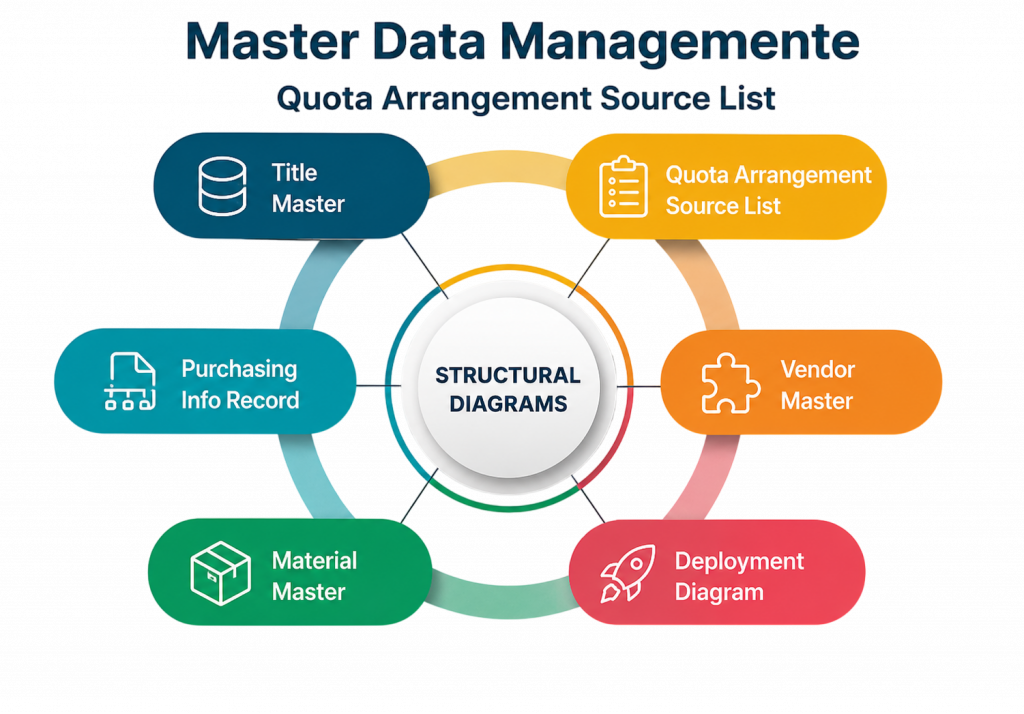
- Material Master: The Material Master is the central repository for all material-related information in SAP MM. It stores data required for purchasing, inventory management, accounting, sales, and production processes. Information such as material descriptions, units of measure, valuation details, storage data, and procurement settings is maintained here. Since this data is shared across multiple departments, the Material Master ensures consistency and accuracy throughout business operations.
- Vendor Master (Business Partner): The Vendor Master, known as the Business Partner in SAP S/4HANA, contains all information related to suppliers. It includes details such as vendor names, addresses, contact information, payment terms, and purchasing data in SAP HCM Tutorial for Beginners. This master data is used during procurement, invoice verification, and payment processing activities. Maintaining accurate vendor information helps organizations streamline purchasing operations and build effective supplier relationships.
- Purchasing Info Record: A Purchasing Info Record maintains the relationship between a specific material and a vendor. It stores important procurement information such as pricing conditions, delivery schedules, vendor-specific material numbers, and purchasing terms in SAP module. This data helps buyers create purchase orders more efficiently and ensures consistency in procurement transactions. It also reduces manual effort and minimizes errors during the purchasing process.
- Source List: The Source List is used to define approved sources of supply for materials. It identifies preferred, fixed, or authorized vendors from whom materials can be procured SAP FICO Tutorial. By maintaining a Source List, organizations can control purchasing activities, ensure compliance with procurement policies, and prevent purchases from unauthorized suppliers. This improves procurement efficiency and supplier management.
- Quota Arrangement: A Quota Arrangement is used when a company procures the same material from multiple vendors. It allows procurement quantities to be distributed among suppliers based on predefined quota percentages. This helps organizations balance procurement volumes, reduce supply risks, improve supplier performance management, and maintain a reliable supply chain while ensuring fair vendor allocation.
Get Your SAP MM Certification by Learning from Industry-Leading Experts and Advancing Your Career with ACTE’s SAP MM Training.
Procurement Process Overview
The Procurement Process in SAP MM is a structured workflow used to acquire materials and services required for business operations. It begins when a department identifies a requirement for a material or service and raises a purchase requisition. The procurement team then evaluates potential suppliers, requests quotations if necessary, and selects the most suitable vendor to leran more about SAP Simple Finance. After vendor selection, a purchase order is issued to formalize the agreement. Once the supplier delivers the materials, a goods receipt is recorded to confirm delivery and update inventory levels. The final stage involves invoice verification, where the vendor invoice is matched against the purchase order and goods receipt before payment is processed. This end-to-end process helps organizations maintain material availability, control procurement costs, improve supplier relationships, ensure transparency, and support efficient inventory management. Through automation and integration with other SAP modules, SAP MM streamlines procurement activities and enhances overall operational efficiency.

Purchase Requisition (PR) & RFQ
A Purchase Requisition (PR) is an internal document used to communicate the need for materials or services within an organization. It acts as the starting point of the procurement process by providing details such as material specifications, quantity, and required delivery date. Once approved, the procurement department uses the PR to initiate purchasing activities. If multiple vendors are available, a Request for Quotation (RFQ) is created and sent to suppliers to obtain pricing and delivery information. Vendors respond with quotations, which are evaluated based on factors such as cost, quality, and delivery performance in SAP Security Level. The RFQ process helps organizations make informed purchasing decisions and select the most suitable supplier. Together, PR and RFQ ensure that procurement activities are properly planned, controlled, and aligned with business requirements while promoting cost savings and supplier competitiveness.
Purchase Order (PO) & Goods Receipt (GR)
- Purchase Order Creation: A Purchase Order is an official document sent to a vendor specifying materials, quantities, prices, delivery dates, and purchasing terms. It serves as a legal agreement between buyer and supplier.
- PO Approval Process: Organizations often implement approval workflows before a PO is released SAP Tutorial. This ensures purchasing compliance, budget control, and authorization according to company policies.
- Vendor Communication: The approved PO is transmitted to the selected vendor. It provides clear procurement requirements and establishes expectations regarding delivery schedules and pricing.
- Goods Receipt Processing: When materials arrive, a Goods Receipt is posted in SAP HANA Admistration Tutorial. This confirms that the ordered goods have been received and updates inventory records automatically.
- Inventory and Accounting Impact: The Goods Receipt increases stock levels and can generate accounting entries. This ensures accurate inventory tracking and proper financial recording of procurement transactions.

Get JOB Oriented SAP MM Training for Beginners By MNC Experts
- Instructor-led Sessions
- Real-life Case Studies
- Assignments
Want to Master SAP MM? Explore the SAP MM Master Program Offered at ACTE Today!
Inventory Management & Invoice Verification
- Stock Management: Inventory Management helps organizations monitor material quantities, stock movements, and storage locations to ensure materials are available when needed.
- Material Movements: SAP MM records various material movements such as goods receipts, goods issues, transfers, and returns, ensuring accurate inventory tracking.
- Physical Inventory: Physical inventory activities compare actual stock with system records leran SAP Fiori Tutorial. Any discrepancies identified are adjusted to maintain inventory accuracy.
- Invoice Verification: Vendor invoices are checked against purchase orders and goods receipts to ensure pricing, quantities, and terms are correct before payment. leran more about in SAP SD Tutorial
- Three-Way Matching: SAP performs matching between the Purchase Order, Goods Receipt, and Invoice. This control mechanism helps prevent payment errors and procurement discrepancies.
Set to Ace Your SAP MM Job Interview? Check Out Our Blog on SAP MM Interview Questions & Answer
Special Procurement Processes & Reporting
Special Procurement Processes in SAP MM handle procurement needs beyond standard purchasing. They include subcontracting, where vendors process company-owned materials; consignment procurement, where stock remains vendor-owned until used; stock transport orders for transferring materials between plants; third-party procurement, where vendors directly ship goods to customers; and service procurement for acquiring external services in SAP EWM Tutorial. These processes help organizations manage complex supply chain requirements, improve flexibility, and maintain strong supplier coordination. SAP MM also provides reporting and analytics tools to track procurement performance, inventory levels, vendor efficiency, and purchasing trends. These insights support better decision-making, cost control, and operational efficiency. Overall, special procurement processes combined with reporting capabilities enhance supply chain visibility, control, and performance across business operations.
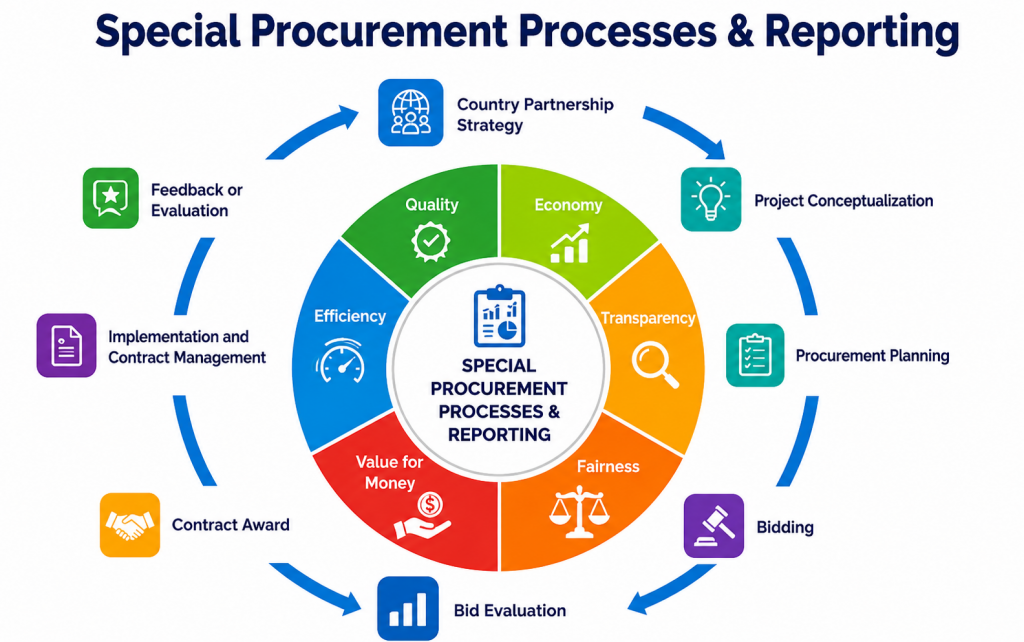
. These processes help organizations manage complex supply chain requirements, improve flexibility, and maintain strong supplier coordination. SAP MM also provides reporting and analytics tools to track procurement performance, inventory levels, vendor efficiency, and purchasing trends in SAP MM Training. These insights support better decision-making, cost control, and operational efficiency. Overall, special procurement processes combined with reporting capabilities enhance supply chain visibility, control, and performance across business operations.
Conclusion and Next Steps in SAP MM
SAP MM is a critical module that supports procurement, inventory management, and material planning activities across an organization. By understanding enterprise structure, master data, procurement processes, purchase orders, inventory management, and invoice verification, users gain a strong foundation in SAP MM operations. These concepts help streamline purchasing activities, improve inventory accuracy, and enhance supplier management in SAP MM Training . After mastering the fundamentals, learners can progress to advanced topics such as SAP MM configuration, release strategies, valuation and account determination, integration with other SAP modules, and SAP S/4HANA enhancements. Practical project experience, real-world business scenarios, and certification preparation are recommended next steps for building expertise and advancing a career in SAP MM.