LMS
LMS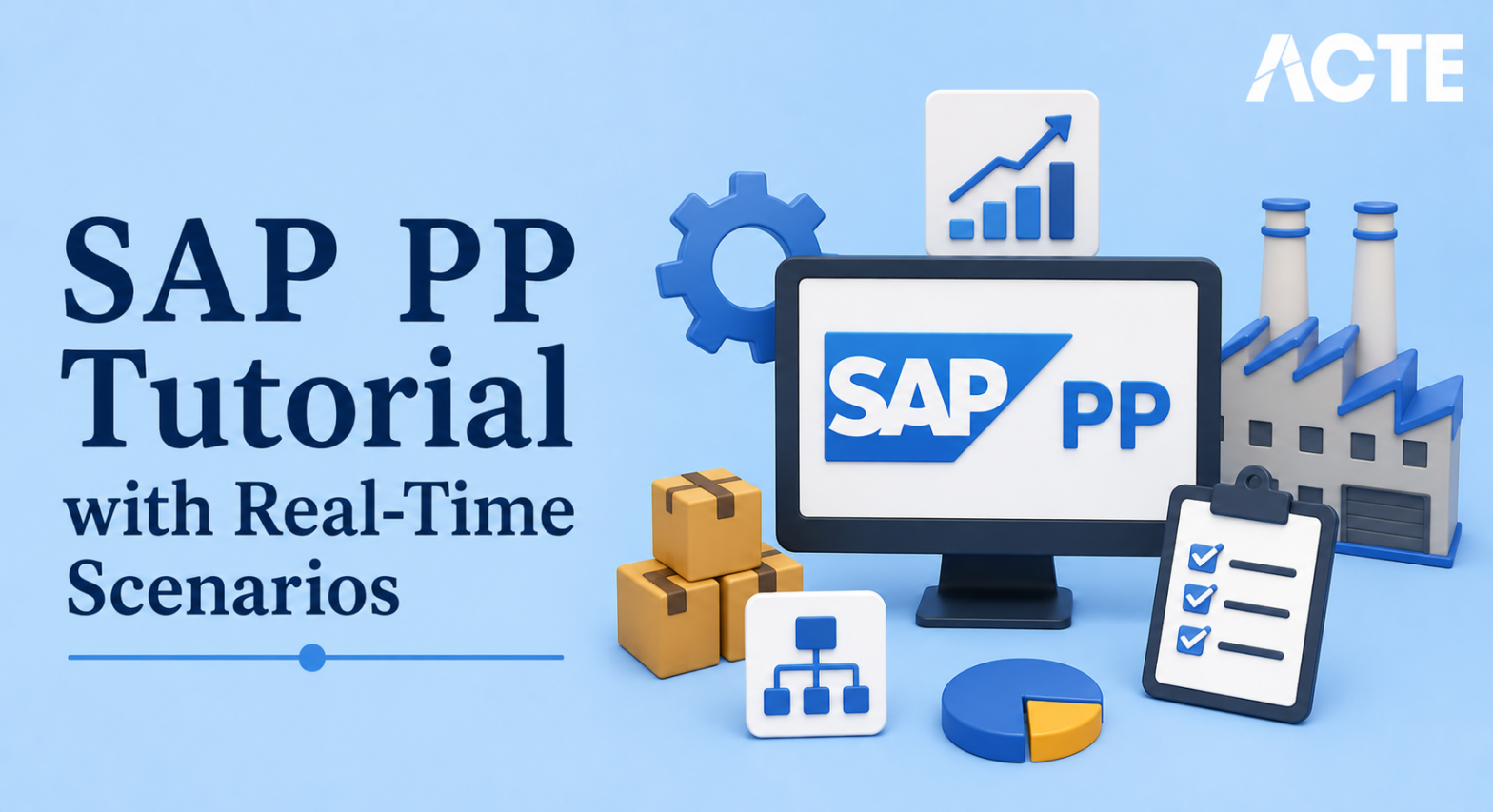
Last updated on 05th Jun 2026| 11279

- Introduction to SAP PP and Manufacturing Process
- Master Data in SAP PP
- Bill of Materials (BOM) Management
- Work Centers and Routings
- Demand Management and Forecasting
- Material Requirements Planning (MRP)
- Production Versions and Capacity Planning
- Production Orders and Shop Floor Control
- Production Confirmation, Goods Receipt, and Reporting
- SAP PP Integration with MM, SD, QM, and WM
- Conclusion
Introduction to SAP PP and Manufacturing Process
SAP Production Planning (SAP PP) is a core module in SAP ERP that helps organizations plan, manage, and control manufacturing activities efficiently. It supports the complete production lifecycle, from demand forecasting and material planning to production execution and finished goods delivery. SAP PP enables businesses to optimize resource utilization, reduce production costs, improve scheduling accuracy, and ensure timely product availability in SAP PP Training . The module integrates seamlessly with other SAP modules such as Materials Management (MM), Sales and Distribution (SD), Quality Management (QM), and Warehouse Management (WM), creating a unified manufacturing environment. In a real-world manufacturing company, SAP PP helps production planners analyze customer demand, determine material requirements, schedule production activities, and monitor shop floor operations. By providing real-time visibility into production processes, SAP PP enables organizations to respond quickly to changing market demands while maintaining operational efficiency and product quality.
Master Data in SAP PP
Master Data is the foundation of all production planning and manufacturing activities in SAP PP. It contains the essential information required to execute and control production processes effectively. Key master data objects include Material Master, Bill of Materials (BOM), Work Centers, Routings, and Production Versions. The Material Master stores information about raw materials, semi-finished goods, and finished products. BOM defines the components required to manufacture a product, while Work Centers represent machines, labor resources, or production lines in our SAP PP Training. Routings specify the sequence of operations needed to produce an item. Accurate master data ensures efficient planning, scheduling, costing, and execution of production activities. In a real-world scenario, a manufacturing company producing electronic devices relies on well-maintained master data to ensure that the correct materials, machines, and processes are available for production. Poor master data quality can lead to planning errors, material shortages, production delays, and increased operational costs.
Ready to earn your SAP HANA Professional Certification? Discover the SAP PP Training now available at ACTE!
Bill of Materials (BOM) Management
The Bill of Materials (BOM) is one of the most important master data elements in SAP PP. It provides a structured list of all raw materials, components, assemblies, and quantities required to manufacture a finished product. BOM management helps organizations maintain accurate product structures and supports production planning, material requirements planning (MRP), costing, and inventory management and learn more in SAP CRM Tutorial Made Easy.
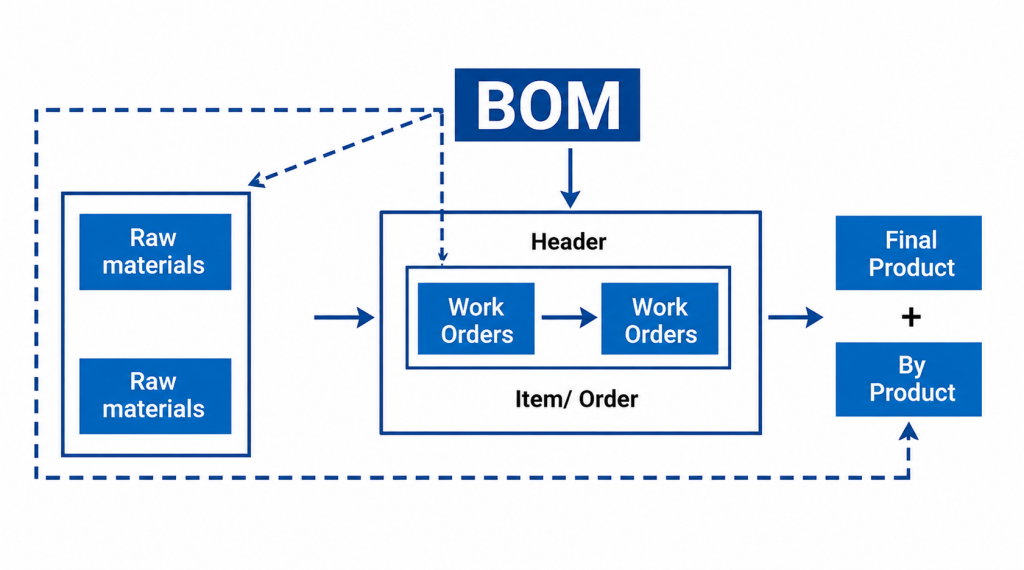
SAP PP allows businesses to create different types of BOMs, such as Material BOM, Equipment BOM, and Sales Order BOM, depending on their manufacturing requirements. In a real-world bicycle manufacturing company, the BOM for a bicycle may include components such as frames, wheels, chains, pedals, brakes, and seats, along with the required quantities for each component and SAP Projects Tutorial: Real-World Implementation Guide. During MRP execution, SAP uses BOM data to calculate material requirements and generate procurement or production proposals. Effective BOM management ensures production accuracy, minimizes material wastage, and supports smooth manufacturing operations.
Get Your SAP HANA Certification by Learning from Industry-Leading Experts and Advancing Your Career with ACTE’s SAP PP Training.
Work Centers and Routings
Work Centers and Routings are critical components of SAP PP that define how production operations are performed. A Work Center represents a production resource such as a machine, assembly line, workstation, or labor group responsible for carrying out manufacturing activities. Routings define the sequence of operations, processing times, and work centers required to produce a finished product and SAP PP Tutorial with Real-Time Scenarios. Together, they enable accurate production scheduling, capacity planning, costing, and shop floor control. For example, in an automobile manufacturing plant, different work centers may be assigned for welding, painting, assembly, and quality inspection. The routing specifies the order in which these operations must be performed and the time required for each step. SAP PP uses routing and work center information to calculate production lead times, allocate resources efficiently, and monitor production progress. Properly maintained work centers and routings help organizations improve productivity, optimize resource utilization, reduce bottlenecks, and ensure timely completion of production orders.

Demand Management and Forecasting
- Understanding Demand Management: Demand Management helps organizations capture, analyze, and manage customer requirements. It ensures production plans align with market demand, reducing excess inventory while maintaining product availability for customers.
- Forecasting Techniques: Forecasting uses historical sales data, market trends, and seasonal patterns to predict future demand. Accurate forecasts enable organizations to plan production efficiently and avoid shortages or overproduction.
- Planned Independent Requirements (PIR): PIRs represent expected future demand for products. SAP PP uses these requirements as input for production planning, helping businesses prepare manufacturing schedules before actual customer orders arrive and lrean more in Complete SAP Internship Tutorial for Freshers.
- Sales and Operations Planning: Sales and Operations Planning integrates sales forecasts with production capabilities. This process ensures departments work together to balance customer demand, inventory levels, and manufacturing resources effectively.
- Business Benefits: Effective demand management improves customer satisfaction, optimizes inventory levels, reduces planning risks, and enhances production efficiency by ensuring resources are available when needed and learn more inSAP S/4HANA Tutorial for Beginners .
Material Requirements Planning (MRP)
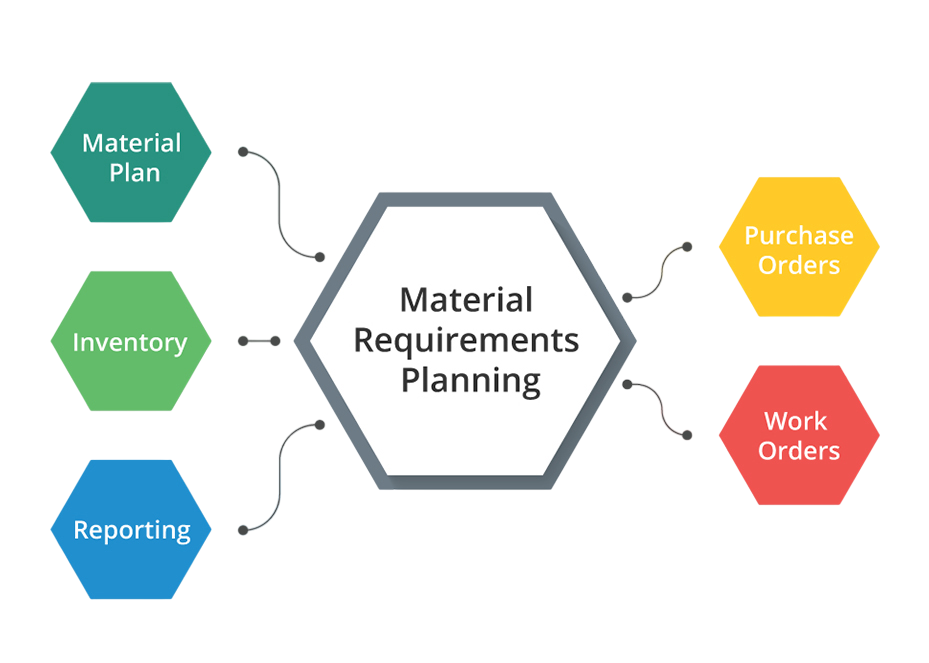
- Introduction to MRP: Material Requirements Planning is a key SAP PP function that calculates the materials and quantities needed for production and SAP HANA Tutorial Complete Guide For Freshers. It ensures materials are available at the right time to meet demand.
- MRP Planning Process: The MRP process evaluates demand, inventory levels, open purchase orders, and production orders. Based on this analysis, SAP generates procurement and production proposals automatically.
- MRP Elements: MRP considers various planning elements such as stock levels, purchase requisitions, planned orders, customer requirements, and safety stock to determine accurate material requirements.
- Planned Orders and Procurement: When shortages are identified, SAP creates planned orders for production or procurement proposals for purchasing and for more Learning SAP ABAP Tutorial with Examples For Beginners These recommendations help maintain uninterrupted manufacturing operations.
- Benefits of MRP: MRP minimizes material shortages, reduces excess inventory, improves production planning accuracy, and supports efficient utilization of resources throughout the manufacturing process.
Production Versions and Capacity Planning
- Understanding Production Versions: Production Versions combine BOMs and Routings into a single production method. They define how a product should be manufactured and support flexible production planning.
- Multiple Manufacturing Methods: Organizations may use different production versions for the same product based on location, equipment, or manufacturing processes. SAP allows selection of the most suitable version.
- Capacity Planning Overview: Capacity Planning evaluates available resources such as machines, labor, and work centers. It helps ensure production schedules do not exceed operational capabilities.
- Capacity Load Analysis: SAP analyzes workloads assigned to work centers and compares them with available capacity and SAP SD Tutorial for Freshers. This helps identify bottlenecks and resource constraints before production begins.
- Business Advantages: Effective capacity planning improves resource utilization, reduces production delays, enhances scheduling accuracy, and ensures smooth manufacturing operations across the organization.

Get JOB Oriented SAP PP Training for Beginners By MNC Experts
- Instructor-led Sessions
- Real-life Case Studies
- Assignments
Production Orders and Shop Floor Control
- Production Order Creation: Production Orders are created to manufacture products based on planned demand. They contain information about materials, operations, quantities, and production schedules.
- Order Release and Execution: Once released, production orders become available for execution on the shop floor. Operators perform manufacturing activities according to defined routings and work instructions.
- Material Consumption Tracking: SAP records raw material consumption during production. This tracking ensures inventory accuracy and provides visibility into material usage throughout the manufacturing process.
- Production Confirmation: Production Confirmation captures completed quantities, labor hours, machine usage, and operation status and SAP MM Tutorial from Scratch For Freshers. It provides real-time updates on production progress and resource utilization.
- Shop Floor Monitoring Benefits: Shop Floor Control improves production visibility, enables real-time monitoring, enhances operational efficiency, supports quality standards, and ensures timely completion of manufacturing orders.
Set to Ace Your AWS Job Interview? Check Out Our Blog on SAP HCM Interview Questions & Answer
Production Confirmation, Goods Receipt, and Reporting
Production Confirmation, Goods Receipt, and Reporting are critical activities in SAP PP that help organizations track production progress, update inventory records, and analyze manufacturing performance. Production Confirmation is the process of recording the completion of manufacturing operations and capturing important information such as produced quantities, labor hours, machine utilization, scrap quantities, and operation status. This information provides real-time visibility into shop floor activities and helps production managers monitor efficiency and productivity. Once production is completed, a Goods Receipt is posted against the production order. This transaction updates inventory by moving finished goods into stock and simultaneously updates accounting records. Goods Receipt ensures that finished products become available for sales, delivery, or further processing. SAP PP also provides comprehensive reporting capabilities that enable businesses to analyze production performance, material consumption, order status, capacity utilization, and production costs and lraen SAP FICO Tutorial Step by Step For Freshers. Reports help identify bottlenecks, monitor key performance indicators, and support informed decision-making. In a real-world manufacturing environment, these processes ensure accurate inventory management, improve production visibility, and provide valuable insights for continuous operational improvement. By integrating production confirmations, inventory updates, and reporting functions, SAP PP helps organizations maintain efficient manufacturing operations while ensuring data accuracy and process transparency.
Want to Master SAP PP? Explore the SAP PP Master Program Offered at ACTE Today!
SAP PP Integration with MM, SD, QM, and WM
One of the greatest strengths of SAP PP is its seamless integration with other SAP modules, creating a unified and efficient manufacturing ecosystem. SAP PP integrates closely with Materials Management (MM), Sales and Distribution (SD), Quality Management (QM), and Warehouse Management (WM) to support end-to-end business processes. Integration with MM ensures that raw materials required for production are procured and available when needed. Material Requirements Planning (MRP) generates procurement proposals that are processed through the MM module. Integration with SD enables production planning based on customer demand and sales orders, ensuring products are manufactured according to market requirements. Quality Management (QM) integration ensures that quality inspections are performed during and after production, helping organizations maintain product standards and compliance requirements in SAP PP Training. Warehouse Management (WM) integration supports efficient storage, movement, and tracking of raw materials and finished goods within warehouse facilities. For example, when a customer places an order, SD captures the demand, PP plans production, MM manages material procurement, QM performs quality inspections, and WM handles inventory storage and movement. This integrated approach eliminates data duplication, improves process efficiency, enhances visibility across departments, and supports faster decision-making. Through strong cross-functional integration, SAP PP enables organizations to achieve streamlined manufacturing operations and improved customer satisfaction.
Conclusion
SAP Production Planning (SAP PP) plays a vital role in helping manufacturing organizations plan, execute, monitor, and optimize their production processes. Throughout this tutorial, we explored the key components of SAP PP, including master data management, Bill of Materials, Work Centers, Routings, Demand Management, Material Requirements Planning, Capacity Planning, Production Orders, Production Confirmation, Goods Receipt, and system integration. Each of these elements contributes to creating an efficient and well-controlled manufacturing environment. SAP PP enables businesses to improve resource utilization, reduce production costs, minimize inventory issues, and ensure timely product delivery. Its integration with other SAP modules such as MM, SD, QM, and WM provides a comprehensive solution for managing end-to-end manufacturing operations in SAP PP Training. In today’s competitive business landscape, organizations must respond quickly to changing customer demands while maintaining operational efficiency and product quality. SAP PP supports these objectives by providing real-time visibility, automation, and data-driven decision-making capabilities. As manufacturing continues to evolve with technologies such as Industry 4.0, IoT, Artificial Intelligence, and Smart Factories, SAP PP remains a critical tool for digital transformation. Organizations that effectively utilize SAP PP can achieve greater productivity, improved customer satisfaction, and sustainable business growth in an increasingly dynamic manufacturing environment.