LMS
LMS
Last updated on 10th Apr 2026| 7281

Amazon Technical Interviews Are Designed To Test Problem Solving Skills, Programming Knowledge, Logical Thinking, And Understanding Of Computer Science Fundamentals. Freshers Applying For Technical Roles At Amazon Commonly Face Questions Related To Data Structures, Algorithms, Programming Languages, Database Management, Operating Systems, Networking, And Object-Oriented Programming Concepts.Candidates Are Also Evaluated On Their Coding Ability, Communication Skills, And Approach Towards Solving Real Time Technical Problems Efficiently. Interviewers Often Focus On Concepts Like Arrays, Linked Lists, Stacks, Queues, Searching, Sorting, Recursion, And Basic System Design Questions. Preparing Technical Interview Questions Helps Freshers Improve Confidence, Strengthen Coding Skills, And Understand Industry Level Expectations. Practicing Frequently Asked Questions Along With Writing Programs In Languages Like Java, Python, C++, And JavaScript Can Increase The Chances Of Success In Amazon Technical Interviews.
1.What Is Programming?
Ans:
Programming Is The Process Of Writing Instructions For Computers To Perform Tasks Efficiently. Developers Use Programming Languages Like Python, Java, And C++ To Build Applications. Programming Helps Solve Real World Problems Through Logical Solutions And Automation. It Involves Writing, Testing, Debugging, And Maintaining Source Code Carefully. Strong Programming Skills Improve Problem Solving And Analytical Thinking Abilities. Freshers Should Practice Coding Problems Regularly To Build Confidence And Accuracy.
2. What Is Object Oriented Programming?
Ans:
Object Oriented Programming Is A Programming Style Based On Objects And Classes. It Helps Organize Code Into Reusable And Manageable Components Efficiently Today. Main Concepts Include Encapsulation, Inheritance, Polymorphism, And Abstraction In Software Development. OOP Improves Code Reusability, Scalability, And Maintainability In Large Applications Successfully. Languages Like Java, Python, And C++ Support Object Oriented Programming Features. Freshers Should Understand Real Time Examples Of Classes And Objects Clearly.
3. What Is A Variable?
Ans:
A Variable Is A Named Storage Location Used To Store Data Values Temporarily. Variables Help Programs Process Information Dynamically During Execution Efficiently And Correctly. Different Data Types Like Integer, Float, And String Can Be Stored Easily. Variables Improve Flexibility And Allow Programs To Handle Changing Input Values Smoothly. Proper Naming Conventions Make Code More Readable And Easier To Maintain Successfully. Variables Are Declared Differently Depending On The Programming Language Being Used
4. What Is A Function?
Ans:
A Function Is A Block Of Code Designed To Perform A Specific Task Efficiently. Functions Help Reduce Code Repetition And Improve Program Organization Significantly In Development. They Can Accept Inputs Called Parameters And Return Output Values After Processing. Functions Improve Readability, Reusability, And Maintenance Of Large Software Applications Successfully. Programming Languages Provide Built In Functions And User Defined Functions For Flexibility. Freshers Should Practice Writing Functions For Mathematical And Logical Operations Regularly.
5.What Is A Loop?
Ans:
A Loop Is A Control Structure Used To Repeat Instructions Multiple Times Automatically. Loops Help Execute Repetitive Tasks Efficiently Without Writing Duplicate Code Repeatedly Everywhere. Common Types Include For Loop, While Loop, And Do While Loop Structures. Loops Improve Program Efficiency And Reduce Manual Coding Effort In Applications Greatly. Incorrect Loop Conditions May Cause Infinite Loops Affecting Program Performance Negatively Today. Freshers Should Understand Loop Execution Flow And Nested Loop Concepts Clearly.
6. What Is An Array?
Ans:
An Array Is A Collection Of Elements Stored In Sequential Memory Locations Efficiently. Arrays Allow Storing Multiple Values Of Similar Data Types Together Conveniently In Programs. Each Element Can Be Accessed Using An Index Number Starting From Zero. Arrays Improve Data Management And Processing Speed In Programming Applications Significantly Today. Common Operations Include Traversing, Insertion, Deletion, And Searching Elements Efficiently In Arrays. Freshers Should Practice Array Problems To Improve Logical And Analytical Skills Regularly.
7. Write Count Vowels in a String
Ans:
This program counts the number of vowels in a given string. It reads each character of the string one by one using a loop. Every character is checked to see whether it is a vowel such as a, e, i, o, or u in both uppercase and lowercase. If a vowel is found, a counter variable is increased. After completing the loop, the final count value gives the total number of vowels in the string.
- String s = “Education”;
- int count = 0;
- for(int i = 0; i < s.length(); i++){
- char c = s.charAt(i);
- if(c == ‘a’ || c == ‘e’ || c == ‘i’ || c == ‘o’ || c == ‘u’ ||
- c == ‘A’ || c == ‘E’ || c == ‘I’ || c == ‘O’ || c == ‘U’){
- count++;
- }
- }
- System.out.println(count);
8. What Is A Stack?
Ans:
A Stack Is A Linear Data Structure Following Last In First Out Principle. Elements Are Added Using Push Operation And Removed Using Pop Operation Efficiently. Stacks Are Commonly Used In Expression Evaluation And Function Call Management Systems. Overflow And Underflow Conditions Occur During Improper Stack Operations In Programs Sometimes. Stacks Can Be Implemented Using Arrays Or Linked Lists Based On Requirements Efficiently. Freshers Should Practice Stack Based Problems Like Parentheses Matching And Reversal Operations.
9. What Is A Queue?
Ans:
A Queue Is A Linear Data Structure Following First In First Out Principle. Elements Are Inserted At The Rear And Removed From The Front Efficiently. Queues Are Used In Scheduling, Buffering, And Resource Sharing Applications Commonly Today. Types Include Simple Queue, Circular Queue, Priority Queue, And Deque Structures Efficiently. Queue Operations Include Enqueue, Dequeue, Peek, And Traversal For Data Management Purposes. Freshers Should Understand Real Time Queue Applications And Problem Solving Approaches Clearly.
10. What Is Recursion?
Ans:
- Recursion Is A Programming Technique Where A Function Calls Itself Repeatedly During Execution. Recursive Functions Solve Problems By Breaking Them Into Smaller Similar Subproblems Efficiently.
- Base Conditions Prevent Infinite Recursion And Ensure Proper Program Termination Successfully Today. Recursion Is Commonly Used In Tree Traversal, Factorial, And Fibonacci Problems Frequently.
- Recursive Solutions Can Simplify Complex Logic Compared To Iterative Approaches In Coding. Freshers Should Practice Recursive Problems To Improve Logical Thinking And Understanding Skills.
11. What Is A Database?
Ans:
A Database Is An Organized Collection Of Data Stored Electronically For Easy Access. Databases Help Store, Retrieve, Update, And Manage Information Efficiently In Applications Successfully. Relational Databases Use Tables With Rows And Columns For Data Organization Properly. SQL Is Commonly Used To Interact With Relational Database Management Systems Efficiently Today. Databases Improve Data Security, Integrity, And Scalability For Large Business Applications Significantly. Freshers Should Understand Basic Database Concepts And SQL Query Operations Clearly. Amazon Technical Interviews Frequently Include Questions About Databases And Data Management Systems.
12. What Is SQL?
Ans:
SQL Stands For Structured Query Language Used For Managing Relational Databases Efficiently Today. SQL Helps Retrieve, Insert, Update, And Delete Data From Database Tables Successfully. Common Commands Include SELECT, INSERT, UPDATE, DELETE, CREATE, And DROP Statements Frequently. SQL Supports Filtering, Sorting, Grouping, And Joining Data Across Multiple Tables Efficiently. Database Administrators And Developers Use SQL For Data Management Tasks Regularly Worldwide. Freshers Should Practice Writing Queries For Real Time Business Scenarios And Applications.
13. What Is A Primary Key?
Ans:
A Primary Key Is A Unique Identifier Used To Identify Records In Tables. Primary Keys Ensure Data Integrity And Prevent Duplicate Records In Databases Efficiently Today. Each Table Can Have Only One Primary Key With Unique Values Always. Primary Keys Cannot Contain Null Values In Relational Database Management Systems Successfully. They Help Establish Relationships Between Different Tables Through Foreign Key References Clearly. Freshers Should Understand Primary Key Importance In Database Design And Normalization Concepts.
14. What Is Normalization?
Ans:
Normalization Is The Process Of Organizing Database Tables To Reduce Data Redundancy Efficiently. It Improves Data Consistency And Eliminates Unnecessary Duplicate Information From Databases Successfully Today. Normalization Divides Large Tables Into Smaller Related Tables Using Database Relationships Properly. Common Forms Include First Normal Form, Second Normal Form, And Third Normal Form. Proper Normalization Improves Database Efficiency And Simplifies Data Maintenance Operations Significantly Today. Freshers Should Understand Different Normalization Levels With Practical Examples And Applications Clearly.
15. What Is An Operating System?
Ans:
- An Operating System Is System Software That Manages Computer Hardware And Resources Efficiently. It Provides An Interface Between Users And Computer Hardware Components Successfully Today.
- Operating Systems Handle Memory Management, File Management, And Process Scheduling Tasks Continuously. Popular Operating Systems Include Windows, Linux, MacOS, Android, And IOS Platforms Worldwide.
- Operating Systems Improve Resource Utilization And Ensure Smooth Application Execution Efficiently Everyday. Freshers Should Understand Basic Operating System Concepts And Functionalities Clearly Before Interviews.
16. What Is Multithreading?
Ans:
- Multithreading Is The Ability To Execute Multiple Threads Within A Program Simultaneously Efficiently. Threads Share Process Resources While Performing Independent Tasks Concurrently In Applications Successfully.
- Multithreading Improves Program Performance And Better Utilizes CPU Resources Effectively Today. It Is Commonly Used In Gaming, Browsers, And Real Time Software Applications Frequently.
- Synchronization Techniques Prevent Data Conflicts Between Multiple Threads During Execution Properly Today. Freshers Should Understand Thread Lifecycle And Thread Communication Concepts Clearly And Practically. .
17. What Is A Process?
Ans:
A Process Is A Program In Execution Containing Code, Data, And Resources Dynamically. Each Process Has Its Own Memory Space And Execution Environment Independently Managed Today. Processes Can Run Concurrently To Improve System Performance And Resource Utilization Efficiently. Operating Systems Handle Process Scheduling, Synchronization, And Communication Between Processes Properly Today. Common Process States Include Ready, Running, Waiting, And Terminated Conditions Successfully Managed. Freshers Should Understand Differences Between Processes And Threads For Technical Interviews Clearly.
18. What Is Deadlock?
Ans:
Deadlock Is A Situation Where Multiple Processes Wait Indefinitely For Shared Resources Simultaneously. It Prevents Programs From Continuing Execution And Affects System Performance Negatively Today Seriously. Deadlocks Occur Due To Mutual Exclusion, Hold And Wait, And Circular Waiting Conditions. Prevention Techniques Include Resource Allocation Strategies And Deadlock Avoidance Algorithms Effectively Implemented. Operating Systems Detect And Recover From Deadlocks Using Different Management Approaches Efficiently Today. Freshers Should Understand Real Time Deadlock Examples And Prevention Methods Clearly And Practically
19. What Is Cloud Computing?
Ans:
Cloud Computing Provides Computing Resources Over The Internet Instead Of Local Systems Directly. It Offers Services Like Storage, Servers, Databases, And Networking On Demand Efficiently. Cloud Platforms Improve Scalability, Flexibility, And Cost Efficiency For Businesses Worldwide Successfully Today. Service Models Include Infrastructure As A Service, Platform As A Service, And Software As A Service. Popular Cloud Providers Include Amazon Web Services, Microsoft Azure, And Google Cloud Platform. Freshers Should Understand Cloud Deployment Models And Basic Service Concepts Clearly Today
20 . What Is The Difference Between Array And Linked List?
Ans:
| Feature | Array | Linked List |
|---|---|---|
| Memory Storage | Elements Are Stored In Continuous Memory Locations | Elements Are Stored In Separate Memory Locations Using Nodes |
| Access Speed | Faster Access Using Index Numbers | Slower Access Because Traversal Is Required |
| Insertion And Deletion | Insertion And Deletion Are Difficult And Time Consuming | Insertion And Deletion Are Easier And Faster |
| Memory Usage | Uses Fixed Memory Size | Uses Dynamic Memory Allocation |
21. What Is EC2?
Ans:
EC2 Stands For Elastic Compute Cloud In Amazon Web Services Platform Globally Today. EC2 Provides Virtual Servers For Running Applications In The Cloud Efficiently And Securely. Users Can Launch, Configure, And Scale Instances Based On Application Requirements Dynamically Today. EC2 Supports Different Operating Systems And Instance Types For Flexible Deployment Options Successfully. Security Groups Protect EC2 Instances By Controlling Incoming And Outgoing Network Traffic Efficiently. Freshers Should Understand EC2 Features, Benefits, And Use Cases Before Interviews Clearly Today.
22. What Is S3?
Ans:
S3 Stands For Simple Storage Service Offered By Amazon Web Services Globally Today. It Provides Highly Scalable Object Storage For Files, Images, Videos, And Backups Efficiently. S3 Buckets Store Objects Securely With High Durability And Availability Across Regions Successfully. Businesses Use S3 For Data Archiving, Static Website Hosting, And Disaster Recovery Solutions. S3 Supports Versioning, Lifecycle Policies, And Access Control Features For Better Management Today. Freshers Should Understand Bucket Concepts And Storage Classes In Amazon S3 Clearly Today.
23. Write A Python Program To Check Whether A Number Is Even Or Odd
Ans:
This Python Program Checks Whether A Number Is Even Or Odd Correctly.The Modulus Operator Finds The Remainder After Dividing By Two Efficiently.If The Remainder Equals Zero Then The Number Is Even Successfully.Otherwise The Program Displays That The Number Is Odd Correctly. Conditional Statements Help Implement Logical Decision Making In Programs Clearly
- num = 8
- if num % 2 == 0:
- print(“Even”)
- else:
- print(“Odd”)
24. What Is REST API?
Ans:
REST API Is An Architectural Style Used For Building Web Services Efficiently Today Worldwide. REST Uses HTTP Methods Like GET, POST, PUT, And DELETE For Communication Successfully. REST APIs Are Stateless Meaning Each Request Contains All Required Information Independently Today. JSON Is Commonly Used As Data Format For REST API Communication Between Systems. REST APIs Improve Scalability, Simplicity, And Interoperability Across Modern Software Applications Greatly Today. Freshers Should Understand Endpoint Design And HTTP Response Codes Clearly Before Interviews.
25. What Is Git?
Ans:
- Git Is A Distributed Version Control System Used For Managing Source Code Efficiently. Git Helps Developers Track Changes And Collaborate On Software Projects Smoothly Together Worldwide.
- Common Commands Include Git Clone, Commit, Push, Pull, Merge, And Branch Operations Frequently. Git Supports Branching Allowing Multiple Developers To Work Independently Without Conflicts Successfully Today
- Platforms Like GitHub And GitLab Use Git For Repository Management And Collaboration Tasks. Freshers Should Practice Basic Git Commands And Workflow Concepts Before Technical Interviews Clearly
26. What Is Debugging?
Ans:
Debugging Is The Process Of Identifying And Fixing Errors In Software Applications Efficiently Today. Developers Use Debugging Tools To Analyze Program Execution And Detect Issues Accurately Today. Common Errors Include Syntax Errors, Runtime Errors, And Logical Errors In Programs Frequently. Debugging Improves Software Quality, Reliability, And User Experience Across Applications Successfully Worldwide. IDEs Provide Breakpoints And Step Execution Features For Easier Debugging Processes Effectively Today. Freshers Should Practice Reading Error Messages And Fixing Coding Issues Independently Regularly Today
27.What Is Exception Handling?
Ans:
Exception Handling Is A Mechanism Used To Handle Runtime Errors Gracefully In Programs. It Prevents Program Crashes And Maintains Smooth Execution During Unexpected Situations Successfully Today. Try, Catch, Finally, And Throw Keywords Are Commonly Used In Exception Handling Mechanisms. Proper Exception Handling Improves Software Reliability And User Experience In Applications Greatly Today. Developers Use Custom Exceptions To Manage Specific Application Errors Efficiently And Clearly Today. Freshers Should Understand Different Types Of Exceptions And Their Handling Techniques Practically Today
28. What Is Encapsulation?
Ans:
Encapsulation Is The Process Of Wrapping Data And Methods Into Single Units Efficiently. It Restricts Direct Access To Internal Data Using Access Modifiers Successfully In Programs. Encapsulation Improves Data Security And Maintains Better Control Over Object Behavior Consistently Today. Getters And Setters Are Commonly Used To Access Private Variables Safely In Applications. Encapsulation Supports Modular Programming And Simplifies Software Maintenance Tasks Greatly Today Worldwide. Freshers Should Understand Real Time Examples Of Encapsulation In Object Oriented Programming Clearly.
29. What Is Inheritance?
Ans:
Inheritance Is An OOP Concept Allowing One Class To Acquire Another Class Properties Efficiently. The Child Class Reuses Features Of The Parent Class Reducing Code Duplication Significantly. Inheritance Improves Code Reusability And Simplifies Application Development Processes Successfully Today Worldwide. Types Include Single, Multiple, Multilevel, Hierarchical, And Hybrid Inheritance Structures Frequently Used. Method Overriding Allows Child Classes To Provide Specific Implementations For Parent Methods Efficiently. Freshers Should Understand Inheritance Syntax And Real World Examples Clearly Before Interviews Today.
30. What Is Polymorphism?
Ans:
- Polymorphism Means Existing In Multiple Forms Within Object Oriented Programming Systems Efficiently Today. It Allows Methods To Perform Different Actions Based On Object Types Dynamically Successfully.
- Method Overloading And Method Overriding Are Common Types Of Polymorphism In Programming. Polymorphism Improves Flexibility And Extensibility Of Software Applications Greatly In Development Processes.
- Developers Use Polymorphism To Write Generic And Reusable Code Efficiently Across Projects Worldwide. Freshers Should Understand Compile Time And Runtime Polymorphism Concepts Clearly And Practically Today.
31. What Is Abstraction?
Ans:
- Abstraction Is The Process Of Hiding Implementation Details While Showing Essential Features Clearly. It Simplifies Complex Systems And Improves User Interaction With Software Applications Successfully Today.
- Abstract Classes And Interfaces Are Commonly Used To Achieve Abstraction In Programming Languages. Abstraction Improves Code Maintainability And Reduces Development Complexity Significantly In Large Projects.
- Developers Focus On What Objects Do Instead Of How They Work Internally Today. Freshers Should Understand Real Time Examples Of Abstraction In Software Development Clearly Today.
32.What Is Data Structure?
Ans:
A Data Structure Is A Method Of Organizing Data Efficiently For Processing Operations Today. Data Structures Improve Performance Of Searching, Sorting, And Storing Information In Applications Successfully. Common Data Structures Include Arrays, Linked Lists, Stacks, Queues, Trees, And Graphs. Choosing Suitable Data Structures Improves Program Efficiency And Resource Utilization Significantly Today. Data Structures Are Important For Solving Complex Coding Problems Efficiently In Interviews Today. Freshers Should Practice Different Data Structure Problems To Improve Logical Thinking Skills Regularly.
33.What Is An Algorithm?
Ans:
An Algorithm Is A Step By Step Procedure Used To Solve Problems Efficiently Today. Algorithms Help Perform Calculations, Data Processing, And Decision Making In Applications Successfully Worldwide. Good Algorithms Optimize Time Complexity And Space Complexity For Better Performance Significantly Today. Common Algorithms Include Sorting, Searching, Traversal, And Dynamic Programming Techniques Frequently Used. Algorithms Are Important For Building Scalable And Efficient Software Systems Successfully Worldwide Today. Freshers Should Practice Coding Problems To Improve Algorithm Design And Analytical Thinking Skills.
34. What Is Binary Search?
Ans:
Binary Search Is A Searching Algorithm Used On Sorted Arrays Efficiently Today Worldwide. It Divides The Search Space Into Two Halves During Each Iteration Successfully Continuously. Binary Search Has Time Complexity Of Logarithmic Order Improving Performance Significantly Today Greatly. It Is Faster Than Linear Search For Large Sorted Data Collections Successfully Today. Developers Use Binary Search In Databases, Search Engines, And Software Applications Frequently Today. Freshers Should Practice Implementing Binary Search Using Iterative And Recursive Methods Clearly Today
35. What Is Bubble Sort?
Ans:
Bubble Sort Is A Simple Sorting Algorithm That Swaps Adjacent Elements Repeatedly Efficiently. Larger Elements Move Toward The End Of The Array During Each Pass Automatically. Bubble Sort Is Easy To Understand But Inefficient For Large Data Sets Today. Its Time Complexity Is Quadratic Making It Slower Compared To Advanced Algorithms Frequently. Bubble Sort Is Useful For Educational Purposes And Small Data Collections Occasionally Today. Freshers Should Understand Sorting Logic And Time Complexity Concepts Through Bubble Sort Examples
36. What Is Time Complexity?
Ans:
Time Complexity Measures The Execution Time Required By Algorithms Based On Input Size. It Helps Compare Efficiency Of Different Algorithms For Problem Solving Tasks Successfully Today. Big O Notation Represents Worst Case Performance Of Algorithms In Programming Efficiently Today. Common Complexities Include Constant, Linear, Logarithmic, Quadratic, And Exponential Time Orders Frequently. Lower Time Complexity Generally Means Faster Execution And Better Application Performance Overall Today. Freshers Should Understand Complexity Analysis For Sorting And Searching Algorithms Clearly Today Practically.
37. What Is Space Complexity?
Ans:
Space Complexity Measures Memory Usage Required By Algorithms During Program Execution Efficiently Today. It Includes Variables, Data Structures, And Temporary Storage Used By Programs Successfully Throughout Execution. Efficient Algorithms Optimize Both Time Complexity And Space Complexity For Better Performance Today. Recursive Algorithms Often Require Additional Stack Memory During Function Calls Continuously Today Naturally. Space Complexity Analysis Helps Developers Build Scalable And Resource Efficient Applications Successfully Worldwide. Freshers Should Understand Memory Utilization Concepts While Solving Coding Problems Practically Today.
38. Find Sum Of Digits Of A Number
Ans:
This program finds the sum of digits of a given number. The digits are extracted one by one using modulus and division operations. The modulus operator retrieves the last digit of the number, and that digit is added to a sum variable. After each step, the number is divided by 10 to remove the last digit. The process continues until the number becomes zero. Finally, the sum variable contains the total of all digits in the number.
- int n = 1234;
- int sum = 0;
- while(n > 0){
- int rem = n % 10;
- sum = sum + rem;
- n = n / 10;
- }
- System.out.println(sum);
39. What Is A Graph?.
Ans:
A Graph Is A Non Linear Data Structure Consisting Of Vertices And Edges Efficiently. Graphs Represent Relationships Between Different Objects In Applications Successfully And Clearly Today Worldwide. Graphs Are Used In Social Networks, Navigation Systems, And Recommendation Engines Frequently Today. Traversal Algorithms Include Breadth First Search And Depth First Search Methods Commonly Used. Weighted Graphs Assign Costs Or Distances To Edges Between Connected Nodes Efficiently Today. Freshers Should Understand Graph Representations And Traversal Techniques Clearly Before Interviews Today Practically.
40. What Is Dynamic Programming?
Ans:
Dynamic Programming Is An Optimization Technique Used To Solve Complex Problems Efficiently Today. It Breaks Problems Into Smaller Subproblems And Stores Intermediate Results Successfully For Reuse. Dynamic Programming Reduces Repeated Calculations And Improves Algorithm Performance Significantly In Applications. Common Problems Include Fibonacci Series, Knapsack, And Longest Common Subsequence Algorithms Frequently. Memoization And Tabulation Are Two Popular Dynamic Programming Approaches Used Widely Today. Freshers Should Practice Dynamic Programming Problems To Improve Coding And Analytical Skills Regularly.

Enroll in DSA Certification Course and UPGRADE Your Skills
Weekday / Weekend BatchesSee Batch Details41. What Is Machine Learning?
Ans:
Machine Learning Is A Technology Allowing Systems To Learn From Data Automatically Efficiently. Algorithms Analyze Patterns And Improve Predictions Without Explicit Programming Continuously Successfully Today Worldwide. Machine Learning Is Used In Recommendation Systems, Fraud Detection, And Chatbots Frequently Today. Types Include Supervised Learning, Unsupervised Learning, And Reinforcement Learning Approaches Commonly Used. Python Libraries Like TensorFlow And Scikit Learn Support Machine Learning Development Efficiently Today. Freshers Should Understand Basic Machine Learning Concepts And Real World Applications Clearly Today.
42. What Is Artificial Intelligence?
Ans:
Artificial Intelligence Refers To Machines Simulating Human Intelligence And Decision Making Efficiently Today. AI Systems Perform Tasks Like Learning, Reasoning, Problem Solving, And Automation Successfully Worldwide. Applications Include Virtual Assistants, Robotics, Recommendation Engines, And Autonomous Vehicles Frequently Today. AI Improves Productivity And Enables Intelligent Automation Across Various Industries Globally Successfully Today. Machine Learning And Deep Learning Are Important Subfields Of Artificial Intelligence Technologies Today. Freshers Should Understand Basic AI Concepts And Real Time Examples Clearly Before Interviews Today
43. What Is HTML?
Ans:
- HTML Stands For HyperText Markup Language Used For Creating Web Pages Efficiently Today. HTML Structures Content Using Tags Like Headings, Paragraphs, Tables, And Forms Successfully Worldwide.
- Browsers Interpret HTML Documents And Display Content To Users Properly On Websites Today. HTML Works Together With CSS And JavaScript To Build Interactive Web Applications Successfully. Semantic HTML Improves Accessibility And Search Engine Optimization For Modern Websites Greatly Today.
- Freshers Should Practice Creating Simple Web Pages Using HTML Elements And Attributes Clearly.
44. What Is CSS?
Ans:
CSS Stands For Cascading Style Sheets Used For Styling Web Pages Efficiently Today Worldwide. CSS Controls Colors, Layouts, Fonts, Spacing, And Responsive Design Features Successfully Across Websites. Developers Use CSS To Improve Visual Appearance And User Experience Of Applications Greatly. CSS Supports Animations, Flexbox, Grid Layouts, And Media Queries For Responsiveness Today. External Style Sheets Help Maintain Consistent Design Across Multiple Web Pages Efficiently Today. Freshers Should Understand CSS Selectors, Properties, And Positioning Techniques Clearly Before Interviews
45. What Is JavaScript?
Ans:
JavaScript Is A Scripting Language Used To Create Interactive Web Applications Efficiently Today. It Runs Inside Browsers And Handles Dynamic User Interactions Smoothly On Websites Successfully Today. JavaScript Supports Functions, Events, Loops, Objects, And Asynchronous Programming Features Frequently Used. Frameworks Like React, Angular, And Vue Use JavaScript For Frontend Development Extensively Today. NodeJS Allows Developers To Use JavaScript For Backend Development And APIs Successfully Today. Freshers Should Practice DOM Manipulation And Event Handling Concepts Regularly Before Interviews Today.
46. What Is React?
Ans:
React Is A JavaScript Library Used For Building User Interfaces Efficiently Today Worldwide. React Uses Components To Create Reusable And Maintainable Frontend Application Structures Successfully Today. Virtual DOM Improves Performance By Updating Only Necessary Parts Of Web Pages Efficiently. React Supports State Management And Component Lifecycle Methods For Better Development Processes Today. JSX Allows Developers To Write HTML Like Syntax Within JavaScript Code Conveniently Today. Freshers Should Understand Props, State, Hooks, And Component Based Architecture Clearly Before Interviews.
47. What Is NodeJS?
Ans:
NodeJS Is A JavaScript Runtime Environment Used For Backend Development Efficiently Today Worldwide. It Allows Developers To Run JavaScript Code Outside Browsers Using Server Side Execution. NodeJS Uses Event Driven Architecture And Non Blocking Input Output Operations Successfully Today. It Is Commonly Used For APIs, Real Time Applications, And Scalable Backend Services Frequently. NPM Provides Thousands Of Packages Supporting Faster Application Development Processes Efficiently Today Worldwide. Freshers Should Understand Modules, ExpressJS, And API Development Concepts Clearly Before Interviews.
48. What Is JSON?
Ans:
JSON Stands For JavaScript Object Notation Used For Data Exchange Efficiently Today Worldwide. JSON Stores Data In Key Value Pair Format Making It Easy To Read. APIs Commonly Use JSON For Communication Between Client And Server Applications Successfully Today. JSON Is Lightweight, Language Independent, And Faster Compared To XML Data Format Today. Developers Use JSON Parsing And Serialization During Application Development Frequently Across Platforms Worldwide. Freshers Should Understand JSON Syntax And Real Time API Examples Clearly Before Interviews.
49. What Is Testing?
Ans:
Testing Is The Process Of Evaluating Software To Ensure Correct Functionality Efficiently Today Worldwide. Testing Helps Identify Bugs, Errors, And Performance Issues Before Software Deployment Successfully Today. Types Include Unit Testing, Integration Testing, System Testing, And User Acceptance Testing Frequently. Automated Testing Improves Efficiency And Reduces Manual Effort During Software Development Processes Today. Testing Enhances Software Reliability, Security, And Overall User Experience Across Applications Successfully Today. Freshers Should Understand Basic Testing Concepts And Popular Testing Tools Clearly Before Interviews.
50. What Is Agile Methodology?
Ans:
Agile Methodology Is A Software Development Approach Focused On Flexibility And Collaboration Efficiently Today. Agile Divides Projects Into Small Iterations Called Sprints For Faster Delivery Successfully Today. Teams Continuously Gather Feedback And Improve Products Based On Customer Requirements Efficiently Today. Agile Improves Communication, Productivity, And Adaptability During Software Development Processes Successfully Worldwide. Scrum And Kanban Are Popular Agile Frameworks Used By Development Teams Frequently Today. Freshers Should Understand Agile Principles And Team Collaboration Concepts Clearly Before Interviews Today.
51. What Is DevOps?
Ans:
- DevOps Is A Practice Combining Software Development And IT Operations Efficiently Today Worldwide. It Improves Collaboration Between Development And Deployment Teams For Faster Releases Successfully Today.
- DevOps Uses Automation Tools For Continuous Integration And Continuous Deployment Processes Efficiently Today. Popular DevOps Tools Include Jenkins, Docker, Kubernetes, And Ansible Platforms Frequently Used Worldwide.
- DevOps Improves Software Quality, Scalability, And Infrastructure Management Significantly In Organizations Today. Freshers Should Understand Basic DevOps Workflow And Automation Concepts Clearly Before Interviews Today.
52. What Is Docker?
Ans:
Docker Is A Containerization Platform Used To Package Applications Efficiently Across Environments Today Worldwide. Containers Include Application Code, Libraries, And Dependencies For Consistent Execution Successfully Today. Docker Improves Portability And Simplifies Deployment Across Different Systems Efficiently And Reliably Today. Docker Images Create Containers While Docker Hub Stores Shared Container Images Successfully Worldwide. Containers Use Fewer Resources Compared To Traditional Virtual Machines In Infrastructure Management Today. Freshers Should Understand Docker Commands And Container Lifecycle Concepts Clearly Before Interviews Today
53. What Is Kubernetes?
Ans:
Kubernetes Is A Container Orchestration Platform Used For Managing Containers Efficiently Today Worldwide. It Automates Deployment, Scaling, And Monitoring Of Containerized Applications Successfully Across Systems Today. Kubernetes Supports High Availability And Load Balancing For Modern Cloud Applications Efficiently Today. Pods, Nodes, Clusters, And Services Are Important Kubernetes Architecture Components Frequently Used Today. Kubernetes Improves Resource Utilization And Simplifies Infrastructure Management Significantly In Organizations Today. Freshers Should Understand Basic Kubernetes Concepts And Real Time Use Cases Clearly Today.
54. What Is Cybersecurity?
Ans:
Cybersecurity Refers To Protecting Systems, Networks, And Data From Cyber Threats Efficiently Today Worldwide. It Includes Practices Like Encryption, Authentication, Firewalls, And Vulnerability Management Successfully Today. Cybersecurity Prevents Unauthorized Access, Data Breaches, And Malware Attacks On Systems Successfully. Organizations Implement Security Policies To Ensure Safe Digital Operations And Data Protection Today. Ethical Hacking Helps Identify Weaknesses In Systems Before Attackers Exploit Them Successfully Today. Freshers Should Understand Basic Security Concepts And Best Practices Clearly Before Interviews Today.
55. What Is Encryption?
Ans:
Encryption Is The Process Of Converting Data Into Secure Encoded Formats Efficiently Today Worldwide. Only Authorized Users With Correct Keys Can Decrypt And Access Original Information Successfully. Encryption Protects Sensitive Data During Storage And Communication Across Networks Securely Today Worldwide. Common Encryption Types Include Symmetric Encryption And Asymmetric Encryption Techniques Frequently Used Today. HTTPS Uses Encryption To Secure Communication Between Websites And Users Successfully Worldwide Today. Freshers Should Understand Basic Encryption Concepts And Security Applications Clearly Before Interviews Today.
56. What Is HTTP?
Ans:
HTTP Stands For HyperText Transfer Protocol Used For Web Communication Efficiently Today Worldwide. It Defines Rules For Data Exchange Between Clients And Servers Across Networks Successfully. HTTP Uses Request Methods Like GET, POST, PUT, And DELETE For Operations Today. HTTP Is Stateless Meaning Each Request Is Independent Without Session Memory Successfully Today. HTTPS Adds Encryption To HTTP Improving Security During Online Communication Greatly Across Websites Today. Freshers Should Understand Status Codes And Request Response Cycles Clearly Before Interviews Today.
57. What Is HTTPS?
Ans:
HTTPS Stands For HyperText Transfer Protocol Secure Used For Safe Web Communication Today. HTTPS Encrypts Data Using SSL Or TLS Certificates Protecting Sensitive Information Successfully Worldwide. Websites Using HTTPS Improve Security And Build User Trust During Online Transactions Efficiently Today. HTTPS Prevents Data Interception And Cyber Attacks During Communication Across Networks Successfully Today. Modern Browsers Mark HTTP Websites As Unsafe To Encourage Secure Communication Practices Today. Freshers Should Understand HTTPS Benefits And Certificate Usage Clearly Before Technical Interviews Today
58. Write A Python Program To Find Largest Number In A List
Ans:
This Python Program Finds The Largest Number From A Given List Efficiently. The Max Function Returns The Highest Value Present In The List Quickly. Lists Are Used To Store Multiple Values In A Single Variable Successfully Python Provides Built In Functions That Simplify Data Processing Operations Greatly.Such Programs Help Evaluate Basic Problem Solving And Logical Thinking Skills.Automation Scripts In DevOps Frequently Use Python Programming Concepts Daily.
- numbers = [10, 25, 7, 89, 45]
- largest = max(numbers)
- print(“Largest Number Is:”, largest)
59. What Is IP Address?
Ans:
An IP Address Is A Unique Identifier Assigned To Devices On Networks Efficiently Today. IP Addresses Help Devices Communicate And Exchange Data Across The Internet Successfully Worldwide Today. IPv4 And IPv6 Are Common Internet Protocol Versions Used In Networking Frequently Today. Public IP Addresses Are Accessible Online While Private IPs Work Inside Local Networks. Routers Use IP Addresses To Direct Data Packets To Correct Destinations Efficiently Today. Freshers Should Understand Basic Networking Concepts And IP Address Classifications Clearly Before Interviews.
60.What Is The Difference Between Stack And Queue?
Ans:
| Feature | Stack | Queue |
|---|---|---|
| Principle | Follows LIFO (Last In First Out) | Follows FIFO (First In First Out) |
| Insertion Operation | Uses Push Operation | Uses Enqueue Operation |
| Deletion Operation | Uses Pop Operation | Uses Dequeue Operation |
| Order Of Removal | Last Added Element Removed First | First Added Element Removed First |

Learn DSA Training with Advanced Concepts By Industry Experts
- Instructor-led Sessions
- Real-life Case Studies
- Assignments
61. What Is Virtualization?
Ans:
Virtualization Is The Technology Of Creating Virtual Versions Of Computing Resources Efficiently Today Worldwide. It Allows Multiple Operating Systems To Run On A Single Physical Machine Successfully. Virtualization Improves Resource Utilization And Reduces Hardware Costs In Organizations Greatly Today. Hypervisors Manage Virtual Machines And Allocate Resources Efficiently Across Systems Successfully Today Worldwide. Cloud Computing Relies Heavily On Virtualization For Scalable Infrastructure Management Solutions Frequently Today. Freshers Should Understand Virtual Machines And Hypervisor Concepts Clearly Before Technical Interviews Today.
62. What Is Linux?
Ans:
Linux Is An Open Source Operating System Used Widely In Servers Efficiently Today Worldwide. Linux Provides Stability, Security, And Flexibility For Software Development And Deployment Successfully Today. Developers Use Linux Commands For File Management, Networking, And Process Handling Tasks Frequently. Popular Linux Distributions Include Ubuntu, CentOS, Debian, And Fedora Platforms Worldwide Today. Linux Supports Multiuser And Multitasking Features Improving System Efficiency Significantly Today Worldwide. Freshers Should Practice Basic Linux Commands And Shell Navigation Before Technical Interviews Today.
63. Write A Program To Print Multiplication Table Of 2
Ans:
This Program Uses A Loop To Print The Multiplication Table Of Number 2. The Loop Runs Multiple Times To Generate Each Multiplication Result. During Every Iteration, The Program Multiplies 2 By The Current Value. The Output Displays The Table In A Simple Format. This Program Helps Beginners Understand Loop Execution Clearly.
- for i in range(1, 6):
- print(“2 x”, i, “=”, 2 * i)
64. What Is SDLC?
Ans:
- SDLC Stands For Software Development Life Cycle Used In Project Management Efficiently Today Worldwide. It Defines Structured Phases For Building High Quality Software Applications Successfully And Systematically.
- Common Phases Include Planning, Design, Development, Testing, Deployment, And Maintenance Activities Today. SDLC Improves Project Organization, Quality Assurance, And Timely Delivery Of Applications Successfully Worldwide.
- Different Models Include Waterfall, Agile, Spiral, And Iterative Development Approaches Frequently Used Today. Freshers Should Understand SDLC Phases And Development Methodologies Clearly Before Interviews Today.
65. What Is Waterfall Model?
Ans:
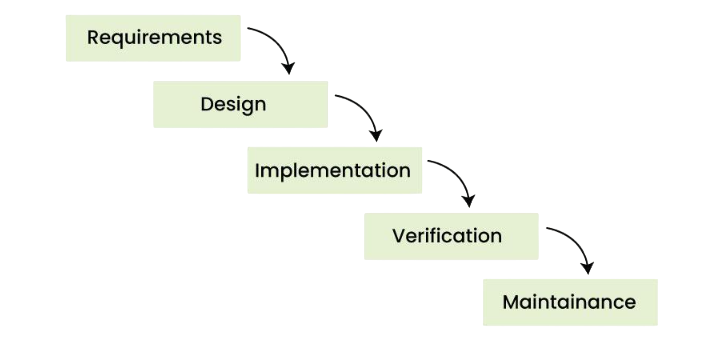
Waterfall Model Is A Sequential Software Development Methodology Used In Projects Traditionally Worldwide. Each Phase Must Be Completed Before Moving To The Next Stage Successfully Today. Waterfall Includes Requirements, Design, Development, Testing, Deployment, And Maintenance Phases Clearly Defined. It Works Well For Projects With Fixed Requirements And Minimal Changes Successfully Today. Waterfall Is Easy To Understand But Less Flexible Compared To Agile Methodology Today. Freshers Should Understand Advantages And Limitations Of Waterfall Development Clearly Before Interviews Today.
66. What Is Scrum?
Ans:
Scrum Is An Agile Framework Used For Managing Software Development Projects Efficiently Today Worldwide. Scrum Divides Work Into Short Iterations Called Sprints For Faster Delivery Successfully Today. Scrum Teams Include Product Owner, Scrum Master, And Development Team Members Collaboratively Working. Daily Standup Meetings Help Teams Track Progress And Resolve Issues Quickly Successfully Today. Scrum Improves Collaboration, Transparency, And Product Quality During Development Processes Significantly Today. Freshers Should Understand Scrum Roles And Agile Workflow Concepts Clearly Before Interviews Today
67. What Is Big Data?
Ans:
Big Data Refers To Extremely Large Data Sets Requiring Advanced Processing Efficiently Today Worldwide. Big Data Includes Structured, Unstructured, And Semi Structured Information From Multiple Sources Successfully. Organizations Use Big Data For Analytics, Predictions, And Better Decision Making Processes Today. Hadoop And Spark Are Popular Technologies Used For Big Data Processing Efficiently Worldwide. Big Data Helps Businesses Understand Customer Behavior And Improve Operational Efficiency Successfully Today. Freshers Should Understand Basic Big Data Concepts And Applications Clearly Before Interviews Today.
68. What Is Hadoop?
Ans:
Hadoop Is An Open Source Framework Used For Big Data Processing Efficiently Today Worldwide. Hadoop Stores And Processes Large Data Sets Across Distributed Systems Successfully And Reliably Today. HDFS Provides Distributed Storage While MapReduce Handles Data Processing Tasks Efficiently Today Worldwide. Hadoop Supports Scalability And Fault Tolerance For Large Enterprise Applications Successfully Today. Businesses Use Hadoop For Data Analytics, Reporting, And Machine Learning Workloads Frequently Today. Freshers Should Understand Hadoop Architecture And Ecosystem Components Clearly Before Interviews Today.
69. What Is Software Engineering?
Ans:
Software Engineering Is The Application Of Engineering Principles To Software Development Efficiently Today. It Focuses On Designing, Developing, Testing, And Maintaining Software Applications Successfully Worldwide Today. Software Engineering Improves Software Quality, Reliability, And Scalability Across Different Projects Successfully. Developers Follow Coding Standards And Best Practices During Software Development Processes Efficiently Today. Software Engineering Includes Requirement Analysis, System Design, And Project Management Activities Frequently Today. Freshers Should Understand Basic Software Engineering Concepts Clearly Before Technical Interviews Today Practically.
70. What Is IDE?
Ans:
IDE Stands For Integrated Development Environment Used For Writing Code Efficiently Today Worldwide. IDEs Provide Features Like Syntax Highlighting, Debugging, And Auto Completion Successfully For Developers. Popular IDEs Include Visual Studio Code, Eclipse, IntelliJ IDEA, And PyCharm Platforms Today. IDEs Improve Developer Productivity And Simplify Application Development Processes Significantly Today Worldwide. Integrated Tools Help Developers Test, Build, And Deploy Applications More Efficiently Successfully Today. Freshers Should Practice Using IDEs For Coding And Debugging Before Interviews Clearly Today.
71. What Is Compiler?
Ans:
A Compiler Is A Program That Converts Source Code Into Machine Code Efficiently Today. Compilers Translate Entire Programs Before Execution Improving Runtime Performance Significantly Today Worldwide. They Detect Syntax Errors And Generate Executable Files For Applications Successfully Today Worldwide. Popular Compiled Languages Include C, C++, And Java In Software Development Frequently Today. Compilation Improves Efficiency Compared To Interpreted Languages In Many Applications Successfully Today. Freshers Should Understand Compilation Process And Error Detection Concepts Clearly Before Interviews Today
72. What Is Interpreter?
Ans:
An Interpreter Translates And Executes Source Code Line By Line Efficiently Today Worldwide. Interpreters Do Not Generate Separate Executable Files Like Compilers Successfully Today Worldwide. They Help Developers Test And Debug Programs Quickly During Development Processes Efficiently Today. Python, JavaScript, And Ruby Use Interpreters For Program Execution Frequently Across Applications Today. Interpreted Languages Are More Flexible But Sometimes Slower Than Compiled Languages Today. Freshers Should Understand Differences Between Compilers And Interpreters Clearly Before Interviews Today Practically.
73. What Is Cache Memory?
Ans:
Cache Memory Is High Speed Memory Used To Store Frequently Accessed Data Efficiently Today. It Improves Processing Speed By Reducing Access Time To Main Memory Successfully Today Worldwide. Cache Memory Exists Between CPU And RAM For Faster Data Retrieval Operations Efficiently Today. Levels Include L1, L2, And L3 Cache With Different Speeds And Sizes Today. Cache Improves Overall System Performance And Application Execution Efficiency Significantly Today Worldwide. Freshers Should Understand Cache Concepts And Memory Hierarchy Clearly Before Interviews Today Practically.
74. What Is RAM?
Ans:
- RAM Stands For Random Access Memory Used For Temporary Data Storage Efficiently Today Worldwide. RAM Stores Programs And Data Currently Being Used By The Computer Successfully Today.
- More RAM Improves Multitasking And Application Performance Across Modern Computing Systems Significantly Today. RAM Is Volatile Meaning Data Is Lost When Power Supply Stops Unexpectedly Today.
- Operating Systems Use RAM For Fast Data Access During Program Execution Efficiently Today Worldwide. Freshers Should Understand Memory Types And Functions Clearly Before Technical Interviews Today Practically.
75. What Is ROM?
Ans:
ROM Stands For Read Only Memory Used For Permanent Data Storage Efficiently Today Worldwide. ROM Stores Firmware And Instructions Required For Computer Startup Processes Successfully Today Worldwide. Data Stored In ROM Remains Available Even After Power Supply Is Turned Off. ROM Is Non Volatile And Provides Stable Storage For Important System Instructions Successfully Today. Types Include PROM, EPROM, And EEPROM Used In Different Hardware Applications Frequently Today. Freshers Should Understand Differences Between RAM And ROM Clearly Before Interviews Today Practically.
76. What Is IoT?
Ans:
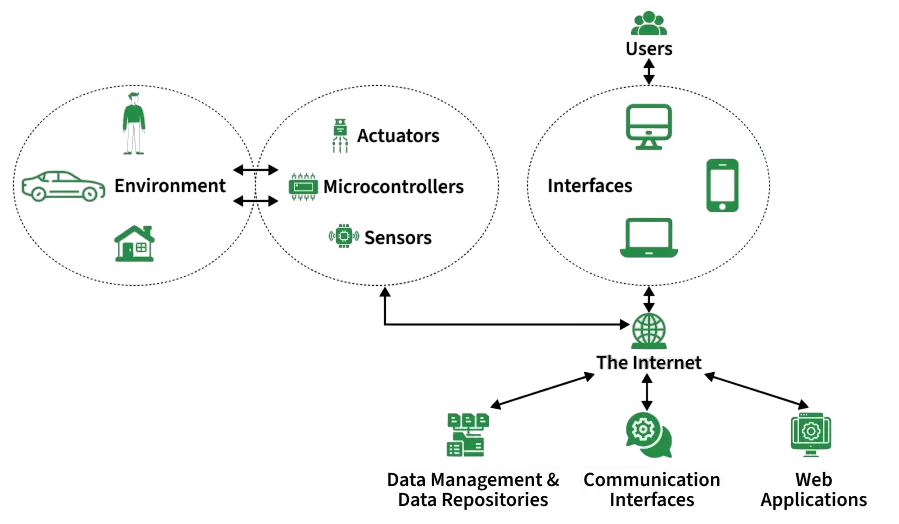
IoT Stands For Internet Of Things Connecting Smart Devices Through Internet Networks Efficiently Today. IoT Devices Collect, Exchange, And Analyze Data Automatically For Better Automation Successfully Worldwide Today. Applications Include Smart Homes, Healthcare, Agriculture, And Industrial Automation Systems Frequently Today. Sensors And Cloud Platforms Help IoT Devices Communicate And Process Information Efficiently Today. IoT Improves Efficiency, Monitoring, And Decision Making Across Different Industries Successfully Worldwide Today. Freshers Should Understand Basic IoT Concepts And Real Time Examples Clearly Before Interviews Today.
77. Write A Python Program To Reverse A String
Ans:
This Python Program Reverses A String Using Slicing Technique Efficiently.The Slice Operator Reads Characters From End To Beginning Successfully.String Manipulation Questions Are Common In Technical Coding Interviews Today.Python Provides Simple Syntax For Performing Complex String Operations Quickly.Understanding String Handling Improves Programming Fundamentals And Logic Building Skills.
- text = “Amazon”
- reverse = text[::-1]
- print(reverse)
78. What Is Data Mining?
Ans:
Data Mining Is The Process Of Extracting Useful Information From Large Data Sets Efficiently. It Uses Statistical And Machine Learning Techniques To Discover Hidden Patterns Successfully Today. Businesses Use Data Mining For Customer Analysis And Business Intelligence Applications Frequently Today. Data Mining Helps Improve Decision Making And Predict Future Trends Efficiently Across Industries. Tools Like RapidMiner And WEKA Support Data Mining Tasks Successfully Worldwide Today Frequently. Freshers Should Understand Basic Data Mining Concepts And Real World Applications Clearly Today
79. What Is Data Analytics?
Ans:
Data Analytics Refers To Examining Data To Discover Insights And Trends Efficiently Today Worldwide. Organizations Use Analytics To Improve Business Decisions And Operational Performance Successfully Today. Types Include Descriptive, Predictive, Prescriptive, And Diagnostic Analytics Approaches Frequently Used Today. Data Analytics Uses Visualization Tools And Statistical Techniques For Better Understanding Successfully Today. Businesses Apply Analytics In Marketing, Finance, Healthcare, And Retail Industries Frequently Worldwide Today. Freshers Should Understand Basic Analytics Concepts And Popular Tools Clearly Before Interviews Today
80. What Is Version Control?
Ans:
Version Control Is A System Used To Manage Changes In Source Code Efficiently Today. It Helps Developers Track Modifications And Collaborate On Projects Successfully Across Teams Worldwide. Git Is A Popular Version Control System Used In Modern Software Development Frequently Today. Version Control Allows Branching, Merging, And Rollback Of Code Changes Efficiently Today Worldwide. It Improves Team Productivity And Prevents Loss Of Important Source Code Successfully Today. Freshers Should Practice Basic Version Control Workflows Before Technical Interviews Clearly Today Practically.
81. What Is CI CD?
Ans:
CI CD Refers To Continuous Integration And Continuous Deployment In Software Development Efficiently Today. CI Automatically Integrates Code Changes Into Shared Repositories For Faster Testing Successfully Today. CD Automates Application Deployment To Production Environments With Minimal Manual Effort Successfully Today. CI CD Improves Software Quality And Accelerates Release Cycles Across Organizations Significantly Today. Jenkins, GitHub Actions, And GitLab CI Support Automation Pipelines Efficiently Worldwide Today Frequently. Freshers Should Understand Basic CI CD Workflow And Benefits Clearly Before Interviews Today.
82. What Is Load Balancing?
Ans:
Load Balancing Distributes Network Traffic Across Multiple Servers Efficiently Today Worldwide For Performance. It Prevents Server Overload And Improves Application Availability For Users Successfully Today Worldwide. Load Balancers Enhance Scalability And Reliability Of Web Applications Across Cloud Platforms Today. Types Include Hardware Load Balancers And Software Based Load Balancing Solutions Frequently Used. Round Robin And Least Connection Are Common Load Balancing Algorithms Used Successfully Today. Freshers Should Understand Load Balancing Concepts And Benefits Clearly Before Technical Interviews Today
83. What Is Microservices Architecture?
Ans:
Microservices Architecture Divides Applications Into Small Independent Services Efficiently Today Worldwide Successfully. Each Service Handles Specific Business Functions And Communicates Through APIs Efficiently Today Worldwide. Microservices Improve Scalability, Flexibility, And Faster Deployment Of Applications Successfully Today Worldwide. Different Services Can Use Different Technologies Based On Requirements Efficiently In Development Today. Containers And Kubernetes Commonly Support Microservices Deployment And Management Successfully Today Worldwide. Freshers Should Understand Benefits And Challenges Of Microservices Clearly Before Interviews Today Practically
84. What Is Monolithic Architecture?
Ans:
- Monolithic Architecture Builds Applications As Single Unified Systems Efficiently Today Worldwide Successfully Today. All Components Like User Interface, Business Logic, And Database Exist Together Successfully Today.
- Monolithic Applications Are Easier To Develop Initially But Harder To Scale Later Successfully. A Small Change May Require Redeploying The Entire Application In Monolithic Systems Today. Monolithic Architecture Works Well For Small Projects With Simple Requirements Successfully Today Worldwide.
- Freshers Should Understand Differences Between Monolithic And Microservices Architectures Clearly Today Practically.
85. What Is Software Bug?
Ans:
A Software Bug Is An Error Or Defect In A Program Efficiently Today Worldwide. Bugs Cause Incorrect Results, Crashes, Or Unexpected Behavior In Applications Successfully Today Worldwide. Bugs Can Occur Due To Logical Mistakes, Syntax Errors, Or Incorrect Requirements Today. Developers Use Testing And Debugging Techniques To Identify And Fix Bugs Efficiently Today. Reducing Bugs Improves Software Quality And User Satisfaction Across Applications Successfully Worldwide Today. Freshers Should Practice Reading Error Logs And Troubleshooting Problems Clearly Before Interviews Today
86. What Is Authentication?
Ans:
Authentication Is The Process Of Verifying User Identity Before Granting System Access Successfully Today. Usernames, Passwords, OTPs, And Biometrics Are Common Authentication Methods Frequently Used Today. Authentication Improves Security And Prevents Unauthorized Access To Applications Successfully Worldwide Today. Multi Factor Authentication Adds Extra Protection By Using Multiple Verification Methods Efficiently Today. Secure Authentication Is Important For Banking, E Commerce, And Cloud Applications Successfully Today Worldwide. Freshers Should Understand Authentication Concepts And Security Importance Clearly Before Interviews Today
87. What Is Authorization?
Ans:
Authorization Determines What Resources And Actions Users Can Access In Systems Efficiently Today. It Works After Authentication To Control Permissions Based On User Roles Successfully Today. Authorization Protects Sensitive Information And Prevents Unauthorized Operations Across Applications Successfully Today. Role Based Access Control Is Commonly Used In Enterprise Software Systems Frequently Today. Proper Authorization Improves Security And Data Protection In Organizations Successfully Worldwide Today Greatly. Freshers Should Understand Differences Between Authentication And Authorization Clearly Before Interviews Today Practically.
88. What Is CDN?
Ans:
CDN Stands For Content Delivery Network Used To Deliver Content Faster Efficiently Today Worldwide. CDN Stores Cached Website Content Across Multiple Servers Located In Different Regions Successfully. Users Receive Data From Nearby Servers Improving Speed And Reducing Latency Significantly Today. CDNs Improve Website Performance, Scalability, And Availability During High Traffic Conditions Successfully Today. Popular CDN Providers Include Cloudflare, Akamai, And Amazon CloudFront Services Frequently Today. Freshers Should Understand CDN Benefits And Working Concepts Clearly Before Interviews Today Practically.
89. What Is SEO?
Ans:
SEO Stands For Search Engine Optimization Used To Improve Website Visibility Efficiently Today Worldwide. SEO Helps Websites Rank Higher In Search Engine Results Successfully For Better Traffic. Techniques Include Keyword Optimization, Quality Content, Backlinks, And Technical Improvements Frequently Today. SEO Improves User Experience And Increases Organic Website Visitors Significantly Across Businesses Today. Search Engines Like Google Use Algorithms To Rank Websites Based On Relevance Successfully Today. Freshers Should Understand Basic SEO Concepts And Digital Presence Importance Clearly Before Interview
90. What Is Responsive Design?
Ans:
Responsive Design Ensures Websites Work Properly Across Different Devices And Screen Sizes Today. CSS Media Queries Help Adjust Layouts Based On Device Widths Automatically Successfully Today Worldwide. Responsive Websites Improve User Experience On Mobiles, Tablets, And Desktop Computers Successfully Today. Flexible Grids And Images Adapt Content Dynamically Across Different Screen Resolutions Efficiently Today. Responsive Design Is Important For Modern Web Development And Accessibility Standards Successfully Worldwide. Freshers Should Practice Building Responsive Web Pages Using CSS Clearly Before Interviews Today.
91. What Is Session Management?
Ans:
Session Management Tracks User Activity During Interactions With Web Applications Efficiently Today Worldwide. Sessions Store Temporary User Information Between Multiple Requests Successfully Across Browsing Activities Today. Cookies And Session IDs Help Maintain User Login States In Applications Successfully Today. Proper Session Management Improves User Experience And Application Security Significantly Across Websites Today. Session Expiration Prevents Unauthorized Access After Long Periods Of Inactivity Successfully Today Worldwide. Freshers Should Understand Session Concepts And Cookie Usage Clearly Before Technical Interviews Today.
92. What Is Cookie?
Ans:
A Cookie Is A Small File Stored In Browsers To Save User Information Today. Cookies Help Websites Remember User Preferences And Login Sessions Efficiently Across Browsing Activities Today. Session Cookies Are Temporary While Persistent Cookies Remain Stored Longer Successfully Today Worldwide. Cookies Improve User Experience And Personalization Across Web Applications Successfully Today Worldwide Greatly. Secure Cookies Help Protect Sensitive Information From Unauthorized Access During Communication Successfully Today. Freshers Should Understand Cookie Usage And Privacy Concerns Clearly Before Interviews Today Practically.
93. What Is Latency?
Ans:
- Latency Refers To The Delay Between Request And Response In Networks Efficiently Today Worldwide. High Latency Causes Slow Application Performance And Poor User Experience Successfully Today Worldwide. Network Distance, Congestion, And Hardware Limitations Affect Latency Significantly Across Systems Today.
- Reducing Latency Improves Real Time Communication And Application Responsiveness Efficiently Today Worldwide. CDNs And Optimized Routing Help Minimize Latency In Distributed Systems Successfully Today Worldwide.
- Freshers Should Understand Basic Networking Performance Concepts Clearly Before Technical Interviews Today Practically. Amazon Interviews Frequently Include Questions About Networking And System Performance Optimization Concepts.
94. What Is Bandwidth?
Ans:
Bandwidth Represents The Maximum Amount Of Data Transferred Over Networks Efficiently Today Worldwide. Higher Bandwidth Allows Faster Data Transfer And Better Communication Performance Successfully Today Worldwide. Internet Service Providers Offer Different Bandwidth Speeds Based On User Requirements Today. Bandwidth Is Important For Streaming, Video Calls, Gaming, And Cloud Applications Successfully Today. Limited Bandwidth Can Cause Slow Connections And Reduced System Performance Significantly Today Worldwide. Freshers Should Understand Networking Terms And Data Transfer Concepts Clearly Before Interviews Today
95. What Is Scalability?
Ans:
Scalability Refers To A System Ability To Handle Increased Workloads Efficiently Today Worldwide. Scalable Applications Support More Users Without Reducing Performance Significantly Across Platforms Successfully Today. Horizontal Scaling Adds More Servers While Vertical Scaling Improves Existing Hardware Resources Today. Cloud Computing Helps Businesses Achieve Scalability Dynamically Based On Demand Efficiently Today Worldwide. Scalability Is Important For Large Applications Like E Commerce And Streaming Platforms Successfully Today. Freshers Should Understand Scaling Concepts And Cloud Infrastructure Clearly Before Technical Interviews Today.
96. What Is Fault Tolerance?
Ans:
Fault Tolerance Refers To System Ability To Continue Working During Failures Efficiently Today Worldwide. Backup Systems And Redundancy Help Prevent Downtime In Critical Applications Successfully Today Worldwide. Fault Tolerant Systems Improve Reliability And Ensure Business Continuity Across Organizations Successfully Today. Distributed Systems Use Replication And Recovery Mechanisms For Better Fault Tolerance Efficiently Today. Cloud Platforms Provide High Availability Features Supporting Fault Tolerant Architectures Successfully Today Worldwide. Freshers Should Understand Reliability Concepts And Recovery Strategies Clearly Before Interviews Today Practically.
97. What Is High Availability?
Ans:
High Availability Ensures Systems Remain Operational With Minimal Downtime Efficiently Today Worldwide Successfully. Multiple Servers And Redundant Infrastructure Improve Application Availability Across Systems Successfully Today Worldwide. Load Balancers And Failover Mechanisms Support High Availability In Cloud Platforms Successfully Today. High Availability Is Important For Banking, E Commerce, And Critical Business Applications Today. Monitoring Tools Detect Failures And Automatically Restore Services Efficiently Across Systems Successfully Today. Freshers Should Understand High Availability Architecture Concepts Clearly Before Technical Interviews Today Practically
98. What Is Monitoring?
Ans:
Monitoring Refers To Tracking System Performance, Availability, And Resource Usage Efficiently Today Worldwide. Monitoring Tools Detect Issues Early And Improve Application Reliability Across Systems Successfully Today. Metrics Include CPU Usage, Memory Usage, Network Traffic, And Error Rates Frequently Today. CloudWatch, Prometheus, And Grafana Are Popular Monitoring Tools Used Successfully Worldwide Today. Monitoring Helps Teams Optimize Performance And Prevent Downtime In Applications Efficiently Today Worldwide. Freshers Should Understand Basic Monitoring Concepts And Alerting Mechanisms Clearly Before Interviews Today.
99. What Is Backup?
Ans:
Backup Is The Process Of Creating Copies Of Important Data Efficiently Today Worldwide Successfully. Backups Protect Information From Data Loss Caused By Failures Or Cyber Attacks Successfully. Organizations Use Full, Incremental, And Differential Backup Methods Frequently For Data Protection Today. Cloud Storage Services Simplify Backup And Disaster Recovery Processes Efficiently Across Businesses Today. Regular Backups Improve Data Availability And Business Continuity During Emergencies Successfully Worldwide Today. Freshers Should Understand Backup Strategies And Recovery Importance Clearly Before Interviews Today Practically
100. What Is Disaster Recovery?
Ans:
Disaster Recovery Refers To Restoring Systems And Data After Unexpected Failures Efficiently Today Worldwide. Organizations Create Recovery Plans To Minimize Downtime And Data Loss Successfully Today Worldwide. Disaster Recovery Includes Backups, Redundant Systems, And Recovery Testing Procedures Frequently Today. Cloud Platforms Provide Automated Recovery Solutions Improving Business Continuity Significantly Today Worldwide. Effective Disaster Recovery Ensures Critical Applications Continue Operating During Emergencies Successfully Today. Freshers Should Understand Recovery Planning And Data Protection Concepts Clearly Before Interviews Today.