LMS
LMS
Last updated on 18th Jun 2026| 4597

A Microsoft AI Internship Is A Great Opportunity For Students And Freshers To Gain Hands-On Experience In Artificial Intelligence, Machine Learning, Data Science, And Software Development. The Interview Process Usually Evaluates Technical Knowledge, Problem-Solving Ability, Coding Skills, And Understanding Of AI Concepts. Candidates May Face Questions On Machine Learning Algorithms, Deep Learning, Python Programming, Data Structures, Statistics, And Real-World AI Applications. Preparing Through Consistent Practice, Mock Interviews, Coding Challenges, And AI Fundamentals Can Significantly Improve Confidence And Performance. This Guide Covers Common Interview Questions, Preparation Strategies, And Useful Tips To Help Candidates Succeed In Microsoft AI Internship Interviews.
1. What Is Artificial Intelligence?
Ans:
Artificial Intelligence (AI) Is The Field Of Computer Science That Focuses On Creating Systems That Can Perform Tasks Requiring Human Intelligence. These Tasks Include Learning, Reasoning, Decision-Making, And Problem-Solving. AI Uses Algorithms And Data To Improve Performance Over Time. It Is Widely Used In Healthcare, Finance, Retail, And Technology Industries. AI Can Be Divided Into Narrow AI And General AI. Most Modern Applications Use Narrow AI For Specific Tasks.
2. What Is Machine Learning?
Ans:
- Machine Learning Is A Subset Of AI That Enables Computers To Learn From Data Without Being Explicitly Programmed. It Uses Algorithms To Identify Patterns And Make Predictions.
- The System Improves Performance As More Data Becomes Available. Machine Learning Is Used In Recommendation Systems, Fraud Detection, And Image Recognition.
- It Reduces The Need For Manual Rule Creation. Popular Algorithms Include Decision Trees, Linear Regression, And Random Forest.
3. What Is Deep Learning?
Ans:
Deep Learning Is A Specialized Branch Of Machine Learning Based On Artificial Neural Networks. It Uses Multiple Hidden Layers To Learn Complex Data Patterns. Deep Learning Is Effective For Image Recognition, Speech Processing, And Natural Language Processing. Large Datasets And Powerful Hardware Are Usually Required. Models Automatically Extract Features From Data. Examples Include CNNs And RNNs. It Has Driven Significant Advances In AI Applications.
4. What Is Supervised Learning?
Ans:
Supervised Learning Is A Machine Learning Approach Where Models Learn Using Labeled Data. Each Input Has A Corresponding Correct Output. The Goal Is To Predict Outcomes For New Data. Common Tasks Include Classification And Regression. Algorithms Learn Relationships Between Inputs And Outputs. Accuracy Is Evaluated Using Test Data. Examples Include Spam Detection And House Price Prediction.
5. What Is Unsupervised Learning?
Ans:
Unsupervised Learning Uses Unlabeled Data To Discover Hidden Patterns Or Structures. The Model Identifies Relationships Without Predefined Answers. Clustering And Dimensionality Reduction Are Common Techniques. It Is Useful For Customer Segmentation And Data Exploration. The Algorithm Groups Similar Data Points Together. No Target Variable Is Required. K-Means Clustering Is A Popular Example.
6. What Is Reinforcement Learning?
Ans:
Reinforcement Learning Is A Learning Method Where An Agent Learns Through Rewards And Penalties. The Agent Interacts With An Environment And Takes Actions. Positive Rewards Encourage Desired Behavior. The Goal Is To Maximize Long-Term Rewards. It Is Commonly Used In Robotics, Gaming, And Autonomous Systems. Learning Occurs Through Trial And Error. The Agent Continuously Improves Decision-Making.
7. What Is Overfitting?
Ans:
- Overfitting Occurs When A Model Learns Training Data Too Well, Including Noise And Irrelevant Patterns. As A Result, It Performs Poorly On New Data.
- Overfitted Models Have High Training Accuracy But Low Testing Accuracy. It Often Happens With Complex Models And Small Datasets.
- Regularization Techniques Can Reduce Overfitting. Cross-Validation Helps Detect The Problem. Simpler Models May Improve Generalization.
8. What Is Underfitting?
Ans:
Underfitting Happens When A Model Fails To Capture Important Patterns In The Data. It Performs Poorly On Both Training And Testing Datasets. The Model Is Usually Too Simple For The Task. Insufficient Features Can Also Cause Underfitting. Increasing Model Complexity May Help. Better Feature Engineering Often Improves Performance. Proper Training Is Essential For Accurate Predictions.
9. What Is A Neural Network?
Ans:
A Neural Network Is A Computational Model Inspired By The Human Brain. It Consists Of Input, Hidden, And Output Layers. Each Layer Contains Neurons That Process Information. Neural Networks Learn By Adjusting Weights During Training. They Are Effective For Complex Pattern Recognition Tasks. Deep Learning Uses Large Neural Networks. Applications Include Image Classification And Speech Recognition.
10. What Is Natural Language Processing?
Ans:
Natural Language Processing (NLP) Enables Computers To Understand And Process Human Language. It Combines AI, Linguistics, And Machine Learning. NLP Is Used In Chatbots, Translation Systems, And Voice Assistants. It Helps Extract Meaning From Text And Speech. Techniques Include Tokenization And Sentiment Analysis. Large Language Models Use NLP Extensively. It Improves Human-Computer Interaction.
11. What Is Data Preprocessing?
Ans:
Data Preprocessing Involves Cleaning And Transforming Raw Data Before Training A Model. It Improves Data Quality And Model Performance. Common Steps Include Handling Missing Values And Removing Duplicates. Data Normalization And Encoding Are Also Important. Proper Preprocessing Reduces Errors. It Ensures Consistent Input For Algorithms. High-Quality Data Leads To Better Predictions.
12. What Is Feature Engineering?
Ans:
Feature Engineering Is The Process Of Creating Useful Input Variables From Raw Data. It Helps Models Learn More Effectively. Domain Knowledge Often Plays A Key Role. Good Features Improve Accuracy And Reduce Complexity. Transformations Include Scaling And Encoding. Feature Selection Removes Irrelevant Variables. It Is A Critical Step In Machine Learning Projects.
13. What Is Cross Validation?
Ans:
Cross Validation Is A Technique Used To Evaluate Machine Learning Models. The Dataset Is Divided Into Multiple Folds. The Model Is Trained On Some Folds And Tested On Others. This Process Is Repeated Several Times. It Provides Reliable Performance Estimates. Cross Validation Helps Detect Overfitting. K-Fold Cross Validation Is Commonly Used.
14. What Is Precision?
Ans:
- Precision Measures The Percentage Of Correct Positive Predictions Among All Positive Predictions. It Focuses On Prediction Quality.
- High Precision Means Fewer False Positives. It Is Important In Fraud Detection And Medical Diagnosis.
- Precision Is Calculated Using True Positives And False Positives. It Complements Recall. Both Metrics Are Used Together For Evaluation.
15. What Is Recall?
Ans:
Recall Measures The Percentage Of Actual Positive Cases Correctly Identified By The Model. It Focuses On Capturing Relevant Cases. High Recall Means Fewer False Negatives. It Is Important In Disease Detection And Safety Applications. Recall Is Calculated Using True Positives And False Negatives. It Complements Precision. Balancing Both Metrics Is Often Necessary.
16. Write A Program To Check Whether A Number Is Even Or Odd.
Ans:
This Program Checks Whether A Number Is Even Or Odd Using The Modulus Operator. If The Number Is Divisible By Two And The Remainder Is Zero, It Is Even. Otherwise, It Is Odd.
- num = 10
- if num % 2 == 0:
- print(“Even”)
- else:
- print(“Odd”)
17. What Is A Confusion Matrix?
Ans:
A Confusion Matrix Is A Table Used To Evaluate Classification Models. It Shows True Positives, True Negatives, False Positives, And False Negatives. It Provides Detailed Performance Insights. Metrics Like Precision And Recall Are Derived From It. It Helps Identify Classification Errors. The Matrix Is Widely Used In Machine Learning Evaluation. It Supports Better Model Analysis.
18. What Is Linear Regression?
Ans:
Linear Regression Is A Supervised Learning Algorithm Used For Predicting Continuous Values. It Models The Relationship Between Variables Using A Straight Line. The Goal Is To Minimize Prediction Error. It Is Simple And Easy To Interpret. Applications Include Sales Forecasting And Price Prediction. Assumptions Must Be Considered. It Is A Fundamental Machine Learning Algorithm.
19. What Is Logistic Regression?
Ans:
- Logistic Regression Is A Classification Algorithm Used For Predicting Categories. It Estimates Probabilities Using A Logistic Function.
- Outputs Are Usually Binary Such As Yes Or No. It Is Widely Used In Classification Tasks. The Model Is Easy To Implement And Interpret. It Works Well For Linearly Separable Data.
- Logistic Regression Remains Popular In Industry. It Is Commonly Used In Spam Detection, Customer Churn Prediction, And Medical Diagnosis Applications.
20. What Is The Difference Between Machine Learning And Deep Learning?
Ans:
| Feature | Machine Learning | Deep Learning |
|---|---|---|
| Definition | A Subset Of AI That Enables Systems To Learn From Data And Make Predictions. | A Subset Of Machine Learning That Uses Multi-Layer Neural Networks To Learn Complex Patterns. |
| Data Requirement | Works Well With Small To Medium-Sized Datasets. | Typically Requires Large Amounts Of Data. |
| Feature Engineering | Often Requires Manual Feature Selection And Engineering | Automatically Learns Features From Raw Data. |
| Training Time | Usually Faster To Train. | Requires More Training Time Due To Complex Models. |
21. What Is Random Forest?
Ans:
Random Forest Is An Ensemble Learning Algorithm That Combines Multiple Decision Trees To Improve Accuracy. Each Tree Is Trained On Random Data Samples. Predictions Are Made By Voting Or Averaging Results. It Reduces Overfitting Compared To A Single Decision Tree. Random Forest Handles Large Datasets Efficiently. It Works Well For Classification And Regression Tasks. It Is Widely Used In Real-World Machine Learning Applications. It Provides Better Generalization And Robustness.
22. What Is Support Vector Machine (SVM)?
Ans:
- Support Vector Machine Is A Supervised Learning Algorithm Used For Classification And Regression. It Finds The Optimal Hyperplane That Separates Data Classes.
- SVM Works Well With High-Dimensional Data. It Can Handle Linear And Nonlinear Problems Using Kernels. The Algorithm Focuses On Maximizing The Margin Between Classes.
- It Is Effective For Text And Image Classification. SVM Delivers Strong Performance With Proper Parameter Tuning. It Is Popular In Pattern Recognition Tasks.
23. What Is K-Nearest Neighbors (KNN)?
Ans:
K-Nearest Neighbors Is A Simple Supervised Learning Algorithm. It Classifies Data Based On Nearby Data Points. The Value Of K Determines The Number Of Neighbors Considered. KNN Requires No Explicit Training Phase. It Works Well For Small Datasets. Distance Metrics Such As Euclidean Distance Are Commonly Used. KNN Is Easy To Understand And Implement. It Is Frequently Used For Classification Problems.
24. What Is Clustering?
Ans:
Clustering Is An Unsupervised Learning Technique Used To Group Similar Data Points. It Identifies Hidden Patterns In Data Without Labels. Data Within A Cluster Is More Similar Than Data In Other Clusters. K-Means Is A Popular Clustering Algorithm. Clustering Is Useful For Customer Segmentation. It Helps Discover Structures In Large Datasets. Businesses Use It For Market Analysis. It Supports Better Data Exploration.
25. What Is K-Means Clustering?
Ans:
K-Means Clustering Is An Unsupervised Algorithm That Divides Data Into K Groups. Each Cluster Has A Centroid Representing Its Center. The Algorithm Assigns Points To The Nearest Centroid. Centroids Are Updated Iteratively. It Is Fast And Easy To Implement. K-Means Works Best With Spherical Clusters. Selecting The Correct K Value Is Important. It Is Widely Used For Data Segmentation.
26. What Is Dimensionality Reduction?
Ans:
Dimensionality Reduction Reduces The Number Of Features In A Dataset. It Helps Simplify Models And Improve Performance. Reducing Dimensions Can Lower Computational Costs. It Also Helps Remove Noise And Redundancy. Common Techniques Include PCA And t-SNE. Visualization Becomes Easier With Fewer Dimensions. It Improves Training Efficiency. It Is Valuable For Large Datasets.
27. What Is Principal Component Analysis (PCA)?
Ans:
- PCA Is A Dimensionality Reduction Technique Used To Transform Data. It Converts Features Into Principal Components. These Components Capture Maximum Variance.
- PCA Helps Reduce Complexity While Retaining Information. It Is Useful For Visualization And Data Compression.
- The Technique Improves Computational Efficiency. PCA Is Common In Machine Learning Workflows. It Helps Handle High-Dimensional Data.
28. What Is Bias In Machine Learning?
Ans:
Bias Refers To Errors Introduced By Simplifying Assumptions In A Model. High Bias Can Cause Underfitting. The Model May Miss Important Data Patterns. Bias Affects Prediction Accuracy. Reducing Bias Often Requires More Complex Models. Finding The Right Balance Is Important. Bias And Variance Must Be Managed Together. Proper Training Improves Model Performance.
29. What Is Variance In Machine Learning?
Ans:
Variance Measures How Much A Model’s Predictions Change Across Different Datasets. High Variance Often Leads To Overfitting. The Model Learns Noise Instead Of Patterns. It Performs Well On Training Data But Poorly On New Data. Regularization Can Reduce Variance. Cross Validation Helps Detect Variance Issues. Balancing Bias And Variance Is Essential. It Improves Generalization.
30. What Is The Bias-Variance Tradeoff?
Ans:
The Bias-Variance Tradeoff Is A Fundamental Machine Learning Concept. High Bias Causes Underfitting While High Variance Causes Overfitting. The Goal Is To Find An Optimal Balance. Proper Model Complexity Helps Achieve Better Results. Cross Validation Assists In Evaluation. Managing This Tradeoff Improves Prediction Accuracy. It Is Critical For Building Reliable Models. Good Generalization Depends On It.
31.Write A Program To Find The Largest Of Three Numbers.
Ans:
This Program Finds The Largest Value Among Three Numbers Using The Built-In Max Function. The Function Compares All Values And Returns The Greatest One.
- a = 10
- b = 25
- c = 15
- print(max(a, b, c))
32. What Is L1 Regularization?
Ans:
L1 Regularization Adds The Absolute Value Of Coefficients To The Loss Function. It Can Reduce Some Coefficients To Zero. This Performs Automatic Feature Selection. L1 Helps Simplify Models. It Is Also Known As Lasso Regression. The Technique Improves Interpretability. It Reduces Overfitting Risks. L1 Is Useful For High-Dimensional Data.
33. Write A Program To Reverse A String.
Ans:
This Program Reverses A String Using Python Slicing. The Slice Notation With A Step Value Of Minus One Reads The Characters In Reverse Order.
- text = “Microsoft”
- reverse_text = text[::-1]
- print(reverse_text)
34. What Is Gradient Descent?
Ans:
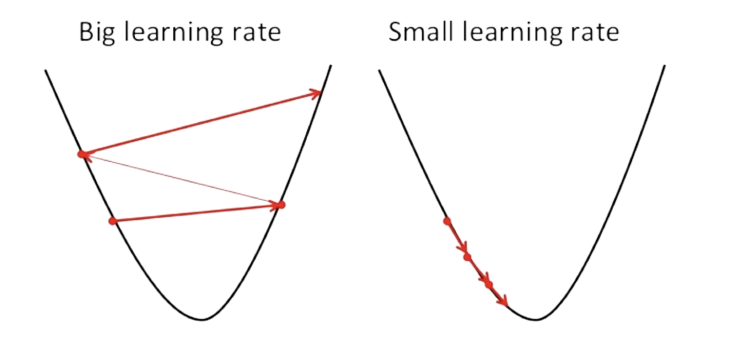
Gradient Descent Is An Optimization Algorithm Used To Minimize Loss Functions. It Updates Model Parameters Iteratively. The Algorithm Moves Toward The Lowest Error. Learning Rate Controls The Step Size. Proper Learning Rates Improve Convergence. Gradient Descent Is Widely Used In Deep Learning. It Helps Train Neural Networks Efficiently. It Is A Core Machine Learning Concept.
35. What Is A Learning Rate?
Ans:
A Learning Rate Determines How Much Model Parameters Change During Training. It Controls The Speed Of Learning. A High Learning Rate May Cause Instability. A Low Learning Rate Can Slow Convergence. Selecting The Right Value Is Important. Learning Rate Impacts Model Accuracy. Proper Tuning Improves Results. It Plays A Key Role In Optimization.
36. What Is An Epoch?
Ans:
An Epoch Represents One Complete Pass Through The Entire Training Dataset. Neural Networks Are Trained Over Multiple Epochs. Each Epoch Helps The Model Learn Better Patterns. Too Few Epochs Can Cause Underfitting. Too Many Epochs May Lead To Overfitting. Monitoring Performance Is Important. Epochs Influence Training Quality. They Are Essential In Deep Learning.
37. What Is Batch Size?
Ans:
Batch Size Refers To The Number Of Training Samples Processed At Once. Smaller Batches Use Less Memory. Larger Batches Can Speed Up Training. Batch Size Affects Learning Stability. Choosing The Right Value Is Important. It Impacts Model Performance And Efficiency. Common Values Include 32, 64, And 128. Proper Selection Improves Training Results.
38. What Is A Convolutional Neural Network (CNN)?
Ans:
- CNN Is A Deep Learning Model Designed For Image Processing Tasks. It Uses Convolution Layers To Extract Features. CNNs Automatically Learn Patterns From Images.
- They Are Effective For Object Detection And Recognition. Pooling Layers Reduce Computational Complexity.
- CNNs Achieve High Accuracy In Computer Vision. They Are Widely Used In Industry. Applications Include Medical Imaging And Self-Driving Cars.
39. What Is A Recurrent Neural Network (RNN)?
Ans:
RNN Is A Neural Network Designed For Sequential Data Processing. It Maintains Information From Previous Inputs. This Makes It Suitable For Time Series And Text Data. RNNs Can Capture Temporal Relationships. Traditional RNNs May Suffer From Vanishing Gradients. Advanced Variants Include LSTM And GRU. RNNs Are Useful In NLP Applications. They Help Analyze Sequential Patterns.
40. What Is LSTM?
Ans:
LSTM Stands For Long Short-Term Memory Network. It Is A Specialized Type Of RNN. LSTM Solves The Vanishing Gradient Problem. It Can Remember Information For Longer Periods. The Architecture Uses Memory Cells And Gates. It Is Effective For Language Modeling And Forecasting. LSTMs Improve Sequential Learning Performance. They Are Widely Used In Deep Learning.
41. What Is Generative AI?
Ans:
Generative AI Creates New Content Such As Text, Images, Audio, And Code. It Learns Patterns From Existing Data. Models Generate Outputs Similar To Training Examples. Generative AI Powers Chatbots And Content Creation Tools. Large Language Models Are A Popular Example. It Improves Productivity Across Industries. The Technology Continues To Evolve Rapidly. It Has Become A Major AI Trend.

42. What Is A Large Language Model (LLM)?
Ans:
A Large Language Model Is An AI Model Trained On Massive Text Datasets. It Understands And Generates Human-Like Language. LLMs Use Deep Learning Architectures Such As Transformers. They Perform Tasks Like Summarization And Translation. Examples Include GPT-Based Models. LLMs Support Conversational AI Applications. They Require Significant Computational Resources. Their Capabilities Continue To Expand.
43. What Is A Transformer Model?
Ans:
- A Transformer Is A Deep Learning Architecture Widely Used In NLP. It Uses Self-Attention Mechanisms To Process Data. Transformers Handle Long-Range Dependencies Efficiently.
- They Enable Parallel Processing During Training. Models Like GPT And BERT Use Transformers.
- They Achieve State-Of-The-Art Results In NLP. Transformers Revolutionized Language Processing. They Are Central To Modern AI Systems.
44. What Is Prompt Engineering?
Ans:
Prompt Engineering Is The Process Of Designing Effective Inputs For AI Models. Well-Crafted Prompts Improve Response Quality. It Helps Guide Model Behavior. Prompt Engineering Is Important For Generative AI Applications. Techniques Include Few-Shot And Zero-Shot Prompting. It Enhances Accuracy And Relevance. Professionals Use It To Optimize Results. It Is A Valuable AI Skill.
45. What Is Zero-Shot Learning?
Ans:
Zero-Shot Learning Allows Models To Perform Tasks Without Specific Training Examples. The Model Uses Existing Knowledge To Generalize. It Is Common In Large Language Models. Users Provide Instructions Through Prompts. Zero-Shot Learning Improves Flexibility. It Reduces Data Collection Requirements. The Technique Supports Diverse Applications. It Expands AI Capabilities.
46. What Is Few-Shot Learning?
Ans:
Few-Shot Learning Uses A Small Number Of Examples To Teach A Model. These Examples Guide The Desired Behavior. It Improves Consistency And Accuracy. Few-Shot Learning Is Common In Prompt Engineering. The Approach Reduces Training Requirements. It Helps Models Adapt To New Tasks Quickly. Businesses Use It For Specialized Applications. It Enhances AI Performance
47. What Is BERT?
Ans:
BERT Stands For Bidirectional Encoder Representations From Transformers. It Is A Language Model Developed By Google. BERT Understands Context By Reading Text In Both Directions. It Improves Performance In NLP Tasks Such As Question Answering. The Model Uses Transformer Encoders For Processing. Pretraining And Fine-Tuning Are Important Steps. BERT Achieves High Accuracy On Language Benchmarks. It Is Widely Used In Modern NLP Applications.
48. What Is GPT?
Ans:
- GPT Stands For Generative Pre-Trained Transformer. It Is A Language Model Designed To Generate Human-Like Text. GPT Uses Transformer Decoder Architecture.
- The Model Learns From Large Text Datasets. It Can Perform Summarization, Translation, And Content Generation.
- GPT Is Trained Using Self-Supervised Learning. It Supports Many Natural Language Tasks. It Is A Key Technology Behind Modern AI Assistants.
49. What Is The Attention Mechanism?
Ans:
- The Attention Mechanism Helps Models Focus On Important Parts Of Input Data. It Assigns Different Weights To Different Elements. This Improves Understanding Of Context.
- Attention Is A Core Component Of Transformers. It Enables Better Handling Of Long Sequences.
- The Technique Improves Accuracy In NLP Tasks. It Reduces Information Loss During Processing. Attention Revolutionized Deep Learning Models.
50. What Are Word Embeddings?
Ans:
Word Embeddings Are Numerical Representations Of Words In Vector Form. Similar Words Have Similar Vector Values. Embeddings Capture Semantic Relationships Between Words. They Help Models Understand Language Context. Popular Techniques Include Word2Vec And GloVe. Embeddings Improve NLP Performance. They Reduce The Need For Manual Feature Engineering. They Are Fundamental To Language Models.
51. What Is A Vector Database?
Ans:
A Vector Database Stores High-Dimensional Embeddings Efficiently. It Enables Fast Similarity Searches. Vector Databases Are Important In Generative AI Systems. They Support Semantic Search Applications. Embeddings Represent Text, Images, Or Audio Data. The Database Finds Closely Related Vectors Quickly. It Improves Information Retrieval Performance. Vector Databases Are Common In RAG Systems.
52. What Is Retrieval-Augmented Generation (RAG)?
Ans:
RAG Combines Information Retrieval With Generative AI Models. Relevant Data Is Retrieved Before Generating Responses. This Improves Accuracy And Reduces Hallucinations. RAG Helps Models Access Updated Information. It Is Useful For Enterprise Knowledge Systems. Vector Databases Often Support RAG Architectures. The Technique Enhances Response Quality. It Is Widely Used In AI Applications.
53. What Is Azure AI?
Ans:
- Azure AI Is A Collection Of AI Services Provided By Microsoft Azure. It Includes Machine Learning, Vision, Speech, And Language Services.
- Developers Can Build Intelligent Applications Easily. Azure AI Supports Scalable Cloud-Based Solutions. It Integrates With Various Development Tools.
- Businesses Use It For AI Innovation. The Platform Simplifies Model Deployment. It Is Popular Among Enterprises.
54. What Is Azure Machine Learning?
Ans:
Azure Machine Learning Is A Cloud Platform For Building And Managing ML Models. It Supports The Entire Machine Learning Lifecycle. Users Can Train, Deploy, And Monitor Models. The Platform Provides Automated Machine Learning Features. Collaboration Is Simplified Through Shared Workspaces. Azure ML Supports MLOps Practices. It Accelerates AI Development Processes. It Is Widely Used In Industry.
55. What Is Azure OpenAI Service?
Ans:
- Azure OpenAI Service Provides Access To Advanced AI Models Through Azure Infrastructure. It Combines Powerful Language Models With Enterprise Security.
- Organizations Can Build AI Applications Responsibly. The Service Supports Text And Code Generation. Integration With Azure Services Is Seamless.
- Businesses Benefit From Scalability And Reliability. Security Controls Meet Enterprise Requirements. It Enables Advanced Generative AI Solutions.
56. What Is MLOps?
Ans:
MLOps Refers To Machine Learning Operations. It Combines Machine Learning With DevOps Practices. MLOps Automates Model Deployment And Monitoring. It Improves Collaboration Between Teams. Continuous Integration And Continuous Deployment Are Important Components. MLOps Ensures Reliable Model Performance. It Supports Scalable AI Systems. Organizations Use It To Manage AI Lifecycles Efficiently.
57. Write A Program To Calculate The Factorial Of A Number.
Ans:
This Program Calculates The Factorial Of A Number Using A Loop. A Factorial Is The Product Of All Positive Integers Up To The Given Number.
- num = 5
- fact = 1
- for i in range(1, num + 1):
- fact *= i
- print(fact)
58. What Is Model Monitoring?
Ans:
Model Monitoring Tracks The Performance Of Deployed Machine Learning Models. It Helps Detect Accuracy Drops And Data Drift. Continuous Monitoring Ensures Reliable Predictions. Alerts Can Be Generated For Issues. Monitoring Supports Better Maintenance. Businesses Use It To Maintain Model Quality. Regular Evaluation Is Essential. It Improves Long-Term AI Performance.
59. What Is Data Drift?
Ans:
Data Drift Occurs When Input Data Changes Over Time. The New Data Differs From Training Data. This Can Reduce Model Accuracy. Monitoring Helps Identify Drift Early. Retraining May Be Required To Restore Performance. Data Drift Is Common In Dynamic Environments. Businesses Must Address It Proactively. It Impacts Production AI Systems Significantly.
60. What Is The Difference Between Overfitting And Underfitting?
Ans:
| Feature | Overfitting | Underfitting |
|---|---|---|
| Definition | Occurs When A Model Learns Training Data Too Closely, Including Noise And Irrelevant Patterns. | Occurs When A Model Fails To Learn Important Patterns From The Training Data. |
| Model Complexity | Usually Caused By An Overly Complex Model. | Usually Caused By An Overly Simple Model. |
| Training Accuracy | Very High Training Accuracy. | Low Training Accuracy. |
| Testing Accuracy | Low Testing Accuracy Due To Poor Generalization. | Low Testing Accuracy Because The Model Has Not Learned Enough. |
61. What Is AI Ethics?
Ans:
AI Ethics Involves Principles Guiding The Responsible Use Of Artificial Intelligence. It Addresses Fairness, Privacy, And Transparency. Ethical AI Minimizes Harmful Outcomes. Developers Must Consider Social Impacts. Bias Detection Is An Important Aspect. Organizations Create Ethical Frameworks For AI Systems. Ethical Practices Improve Public Confidence. AI Ethics Is Increasingly Important Worldwide.

Get JOB Oriented AI Course By MNC Experts
- Instructor-led Sessions
- Real-life Case Studies
- Assignments
62. What Is Explainable AI?
Ans:
Explainable AI Helps Users Understand How AI Models Make Decisions. It Improves Transparency And Trust. Explainability Is Important In Healthcare And Finance. Users Can Analyze Model Predictions More Easily. Techniques Include Feature Importance Analysis. Explainable AI Supports Regulatory Compliance. It Encourages Responsible AI Adoption. Understanding Model Behavior Is Essential.
63. What Is Python In AI?
Ans:
Python Is The Most Popular Programming Language For AI Development. It Offers Simple Syntax And Extensive Libraries. Popular Libraries Include NumPy, Pandas, And TensorFlow. Python Supports Rapid Prototyping. It Is Used For Data Analysis And Machine Learning. The Language Has Strong Community Support. Python Simplifies AI Development Processes. It Is Widely Preferred By Data Scientists.
64. What Is NumPy?
Ans:
NumPy Is A Python Library Used For Numerical Computing. It Provides Efficient Array Operations. NumPy Supports Mathematical And Statistical Functions. Large Datasets Can Be Processed Quickly. It Forms The Foundation For Many AI Libraries. Developers Use It For Scientific Computing Tasks. Performance Is Better Than Standard Python Lists. NumPy Is Essential For Data Science Work.
65. What Is Pandas?
Ans:
Pandas Is A Python Library Used For Data Manipulation And Analysis. It Provides DataFrames For Structured Data Handling. Missing Values Can Be Managed Easily. Pandas Supports Filtering And Aggregation Operations. It Simplifies Data Cleaning Tasks. Integration With Other Libraries Is Strong. Analysts Use It Extensively. Pandas Is A Core Tool In Data Science.
66. What Is SQL?
Ans:
SQL Stands For Structured Query Language. It Is Used To Manage And Query Databases. SQL Helps Retrieve, Insert, Update, And Delete Data. Data Analysts Frequently Use SQL. It Supports Data Exploration And Reporting. SQL Is Important For AI Projects Involving Databases. Understanding SQL Improves Data Handling Skills. It Remains A Fundamental Technology.
67. What Is Statistics In Machine Learning?
Ans:
Statistics Provides Methods For Understanding And Analyzing Data. It Helps Identify Patterns And Trends. Statistical Concepts Support Model Development. Probability And Hypothesis Testing Are Important Areas. Statistics Improves Decision-Making Accuracy. It Helps Evaluate Model Performance. Data Scientists Depend On Statistical Knowledge. It Forms The Foundation Of Machine Learning.
68. What Is Probability?
Ans:
- Probability Measures The Likelihood Of An Event Occurring. It Is A Core Concept In Statistics And AI. Machine Learning Models Often Use Probability Estimates.
- Probabilities Range Between Zero And One. Understanding Probability Helps Interpret Predictions.
- It Supports Risk Assessment And Decision Making. Many Algorithms Rely On Probability Theory. It Is Essential For Data Science.
69. What Is Hypothesis Testing?
Ans:
Hypothesis Testing Is A Statistical Method Used To Evaluate Assumptions About Data. It Determines Whether Observed Results Are Significant. Null And Alternative Hypotheses Are Defined. Statistical Tests Are Applied To Data Samples. The Process Supports Evidence-Based Decisions. It Is Common In Research And Analytics. Hypothesis Testing Reduces Uncertainty. It Helps Validate Findings.
70. What Is A/B Testing?
Ans:
A/B Testing Compares Two Versions Of A Product Or Feature. Users Are Divided Into Separate Groups. Performance Metrics Are Measured And Compared. The Goal Is To Determine Which Version Performs Better. A/B Testing Supports Data-Driven Decisions. It Is Common In Marketing And Product Development. Statistical Significance Is Important. It Helps Optimize User Experiences.
71. What Is Computer Vision?
Ans:
- Computer Vision Is A Field Of Artificial Intelligence That Enables Computers To Interpret And Understand Visual Information. It Processes Images And Videos To Extract Meaningful Insights.
- Computer Vision Uses Machine Learning And Deep Learning Techniques. Applications Include Facial Recognition And Medical Imaging. The Technology Helps Automate Visual Tasks.
- It Improves Accuracy And Efficiency In Many Industries. Computer Vision Continues To Advance Rapidly. It Plays A Key Role In Modern AI Systems.
72. What Is Optical Character Recognition (OCR)?
Ans:
Optical Character Recognition Is A Technology That Converts Printed Or Handwritten Text Into Digital Format. OCR Extracts Text From Images And Documents. It Reduces Manual Data Entry Efforts. Businesses Use OCR For Document Processing. Modern OCR Systems Leverage AI For Better Accuracy. The Technology Supports Multiple Languages. OCR Improves Productivity And Efficiency. It Is Widely Used In Digital Transformation Projects.
73. What Is Image Classification?
Ans:
- Image Classification Is A Computer Vision Task That Assigns Labels To Images. The Model Learns Patterns From Training Data. CNNs Are Commonly Used For This Purpose.
- Applications Include Medical Diagnosis And Product Recognition. Image Classification Helps Automate Visual Analysis.
- High-Quality Data Improves Performance. The Technique Is Widely Used Across Industries. It Is A Fundamental Computer Vision Problem.
74. What Is Object Detection?
Ans:
Object Detection Identifies And Locates Objects Within Images Or Videos. It Combines Classification And Localization Tasks. Bounding Boxes Are Used To Mark Object Locations. Popular Models Include YOLO And Faster R-CNN. Object Detection Supports Surveillance And Autonomous Vehicles. It Helps Analyze Complex Visual Scenes. Accuracy And Speed Are Important Metrics. The Technique Is Essential In Computer Vision Applications.
75. What Is Speech Recognition?
Ans:
Speech Recognition Converts Spoken Language Into Text. It Uses AI Models To Understand Audio Inputs. Voice Assistants Depend On Speech Recognition Technology. The System Processes Sound Waves And Identifies Words. Accuracy Improves With High-Quality Training Data. Speech Recognition Enhances Accessibility. It Is Used In Customer Service And Automation. The Technology Continues To Improve Rapidly.
76. What Is Speech Synthesis?
Ans:
Speech Synthesis Converts Written Text Into Spoken Audio. It Is Also Known As Text-To-Speech Technology. AI Models Generate Natural-Sounding Voices. Speech Synthesis Supports Accessibility Applications. Virtual Assistants Frequently Use This Technology. It Helps Deliver Information Through Audio Output. Advances In AI Have Improved Voice Quality. Speech Synthesis Is Widely Used Across Industries.
77. What Is A Recommendation System?
Ans:
- A Recommendation System Suggests Relevant Items To Users Based On Preferences And Behavior. It Is Commonly Used In E-Commerce And Streaming Platforms.
- Recommendations Improve User Engagement. Collaborative Filtering And Content-Based Filtering Are Popular Approaches. Machine Learning Helps Generate Personalized Suggestions.
- Recommendation Systems Enhance Customer Experience. They Increase Business Value Through Better User Retention. These Systems Are Important In Modern Applications.
78. What Is A Chatbot?
Ans:
A Chatbot Is A Software Application Designed To Simulate Human Conversation. It Uses NLP And AI Techniques To Understand User Queries. Chatbots Provide Automated Customer Support. They Can Answer Questions And Perform Tasks. Modern Chatbots Use Large Language Models. Businesses Use Them To Improve Efficiency. Chatbots Are Available Through Websites And Messaging Platforms. They Enhance User Interaction Experiences.
79. What Is Time Series Forecasting?
Ans:
Time Series Forecasting Predicts Future Values Based On Historical Data. It Analyzes Trends And Seasonal Patterns. Forecasting Is Common In Finance And Sales Planning. Machine Learning Models Can Improve Prediction Accuracy. Accurate Forecasts Support Better Decision Making. Data Quality Is Important For Reliable Results. Time Series Analysis Helps Identify Patterns Over Time. It Is A Valuable Analytical Technique.
80. Write A Program To Count The Number Of Vowels In A String.
Ans:
This Program Counts The Number Of Vowels Present In A String. It Iterates Through Each Character And Checks Whether It Is A Vowel.
- text = “Artificial Intelligence”
- count = 0
- for ch in text.lower():
- if ch in “aeiou”:
- count += 1
- print(count)
81. What Is Normalization?
Ans:
Normalization Rescales Data Values To A Fixed Range, Usually Between Zero And One. It Helps Improve Algorithm Performance. Features Become Comparable After Normalization. The Technique Is Useful For Distance-Based Algorithms. It Reduces The Impact Of Large Numeric Differences. Data Preparation Often Includes Normalization. It Supports Efficient Model Training. Normalization Improves Learning Consistency.
82. What Is Standardization?
Ans:
Standardization Transforms Data To Have A Mean Of Zero And A Standard Deviation Of One. It Helps Handle Features With Different Scales. Many Machine Learning Algorithms Benefit From Standardized Data. The Technique Improves Training Efficiency. Standardization Is Common In Predictive Modeling. It Helps Achieve Better Convergence. Data Scientists Frequently Use This Method. It Supports Reliable Model Performance.
83. What Is Hyperparameter Tuning?
Ans:
- Hyperparameter Tuning Is The Process Of Finding The Best Settings For A Machine Learning Model. Hyperparameters Are Defined Before Training Begins.
- Proper Tuning Improves Accuracy And Performance. Common Parameters Include Learning Rate And Tree Depth. Different Combinations Are Evaluated Systematically.
- Tuning Helps Optimize Model Behavior. It Is An Important Step In Model Development. Better Hyperparameters Lead To Better Results.
84. What Is Grid Search?
Ans:
Grid Search Is A Hyperparameter Optimization Technique. It Tests All Possible Parameter Combinations Within A Defined Range. The Method Helps Identify Optimal Settings. Grid Search Is Easy To Understand And Implement. However, It Can Be Computationally Expensive. Cross Validation Is Often Used During Evaluation. The Technique Improves Model Performance. It Is Widely Used In Machine Learning.
85. What Is Random Search?
Ans:
Random Search Is A Hyperparameter Optimization Method That Selects Random Parameter Combinations. It Is Often Faster Than Grid Search. The Technique Explores A Larger Search Space Efficiently. Random Search Can Find Good Solutions Quickly. It Requires Less Computational Effort. Machine Learning Practitioners Use It Frequently. The Method Improves Model Tuning Processes. It Is Effective For Complex Models.
86. What Is Ensemble Learning?
Ans:
- Ensemble Learning Combines Multiple Models To Improve Prediction Accuracy. Different Models Work Together To Produce Better Results.
- Ensemble Methods Reduce Errors And Increase Robustness. Popular Techniques Include Bagging And Boosting. The Approach Improves Generalization Performance.
- Ensemble Models Often Outperform Individual Models. They Are Widely Used In Competitions And Industry. Ensemble Learning Enhances Reliability.
87. What Is Bagging?
Ans:
Bagging Stands For Bootstrap Aggregating. It Creates Multiple Models Using Different Training Samples. Predictions Are Combined To Produce Final Results. Bagging Helps Reduce Variance And Overfitting. Random Forest Is A Popular Bagging Algorithm. The Technique Improves Stability And Accuracy. It Works Well For Complex Datasets. Bagging Is An Important Ensemble Method.
88. What Is Boosting?
Ans:
Boosting Is An Ensemble Technique That Builds Models Sequentially. Each New Model Focuses On Correcting Previous Errors. The Method Improves Prediction Accuracy. Boosting Reduces Bias And Enhances Performance. Popular Algorithms Include AdaBoost And XGBoost. The Technique Is Effective For Challenging Datasets. Boosting Often Produces Strong Predictive Models. It Is Widely Used In Machine Learning.
89. What Is XGBoost?
Ans:
XGBoost Is An Optimized Boosting Algorithm Known For High Performance. It Uses Gradient Boosting Techniques Efficiently. XGBoost Handles Large Datasets And Missing Values Well. The Algorithm Is Popular In Machine Learning Competitions. It Provides Excellent Accuracy And Speed. Regularization Helps Prevent Overfitting. XGBoost Supports Parallel Processing. It Is Widely Used In Industry Applications.
90. What Is LightGBM?
Ans:
LightGBM Is A Gradient Boosting Framework Developed For Speed And Efficiency. It Uses Tree-Based Learning Algorithms. LightGBM Handles Large Datasets Effectively. Training Is Faster Compared To Many Traditional Methods. The Framework Delivers High Accuracy. It Supports Distributed Learning Environments. Data Scientists Frequently Use LightGBM. It Is Popular For Machine Learning Projects.
91. What Is Data Imbalance?
Ans:
Data Imbalance Occurs When One Class Contains Significantly More Samples Than Another. This Can Bias Model Predictions. Minority Classes May Be Ignored During Training. Evaluation Metrics Must Be Chosen Carefully. Techniques Such As Resampling Can Help. Addressing Imbalance Improves Fairness And Accuracy. It Is Common In Fraud Detection Problems. Proper Handling Leads To Better Models.
92. What Is SMOTE?
Ans:
SMOTE Stands For Synthetic Minority Over-sampling Technique. It Generates Synthetic Examples For Minority Classes. The Technique Helps Balance Training Data. SMOTE Reduces Bias Toward Majority Classes. It Improves Classification Performance. Machine Learning Practitioners Use It Frequently. Balanced Data Leads To Better Predictions. SMOTE Is A Popular Data Preparation Method.
93. What Is Data Leakage?
Ans:
Data Leakage Occurs When Information From Outside The Training Dataset Influences The Model. This Leads To Unrealistically High Performance. Leakage Causes Poor Generalization On New Data. Proper Data Splitting Helps Prevent Leakage. It Is A Serious Machine Learning Issue. Detecting Leakage Requires Careful Validation. Avoiding Leakage Improves Model Reliability. It Ensures Fair Evaluation Results.
94. What Is Train-Test Split?
Ans:
Train-Test Split Divides Data Into Separate Training And Testing Sets. The Training Set Is Used To Build The Model. The Testing Set Evaluates Performance On Unseen Data. This Helps Measure Generalization Ability. Common Splits Include 80:20 And 70:30 Ratios. Proper Splitting Reduces Evaluation Bias. It Is A Fundamental Machine Learning Practice. Reliable Results Depend On Good Data Separation.
95. Write A Program To Find The Sum Of Elements In A List
Ans:
This Program Calculates The Sum Of All Elements In A List Using The Built-In Sum Function. The Function Adds Every Value And Returns The Total
- numbers = [10, 20, 30, 40]
- total = sum(numbers)
- print(total)
96. Why Does Want To Intern At Microsoft?
Ans:
- Microsoft Is A Global Technology Leader Known For Innovation And Research. An Internship Provides Opportunities To Learn From Industry Experts.
- It Offers Exposure To Advanced AI Technologies. Working On Real-World Projects Enhances Skills. Microsoft Encourages Growth And Collaboration.
- The Experience Supports Professional Development. Interns Gain Valuable Industry Knowledge. It Is An Excellent Place To Build A Career.
97. Describe A Situation Where Worked In A Team.
Ans:
During A Team Project, Responsibilities Were Divided Based On Individual Strengths. Regular Communication Helped Maintain Alignment. Team Members Collaborated To Solve Challenges. Everyone Contributed To Achieving Shared Goals. Constructive Feedback Improved Project Quality. The Experience Demonstrated The Value Of Cooperation. Effective Teamwork Led To Successful Results. Collaboration Is Essential In Professional Environments.
98. Describe A Leadership Experience.
Ans:
Leadership Involves Guiding A Team Toward A Common Goal. During A Project, Tasks Were Organized And Prioritized Effectively. Team Members Received Support And Direction. Challenges Were Addressed Through Clear Communication. Motivation Helped Maintain Productivity. Leadership Encouraged Collaboration And Accountability. The Project Was Completed Successfully. The Experience Strengthened Management Skills.
99. What Are Strengths And Weaknesses?
Ans:
- Strengths May Include Problem Solving, Adaptability, And Quick Learning Ability. These Qualities Help Handle Technical Challenges Effectively.
- A Weakness Could Be Limited Experience In A Specific Area. Continuous Learning Helps Address Improvement Areas. Self-Awareness Is Important For Growth.
- Employers Appreciate Honest And Balanced Responses. Demonstrating Improvement Efforts Is Valuable. Growth Mindset Supports Long-Term Success.
100. What Are Career Goals And Final Interview Tips?
Ans:
Career Goals May Include Becoming A Skilled AI Engineer And Contributing To Innovative Solutions. Continuous Learning And Professional Development Are Important. Candidates Should Review Core AI Concepts Thoroughly. Practice Coding And Problem-Solving Regularly. Prepare Real Project Examples For Discussion. Communicate Clearly And Confidently During Interviews. Demonstrate Curiosity And Teamwork Skills. Strong Preparation Greatly Improves Success In Microsoft AI Internship Interviews.